Best Overall
$40 Coupon

SEMKAP 2500 Sq.Ft Dehumidifier with Drain Hose
Efficient moisture removal with smart humidity control.
Quiet operation suitable for bedrooms and living spaces.
Convenient continuous drainage with included hose.
 Lauren Wilson
Efficient moisture removal with smart humidity control.
Quiet operation suitable for bedrooms and living spaces.
Convenient continuous drainage with included hose.

Compact size perfect for small spaces.
Quiet operation suitable for bedrooms.
Energy-efficient with low power consumption.

Quiet operation at just 35dB ensures peace.
Versatile modes for bedroom, bathroom, or RV.
Includes a 7-color night light for ambiance.

Quiet operation ensures a peaceful environment.
7 color ambient light creates a relaxing atmosphere.
Auto shut off feature prevents overflow concerns.

Covers large areas with efficient humidity control.
Comes with a convenient drain hose.
Energy-efficient operation saves on electricity bills.
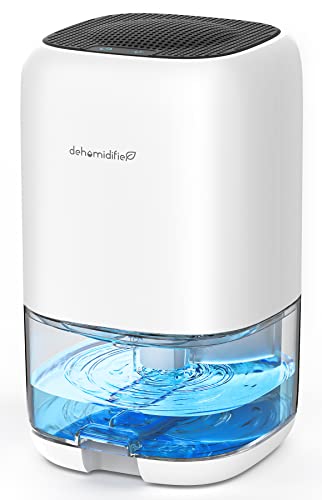
Quiet operation, perfect for bedrooms and offices.
Compact size fits well in small spaces.
Auto shut off ensures safe, worry-free use.
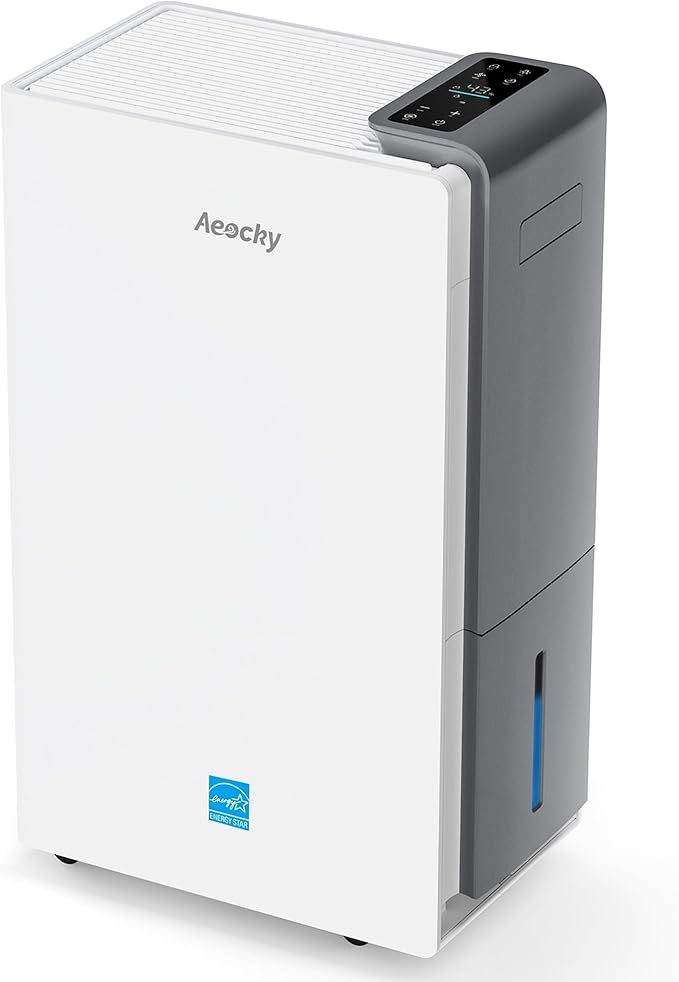
Highly efficient Energy Star 2025 rating saves on electricity.
Smart humidistat maintains optimal humidity levels automatically.
3-Year Warranty for Free Replacement, way exceeds market standards!

Efficiently covers large areas up to 1000 sq.ft.
Intelligent humidistat maintains desired humidity levels.
Quiet operation, ideal for bedrooms and bathrooms.

Covers large areas up to 2,500 sq. ft.
Includes a convenient continuous drain hose.
Offers intelligent humidity control and dry clothes mode.

Efficient moisture removal for large spaces.
Convenient continuous drainage with hose.
Compact design fits various areas easily.
Whether a product can do that depends on more than its tank size or advertised floor area. Look first for a stated humidity target and automatic cycling. A humidistat should measure room humidity and turn the unit on and off to maintain a selected setting. A published range such as 30% to 80% is useful, but accuracy and automatic control are stronger evidence when supported by an exact-model test or certification. Products with only continuous operation, preset targets of 60% or 70%, or no humidity display cannot reliably demonstrate that they will hold a bathroom in the recommended range.
Capacity claims also need careful interpretation. “Pints per day” is meaningful only when temperature and relative-humidity test conditions are disclosed and the test follows the federal DOE Appendix X1 method. A tank’s capacity—such as 35, 63, 77, 95, or 98 ounces—only indicates how much water it can hold before emptying; it does not show how quickly the product removes moisture. Likewise, a claim covering 215, 1,000, or several thousand square feet is not a sizing calculation unless the moisture load, test conditions, and target humidity are clear. The supplied reviews repeatedly found conflicting coverage, wattage, tank, and daily-removal figures, including cases where pints and ounces appeared to be confused.
For electricity use, look for an ENERGY STAR record for the exact model, a DOE Compliance Certification Database entry, or an ISO/IEC 17025-accredited laboratory report. Energy efficiency should be expressed as moisture removed per unit of electricity, such as an integrated energy factor—not simply a low wattage claim. A thermoelectric unit may use little power in absolute terms while removing very little water.
Electrical safety is a separate question from performance. Look for an active, exact-model U.S. NRTL listing in UL Solutions Product iQ, Intertek’s ETL directory, or the CSA database, covering the complete appliance and supplied adapter where applicable. FCC, CE, RoHS, a grounded-plug instruction, or the absence of a recall is not equivalent to that verification. In a bathroom, follow the manual’s placement limits: keep the appliance, adapter, cord, and outlet away from shower spray, splashing, standing water, and wet floors, and do not use an extension cord unless the instructions specifically permit it.
Also check full-tank shutoff, stable level placement, overflow protection, accessible tank and filter surfaces, cleaning instructions, and any continuous-drain limits. Collected water should not be left standing. A meaningful warranty, manual, replacement parts, and service support can help avoid premature disposal. Finally, verify the refrigerant: compressor products should disclose the type and charge, while refrigerant-free claims should be documented. R-290 has lower climate impact than many refrigerants but is flammable and should not be serviced by an unqualified person.
Across the supplied products, the recurring contraindication is clear: none should be placed in a splash zone or used to address leaks, flooding, visible mold, or persistently wet building materials. Several manuals specifically caution against operation near water, and exact-model U.S. electrical-safety listings were often not found. Buyers who need dependable humidity targeting, verified capacity, continuous drainage, or safety certification should choose only a product with those records rather than relying on marketing coverage or tank-size claims.
The scores below reflect the supplied reviews and the frozen topic definitions. A higher score means stronger evidence or suitability on that specific issue; it does not mean a product is risk-free or appropriate for every bathroom.
This measures whether the product can realistically help keep the intended space near EPA’s preferred 30%–50% relative humidity without presenting dehumidification as a cure. High-scoring products disclosed plausible capacity or control evidence; MIONJO scored 84 because its standardized capacity and certification support sizing, while low-scoring mini units lacked sufficient output or were unsuitable for ordinary bathrooms.
This measures an active, exact-model U.S. electrical-safety listing for the appliance and supplied adapter, plus the absence of unresolved fire-risk history. High scores among the supplied products were still limited: passive non-electric absorbers scored highest at 92, while most powered units scored roughly 68–70 because no traceable UL, ETL, or CSA listing was found. Missing verification is not proof of a defect.
This measures placement limits, stable construction, full-tank shutoff, and support for protection against spills, leaks, overflow, and shock. Higher-scoring products documented removable tanks and automatic shutoff, such as the Pro Breeze PB-02 at 74 and NineSky at 73. Lower scores reflected unclear drainage, adapter exposure, or manuals warning against operation near water.
This measures whether tanks, filters, drain paths, and accessible surfaces can be emptied and cleaned so collected water does not become a neglected contamination source. TABYIK scored 78 and Aiusevo 76 because their manuals describe tank and filter cleaning. Lower-scoring products lacked accessible manuals or internal-cleaning guidance, even when they offered large tanks or automatic shutoff.
This measures a disclosed humidistat range, automatic cycling, defrost behavior, full-tank shutoff, and evidence of sensor accuracy. MIONJO scored 87 because its ENERGY STAR record supports humidistat cycling; Aiusevo scored 73 with a manufacturer-stated 30%–80% target range. Products with only on/off operation or preset 60% and 70% targets scored lower because they cannot reliably hold the recommended range.
This measures whether water-removal, coverage, noise, energy, and air-quality claims include meaningful conditions and distinguish tank size from extraction capacity. Erizolt scored 73 because its stated 16-ounce daily claim included temperature and humidity conditions. Products with contradictory pints-versus-ounces figures or conflicting coverage areas scored as low as 45–54.
This measures exact-model confirmation of moisture removal, energy use, humidity control, or noise by ENERGY STAR, DOE, an accredited laboratory, or another credible program. MIONJO scored 91 with ENERGY STAR capacity and efficiency data; Pro Breeze PB-02 scored 83 for independent noise, dimensions, and moisture testing. Most other products scored near 68–71 because seller claims lacked exact-model third-party results.
This measures electricity required to remove a meaningful amount of water under disclosed conditions, not merely the unit’s wattage. MIONJO scored 91 with an exact-model ENERGY STAR efficiency result of 1.77 L/kWh. Several small thermoelectric products had low absolute wattage but weaker or unverified moisture efficiency, showing why low power draw alone is not enough.
This measures whether a compressor refrigerant and its handling are disclosed responsibly, or whether a refrigerant-free design is clearly substantiated. MIONJO scored 90 with a documented R-290 charge; Pro Breeze Osmo scored 85 because it is non-electric and refrigerant-free. Aiusevo scored 52 because conflicting documentation disclosed R-410A without model-specific handling information.
This measures warranty quality, manuals, replacement parts, cleanable filters, and repair support that can prevent premature disposal. Aiusevo scored 77 with a two-year warranty, three-year compressor coverage, cleaning instructions, and a washable filter. Lower scores generally reflected missing parts catalogs, manuals, service information, or only limited warranty evidence. A warranty alone does not establish durability.
This is a portable, compressor-based dehumidifier for indoor rooms. The product is listed with a 2.5-liter removable tank, 120 V power, 130 W rated wattage, wheels, a drain hose, automatic defrost, a timer, and a washable filter. It is marketed for basements, bedrooms, bathrooms, and rooms up to 2,500 square feet. The manufacturer-stated moisture-removal claim is 32 pints per day, and a reseller describes that figure at 95 F and 90% relative humidity. That is not the current DOE rating condition, so it does not establish expected removal in an ordinary bathroom or basement. The stated humidity-control range is 30% to 90%, which includes the EPA's generally recommended 30% to 50% indoor range, but no exact-model accuracy or cycling test was located.
This product suits a buyer managing moderate moisture in a small to medium enclosed room, who can monitor humidity with a separate hygrometer and empty the 2.5-liter tank or route the supplied hose safely to a drain. Its stated adjustable humidistat can be set within the EPA's 30% to 50% target range. It is more appropriate where mobility, a compact footprint, and periodic hands-on maintenance matter more than independently documented capacity, energy efficiency, or humidity accuracy.
It is not suited to a bathroom placement where splashing, a wet floor, extension cords, or an unprotected outlet are possible. The exact product's electrical listing and wet-room installation instructions were not verified. It is also not suited to severe water intrusion, active flooding, visible mold requiring remediation, or a large damp basement that needs reliably demonstrated extraction capacity. Households needing documented low energy use, a disclosed refrigerant, repair parts, or a confirmed multi-year warranty need stronger model-specific evidence.
Controlling excess moisture can help limit conditions that support mold growth. EPA guidance recommends keeping indoor relative humidity below 60%, ideally 30% to 50%, while also fixing leaks and using bathroom exhaust ventilation during showers. The stated humidistat range reaches that target, but its accuracy and real-world cycling performance have not been independently verified. A dehumidifier is moisture control, not a treatment for illness or a substitute for removing mold and correcting water damage. The listed removable tank, drain hose, and washable filter can support routine upkeep, but no exact-model cleaning manual was located. Keep the tank, hose, intake, and filter clean, and disconnect power before cleaning. No exact-model ENERGY STAR, DOE, or accredited-lab efficiency result was found. The refrigerant and charge were also not disclosed, so the product's climate impact and end-of-life refrigerant management cannot be assessed. No applicable U.S. recall or regulator warning was located in the sources reviewed.
This is a small, plug-in thermoelectric dehumidifier with a removable 17 fl oz tank and supplied 9 V power adapter. It runs from a simple on and off switch rather than a user-set humidity target. The manufacturer’s manual specifies moisture collection of about 8 fl oz per day only at 86 F and 80 percent relative humidity, with collection greatly reduced below 59 F. The full-tank indicator is documented to switch the unit off, and the tank can be removed for emptying and washing. The manufacturer markets it for bathrooms, but its own safety instructions say not to use it near water or in the immediate surroundings of a bath or shower. No exact-model U.S. NRTL safety listing or independent performance report was located in the checked certification and efficiency registers.
This product suits someone managing mild dampness in a small, dry-location enclosure or room, such as a closet, storage space, RV area, or compact bedroom that stays above about 59 F. It is most appropriate for a user willing to monitor humidity separately, empty a small tank often, and follow the stated clearance and cleaning instructions. The documented full-tank shutoff is useful where manual emptying is practical and frequent.
It does not suit placement beside a shower, bathtub, sink splash zone, or any location where the unit or its adapter could get wet, despite the bathroom language in marketing. It is also unsuitable for large basements, persistent leaks, flood damage, cold spaces, or households needing a set humidity target and automatic cycling. People managing visible mold, serious respiratory concerns, or major moisture intrusion need source repair, ventilation, cleaning, and where appropriate professional assessment.
Lowering excess humidity can support moisture control, but it is not a treatment for illness or a substitute for fixing leaks, cleaning existing mold, and ventilating bathrooms. EPA guidance favors indoor relative humidity below 60 percent, ideally 30 to 50 percent. This unit has no built-in humidity measurement or setpoint control, so a separate hygrometer is needed to determine whether that range is being reached. The product uses thermoelectric Peltier technology rather than a compressor, so compressor refrigerant is not part of its moisture-removal system. Its manual gives clear tank-cleaning and drying directions, which helps reduce neglected standing water. It also directs users not to discard electrical equipment with household trash. The review found a one-year limited warranty from the manufacturer, but no exact-model U.S. NRTL electrical-safety listing or independent moisture-removal and energy-efficiency verification.
This is a compact plug-in room dehumidifier for small enclosed spaces such as a bathroom, closet, bedroom, or RV. It measures about 6.1 by 6.1 by 9.9 inches, weighs 3 pounds, and has a manufacturer-stated 63 oz collection tank. The stated controls include continuous operation, a 6, 8, or 10 hour timer, automatic defrost, a night light, and automatic stop when the tank is full. The manufacturer states that automatic mode uses fixed 60% and 70% humidity settings, but provides no disclosed sensor accuracy, moisture-removal rate, wattage, or tested operating conditions. No exact-model ENERGY STAR record, DOE performance record, accredited laboratory report, or publicly traceable UL, ETL, or CSA listing was found in the checks performed. The 70% everyday preset is also above EPA guidance to keep indoor humidity below 60%, ideally 30% to 50%.
This product is suited to someone managing mild, intermittent dampness in a small enclosed area, who can empty a tank manually and can use a separate hygrometer to check actual room humidity. Its small footprint, stated carry handle, timer, and full-tank shutoff fit a closet, compact RV area, or a bathroom used with an exhaust fan. It is most appropriate where the goal is supplemental moisture collection, not documented humidity control for a whole room or a persistent water problem.
It is not suited to households that need verified electrical certification for unattended use, especially around children, pets, or bathroom water exposure. It is also a poor fit for a basement, large bathroom, laundry area, flood-prone space, active leak, visible mold, or any room with a substantial ongoing moisture load. Buyers needing a unit to hold a health-oriented humidity target should choose a product with a documented moisture-removal capacity, tested humidistat accuracy, and independently listed energy and safety information.
Reducing excess indoor moisture can help limit conditions that support mold growth, but a dehumidifier is not a cure for illness or a substitute for fixing leaks, drying wet materials, and using bathroom ventilation. EPA guidance is to keep indoor humidity below 60%, ideally 30% to 50%. This product's stated automatic choices of 60% and 70% therefore do not provide a verified route to that preferred range, and the 70% option is above the EPA ceiling. The manufacturer states that the tank is removable, has a full-tank shutoff, and can be cleaned. Those are useful water-handling features, but no detailed cleaning schedule, drain-path instructions, replacement parts, or service documentation was located. No exact-model public NRTL listing, ENERGY STAR certification, DOE result, accredited laboratory report, refrigerant disclosure, recall, or product-specific safety warning was found in the sources checked. The absence of a recall is not proof of safety, and the missing energy and refrigerant information prevents a meaningful climate-impact assessment.
This is a compact, plug-in thermoelectric dehumidifier with a 95-fluid-ounce removable tank, a stated polypropylene housing, full-tank shutoff, sleep mode, and seven-color lighting. Its listed footprint is 6.7 by 8.7 by 14.6 inches. It is intended to condense moisture into its tank rather than filter particles or treat mold already present. BEDRED states that the product uses semiconductor technology and can cover up to 1,000 square feet. A separately posted product manual also states a moisture-removal figure of about 2.8 liters per day at 86 F and 80 percent relative humidity. Neither figure was located in a DOE, ENERGY STAR, AHRI, or accredited-laboratory record for this exact product. The available controls do not disclose a humidity setpoint, sensor accuracy, or an automatic target-humidity range, so a separate hygrometer is needed to judge results.
This product fits a buyer seeking a compact tank dehumidifier for a modest, enclosed room that has intermittent excess humidity, such as a bedroom, closet-adjacent area, RV, or the dry portion of a bathroom. The buyer should be prepared to empty and clean a 95-ounce tank, use a separate hygrometer, and position it on a stable surface away from splash zones. It is more appropriate where quiet thermoelectric operation and small physical size matter more than independently documented moisture-removal output.
It is not suited to a persistently wet basement, flood recovery, active plumbing leak, or a large open-plan area where reliable daily extraction and a humidity target are needed. Those conditions require verified capacity under standard conditions and often continuous drainage. It should not be placed where it can be splashed, immersed, or used as a substitute for a bathroom exhaust fan. Households that require traceable U.S. electrical-safety certification, an independently verified efficiency rating, or readily available repair parts should select a product with those records.
Reducing persistent indoor dampness can support moisture control, which EPA identifies as central to limiting mold growth. EPA advises keeping indoor relative humidity below 60 percent and ideally between 30 and 50 percent. This product may help in a small enclosed area, but it does not publish a humidity target or independently verified output sufficient to show that it can maintain that range in its claimed coverage area. It also does not replace leak repair, mold cleanup, or bathroom ventilation. The stated semiconductor, thermoelectric design does not use a compressor refrigerant, which avoids refrigerant climate impacts from leakage and end-of-life servicing. However, no independent energy-efficiency result, ENERGY STAR certification, DOE certification record, or exact-product laboratory report was located. The tank can be rinsed with mild detergent and dried before reinstalling, an important step because EPA advises regular cleaning of dehumidifiers. No exact-product recall or CPSC warning was located in the searches performed, but an exact-model U.S. electrical-safety listing was also not located.
This is a portable compressor dehumidifier in a 23.8-inch-tall plastic cabinet, sold with a 1.72-gallon collection tank and a drain-hose option. The product listing says the tank has automatic shutoff, the air outlet is adjustable, the filter is washable, and the control range is 30% to 80% relative humidity. Those operating and maintenance features are manufacturer-stated, because no product-specific instruction manual or technical service documentation was located. Its strongest independently confirmed facts are narrower than the listing headline. ENERGY STAR data for this exact V3 model records 16.13 pints per day under the DOE Appendix X1 procedure, 1.77 L/kWh integrated energy factor, 196 kWh annual energy consumption, and R-290 refrigerant. The listing's 45 to 80 pints per day and 4,500-square-foot claims do not state comparable test conditions and conflict substantially with the verified 16.13-pint DOE capacity.
This product fits a buyer managing a modestly damp enclosed room, bedroom, office, laundry area, or small basement zone who can monitor humidity with a separate hygrometer and use a properly routed drain hose or empty the tank promptly. The independently confirmed 16.13-pint daily capacity supports a smaller moisture load than the headline coverage suggests. It is also relevant for buyers who value verified ENERGY STAR energy data and low-global-warming-potential R-290 refrigerant over unverified high-capacity marketing.
It is not suited to someone expecting verified whole-home or 4,500-square-foot moisture control, or to a very damp basement with seepage, standing water, or heavy laundry moisture. ENERGY STAR sizing guidance indicates spaces above 2,000 square feet generally need at least 30 pints per day even when only slightly to moderately damp. It is also not appropriate for an unsupervised wet-room installation without clear manual placement instructions, a protected outlet, and a safe condensate-drain route.
Controlling excess humidity can support moisture and mold prevention, but it is not a treatment for illness and it cannot solve leaks or water intrusion. EPA recommends indoor relative humidity below 60%, ideally 30% to 50%. The product's manufacturer-stated 30% to 80% setting range includes that target range, but no independent accuracy result was located. Use a separate hygrometer, maintain bathroom exhaust ventilation, and address plumbing or building leaks directly. The exact model is listed in ENERGY STAR data with 1.77 L/kWh efficiency, 196 kWh annual energy consumption, 16.13 pints per day capacity, and 2.8 ounces of R-290 refrigerant. R-290 is propane, a low-climate-impact refrigerant that is flammable, so the cabinet and refrigerant circuit should not be damaged or serviced by an unqualified person. No product-specific CPSC recall was located in the checked public recall materials. Public NRTL certification evidence and repair documentation for this exact product were not located.
This is a compact, plug-in thermoelectric dehumidifier for a small enclosed area, with a 1 liter collection tank, 40 W rated input, detachable rear filter, and supplied DC power adapter. Its instruction manual specifies continuous operation rather than a selectable humidity target. The unit is 5.9 by 5.9 by 10.1 inches and weighs about 2.2 pounds. The manufacturer states water collection of up to 450 ml per 24 hours at 86°F and 80% relative humidity, plus coverage up to 280 square feet. Those conditions are very humid and warm, so actual extraction can be materially lower in a typical bathroom or bedroom. The manual documents automatic stop at approximately 700 to 800 ml, but no humidistat, humidity display, setpoint accuracy, or exact-model third-party performance report was found.
It suits an adult who wants supplemental moisture collection in a genuinely small, enclosed, moderately warm space, such as a closet, RV sleeping area, or a small bathroom after showering. The user should place it on a level dry surface with clear airflow, monitor room humidity independently, empty the tank frequently, and wash the filter and tank. It is most realistic where the moisture source is modest and the unit can run continuously under supervision.
It is not suitable as the primary response to a wet basement, plumbing leak, flood damage, visible mold, persistent wall condensation, or a large and open-plan room. It also is not appropriate for buyers who need a verified electrical-safety listing, a certified energy-efficiency figure, continuous drainage, or automatic control to a chosen humidity target. Do not position it where it can be splashed, immersed, or placed directly beside a shower, tub, or sink.
Moisture control can help limit conditions that favor mold. EPA guidance recommends keeping indoor relative humidity below 60%, ideally around 30% to 50%, while also correcting leaks and other moisture sources. This product can collect water, but its continuous-only control means a separate hygrometer is needed to confirm that a room is actually staying in that range. It is not a treatment for mold or moisture damage. The manufacturer documents a tank-full stop, removable tank cover, and washable rear filter. These features support routine emptying and cleaning, which matters because standing condensate and dirty filters should not be neglected. No exact-product ENERGY STAR entry, DOE performance certification, accredited laboratory report, or traceable U.S. NRTL electrical listing was located. The thermoelectric design is described as Peltier-based by a retail source, which indicates no compressor refrigerant circuit, but the manufacturer does not provide a detailed technical environmental declaration or repair-parts program.
This is a portable, compressor-based floor dehumidifier with a 1.45-gallon tank, gravity-drain hose, washable pre-filter, casters, and a 40% to 80% adjustable humidity setting. It is meant for indoor moisture control in spaces such as basements, bedrooms, and bathrooms, not for direct exposure to water. The official manual specifies R-32, an A2L mildly flammable refrigerant, and requires upright placement, dry hands, a grounded three-prong outlet, and clearance from combustibles. Its strongest independently confirmed figures are different from the large headline claims. ENERGY STAR lists this exact product family, including this product's UPC, at 24.5 pints per day under the federal test method, 1.86 L/kWh integrated energy factor, and Most Efficient status. The advertised 80-pint maximum and 4,500 to 5,500-square-foot coverage are manufacturer claims, and the coverage figure is inconsistent across the supplied catalog record and current brand page.
This product suits a household managing persistent excess humidity in a large, enclosed basement, living area, or a bathroom-adjacent location with a dry, level floor and a grounded outlet outside splash risk. It is especially practical where a correctly sloped gravity drain can reach a suitable drain, because the 1.45-gallon tank would otherwise need regular emptying during a high-moisture period. Buyers should use an independent hygrometer and set a target near 40% to 50%, then confirm that the space actually reaches it.
It is not for placement inside a shower area, beside a tub, on a wet floor, or anywhere the appliance can be sprayed or immersed. It also does not suit an upstairs room or enclosed bathroom that needs water pumped upward, because this version uses gravity drainage rather than an integrated pump. Buyers sizing strictly from an 80-pint or 4,500 to 5,500-square-foot headline should choose based on the independently listed 24.5-pint federal-test capacity, room moisture sources, temperature, and drainage arrangement instead.
Humidity control can be useful for moisture management, not as a treatment for illness. EPA advises keeping indoor relative humidity below 60%, ideally 30% to 50%, and identifies dehumidifiers as one tool alongside fixing leaks and ventilating bathrooms. This product can be set as low as 40%, although its humidity-sensor accuracy has not been independently published. The tank, hose, and washable pre-filter require regular cleaning and drying to avoid stagnant collected water and restricted airflow. The exact product family is independently ENERGY STAR certified and designated Most Efficient, with 1.86 L/kWh efficiency and 24.5 pints per day under the standardized test. Its R-32 refrigerant has a lower global-warming potential of 675, but it is A2L mildly flammable. The official manual includes flammable-refrigerant warnings and calls for qualified service. No product-specific CPSC recall or regulatory warning was located in the checked U.S. sources.
This is a compact, plug-in rotary desiccant dehumidifier with an 85-ounce collection tank and supplied gravity-drain hose. The marketplace record states 10 pints per day, 340 watts, a humidistat, sleep mode, timer, and a 1,000-square-foot coverage claim. It is intended for smaller moisture-prone spaces such as bathrooms, bedrooms, closets, RVs, and laundry areas. The manufacturer independently confirms the rotary desiccant format, 10-pint-per-day claim, continuous drainage, replaceable filter and tank, and one-year warranty. It also claims low-temperature operation. However, its own product page says up to 2,000 square feet, conflicting with the marketplace's 1,000-square-foot claim. Neither source provides capacity test conditions, humidistat accuracy, sound measurements, or independent performance results. No exact-model U.S. NRTL electrical-safety listing, ENERGY STAR certification, DOE certification record, or accredited laboratory report was located in the checked registers.
This product suits someone managing moderate humidity in a small, enclosed, cool space who can place the unit on a dry, level surface and route the included hose continuously downhill to a suitable drain. It is particularly relevant where a compact desiccant unit is preferred over a compressor-style design, such as an RV, closet, bedroom, laundry room, or cool basement corner. The buyer should be comfortable treating the stated 10-pint capacity and coverage area as manufacturer claims rather than independently confirmed performance figures.
It is not for a large, persistently wet basement, a flood-damaged room, or a whole-floor moisture problem where documented extraction capacity and energy performance are needed. It is also not the right choice for anyone who requires an exact-model U.S. NRTL electrical-safety listing before operating an appliance near bathroom moisture. Do not treat it as a mold remedy or a substitute for fixing leaks, ventilation faults, or water intrusion. Buyers needing a verified humidity setpoint, low noise, or defined bathroom placement instructions need more documentation.
Keeping indoor relative humidity below 60 percent, ideally around 30 to 50 percent, can help limit moisture conditions associated with mold. This product has a manufacturer-stated humidistat, full-tank indication, and gravity drainage, which are useful control features in principle. Its actual setpoint range, sensor accuracy, and ability to hold a target humidity have not been independently documented. Dehumidification controls moisture, but it does not establish a cure for illness or replace removal of existing mold and repair of water sources. The rotary desiccant design is manufacturer-stated, but the product documentation reviewed does not explicitly disclose refrigerant status, energy efficiency, or certified moisture-removal results. Model-specific replacement filters and tanks are available from the manufacturer, which can reduce avoidable disposal from those parts. A one-year warranty is stated. No exact-model electrical listing, ENERGY STAR record, DOE record, CPSC recall, or CPSC product-safety warning was located in the checked sources, although absence of a located record is not proof of safety certification or absence of incidents.
This is a portable compressor dehumidifier with casters, a removable 2-liter water tank, a washable air filter, digital controls, and a supplied gravity-drain hose. It is intended for rooms with excess moisture, including bathrooms, bedrooms, basements, and laundry spaces. The official manual specifies 120 V power, 230 W rated power, and R290 refrigerant with a 45 g charge. The manufacturer states a 30% to 80% humidity setting range, automatic cycling at the chosen setting, full-tank shutoff, and continuous drainage when the hose is routed downward without bends. Its 34-pint daily headline is conditional, the manual reports 34 pints only at 95°F and 90% relative humidity. It reports 13 pints at 80°F and 60% relative humidity, and 8.5 pints at 65°F and 60% relative humidity. No exact-model independent performance result was located.
This product suits a buyer managing intermittent moisture in a small or medium enclosed bathroom, laundry room, bedroom, or basement area, with a level placement surface and a grounded outlet outside splash exposure. It is most practical where a floor drain or sump destination allows the supplied hose to run continuously downhill. The user should be willing to inspect hose routing, empty and dry the tank when used manually, clean the filter regularly, and check room humidity with a separate hygrometer if precise control matters.
It is not suited to a shower enclosure, a location exposed to direct spray, or any bathroom setup where the plug, cord, or appliance could become wet. It is also a poor fit for large, persistently wet basements, flood recovery, or mold remediation where the stated 2,500-square-foot coverage could be treated as a proven result. Households requiring publicly traceable safety certification, independently verified energy efficiency, verified low noise, or documented sensor accuracy should choose a product with those exact-model records.
Lowering excess indoor humidity can support moisture control, but it is not a treatment for illness or a substitute for fixing leaks, ventilation failures, or existing mold. EPA guidance is to keep indoor relative humidity below 60%, ideally 30% to 50%. This product's manufacturer-stated 30% to 80% setting range can target that zone, but its sensor accuracy and real-room control have not been independently verified. The official manual identifies 45 g of R290, a flammable propane refrigerant, and includes no-puncture, ignition-source, servicing, recovery, and disposal precautions. R290 has very low stated climate impact relative to many older refrigerants, but it needs appropriate handling. EPA's current residential-dehumidifier substitute table does not list R290, so its specific regulatory status for this product could not be confirmed. No product-specific CPSC recall or public safety warning was located in the checked U.S. databases. The washable filter may reduce replacement-filter waste, while no replacement-parts catalog or end-of-life recycling program was located.
This compact compressor dehumidifier is a 16.8-pound, 7.5 by 12 by 17.5-inch unit with a removable roughly 0.41-gallon tank and a supplied gravity-drain hose. It is intended for bedrooms, bathrooms, basements, and other damp rooms. The manufacturer states a 21-pint daily removal capacity at 95°F and 90% relative humidity, a condition much hotter and wetter than ordinary indoor use, plus coverage up to 1,500 square feet. Its documented controls include a 30% to 80% humidity setting, automatic cycling in dehumidify mode, full-tank shutoff, auto defrost, a timer, and a washable filter. The target range includes EPA's preferred 30% to 50% indoor humidity range. However, no exact-model ENERGY STAR, DOE performance record, accredited laboratory report, or traceable U.S. electrical-safety listing was located in the checked registers.
This product suits a buyer managing moderate seasonal humidity in a room where there is a grounded outlet, level floor space, and a practical route for either tank emptying or a downhill gravity drain hose. It is most coherent for a bedroom, bathroom adjacent to but not exposed to splashing water, laundry area, or modest finished basement where the buyer can check actual humidity with a separate hygrometer. Its adjustable setpoint can be used to aim around 30% to 50% relative humidity, consistent with EPA moisture-control guidance.
It is not suited to a bathroom location exposed to direct splash, a wet floor, or an outlet arrangement that requires an extension cord. The manual specifically calls for a grounded outlet, stable level placement, clearance around the appliance, and avoidance of water exposure. It is also a poor fit for severe or ongoing water intrusion, flooding, or a very damp large basement, because the coverage claim lacks independent test support. Households needing documented electrical certification, verified energy efficiency, precise humidity accuracy, or established repair parts should select a product with those records.
Humidity reduction can support moisture control, not cure health conditions. EPA guidance says indoor relative humidity should stay below 60%, ideally 30% to 50%, and stresses that water problems must also be corrected. This product's adjustable 30% to 80% setting can target that range according to the manufacturer, but its accuracy and room-scale performance were not independently verified. The manual includes useful safeguards for collected water, including a removable tank, full-tank stop, continuous drainage instructions, and a washable filter with a two-week cleaning interval. It also warns against splash exposure and extension cords. No product-specific recall was located in the checked CPSC sources. Still, a traceable U.S. NRTL electrical listing, an ENERGY STAR or DOE efficiency record, and manufacturer refrigerant documentation were not located. A reseller identifies R290 refrigerant, but the manufacturer materials reviewed do not confirm it or provide handling details.


