Best Overall
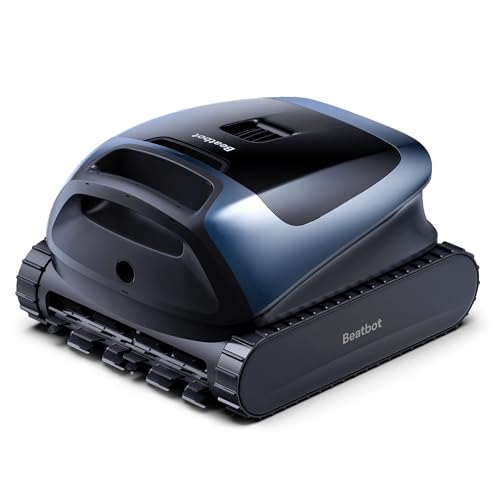
Beatbot Sora 30 Pool Vacuum Cleaner
Cleans floors, walls, and waterline effectively.
Long 300-minute runtime for large pools.
Smart parking feature for easy storage.
 Daniel Kenitz
Cleans floors, walls, and waterline effectively.
Long 300-minute runtime for large pools.
Smart parking feature for easy storage.

Efficient cleaning with advanced suction technology.
Easy setup and user-friendly controls.
Durable design with reliable performance.
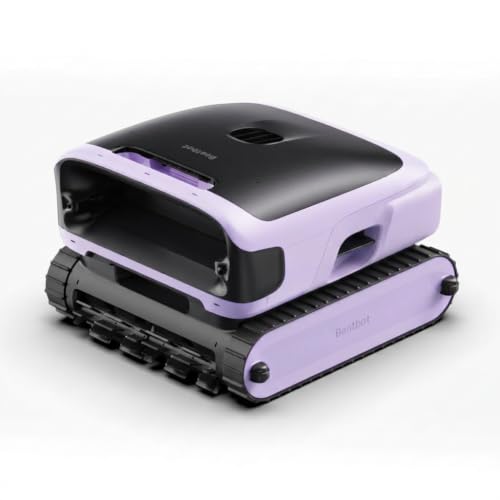
Efficient cleaning with smart navigation system.
Quiet operation ensures a peaceful environment.
Easy setup and user-friendly controls.

Efficient cleaning with 6800GPH powerful suction.
Smart surface parking for easy retrieval.
Large 5L capacity for extended cleaning.

Efficient cleaning with advanced navigation technology.
Long-lasting battery for extended cleaning sessions.
User-friendly design with easy maintenance features.

Efficiently cleans floor, walls, and waterline.
Intelligent path optimization for thorough coverage.
Cordless design enhances ease of use.

Efficient cleaning of floor, walls, and waterline.
Long 300-minute runtime for thorough cleaning.
Waterline parking feature for easy maintenance.

Advanced AI mapping for precise cleaning paths.
5-in-1 cleaning tackles all pool surfaces.
Smart app control for easy monitoring.

Efficient 24/7 solar-powered pool cleaning.
Smart app and voice control compatibility.
Effective edge and corner debris removal.

Efficient AI navigation for complex pool shapes.
Easy transport with included caddy.
Advanced cleaning technology for thorough debris removal.
The useful question is not how large the suction, runtime or coverage number sounds. It is whether the product matches the pool and debris, and whether the claim has been tested under conditions that resemble yours. Pool fit depends on pool type, floor area, depth, surfaces, slopes, steps, drains, shelves and waterline access. A stated area limit is not proof of complete cleaning in one cycle. Several supplied reviews found limitations around steps, ledges, drains, shallow transitions or complex obstacles, while published area figures sometimes conflicted between product pages and manuals.
Filtration numbers also need context. The supplied products commonly include filters around 150 microns; that is a defined debris threshold for leaves, hair, insects and larger particles, but it does not establish capture of very fine silt, pollen or suspended material. Optional 3- or 60-micron baskets are separate purchases on some models, and finer filters can add replacement waste or clog more quickly. A credible performance comparison should identify the filter, particle sizes, debris mix, pool geometry, runtime, repeat cycles and whether debris was captured rather than redistributed. Manufacturer suction, flow-rate, runtime and “full coverage” figures are not equivalent to repeatable independent results.
For a battery-powered cleaner and charger used near a pool, look for a current, traceable model-specific listing in the UL Product iQ, Intertek ETL Listed Mark Directory or OSHA Nationally Recognized Testing Laboratory product list. A broad statement that a brand has certifications is not enough. Check the exact cleaner, battery, charger and dock, and review the CPSC Recalls and SaferProducts databases. For connected models, the exact wireless equipment authorization should be verifiable through the FCC database; app privacy disclosures should explain account, device, usage and diagnostic data, along with updates and deletion options.
The recurring caveats in the supplied reviews are significant. No Beatbot model had a verified US NRTL listing for its cleaner and charging equipment. Batteries are commonly sealed or technician-replaceable, with limited public evidence of replacement batteries, repair paths or end-of-life recycling instructions. Several products have incomplete independent testing, and some have inconsistent manuals or specifications. Do not operate a cleaner while people or animals are in the pool; follow the supplied-charger, dry-charging, GFCI and water-chemistry instructions. Buyers with steps, shallow shelves, complex pools, very fine debris, shellfish sensitivities or a need for independently certified electrical safety should confirm those requirements before purchase.
These topics distinguish a pool cleaner that is merely convenient from one whose electrical use, pool fit, consumables, service life and claims are adequately documented. Scores below are reflected comparatively: the supplied products generally score better on ordinary mechanical debris cleaning and pool-water compatibility than on independently verified electrical certification or long-term battery service.
This measures model-specific safety listing for the cleaner, battery, charger and dock, plus unresolved burn or fire issues. It matters because charging occurs near pool water. Among the supplied products, scores were roughly 68–76: higher scores reflected concrete dry-charging, GFCI and specified-charger instructions, but no Beatbot product had a located UL, ETL or other NRTL listing for the exact US unit.
This measures whether instructions preserve normal sanitation and chemistry rather than implying that debris removal purifies water. It matters because a robot operates in swimmer water. Scores were about 70–80. Higher-scoring products gave limits for pH, chlorine, salt, temperature and depth and clearly stated that cleaning does not replace filtration or sanitation; lower scores reflected less complete boundaries or broader treatment language.
This measures disclosure of ingredients, dose, handling, disposal and sensitization risks for clarifiers or other consumables. It matters most for products using chitosan described as derived from recycled crab shells. Mechanical-only products generally scored higher, around 78–82, because they add no treatment chemical. Clarifier-equipped models scored lower, around 68–80, where SDS, full formulation, dose and shellfish-allergen information were incomplete.
This measures demonstrated pickup of coarse and fine debris without simply moving it around, plus any actual clarity result. Scores ranged from about 70–83. Higher-scoring products had hands-on evidence of debris pickup, including tests reporting more than 95% collection or effective floor, wall and waterline cleaning. Lower scores relied mainly on manufacturer filtration, suction or clarification claims, often with 150-micron filters that do not prove fine-particle or sanitation performance.
This measures realistic support for pool shape, area, depth, surfaces, steps, drains and waterline coverage, along with retrieval. Scores ranged from about 62–81. Higher scores combined defined limits with observed surface or wall-side parking and practical hooks. Lower scores reflected conflicting depth or area claims, missed steps, inconsistent auto-parking, weak obstacle handling or unverified coverage in complex pools.
This measures whether claims about area, runtime, filtration, navigation, clarity and durability are qualified and supported, without implying sanitation or algae control. Scores ranged from about 52–78. Higher scores clearly separated manufacturer statements from observed testing and identified filter limits or pool restrictions. Lower scores involved conflicting specifications, broad coverage language, unsupported clarification claims or retailer details that did not match model documentation.
This measures whether safety, performance and sustainability evidence identifies the exact model, issuer, method, date and result. Scores were about 68–78. Higher-scoring products had hands-on testing or verifiable FCC evidence, but even the stronger entries lacked accredited repeat-cycle laboratory reports. A review can show practical usefulness; it does not replace model-specific certification or a disclosed test protocol.
This measures privacy disclosures, account security, update support and radio compliance for connected cleaners. Scores ranged from about 70–78. Higher scores included current app activity, encrypted transmission or an exact FCC authorization, with deletion options disclosed. Lower confidence resulted from missing model-specific authorization, unclear support periods or inconsistent statements about data collection. App control is also often unavailable while a robot is submerged.
This measures whether a cleaner can remain in service through warranty coverage, repair access and replacement batteries, filters, brushes and chargers. Scores were about 72–78. Higher scores had two- or three-year main-body coverage and documented replacement filters or adapters. Even those products often lacked a public battery replacement route, repair manual or authorized-service network; replacement-only warranties are not the same as repairability.
This measures energy per cleaning job, battery replacement burden and recurring filters, cartridges and packaging. Scores were roughly 68–75. Higher-scoring products had reusable baskets, disclosed battery or charging details, or solar assistance, but independently measured energy-per-cycle data was generally absent. Optional fine filters and short replacement intervals add material waste, while sealed lithium batteries create end-of-life handling needs.
This measures unnecessary chemical additions and disposal guidance for treated water, cartridges, plastics and batteries. Scores ranged from about 68–78. Mechanical cleaners scored better because they add no clarifier or pesticide. Clarifier models scored lower when cartridge composition, disposal and discharge directions were incomplete. Solar charging or recycled-material claims do not by themselves establish lower impact without complete product-specific evidence.
This cordless robotic pool cleaner runs on an integrated 21.6 V, 10,000 mAh lithium-ion battery and is charged with a 65 W plug. Beatbot lists a 5.2 L debris basket, a standard 150 micron filter, and manufacturer laboratory runtimes of up to five hours for floor-only cleaning or 4.5 hours for floor, wall, and waterline cleaning. Manufacturer documentation says it is intended for above-ground and in-ground pools, including shallow platforms at least 0.7 ft deep and 3.3 ft wide. It can float to the surface for retrieval, but it does not skim floating debris during cleaning. An optional 3 micron filter basket is sold separately. The company provides a current two-year US warranty covering the main body, including the battery, motor, electronics, and power supply.
This product fits an owner of an above-ground or in-ground pool who wants a cordless cleaner for floor, wall, waterline, and sufficiently large shallow-platform cleaning. It is most appropriate where ordinary leaves, insects, sand, and other routine debris are the main problem, and where someone values surface parking instead of lifting a robot from the pool bottom. The stated pool limits matter, particularly for shelves. Buyers who expect very fine debris should plan around the separately sold 3 micron basket rather than assume it is included.
It is not appropriate for households that require a publicly verifiable US NRTL listing for all poolside charging equipment, because no model-specific UL or ETL listing was located. It also does not suit pools with platforms under 0.7 ft deep or narrower than 3.3 ft, or pools where floating debris needs active surface skimming. Buyers relying on independently tested fine-filtration, navigation, battery-life, or energy-use results will find the available evidence incomplete. Children and pets should be kept away during charging and pool operation.
The cleaner itself adds no sanitizer, algaecide, clarifier, or other treatment chemical to pool water. Beatbot specifies normal operating limits, including water temperatures of 43 to 95 F, pH 7.0 to 7.8, chlorine no higher than 4 ppm, and salt concentrations below 5,000 ppm. Those limits support use alongside ordinary pool sanitation, but they do not replace water testing or chemical treatment. The product contains an integrated lithium-ion battery and a replaceable debris basket. The optional fine basket can reduce disposal of single-use chemical clarifiers, but no complete model-specific battery end-of-life or materials-disposal guidance was located. No matching CPSC recall or public safety warning was located during this review. Electrical protection is described by Beatbot as IPX68, yet a traceable US NRTL listing for the exact cleaner and charger was not found. The app's store privacy disclosure reports collection of contact details, identifiers, usage data, and diagnostics, with some data linked to the user.
This is a cordless, rechargeable robotic pool cleaner for above-ground and in-ground pools. It vacuums and brushes the floor, walls, waterline, and water surface into a 6 L debris basket. Beatbot states that the included basket uses 150 micron filtration, while a 3 micron dual-filter basket is an extra accessory. The stated battery is 10,000 mAh, with up to five hours of floor cleaning or seven hours of surface cleaning. The product has unusually broad claimed coverage, including shallow platforms at least 3.3 by 3.3 feet and water at least 8 inches deep. Those coverage figures are manufacturer-stated and based on internal testing. Independent hands-on reviewers did observe it collecting surface debris as well as dirt and debris from the floor, walls, and waterline in residential pools. Its pool-edge parking can reduce deep-water lifting, although the unit is still substantial at 22.9 pounds dry.
It suits an owner of a residential above-ground or in-ground pool with recurring leaves, insects, pollen, sand, or other floating debris, who wants one battery robot to address both the water surface and submerged areas. It is particularly relevant for pools within the stated 3,229 square foot maximum, with compatible concrete, tile, vinyl, or fiberglass surfaces. It also fits someone able to follow charging precautions, clean the basket after use, and use the included hook or wait for edge parking rather than lifting a water-filled robot from depth.
It is not appropriate for anyone who requires a pool cleaner with a publicly verifiable model-specific NRTL electrical safety listing, independent laboratory performance results, or a clearly documented long-term battery replacement path. It is also a poor fit for a pool that needs continuous surface skimming, as independent testing found that surface cleaning is not continuous. Households should not run it while swimmers are in the pool, and people unable to handle or safely retrieve a roughly 23-pound machine should account for its weight, especially before it drains after parking.
This mechanical cleaner does not dispense a clarifier, sanitizer, algaecide, or other pool chemical. Its manual instead sets water-use conditions, including pH 7.0 to 7.8, chlorine at or below 4 ppm, salt at or below 5,000 ppm, water temperatures of 43 to 95 degrees Fahrenheit, and depths from 0.7 to 11.5 feet. These limits support normal pool chemistry rather than replacing it. No chemical ingredient or allergen disclosure is needed for the supplied product. The manual gives meaningful battery precautions. It specifies the dedicated charger, prohibits extension cords, limits charging to 32 to 104 degrees Fahrenheit, warns against damaged batteries, and directs users to keep people out of the pool during operation. The product has a stated IP68 enclosure rating and a three-year warranty. However, no model-specific UL or ETL listing, independent safety test report, or publicly documented replacement battery path was verified. The 203 Wh lithium-ion battery and optional fine-filter basket also create battery-recycling and consumable considerations at end of life. The app discloses collection of contact, identifier, usage, and diagnostic data, while store listings state data are encrypted in transit and deletion can be requested.
This cordless robotic pool cleaner is a 22.9-pound, lithium-ion battery unit with a 6-liter debris basket. It is intended for above-ground and in-ground pools, cleaning the floor, walls, waterline and surface through selectable modes. The manufacturer states a 10,000 mAh battery, up to five hours of floor cleaning, a 150-micron included filter, and an optional 3-micron basket. Its most distinctive practical feature is manufacturer-stated surface parking, which is intended to bring the robot to the pool edge for retrieval. The manual gives usable pool-water limits, including pH 7.0 to 7.8, chlorine up to 4 ppm, salt up to 5,000 ppm, and depths from 0.7 to 11.5 feet. However, no model-specific NRTL electrical-safety listing or independent laboratory performance report was located.
This product fits an owner of a residential above-ground or in-ground pool who wants cordless cleaning across the floor, walls, waterline, and surface, and who can operate within the stated water limits. It is particularly relevant where lifting a cleaner from the deep end is inconvenient, since the manufacturer describes surface parking and supplies a retrieval hook. The owner should be comfortable emptying and rinsing the basket, charging the unit indoors on a dry surface, and treating app control as optional rather than essential.
It is not suited to households that require independently verified electrical certification before using a rechargeable appliance around a pool. It also is not the right fit for pools outside the stated chemistry, depth, or temperature limits, or for steps and ledges smaller than the stated 3.3-foot minimum. People needing verified fine-particle filtration out of the box should note that the supplied basket is rated at 150 microns. Do not use it while people or animals are in the water, as the manual expressly warns against that practice.
The manual contains meaningful operational safety direction. It specifies the Beatbot charger, says to charge indoors in a dry, cool location, requires dry and clean charging contacts, and warns against third-party batteries or chargers. It also says not to enter the pool while the robot operates and to keep power sources away while the unit drains after removal. The product’s lithium-ion battery may only be replaced by technicians, which limits user repair. No chemical treatment, clarifier cartridge, sanitation claim, or pesticide ingredient was identified for the product as sold. It is a mechanical debris cleaner and does not replace normal pool disinfection or water chemistry management. No Beatbot recall was located in the CPSC sources checked. The manufacturer provides a three-year warranty and sells a replacement ultra-fine filter basket, but publicly verifiable NRTL safety certification, independent performance testing, battery replacement availability, and product-specific recycling guidance were not located.
This cordless robotic pool cleaner is a rechargeable, app-connected unit for floor, wall, waterline, and manufacturer-stated shallow-platform cleaning. It has a 10,000 mAh lithium-ion battery, a 5.2 L top-loading debris basket, and included 150 micrometer filtration. The optional ultra-fine basket is a separate purchase. Charging is through a proprietary plug at the rear of the unit, not a dock. Manufacturer specifications state up to five hours for floor cleaning, 4.5 hours for floor, wall, and waterline work, and coverage up to 3,230 square feet. Independent hands-on reports support roughly four to five hours of runtime and confirm useful routine debris cleaning, but results on navigation, step cleaning, retrieval, and filter cleanup vary by test pool. The manufacturer says it is suitable for salt pools below 5,000 ppm. It is a debris cleaner, not a water sanitizer or an algae-treatment product.
This product suits an owner of a maintained residential in-ground or above-ground pool who needs regular pickup of settled leaves, insects, hair, and larger debris from the floor, walls, and waterline. It is most appropriate where a 150 micrometer filter is adequate, the pool has accessible walls, and someone can remove and rinse a nearly 20-pound cleaner after a cycle. A shallow tanning ledge may be compatible only when it is at least 8 inches deep and at least 3.3 feet by 3.3 feet, according to the manufacturer.
It is not suited to first opening cleanup, heavy storm debris, or a pool whose main problem is suspended silt, pollen, algae, or cloudy water. The package warning reported by WIRED limits it to routine cleaning, and the included basket is only rated to 150 micrometers. People with limited lifting capacity should account for the unit’s nearly 20-pound dry weight and inconsistent retrieval reports. It also does not actively skim floating debris, and buyers needing live underwater app control or a verified model-specific NRTL electrical listing need more documentation.
This is a physical debris cleaner with no included water-treatment chemical or clarifier cartridge, so it does not add a sanitizer, pesticide, or allergen-bearing consumable to the pool. It should not be used to replace normal chlorine, salt-system, filtration, testing, or other pool-water maintenance. The optional 3 micrometer basket is a physical filter accessory, not evidence of sanitation or algae control. The rechargeable lithium-ion battery avoids a trailing powered cable in the pool, but it creates battery end-of-life responsibilities. Beatbot publishes a two-year United States warranty and sells a replacement ultra-fine basket, which can extend usable life. However, no public replacement battery listing, repair manual, battery recycling instruction, or model-specific independently verifiable safety certificate was located. Rinse chemical residue from the cleaner after use, store it dry, and use local lithium-ion battery recycling channels when the battery or product reaches end of life.
This cordless robotic pool cleaner is a rechargeable, app-connected unit for pool floors, walls, and the waterline. Beatbot specifies a 10,000 mAh lithium-ion battery, a 2 L debris basket, a 150-micron filter, and up to four hours of floor-only runtime. Its stated pool-bottom limit is 3,230 square feet, with a listed working-depth range of about 1.6 to 9.8 feet. The product has a wireless dock and is designed to surface-park when a cycle ends or battery is low. Beatbot also states that it drains water before retrieval. An independent reviewer reported strong leaf and debris pickup, reliable wall climbing, and waterline cleaning over three months in a Florida outdoor pool. That review also found built-in stairs remained a manual-cleaning area. No US NRTL listing for this exact product was located during verification.
This product suits an owner of a residential in-ground or above-ground pool with a floor area within Beatbot's 3,230-square-foot stated limit, ordinary leaves, insects, hair, sand, and similar debris. It is particularly relevant where lifting a wet cleaner from the deep end is inconvenient, since the maker states that it surface-parks and drains water before retrieval. It also suits users willing to empty and hose-rinse the basket after each run, use the original dock in a dry location, and retain manual cleaning for inaccessible areas.
It is not a suitable substitute for a pool's sanitizer, circulation system, chemistry testing, or manual removal of algae and very fine suspended material. Buyers who require independently verified US electrical certification for a battery charger used near a pool should seek a product with a traceable current NRTL listing. It also is a weaker fit for pools with narrow steps, very shallow shelves, complex drains, or transitions outside the stated depth range. Households uncomfortable with app data collection, Wi-Fi and Bluetooth setup, or software-dependent controls should consider a non-connected cleaner.
The product itself adds no clarifier, pesticide, sanitizer, or other pool-treatment chemical. That avoids direct chemical dosing from this model, but it also means it cannot substantiate water purification, algae-control, or sanitation benefits. The manufacturer instructs users to remove the cleaner before adding pool chemicals, avoid use while swimmers are in the pool, and place the dock in a dry, shaded area away from water. Its 203.04 Wh lithium-ion battery is enclosed during normal use. The available battery safety document warns that severe deformation, heat, overload, short circuit, or disassembly can create fire, explosion, and corrosive electrolyte exposure risks. A three-year written main-body warranty can reduce premature replacement, but Beatbot does not publish a clear consumer battery replacement path or model-specific recycling instructions. Damaged lithium-ion batteries need specialized handling rather than ordinary recycling.
This is a cordless, app-connected robotic pool cleaner with a rechargeable lithium-ion battery, charging dock, top-access 2 L debris basket, two roller-brush groups, and a stated 150 μm polyester filter. It is designed to clean a pool floor, walls, and waterline, then stop at the waterline for retrieval. The manual gives operating limits of 0.5 to 3 m water depth, pH 7.0 to 7.8, free chlorine up to 4 ppm, salt up to 5,000 ppm, and water temperature of 6 to 35 C. The catalog title incorrectly calls this unit AquaSense 2 and states a 3,230 square foot capacity. Independent model matching identifies it as the earlier AquaSense product, for which Beatbot states a 6,700 mAh battery, up to 3.5 hours of floor cleaning, and a recommended 2,260 square foot pool-bottom area. That identity and capacity conflict is material when matching the product to a pool.
This product fits an owner of an above-ground or in-ground pool whose bottom area is within the manufacturer's stated 2,260 square foot limit, whose water chemistry stays within the documented limits, and who wants a cordless cleaner for routine floor, wall, and waterline debris. It is particularly suited to someone willing to rinse the 2 L basket after cycles, maintain the app connection on 2.4 GHz Wi-Fi, and retrieve the unit with the supplied hook if waterline parking does not occur.
It is not suited to buyers who need the 3,230 square foot capacity, 10,000 mAh battery, or four-hour runtime presented in the catalog title, because the matched product documentation specifies lower figures. It is also unsuitable for pools shallower than 0.5 m, deeper than 3 m, or outside the stated salt, chlorine, pH, and temperature limits. Households that require a publicly traceable model-specific electrical listing, independently measured cleaning results, user-replaceable batteries, or minimal app data collection need more documentation.
The product itself does not include a water clarifier or make a sanitation claim. That is important because a debris robot does not replace circulation, disinfectant, or routine pool-water testing. The manual gives chemistry limits and says swimmers and animals should stay out of the pool while it operates. It also specifies an IP68 rating for the robot and IPX4 for the charging dock, while directing users to use the supplied charging equipment, charge in a dry location, and avoid damaged batteries. The reusable basket avoids disposable chemical cartridges, and the manual directs users to rinse it after cleaning. It also instructs users to recycle the lithium-ion battery and electrical product rather than place them in ordinary waste, although it provides European WEEE wording rather than a US-specific take-back route. No relevant CPSC recall or regulatory warning was located during this review. The claimed ETL certification could not be independently matched to this exact model in the public directory.
This is a cordless, battery-powered robotic pool cleaner for above-ground and in-ground pools. It uses front roller brushes and a removable 5L debris basket, with a supplied 150-micron filter intended for routine leaves, sand, insects, and larger suspended debris. It does not include a chemical clarifier or sanitation treatment, so normal pool disinfection and water-balance routines still remain necessary. Beatbot states that the product cleans floors, walls, waterlines, and shallow platforms, runs up to five hours in floor-only mode, and charges in about 3.5 hours with a 65W adapter. Independent hands-on testing found it collected more than 95 percent of a disclosed mixed debris test in about two hours and scrubbed walls and the waterline credibly. The same testing found that it missed debris on pool steps and that waterline parking lasts only a few minutes before the robot sinks for hook retrieval.
This product suits an owner of a modest residential pool who primarily needs automated pickup of leaves, dirt, sand, and similar routine debris from the floor, walls, and waterline. It is especially relevant where a cordless format and a light enough unit for regular lifting matter. The strongest independent evidence is for ordinary debris cleanup in a conventional pool, not for precision coverage of complex features. It also fits users comfortable rinsing the basket after each run and retrieving the robot promptly when a cycle ends.
It is not suited to pools where steps, very shallow entry shelves, or intricate obstacles must be cleaned reliably without manual follow-up. Independent testing found missed debris on every step, and the unit may leave the waterline shortly after its parking cycle. It is also a poor fit for households that require independently verified electrical safety certification or clearly documented wireless compliance before operating a battery-powered connected device near a pool. Buyers wanting a repairable product with a published replacement-battery pathway should look for stronger service documentation.
The product is a mechanical cleaner, not a water-treatment device. No clarifier cartridge, sanitizer, pesticide, or algae-control ingredient is included in the documented configuration. That avoids direct chemical dosing from the cleaner, but it also means it cannot replace normal chlorine, bromine, filtration, testing, or other pool-water safety practices. The supplied basket is rated by the manufacturer at 150 microns, so very fine particles may require the separately sold finer basket or the pool's main filtration system. Beatbot states that the housing is chemical-resistant ASA and that the charging connection uses titanium components. It also provides a 2-year warranty and sells a replacement adapter. However, no model-specific UL or ETL listing, battery replacement offering, repair manual, or independently verifiable radio authorization was found in the reviewed public sources. The app developer reports collecting account, usage, and diagnostic data, while Google Play reports encrypted data in transit and an option to request deletion.
This is a cordless, rechargeable robotic pool cleaner with a charging dock, dual filter basket, app connection, cameras and ultrasonic sensors. It is intended to clean pool floors, walls, waterlines and the surface, while optionally dispensing a chitosan clarifier cartridge. The official manual specifies a 13,400 mAh battery, 21.6 V cleaner, 28 V 3 A dock output, 3.7 L maximum basket capacity, and use in water 0.5 to 3.0 m deep. The manufacturer states coverage up to 3,875 square feet, surface runtime up to 10 hours, and automatic parking at the pool edge. These performance figures were not supported by a disclosed independent test protocol. The standard filter is manufacturer-stated to retain particles down to 150 micrometers, while smaller fine sand can pass through. A separate finer basket is offered for smaller particles.
It suits an owner of a residential in-ground or above-ground pool who wants one rechargeable cleaner to address visible debris across the floor, walls, waterline and surface, and who can keep the pool within the manual's 1.64 to 9.84 foot depth range. It is also suited to users comfortable with app setup and routine basket cleaning. The three-year written coverage is relevant for a buyer who values formal manufacturer support, while accepting replacement service rather than a repair pathway.
It is not suited to pools with shallow ledges, steps, or depth transitions below the manual's 1.64 foot minimum, even though other company material gives a lower figure. It is also unsuitable for households seeking independently verified electrical certification for equipment charged beside a pool, or for people with shellfish-related allergy concerns who need complete clarifier ingredient and exposure documentation before use. Owners dealing mainly with ultra-fine silt should not assume the standard 150-micron basket will retain it.
The cleaner's official manual sets useful water-quality boundaries, including pH 7.0 to 7.8, chlorine no higher than 4 ppm, salt no higher than 5,000 ppm, and a charging environment of 32 to 104 F. It also specifies IP68 for the cleaner and IPX4 for the dock. These are manufacturer specifications, not independently verified US electrical-safety listings. No matching CPSC recall or regulatory warning was located in the review. The included clarification system uses chitosan, a material the manufacturer says is derived from recycled crab shells. EPA identifies chitosan as eligible for a minimum-risk pesticide exemption under conditions, but that does not verify this particular cartridge's complete formulation or labeling. The product's clarity claims do not substitute for normal sanitation and chemistry management. Cartridge disposal guidance, a safety data sheet, and a comprehensive ingredient disclosure were not located. The 36-month main-body warranty may extend service life, although the replacement-only policy and limited documented parts support constrain repairability.
This product is a cordless, floating robotic skimmer for pool surfaces, not a floor or wall cleaner. Beatbot states that it uses dual side brushes, a 9L debris basket, solar assistance, and a magnetic wireless charger. The manual lists a 7.2V battery system, 10,000mAh nominal capacity, and about five hours for magnetic charging. It can be controlled through Wi-Fi and Bluetooth, and an FCC authorization is traceable to the matching robot model. Beatbot says the unit supports app-directed poolside parking and is suitable for in-ground and above-ground pools. Its optional clarification kit is separate from the skimmer and uses chitosan derived from crustacean shells. As of the current manufacturer page, this 2025 version is no longer available from Beatbot, which matters for future parts and cartridge access.
This product fits an owner of a large, leaf-prone in-ground or above-ground pool who specifically needs automated surface skimming between manual maintenance visits. It is most relevant where floating leaves, pollen, insects, and similar debris accumulate before they sink, and where app-based retrieval is useful. The buyer should be comfortable relying on manufacturer-stated performance figures, should have a compatible 2.4GHz Wi-Fi network if connected control is wanted, and should retain separate equipment for floor, wall, filtration, and sanitation work.
It does not suit a household seeking one machine to clean the full pool, because this product works at the surface rather than on floors or walls. It is also a poor fit for buyers who require a traceable US NRTL electrical listing before using a battery-powered device around a pool, or who need independently tested cleaning and water-clarity results. Avoid relying on the optional clarifier where a complete ingredient label, allergy assessment, disposal directions, or refillable consumable is required.
The wireless model has a traceable FCC authorization, and the manual provides charging and operating temperature information. However, no model-specific UL, ETL, or other independently searchable US electrical safety listing was located for the charging system. No product-specific CPSC recall or safety warning was identified in the reviewed search. The product should not be treated as a sanitation device. Normal disinfectant residuals, filtration, and pool-chemistry monitoring remain necessary. Beatbot identifies chitosan from recycled crustacean shells as the primary clarifier ingredient. Chitosan has legitimate water-treatment uses, but this cartridge lacks public full-formula, allergen, handling, and disposal documentation. The unit has solar assistance and a stated two-year main-body warranty, but the battery is not presented as user-replaceable. Its replacement-only warranty policy and non-refillable clarifier cartridge reduce its repair and waste profile compared with a product supported by repairable parts and refill options.
This is a cordless, battery-powered robotic pool cleaner with onboard dual debris baskets, app control, a charging dock, and an included clarifier-cartridge system. The manufacturer states that it cleans the floor, walls, waterline, and surface, supports pools up to 3,875 square feet, and uses a 13,400 mAh lithium-ion battery. Its documented operating limits include water depths from 1.64 to 9.84 feet, chlorine up to 4 ppm, salt up to 5,000 ppm, and water temperatures from 43 to 95 F. An independent hands-on test found that its 3.7-liter dual filter retained leaves, insects, and fine sediment, and that edge parking made retrieval more practical. However, the retail record combines this product with claims for a different self-cleaning-station model and a 23-liter bin. Official material identifies this unit as the AquaSense 2 Ultra with onboard baskets, not a self-cleaning debris station. That conflict makes several listing claims unreliable until the delivered configuration is confirmed.
This product suits an owner of a large, in-ground or above-ground pool with a depth of at least 1.64 feet who wants one cordless machine to collect floating debris as well as clean the floor, walls, and waterline. It is especially relevant where leaves, insects, sand, and ordinary sediment build up between manual cleanings. The owner should be comfortable emptying and rinsing baskets, following water-chemistry limits, using a phone app when needed, and lifting a roughly 29-pound machine after it drains.
It is not suited to pools with shallow shelves, steps, or ledges below the stated operating depth, or pools where unusual drains, tight obstacles, or fragile areas need guaranteed avoidance. It is also not appropriate for anyone expecting a self-cleaning station or a 23-liter debris bin from this particular configuration. Households should keep swimmers and animals out during operation. People who avoid shellfish-derived pool additives, or who require complete ingredient, dose, and disposal documentation before adding a clarifier, need more disclosure than was found.
The manual provides useful operating boundaries for chlorine, salt, pH, water temperature, and depth, and says swimmers and animals should stay out of the pool while it runs. The charging instructions specify a dry charging area away from moisture and direct sun. A product-label image identifies conformity claims to U.S. and Canadian pool-cleaner standards, but a current model-specific certification entry could not be independently confirmed in the public NRTL directories reviewed. The ClearWater cartridge is marketed as recycled crab-shell material that binds suspended particles. That may reduce visible cloudiness by helping particles collect, but it is not a sanitizer and should not replace normal pool disinfection or chemistry control. Complete ingredient, dose, sensitization, and disposal information was not located. The 36-month main-product warranty is meaningful for reducing premature e-waste, although filter baskets are treated as short-warranty consumables and measured energy use per cleaning cycle is not published.


