Best Overall
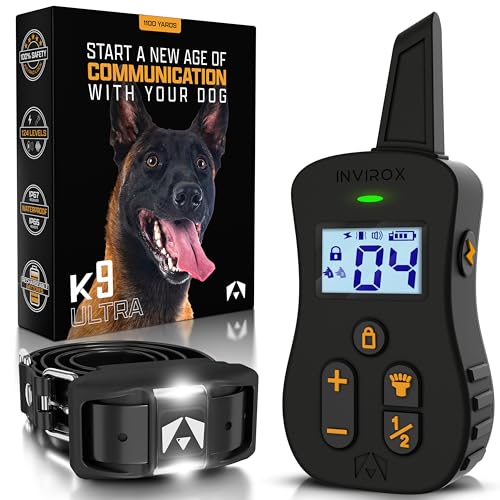
Invirox Dog Shock Collar Ultra K9
Extensive training levels for customized control.
Long-range coverage for outdoor activities.
Waterproof design ensures durability in any weather.
 Brianna York
Extensive training levels for customized control.
Long-range coverage for outdoor activities.
Waterproof design ensures durability in any weather.

Long 4200FT range for effective training.
IPX8 waterproof for safe outdoor use.
Multiple modes offer versatile training options.

Seven adjustable training modes for versatility.
Long-range control up to 2600 feet.
Suitable for all dog sizes.

Waterproof design for worry-free outdoor use.
Versatile training with shock, vibrate, tone options.
Effective range for reliable long-distance training.

Extensive range for effective training outdoors.
Adjustable levels for customized dog training.
Waterproof design suitable for all weather conditions.
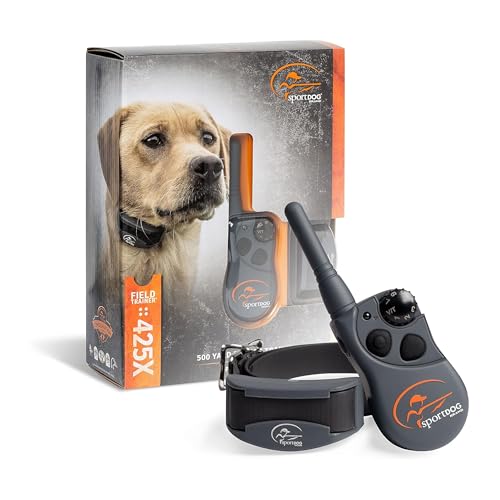
500-yard range for ample training distance.
Waterproof design for all-weather use.
Multiple training modes: static, vibrate, and tone.

Rechargeable design ensures long-lasting use.
Adjustable sensitivity suits various dog sizes.
Combines beep and vibration for effective training.

Long-range control up to 4200 feet.
Adjustable for dogs 8 to 140 pounds.
Supports training for two dogs simultaneously.

Long-range control reaches up to 4500 feet.
Four versatile training modes for customization.
Waterproof design ensures durability in any weather.

3300FT range for flexible outdoor training.
IPX7 waterproofing for durable, all-weather use.
Security lock prevents accidental shocks.
Whether one “works” depends less on the advertised range or number of settings than on the training plan, timing, fit, and the dog’s response. The supplied reviews consistently describe reward-based training as the preferred approach. AVSAB advises against electronic shock collars, and the reviewed comparative evidence did not establish a consistent training advantage over reward-focused methods. A collar cannot diagnose pain, separation distress, anxiety, fear, reactivity, aggression, or environmental causes of barking. It also cannot replace supervision, physical barriers, veterinary assessment, or qualified behavior support.
For products that include electrical stimulation, look for more than a large setting count. A scale such as 0–99 or “124 levels” does not tell you the delivered dose. Meaningful documentation would identify the exact model, waveform, voltage or current, pulse duration, load conditions, lowest-effective-setting guidance, and automatic time-out. An ISO/IEC 17025-accredited laboratory report should identify the retail model and test method. A manufacturer’s statement that stimulation is “safe,” “humane,” or merely unpleasant is not equivalent to measured output data.
Treat water and range figures similarly. IP67, IP68, or IPX8 claims should be supported by an exact-model IEC 60529 ingress-protection report; several supplied products had conflicting ratings or no independent report. Advertised range is a manufacturer claim and can vary with obstacles, walls, metal, concrete, terrain, and orientation. For remote or wireless products, check the FCC Equipment Authorization System for an identifier tied to the exact transmitting model and a traceable responsible company. FCC authorization addresses radio marketing compliance, not welfare, stimulation safety, charging safety, or waterproofing.
Fit and operating instructions matter. Prefer clear neck sizing, a one-finger or two-finger fit check, daily skin inspection, repositioning guidance, a stated maximum wear time, cleaning instructions, and a separate collar for leash attachment. A keypad or travel lock, channel-specific pairing, automatic shutoff, and a way to disable electrical stimulation can reduce some accidental-correction risks, but they do not make aversive correction risk-free. For rechargeable products, look for model-specific charger and battery safety evidence, not just a waterproof claim.
Across the supplied products, the recurring safety caveats are substantial: electrical correction is repeatedly associated with welfare and behavioral risks; automatic bark or boundary activation can be false or misdirected; and fearful, anxious, reactive, aggressive, ill, painful, pregnant, elderly, very young, or behaviorally complex dogs are repeatedly identified as poor candidates. Contact-point products can cause redness, pressure sores, or irritation when worn too long or fitted poorly. Wireless containment is not a physical barrier and should not be relied on where escape could cause serious harm. No product should be used without close supervision, regular neck checks, and professional help for serious behavior concerns.
These topics distinguish documented safeguards from reassuring language. The supplied products generally have their strongest scores for fit instructions, accountability, or radio traceability; scores are lower where products rely on electrical correction, unsupported output claims, or missing independent testing.
This measures whether the product avoids pain, fear, distress, and harmful behavioral fallout, with higher scores favoring reward-based use and no electrical punishment. This is the central issue for shock, bark, and boundary collars. Among the supplied products, no-shock vibration-and-beep models scored higher than static-correction products, while many electrical collars scored in the 20s and 30s.
This measures protection against pressure sores, contact injury, burns, and choking through sizing, fit, wear-time, repositioning, and skin checks. It matters because contact points must often touch the neck and several products warn against prolonged wear. Higher-scoring products documented daily checks, repositioning, and limits such as eight or 12 hours; lower scores lacked clear schedules or contraindications.
This measures whether electrical stimulation is characterized and bounded by measured waveform, intensity, pulse duration, load conditions, lowest-setting guidance, and automatic time-out. Numeric levels alone are not dose information. The supplied products mostly scored around the high 60s or low 70s despite lacking independent output reports; lower scores reflected especially limited disclosure or unclear automatic limits.
This measures protection against accidental, repeated, or misdirected activation, including remote-button mistakes, cross-pairing, bark-sensor errors, boundary faults, and prolonged activation. Keypads, channel pairing, locks, and time-outs help. Higher-scoring products documented several of these controls; lower-scoring bark and boundary products still allowed concern about environmental noise, repeated corrections, or unverified false-trigger resistance.
This measures whether instructions exclude dogs and situations in which aversive correction may worsen welfare or safety, and whether they direct owners to professional help. Higher-scoring products identified minimum ages, weight limits, aggression warnings, and several health or temperament exclusions. Lower-scoring products gave less guidance for fearful, reactive, ill, painful, or behaviorally distressed dogs.
This measures overheating, charging failure, electric shock, corrosion, and safety after water exposure, including traceable third-party certification and exact-model ingress testing. Higher scores in the supplied set reflected clearer charging directions or serviceable batteries, not proof of certification. Lower scores reflected conflicting IP claims or no UL, ETL, CSA, or IEC report for the product and charger.
This measures whether claims about range, waterproofing, bark detection, containment, safety, humane use, and behavior change match the manual and available evidence. Higher scores reflected more qualified claims and fewer contradictions. Lower scores commonly involved “safe” or “humane” language, conflicting water ratings, unverified range figures, or claims that exceeded the disclosed testing.
This measures whether a qualified independent laboratory tested the exact retail model for output, false activation, durability, water resistance, and electrical safety. It is a major separator because manufacturer claims do not substitute for testing. Most supplied products scored around 68–72, but the reviews repeatedly found no exact-model ISO/IEC 17025 report or recognized certification.
This measures whether a remote, fence, or app-connected transmitter has a valid U.S. radio authorization and a traceable responsible company. Higher scores corresponded to FCC records tied to the documented transmitter, as seen for several SportDOG, PetSafe, INVIROX, SLOPEHILL, and Jugbow products. Lower scores reflected no accessible exact-model authorization or uncertain product identity.
This measures whether buyers can identify the company and obtain support, warranty service, replacement parts, or a remedy after failure. Higher-scoring products supplied a named manufacturer, manual, warranty, support contact, and repair or battery path. Lower scores reflected inconsistent warranty terms, limited traceability, unclear seller responsibility, or no documented response and replacement process.
This measures replaceable or serviceable parts, repair support, take-back or recycling routes, durable support, and clear lithium-battery disposal guidance. Higher scores went to products with replaceable batteries, replacement parts, or manufacturer recycling instructions, especially the SportDOG and PetSafe systems. Lower scores reflected sealed or undocumented battery pathways and no take-back program.
This is a remote-operated electronic training collar for one dog, with tone, vibration, static stimulation, and a night light. The manufacturer states that it fits dogs from 8 to 150 pounds and at least 6 months old, provides 124 total settings, and has a claimed 1,100-yard working range. Its collar receiver is claimed to be IP67 rated, while the remote is claimed to be IP65 rated. The most consequential feature is static stimulation delivered through neck contact points. The manufacturer documents 99 static levels, 16 vibration levels, a remote keypad lock, and a 10-second stop for held training-button activation. Those are manufacturer disclosures, not independently verified electrical-output or functional test results. Research on electronic collars finds welfare concerns relative to reward-based training, and AVSAB recommends reward-based methods rather than electronic collars.
This product is aimed at an adult, medium to large dog owner who has already chosen a remote electronic collar and needs a single-dog system with tone, vibration, static settings, a light, and an adjustable neck strap. The manufacturer provides unusually specific fit and use instructions, including short and long contact points and a keypad lock. It is more narrowly suited to supervised, short training sessions than to all-day wear. A buyer should be able to read canine stress signals, maintain correct fit, and stop use promptly if distress appears.
It is not appropriate for puppies under the manufacturer’s six-month minimum, dogs below its stated weight range, aggressive dogs, or dogs with neck irritation or skin injury. It is also a poor fit for fearful, anxious, reactive, or behaviorally complex dogs, despite marketing language about reactive dogs, because aversive correction can worsen distress and behavioral fallout. Households seeking reward-based training, unattended correction, bark control, boundary containment, or a collar to wear continuously should choose a different approach and seek veterinary or qualified behavior guidance where behavior is unsafe.
The manufacturer gives meaningful skin-risk instructions. It warns that excessive tightness or wear time can cause redness, pressure ulcers, and bed sores. It directs users to fit the collar with one-finger clearance, use contact points suited to coat length, avoid shaving the contact area, begin at low settings, and stop escalating if a dog panics or yelps. These safeguards reduce some fit risks, but they do not remove the welfare concern created by static stimulation. The product contains rechargeable lithium-polymer batteries. No model-specific UL, ETL, CSA, accredited electrical-safety report, or independent IP67 test report was located during this review. No product-specific U.S. recall or FDA veterinary action was located in the sources reviewed. The manufacturer offers warranty support, but no take-back program, replaceable-battery pathway, or product-specific disposal guidance was found. At end of life, EPA guidance is to keep lithium-ion devices out of household trash and curbside recycling, and use a dedicated battery or electronics collection route.
This is a remote-operated dog training collar with tone, vibration, light, and electrical-stimulation modes. The manual describes 0 to 99 shock settings, 1 to 8 vibration settings, a two-channel remote, a 3.7 V 300 mAh lithium-polymer battery in both remote and receiver, and a receiver claimed by the manufacturer to be IP68 waterproof. The remote itself is listed as non-waterproof. Its strongest product-specific verification is wireless traceability. FCC authorization records identify the matching remote-control collar as a Part 15 transmitter operating at 433.885 MHz. The manual also gives meaningful fit and wear instructions, including a one-finger fit, daily neck checks, separate leash attachment, silicone contact covers, and no more than eight hours of daily wear. However, no public model-specific laboratory report was located for electrical output, shock duration limit, ingress testing, or charger safety.
This product is most narrowly suited to an experienced adult handler working under guidance from a qualified behavior professional, with a healthy dog over three months old and over eight pounds. The handler would need to use the manual fit checks, inspect the neck daily, keep the receiver dry before charging, use a separate walking collar, and keep electrical stimulation locked out unless a professional has provided a specific protocol. Its manual remote and FCC-authorized radio link fit supervised, short training sessions rather than unattended control.
It is not suited to puppies under three months, dogs under eight pounds, senior, pregnant, fearful, reactive, aggressive, sick, or physically compromised dogs. The manual itself excludes many of these groups. It is also not appropriate for households seeking training consistent with AVSAB's reward-based guidance, or for people unable to supervise fit, skin condition, charging, and remote use closely. Do not use it as a leash collar, for unattended containment, or where a handler may accidentally hold a correction button for too long.
The collar's electrical correction is the central health concern. AVSAB recommends reward-based methods for dog training and states that aversive methods, including electronic collars, should not be used. The product manual does contain useful risk controls, including shock lockout, minimum age and weight limits, daily neck checks, fit guidance, contact-point covers, and a warning not to attach a leash to this collar. Those instructions reduce some physical risks but do not remove the welfare concerns associated with electrical punishment. The receiver is claimed to be IP68 waterproof, but the remote is not waterproof and the public materials reviewed did not provide an independent ingress report or third-party charger certification. The built-in lithium-polymer batteries create an end-of-life e-waste obligation. EPA guidance says lithium-ion battery devices should not go in household trash or curbside recycling, but the product materials do not provide a recycling or take-back route. A one-year limited warranty and support email are documented.
This is a handheld remote dog-training product with a receiver worn on the neck. The manufacturer manual describes sound, vibration, light, and electrical shock functions, adjustable vibration and shock settings from 1 to 99, three receiver channels, rechargeable remote and receiver units, and a stated 27.5-inch collar strap. The listed product also claims a long remote range and water resistance, but those particular performance claims were not independently confirmed. One concrete point is independently documented. An FCC filing for the 880 device records a 433.7817 MHz remote-control transmitter that passed the applicable Part 15.231 radio-emissions testing. That filing does not test shock output, training effectiveness, water ingress, battery safety, skin effects, or mechanical durability. The available manual calls the receiver waterproof, but does not provide a model-specific ingress test report or an electrical-output specification.
This product is most relevant to an owner of a physically healthy, adult dog above 20 pounds who specifically needs a handheld, rechargeable receiver system with separate channels for more than one dog, and who intends to keep electrical stimulation disabled. Its sound, vibration, and light functions can serve as attention or location cues. Use should be limited to short, supervised sessions with close skin checks, careful fit, and a reward-based plan directed by a qualified trainer or veterinary behavior professional.
It is not appropriate for puppies or dogs below the manual's stated 20-pound threshold, despite the listing's lower weight claim. It is also unsuitable for fearful, reactive, aggressive, medically unwell, or skin-sensitive dogs, and for households seeking a collar whose safety depends on clear independent electrical-output and water-ingress testing. People addressing aggression, separation distress, phobias, or serious recall issues should use veterinary and qualified reward-based behavior support rather than an aversive correction tool.
The central health issue is the electrical shock mode. The available manual confirms adjustable shock settings and direct skin contact points. AVSAB's humane-training position states that aversive methods, including electronic shock collars, should not be used, citing risks including fear, anxiety, avoidance, and fear-related aggression. The product manual offers basic advice to watch the dog's reaction and skin, but it does not supply a quantified output limit, a verified automatic correction cutoff, or exclusions for fearful, reactive, aggressive, ill, or skin-compromised dogs. The product's radio transmitter has an independently documented FCC test report, but that is not an electrical-safety, battery, waterproofing, or animal-welfare certification. Both units are described as rechargeable, which can reduce disposable-battery waste. However, no repair program, replacement-battery information, take-back service, or disposal instructions were located. At end of life, rechargeable electronics should go to an appropriate battery or electronics collection program, not household trash or curbside recycling.
This is a remote-operated dog training collar for one dog, intended for basic obedience near a home, yard, or park. The handheld remote provides tone, vibration, and eight selectable static-stimulation levels. The manufacturer states a maximum operating range of 100 yards, while also noting that terrain, weather, vegetation, body position, and nearby radio devices can reduce range. The manufacturer documents a 10-second limit on continuous static stimulation, after which the button must be released and pressed again. It also documents rechargeable lithium-ion battery packs, a two-hour stated charge time, and waterproof, submersible construction to 25 feet. The remote transmitter has a documented FCC authorization and an accredited laboratory radio-emissions report. No independent report was located that measures this product's collar output, contact safety, water ingress, or false-correction resistance.
This product is narrowly suited to an adult dog over 8 pounds whose caregiver has already taught basic cues, can work within a short stated range, and specifically wants a manually controlled, one-dog remote with tone and vibration options. Its instructions emphasize beginning at the lowest static setting, using a leash during conditioning, and stopping if the dog becomes distressed. It also fits buyers who value replaceable battery packs, a U.S. support contact, and a one-year manufacturer warranty. It is not a substitute for teaching recall, loose-leash walking, or behavior modification.
It is not suited to puppies or dogs too small for the receiver, nor to fearful, anxious, reactive, ill, skin-sensitive, or aggressive dogs. The manufacturer specifically says not to use its products on aggressive dogs and directs owners to a veterinarian or professional trainer. It is also a poor fit for households seeking reward-based training only, people unable to supervise collar fit and neck condition, or anyone needing proven output calibration and independently verified electrical, water-ingress, and false-activation testing. Do not rely on it for long-distance work beyond conditions where range is dependable.
The central health issue is the static correction delivered through skin-contact points. The guide includes useful limits, including lowest-setting-first instruction, a 10-second continuous-stimulation time-out, a one-finger fit check, and directions to stop use for neck irritation. It also excludes aggressive dogs. These safeguards do not remove the welfare concern from an aversive electrical-training mechanism. Veterinary behavior guidance favors reward-based methods, and comparative research has found greater welfare concerns with electronic-collar training without a consistent effectiveness advantage. The rechargeable lithium-ion packs are a repair-friendly feature because the manufacturer provides replacement battery packs rather than requiring immediate whole-product disposal. The guide does not provide a brand take-back program or clear end-of-life disposal instructions. At end of life, lithium-ion batteries and the product should go to an appropriate battery or electronics recycler, not household trash or curbside recycling. No product-specific U.S. recall or regulatory warning was located in the checked public records.
This is a rechargeable remote-operated electronic dog collar for dogs the manufacturer states are at least 6 months old and 8 to 110 pounds. It uses metal neck contact points and offers tone, vibration, and electrical stimulation. The published operating guide describes 123 settings, split across 8 tone, 16 vibration, and 99 static levels, plus a claimed 3,350-foot range and IP67 receiver rating. The manufacturer documents a keypad lock and a 10-second maximum continuous activation, along with specific fit and skin-check instructions. Those are useful operating safeguards, but they are manufacturer statements rather than model-specific independent test results. The product's defining limitation is the electrical correction mode. Veterinary behavior guidance recommends reward-based training rather than electronic shock collars, and comparative studies have found welfare concerns without a consistent training advantage over reward-based approaches.
This product is most specifically suited to an adult dog owner who has already decided to use a remote electronic collar, needs manual rather than bark-triggered activation, and can closely supervise fit and skin condition. The published instructions make it more practical for a healthy dog within the stated 8 to 110 pound range when the owner can use tone or vibration first, keep sessions brief, engage a qualified trainer, and follow the lockout and contact-point care steps. This is not a substitute for foundational reward-based training.
It is not appropriate for puppies younger than the stated 6-month minimum, dogs under 8 pounds, dogs with irritated or injured neck skin, or dogs whose coat and anatomy prevent safe contact-point fit. It should also be avoided for fearful, anxious, reactive, aggressive, medically unwell, or behaviorally distressed dogs. Aversive stimulation can compound fear and defensive behavior. Homes with children who may access the remote, or owners unable to inspect the neck daily and remove the collar between sessions, should choose a non-electrical training approach.
The strongest health safeguards are procedural, not independently certified. The manufacturer says to limit wear to 12 hours daily, reposition the collar every 1 to 2 hours, inspect the contact area each day, avoid attaching a leash to the electronic collar, and discontinue use for redness or sores. It also states that the remote lock and 10-second maximum continuous activation help reduce inadvertent or extended correction. The electrical correction itself remains the central welfare issue. AVSAB recommends reward-based methods and warns that aversive methods can increase fear, anxiety, avoidance, and aggression. No model-specific UL, ETL, CSA, FCC, accredited laboratory, or ingress-test record was located in this review. The rechargeable lithium-polymer batteries create end-of-life responsibilities. They should not enter household trash or curbside recycling, and the manufacturer does not provide a verified take-back or recycling route.
This is a handheld remote training collar for one dog, expandable to three with additional receivers. The collar receiver uses contact points on the neck and can deliver tone, vibration, momentary static stimulation, or continuous static stimulation. SportDOG states a 500-yard maximum range, 21 static levels across low and medium ranges, and rechargeable lithium-ion batteries. The manual also says terrain, weather, vegetation, radio traffic, and how the remote is held can reduce actual range. Its most important defining feature is not independently verified performance, but the manufacturer-described static correction system. Continuous stimulation has a 10-second time-out and momentary stimulation lasts one-tenth of a second. No model-specific accredited laboratory report was located that characterizes electrical output, validates false-activation resistance, or verifies the water and charging safety claims.
This product is designed for an adult dog over 8 pounds that has already learned basic commands and is handled by someone prepared to follow the manual's fitting, skin-check, charging, and low-setting procedures. Its stated 500-yard range, waterproof receiver, and glove-free button layout fit supervised outdoor field work with close-working sporting dogs. The intended user needs to accept that static correction is part of the system, even though tone and vibration modes are also available. It is not a hands-off behavior solution.
It is not suitable for puppies or dogs too small for secure fit, and the manual says the receiver may be too large below 8 pounds. It is also unsuitable for aggressive dogs, for which the manufacturer directs users to a veterinarian or professional trainer. Dogs that are fearful, reactive, medically unwell, have neck irritation, or show panic or vocalization during stimulation need a non-aversive behavior plan and qualified veterinary or behavior support. It is also a poor match for households seeking reward-based-only training.
The health issue that stands out is the correction mechanism. The receiver places contact points against the neck and can apply static stimulation. The manufacturer includes practical safeguards, such as one-finger fit guidance, a 12-hour daily wear limit, an irritation response, a lowest-level starting instruction, and a 10-second continuous-stimulation time-out. Those safeguards reduce some use risks, but they do not remove the welfare concern inherent to electrical correction. AVSAB recommends reward-based training and advises against electronic collars. The product uses two rechargeable lithium-ion battery packs. SportDOG directs owners to obtain approved replacement packs through customer service, estimates three to five years of battery life, and gives end-of-life battery-removal instructions. That service path can avoid premature disposal, although no manufacturer take-back or recycling program was located. SportDOG states the receiver and remote are waterproof and submersible to 25 feet, but no exact-product third-party certification or test report was located. No matching CPSC recall was located in the searched public recall records.
This is a rechargeable, bark-activated nylon collar with metal contact points, a magnetic charging cable, a 27-inch adjustable strap, and a display for selecting settings. It listens for barking and uses a combination of sound detection and vocal-cord vibration, according to the manufacturer. It is intended for dogs over six months old, with the manual giving an 8 to 25 inch neck range. Despite the retailer title emphasizing beep and vibration, the operating manual documents a fourth mode that adds six levels of static shock. The manual also states that the collar can occasionally activate from environmental sounds with a similar frequency to barking. It includes a manufacturer-stated 30-second protection pause after six continuous activations. No independent, model-specific laboratory report was located for electrical output, bark-detection accuracy, water resistance, or charging safety.
This product is most narrowly suited to an adult, healthy dog with a neck within the manufacturer-stated 8 to 25 inch range, where an owner intends to use only its beep or vibration settings during short, supervised periods of nuisance barking. The user should be able to check fit, lower sensitivity in noisy locations, and stop use if the dog shows fear or distress. Its basic controls and stated protection pause may suit a budget-conscious household that has already discussed barking causes with a veterinary professional or qualified reward-based trainer.
It is not suited to puppies under six months, dogs described as unhealthy or aggressive in the manual, or dogs whose barking is linked to fear, separation distress, reactivity, pain, or conflict with other animals. It is also unsuitable for homes with frequent outdoor noise, multiple excited barking dogs, or situations where the collar cannot be supervised, because the manual acknowledges possible false activation. Buyers seeking a reward-based behavior plan, independently measured electrical limits, certified charging safety, or verified waterproof testing should choose a different approach.
The principal health concern is the documented static-shock mode. The manual says an initial static correction can startle a dog, and it acknowledges that some environmental sounds can trigger the collar. AVSAB advises against aversive methods including electronic collars. Controlled comparative studies have also reported welfare concerns and no consistent necessity or effectiveness advantage over reward-based training. The manual does provide some safeguards, including age and health exclusions, a one-finger fit instruction, adjustable sensitivity, and a 30-second repeated-activation pause. This is a rechargeable electronic product with a manufacturer-stated IP67 rating and a stated two-year warranty. However, no model-specific third-party electrical-safety certification, water-ingress report, or independent performance test was located. The manufacturer does not publish a take-back, repair-parts, or battery-disposal program for this product. EPA guidance says rechargeable lithium-ion batteries and devices containing them should not go in household trash or curbside recycling, and should instead use specialized battery or electronics collection routes.
This is a remote-operated, two-dog electronic training collar system with a nylon strap, receiver contact points, audible beep, vibration, light, and electrical stimulation. The manufacturer manual describes an adjustable neck range of 8 to 26 inches, a stated remote range up to 4,200 feet, USB charging, and stimulation settings from 0 to 99. Those performance and waterproofing claims were not independently confirmed. The wireless remote is traceable to an FCC equipment authorization for a dog-training remote-control transmitter. That confirms U.S. radio authorization, not the safety, output strength, waterproofness, or welfare effects of the collar. The manual includes a shock lockout and directs users to try beep, light, or vibration before shock. However, the product remains an aversive electrical-correction collar, a category AVSAB advises against because reward-based training is safer and better supported for dog welfare.
This product is most specifically suited to an experienced adult handler who is seeking remote beep, vibration, light, and dual-dog control during short, directly supervised training sessions, and who will keep the shock function locked out. The dog should be healthy, over three months old, at least 8 pounds, comfortable wearing a fitted collar, and not fearful or reactive. The handler needs to follow the manual's skin checks, fit adjustments, separate-leash instruction, and eight-hour maximum wear limit.
It is not suited to puppies under three months, dogs under 8 pounds, elderly, pregnant, sick, fearful, aggressive, reactive, or otherwise vulnerable dogs. The manual itself excludes many of these groups. It is also unsuitable for households needing help with biting, aggression, anxiety, or fear, where aversive correction can worsen distress or associate pain with people, animals, or situations. It should not be used as a leash attachment, primary restraint, unsupervised all-day collar, or a substitute for reward-based behavior work and veterinary or qualified behavior support.
The useful safety measures are documented in the manual, not independently tested. They include a shock lockout, a lowest-setting instruction, nonshock modes, a separate-leash warning, skin inspection, receiver repositioning every 1 to 2 hours, and a maximum eight-hour daily wear period. The manual also directs users to stop and seek professional help if aggression occurs. These controls reduce some contact and handling risks, but they do not resolve the welfare concern created by electrical punishment. The remote has a verified FCC authorization, but no UL, ETL, CSA, or model-specific ingress, charger, electrical-output, or false-activation test report was located. The product record conflicts with the manual on battery design, listing CR123A cells while the manual depicts USB charging. The manual offers a one-year warranty but no take-back or battery recycling program. Rechargeable batteries and battery-containing electronics should be sent to appropriate battery or electronics recycling collection rather than household trash or curbside recycling.
This is a rechargeable remote electronic dog collar for dogs listed at 10 to 120 pounds, with a 7.8 to 24.4 inch neck range. The documented instruction manual describes beep, vibration, static stimulation, and a higher static setting, plus a lockable handheld remote and support for two receivers. Its 4,500 foot operating range and IPX8 receiver rating are manufacturer-stated, not independently verified here. The manual identifies static stimulation as unpleasant and includes metal contact points intended to touch the neck. It also gives meaningful fit and skin-care instructions, including daily checks, repositioning every one to two hours when possible, and a 12-hour maximum daily wear time. The remote radio is traceable to an FCC equipment authorization for the documented product model, although that authorization does not verify welfare, electrical output, waterproofing, or overall product safety.
This product is most narrowly suited to an experienced adult-dog handler who intends to use the remote's tone or vibration functions, can keep the static function locked, and can closely follow the documented fitting and skin-check routine. The dog should be healthy, nonaggressive, not fearful, not pregnant, and older than six months according to the manual. It may fit handlers needing a remotely operated attention cue during supervised training, rather than unattended correction or behavior treatment.
It is not appropriate for puppies under six months, dogs with skin irritation, fearful or reactive dogs, aggressive dogs, pregnant dogs, or dogs in poor health. The manual itself warns against several of these uses. It is also unsuitable for households seeking reward-based behavior modification, for people who cannot inspect neck skin daily or remove and reposition the collar regularly, and for unattended use. Dogs with serious behavior concerns need veterinary and qualified behavior support rather than punitive correction.
The central health concern is the static-stimulation function. The product manual acknowledges that stimulation is unpleasant, while AVSAB recommends reward-based training only and identifies electronic collars as aversive tools that should not be used. Peer-reviewed studies also associate aversive training with poorer welfare indicators and do not establish a general effectiveness advantage over reward-focused training. There are useful manufacturer-stated physical safeguards, including direct-fit instructions, daily skin checks, a maximum wear period, a remote lock, charging limits, and directions to dry the charging area before charging. The receiver's IPX8 claim was not backed by a model-specific third-party ingress report located in this review. The collar and remote use rechargeable batteries, but no take-back, battery chemistry, repair pathway, or disposal guidance was found. EPA advises recycling rechargeable batteries and battery-containing electronics rather than placing them in household trash or curbside recycling.
This is a rechargeable remote training system with two receiver collars, a handheld transmitter, nylon straps, metal contact points, silicone caps, and a test light. Jugbow states that it fits dogs from 10 to 120 pounds, adjusts for 7.8 to 24.4 inch necks, supports two channels, and reaches up to 4,200 feet in open conditions. Those range, fit, waterproofing, and battery claims are manufacturer-stated, not independently verified for this retail unit. The collar provides tone, vibration, and electrical stimulation. Its manual documents 1 to 99 static levels plus a 10 percent boost, and says the metal contacts must touch the skin. The manual also includes meaningful fit, skin-check, wear-time, keypad-lock, and dog-exclusion instructions. However, no model-specific laboratory report was located for electrical output, pulse duration, automatic shutoff, water ingress, charging safety, or false activation resistance. Independent canine welfare evidence favors reward-based training rather than electrical correction.
This product is most specifically configured for an experienced adult handler managing two eligible, healthy dogs that fall within the manufacturer-stated neck range. Its documented channel selection, keypad lock, fit instructions, and long or short contact-point options may be useful where a handler has already obtained individualized guidance from a qualified professional and intends to use tone or vibration with food rewards. The remote operation is manufacturer-stated for large outdoor spaces, but its 4,200-foot range has not been independently confirmed.
It is not appropriate for puppies under six months, pregnant dogs, fearful dogs, dogs showing aggression, dogs in heat, or dogs in poor health, which the manual itself excludes. It is also poorly aligned with households seeking a reward-based training approach, or with dogs whose barking, reactivity, anxiety, or aggression needs behavioral assessment. Electrical correction can add fear or tension and does not replace management, veterinary assessment, or qualified behavior support. Do not use the receiver as a walking collar or attach a leash to it.
The strongest health protections are instruction-based rather than independently tested. Jugbow's manual warns that tight or prolonged wear can cause redness and pressure sores. It calls for direct skin contact, daily inspection, moving the receiver every one to two hours, and stopping use until skin heals if a rash or sore develops. It also warns against use on several vulnerable dog groups and documents a remote keypad lock. These safeguards are useful, but they do not remove the welfare concern created by the electrical-correction mode. The receiver and remote use rechargeable lithium batteries. The manual specifies a 5V/1A maximum charging adapter, drying the charging port before charging, and avoiding metal contact during charging. It discourages owner battery replacement during warranty coverage, and no take-back or product-specific recycling route was located. At end of life, lithium battery devices should go to specialized battery or electronics recycling, not household trash or curbside bins. No third-party electrical-safety, ingress, or battery certification was located for this product.