Best Overall
15% off

Shop-Vac 15-Amp Electric Wood Chipper Shredder
Efficiently handles branches up to 1-3/4 inches.
Includes a convenient 45L collection bag.
Features a durable double-sided blade design.
 Daniel Kenitz
Efficiently handles branches up to 1-3/4 inches.
Includes a convenient 45L collection bag.
Features a durable double-sided blade design.
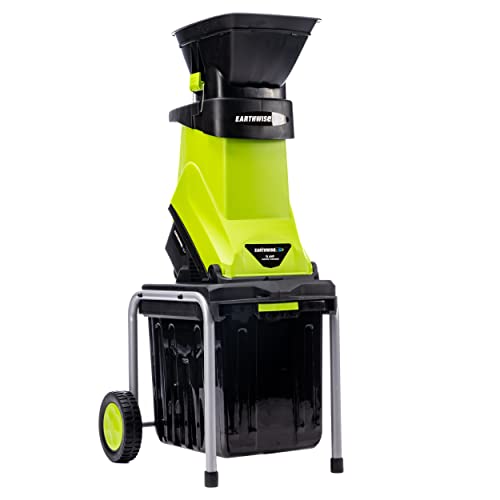
Efficiently chips branches up to 1.75 inches.
Includes collection bin for easy disposal.
Quiet operation compared to gas-powered models.

Efficient mulching with 18:1 ratio.
Includes 12-gallon anti-blowout collection bag.
Comes with two extra durable blades.

Efficiently shreds branches up to 1.8 inches.
Mulches 30% faster than similar models.
Includes large 45L collection bag for convenience.
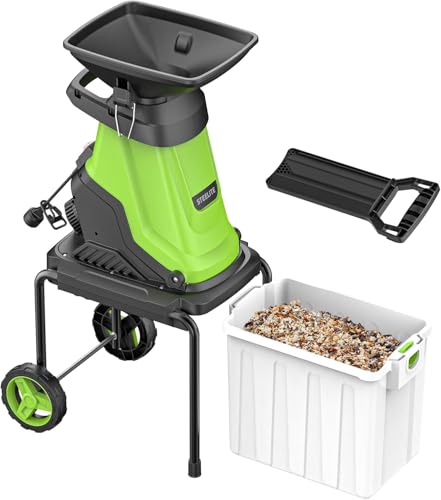
Powerful 4000RPM motor for efficient shredding.
Large 55L collection bin for easy cleanup.
Dual steel blades handle twigs and branches.

Quiet operation compared to gas-powered models.
Compact design for easy storage.
Efficiently chips branches up to 1.5 inches.

Efficiently handles branches up to 1.8 inches.
Powerful 15-amp motor for reliable performance.
Compact design for easy storage and mobility.

High power for efficient shredding.
Large collection bin reduces emptying frequency.
Impressive reduction ratio for effective composting.

Efficient shredding with 1.75-inch cutting capacity.
Includes convenient collection bag for debris.
Powerful 15-amp motor handles tough yard waste.

Efficient 15-amp motor handles tough yard waste.
Portable wheels make maneuvering easy.
Spacious 50L bin reduces emptying frequency.
Start with the intended material. Several supplied products are limited to dry, straight, small branches and occasional pruning waste; wet leaves, green material, vines, tangled brush, roots with soil, hardwood, crooked branches, and near-limit material commonly increase clogging or require pre-trimming. One product in this category is a leaf mulcher rather than a wood chipper and expressly prohibits branches, sticks, and brush. A suitable machine should state the allowed wood condition, species or material limits, recommended diameter, duty cycle, and jam-recovery procedure in a product-specific manual.
Capacity figures need careful interpretation. A stated maximum branch diameter—often around 1.6 to 1.8 inches in these listings—is a limit, not proof of reliable continuous processing. The practical diameter may be lower for hardwood, dry or knotted wood, crooked branches, or material with side shoots. Reduction ratios such as 8:1, 14:1, 18:1, 21:1, or 25:1 and throughput claims are meaningful only when supported by reproducible testing that identifies the exact model, material condition, branch diameter, and method. Independent hands-on reports can add useful context, but they are not the same as a laboratory performance report.
For electrical safety, look for the complete chipper—not just a plug, motor, or component—in a current listing from an OSHA-recognized laboratory. The relevant certification checks include UL Product iQ, Intertek’s ETL Product Directory, CSA Group’s product listings, TÜV Rheinland Certipedia, and MET Laboratories’ directory. The product rating label should identify the certifier, applicable standard, and exact model. A seller’s “UL,” “ETL,” or “cTUVus” wording without a matching register entry or rating-label record remains an unverified claim.
Safety design matters as much as the motor. Prefer a narrow or guarded feed opening, a supplied pusher, secured covers, hopper or bin interlocks, stable footing, guarded discharge, overload or thermal protection, and a clear restart and jam-clearing sequence. The instructions should require switching off, unplugging, waiting for cutter movement to stop, and using tools or a specified reverse/reset process where appropriate. Look for specific eye, hearing, hand, foot, head, and dust-protection guidance, along with extension-cord, GFCI, bystander, and level-ground instructions.
Finally, consider whether the cutting system can remain in service. Replaceable or reversible blades, an available parts diagram, replacement bags or bins, service contact information, warranty terms, and model or serial traceability are stronger signs of accountability than a low price or a high review average. Chipped untreated yard waste can become mulch or compost feedstock, but treated or painted wood and diseased or pest-infested plant material should not be treated as suitable home-compost inputs. Corded use avoids on-site gasoline exhaust; it does not eliminate electricity, manufacturing, or disposal impacts.
Across the supplied reviews, the recurring safety caveats are substantial: do not use these machines for commercial or continuous heavy work, storm cleanup, wet or tangled material, or branches near the headline maximum without stronger evidence; keep children, pets, and bystanders away; use firm, level ground and suitable outdoor power; wear eye and hearing protection and other specified PPE; and never reach into or clear a jam before fully disconnecting power. Several products also lacked independently verified electrical certification, product-specific manuals, or tested capacity, so those omissions should be treated as decision-relevant uncertainty rather than assumed compliance.
These products were assessed against safeguards, environmental usefulness, and the quality of the evidence behind their claims. Higher scores reflect stronger support in the supplied reviews; they do not replace the manual, rating label, or certification-register check for the exact product.
This measures protection from blade contact, flying debris, noise, and wood dust, including PPE instructions and exposure information. For electric chippers, a high score means concrete eye, hearing, hand, foot, and dust guidance plus guarded operation; a low score means generic or incomplete instructions. Scores ranged from 52 to 81, with the strongest documentation specifying PPE and bystander controls.
This measures the feed opening, pusher, covers, interlocks, and the requirement to remove power before clearing cutters. It matters because hands can be pulled toward rotating blades even after feeding stops. Higher-scoring products documented narrow or locked access, pushers, and unplugged procedures; lower-scoring products lacked a product-specific manual or left the clearing sequence uncertain. Scores ranged from 70 to 82.
This measures discharge guarding, containment, stable footing, and resistance to thrown chips or machine movement. A high score is associated with a collection bag or bin, stable wheeled support, discharge warnings, and level-ground instructions; a low score reflects missing containment or no independent stability evidence. Supplied scores ranged from 60 to 76, and reviews repeatedly warned about kickback, rebound, vibration, or uneven ground.
This measures protection from shock, cord damage, overheating, fire, and unexpected restart, including overload, thermal, reset, and restart controls. Higher scores went with documented double insulation, GFCI and cord guidance, overload shutdown, and reset instructions. Lower scores reflected missing manuals or unverified electrical construction. Scores ranged from 69 to 80, but no supplied product had a confirmed complete-product certification listing.
This measures how reliably permitted material is processed and whether overloads can be handled safely. A high score means defined limits, overload protection, a safe reverse or reset process, and fewer recurring jam reports. Lower scores corresponded to repeated clogs with damp, leafy, irregular, or near-limit material, or no clear recovery procedure. Scores ranged from 52 to 79, so headline capacity should not be treated as jam-proof operation.
This measures whether the complete, exact product has a current, verifiable listing from an OSHA-recognized laboratory to the applicable standard. A high score requires the brand and model in a certifier register and matching rating-label details; a low score means only seller claims or no public record. Scores clustered from 68 to 72, and the supplied reviews did not confirm a complete-product listing for any model.
This measures whether maximum diameter, reduction ratio, and material compatibility are supported by reproducible testing on identified fresh or dry woody material. Higher scores came from narrower but real evidence, such as published testing or hands-on processing; lower scores reflected headline claims without exact-model testing. Scores ranged from 55 to 80. A stated 1.7- or 1.8-inch limit remains a manufacturer claim unless the method and material are documented.
This measures whether power, RPM, branch diameter, reduction ratio, noise, safety, and warranty details agree across the exact listing, label, and manual. Higher scores reflected consistent model-specific documentation; lower scores reflected conflicting capacity, bin, weight, warranty, power, or reduction figures. Scores ranged from 50 to 76. Conflicting numbers are a reason to use the more conservative limit, not to average the claims.
This measures whether the maker is identifiable, the model or serial number is traceable, support and parts are available, and safety defects can be addressed. Higher scores were associated with registration, support contacts, warranty terms, parts diagrams, and no matching recall; lower scores reflected weak identity or missing service information. Scores ranged from 69 to 82. No matching product-specific recall was located in the supplied searches, but that is not proof of safety.
This measures whether blades, cutters, bags, bins, switches, and safety parts can be maintained or replaced rather than making the machine disposable. Higher scores were supported by reversible or replaceable blades, parts diagrams, service contacts, and warranty information; lower scores reflected unavailable parts catalogs or manuals. Scores ranged from 61 to 83, with the best-documented products offering clear blade service and replacement paths.
This measures whether the product turns suitable untreated yard waste into usable mulch or compost feedstock while warning against unsafe inputs. Higher scores reflected useful collection and documented processing of appropriate trimmings; lower scores reflected broad mulch claims without warnings about treated, painted, diseased, or pest-infested material. Scores ranged from 68 to 78. Chipping material does not make unsuitable wood or plants safe to compost.
This measures whether claims distinguish no on-site gasoline exhaust from the wider impacts of electricity, manufacturing, and disposal. Higher scores came from restrained or qualified wording; lower scores followed broad “eco-friendly,” “planet-friendly,” or “zero-emission” messaging without lifecycle support. Scores ranged from 48 to 78. Corded electric operation has a practical emissions difference at the work site, but is not a complete environmental accounting.
This is a corded, household-scale electric chipper and shredder for branches and loose yard debris. Shop-Vac states that its 15-amp motor reaches 3,700 RPM, its dual cutters accept branches up to 1-3/4 inches, and its 45L bag collects output. A supplied push paddle is intended to keep hands away from the feed area. The manufacturer also states that the unit has automatic shutoff and ETL certification. Those claims could not be confirmed for this exact product through a public certification listing or a product-specific manual. No independent, reproducible test located for this model verifies real branch capacity, reduction performance, stall resistance, noise, or output quality. Weight information is inconsistent, with Shop-Vac stating 22.7 pounds while the retail record states 26.1 pounds.
This product fits a homeowner with a small to medium yard who mainly needs to reduce occasional piles of dry twigs, prunings, and light branch debris near a suitable outdoor electrical outlet. It is most appropriate for someone prepared to follow conservative feeding practices, wear eye and hearing protection, use the supplied paddle, and stop work rather than force material through a jam. The 45L bag and claimed light weight suit users who want contained collection and manual transport instead of a large gasoline machine.
It is not suited to commercial crews, large properties with frequent heavy pruning, or users expecting independently demonstrated processing of branches at the stated maximum diameter. It is also a poor fit where wet, fibrous, vine-like, contaminated, treated, diseased, or pest-infested material is likely to be fed, because public product guidance does not clearly define those limits. Households unable to maintain a clear exclusion zone, use PPE, supervise inexperienced operators, or fully unplug the unit before servicing should avoid this type of cutter machine.
Chippers present realistic blade-contact, thrown-material, noise, eye, and dust hazards. OSHA advises guarding feed and discharge areas, never reaching into an operating machine, wearing hearing and eye protection, and de-energizing equipment with a lockout process before unjamming. Shop-Vac states that this product includes a push paddle and automatic shutoff, but a model-specific manual was not publicly available to confirm the full operating, maintenance, and jam-clearing procedure. Shop-Vac identifies a real US business, offers registration and customer support, and sells a replacement collection bag. Its product page claims ETL certification, but public verification for this exact product was not located. Electrification avoids gasoline combustion at the point of use, but Shop-Vac does not make broad environmental claims. The output may be useful untreated woody material for composting or mulch, while EPA guidance excludes treated or painted wood and diseased or pest-infested plants from home compost.
This is a corded, 120-volt, 15-amp garden shredder for fibrous and woody yard waste. It uses a hopper-fed rotary cutting system and sends output into a slide-in collection box. The manufacturer manual lists a 4,500 RPM no-load speed, IPX4 ingress rating, 31-pound net weight, and a maximum branch diameter of 1-3/4 inches. The manual documents several meaningful safety provisions, including a supplied paddle, hopper-cover interlock, overload cutoff, reset process, and instructions to unplug before clearing jams or servicing blades. Its 1-3/4-inch capacity remains a manufacturer specification, not a result independently confirmed through a reproducible branch-capacity test. The cutting system has two reversible blades, and current replacement blade kits and collection boxes are available from the manufacturer.
This product suits a homeowner with a nearby outdoor electrical outlet who periodically needs to reduce dry or wilted pruning debris, thin twigs, and woody garden waste for a home compost system. It is most appropriate for someone willing to sort material, remove soil and stones from roots, alternate finer material with dry branches, wear eye, hearing, dust, glove, and foot protection, and follow the unplugged jam-clearing procedure. Repair-minded owners also benefit from reversible blades and available replacement parts.
It is not for commercial crews, rental use, unattended operation, or households unable to maintain a controlled work area away from children and bystanders. It is also a poor fit for users expecting to process wet leaves, kitchen scraps, long tangled vines, roots with soil, or branch material above the stated 1-3/4-inch limit. Anyone unable to handle a corded machine safely, wear the required PPE, or unplug and wait before clearing blockages should choose a different waste-management method.
The documented health protections are practical rather than independently certified. The manual calls for eye, hearing, dust-mask, glove, and foot protection. It warns that branches can lash out as they are drawn in, and that thrown material and rotating blades are serious hazards. The supplied paddle, cover interlock, overload cutoff, and requirement to unplug before opening the housing are valuable controls. Public certification searches did not verify an exact-product current listing from an OSHA-recognized testing laboratory. For yard-waste use, the intended output is material for composting. EPA guidance supports untreated wood chips, twigs, and plant stalks as compost inputs, while advising against diseased or pest-infested plants, herbicide-treated vegetation, and treated or painted wood. The product documentation does not make broad eco-friendly claims, which avoids overstating the environmental benefit of an electric appliance. Its blades and collection box are replaceable, supporting longer use, but no lifecycle or recycled-material documentation was found.
This is a corded electric yard chipper and shredder with a 15-amp, 1,800-watt motor, a claimed 1.8-inch maximum branch capacity, and a fabric collection bag. It is intended for home cleanup of small branches and other suitable untreated yard trimmings, producing smaller material for mulch or a compost pile. The listed unit measures 15.5 by 13.8 by 37 inches and weighs 19 pounds. The product listing states that it has overload and overcurrent protection, a hopper safety interlock, 7-inch wheels, two spare SK5 steel cutters, and a 12-gallon anti-blowout bag. Those are manufacturer-stated features, not independently tested findings. No product-specific operating manual, laboratory capacity test, or certification-directory match for this exact product was located during verification.
This product suits a homeowner with occasional light yard cleanup, small dry branches within the stated 1.8-inch limit, and a nearby suitable outdoor power connection. It is most appropriate for someone who will use eye, hearing, hand, and foot protection, keep bystanders clear, and accept that the performance figures are manufacturer-stated rather than independently demonstrated. The supplied bag and claimed spare cutters are practical for users who want to collect and reuse suitable untreated woody material in a managed compost system.
It is not suited to anyone needing verified continuous-duty performance, documented capacity on green hardwood, or routine processing near the claimed maximum diameter. It is also unsuitable for users who cannot safely manage a corded cutting appliance, lack a level outdoor work area, or may be tempted to reach into the hopper to clear jams. Do not use it for treated or painted wood, diseased or pest-infested plants, herbicide-treated clippings, or invasive weeds with seeds intended for home composting.
Chippers present serious contact, thrown-material, hearing, eye, and dust hazards. OSHA advises guarding feed and discharge areas, never reaching into an operating chipper, using hearing and eye protection, and fully de-energizing equipment before unjamming. The listing's claimed hopper interlock and overload protection are favorable design claims, but no product-specific manual was found to confirm its jam-clearing procedure, PPE instructions, noise exposure information, or exact safeguards. Electric operation avoids on-site gasoline exhaust, but it does not establish a broad environmental benefit because electricity, manufacturing, and end-of-life impacts remain. The product can help prepare suitable untreated twigs and wood chips for composting. EPA guidance supports untreated wood chips as a compost input, while advising against treated or painted wood, herbicide-treated plants, diseased or pest-infested plants, and weeds with seeds. No recall match or product-specific regulator warning was located, but independent electrical certification was not verified.
This is a corded 120 V, 15 A yard chipper-shredder with wheels, a 45 L collection bag, and a stated maximum branch diameter of 1.8 inches. It is intended for small branches, twigs, leaves, and other garden trimmings, with a supplied pusher intended to keep hands away from the feed opening. A public manual for a matching DT8401 platform documents a 1.8-inch limit, 45 L bag, 4,500 RPM no-load speed, hopper safety switch, overload shutoff, removable funnel, and replaceable double-ended blades. Those details are not a Feeoc-issued manual, so they are useful but not full confirmation of the retail product. More importantly, that manual states a 15:1 reduction ratio and two cutting blades, while this listing claims 30:1 reduction and three blades. The listing's capacity, output size, and faster-mulching claims have not been independently tested.
This product fits a homeowner handling occasional pruning debris, dry twigs, leaves, and small untreated branches within the stated 1.8-inch limit. It is most suited to someone with a nearby 120 V outlet, a properly rated extension cord, level outdoor workspace, and willingness to wear eye and hearing protection. The collection bag, wheels, pusher, overload cutoff, reversible blades, and documented parts layout are practical for light seasonal cleanup where slower, deliberate feeding is acceptable.
It is not suited to commercial crews, large properties with frequent heavy brush loads, or anyone expecting documented performance on hardwood near the stated maximum diameter. It is also unsuitable where children, bystanders, loose clothing, unstable footing, wet electrical conditions, or gravel surfaces cannot be controlled. Users who require a verified third-party electrical-safety listing, a Feeoc-issued manual, clear parts ordering from Feeoc, or independently proven throughput should use a product with that documentation.
The matching DT8401-platform manual addresses the main chipper hazards directly. It calls for goggles, hearing protection, gloves, and a dust mask when appropriate. It tells users not to put hands in the hopper, to use the supplied pusher, to stay clear of the discharge opening, and to disconnect power before clearing a clog, opening the funnel, or servicing blades. The documented hopper-position switch and overload cutoff are useful safeguards, but no independent electrical certification for the Feeoc product was verified. For yard waste, untreated wood chips, twigs, and plant stalks can be useful compost inputs. EPA guidance excludes treated or painted wood, herbicide-treated plants, and diseased or pest-infested plants, warnings that are not clearly presented in the product listing. The listing avoids broad eco-friendly or zero-emission claims, which is more restrained than unsupported environmental marketing. Its recyclable-material disposal language comes from the matching platform manual, not Feeoc-specific lifecycle evidence.
This is a corded, 120V, 15-amp electric chipper-shredder for small yard trimmings. External retail listings describe a dual-blade cutting system, two feed chutes, a hand pusher, wheels, and a removable collection bin. It is intended for leaves, shrubs, twigs, and small branches, rather than logs or commercial brush clearing. The clearest product-specific safety features are manufacturer-stated overload protection and interlocks that prevent operation unless the top lid is tightened and the collection bin is installed. Retail descriptions state a maximum branch diameter of 1.75 inches, 4,000 RPM, and a 21:1 reduction ratio, but no independent model-specific performance test was located. Published specifications also conflict, including 50L versus 55L bin capacity, 27 versus 29 pound weight, and one-year versus two-year warranty language.
This product suits a homeowner with a modest amount of routine pruning debris, dry twigs, leaves, and small branches who has a grounded outdoor power source and level work area. Its claimed 1.75-inch branch limit, compact wheeled format, and collection bin fit periodic garden cleanup where material can be fed slowly and sorted before processing. The user should be prepared to wear eye, hearing, hand, and head protection, follow the stated interlock setup, and avoid treating the advertised capacity as independently proven.
It is not suited to commercial landscaping, storm cleanup, dense woody brush, large forked branches, or material near the stated maximum diameter where independent capacity evidence is important. It is also a poor fit for households unable to maintain strict exclusion of children and bystanders, or for anyone likely to reach into the feed area to clear a jam. Users who need confirmed electrical certification, detailed parts support, a documented lockout procedure, or reliable warranty terms should seek documentation before relying on this product.
Wood chippers create serious blade-contact, thrown-material, eye, hearing, and dust risks. OSHA advises guarding feed and discharge areas, never reaching into an operating chipper, using eye and hearing protection, and de-energizing equipment before unjamming. This product is described as having a pusher, lid-and-bin interlocks, and overload protection, but detailed model-specific safety instructions and noise or dust information were not located. The electric motor avoids gasoline exhaust at the point of use, but that is not a complete environmental impact assessment. The product is marketed for turning yard trimmings into mulch, which can be useful for suitable untreated material. EPA guidance excludes treated or painted wood, herbicide-treated plants, and diseased or pest-infested plants from home composting. No matching CPSC recall was identified in the records searched through August 16, 2026, but product documentation and warranty terms remain inconsistent.
This is a corded 120 V, 15 A domestic chipper and shredder on wheels, with a hopper, discharge chute, collection bag, safety-keyed on-off switch, reset button, and supplied paddle. It is intended for small branches and ordinary yard waste, rather than commercial tree work. The operator manual identifies a 7-inch cutterhead, 4,000 RPM maximum speed, 30.3-pound weight, and replaceable cutting blades. SENIX currently advertises a 1.6-inch cutting capacity, 22:1 reduction ratio, 46 L bag, steel blade, and anti-jam operation. Those are manufacturer claims, not independently reproduced test results. More importantly, the available operator manual specifies a 1.5-inch maximum diameter and recommends material no larger than 1 inch, so the practical working limit should be treated more conservatively than the headline capacity. The product page also contains conflicting three-year and five-year warranty statements.
This product suits a homeowner with a small to medium yard who wants to reduce dry twigs, prunings, leaves, and light garden debris near a standard outdoor electrical outlet. It is most appropriate for someone willing to sort debris, use eye and hearing protection, feed material with the supplied paddle, and stay within the manual's more conservative 1-inch recommended branch range. Replaceable blades and a collection bag make it a practical format for occasional seasonal cleanup and for preparing clean, untreated yard material for a separate compost or mulch system.
It is not for commercial landscaping, property cleanup after storm damage, or regular processing of hardwood limbs near the advertised maximum diameter. People who cannot maintain stable footing, keep children and pets outside the work area, or safely unplug the unit before clearing jams should not operate it. It is also unsuitable for wet, tangled, contaminated, painted, pressure-treated, diseased, or pest-infested material intended for garden reuse. Buyers requiring documented electrical certification, measured noise data, or independently proven throughput need more evidence than is available here.
The safety documentation is more useful than the public certification evidence. The manual directs users to wear safety goggles, hearing protection, gloves, substantial footwear, and a dust mask when conditions are dusty. It warns of rotating blades and thrown objects, directs use of the paddle rather than hands at the hopper, and instructs users to switch off and unplug before cleaning, maintenance, or clearing blocked material. OSHA likewise advises de-energizing chipping equipment before unjamming. The product can reduce the volume of clean yard trimmings, and untreated wood chips are appropriate carbon-rich material for home composting. EPA guidance, however, excludes herbicide-treated plants, diseased or pest-infested plants, and treated or painted wood from a backyard compost pile. SENIX makes no broad environmental claim on the product page reviewed, which avoids unsupported eco-friendly messaging. No matching SENIX chipper recall or public safety incident report was located in the searched U.S. sources. Exact-product certification was not independently verified.
This is a corded electric, blade-type yard chipper for woody branches and prunings. The product page states a 15-amp motor, 4,000 RPM blade system, 1.8-inch maximum branch diameter, 15:1 reduction ratio, 50 L collection bag, push paddle, and a 21-pound product weight. It is intended to turn permitted trimmings into chips for collection, mulch, or compost use. Its defining safety features are manufacturer-stated rather than independently verified. The listing says it has a chamber safety interlock, thermal overload protection, overcurrent protection, and smooth starting. It also says the chamber can be opened for cleaning and the blades removed. No product manual, rating-label image, independent performance test, or electrical certification listing for this exact product was located during verification.
This product fits a homeowner handling occasional, small-scale pruning cleanup from woody twigs and branches within the stated 1.8-inch limit. It is most relevant where a household has access to an appropriate outdoor electrical circuit, can keep the machine on firm level ground, and wants contained chips for garden paths, mulch, or a managed compost pile. The user should be prepared to sort out fibrous, leafy, frozen, contaminated, or oversized material before feeding it.
It is not suited to professional tree crews, storm-debris volumes, large-diameter limbs, or households expecting a machine to process mixed green waste. People who need verified electrical listing, independently tested capacity, or documented lockout and jam-clearing instructions should use a product with those records available. It is also inappropriate where children, bystanders, unstable footing, wet outdoor electrical conditions, loose clothing, or inability to use eye, hearing, hand, and foot protection could compromise safe operation.
Wood chippers create severe blade-contact, thrown-material, noise, eye-injury, and dust hazards. OSHA advises guarding infeed and discharge areas, never reaching into an operating chipper, using eye and hearing protection, and de-energizing equipment with a lockout approach before unjamming. This product’s page states that it includes a push paddle, chamber interlock, thermal overload protection, and overcurrent protection, but these features could not be checked against a manual or independent test record. No recall or product safety warning matching Keenstone or this product was found in the CPSC sources checked. No verifiable electrical safety listing was found. The product can turn suitable untreated woody material into chips, and the listing gives useful exclusions for stringy feedstock. It does not provide guidance on avoiding diseased, pest-infested, treated, painted, or contaminated wood. No broad environmental claim was identified, which avoids unsupported zero-impact messaging, but lifecycle and disposal information is also absent.
This is a corded, wheeled electric chipper-shredder for residential yard cleanup. It uses internal blades to reduce twigs, branches, and suitable dry yard debris, with a collection bin positioned below the discharge. The product manual identifies a 15-amp motor, 4,000 RPM, a 1.8-inch stated branch limit, a 15:1 stated reduction ratio, and a 50-liter bin. Those are manufacturer-stated figures, not independent performance results. The available manual describes a supplied feeding piston, a locking start control, collection-bin interlock, grounded power connection, and overload shutoff. A separate MAXLANDER store page confirms a 15-amp electric chipper with a collection bin, but describes that bin as 1.2 bushels rather than 50 liters. No independent test report was found for this exact product, and no current electrical-safety listing for the exact product was found in the major certifier registers searched.
This product fits an informed homeowner with a small to medium yard who mainly needs to reduce occasional dry twigs, prunings, and light garden debris near a grounded outdoor outlet. Its stated 1.8-inch limit, collection bin, wheels, and feeding piston suit someone willing to sort material, feed it slowly, empty the bin before blockage, and wear eye, hearing, hand, and foot protection. It is most appropriate when the buyer accepts manufacturer-stated capacity rather than requiring independently documented throughput.
It is not suited to anyone who requires a verified third-party electrical-safety listing, documented noise exposure data, or independently proven branch capacity. Do not treat it as a commercial tree-service chipper or use it for oversized, wet, soft, diseased, pest-infested, painted, treated, or herbicide-contaminated material. Households where children, pets, or untrained users can enter the work area need particularly strong supervision, because chipper hazards include blade contact, flying debris, hearing damage, and unsafe jam clearing.
The available operating instructions align with several basic chipper precautions. They call for safety glasses, hearing protection, gloves, sturdy clothing, level ground, a grounded outlet, use of the feeding piston, and unplugging before clearing a jam or performing maintenance. OSHA warns that chipper risks include contact with cutters, thrown material, eye and head injuries, and hearing loss. The instructions describe overload shutoff and a bin interlock, but neither feature has been independently certified for this exact product. Chipped untreated twigs and wood can be useful carbon-rich material in a backyard compost system or as mulch feedstock. EPA guidance excludes treated or painted wood, herbicide-treated vegetation, diseased plants, and pest-infested plants from home composting. MAXLANDER's broad eco-friendly and carbon-footprint language is not adequately qualified, because an electric machine avoids on-site engine exhaust but still has electricity, manufacturing, and disposal impacts. No product-specific recall or public incident match was found in the searched U.S. databases.
This is a compact, corded electric chipper-shredder for residential branches, twigs, and garden waste. The product listing gives it a 15-amp motor, two dual-edge SK5 steel blades, a 45 L enclosed collection bin, and a stated top speed of 4,000 RPM. It is intended for outdoor yard cleanup and to reduce suitable woody trimmings for mulch, compost feedstock, or disposal. MAXLANDER states that the machine accepts branches from 0.9 to 1.8 inches, uses a feeding paddle, stops when its collection bin is removed, and has overload protection with a reset process. These are manufacturer claims, not independently reproduced test results. The listing is internally inconsistent on capacity, because its title says 1.75 inches while its own detailed copy says up to 1.8 inches. No current independent electrical-safety listing was located for this exact product.
This product suits a homeowner with a small to medium outdoor space who mainly has dry, straight twigs and light pruning debris, a grounded outdoor power source, and a level work area. Its stated 15-amp electric format and enclosed collection bin fit short cleanup sessions where users can feed material slowly, stay below the published diameter limit, and wear eye, hearing, hand, and foot protection. It is also more suitable for someone prepared to inspect and replace cutting blades as needed.
It is not suited to professional tree work, large properties with frequent heavy brush loads, or users needing independently validated throughput at the published branch limit. Avoid it for wet, leafy, stringy, diseased, pest-infested, painted, or treated material, because the available product information does not document safe, reliable processing of those inputs. It is also a poor fit where children, pets, bystanders, uneven ground, damaged extension cords, or a lack of appropriate eye and hearing protection make controlled operation difficult.
Wood chippers present blade-contact, projectile, dust, and noise hazards. OSHA's chipper safety guidance supports keeping people clear of the feed area and using appropriate protective equipment. MAXLANDER states that this product has a feeding paddle, bin-removal shutoff, safety lock, and overload protection. Those features are useful in principle, but they remain manufacturer-stated because no exact-product instruction manual or independent safety certification record was located. The product can reduce untreated woody trimmings into smaller material for use around the yard or as compost feedstock. EPA guidance supports untreated wood chips, twigs, and plant stalks in backyard composting, while advising against diseased or pest-infested plants, herbicide-treated vegetation, and treated or painted wood. No recall or public regulatory action for this exact product was located in the sources reviewed. The marketing reviewed does not make broad eco-friendly or zero-emission claims.
This is a corded, wheeled electric yard chipper and shredder with a stated 15-amp, 1800 W motor, a 50 L collection bin, and a listed weight of 25.8 pounds. It is intended to reduce small branches and loose yard trimmings for disposal, mulch, or compost feedstock. A separate retailer listing corroborates the basic electric format, bin size, and supplied goggles, gloves, and earplugs. The safety case is largely manufacturer-stated. Listings describe a blade guard and safety switch, but no product-specific instruction manual, wiring label, noise figure, or verified electrical listing was located. Its central capacity claim is also inconsistent across retailer copies, which variously state 1.5 inches, 1.77 inches, and 1.8 inches for branches. No independent test report for this product was found.
This product fits an adult homeowner with a small amount of routine pruning debris, access to a suitable grounded outdoor power source, and a flat, clear work area. It is most appropriate for users who can conservatively feed thin, untreated twigs and leaves, inspect material for stones or wire, and use eye, hearing, hand, and foot protection. The collection bin may be useful where containing chips matters more than processing large volumes quickly. Its stated portability suits moving it around a modest yard.
It is not suited to users who need a verified branch-capacity rating, long duty cycles, dependable service parts, or documented electrical certification. Avoid relying on it for branches near the advertised maximum because the published limits conflict and independent testing was not found. It is also unsuitable for children, untrained users, anyone likely to reach into a feed chute during a jam, or work areas with bystanders, unstable footing, wet electrical conditions, slopes, treated lumber, nails, stones, or pest-damaged and diseased material intended for compost.
Chippers present blade-contact, thrown-material, eye-injury, hearing, and dust risks. OSHA advises guarding feed and discharge openings, never reaching into an operating machine, using eye and hearing protection, and de-energizing equipment before unjamming. The listed goggles, gloves, and earplugs are useful inclusions, but the manufacturer did not provide a located manual with a product-specific lockout, jam-clearing, noise, or exposure procedure. No matching CPSC recall or public warning was located for this product during verification. No exact-product record was located in the electrical-certification sources reviewed, so a safety mark should be confirmed from the product rating label before use. Shredded untreated twigs and wood chips can be useful compost browns. EPA guidance excludes treated or painted wood, herbicide-treated plants, diseased or pest-infested plants, and aggressive weeds from home compost. The listings make waste-reduction claims, but do not provide lifecycle or disposal evidence for broader environmental claims.


