Best Overall
15% Coupon

Rocco & Roxie Stain and Odor Eliminator
Effectively removes tough pet stains and odors.
Safe for use around pets and children.
Works on various surfaces, including carpets.
 Brianna York
Effectively removes tough pet stains and odors.
Safe for use around pets and children.
Works on various surfaces, including carpets.

Effectively tackles tough stains and odors.
Suitable for multiple cleaning surfaces.
Made in the USA for quality assurance.
Effective enzymatic formula targets pet hair buildup.
Septic-safe tablets ensure eco-friendly cleaning.
Long-lasting supply for year-round freshness.

Highly concentrated for long-lasting use.
Effectively removes tough pet odors.
Pleasant sunny citrus scent.

Effectively breaks down various drain blockages.
Controls odors, keeping spaces smelling fresh.
Safe for septic systems and environmentally friendly.

Effective on a wide range of stains.
Safe, non-toxic formula for households.
Eco-friendly and biodegradable ingredients.

Effectively removes tough stains like sweat and oil.
Unscented formula is gentle on sensitive skin.
Provides 64 loads per package for long-lasting use.

Natural citrus oil leaves a fresh scent.
Works on multiple surfaces like carpet and hardwood.
Active enzymes effectively target tough pet stains.

Effective enzyme formula tackles tough pet stains.
Pleasant citrus scent leaves home smelling fresh.
Convenient value pack offers cost-effective solution.
Safe for newborns and baby essentials.
Effective on a variety of tough stains.
Convenient spray application for easy use.
A credible performance case identifies the exact product, soil, surface, dilution or ready-to-use strength, contact time, and results. Independent testing is stronger than anecdotes or a general statement that enzymes “keep working” for a stated number of hours or days. ASTM D4488 is one relevant cleaning-performance guide. EPA Safer Choice certification also requires category-specific performance evidence, while Green Seal certification requires documented controlled performance testing. A carpet-specific certification, such as a current Carpet and Rug Institute Seal of Approval listing, supports carpet cleaning and compatibility but does not establish whole-formula human safety, environmental safety, or compatibility with every surface.
Format changes the risks and the practical dose. Ready-to-use sprays avoid dilution calculations but can create mist, splash, eye contact, and inhalation exposure. Concentrates can reduce the amount of water shipped, but only when the dilution instructions are clear and followed. Powders and tablets provide compact dosing, yet loose enzyme powders can create dust, and dry tablets may irritate eyes or skin during handling. A gallon, a load count, or a claim such as “makes 86 gallons” is meaningful only when the dose, coverage, and conditions are reproducible. “One-year supply” claims can conflict with the stated use schedule, and a large container does not prove better value or performance.
Buyers should look for a complete formula or ingredient disclosure that identifies surfactants, preservatives, fragrance components or allergens, enzymes, microbial cultures, and intentional colorants. They should also check directions for dwell time, saturation or blotting, rinsing, ventilation, patch testing, storage, incompatibilities, and surface exclusions. Broad claims such as natural, non-toxic, biodegradable, pet-safe, septic-safe, or safe on all surfaces should be treated as marketing unless supported by the label, safety data sheet, technical data, and appropriate substantiation.
For independent accountability, check the exact product and current status in the EPA Safer Choice registry, UL Solutions SPOT for ECOLOGO certification, or the Green Seal certified-products directory. Environmental claims should also be consistent with the FTC Green Guides and supported by ingredient, safety-data, packaging, and recyclability information. A cleaner that claims to kill germs, sanitize, disinfect, prevent disease, or control bacteria generally needs an EPA pesticide registration and an EPA-stamped label; ordinary stain and odor claims do not establish germ-killing performance.
Across the supplied products, recurring cautions include fragrance sensitivity, incomplete fragrance and enzyme disclosure, eye and skin irritation, respiratory concerns from sprays or enzyme materials, and the need to keep wet products away from children and pets until dry. Several products lack public batch microbiology controls or independent performance reports. One product was subject to a CPSC recall for possible bacterial contamination, showing why current recall checks matter for live-culture cleaners. Patch-test unfamiliar surfaces, follow the product-specific directions, and do not assume “natural” or “pet-safe” means harmless.
These topics distinguish a cleaner's likely exposure profile, environmental tradeoffs, and evidentiary support. The scores below reflect the supplied product reviews; a high score means the review found stronger support on that specific question, not that the product is risk-free or suitable for every use.
This measures likely irritation, sensitization, poisoning, and inhalation risk during normal use. Sprays, fragrances, enzymes, live cultures, acids, oxidizers, and concentrated liquids can create different exposure patterns. Higher-scoring examples included products with stronger safety documentation or lower acute-hazard classifications; lower scores reflected irritation warnings, fragrance, spray exposure, or contamination concerns. Scores ranged from 15 to 86.
This measures whether buyers can identify surfactants, preservatives, fragrance components or allergens, enzymes, microbial cultures, and colorants. It matters because “biological blend” or “probiotic” does not reveal the whole formula. Higher-scoring products supplied named ingredients or a product-specific disclosure; lower-scoring products withheld broad portions of the formula or left fragrance and culture identities unclear. Scores ranged from 52 to 88.
This measures controls for contamination in water-based or live-culture cleaners, including batch traceability and response to safety problems. It matters because a product can contain intended bacteria while also requiring credible manufacturing controls. Most supplied products scored around 70, reflecting limited public batch specifications; a recalled pet cleaner scored 5 because the review identified a current bacterial-contamination recall and directed users to stop using affected bottles.
This measures whether directions explain dose, dwell time, saturation, blotting, rinsing, ventilation, patch testing, storage, and incompatible materials. Enzyme cleaners often need extended contact and substantial wetting, which can damage finishes or leave fabrics saturated. Higher scores reflected specific task or surface instructions; lower scores reflected broad multi-surface claims without usable dilution, contact-time, or exclusion guidance. Scores ranged from 68 to 84.
This measures how well the format and instructions limit mist, dust, splash, and enzyme-protein exposure. Ready-to-use sprays can create inhalation and eye-contact opportunities, while loose powders can create enzyme dust. Higher scores generally belonged to liquid or tablet formats with fewer airborne exposures and clearer controls; lower scores reflected fragranced sprays, enzyme powders, or missing ventilation and dust guidance. Scores ranged from 28 to 76.
This measures whether stain, odor, enzyme, probiotic, natural, non-toxic, biodegradable, septic-safe, pet-safe, and environmental claims are specific and supported. Higher scores went to products whose claims were narrower or better documented; lower scores reflected broad safety language, unresolved fragrance conflicts, or long-lasting biological claims without testing. Scores ranged from 42 to 74.
This measures whether an accountable outside program reviewed the exact formula and relevant attributes. EPA Safer Choice, Green Seal, ECOLOGO, and product-specific carpet certification are meaningful only when the exact product and current status match. The supplied products with Green Seal or EPA Safer Choice listings scored highest, at 94 and 93; products without such certification generally scored 68 to 70.
This measures evidence for removing the stated organic soil and odor on the stated surface, dose, and contact time. High scores require reproducible, product-specific testing rather than reviews or general enzyme science. The strongest supplied examples had current carpet or Green Seal-related performance evidence; many others relied mainly on manufacturer claims and scored around 70. Scores ranged from 68 to 88.
This measures whether sanitizing, disinfecting, bacteria-control, or disease-prevention claims have the required EPA pesticide registration and label. A cleaner that only claims stain and odor removal avoids that specific compliance problem. Most products scored 78 to 90 for staying within cleaning claims; a washer-tablet product scored 48 because its advertised germ-killing claim lacked a shown EPA registration number.
This measures whether dilution, yield, load count, coverage, and no-rinse claims can be reproduced without overdosing or waste. High scores reflected ready-to-use status, measured doses, or detailed coverage directions. Lower scores reflected conflicting supply claims, missing dilution data, or stated yields without independent validation. Scores ranged from 55 to 84 among the supplied products.
This measures aquatic toxicity, persistence, nutrient pollution, volatile emissions, and unnecessary packaging waste. It matters because biological cleaners are still mixtures of surfactants, preservatives, builders, fragrances, and other ingredients, and “biodegradable” is not a complete environmental assessment. Higher scores reflected certification, clearer ingredient information, or compact formats; lower scores reflected aquatic warnings, unknown environmental fate, or unsupported claims. Scores ranged from 48 to 87.
This is a ready-to-use, 32-fluid-ounce trigger-spray cleaner for pet urine, feces, vomit, and other organic messes. The maker directs users to remove the mess, fully wet the affected area, leave the product for 10 minutes or longer for older spots, then extract or absorb the excess and air-dry. It is intended for carpet and upholstery first, with additional manufacturer directions for tile, wood, laundry, mattresses, leather, concrete, silk, wool, and turf. The current manufacturer ingredient list identifies water, an advanced biological blend, nonionic surfactant, fragrance, and polystyrene, but does not identify the biological organisms, enzyme activities, fragrance constituents, or preservatives. Carpet use has meaningful external support. The Carpet and Rug Institute lists this ready-to-use pet stain and odor remover as Seal of Approval certified through March 31, 2027. An independent CleanerSolutions trial also found cat-urine odor fell below its effectiveness threshold by the second cleaning round, although the report found the effect weakened after an overnight interval.
This product suits a household that needs a ready-to-use spot treatment for fresh or localized pet urine, vomit, or feces on carpet, rugs, upholstery, bedding, or washable textiles. It is especially relevant where carpet compatibility matters, because the current Carpet and Rug Institute listing covers this ready-to-use stain and odor remover. Users should be prepared to saturate the contaminated area rather than lightly mist it, allow the stated dwell time, blot or extract the liquid, and repeat the process for older or deeper odor sources.
It is not well suited to households needing a fragrance-free cleaner, complete ingredient disclosure, or independently confirmed low-toxicity and aquatic-safety credentials. Avoid treating the product as harmless around children or pets during spraying and drying, because the available safety sheet flags eye, skin, swallowing, and respiratory concerns. It is also a poor fit for anyone intending to put it in a hot steam-cleaner tank, since the manufacturer says heat can deactivate its biological ingredients. Delicate or water-sensitive surfaces still need a hidden-area test.
The strongest independently confirmed safety-related point is carpet compatibility, not full human or pet toxicology. The Carpet and Rug Institute currently lists the ready-to-use product as Seal of Approval certified through March 31, 2027. That is a product-specific, third-party certification for carpet-cleaning use. It does not establish that the formula is fragrance-free, nonirritating, low exposure, or environmentally preferable. The manufacturer lists water, an advanced biological blend, nonionic surfactant, fragrance, and polystyrene. A safety data sheet available for this product is dated March 15, 2018 and identifies a bacteria culture blend and odor counteractant, while warning of eye irritation, possible respiratory irritation, harm if swallowed, and irritation from prolonged or repeated skin contact. The sheet calls the product biodegradable, but provides no aquatic-toxicity data or substantiation for broader environmental claims. No relevant CPSC recall or regulatory safety action was located in the checks performed, but public lot-level microbial quality controls were not found.
This is a ready-to-use, lemon and sage scented, one-gallon liquid cleaner and deodorizer for organic messes. The manufacturer presents it as a probiotic enzyme product for pet stains, trash bins, floors, bathrooms, toilets, drains, and septic systems. It is intended to be sprayed onto the affected area and left to work, rather than used as a disinfectant. Its defining evidence gap is formula-specific documentation. The manufacturer confirms enzyme-producing probiotics and a fragrance, but does not publish a complete ingredient list, microbial identity or count, current safety data sheet, dilution chart, or exact-product laboratory performance report on the product page reviewed. The maker also claims residual cleaning activity for up to 21 days, but that is manufacturer-stated rather than independently verified.
This product suits a buyer managing repeated organic odor sources, such as pet accidents, trash-bin residue, restroom soils, or food-related drain smells, who wants a large ready-to-use liquid rather than many small trigger bottles. It is most appropriate for routine, non-disinfection cleaning where the buyer can first test an inconspicuous area, wipe or rinse as appropriate, and follow the surface maker's care instructions. The gallon size is also practical when the same type of organic mess recurs often enough to use the volume before its shelf life.
It is not suited to households needing a disinfectant or sanitizer for illness-related cleanup, food-contact sanitizing, or a documented germ-killing claim. It is also a poor fit for people with fragrance sensitivity, asthma concerns, enzyme sensitivity, or a need to avoid undeclared fragrance ingredients, because the full formula and allergen profile were not located. Buyers treating delicate fabrics, unfinished wood, specialty stone, appliance interiors, or carpet under warranty need clearer compatibility and rinse guidance than the reviewed product information provides.
The manufacturer describes a water-based probiotic enzyme approach and says the product is biodegradable and septic-safe. It also identifies a lemon and sage fragrance. Those are manufacturer statements, not confirmation that the complete formula has passed an independent human-health, aquatic-toxicity, biodegradation, or septic-system review. No current product-specific EPA Safer Choice, UL ECOLOGO, or Green Seal certification was located in the relevant registries checked. The liquid format avoids powder dust exposure, but spraying can still create droplets and contact exposure. Complete ingredient, preservative, microbial-culture, allergen, and volatile-emission details were not located for this exact product. No relevant CPSC recall was found in the reviewed public recall sources, but the manufacturer did not provide public batch specifications, a certificate of analysis, or a recall procedure for the live-culture formula. Use it as a cleaner and deodorizer, not a disinfectant.
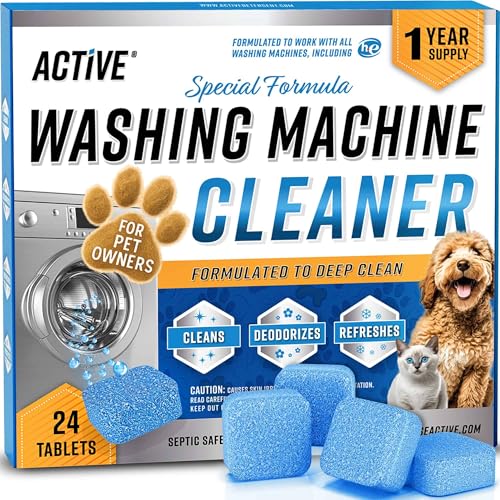
This is a 24-tablet washing-machine cleaner intended for pet households. The maker directs users to put one tablet in an empty washer drum, not the dispenser, run a hot normal or washer-clean cycle, then wipe the front-loader gasket if needed and leave the door open to dry. Its twice-monthly maintenance direction makes the 24-count pack a manufacturer-stated one-year supply. The published safety sheet identifies an alkaline, water-soluble tablet containing sodium carbonate, citric acid, sodium carbonate peroxyhydrate, laureth-9, proprietary ingredients, a proprietary enzyme blend at 1 percent or less, and fragrance at 1 percent or less. It is not an independently certified formula, and no product-specific independent cleaning test was located. The formula's listed ingredients can plausibly address mineral scale and residue, but removal of pet hair, odors, and internal pipe debris remains manufacturer-stated rather than independently demonstrated.
This product is suited to a pet household that wants a scheduled washer-maintenance tablet rather than a spray or liquid cleaner. It is most relevant for an owner of a front-load, top-load, or HE machine who can run an empty hot cycle about twice monthly, follow the drum-placement instructions, and wipe the door gasket afterward. The 24-count format is aligned with that recurring routine. It is better matched to ordinary maintenance and visible residue or odor concerns than to a verified repair for a blocked drain or a mechanically malfunctioning washer.
It is not well suited to households with young children or pets who could access the tablets, or to people with active dermatitis, eye sensitivity, fragrance sensitivity, or respiratory sensitivity to cleaning dust. The safety sheet identifies skin, eye, and possible respiratory irritation, and the formula contains undisclosed proprietary ingredients plus listed fragrance despite the no-added-fragrance statement. It is also not the appropriate tool for a washer with a confirmed drain obstruction, leaking seal, mold damage, or manufacturer service warning. Those situations need the appliance maker's instructions or professional service.
The useful health disclosure is the maker's published safety sheet. It names sodium carbonate, citric acid, sodium carbonate peroxyhydrate, laureth-9, a proprietary enzyme blend, and fragrance. The same sheet classifies the concentrate as a skin and serious-eye irritant and says it may cause respiratory irritation. A closed tablet limits routine spray exposure, but users should avoid dust, wash hands after handling, ventilate the area, and store it out of reach of children and pets. The environmental case is limited. The tablet is water-soluble and avoids a liquid bottle, but packaging recyclability is not documented. The safety sheet provides no finished-product biodegradation or aquatic-impact data, and it reports aquatic toxicity data for sodium carbonate peroxyhydrate. No current EPA Safer Choice, UL ECOLOGO, or Green Seal certification was found for this product. The unqualified septic-safe claim therefore lacks publicly located third-party support.
Nature's Pure Edge Enzyme Powder Concentrate is a 32-ounce water-mixed powder for pet urine, feces, vomit, and odor cleanup. The Sunny Citrus version is marketed for carpets, rugs, sealed floors, concrete, crates, turf, pet bedding, mop buckets, spray bottles, and pressure sprayers. The manufacturer states that one container makes up to 86 gallons of ready-to-use cleaner. Its defining feature is a dry enzyme concentrate that the maker says remains dormant until mixed with water. That may be useful for bulk preparation, but the available product materials did not provide a full ingredient list, safety data sheet, enzyme identity, dilution chart, or product-specific cleaning test report. The citrus fragrance is stated, but its components and allergens are not disclosed.
This format fits a buyer who repeatedly cleans large areas, such as a multi-pet household, kennel, grooming space, or property with crates, concrete, sealed floors, and washable pet bedding. The manufacturer-stated 86-gallon yield makes sense for someone able to measure, mix, label, and store diluted solution rather than needing a ready-to-use spot spray. It is better suited to users prepared to patch-test sensitive surfaces and follow any package directions closely, because public technical documentation is limited.
This product is not well suited to households that need a fully disclosed formula for pets, children, asthma, fragrance sensitivity, or allergy management. The Sunny Citrus version has undisclosed fragrance components, and the powder format can create dust during handling. It is also a poor match for people seeking independently verified cleaning performance, a certified low-impact formula, or a documented safety data sheet before use. Avoid assuming compatibility with unfinished wood, delicate upholstery, wool, unsealed stone, or appliance systems without instructions from the surface or appliance maker.
The main health limitation is documentation, not a confirmed ingredient hazard. Searches did not locate a public safety data sheet, complete ingredient list, enzyme identity, fragrance-allergen breakdown, or product-specific exposure instructions. That leaves buyers unable to assess the full formula, especially the Sunny Citrus fragrance. Powdered enzyme products also deserve careful handling during measuring and mixing because airborne dust and cleaning-product exposure can aggravate respiratory symptoms in susceptible people. No current product-specific EPA Safer Choice, UL ECOLOGO, or Green Seal certification was located. No relevant public recall, regulatory action, or antimicrobial registration was found in the searched U.S. sources. The product's cleaning and odor-removal claims do not include disinfecting or germ-killing language. Its concentrate format may reduce the number of ready-to-use bottles needed, but neither package recyclability instructions nor evidence about aquatic toxicity, biodegradability, or ingredient persistence was provided.
This is a 1-gallon liquid treatment for ongoing maintenance of drain lines, grease traps, septic tanks, sewer lines, and RV or boat holding tanks. The manufacturer directs 2 to 4 ounces weekly for routine drains, 8 to 10 ounces daily for small or medium grease traps, and 16 to 32 ounces weekly for septic treatment. It states that the gallon provides up to eight treatments, although actual yield depends heavily on the application. The manufacturer identifies the formula only as a bacteria and enzyme blend with surfactants, and states that it contains no sodium hydroxide. Its current safety sheet classifies the mixture as not hazardous under OSHA HazCom, with a near-neutral pH range of 7.6 to 8.6. However, that same sheet advises avoiding skin, eye, and inhalation exposure, and notes possible irritation if swallowed or splashed.
This product suits a homeowner, property manager, RV owner, or food-service operator seeking a measured maintenance treatment for organic buildup and odor in a drain, septic-connected line, grease trap, or holding tank. It is most applicable where grease, food residue, fats, oils, or sludge are recurring concerns rather than a sudden solid obstruction. The 1-gallon format is more practical for repeated use or larger systems because the manufacturer provides dose ranges from 2 ounces to 40 ounces, depending on the application.
It is not suited to someone needing independently documented proof that this exact formula clears a specific clog quickly, including hair, mineral scale, or a complete blockage. It is also a poor fit for households requiring full ingredient disclosure because the manufacturer does not identify the microbial blend, enzymes, surfactants, preservatives, or concentrations. People with chemical or enzyme sensitivities should avoid casual contact and choose a product with a more complete disclosure and clearly matched exposure information. Do not use it as a disinfectant or for storm drains that discharge outdoors.
The current manufacturer safety sheet identifies this as a non-classified liquid mixture under OSHA HazCom, with a near-neutral pH of 7.6 to 8.6. That is relevant for a drain-maintenance product, but it is not a no-risk finding. The sheet still says to avoid skin and eye contact, breathing mist or spray, and swallowing the product. It also directs users to keep it away from children and to use ventilation. Transparency is limited. The manufacturer describes a bacteria and enzyme blend plus surfactants, but does not publish the complete ingredient list, organism identities, preservative system, or concentrations. Its safety sheet says aquatic persistence and bioaccumulation are not established and that long-term aquatic effects may occur, so the product should not be treated as environmentally harmless. No current product-specific Safer Choice, ECOLOGO, or Green Seal certification was verified. No relevant CPSC recall or safety warning was located in the reviewed records.
This is a ready-to-use, 128-fluid-ounce pour bottle of stain and odor cleaner for spot treatment on fabrics, laundry, carpets, furniture, and similar water-safe materials. Biokleen directs users not to dilute it before saturating a soiled area. For heavily soiled cloth items, the maker advises a 10-minute to overnight dwell, followed by laundering. It also advises checking colorfastness on an inconspicuous area before use on wool rugs. The strongest product-specific evidence is its active Green Seal registry entry, which includes this 128-ounce format and identifies it as containing microorganisms. Biokleen discloses water, glycerin, viable bacteria culture, phenoxyethanol, a plant-derived surfactant and chelant, citrate, and citrus leaf oil. Its current safety sheet does not classify the mixture under U.S. GHS, but still identifies possible eye, skin, respiratory, and swallowing irritation.
This product fits households managing recurring organic spot messes, especially pet accidents, food spills, washable fabrics, carpets, and upholstery, where a large ready-to-use refill is practical. It is most suitable for buyers willing to saturate the affected area, allow meaningful contact time when needed, blot or launder afterward, and test delicate textiles first. Its independently listed Green Seal certification and named ingredient disclosure are useful for people who want more formula accountability than a generic odor spray provides.
It is not suited to homes needing a fragrance-free cleaner, or to people with asthma, scent sensitivity, active skin irritation, or a history of enzyme-related respiratory sensitivity. It is also a poor fit where children or pets cannot be kept from a wet treated area until it is dry and cleaned. Do not use it as a disinfectant, sanitizer, or germ-killing product. Buyers needing verified microbial batch specifications, a precise gallon-yield claim, or confirmed compatibility with a particular carpet machine, flooring finish, or delicate material need more specific documentation.
The most meaningful independent finding is a current Green Seal registry entry for this exact product format, active since 2022. Biokleen also publishes a usable named ingredient list, including glycerin, a viable bacteria culture, phenoxyethanol, a nonionic surfactant, chelant, citrate, and citrus leaf oil. That is better transparency than vague formula descriptions, although the microbial culture is not identified to species or strain and the citrus oil is a real scent component. The current safety sheet classifies the mixture as not classified under U.S. GHS, but it still warns of possible eye, skin, respiratory, and ingestion effects. Avoid spraying or creating mist, ventilate the area, wash hands, and keep the product out of reach of children and pets. Environmental claims need qualification. The maker states that ingredients are biodegradable, but the safety sheet says finished-product persistence and bioaccumulation are not established and notes potential long-term aquatic effects. Recycle the emptied container only where local programs accept it.
This is a 2-pound, fragrance-free powdered laundry additive, not a stand-alone detergent. ACTIVE directs users to put 1 or 2 scoops in the washer drum before laundry and their regular detergent. For heavily stained or odorous items, it also suggests a one-hour hot-water pre-soak. The maker states that one bag provides up to 64 loads, which reflects the lighter one-scoop dose. The package ingredient panel identifies sodium carbonate, sodium bicarbonate, sodium percarbonate, sodium chloride, and a proprietary enzyme blend. The manufacturer separately names cellulase, amylase, protease, and lipase as enzymes in that blend. Those claims are manufacturer-stated, not supported by a product-specific independent performance report. The formula includes an oxygen-releasing bleaching ingredient, despite the listing's bleach-free wording, so the product should be treated as an oxygen-bleach booster rather than as a chemically neutral enzyme powder.
This product suits a household that already uses a regular detergent and wants an unscented, powdered booster for occasional sweat, food, body-oil, blood, grass, or pet-related laundry soils. Its standard drum-use directions are simple for top-load, front-load, and HE machines, according to the manufacturer. It is most concrete for users comfortable with an oxygen-bleach ingredient and with using a one-hour pre-soak for stubborn washable items. The 2-pound bag and stated 64 regular-load capacity fit buyers who expect to use it as an additive rather than as their primary detergent.
It is not well suited to people with enzyme allergy, asthma triggered by airborne powders, or a need for fully disclosed ingredients. Protease and other enzymes can be respiratory sensitizers when airborne, and this loose powder does not provide detailed dust-exposure instructions in the available directions. It also does not fit buyers who require independently certified safer-chemistry or low-impact claims. Avoid relying on the maker's all-fabric statement for silk, wool, leather, or other delicate materials without following that item's own care label and doing a cautious compatibility check.
The useful health attribute is the manufacturer-stated fragrance-free design, with no fragrance listed on the package ingredient panel. However, the same panel includes sodium percarbonate, an oxygen-releasing bleaching ingredient, alongside alkaline salts and a proprietary enzyme blend. The package cautions users to avoid eye contact, keep it away from children, and seek medical help if swallowed. Enzymes are recognized respiratory sensitizers in occupational exposure settings, so minimizing powder dust is sensible, especially for people with asthma or enzyme allergies. No current product-specific Safer Choice, UL ECOLOGO, or Green Seal certification was identified. There is also no public packaging-recyclability instruction or full formula disclosure to support a low-impact assessment. The listed alkaline salts and oxygen bleach are not evidence by themselves of a low-waterway-impact formula, because the proprietary enzyme blend and any processing aids are not fully disclosed. No relevant active CPSC recall or public regulatory warning was found in the searches performed.
This is a 32-fluid-ounce, ready-to-use trigger spray for pet urine, feces, vomit, food stains, and associated odors. The maker directs users to remove pets, patch-test a hidden area, spray the soiled zone, allow a stated 5 to 20 minute dwell time depending on surface, then blot or wipe and let the area dry before pets or children return. The published safety data sheet identifies a water-soluble cleaner with 5 to 10 percent proprietary enzyme blend, up to 3 percent C9-11 alcohol ethoxylate, and up to 3 percent isopropanol. A retailer ingredient disclosure additionally names a biotic blend, lauramine oxide, and orange essential oil. The formula is not fragrance-free, and its own safety data sheet classifies it as causing serious eye irritation.
This product suits a household that needs a ready-to-use cleaner for occasional fresh pet accidents on colorfast carpet, washable fabric, furniture, or indoor hard surfaces. It is most practical for a buyer willing to remove waste first, wet the affected area, wait the stated contact time, blot or wipe it up, and keep pets away until dry. The 32-ounce bottle fits routine spot treatment better than high-volume whole-room cleaning, and the citrus scent is relevant for buyers who do not need fragrance-free products.
It is not well suited to fragrance-sensitive households, people with asthma or enzyme sensitivity concerns, or anyone seeking a formula with independently certified low-health and low-environmental-impact attributes. Avoid treating it as harmless around children or pets during use, since the published safety data sheet warns of serious eye irritation and identifies enzymes with respiratory-sensitization classification. It is also a weak fit for delicate, unknown, or non-colorfast materials, untreated wood concerns, or buyers who need independently tested proof of odor removal from old or extensive contamination.
The published safety data sheet is a meaningful safety document, but it does not support an unqualified low-risk description. It classifies the liquid as causing serious eye irritation, notes possible skin irritation in sensitive people, and lists the proprietary enzyme blend with a respiratory-sensitization hazard classification. For normal home spot use, the maker says to remove pets from the area and wait until it is completely dry before allowing pets or children back. Avoid eye contact, wash hands after handling, and use ventilation, particularly when treating a larger area. The formula is fully water-soluble and the safety data sheet states that its components are on the TSCA inventory. However, it provides no specific aquatic-life, environmental-stability, or plant-and-animal data. The spray is sold in a single-use plastic bottle, with no verified recycled-content, refill, recyclability, or certified environmental claim identified. No current product-specific Safer Choice, ECOLOGO, or Green Seal certification was located, and no relevant current recall or regulator safety action was located in the checked U.S. sources.
This is a ready-to-use citrus spray sold as two 32-fluid-ounce bottles, for pet urine, feces, vomit, stains, and associated odor on carpet, tile, upholstery, car interiors, and turf. The provided product record presents it as an enzyme cleaner, rather than a concentrate requiring dilution. The maker's ingredient disclosure for its Orange Twist enzyme stain remover identifies water, orange fragrance, a proprietary encapsulated five-strain Bacillus blend, nonionic surfactant, sodium citrate, benzylisothiazolinone, d-limonene, and linalool. That is useful but not a full strain-level or concentration disclosure. Most importantly, a CPSC recall announced January 22, 2026 covered Angry Orange enzyme stain removers in Orange Twist and Fresh Clean scents, including 32-ounce bottles, because they could contain Pseudomonas aeruginosa. The supplied product details do not establish the lot or whether these bottles fall outside that recall.
This format is suited only to a buyer needing a ready-to-use spot-treatment supply for ordinary pet messes on the listed hard or soft surfaces, who can verify that each bottle is outside the January 2026 recall before opening it. It may fit someone who prefers a citrus-scented cleaner and can ventilate the area, keep pets and people away until surfaces are dry, and patch-test upholstery or carpet first. The disclosed Bacillus blend is a manufacturer-stated mechanism, not independently demonstrated performance for a particular stain or surface.
It is not suited to households with an immunocompromised person, someone with an external medical device, or a person with an underlying lung condition unless the bottle's recall status has been conclusively checked. The CPSC identified a potential serious-infection route through inhalation, eyes, or broken skin for recalled units. It is also a poor fit for fragrance-sensitive users, people managing skin allergies, or anyone seeking a fully disclosed enzyme or microbial formula. Do not use an affected bottle, and do not rely on this product for disinfection or sanitizing.
The primary safety finding is the active CPSC recall announced January 22, 2026. It covers Angry Orange enzyme stain removers in Orange Twist and Fresh Clean scents, including 32-ounce bottles, for potential Pseudomonas aeruginosa contamination. The agency reports no injuries, but says susceptible people can face a serious infection risk after exposure through inhalation, eyes, or broken skin. The supplied product information does not provide a lot code to determine whether this two-pack is affected. The maker discloses a water-based formula with a proprietary five-strain Bacillus blend, surfactant, sodium citrate, preservative, fragrance, d-limonene, and linalool for the citrus version. That is more informative than a generic enzyme claim, but it does not reveal microbial strains, concentrations, or fragrance composition. An older product safety sheet warns of mild skin irritation and allergic reactions in susceptible people, and advises avoiding spray inhalation. No current EPA Safer Choice, ECOLOGO, or Green Seal certification for this product was verified. No substantiated recyclable-packaging or aquatic-toxicity information was located.
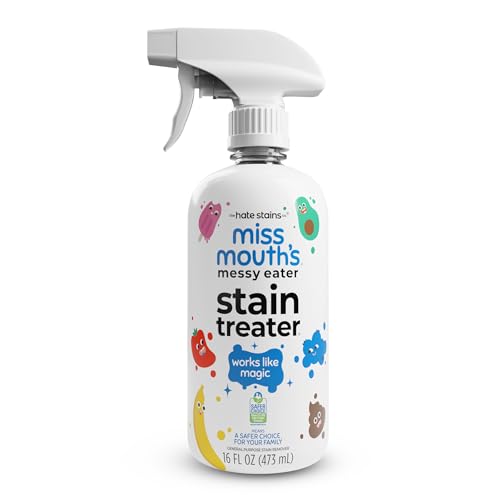
This is a ready-to-use 16-ounce trigger-spray stain pre-treater for clothing, upholstery, and carpets. The maker directs users to remove excess soil, spray the affected area, work it in if needed, then rinse or launder. Its current product page markets it for food, drink, grease, blood, and other household stains, including fresh and set-in marks. The available safety sheet identifies the same formula as a detergent containing less than 15 percent C12-C15 ethoxylated alcohol and less than 3 percent ethanol. A retail label independently lists water, nonionic surfactant, glycerin, sodium sulfite, denatured alcohol, and citric acid. The product is not an enzyme cleaner based on those disclosed ingredients. The maker's current claim of EPA Safer Choice certification could not be confirmed in EPA's current downloadable registry.
This product fits households that want a ready-to-use, unscented spot pre-treater for washable, colorfast clothing and occasional fabric or upholstery marks. It is most suited to users who can treat a spill promptly, follow the garment care label, rinse or launder after treatment, and patch-test delicate or uncertain materials. The 16-ounce format makes more sense for repeated laundry-room use than for a diaper bag or occasional travel stain. It also suits buyers who value a relatively short disclosed ingredient list.
It is not suited to households that need a product with independently documented results on a specific stain, fabric, or dwell time. Avoid relying on it as a disinfectant, sanitizer, pet accident odor treatment, or enzyme cleaner, because the disclosed formula contains no enzyme or antimicrobial active ingredient and does not make registered germ-killing claims. It also needs careful storage around children and pets because the safety sheet warns of eye irritation and possible harm if swallowed. For silk, dry-clean-only goods, or dye-sensitive textiles, use professional fabric-care guidance or choose a product specifically approved for that material.
The disclosed formula is fragrance-free and dye-free on the retail label, and the available safety sheet lists ethanol below 3 percent and C12-C15 ethoxylated alcohol below 15 percent. That sheet also classifies the product as an eye irritant, advises hand washing after handling, says not to inhale the spray, and directs a 15-minute eye rinse after exposure. It reports no harmful effects expected from skin absorption, but says ingestion may be harmful. The formula is water based and marketed as phosphate-free, with a manufacturer-linked label claim that its surfactants are biodegradable. However, the safety sheet gives no biodegradation or product-level aquatic-toxicity data and notes aquatic toxicity for the disclosed ethoxylated surfactant. No packaging resin, recycled-content, or recycling instruction was found. No matching CPSC recall or public safety notice was identified in the searches performed, but the maker does not publish batch microbiological specifications or a consumer recall procedure. The current EPA registry did not independently confirm the advertised Safer Choice status.