Best Overall
5% Coupon
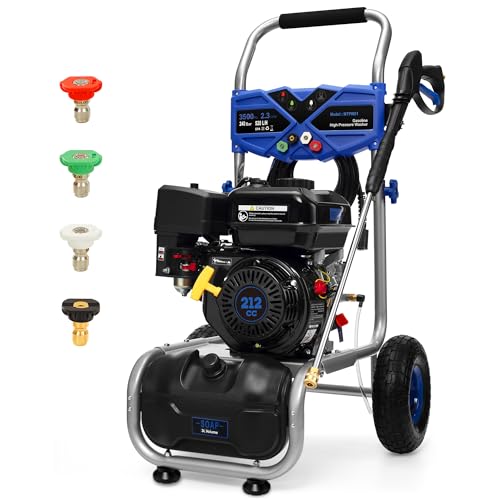
Ezasin 3500 PSI Gas Pressure Washer
Powerful 3500 PSI for deep cleaning tasks.
Durable aluminum pump ensures long-lasting use.
Includes four quick-connect nozzles for versatility.
 Daniel Kenitz
Powerful 3500 PSI for deep cleaning tasks.
Durable aluminum pump ensures long-lasting use.
Includes four quick-connect nozzles for versatility.

Powerful 3500 PSI for tough cleaning tasks.
Long 25-foot hose for extended reach.
Includes four versatile quick-connect nozzles.

High pressure for efficient cleaning at 3400 PSI.
Convenient onboard soap tank for easy detergent use.
Versatile with 5 nozzles for various cleaning tasks.

High pressure for efficient cleaning performance.
Durable copper pump ensures long-lasting use.
Includes versatile nozzles for various tasks.

Powerful 3500 PSI for efficient cleaning.
Reliable 212cc 4-cycle engine performance.
High 2.3 GPM flow rate for faster jobs.
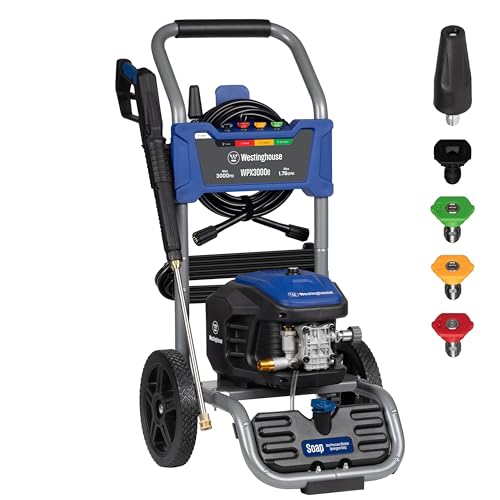
High power with 3000 PSI for tough cleaning tasks.
Comes with 5 nozzles for versatile use.
Onboard soap tank simplifies the cleaning process.

Powerful cleaning with 3300 PSI pressure output.
Easy to start with reliable gas engine.
Durable construction for long-lasting use.

Powerful 4200 PSI for tough cleaning tasks.
4.0 GPM for efficient water flow.
Durable design for long-lasting performance.

High power output for efficient cleaning.
Comes with versatile nozzle options.
Long 25ft hose for extended reach.

High power output for efficient cleaning.
Comes with versatile nozzle options.
Durable build with large, sturdy wheels.
The useful measure of cleaning capability is not the largest number in a product title. Look for simultaneous working pressure and flow, measured at the nozzle. A credible claim should identify the exact product, nozzle, inlet conditions, pressure, and flow, and should be supported by CETA CPC100, PWMA PW101, or an independent laboratory report. Maximum PSI and maximum GPM may be separate figures achieved under different conditions. The supplied reviews repeatedly found that headline ratings were not independently confirmed. One independent test measured 2,300 PSI and 2.16 GPM on a product advertised at 3,400 PSI and 2.5 GPM, while another manual clearly separated 2,850 PSI and 2.4 GPM rated output from higher maximum figures.
Safety documentation matters as much as output. Look for a model-specific operator manual covering trigger locks, two-hand gun control, pressure release, nozzle retention, hose and fitting inspection, damaged-hose replacement, fuel handling, hot surfaces, unintended starting, and flying-debris protection. For machine-level safety certification, match the exact product and current certification file to an OSHA-recognized testing laboratory such as UL Solutions or Intertek; a component certification, retailer specification, or unexplained “ETL” or “CSA” statement is not enough. The supplied reviews did not locate a current exact-product NRTL listing for any reviewed machine.
For gasoline emissions, verify the engine family from the physical emissions label against the U.S. EPA Small Nonroad Spark-Ignition Engines records. If California compliance is claimed, match the engine family to a California Air Resources Board certification or Executive Order. “EPA compliant,” “49-state,” “50-state,” or “CARB” wording on a listing is not independently traceable unless the engine family and certificate match. Several products had conflicting or unverified emissions claims; one product was explicitly described as not CARB compliant.
A buyer should also look for realistic noise information. Engine-and-pump noise can be substantial: supplied reviews reported 93 dBA beside one machine, 94 dB sound pressure for another, and 110.2 dB at 13 feet for one model at full load. A useful manual gives a measurement context and hearing-protection guidance rather than simply omitting sound information. Flow and detergent capability also affect environmental impact. Higher flow uses more water, while soap tanks and siphons can send detergent, oil, paint residue, sediment, and vehicle grime into runoff. Prefer clear detergent restrictions and instructions to contain or properly dispose of wash water rather than allowing it into storm drains.
Across the supplied products, the recurring contraindications are serious: never operate a gasoline pressure washer indoors or in a partly enclosed area; keep it away from building openings and occupied spaces; control fuel, hot surfaces, and ignition sources; wear eye, hearing, and foot protection; keep children, pets, and bystanders clear; and treat a suspected injection wound as an emergency. Buyers who need California eligibility, independently verified output, an exact-model safety listing, documented service parts, or commercial-duty support should not infer those qualities from a marketplace badge or headline specification.
Gas pressure washers combine high-pressure water with gasoline combustion. The strongest products in this set document both hazards directly, while lower-scoring products leave important questions to the buyer. Scores below are based on the supplied reviews and topic weighting, not price, popularity, or marketplace position.
This measures trigger locks, pressure release, gun and hose safeguards, nozzle and fitting instructions, labels, and warnings against injection wounds and debris strikes. High-scoring examples include detailed shutdown, leak, nozzle, and protective-equipment instructions; weaker products lack a model-specific manual or confirmed hose and trigger protections. Among the supplied products, scores ranged from 54 to 80, showing a wide documentation gap.
This measures outdoor-only warnings, distance from openings, fuel and ignition controls, cool-engine refueling, hot-surface warnings, leak checks, and safeguards against unintended starting. It matters because gasoline pressure washers can produce lethal carbon monoxide and fuel-fire hazards even when a space appears ventilated. Scores ranged from 68 to 87; the higher-scoring reviews gave specific placement and refueling instructions rather than generic ventilation advice.
This measures whether the exact machine provides a realistic sound figure and hearing-protection guidance. Gas engines and pumps can create meaningful exposure during ordinary cleaning, so a buyer needs context such as measurement distance or operating condition. Scores ranged from 68 to 79. The strongest documentation included figures such as 91 dB(A) at one meter or 94 dB sound pressure; several lower-scoring products supplied no measured level.
This measures whether pressure and flow are independently tested at the nozzle as simultaneous rated values under a recognized method. It separates credible working capability from separate maximum figures. Scores ranged from 35 to 78. The highest evidence came from an exact-product independent test or a manufacturer-stated CETA CPC100 claim, while many products had only unverified maximum PSI and GPM numbers.
This measures whether the complete exact product appears in a current OSHA-recognized testing-laboratory registry for the applicable pressure-washer standard. It does not count a component mark or seller statement by itself. Scores ranged from 68 to 70, and the supplied reviews did not locate a confirmed exact-model UL or Intertek listing. A buyer should therefore treat most certification claims here as unproven.
This measures whether rated and maximum values are clearly separated and whether engine, pump, certification, compliance, and task claims match primary evidence. Scores ranged from 48 to 79. Higher-scoring manuals distinguished rated output from maximum output; lower-scoring listings combined implausible pressure-flow claims, inconsistent hose or engine specifications, or unsupported EPA, CARB, and ETL wording.
This measures identifiable pump, hose, gun, fittings, maintenance instructions, replacement parts, warranty terms, and reachable service support. It matters because leaks, pressure loss, unsafe improvisation, and premature disposal can follow from poor documentation. Scores ranged from 54 to 82. The strongest products supplied parts diagrams, maintenance schedules, and service contacts; several lower-scoring products had no manual, parts list, or authorized-service path.
This measures whether the product has a durable model or serial label, identifiable manufacturer or importer, usable U.S. contact path, warranty or registration process, and recall information. Scores ranged from 58 to 82. Higher-scoring products documented serial fields, support, warranty, or registration routes. Lower-scoring products had unclear manufacturers, limited support, or product information repeated under different brands, making remedies harder to verify.
This measures whether the exact gasoline engine family can be matched to EPA records and, when claimed, a CARB certification. A listing badge is not enough without the engine-family label and regulator record. Scores ranged from 68 to 78 among gas models. Higher-scoring products had a more identifiable engine trail, but the supplied reviews still found several claims unverified or conflicting, including 49-state and California-sale limitations.
This measures disclosure of flow, detergent restrictions, and instructions that limit waste and keep polluted wash water out of storm drains. It matters because gas washers can use several gallons per minute and carry detergent, oil, paint residue, sediment, or grime into runoff. Scores were tightly grouped from 68 to 72; most products disclosed flow or detergent use but lacked practical capture and disposal instructions.
This is a 63-pound, wheeled gasoline pressure washer for outdoor cleaning of driveways, patios, siding, vehicles, and outdoor furniture. The available model-specific manual describes a recoil-start 209 cc, 7 HP, four-stroke OHV engine, an axial aluminum pump, a 25-foot pressure hose, four quick-connect tips, and a 3-liter detergent tank. These are manufacturer-stated specifications, not independently tested performance figures. The manual labels 3,500 PSI and 2.3 GPM as maximum values, rather than a simultaneous rated working output. It supplies setup, nozzle-change, winter-storage, oil-change, hose-inspection, and leak-troubleshooting instructions. However, the public documentation located does not identify the pump maker, engine family, replacement-parts diagram, sound level, exact engine emissions certificate, or an independent pressure and flow test for this product.
This product fits an experienced homeowner who needs a portable gasoline machine for periodic outdoor work on a driveway, patio, fence, siding, or equipment, and who has open outdoor space well away from doors, windows, vents, children, pets, and bystanders. The manufacturer-stated 25-foot hose, four nozzle patterns, and detergent tank suit varied cleaning tasks. The user should be prepared to add oil before first use, manage gasoline safely, inspect the hose and fittings, and carry out seasonal pump protection and engine maintenance.
It is not suited to apartment residents, enclosed garages, carports, basements, partially enclosed work areas, or any household that cannot keep the running engine outdoors and away from building openings. It also is a poor fit for people unwilling or unable to handle gasoline, hot engine surfaces, high-pressure injury risks, hearing protection, and regular maintenance. Buyers who require documented sound output, verified California emissions eligibility, third-party machine certification, readily identified replacement parts, or independently tested working pressure and flow need more complete product evidence.
Gasoline pressure washers create a serious carbon-monoxide hazard. CDC says gasoline-powered washers must not run in enclosed or partially enclosed spaces, and should stay away from windows, doors, and air intakes. The available manual does mention ventilation, eye protection, hearing protection, hot surfaces, secure hose connections, and pressure release before accessory changes. It also warns that the concentrated 0-degree tip requires extreme caution. Those instructions are useful, but they do not replace outdoor-only operating discipline. The manual provides no measured noise figure, although it tells users to wear hearing protection. It states maximum water use of 2.3 gallons per minute and permits pressure-washer-safe detergent through its 3-liter tank, but gives no wash-water capture or storm-drain disposal instructions. Do not direct detergent, oil-contaminated runoff, paint residue, or dirty wash water into storm drains. No exact engine-family EPA certificate or CARB record was located, so U.S. and California emissions compliance cannot be independently confirmed from the available evidence. No product-specific CPSC recall was located in the searches performed.
This is a gasoline-powered, cold-water pressure washer intended for outdoor cleaning of driveways, siding, vehicles, furniture, and similar hard surfaces. The available product documentation describes a 209 cc, 7 hp four-stroke engine, an axial aluminum pump, a 25-foot high-pressure hose, four quick-connect nozzles, and a 3-liter detergent tank. These are manufacturer-stated specifications reproduced by a third-party manual host, not independently tested measurements. The advertised 3,500 PSI and 2.3 GPM figures are presented as maximum values. No exact-product CETA, PWMA, or independent laboratory report was located to establish simultaneous working pressure and flow at the spray nozzle. A manual is available and includes setup, maintenance, troubleshooting, instructions to release pressure before service, and basic personal-protection guidance. Exact model-level safety certification, engine certification, warranty terms, replacement-parts diagram, and service-network evidence were not located.
This product suits an experienced homeowner who needs a portable gasoline washer for intermittent outdoor cleaning where electrical power is inconvenient, such as a driveway, patio, fence, siding, or equipment kept well away from occupied buildings. The buyer should be comfortable checking engine oil, adding gasoline, priming the pump, inspecting hose seals, choosing spray tips cautiously, and arranging proper wash-water control. It is more appropriate for open-air use with adequate space to manage hose movement and overspray than for enclosed or densely occupied settings.
It is not suited to anyone who needs documented working-output measurements, an independently listed machine safety certification, or traceable emissions records before use. It is also inappropriate for garages, basements, sheds, covered patios, near open doors or air intakes, and any partly enclosed work area because gasoline-engine exhaust can rapidly create a fatal carbon-monoxide hazard. Buyers unable to use eye and hearing protection, control high-pressure spray, manage fuel safely, or capture detergent and contaminated runoff should select a different cleaning method or arrange professional service.
The available instructions recognize several real operating hazards. They call for eye and hearing protection, keeping people and pets clear, securing water connections, avoiding hot engine and pump surfaces, shutting down and releasing pressure before changes, and using ventilation. For a gasoline pressure washer, outdoor-only placement is the critical safeguard. CDC guidance says gasoline-powered pressure washers must not be run indoors or in enclosed or partly enclosed areas because carbon monoxide is invisible, odorless, and can become fatal quickly. The product documentation identifies a 2.3 GPM maximum flow claim and a detergent tank, but it does not provide wash-water capture or disposal instructions. EPA guidance notes that wash water can carry sediment, detergents, oil, grease, and metals into stormwater. Avoid directing dirty water, paint residue, oil, or detergent solution toward storm drains, and follow local disposal rules. No exact-product emissions certificate, sound test, independent performance test, or third-party safety listing was located.
This is a 63-pound, gasoline-powered cold-water pressure washer on a two-wheel steel frame. It uses a recoil-start 212cc four-stroke engine, a 25-foot high-pressure hose, an onboard 1.6-liter detergent tank, and five quick-connect tips, including 0, 15, 25, and 40 degree wash tips plus a soap tip. It is intended for outdoor washing of hard surfaces, siding, vehicles, fencing, and patio furniture. The manufacturer states that its rated working output is 3,400 PSI and 2.6 GPM, rather than presenting those figures only as separate peak values. The machine has a documented trigger lock, pressure-relief shutdown procedure, thermal-relief valve, and specific hose and fitting safety instructions. Its published parts list identifies the hose, gun, nozzle kit, pump, and many engine components. However, no model-specific independent output report or NRTL machine-safety listing was located in the checked registries.
This product suits an experienced homeowner or property caretaker who needs portable gasoline-powered cleaning for driveways, masonry, fencing, patio surfaces, outdoor furniture, and vehicles where an electrical outlet is inconvenient. The stated 3,400 PSI and 2.6 GPM rating, 25-foot hose, and five supplied nozzle patterns provide a practical range for intermittent residential work. It also suits a buyer willing to follow fuel storage, oil checks, depressurizing, nozzle-locking, and winter-storage procedures, and who values access to an official parts diagram and service contact.
It is not appropriate for indoor, garage, shed, basement, crawlspace, or near-window use because engine exhaust can cause fatal carbon-monoxide poisoning. It is also unsuitable for users unable to manage gasoline, hot-engine burn hazards, recoil starting, loud engine noise, or a 63-pound machine. Buyers who require California-compliant equipment should not use this version because the current manufacturer page identifies it as not CARB compliant. It is also a poor fit for locations where wash water, detergent, paint residue, or oily runoff could enter a storm drain without containment.
The manual gives strong, product-specific warnings for its most acute hazards. It says to operate outdoors only, away from doors, windows, and vents, warns that carbon monoxide can kill in minutes, and gives detailed fuel, fire, hot-surface, pressure-injection, eye-protection, and depressurizing instructions. It also calls for full ear protection, although it does not publish a sound level. The operator should treat the 0 degree tip as particularly aggressive and never repair a high-pressure hose or leaking connection. This is a gasoline engine product, so it produces exhaust and requires fuel and oil handling. The current manufacturer page identifies it as not CARB compliant. The manual lists EPA certification, but the exact engine-family certificate was not traceable from the available documentation. Water use is disclosed at a manufacturer-stated 2.6 GPM. The detergent system should be flushed with clean water, and bleach is prohibited, but runoff management remains the user's responsibility. No product-specific CPSC recall was located in the checked recall resources.
This is a cold-water, gasoline-powered pressure washer on a wheeled steel frame. VEVOR states it uses a 210 cc, 7 HP four-stroke engine, a 3 L fuel tank, a 26-foot hose, spray gun and extension wand, and five quick-connect nozzles. It is intended for exterior cleaning of hard surfaces such as driveways, patios, masonry, vehicles, and outdoor equipment. The 3,400 PSI and 2.6 GPM figures are manufacturer-stated maximum figures, not independently verified simultaneous working output. The manufacturer’s US product page identifies an aluminum pump, despite the marketplace record describing a copper pump. Its manual provides unusually specific operating and maintenance guidance, including a trigger safety catch, protective equipment, pump oil service, fuel handling, and outdoor-only operation. No current third-party machine safety listing, independent output test, exact-engine emissions certificate, or sound-pressure rating was located for this product.
This product suits an experienced homeowner or property caretaker who needs a portable gasoline washer for outdoor-only work where electrical power is unavailable. It fits jobs such as cleaning a concrete driveway, masonry patio, fence, farm equipment, or other durable exterior surfaces, provided the user can manage recoil, fuel, oil checks, hose inspection, and wash-water containment. It is more appropriate for someone prepared to follow the manual’s pump maintenance schedule and use eye protection, sturdy footwear, and the trigger safety catch.
It is not suited to indoor, garage, carport, basement, near-window, or near-vent cleaning. Gasoline pressure washers can produce dangerous carbon monoxide even in spaces that seem ventilated. It is also a poor fit for buyers who need independently certified machine safety, verified working output, documented engine-emissions compliance, or a stated sound level. Children, untrained users, anyone unable to control a high-pressure spray gun, and users cleaning delicate paint, tires, siding, or surfaces near storm drains need a different approach or professional guidance.
The manual contains important safety controls. It says the machine is for outdoor use only, directs users not to spray people, animals, live electrical equipment, or the machine, and calls for gloves, safety shoes, and goggles. It also addresses refueling away from ignition sources, cooling before storage, and keeping the hot exhaust away from the hose. These directions matter because federal health guidance warns that gasoline pressure washers can cause severe injection-type wounds, flying-debris injuries, and potentially fatal carbon monoxide exposure in enclosed or partly enclosed spaces. Environmental support is more limited. The stated 2.6 GPM flow rate gives a basic water-use figure, and the manual directs users to use specified detergents and recycle used engine oil rather than dumping it on the ground. It does not provide practical wash-water capture or storm-drain disposal instructions. Pressure washing can mobilize detergent, oil, paint residue, and sediment, so users need to prevent runoff from entering storm drains and follow local disposal rules. No exact-engine emissions certificate was located.
This is a wheeled, gasoline-powered cold-water pressure washer for outdoor cleaning of hard surfaces, siding, patios, vehicles, and equipment. The product page identifies a 212cc four-cycle engine, a 25-foot high-pressure hose, an axial aluminum pump, an onboard soap tank, and four quick-connect tips. It advertises 3,500 PSI and 2.3 GPM. Those output figures are manufacturer-stated, not independently verified for this exact product under CETA or PWMA performance testing. The listing also does not distinguish a simultaneous working pressure and flow rate from separate maximum values. A closely related third-party-hosted Ezasin manual describes basic hose connection, pressure-release, fuel, hot-surface, eye-protection, and hearing-protection precautions, but it identifies a different product model. It cannot substitute for a model-specific manual, parts diagram, or test report for this unit.
This product suits an experienced outdoor homeowner who needs a gasoline-powered washer where electrical outlets are unavailable and who is prepared to manage fuel, oil, hose inspection, pressure release, and nozzle selection. Its manufacturer-stated 25-foot hose, onboard soap tank, and multiple tips fit intermittent cleaning of driveways, patios, fencing, siding, and durable equipment. The user should be comfortable treating the advertised output as unverified until they can inspect the product label and included documentation.
It is not suited to indoor, garage, carport, basement, or partially enclosed cleaning because a gasoline pressure washer creates a potentially fatal carbon-monoxide hazard. It is also unsuitable for households where children or bystanders may enter the work area, or for users unable to wear eye and hearing protection and maintain secure hose connections. Buyers needing measured noise data, independently verified performance, an exact safety listing, California emissions documentation, or established replacement-parts support need documentation this product page does not provide.
High-pressure spray can inject water under the skin and launch debris. CDC advises never aiming a pressure washer at people and seeking prompt medical care for high-pressure spray wounds. The related Ezasin manual gives useful general precautions, including eye and hearing protection, secure connections, engine shutdown, and pressure release before accessory changes. However, it is not confirmed as the manual for this exact product. The gasoline engine must remain outdoors and away from doors, windows, and vents. CDC warns that gasoline pressure washers can cause fatal carbon-monoxide poisoning even in partially enclosed spaces. No measured sound level was found. The 2.3 GPM claim provides a basic water-use figure, but no product-specific wash-water disposal guidance was found. EPA notes that detergent-rich wash water can carry oils, metals, and hydrocarbons to storm drains, so detergent and contaminated runoff should be contained and managed under local rules. No matching CPSC recall was located in the sources reviewed, but an exact engine-emissions certificate and independent machine safety listing were also not located.
This is a corded, upright electric pressure washer for residential outdoor cleaning. It has a steel frame, 25-foot braided high-pressure hose, 35-foot GFCI cord, 0.45-gallon detergent tank, metal spray gun and wand, and five quick-connect nozzles. The manufacturer specifies a 13-amp, 120V motor, axial-cam pump, total-stop function, and 36.8-pound dry weight. Its most important specification is unusually clearly separated by the manufacturer. It states 2600 rated PSI and 1.1 rated GPM, alongside separate maximum figures of 3000 PSI and 1.76 GPM at lowest pressure. No model-specific independent performance report was located. The model-specific manual documents a trigger lock, pressure-release procedure, double insulation, and a GFCI plug that users are instructed to test monthly. A current public UL or ETL listing for this exact product could not be verified.
This product suits a homeowner who needs a mobile corded machine for periodic driveway, patio, siding, fence, outdoor-furniture, and vehicle cleaning, and has access to a properly functioning outdoor electrical outlet and water supply. It is especially relevant where avoiding gasoline storage, exhaust, and engine starting is important. The clearly stated rated output helps set expectations for residential work, while the 25-foot hose, 35-foot cord, detergent tank, and nozzle set allow cleaning around a typical home without moving the unit constantly. Users should be prepared to follow the pressure-release and GFCI-test steps in the manual.
It is not suited to commercial or rental work. The stated warranty excludes income-producing use, and the output evidence is not independently verified for professional duty cycles. It is also unsuitable for anyone who cannot keep electrical connections dry, test the GFCI plug, manage a powered cord safely, or use the spray gun with stable footing and two hands. Do not use it for indoor cleaning, around people or animals, on energized electrical equipment, or where runoff containing detergent, oil, paint residue, or other contaminants could enter a storm drain or surface water.
This electric product avoids the direct carbon monoxide, gasoline-vapor, fuel-leak, and tailpipe-emission hazards associated with gasoline pressure washers. That does not make it risk-free. The model-specific manual warns of liquid-injection injury and documents a trigger lock, pressure release before nozzle changes, double insulation, and GFCI protection. It instructs users to test the GFCI monthly. A public third-party safety listing for this exact product was not verified, so those manufacturer safeguards should not be treated as a substitute for careful use. Water demand is disclosed as 1.1 GPM at rated output, with a separate 1.76 GPM maximum claim. The detergent tank can add polluted wash water to the cleaning process. EPA guidance advises minimizing detergent and preventing wash water, dirt, oils, and chemicals from reaching storm drains or surface waters. No product-specific runoff capture or disposal system was identified. No current CPSC recall for this product was located in the pressure-washer recall search.
This is a wheeled, cold-water gasoline pressure washer for household exterior cleaning. It uses a recoil-start 208cc engine, an axial-cam pump, a 25-foot high-pressure hose, a 16-inch wand, and five quick-connect tips. The stated dimensions are 41 by 21 by 24 inches, and the product is intended for surfaces such as driveways, decks, siding, fencing, and outdoor furniture. The manufacturer states 3300 PSI at 2.4 GPM and represents the output as compliant with CETA CPC-100 performance testing, with a stated tolerance of plus or minus 10 percent. Its model-specific manual gives unusually detailed pressure-spray, fuel, carbon-monoxide, and hot-surface warnings. A parts diagram also identifies pressure-path components, including a 3300 PSI hose, a 3750 PSI gun, nozzle kit, pump, and thermal-relief valve. No exact-model public UL or ETL machine-safety listing was substantiated.
This product suits an experienced homeowner who needs a portable gas machine for intermittent cleaning of driveways, patios, fencing, decks, siding, and other outdoor surfaces where a garden-hose water supply is available. It is better matched to someone who can fuel, start, inspect, winterize, and store a gasoline engine outdoors, and who will use eye protection and keep people and pets away from the spray zone. The stated hose length and pneumatic wheels also fit users working around a typical detached home and uneven yard.
It is not suited to apartment residents, indoor work, garages, enclosed patios, or households unable to maintain a strict outdoor-only operating area. Gas exhaust can create lethal carbon-monoxide exposure, and the manual warns that opening doors, windows, or using a fan is not an adequate substitute for outdoor use. It is also a poor fit for users who need documented low-noise operation, California availability, independently substantiated machine-safety listing, or explicit wash-water containment instructions for detergent, paint residue, oil, or other contaminated runoff.
The main health issue is not subtle. This gasoline machine must run outdoors and away from doors, windows, and vents. Its manual warns that carbon monoxide is odorless and can be fatal, and it also gives fuel-filling, hot-muffler, ignition, spark-arrester, and fuel-storage precautions. The pressure system has a trigger lock, instructions to relieve pressure before service, eye-protection guidance, and warnings that leaks or damaged hoses can cause injection injuries requiring immediate medical attention. The product has a stated 2.4 GPM water flow and detergent injection capability. The manual advises against chlorine bleach and corrosive chemicals, but it does not explain how to collect or legally dispose of contaminated wash water. The manufacturer states that the product is not sold in California and carries a California chemical-exposure warning. Public documentation did not substantiate an exact engine-family emissions certificate or an exact-model UL or ETL safety listing.
This is a gasoline-powered, wheeled cold-water pressure washer intended for outdoor washing of hard exterior surfaces. The product listing states a 212cc four-stroke engine, 25-foot hose, 3.6-liter fuel tank, 66-pound weight, and claimed maximum figures of 4.0 GPM and 4,200 PSI. A separately hosted instruction manual for a closely matching IvyBess version also describes five quick-connect nozzles and a soap attachment. The output figures are manufacturer-stated maximums, not independently verified simultaneous working ratings. No exact-product laboratory report located under recognized pressure-washer performance methods. The listing and related manual claim ETL, EPA, and CARB status, but the available documentation does not identify an exact machine listing file, engine family, or regulator certificate that would allow those claims to be independently matched.
This product suits an experienced outdoor equipment user cleaning open-air concrete, patios, driveways, siding, or decks who can manage gasoline, engine oil, hose routing, and high-pressure spray safely. It is most appropriate where a 25-foot hose and the claimed high-flow format can be used without bringing the engine near a structure, garage, door, window, or air intake. The buyer should be comfortable treating the stated 4,200 PSI and 4.0 GPM figures as unverified maximum claims rather than confirmed working output.
It is not suited to indoor, garage, carport, basement, enclosed agricultural-building, or near-window cleaning. Gasoline pressure washers can generate dangerous carbon monoxide quickly, including in partly open spaces. It is also a poor fit for first-time users without protective eyewear, footwear, fuel-handling knowledge, and a clear plan for controlling the spray. Buyers who require verified machine certification, confirmed California engine compliance, measured noise data, repair parts, or documented service support should select a product with those records available.
The central health issue is gasoline-engine exhaust. The related instructions say to operate outdoors, and CDC guidance warns that pressure-washer engines can create life-threatening carbon monoxide exposure indoors or near air intakes. Refuel only when the engine is off and cool, keep ignition sources away, wear eye protection, and never treat a high-pressure puncture as minor. The documentation also warns against aiming at people, pets, electrical devices, or the washer. Water use is disclosed only as a claimed 4.0 GPM maximum. No product-specific wash-water capture or disposal guidance was found. Detergent, oil residue, paint debris, and dirty wash water should not enter storm drains. EPA guidance supports minimizing detergent and capturing contaminated wash water where needed. The product's claimed ETL, EPA, and CARB status remains unverified because no exact listing or engine certificate was located. No IvyBess-specific CPSC recall record was located in the search performed.
This is a gasoline-powered, wheeled pressure washer listed with a 212 cc engine, a 25-foot hose, five nozzle attachments, 4.0 GPM maximum flow, and 4,200 PSI maximum pressure. It is intended for outdoor washing of hard surfaces, patios, vehicles, yards, and similar exterior tasks. A separate retailer lists the same title and configuration with a 7 HP engine, axial-cam pump, thermal-relief valve, steel frame, and detergent tank, but this is seller-supplied information rather than a model-specific manufacturer manual. The defining limitation is evidence quality. No model-specific operator manual, parts diagram, sound rating, warranty terms, engine-family identifier, CETA performance record, or independent laboratory report was located. The ETL and CARB claims could not be matched to a current exact-product registry entry. The advertised pressure and flow therefore should not be read as independently verified simultaneous working output.
This product suits an experienced outdoor equipment user who needs a portable gas-powered washer for intermittent exterior work away from electrical service, such as rinsing hardscape, equipment, fencing, or a driveway. The user should already be prepared to inspect the high-pressure hose and fittings before each use, wear eye and hearing protection, manage gasoline safely, and obtain the actual engine and pressure-system documentation from the seller before relying on performance or certification claims. It is better suited to open-air work where wash water can be managed.
It is not suited to anyone who needs verified working pressure and flow for a commercial contract, surface cleaner, or accessory that depends on precise hydraulic output. It is also unsuitable for indoor, garage, shed, or partially enclosed use because a gasoline engine produces carbon monoxide. Households with inexperienced users, children nearby, limited ability to manage fuel, or no safe wash-water capture plan should avoid this format. Buyers who require documented repair parts, a validated safety listing, low noise, or confirmed California engine compliance need more model-specific evidence.
Gasoline pressure washers carry serious carbon-monoxide, fire, hot-surface, noise, injection-injury, and flying-debris risks. EPA states that pressure washers and other gasoline engines must never run in a basement, garage, or other enclosed space, even with doors or windows open. OSHA notes that noise at or above 85 dBA over an eight-hour average triggers hearing-conservation requirements in workplaces. No sound measurement or model-specific hearing guidance was found for this product. The listing's ETL, EPA, and CARB language was not traceable to an exact certification or engine-family record. No exact-product recall was located in the CPSC material searched, but the available public documentation does not establish a recall-registration path, durable serial-label process, parts support, or operating warnings. EPA recommends capturing wash water and keeping detergents and contaminated runoff from storm drains. A high-pressure nozzle may reduce detergent demand, but this product has no located instructions for runoff control or detergent disposal.
This is a 66-pound, wheeled gasoline pressure washer for outdoor cleaning of driveways, fences, vehicles, patios, and other durable surfaces. The product description states a 212 cc, 7.0 HP engine, a 25-foot hose, 9-inch wheels, five nozzle options, and a 1-liter foam bottle. Its stated maximum output is 4,000 PSI and 4 GPM. Those performance figures are manufacturer-stated, not supported by a located independent nozzle test or model-specific technical manual. The listing also claims EPA, CARB, and ETL compliance, but verification could not match this exact product or an identified engine family to an EPA or CARB certification record, or match the product to a current third-party safety-listing record. The claimed maximum PSI should therefore not be treated as a confirmed simultaneous working pressure and flow rating.
This product suits an experienced outdoor equipment user who needs a portable gasoline washer for periodic cleaning of hard, open-air surfaces such as long driveways, fences, patios, equipment, or vehicles. The manufacturer-stated 25-foot hose, wheeled frame, and claimed high flow are most relevant where electrical access is limited and the work can remain outdoors. That user should be prepared to inspect fittings, use protective equipment, manage fuel safely, and confirm the product label and documentation before operation.
It is not suited to anyone who needs confirmed safety certification, independently verified cleaning ratings, a documented repair network, or readily available model-specific parts information. It is also unsuitable for garages, carports, basements, enclosed animal buildings, partially enclosed work areas, and any location near open doors, windows, or air intakes. Households with children, people unable to handle gasoline safely, or users cleaning delicate finishes should choose equipment and procedures with clearer safety documentation and lower-risk operating conditions.
Gasoline-powered pressure washers can produce dangerous carbon monoxide. CDC guidance says never operate one indoors or less than 20 feet from windows, doors, or vents. The high-pressure spray can also inject water into skin and propel debris, so eye protection, sturdy footwear, controlled trigger handling, and keeping bystanders away are essential. No product-specific sound level or hearing-protection guidance was located, even though engine-powered washing can create meaningful noise exposure. The product claims EPA and CARB compliance, but the exact engine family and certificates were not available for confirmation. Its manufacturer-stated 4 GPM flow can move substantial water during extended cleaning. Use the minimum detergent needed, prevent dirty water, oil, paint residue, and detergent from entering storm drains, and follow local wastewater rules. No product-specific runoff-control instructions or confirmed recall documentation was located.


