Best Overall
24% off

iControl Cut55 Pro Plasma Cutter
Remote control via app enhances convenience.
Non-touch pilot arc allows precise cutting.
Dual voltage capability for versatile usage.
 Daniel Kenitz
Remote control via app enhances convenience.
Non-touch pilot arc allows precise cutting.
Dual voltage capability for versatile usage.

Versatile 9-in-1 multiprocess functionality.
User-friendly iControl app integration.
Dual voltage for flexible power options.

Dual voltage capability enhances versatility.
Large LED display simplifies operation.
Blow back pilot arc ensures efficient cutting.

Dual voltage capability enhances versatility.
High-quality cuts with minimal slag.
Lightweight design for easy portability.
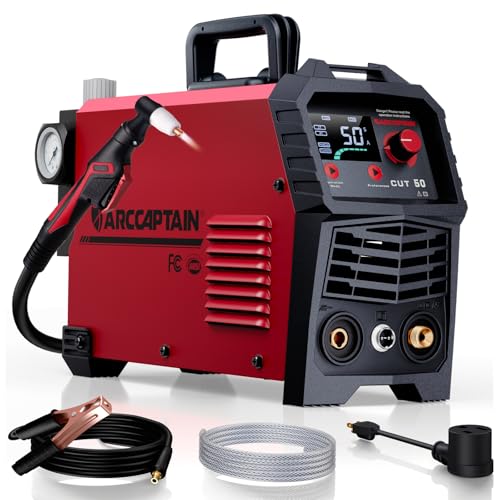
Large LED display for easy operation.
Dual voltage compatibility enhances versatility.
Clean cuts up to 1/2 inch thick.

Dual voltage compatibility for versatile use.
Non-touch pilot arc for cleaner cuts.
Adjustable functions for customized performance.
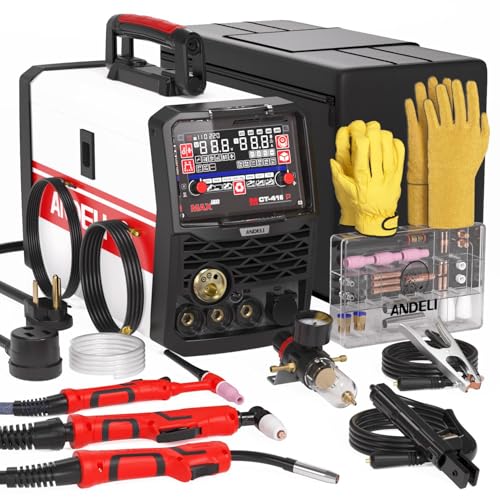
Versatile 6-in-1 welding and cutting functions.
Dual voltage for flexible power options.
Supports various materials, including aluminum.

Built-in air compressor for easy portability.
Cuts up to 1-inch thick materials efficiently.
Non-HF design reduces electromagnetic interference.
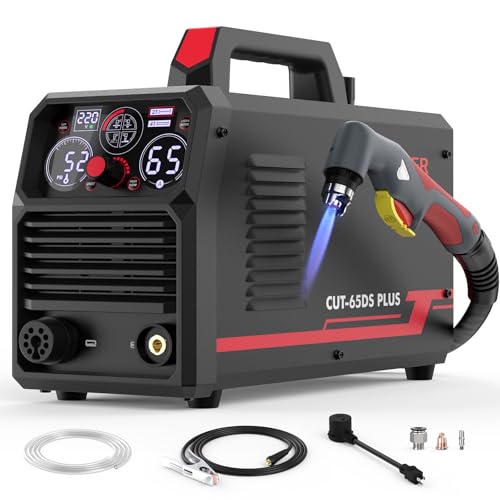
Versatile 4-in-1 functionality for diverse tasks.
Compatible with both 110V and 220V power.
Non-touch pilot arc ensures cleaner cuts.

Dual voltage capability for versatile use.
Non-high frequency minimizes electronic interference.
Large LED display for clear readings.
The most meaningful performance evidence is an exact-model test report or a manufacturer manual that states rated output, duty cycle, input supply, material, air requirements, and test conditions. Independent performance verification should address output current, duty cycle, clean-cut thickness, severance thickness, and voltage-specific behavior. Where cut-quality claims are made, ISO 9013 classifications or test methods provide more useful context than a headline thickness alone. In the supplied products, several advertised capacities were manufacturer-stated only; some manuals and marketplace pages also disagreed about voltage, duty cycle, breaker size, air pressure, or thickness.
Electrical-safety claims deserve separate scrutiny. A CE statement, “tested” label, or seller assertion is not the same as a U.S. listing by an OSHA-recognized Nationally Recognized Testing Laboratory. A substantiated product should be traceable by its exact model number in current UL Solutions Product iQ, Intertek’s ETL directory, CSA records, or another applicable NRTL record, with the applicable ANSI/NEMA/IEC 60974-1 or UL 60974-1 standard identified. The rating plate and manual should also agree on input voltage, input amperage, plug, breaker, grounding, voltage-specific derating, duty cycle, and ambient-temperature conditions.
Compressed air is part of the cutting system, not an accessory detail. Look for stated pressure, flow, compressor capacity, moisture and oil control, filter or regulator maintenance, torch rating, consumable type, and post-flow duration. Inadequate or wet air can cause unstable arcs, blowbacks, poor cuts, and premature torch failure. Replaceable electrodes, nozzles, cups, torches, filters, parts diagrams, service support, and a usable warranty can keep a machine operating longer and reduce equipment waste.
A non-high-frequency starting system may reduce interference concerns, but it is not proof of electromagnetic compatibility. High-frequency starting should come with model-specific EMC evidence and installation guidance, particularly near electronics, communications equipment, or implanted medical devices. Buyer-facing claims should distinguish clean cutting from severance, state the operating conditions, and match the exact manual and rating label.
Across the supplied reviews, no exact product was independently matched to a U.S. NRTL electrical-safety listing or supported by an independent cutting-performance report. Repeated concerns include conflicting 110/120V and 220/240V power information, unclear breaker or duty-cycle requirements, incomplete compressor-flow or air-quality guidance, and generic rather than material-specific fume warnings. Cutting galvanized, stainless, lead-, cadmium-, painted, or solvent-contaminated metal requires controls beyond ordinary ventilation. Every product also requires protection from arc radiation, sparks, molten metal, noise, fire, wet conditions, and bystander exposure; no simple marketplace claim substitutes for a trained operator, grounded power, suitable PPE, ventilation or local exhaust, and hot-work controls.
Plasma cutters combine electrical energy, compressed air, intense arc radiation, heat, noise, sparks, and metal fumes. The scores below compare the supplied products on the specific safeguards and evidence available; a higher score means stronger reviewed documentation or protection in that topic, not independent certification where none was found.
This measures protection against shock, overheating, insulation failure, overload, and ignition, including grounded power hardware and clear wet-use and shutdown instructions. It matters because plasma cutters combine high electrical demand with sparks and hot metal. Among the supplied products, higher scores reflect more concrete grounding, thermal, overload, fire, and wet-location guidance; lower scores reflect missing or conflicting input and installation information.
This measures instructions for ultraviolet and infrared arc exposure, burns, sparks, molten slag, noise, fire-watch, shielding, and process-appropriate PPE. Plasma cutting can injure the operator or nearby people even when the machine is operating normally. Higher-scoring products supplied clearer instructions for eye, skin, hearing, fire, clearance, and screening controls; lower-scoring products offered more general or incomplete hot-work guidance.
This measures whether instructions distinguish ordinary metal from galvanized, stainless, lead-, cadmium-, painted, or solvent-contaminated work and specify ventilation, local exhaust, or respiratory controls. The hazard depends heavily on the material being heated. The strongest supplied score belonged to a product whose manual addressed lead, cadmium, galvanized steel, ventilation, and possible respirator use; lower scores generally reflected generic warnings.
This measures stated compressor flow and pressure, clean and dry air requirements, moisture control, torch rating, consumables, and post-flow. Poor air can produce unstable arcs, blowbacks, failed cuts, and shortened torch life. Higher-scoring products gave numerical air requirements, filtration or drainage instructions, named torches, and replaceable parts; the lowest score reflected a product with no applicable plasma-cutting system because it was a welder rather than a cutter.
This measures disclosure and evidence around high-frequency starting, electromagnetic interference, electronics, communications equipment, and implanted medical devices. High-frequency plasma starts can matter even when cutting performance is acceptable. Higher scores reflected non-HF starting claims or clearer precautions; lower scores reflected no model-specific EMC declaration, test report, FCC record, or practical installation guidance. No supplied product had fully independent EMC evidence.
This measures whether the exact product is independently listed by an OSHA-recognized testing laboratory to the applicable U.S. arc-welding or plasma-cutting standard. A high score requires a model-number match and named standard, not merely CE or “tested” language. Scores were tightly clustered because no supplied product received a verified exact-model U.S. NRTL match in the reviewed records.
This measures independent or technically reproducible testing of current, duty cycle, clean-cut thickness, severance thickness, and input-voltage behavior under stated conditions. It matters because headline thickness figures can be optimistic or incomparable. The supplied scores remained similar because no product had a located qualified independent report; higher relative scores reflected clearer manuals and better-separated voltage or clean/severance claims.
This measures whether output, duty cycle, breaker, plug, input amperage, voltage derating, and ambient conditions agree across the rating plate, manual, and listing. It determines whether a buyer can size the circuit and predict continuous cutting time. Higher-scoring products supplied voltage-specific ratings and duty-cycle conditions; lower scores had conflicting outlet, amperage, voltage, or duty-cycle instructions.
This measures whether marketing separates clean cut from severance, identifies material and air conditions, and matches the manual and rating label. It matters because a maximum-cut number is not a production specification. Higher-scoring products disclosed more conditions and limitations; lower-scoring products had conflicting thickness, voltage, duty-cycle, or “industrial” claims. No score indicates independent performance verification by itself.
This measures whether a brand provides a U.S. responsible party, model or serial identification, accessible manuals, warranty contact, and a path for corrective action. Traceability matters if a defective unit or safety notice must be identified. Higher-scoring products supplied serial or rating-plate information, U.S. contacts, manuals, warranties, or registration routes; lower scores lacked a clear responsible party or model-specific support path.
This measures whether compatible torches, tips, electrodes, caps, filters, diagrams, service support, warranty help, and disposal information are available. Plasma cutters inevitably use consumables, so replaceable parts can keep the main machine in service longer. Higher-scoring products named compatible consumables and offered parts or support; lower scores reflected unavailable accessories, limited parts information, or no end-of-life recycling route.
This measures whether settings, air quality, consumable care, material preparation, and instructions help prevent failed cuts, excessive waste, fumes, and metal particulate. Better setup can reduce scrap as well as consumable use, but it does not eliminate fume hazards. Higher scores reflected guidance on air, consumables, cut limits, and material handling; lower scores reflected missing emissions, waste, or material-specific instructions.
This is a compact, hand-held air-plasma cutter for electrically conductive metal. It uses an AG60 torch, ground clamp, compressed-air connection, 2T or 4T trigger modes, and a 120V to 240V adapter. The manufacturer specifies 20 to 55A output on 240V, 20 to 35A on 120V, a 60% duty cycle, air cooling, and a five-second post-flow period. The manufacturer states that its pilot arc can start without touching the work and can cut rusty or painted surfaces. The supplied manual also identifies high-frequency arc starting, a point that matters around sensitive electronics and implanted devices. No public independent laboratory cutting report or OSHA-recognized electrical-safety listing for this exact product was located. Its own materials also conflict on air-pressure guidance, so the compressor setup should be confirmed from the unit label and current instructions before use.
This product suits a home garage user or small repair shop doing intermittent hand cutting of steel and other conductive metals, provided they already have a suitable clean, dry compressed-air supply and can use either a 120V circuit for lower output or 240V for the full stated 55A range. It is also suited to users who value a compact machine, replaceable AG60 consumables, basic digital controls, and manufacturer-supported app connectivity. Safe use still depends on proper eye, skin, hearing, ventilation, and fire controls.
It is not suited to production cutting, regulated workplaces, or safety-critical fabrication where independently verified output, documented electrical listing, and verified EMC compliance are procurement requirements. It is also unsuitable for anyone unable to confirm the correct compressor pressure and flow at the machine, or for cutting painted, galvanized, stainless, lead-coated, cadmium-coated, or solvent-contaminated scrap without a material-specific exposure assessment and effective local exhaust. Avoid damp locations, confined spaces, and work near combustible material or unprotected bystanders.
The manual gives meaningful baseline protection advice. It calls for dry conditions, grounding to clean bare metal, noncombustible placement, protective clothing, suitable eye protection, hearing protection, and ventilation. It also warns people with pacemakers to consult a physician. The manufacturer specifies IP21S protection, which is not a wet-location rating, so this is not equipment for rain, standing water, or washdown areas. Thermal cutting can generate hazardous metal fumes and gases. NIOSH notes that fumes from stainless, cadmium- or lead-coated steel, and metals containing chromium, nickel, zinc, or copper can be more hazardous than mild-steel fume. The product manual does not give sufficiently specific coating guidance or source-capture instructions. The included filter and drain instructions may help manage incoming air moisture and oil, while AG60 consumables can be replaced. No product-specific U.S. recall or public NRTL certification record was located during this review.
This product is a portable multi-process inverter welder and plasma cutter for MIG, flux-core, stick, DC TIG, plasma cutting, cleaning, spot welding, and optional spool-gun aluminum work. Its manufacturer manual lists 120 V and 240 V input, a 20 to 50 A cutting range, and a 60 percent rated duty cycle. It includes MIG, TIG, cutting, and cleaning torches, a regulator, cables, a cover, and a 120 V adapter. The documentation is unusually detailed for setup, air regulation, consumable wear, maintenance, and troubleshooting. Its stated cut output and duty cycle remain manufacturer figures, not independently published test results. The manual cites ANSI/NEMA/IEC 60974-1, but no independently matchable U.S. NRTL product listing or laboratory report for this exact product was identified.
This product suits an experienced home fabricator or small repair shop that needs one portable unit for occasional steel MIG or flux-core work, DC TIG, stick repair, and light plasma cutting. The buyer should already have a correctly grounded 120 V or 240 V installation, preferably a dedicated high-amperage circuit, dry compressed air, a safe noncombustible workspace, and process-appropriate PPE. It is most appropriate where its many functions reduce equipment storage and setup burden, while the user can independently verify cut performance on scrap material.
It is not suited to a first-time user who expects ordinary household outlets, a garage without robust ventilation, or anyone unable to maintain a clear hot-work area and inspect cables, torch parts, and air filtration. It is also a poor fit for regulated commercial work that requires a documented U.S. NRTL listing or independently verified output. Do not use it for cutting unknown coatings, galvanized steel, stainless steel, lead paint, or cadmium-coated material without material-specific exposure controls and suitable respiratory protection.
The manual provides meaningful baseline warnings for electric shock, damp conditions, damaged grounding hardware, combustible materials, arc radiation, burns, noise, gas cylinders, and hot work. It directs users to use shade-10-or-higher eye protection, dry insulating gloves, protective clothing, hearing protection for cutting, ventilation, and a fire extinguisher. It also warns people with pacemakers to consult a physician. Those are manufacturer instructions, not independent safety certification. The main health gap is fume specificity. OSHA and NIOSH identify additional hazards from zinc coatings, stainless steel, lead, cadmium, chromium, and other metals, while this manual gives only general ventilation advice. The unit's air filter, consumable inspection instructions, replaceable torch parts, and three-year stated warranty can reduce avoidable torch waste. The manual says to dispose of the machine as industrial waste and warns against burning capacitors or plastic components. No CPSC recall or public enforcement action for this product was identified in the searched U.S. databases.
This is a portable, single-phase plasma cutter for severing conductive metals such as mild steel, stainless steel, aluminum, copper, and alloy steel. It uses a blow-back, non-high-frequency pilot arc, an air regulator and filter, a torch, ground clamp, hose, and spare consumables. The manufacturer specifies 15 to 60A output on 220V and 15 to 40A on 110V, with a 60% duty cycle at 25°C. The product page states 30 to 70 psi and 150 L/min air flow on 220V, plus 20 to 50 psi and 150 L/min on 110V. It also gives 40A and 30A breaker requirements for 110V and 220V. These are manufacturer specifications, not independent test results. The same page conflicts on cutting capacity, describing a 16 mm clean cut in one section while its parameter table lists 14 mm clean cutting and 16 mm severance at 220V.
This product suits a mechanically experienced home user or small-shop operator cutting ordinary conductive stock in a dry, open, well-ventilated work area. The buyer should already have a properly sized 110V or 220V circuit, an air compressor, and the ability to verify actual pressure and flow at the machine. It is most appropriate for intermittent jobs where the manufacturer-stated 60% duty cycle at 25°C is workable, and where cut capacity is confirmed first on representative material rather than assumed from the largest advertised number.
It is not suited to workplaces, contractors, or facilities that require documented NRTL electrical certification, independently verified performance ratings, or a model-specific EMC compliance record. It is also a poor fit for enclosed garages, occupied indoor spaces without effective source ventilation, or work involving galvanized, stainless, lead-painted, cadmium-coated, solvent-contaminated, or unknown coatings. Users who cannot resolve the conflicting air-flow and thickness figures, or cannot supply the stated circuit and clean compressed air, should use another setup.
No active CPSC recall or product-safety report specific to this product was located in the checked public sources. Bestarc provides a U.S. address, support contact, and a stated three-year warranty, which offers a basic path for warranty contact. However, an independent UL, ETL, or CSA listing for this exact product was not found, and the manufacturer page does not publish an independent electrical-safety or cutting-performance report. Plasma cutting creates hot metal, sparks, ultraviolet and infrared radiation, and airborne metal fumes. Federal safety guidance calls for suitable eye and skin protection, controlling nearby-person exposure, and ventilation. Thermal cutting of stainless steel can create hexavalent chromium exposure, and cutting galvanized metal can generate zinc oxide fumes. The available product information does not substitute for material-specific ventilation, source capture, respirator, fire-control, and waste-handling planning. Included consumables and stated post-flow may support longer torch-consumable life, but a detailed parts catalog and end-of-life disposal guidance were not located.
This product is a compact, air-plasma metal cutter with a pilot-arc torch, ground clamp, onboard air regulator and filter, display, and 110V or 220V input. It requires a separate dry compressed-air supply. The manufacturer identifies the supplied torch as AG60P, includes two nozzles and two electrodes, and offers 2T, 4T, pilot-arc timing, and post-flow settings. The manufacturer states a 20 to 50A output range on 220V and 20 to 35A on 110V, with a stated 50 percent duty cycle at 25°C. Its parameter table separates a 12 mm clean cut on 220V from an 8 mm clean cut on 110V, and lists 16 mm and 12 mm severance capacities respectively. No independent laboratory cutting report or publicly matchable U.S. electrical-safety listing was located for this exact product.
This product suits a home or small-shop metalworker who already has a correctly sized dry-air compressor, a suitable 110V or 220V circuit, welding PPE, ventilation, and experience setting up hot-work controls. It is most concrete for intermittent cutting of thin steel, aluminum, copper, or stainless stock, especially where the manufacturer-stated 220V setup and 12 mm clean-cut rating are relevant. The display, adjustable air regulator, and available AG60P wear parts may make routine setup and consumable replacement more manageable for a hands-on user.
It is not suited to a workplace, school, contractor, or facility that requires a documented OSHA-recognized electrical-safety listing for the exact product. It is also unsuitable for anyone without a compressor that can meet the actual airflow requirement after that requirement is clarified, or without a dedicated correctly rated circuit. Avoid using it for coated, galvanized, lead-painted, cadmium-bearing, or stainless materials without material identification, effective local exhaust, appropriate respiratory controls, and trained hot-work procedures. It is not a safe casual indoor tool for shared garages or occupied spaces.
The most important safety limitation is evidentiary. Public sources reviewed did not provide a matchable U.S. NRTL certification or an independent performance report for this exact product. The manufacturer does state IP21S protection, Class F insulation, stated breaker sizes, a ground clamp, air-pressure display, and error-code functions, but those are manufacturer specifications rather than independently confirmed protections. It also discloses high-frequency pilot-arc starting without publishing model-specific EMC evidence or precautions for people with implanted medical devices. Plasma cutting creates ultraviolet and infrared radiation, hot metal, sparks, noise, and fumes. The manufacturer says this product can start on painted or dirty metal, but its published product information does not give material-specific controls for coatings. That matters because thermal cutting of stainless steel can generate hexavalent chromium and fine particles. Consumable waste is partly mitigated by separately available AG60P torches, tips, electrodes, and kits. No product-specific recall or CPSC regulatory action was located in the public sources reviewed.
This is a compact, air-cooled handheld plasma cutter with a PT-31 torch, work clamp, onboard air regulator, 2T and 4T trigger modes, and high-frequency contact starting. It is intended for cutting electrically conductive metals with compressed air. The manufacturer manual identifies a 50 A maximum output at 230 V, a 60% duty-cycle rating, 0.3 to 0.5 MPa air pressure, and a 12.8-pound unit weight. The key evidence limitation is that no independently published test report or OSHA-recognized electrical-safety listing for this exact product was located. The manufacturer provides substantial operating and maintenance information, but its current product page is internally inconsistent on cutting capacity. One section describes a 3/8-inch clean cut on 220 V, while other marketing text claims a 1/2-inch ideal clean cut.
This product suits an informed home workshop user who needs a portable, manually operated air-plasma cutter for occasional cutting of clean mild steel or other conductive metals. The user should already have a compressor capable of supplying the stated pressure and flow requirements, a suitable grounded power installation, correct cutting PPE, a fire-controlled work area, and effective ventilation. It is also better suited to users willing to inspect the torch, cables, consumables, air filter, and insulation routinely rather than treating it as maintenance-free equipment.
It is not suited to a buyer who requires independently verified U.S. electrical certification, documented EMC compliance, or independently tested cut-quality results for regulated, professional, or high-liability work. It is also unsuitable for unventilated garages, confined spaces, or work involving galvanized, stainless, lead-coated, cadmium-coated, painted, or solvent-contaminated metal without a material-specific exposure assessment and effective source capture. People with implanted cardiac devices should not assume the generic warning is sufficient and should seek device-specific medical guidance before exposure to high-frequency cutting equipment.
The manual includes meaningful baseline protections. It instructs users to ground the product, avoid wet contact with live parts, keep vents clear, keep flammables away, use a fire extinguisher, avoid cutting closed containers, wear eye, skin, and hearing protection, and use a curtain or mask to protect bystanders. It also warns people with cardiac pacemakers to consult a doctor. These are manufacturer instructions, not independent certification evidence. Cutting emissions remain the main health limitation. The manual advises exhaust or ventilation and keeping the head away from smoke, but does not distinguish hazards from galvanized zinc coatings, stainless steel chromium, lead, cadmium, or solvent residues. OSHA identifies metal fumes and coatings as material-dependent hazards and calls for ventilation controls in relevant conditions. The manual supports longer service life through replaceable PT-31 consumables, an automatic-drain air filter regulator, and periodic maintenance. For disposal, it says not to burn electronic or plastic components and to treat the machine as industrial waste, but it gives no U.S. electronics-recycling pathway.
This is a portable air plasma cutter for conductive metals, supplied with an AG-60 torch, ground clamp, air regulator, hose, and a 110V to 220V adapter. It requires an external compressed-air source. The manufacturer states a 20 to 65A output range, 110V and 220V operation, and clean-cut capacities from 1/2 inch at 110V to 9/16 inch at 220V. Those capacity figures are manufacturer claims, not independently tested results. The accessible instruction manual contains useful safety content, including grounding, dry-work-area, fire-clearance, eye and skin protection, bystander screening, ventilation, and coated-metal warnings. It also states thermal shutdown and continued fan cooling after overheating. However, the documentation conflicts on core operating information. Its rating table says 20% duty cycle at 65A, while a later section says 60% at 65A. It also gives 220V-only and 65A-breaker instructions that do not cleanly match the product's dual-voltage sales description.
This product fits an experienced home-garage or repair-workshop user who already has a clean, dry compressed-air system, correctly grounded high-capacity power circuit, welding PPE, fire control, and ventilation. It is most suited to intermittent work on clean, uncoated conductive stock where the user can set up a screen for others and can treat the advertised thickness capacities as manufacturer-stated limits. The buyer should be able to resolve wiring and breaker requirements with a qualified electrician before energizing it.
It is not suited to a first-time user without formal hot-work knowledge, a shared residential garage with children, pets, nearby vehicles, or combustible storage, or any enclosed space without effective fume control. It is also unsuitable where a documented UL, ETL, or CSA listing is required, where output and duty cycle must be independently certified, or where the available circuit and compressor cannot be confirmed. Do not use it for galvanized, lead-painted, cadmium-coated, solvent-contaminated, or unknown-coated metal without appropriate hazard controls.
The safety manual is more substantive than the product page on immediate hot-work hazards. It instructs users to keep the area dry, ground the workpiece, isolate bystanders with screens, wear a minimum shade 11 filter, keep combustibles 35 feet away, and use ventilation and respiratory protection. It also expressly cautions against coated metals such as galvanized, cadmium-plated, and lead-painted material. That matters because plasma cutting can produce airborne metal fume, and stainless steel cutting can create hexavalent-chromium exposure. The product has no independently matched U.S. electrical-safety listing or independent cutting-performance test report. Its manual includes EU waste-collection language, but that is not a U.S. disposal plan. The named AG-60 torch and consumable wear parts can support maintenance, yet official accessory availability is unclear. No exact-product CPSC recall was found in the checked recall records, and the manufacturer offers a 12-month warranty and support route.
This product is a portable multiprocess inverter welder and plasma cutter. It combines pulse MIG, synergic and manual MIG, flux-core, stick, high-frequency TIG, and high-frequency plasma cutting in one package. The supplied equipment is stated to include MIG, TIG, and plasma torches, a ground clamp, regulator, hoses, and wire-feed parts. ANDELI states 160A maximum welding output and 40A cutting output, with 110V and 220V input. Its published duty-cycle table gives 25% at 40A for cutting on 220V and 50% at 30A on 110V, tested over a 10-minute cycle at 40°C. Those are manufacturer figures, not independent test results. Published cutting claims conflict across ANDELI materials, including 12 mm at 110V and 15 mm at 220V in the manual, versus separate clean-cut and maximum-cut figures on the U.S. store page. No matched U.S. NRTL certification listing or independent cutting test report was located.
This product fits an experienced home-shop user or mobile repair user who needs occasional MIG, flux-core, stick, TIG, and light plasma-cutting capability without maintaining separate machines. It is most suitable where both 120V-class and 240V-class power are available, the user can provide a clean external compressed-air supply, and work is planned around the published short high-output duty cycles. The buyer should be able to evaluate cut quality on their own material and adjust settings through trial work.
It is not suited to workplaces that require independently documented U.S. electrical certification, formally verified performance ratings, or established equipment approval procedures. It is also a poor fit for continuous high-output cutting, unattended work, wet locations, enclosed spaces, or work involving painted, galvanized, stainless, lead-coated, cadmium-coated, or solvent-contaminated metal without engineered fume control. First-time users without appropriate welding PPE, fire controls, ventilation, compressed-air equipment, and training should not treat the included accessories as a complete safety system.
The key health limitation is evidence, not a confirmed recall. ANDELI states CE certification, automatic shutoff, overheating protection, grounding hardware, an IP21S enclosure rating, and a selectable voltage-reduction setting for stick welding. However, no exact-product UL, ETL, or CSA listing was located, and no independent electrical or performance report was found. High-frequency TIG and plasma functions are stated, but the available material does not provide product-specific electromagnetic-compatibility test evidence or detailed precautions for implanted medical devices and nearby electronics. Fume control needs to come from the work setup. OSHA identifies hazardous exposures from zinc-coated metal, lead, cadmium, and chromium-bearing materials, including stainless steel. The manual asks users to inspect torches, cables, gas lines, regulators, nozzles, and electrodes, which can reduce failed cuts and consumable waste. It does not give material-specific fume controls or disposal guidance. ANDELI provides a support email and phone number, but warranty terms conflict and no detailed replacement-parts catalog or U.S. serial-registration path was located.
This is a portable, dual-voltage plasma cutter with an integrated air pump, a non-high-frequency pilot-arc start, and a separate stick-welding mode. It is intended for conductive metals including steel, stainless steel, aluminum, and copper. The package listing also states that it includes a torch, ground lead, helmet, gloves, hose, and starter consumables. Manufacturer documentation gives unusually useful electrical ratings. At 110V, output is stated as 20 to 40A, with a 100 percent duty cycle at 40A. At 220V, it is stated as 20 to 55A, with 40 percent duty cycle at 55A, 60 percent at 45A, and 100 percent at 35A, all at 40 C. However, no independent laboratory performance report or U.S. electrical-safety listing for this product was located. The listing also conflicts with the manufacturer page on maximum thickness, advertising 1 inch while the manufacturer specifies 20 mm with external air at 220V.
This product suits an experienced home-shop user or mobile repair worker who has access to correctly sized 120V and 240V circuits, understands plasma-cutting controls, and primarily cuts thinner conductive steel. Its built-in compressor can simplify occasional cutting where hauling a separate compressor is impractical. The published 220V duty-cycle data is especially useful for a buyer who can work within 35A continuous output or schedule cooling time at higher settings. An external clean, dry air source should be available when attempting thicker work.
It is not well suited to workplaces, contractors, schools, or facilities that require independently verified U.S. electrical certification before energized equipment can be used. It is also a poor fit for anyone needing a proven 1-inch cutting capacity, repeatable production throughput, or documented cut-quality testing. Do not use it as a casual indoor tool in a garage shared with people, pets, vehicles, or unprotected electronics. Cutting stainless, galvanized, painted, lead-coated, or solvent-contaminated metal requires exposure controls not specifically explained in the available product guidance.
The key safety limitation is evidence, not a confirmed defect. The seller states that the product is CE certified, but an OSHA-recognized U.S. laboratory listing for this exact unit was not independently found. The product documentation does state IP21S protection, grounding, dry-use, ventilation, cable inspection, and fire-prevention precautions. These are useful baseline instructions, but they do not establish independent electrical safety compliance. Plasma cutting creates ultraviolet radiation, sparks, hot metal, noise, and metal fumes. The supplied helmet and gloves should not be treated as sufficient protection without verified shade, flame-resistance, and fit information. Ventilation guidance is generic and does not address heightened hazards from stainless steel, galvanized coatings, lead, cadmium, paint, or solvent residues. Consumables are replaceable and maintenance instructions call for inspecting electrodes, tips, hoses, cables, and the air filter. That supports service life, although no detailed parts catalog, U.S. service contact, or recycling guidance was located.
This is a portable, dual-voltage air plasma cutter for conductive metals such as steel, stainless steel, and aluminum. It uses an IPT40 central-connector torch, an external compressed-air supply, and a work clamp. The supplied package is intended for plate cutting, grid cutting, gouging, and marking, with separate cutting and gouging consumables. YESWELDER states 65A maximum output, 9/16 inch clean-cut capacity on 220V, and up to 1 inch severance capacity under suitable material, power, air, and setup conditions. The maker also specifies at least 6 CFM of air and distinct pressure ranges for 110V and 220V. Its claimed ETL and UL status could not be independently matched to a public NRTL listing during verification. Product documents also conflict on some power, capacity, and warranty details, so the published figures need cautious interpretation.
This product suits an experienced home fabricator, repair worker, or small-shop user who already has dry compressed air, a correctly sized 120V or 240V circuit, protective equipment, and a ventilated nonflammable work area. It is particularly relevant when occasional grid cutting, weld removal by gouging, or layout marking are useful alongside ordinary plate cutting. The buyer should be comfortable confirming the rating label, circuit requirements, air flow, and consumable fit before putting it into service.
It is not suited to first-time users without welding and cutting safety training, a reliable air compressor, or a dedicated adequately protected electrical supply. It is also unsuitable for wet locations, enclosed garages without effective ventilation, spaces with nearby flammables, or jobs involving coated and contaminated metals without material-specific exposure controls. Buyers who require independently confirmed electrical certification, independently tested cutting capacity, or fully consistent published installation data should use equipment with those records readily available.
Plasma cutting creates electrical, optical-radiation, burn, spark, fire, noise, and fume hazards independent of the machine's compact size. The available instructions address basic controls including eye and body protection, grounding, dry operation, ventilation, keeping combustibles away, disconnecting power before service, and replacing worn consumables. OSHA also requires safe installation, grounding, qualified operators, and control of sparks and slag during cutting. YESWELDER states that the product has overheat, overcurrent, and overvoltage protection, a non-HF start, IP21S protection, and an integrated air filter. These are manufacturer claims rather than independently verified results. A California Proposition 65 warning is shown on the manufacturer page, without identifying chemicals or exposure conditions there. Consumables and support are available, which can help extend service life, but no product-specific recycling or end-of-life instructions were located. No CPSC recall or safety warning for this exact product was found during verification.
This is a portable, air-plasma cutter supplied with an IPT40 torch, work clamp, air hose, air filter-regulator hardware, and a 110V to 220V adapter. It is intended for handheld cutting of conductive metal using a separate compressor. YESWELDER states a non-touch, non-high-frequency pilot arc, a 20-second post-flow, thermal and overload protection, and a 5-7 CFM air requirement at 60 PSI. Its published output data need caution. YESWELDER's own specification table gives a 12-25A range on 110V and 12-45A on 220V, while the same page calls it a 55A cutter and lists a 60 percent duty cycle at 55A. These figures do not reconcile. No independent laboratory cutting report or exact-product U.S. electrical-safety listing was matched during verification. The current U.S. warranty policy lists this plasma-cutter family with one year of coverage.
This product suits an informed home workshop user who already has a compressor that can continuously provide the manufacturer-stated 5-7 CFM at 60 PSI, a correctly installed 110V or 220V supply, welding and cutting PPE, and open-air or locally exhausted work space. It is most appropriate for occasional repair and fabrication on clean mild steel, where the user can verify actual output at the selected voltage and work within the lower published current limits rather than assuming 55A is available from either input.
It does not suit a buyer who needs a documented electrical-safety listing, independently verified cut capacity, or fully reconciled duty-cycle and input-current data for workplace procurement. It is also unsuitable as a plug-and-play option for garages with unknown branch-circuit capacity or compressors below the stated air demand. Do not treat it as adequate protection for indoor cutting of galvanized, stainless, painted, lead-coated, cadmium-bearing, or solvent-contaminated material without proper exposure assessment, local exhaust, and process-appropriate respiratory controls.
The main health concern is the cutting process, not a claimed health feature of the machine. Arc radiation, sparks, hot metal, noise, and fire require a shaded cutting helmet, gloves, protective clothing, bystander screening, and a controlled work area. The product's stated over-temperature and overload protections are useful safeguards, but they are manufacturer claims rather than independently certified evidence. Thermal cutting can generate metal fumes and ultrafine particulate. OSHA identifies zinc-coated, lead-bearing, cadmium-bearing, and chromium-bearing metals as materials needing specific ventilation or respiratory protections in applicable work conditions. NIOSH identifies welding and cutting fumes as potentially hazardous, and notes hexavalent chromium exposure can occur in thermal cutting. No exact-product NRTL listing or independent emissions test was matched. YESWELDER lists a one-year warranty for this product family and identifies consumables as replaceable wear items, which supports maintenance, but it does not replace responsible electronics recycling at end of life.



