Best Overall
44% off

Roborock Saros 10R Robot Vacuum and Mop
Powerful suction and zero-tangling design.
Ultra slim for hard-to-reach places.
Self-emptying with hot air drying feature.
 Lauren Wilson
Powerful suction and zero-tangling design.
Ultra slim for hard-to-reach places.
Self-emptying with hot air drying feature.
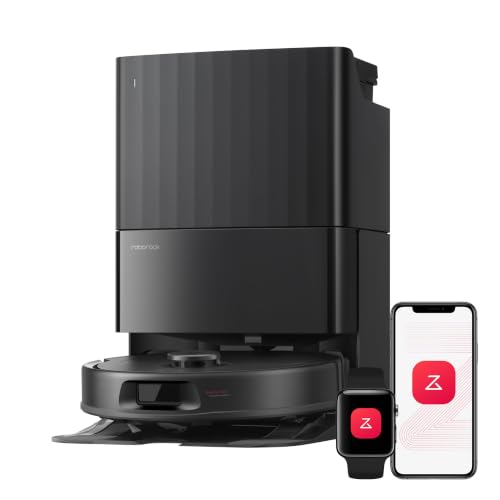
High suction power at 18,500Pa for thorough cleaning.
Efficient mop self-cleaning at 167℉ for hygiene.
Smart obstacle avoidance for hassle-free navigation.

Self-emptying dock for hassle-free cleaning.
Efficient vacuum and mop combo performance.
Smart navigation for thorough home coverage.

Powerful 25,000Pa suction for deep cleaning.
Auto dust emptying for hassle-free maintenance.
Smart obstacle avoidance enhances navigation.

Powerful 8000Pa suction for deep cleaning.
Smart obstacle avoidance enhances navigation.
Auto mop washing and self-emptying features.

Enhanced suction power effectively captures pet hair.
Efficient self-emptying system lasts up to 7 weeks.
Intelligent LiDAR navigation ensures precise cleaning.

Powerful 10,000Pa suction for deep cleaning.
Self-emptying feature for convenient maintenance.
Effective obstacle avoidance ensures smooth operation.
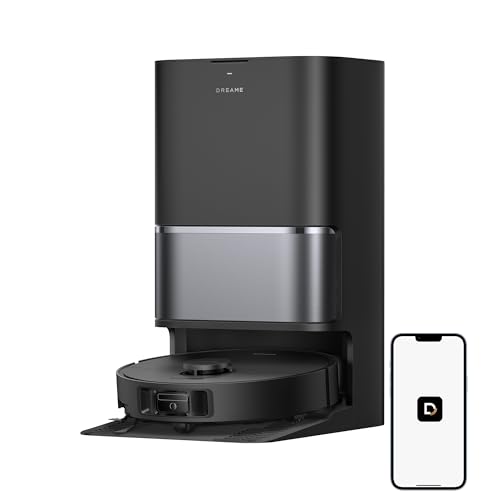
Powerful 25,000Pa suction for deep cleaning.
Convenient all-in-one self-emptying and cleaning dock.
Extendable side brush reaches corners easily.

Powerful suction and mopping in one device.
Smart AI avoids obstacles efficiently.
Zero-tangle design reduces maintenance hassle.

Efficient dual-function vacuuming and mopping.
Advanced obstacle avoidance technology.
Convenient 3-month auto-empty feature.
Independent cleaning results are the strongest performance signal in this set. Look for model-specific testing that explains its methods and reports results for hard floors, carpet, embedded debris, pet hair, edges, mopping, hair tangling, coverage, and obstacles. IEC/ASTM 62885-7 methods are relevant to household cleaning robots; IEC 62849 can apply to navigation, mobility, and energy evaluation. A manufacturer’s test is more useful when it names the exact model, conditions, method, and results. A number such as 8,000, 15,000, or 30,000 Pa describes a stated suction specification, not necessarily pickup in a real home. The supplied reviews repeatedly show why: strong headline suction can coexist with weak fine-debris pickup, poor carpet-edge cleaning, missed pet hair, or inconsistent self-emptying.
For electrical and battery safety, look for an exact-product listing in UL Product iQ, Intertek’s ETL directory, or the CSA Group database. The model, dock, power supply, and battery system should be traceable—not just the brand or a related family. FCC authorization confirms radio compliance, not protection from shock, overheating, charging failure, or fire. Also check the CPSC Recalls database and SaferProducts.gov, along with the product label and manual.
For indoor air, a washable, bagged, or “HEPA” filter is not by itself a measured allergen-control result. Prefer a named filter specification, replacement documentation, and standardized or independent dust-emission and particle-capture evidence. Be cautious with “antibacterial,” “sanitizing,” or “germ-killing” wording: those claims need an applicable EPA registration and label support. Hot-water mop washing and drying can help with maintenance, but they do not prove that floors or mop pads are disinfected.
A wet system should have clear instructions for clean and dirty water, mop washing, drying, tray cleaning, detergent use, and recontamination control. Even advanced docks still require dirty-water handling, tank and tray cleaning, and replacement parts. Consider the app separately: cameras, microphones, maps, cleaning history, and remote functions can add household-data exposure. Look for clear permissions, retention, deletion, update, and cloud-dependence information.
Finally, check the recurring footprint and service path. Disposable bags, filters, brushes, mop pads, detergent, water, and heated drying all affect ownership impact. A removable or serviceable battery, documented wear parts, repair support, warranty coverage, firmware policy, and recycling instructions can reduce premature replacement.
The supplied reviews identify several repeated limits. Most products require cords, toys, socks, sharp objects, liquids, fragile items, loose rugs, and other clutter to be removed before operation; obstacle avoidance is not dependable enough to replace floor preparation. Pet waste and small flat objects are particular hazards, and several products performed poorly in obstacle tests. Physical barriers may still be needed at stairs, balconies, lofts, or raised edges. Wet systems also require regular dirty-water, tray, pad, and tank care; products without washing and drying docks require prompt manual washing and air-drying. No exact-product UL, ETL, or CSA listing was verified for most supplied products, so buyers should not infer electrical or fire safety from FCC authorization or marketing badges. No product should be treated as a proven allergy-control, disinfecting, or antimicrobial appliance without matching evidence.
Robot vacuums and mops affect health and environmental burden through dust handling, charging and battery safety, wet-system upkeep, navigation risks, connected-device data, energy and water use, and the parts that must be replaced. The scores below reflect how well the supplied evidence addressed those issues; they do not turn an unverified claim into a proven benefit.
This measures whether the product captures dust rather than redistributing it, specifies its filtration properly, and avoids unsupported allergen or antimicrobial claims. High-scoring products pair bagged or otherwise contained dust handling with clearer filter documentation and restrained claims. Lower-scoring products may list HEPA or “high-efficiency” filtration without a class, capture result, or dust-emission test, so allergy-control performance remains unknown.
This matters because the robot, dock, charger, and lithium-ion battery repeatedly charge and operate around water. High scores reflect traceable third-party safety evidence and clear charging, battery, cord, and overheating controls. Low scores in this set usually reflect the absence of an exact-product UL, ETL, or CSA listing. FCC authorization alone covers radio compliance, not electrical shock or fire protection.
This measures how well the wet system limits odor, residue, and microbial growth through dirty-water separation, mop washing, drying, tray cleaning, and clear solution instructions. High-scoring products combine documented washing or drying with independent observations and practical maintenance guidance. Lower-scoring products use a passive pad or require frequent manual washing and air-drying, leaving more hygiene responsibility with the owner.
This concerns avoidance of stairs, cords, rugs, liquids, pet waste, furniture, and small objects. High scores are supported by repeatable obstacle testing and useful no-go controls, not by sensor names alone. Lower-scoring products missed cords, socks, pet waste, or flat objects, creating entanglement, collision, water, and property risks. Even stronger performers still require ordinary floor preparation.
This is the clearest separation between a substantiated cleaner and a specification-led listing. High-scoring products in this set have exact-model retail or laboratory testing for pickup, carpet debris, pet hair, mopping, edges, hair tangling, or coverage. Lower-scoring products rely mainly on headline suction, runtime, or manufacturer claims, with no disclosed independent test for the exact model.
This measures whether suction, runtime, self-emptying, obstacle avoidance, mop washing, drying, carpet protection, and other advertised claims are qualified and supported. High scores belong to products whose independent results broadly fit their claims and whose limitations are clear. Lower scores reflect conflicts such as strong suction headlines alongside weak pickup, inconsistent avoidance, contradictory specifications, or absolute claims unsupported by testing.
Connected robots may create maps, store cleaning history, use cameras or microphones, and send device data to cloud services. High scores require clearer permissions, retention, deletion, update, and security information, with fewer unnecessary connected functions. Lower scores reflect broad or developer-disclosed data collection, camera dependence, overseas processing, unclear retention, or a disclosed app vulnerability without model-specific security evidence.
This measures traceable third-party support across safety, performance, durability, privacy, and claims. High-scoring products have independent retail testing, certification-directory records, model-specific reports, or clearly identified regulatory and support documentation. Lower-scoring products may have customer reviews, badges, or marketplace statements but little exact-model evidence using disclosed methods. The identity of the tested configuration matters.
This asks whether a buyer can identify the manufacturer, importer or seller, exact model, US support route, manuals, warranty, replacement parts, and recall history. High scores make investigation and remedies easier. Lower scores leave uncertainty about who supports the product or whether a certification, wireless filing, warranty, or recall record actually applies to the product being purchased.
This measures electricity for charging, dust collection, hot-water washing, and heated drying, alongside water, detergent, bags, filters, brushes, and pads. Higher scores reflect washable or reusable parts and fewer stated consumables, although exact energy and water measurements were often missing. Lower scores tend to combine disposable bags and pads with heated docks or detergent dependence, increasing operating and material demands.
This measures whether batteries, brushes, wheels, sensors, tanks, docks, filters, mop parts, and software can be supported for years. High scores are associated with documented replacement parts, repair support, longer coverage, accessible maintenance, or battery guidance. Low scores reflect skilled-service-only batteries, short or unclear support periods, missing parts information, or no clear recycling or take-back route.
This is a Wi-Fi connected robot vacuum and mop with two rotating mop pads, a self-emptying dock, clean and dirty water tanks, a cleaning-solution cartridge, and a disposable dust bag. The robot is 3.14 inches tall according to Roborock. Its manual identifies a 14.4 V, 6,400 mAh lithium-ion battery and a grounded 120 V dock that can wash mop pads with hot water and dry them with heated air. The strongest evidence is independent performance testing. Vacuum Wars reports buying and testing this model, recording 80% pickup in its embedded-carpet-debris test, 92% pickup of flattened pet hair on carpet, and a 24 out of 24 obstacle-avoidance result with its selected obstacle set and highest sensitivity setting. The manufacturer states that the dock can wash pads at up to 176°F and that the robot can detach mop modules for carpet cleaning.
It suits a household with mixed hard floors and lower-pile rugs that wants automated routine vacuuming and mopping, has room for a large dock near a grounded outlet, and will maintain water tanks, the tray, filters, and bags. It is particularly relevant where cords, toys, pet items, or low furniture complicate cleaning, because purchased-unit testing found unusually strong avoidance performance and the low-profile body can access spaces beneath furniture. The recurring-supply and electricity demands should be acceptable within the household budget.
It is not suited to households that need independently certified electrical safety documentation before using a high-power heated dock, or to people seeking a verified HEPA-grade allergen-control system. It should not be left to manage standing water, sharp debris, loose cords, fragile objects, open stair edges, or elevated unguarded surfaces. The manual specifically requires preparation of those hazards and warns that dirty sensors can affect operation. It also is a poor fit for people unwilling to empty and clean a dirty-water tank or replace bags, pads, brushes, and filters.
The product has practical dust and wet-cleaning controls, but its health claims should be kept narrow. The auto-empty dock uses a disposable bag whose handle seals on removal, and the robot has a washable filter. However, Roborock does not specify a HEPA or equivalent particle-filtration class in the model documentation reviewed, and no independent allergen-capture test was located. The manual instructs users not to add disinfectant and to use only Roborock-recommended cleaning solution, so it should not be treated as a sanitizing or antimicrobial device. The wet system has separate water tanks, hot-water mop washing, and configurable heated drying. Hygiene still depends on promptly emptying and rinsing the dirty-water tank and tray. The dock's hot-water wash input is rated at up to 12 A, and it uses disposable bags and regularly replaced pads, brushes, and filters. The manual provides battery-removal steps and directs users to professional battery recycling. No product-specific CPSC recall was located in the reviewed U.S. recall search.
This is a Wi-Fi connected robot vacuum and mop with a 5,200 mAh lithium-ion battery, a 13.8 by 13.9 by 3.8 inch robot, and a large dock that empties dust into a disposable bag, refills the robot, washes its two spinning mop pads, and dries them. It is intended for routine hard-floor cleaning and mixed-floor homes where rugs can be managed in the app. Roborock states 18,500 Pa suction, 167 F mop washing, 113 F warm-air drying, and liftable mops. Independent retail-purchase studio testing confirmed notably strong dried-stain mopping, efficient coverage estimated at 1,495 square feet per charge, and 81 percent embedded-debris removal from medium-pile carpet. The same testing found weak handling of long hair, pet hair, and household obstacles, which materially limits the real-world meaning of its anti-tangle and obstacle-avoidance claims.
This product suits a household with mostly sealed hard floors, some low rugs, and a clear enough layout to run scheduled cleaning after cords and small objects are picked up. It is especially relevant for someone who wants frequent mopping without manually filling the robot or washing pads after each run. Its independently measured navigation efficiency and estimated coverage support larger, relatively open layouts. The buyer should be comfortable emptying dirty water, cleaning the dock tray, replacing bags, and checking the brush regularly.
It is not well suited to carpet-heavy homes with shedding pets, long human hair, or frequent bulky debris. Independent testing found weak pet-hair pickup and substantial hair wrapping on the brush. It is also a poor fit for homes where charging cords, toys, shoes, pet waste, liquid spills, or fragile items are routinely left on the floor, because independent obstacle testing was weak and the manual instructs users to clear such hazards. Buyers needing a stated HEPA filtration class or independently listed electrical certification should seek clearer documentation.
For indoor dust control, the product combines a washable robot filter with a sealed disposable dock bag. That can reduce direct contact with collected dust during emptying, but the published manual does not identify a HEPA class or provide verified allergen-capture results. Its mop system uses separate clean- and dirty-water tanks, automatic washing, and adjustable warm-air drying. These features can support routine hygiene, but users still need to empty and rinse the dirty-water tank and cleaning tray. Heated washing is not a disinfecting claim, and the manual prohibits disinfectant use. The product has a removable lithium-ion battery for end-of-life recycling, according to the manual, and Roborock supplies maintenance guidance and a one-year US limited warranty. Its consumable footprint is meaningful, including disposable dust bags, replacement mop cloths, brushes, and filters. The dock also uses water and electricity for washing, drying, charging, and auto-emptying. No exact-model US electrical safety listing was located in public UL, ETL, or CSA results during this review.
This is a circular robot vacuum and wet mop with a floor-standing dock that automatically empties the robot, washes its two mop pads, dries them with warm air, and stores clean and dirty water. The robot is 13.8 inches across and 3.95 inches high. TP-Link specifies a 5,200 mAh battery, an H11 filter, a 3 L dust bag, 5 L clean-water tank, and 4 L dirty-water tank. Its defining design choice is dock-based mop removal for deeper carpet. An independent hands-on review confirmed that the magnetic pads can be left at the dock rather than dragged over soft carpet. The brand also states that dual lasers, LiDAR mapping, anti-drop sensors, and no-go zones manage home navigation. Independent reviewers found navigation generally strong, but one stair-edge test left the robot stranded, so physical setup still matters.
It suits a household with mostly hard floors, some rugs or deeper carpet, and enough clear space for a large dock and regular tank access. It is particularly relevant for people who want to reduce routine mop-pad washing and avoid carrying wet pads onto thick carpet. It also fits users comfortable with Wi-Fi setup and app-based room maps, schedules, no-go areas, and firmware updates. The dock’s 5 L clean-water tank, 4 L dirty-water tank, and 3 L bag can reduce daily servicing, but they do not eliminate periodic cleaning.
It is not suited to homes where cords, toys, fragile objects, pet waste, liquids, or candles routinely remain on the floor. The manual expressly requires such hazards to be cleared, and an independent review found the robot could become stranded near a stair edge. It is also a poor fit for buyers who require a publicly verifiable UL, ETL, or CSA listing for the exact robot and dock, or who need independently measured allergen capture, energy use, or standardized cleaning performance. People avoiding proprietary detergent cartridges and disposable bags should account for those recurring supplies.
For indoor dust control, the product has an H11 filter and a dock that transfers debris into a 3 L disposable bag, both specified by TP-Link. Those details support a plausible lower-hand-contact routine, but they do not establish a measured allergen-removal result. No antimicrobial or disinfecting performance claim was substantiated. The manual requires filters and dust bags to be in place, and warns against use on wet surfaces, around accessible cords, or near floor-level candles and fragile items. The wet system separates clean and dirty water, uses hot-water pad washing, and dries pads with warm air. It still needs cleaning. TP-Link directs owners to empty and rinse tanks, maintain the tray, and replace worn pads. Ecologically, washable mop cloths and replaceable brushes support maintenance, while a heat-drying dock, disposable bags, detergent cartridges, filters, and a one-year warranty limit the available evidence for a low-waste long service life. Recent firmware releases show ongoing software maintenance.
This product is a Wi-Fi connected robot vacuum and mop with a large floor dock. The 13.78-inch square robot vacuums with a rubber main brush and two rotating mop pads, then returns to a dock that empties debris into a disposable bag, washes the pads, and air-dries them. Dreame specifies a 5,200mAh battery, 300ml onboard dust box, 3.2L dust bag, and separate 4.5L clean-water and 4.0L used-water tanks. Its 25,000Pa suction, 230-minute runtime, 10.5mm mop lift, and 3DAdapt obstacle avoidance are manufacturer-stated figures and functions. The company identifies the supplied brush as rubber, with its hair-cutting TriCut brush sold separately. Independent retail-purchase testing was found for the related D30 Ultra, not this CE configuration. That testing supports capable debris pickup and navigation, but reports weak obstacle avoidance, modest stain removal, and poor pet-hair pickup. Those results should not be treated as an exact test of this product.
This product suits a household with mostly hard floors, a mix of low-pile rugs, and enough floor space for a 23.23-inch-tall dock with water tanks. It is especially relevant for someone who wants to avoid frequent dust-bin emptying and hand-washing mop pads, but is prepared to refill clean water, empty used water, replace bags, and clean the dock. It also fits users who will set no-go areas and clear small hazards before cleaning, rather than expecting reliable unattended object avoidance.
It is not a strong fit for households with severe dust or allergen sensitivity that require a documented HEPA-grade filtration system and independently verified sealed dust performance. It also needs extra caution around pets, charging cables, loose socks, toys, spills, and pet waste because exact-product obstacle testing was not found and related-model testing reported weak avoidance. Buyers seeking publicly verifiable US electrical listing, measured energy and water consumption, camera-free local-only control, or readily documented battery replacement should seek clearer documentation.
The useful health feature is containment rather than a health treatment claim. Dreame specifies that debris is transferred to a 3.2L disposable bag, and the dock stores clean and used water separately. It also washes and air-dries the mop pads. These functions can reduce handling of dust and wet pads, but the filter has no disclosed HEPA class or efficiency rating, and no independent exact-product dust-retention test was located. Claims about odor prevention and cleaning results are manufacturer statements, not evidence of disinfection or antimicrobial action. The product has a lithium-ion battery and a powered water-handling dock, yet no exact-product UL, ETL, or CSA public safety listing was located in this review. Ecologically, the water tanks, disposable bags, replaceable pads, filters, brushes, and optional TriCut brush create recurring material use. Dreame does list accessories and a three-year US warranty, which can support maintenance, but measured electricity, water use, component longevity, battery availability, and repair instructions were not found.
This product is a round robot vacuum and mop with a separate empty, wash, and fill dock. It uses a single main roller, side brush, LiDAR mapping, a washable onboard filter, two rotating mop cloths, and a lithium-ion battery. The dock handles dust collection and mop washing, while the robot carries a 330 mL dustbin. Independent product testing lists a 4 L dock water tank and measured 1,536 square feet per charge. Roborock states 8,000 Pa maximum suction, 200 rpm inward-spinning mops, automatic mop washing, and cold-air drying. Independent Vacuum Wars testing recorded strong carpet deep-clean pickup, but low obstacle-avoidance results. A separate Popular Mechanics hands-on review found mapping and routine maintenance cleaning useful, while reporting inconsistent obstacle avoidance and that deeper cleaning still needed conventional tools.
This product suits a household that wants scheduled maintenance cleaning across hard floors, low-pile carpet, and rugs, and can keep floors reasonably clear before a cleaning run. It is especially practical for someone who values room-by-room app control and wants the dock to take over dust emptying, mop washing, refilling, and drying. It fits routine debris and frequent light mopping better than occasional recovery from heavily soiled floors. Buyers should have space for a dock on a hard, level surface with nearby power and reliable 2.4 GHz Wi-Fi.
This product is not suited to homes where cables, toys, pet accidents, liquids, sharp objects, or fragile items are routinely left on the floor. Independent and hands-on evidence found obstacle avoidance inconsistent, so it should not be treated as a safeguard against those hazards. It is also a poor fit for homes that need a robot to replace deep carpet cleaning, or for users unable to empty dirty water and clean the tray, mops, filter, and brushes regularly. Buyers requiring independently confirmed US electrical certification should seek clearer listing evidence.
The washable onboard filter, sealed disposable dust bag, and automatic dock emptying can reduce direct contact with collected dust during routine use. However, the public product documentation does not provide a model-specific filtration efficiency rating or an independently verified allergen-capture result. It makes no disinfecting, sanitizing, antimicrobial, or health-treatment claim, which avoids unsupported health positioning. Wet cleaning requires active hygiene. The product documentation directs users to empty and rinse the dirty-water tank, clean the tray and filter, wash and air-dry mop cloths, and allow the washable filter to dry fully before reinstalling it. The dock dries with cold air, not hot air. The robot uses a 14.4 V, 5,200 mAh lithium-ion battery, and the manual directs use of the supplied charging equipment only, ventilation around the dock, and battery recycling. No exact-model US third-party electrical listing was located in the public directories checked. Official replacement mop cloths, brushes, and covers are sold, though bags and wear parts remain recurring waste.
This is a round robot vacuum with a basic drag-cloth mop and a separate auto-empty dock. The robot uses a combined dustbin and water tank, a removable cloth, LiDAR mapping, Wi-Fi app control, and a disposable dock bag. Roborock lists the robot at 325 by 325 by 99 mm, with a 212 by 178 by 259 mm dock. The 10,000 Pa suction figure and seven to nine week bag claim are manufacturer-stated. Independent testing gives a more useful picture. Vacuum Wars measured 2.24 kPa maximum suction, 75% embedded-sand removal from medium-pile carpet, and notably strong dried-stain removal. TechGearLab measured 79% debris pickup overall, but only 57% of its carpet test mess. This is a vacuum-first maintenance cleaner with manual water filling, cloth fitting, and post-mop cleanup rather than a dock that washes or dries its mop.
This product suits a household with mostly hard flooring, open rooms, routine dry debris, and a willingness to prepare the floor before scheduled cleaning. It is especially relevant where a bagged auto-empty dock reduces the frequency of emptying a small onboard bin, but the user can still fill the water tank, attach and remove the mop cloth, and wash the cloth manually. It also fits users who value mapped room cleaning, no-go zones, and app scheduling over camera-based object recognition.
It is not suited to homes where cords, socks, toys, pet accidents, fragile objects, or loose charging cables are routinely left on the floor. Independent tests found that it does not reliably avoid such hazards, and its own manual requires users to clear them away. It is also a poor fit for anyone needing a self-washing and self-drying mop system, hands-off dirty-water handling, verified exact-model electrical listing, or minimal cloud and app dependence. Heavy-shedding pet homes should expect brush inspection and hair removal.
The dock uses a disposable dust bag, and Roborock reports manufacturer-commissioned SGS testing showing more than 98.1% filtration of several test allergens by the bag. That result concerns the bag, not a verified whole-machine allergen-capture rating. The robot has a washable filter, but no exact-model HEPA grade or independent whole-system filtration test was confirmed. The manual prohibits disinfectants in the water tank and calls for Roborock-recommended solution only, limiting unsubstantiated germ-control claims. This is not a dirty-water recovery system. The user supplies cold tap water, wrings the cloth before use, empties unused water promptly, and manually cleans the cloth. That avoids a stagnant dirty-water tank, but it shifts hygiene work to the owner. Disposable dock bags, replacement filters, pads, brushes, and lithium-ion battery service add recurring material demand. Roborock provides a one-year US limited warranty and states at least two years of security updates, though exact-model repair parts and independent electrical safety certification were not confirmed.
This product is a round, WiFi-connected robot vacuum and damp mop with LiDAR mapping, a removable vibrating mop cloth, a combined dustbin and water tank, and an auto-empty dock. The manufacturer states 10,000 Pa maximum suction, 150 minutes in quiet mode, a washable filter, and a 2.7 L disposable dock bag. The robot runs from a built-in lithium-ion battery and supports 2.4 GHz WiFi only. Independent testing provides unusually strong evidence for carpet pickup. Vacuum Wars reported 96% embedded-sand removal, 96% pet-hair pickup, and no hair left tangled in its 7-inch hair test. Its single mop pad is not self-washing or self-drying. The manual instead requires emptying unused water, washing the cloth, and air-drying it after use. Navigation is the defining limitation, with two independent reviews reporting poor small-object avoidance and real-world trapping or collisions.
This product suits a household that primarily needs scheduled vacuuming of carpet, hard floors, and ordinary dry debris, especially where long hair is common. It is most appropriate for someone willing to prepare rooms before runs, maintain the mop cloth manually, and use mapping, room selection, and no-go zones in the app. The independent carpet and hair tests make it particularly relevant for routine dust, tracked-in grit, and hair on cleared floors. The auto-empty dock reduces how often dry debris must be handled, although its disposable bags remain a recurring supply.
It is not appropriate for homes where cords, small toys, pet waste, loose clothing, fragile floor objects, or unattended children are routinely present during cleaning. Independent testing and hands-on use both found poor object avoidance and frequent trapping or collisions. It is also a poor fit for people who need hands-off mopping hygiene, since the dock does not wash or dry the mop. Buyers with serious allergy concerns should look for a product with a documented, independently verified filter efficiency rather than relying on this product's unspecified washable filter.
The product has a washable onboard filter, a bagged auto-empty dock, and a manual that gives specific cleaning instructions. For mopping, it directs users to empty unused water immediately, wash the cloth after each use, and air-dry the cloth and filter. Those steps matter because this dock does not wash or dry the mop. The manual also says not to use disinfectant and to use only Roborock-recommended cleaning solution, avoiding unsupported sanitizing claims. Its safety documentation provides battery temperature limits, charging instructions, Class 1 laser compliance language, and warnings about cords, liquids, candles, children, and battery damage. FCC radio compliance statements do not demonstrate third-party electrical safety certification, and no exact-model UL, ETL, or CSA listing was verified. The disposable 2.7 L dock bag and regularly replaced mop cloth, filter, brushes, and bags add recurring material waste. On the positive side, the manual supports routine maintenance and battery removal for end-of-life handling, while Roborock states it will provide security updates for at least five years from release.
This product is a round, Wi-Fi connected robot vacuum and mop with a large dock. The 13.78-inch robot uses a rubber main brush, a side brush that extends, and two reusable spinning mop pads. Its dock collects debris in a disposable 3.2 L bag, supplies clean water, receives used water, washes mop pads with hot water, and dries them with hot air. The clean and used water tanks are manufacturer-stated at 4.5 L and 4.0 L. Dreame states a 25,000 Pa maximum suction rating, 5,200 mAh battery, 10.5 mm mop lift, and 3D structured-light obstacle avoidance. The exact-product manual confirms automatic mop washing and drying, a replaceable dust bag, a grounded 120 V dock connection, and maintenance instructions. No exact-model independent laboratory cleaning report or public UL, ETL, or CSA safety listing was located in the checked registers.
This product suits a household with mostly hard floors, enough open dock space, and a willingness to manage water tanks and replace consumables. It is particularly relevant for people who value scheduled vacuuming and mopping with less daily handling, because the dock empties debris, refills the robot, washes pads, and dries them. It also fits buyers who need a documented US warranty and prefer app controls, virtual cleaning settings, and a mop-lift feature intended to reduce wet carpet contact.
It is not well suited to households that require independently verified allergen filtration, formally listed electrical safety certification, or exact-model laboratory evidence before placing a charging appliance indoors. It also needs regular hygiene work, including cleaning used water after tasks and servicing filters, brush hair, and the washboard filter. Avoid relying on it around loose cords, lit candles, fragile floor objects, standing liquid, or unsupervised sleeping infants or children. Buyers with privacy-sensitive homes should also consider the required app connection and data collection disclosures.
The wet system has concrete hygiene controls. The manual says the dock washes and hot-air dries mop pads after cleaning, and directs users to empty and clean the used-water tank after every task to prevent odor. It also limits cleaning fluid to Dreame-approved fluid, which reduces material-compatibility uncertainty but means household cleaners should not be substituted. No disinfecting, antimicrobial, or health-protection benefit was verified. The product has a disposable 3.2 L dust bag and washable dust-box filter, but no verified HEPA grade or independent allergen-capture result was found. Its operating footprint includes disposable bags plus periodic mop-pad, filter, and brush replacement. Heated drying and water-based pad washing also add electricity and water demand, with no exact measured-use data found. The manual provides maintenance steps and Dreame states a 3-year warranty, though battery replacement and long-term parts pricing were not independently established. No relevant US recall was located in the checked CPSC sources.
This is a Wi-Fi connected robot vacuum and roller-mop with a floor station. The station empties collected debris into a 3 L disposable bag, refills the robot from a 2.5 L clean-water tank, collects 1.8 L of dirty water, washes the mop, and dries it with heated air. The robot has a 5,200 mAh lithium-ion battery, a camera, LiDAR navigation, and a washable dustbin filter. It is intended for routine hard-floor mopping and vacuuming, with carpet detection and mop lifting. The 20,000 Pa suction figure, 200-plus object recognition claim, automatic detergent dispensing, and 35 to 50 C drying range are manufacturer-stated. Independent retail-purchase testing found strong real cleaning outcomes, including 88% embedded-carpet debris pickup, 93% flattened pet-hair pickup, and no main-brush tangling in a 7-inch hair test. The same testing found average crevice pickup and below-average measured airflow, so the headline suction number should not be treated as a complete performance measure.
This product suits a household with mixed hard floors and low or medium pile carpet that wants frequent automated maintenance rather than spot-treatment of major spills. It is particularly relevant where long hair or pet hair creates brush-cleaning work, because independent tests found strong pet-hair pickup and no main-brush tangling in a long-hair test. The large water tanks, self-emptying bag, and mop-wash station also fit users willing to reserve floor space for a dock and perform scheduled tank, tray, and filter cleaning.
It is not suited to households that need independently verified HEPA-grade filtration for allergy control, or that require publicly documented third-party certification of the exact battery, dock, and charger. Avoid unsupervised use near unprotected stairs, reflective floors, deep drops, loose cords, high-pile rugs, fireplaces, vents, or significant liquid spills. The manual says the cliff sensors can be less effective on carpeted or reflective floors, and no-go zones are not designed to isolate hazards. Privacy-sensitive homes may also prefer a non-camera, non-cloud-connected cleaner.
The station's clean-water and dirty-water separation, automatic roller washing, and heated drying are useful hygiene controls, but they do not make the product antimicrobial or disinfecting. The manual directs users to activate drying after every mopping task, empty and rinse the dirty-water tank regularly, and clean the tray. Independent testing found slightly higher residual water than average after mopping, so darker floors may show streaking and sticky spills should be cleaned from wheels and brushes before the product continues elsewhere. The robot uses a washable filter, but neither the manual nor product page specifies a HEPA grade or independently measured fine-particle retention. It also uses a disposable 3 L dust bag and branded floor-cleaner cartridge, creating recurring waste. The dock can draw up to 130 W during drying and charging, and 900 W during dust collection. The manual supports cleaning wear parts, but directs other servicing to authorized representatives. No exact-product CPSC recall was identified in the reviewed U.S. recall sources.
This product is a low-profile robot vacuum and mop with a charging, self-emptying, mop-washing dock. The 11.73 by 11.93 by 3.29 inch robot uses a 5,200 mAh NCM battery, a side brush, a rubber main brush, and two spinning mop pads. It can vacuum, mop, or do both, with app, voice, and button controls. The manufacturer states that the dock transfers debris to a sealed bag, washes pads with clean and dirty water tanks, and heat-dries them at 113°F after runs. It also states that the pads lift 10 mm for carpet and that LiDAR detects household obstacles. Independent home testing confirmed its slim clearance and generally solid room navigation, but found light mopping, a small bin and filter, hair wrap, pads that could detach, and inconsistent avoidance of cords and clutter.
This product suits a household that wants scheduled maintenance cleaning on mixed hard floors and rugs, especially where low furniture makes robot height important. It is most appropriate for light daily debris, occasional paw prints, and manageable pet hair rather than heavy shedding. The dock reduces direct contact with dust and used mop pads by bagging debris and washing the pads. Buyers should be comfortable emptying dirty water, cleaning contacts and brushes, and replacing filters on the manufacturer’s stated three to six month schedule.
It is not well suited to homes where cords, chargers, children’s small toys, pet waste, or other loose clutter are routinely left on the floor. Independent testing found inconsistent cord and clutter avoidance, so those hazards should be picked up before runs. It is also a poor fit for large homes with heavy shedding or frequent large debris, because testing found its onboard bin and filter fill quickly. People seeking verified allergy filtration, independently listed electrical safety, or laboratory-validated carpet pickup should require that evidence before relying on this product.
The useful hygiene design is the dock’s separation of clean and dirty water, automatic pad washing, and manufacturer-stated 113°F pad drying. These features can reduce the time that damp pads remain in the dock, but they do not disinfect floors or prove antimicrobial performance. The sealed disposal bag is claimed to trap 99% of allergens as small as 0.7 microns, although no independent filtration test for this exact product was located. Regularly rinsing tanks and changing filters remains necessary. The product uses recurring disposable bags, filters, brushes, and pads, plus water and heated drying. That creates an ongoing consumable and electricity footprint. Official replacement parts are now sold, which supports maintenance instead of replacing the complete product. iRobot also offers a trade-in program for eligible branded robots and directs other electronic products to recycling resources. No exact-product CPSC recall was located in the checked public records, but no public third-party electrical listing was found either.


