Best Overall

Garvee 8,000 BTU Portable Air Conditioner
Versatile 3-in-1 functionality for multiple needs.
Convenient remote control and sleep mode.
Efficient cooling for rooms up to 350 sq.ft.
 Lauren Wilson
Versatile 3-in-1 functionality for multiple needs.
Convenient remote control and sleep mode.
Efficient cooling for rooms up to 350 sq.ft.

Efficient cooling for medium-sized rooms.
Convenient remote control operation.
Includes window kit for easy installation.

Smart controls with Alexa for easy operation.
Energy-saving features reduce electricity costs.
Cools and dehumidifies spaces up to 250 sq. ft.

Efficient cooling for large rooms up to 700 sq. ft.
Energy-saving features reduce electricity costs.
Easy installation with comprehensive instructions included.

Energy-efficient cooling for large spaces.
Quiet operation for peaceful environments.
Easy installation with U-shaped design.

Efficient cooling for rooms up to 250 sq. ft.
Includes remote control for easy operation.
Energy-saving design reduces electricity costs.

Ultra quiet operation at just 32dB.
Smart control via app, voice, remote.
Versatile modes: Cool, Dry, Fan.
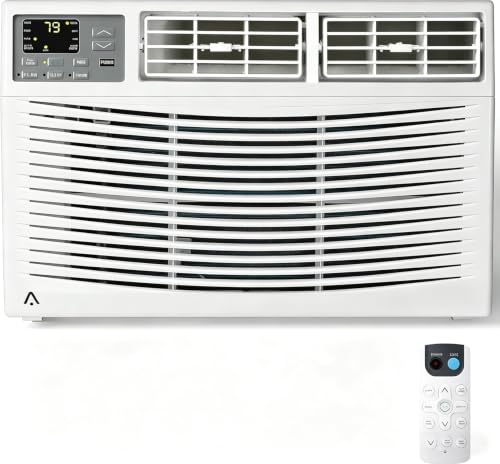
Efficient cooling for small rooms up to 450 sqf.
Convenient WiFi control with remote access.
Quiet operation ideal for bedrooms and living rooms.
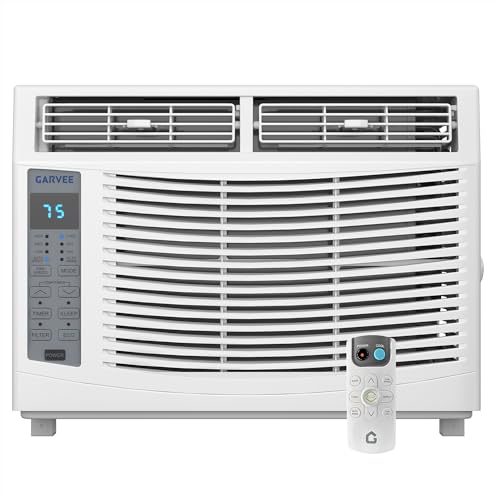
Energy-efficient cooling for small spaces.
Easy installation with clear instructions.
Quiet operation ensures minimal disturbance.

Quiet operation enhances room comfort.
Energy-efficient design saves on electricity.
Unique U-shape allows window to open.
Start with the tested cooling number. Look for the exact product model in the U.S. Department of Energy’s Compliance Certification Management System (CCMS), and compare the listing with the Federal Trade Commission EnergyGuide label. The label and DOE room-air-conditioner test procedure use the information needed to assess cooling capacity, efficiency, and annual energy use. A claim such as “8,000 BTU” or “up to 350 square feet” is weaker when it cannot be matched to an exact-model record. Portable units require extra care: an 8,000-BTU headline may use a different rating basis from the DOE capacity, and single-hose designs can draw conditioned room air into the exhaust stream.
For electricity use, look for CEER—the combined energy-efficiency ratio—rather than an unexplained SEER, wattage figure, or “energy saving” phrase. A credible comparison includes CEER, the EnergyGuide annual-use estimate, and a named test basis. ENERGY STAR certification is useful only when the exact model appears in the EPA’s certified room-air-conditioner dataset; a brand badge or a similar model number is not enough.
Safety evidence should also be model-specific. Check the applicable UL, ETL, or CSA directory for a current U.S. listing, and look for a cord with leakage-current protection, grounded-outlet instructions, and a prohibition on extension cords and adapters. Installation documentation should state window dimensions, weight, supplied locks or brackets, seals, screws, support requirements, and the required outward pitch for condensate drainage. A window unit should not be installed in a weak, damaged, or incompatible opening, and heavier units generally require two-person handling.
Noise figures deserve the same skepticism. A single “quiet” or decibel number is not very informative unless the manufacturer identifies the operating mode, fan speed, measurement distance, and test conditions. Several supplied products had conflicting sound figures or no exact-model acoustic report. Washable, accessible filters and clear cleaning instructions are valuable, but they do not replace drainage guidance: standing condensate can create odors and mold risk.
Finally, confirm the refrigerant on the rating plate or technical documentation. R-32 appears in many supplied reviews and has lower climate impact than older common refrigerants, but it is mildly flammable and requires qualified service. Refrigerant-containing air conditioners must be sent through a route that recovers refrigerant before final disposal.
Many products had only one-year warranties, no public parts catalog or repair network, and no maker-operated recycling route. Multiple reviews found unsupported or conflicting capacity, coverage, efficiency, noise, warranty, dimensions, or model-identity claims. Some products lacked exact-model safety listings or installation manuals. One portable model’s retail capacity conflicted with its EnergyGuide capacity, and one window listing used a model number associated with a different portable product. Treat those mismatches as reasons to verify the delivered unit before installation. No category-wide contraindication beyond careful sizing, model verification, secure installation, drainage maintenance, qualified refrigerant service, and appropriate end-of-life recovery was identified in the supplied data.
A window air conditioner affects comfort, indoor moisture, electrical safety, window stability, electricity demand, and refrigerant disposal. The strongest products in this set pair model-specific records with practical installation and maintenance instructions; weaker products rely mainly on seller claims or documentation that conflicts across sources.
This measures whether tested capacity and dehumidification suit the intended room without inflated BTU or square-foot claims. For window units, sizing affects comfort and moisture control: too little capacity may leave a room hot and humid, while unsupported coverage claims encourage oversizing. Higher-scoring products included traceable 5,000-, 8,000-, or 12,000-BTU records; low scores reflected conflicts such as advertised 10,000 BTU versus equivalent-model data showing 6,300 BTU.
This covers protection from shock, overheating, cord faults, controls, and wiring failures, including a current UL, ETL, or CSA listing and unresolved recalls. Window units draw substantial household power, so grounded-outlet instructions, LCDI or leakage protection, and no-extension-cord guidance matter. Higher scores came with exact or platform-specific UL, ETL, or CSA evidence; lower scores involved no confirmed NRTL listing or a model identity that pointed to a different appliance.
This measures how condensate is drained or managed and whether filters, cleaning access, and maintenance instructions reduce standing water and mold exposure. Window units should be tilted or drained as directed, and accessible washable filters need regular cleaning. Higher-scoring products documented drainage pitch, drain paths, filter access, or water alarms. Lower scores lacked model-specific drainage instructions or relied on documentation that did not clearly match the product.
This measures whether the hardware, dimensions, weight limits, locks, seals, and instructions support a stable installation without falling, leaking, or leaving a window easy to open. A higher score reflects documented brackets or sash locks, screws, seals, supported window dimensions, and handling guidance. Lower scores occurred when hardware lists or manuals were missing, dimensions conflicted, or a heavy unit’s actual mounting method could not be verified.
This measures whether sound claims are specific, testable, and suitable for the intended room. A useful result identifies dB(A), operating mode, fan speed, measurement distance, and test conditions. Higher scores belonged to products with more specific or partly traceable sound information, while lower scores reflected conflicting figures or no exact-model acoustic report. A marketplace number such as 45 or 55 dB should not be treated as a guaranteed bedroom level without its test basis.
This measures whether BTU, room-size, energy, noise, smart-control, and dehumidification claims match the exact listing and documentation. Higher scores came from clear EnergyGuide or other named records that supported the advertised capacity and efficiency. Lower scores followed contradictions such as 10,000 BTU marketing against 6,300 BTU equivalent-model data, unexplained SEER where CEER was appropriate, or impossible-looking wattage and annual-use entries.
This measures whether the exact product—not merely its brand or a similar platform—can be matched to DOE, ENERGY STAR, UL, ETL, CSA, FTC, or CPSC records. Higher-scoring examples included an exact ENERGY STAR listing or UL certificate. Platform matches were useful but weaker than direct identity. Low scores reflected absent certification records or model numbers associated with another appliance, making safety and performance claims difficult to verify.
This measures whether cooling capacity, CEER, annual energy use, sound, and room coverage can be followed to a named method and exact-model record. Higher scores came with EnergyGuide, DOE, ENERGY STAR, or independent laboratory documentation. Lower scores relied on seller figures without test conditions, used a different rating basis, or provided conflicting specifications. Traceability lets a buyer compare products without treating marketing language as measurement.
This measures tested efficiency and expected electricity demand for the stated capacity, especially CEER, EnergyGuide annual use, and exact-model ENERGY STAR status. Higher scores came from records such as 15.0 CEER and 600 kWh annual use for an exact ENERGY STAR product, or documented 10.9–12.1 CEER platform data. Lower scores reflected unsupported “energy saving” claims, missing EnergyGuide labels, or contradictory wattage and annual-use figures.
This measures whether refrigerant identity, safe use conditions, recovery, repair, and disposal guidance are disclosed. R-32 was commonly identified in the supplied products; it has lower climate impact than many older refrigerants but is mildly flammable and needs qualified service. Higher scores paired disclosure with handling or recovery instructions. Lower scores left the refrigerant, charge, recovery route, or exact rating-plate match unclear. Refrigerant must be recovered before final disposal.
This measures whether the product can remain in service through warranty support, manuals, replacement parts, authorized repair, cleanable filters, and a defined recycling route. Higher scores generally combined washable filters, usable manuals, and at least some warranty documentation. Scores were limited when warranties were only one year, parts catalogs and repair networks were absent, or warranty terms conflicted. A washable filter helps reduce consumable waste but does not establish long-term repairability.
This is a single-duct, floor-standing portable air conditioner for a vented window. It combines cooling, fan, and dehumidifying modes, uses a hose and sliding window kit, and is listed at 115 volts. Retail documentation identifies an 8,000 Btu/h ASHRAE rating, but also identifies the more useful seasonally adjusted cooling capacity as 5,000 Btu/h. The stated room coverage of up to 350 square feet should therefore be treated as a favorable-condition maximum, not a guaranteed result for a sunny, poorly insulated, or high-ceiling room. A manufacturer-family test report that includes this product's naming pattern recorded a mean 5,372 Btu/h seasonally adjusted cooling capacity, 6.93 CEER, and about 580 kWh annual cooling energy use. That is substantially more traceable than the listing's general specifications. The available product documentation states 50 dB noise, but does not provide an acoustic test method, fan setting, or measurement distance.
This product suits a renter or homeowner needing temporary cooling in a small enclosed bedroom, office, or similarly sized room with a compatible window near a grounded outlet. It is most appropriate where the room is well shaded, reasonably insulated, and the hose can be kept short and straight. The independently documented seasonally adjusted capacity is around 5,372 Btu/h, so buyers should size from that figure rather than assume that every 350-square-foot room will perform the same way. It also suits users willing to monitor drainage and clean the filter.
It is not suited to large open-plan areas, rooms with high ceilings, strong sun exposure, leaky windows, or spaces that need dependable cooling at the full stated 350-square-foot maximum. It is also a poor fit for highly noise-sensitive sleepers because the stated 50 dB figure lacks test conditions and independent confirmation. Households unable to inspect, clean, and occasionally drain a portable appliance should avoid relying on its claimed low-drain operation. Do not use it where a secure window-panel installation cannot be achieved or where an exterior exhaust route is unavailable.
The product uses R-32, a refrigerant with zero ozone-depletion potential and a global warming potential of 675. EPA lists it as acceptable with use conditions for residential and light-commercial air conditioning. R-32 is mildly flammable, so the product should remain intact, be used only as installed, and never be punctured or altered. At end of life, refrigerant must be recovered rather than vented, consistent with EPA appliance-disposal requirements. A manufacturer-family energy test report identifies a 5,372 Btu/h mean seasonally adjusted capacity, 6.93 CEER, and roughly 580 kWh yearly cooling energy use. The report also shows an ETL-marked nameplate, though a public directory match for this exact product was not found. No product-specific recall or regulatory warning was located in the sources reviewed. The main practical health issue is moisture management, since drainage and filter cleaning remain user responsibilities.
This is a single-duct, floor-standing portable air conditioner intended for temporary room cooling. It is supplied with an exhaust hose and adjustable window kit, and is described as providing cooling, dehumidifying, and fan modes. Retailer data identifies 115 V operation, 699 W input, a remote, timer, sleep mode, casters, and a washable filter. It also states a one-year limited manufacturer warranty. The advertised 8,000 BTU and up to 350 square foot figures are manufacturer-stated, not matched to an exact-product DOE cooling-capacity record. A separately hosted manual for a closely matched base-model family describes continuous drainage in Dry mode, but no manufacturer-hosted exact-product manual was located. Published retailer records also conflict on physical dimensions and sound level, so these specifications should not be treated as independently established.
This product fits a renter or homeowner seeking temporary, localized cooling in a smaller enclosed room with a compatible sliding or sash window and a nearby 115 V outlet. It is most appropriate for a buyer who can position the unit level, route the exhaust hose securely, clean the filter, and monitor drainage during humid weather. The stated remote, timer, fan mode, and casters suit users who prioritize basic convenience and occasional movement between rooms, while accepting manufacturer-stated rather than independently verified capacity data.
It is not well suited to buyers who need documented cooling performance for a specific room load, such as a hot top-floor bedroom, a sun-exposed room, or a room with heat-producing equipment. People sensitive to overnight compressor noise should not rely on the published 50 dB figure because matching retailer records are inconsistent. It also does not suit households requiring an easily verifiable U.S. safety-listing record, long parts support, or a clearly documented repair network. Do not use it where a window kit cannot be firmly secured.
The listed refrigerant is R-32. EPA identifies HFC-32 as an A2L, mildly flammable refrigerant with a global-warming potential of 675, and permits it in specified new air-conditioning applications subject to use conditions. That makes correct factory design, labels, service procedures, and safety certification particularly important. An exact-product listing in a public U.S. safety-certification directory was not located during this review. The product's claimed annual energy figure and efficiency specification are not traceable to an exact-product DOE portable-air-conditioner record. DOE requires portable units to use its Appendix CC method, which reports SACC and CEER. At end of life, refrigerant should not be released. EPA safe-disposal rules require recovery before final disposal of refrigeration and air-conditioning equipment. The stated washable filter can reduce replacement-filter waste, but no parts catalog, repair manual, or manufacturer recycling program was found.
This is a 115-volt, 6,000 BTU conventional window air conditioner for a small room. DELLA lists a 150 to 250 square foot coverage range, Wi-Fi app and remote control, dry mode, Alexa support, a reusable filter, and a 38.6 pound cabinet measuring about 16 by 15 by 12.5 inches. It is intended for vertical single-hung or double-hung windows. The manufacturer states that the product is UL listed, uses R32 refrigerant, and produces 51 dBA indoors. A related manufacturer-supplied instruction manual instead presents indoor sound as a range by fan setting and gives specific drainage, outlet, cleaning, and installation instructions. Independent public verification for this exact product's safety listing, EnergyGuide data, cooling output, efficiency, and acoustic test conditions was not located.
This product fits a person cooling one appropriately sized, vertically sliding window room, such as a small bedroom, office, or enclosed living area, where a standard grounded 115-volt outlet is available near the window. It is also suited to someone who values remote or app scheduling and can follow the required installation steps, including securing the sash lock, fitting the side panels, maintaining the outward drainage tilt, and washing the filter regularly. Its stated coverage should be treated as a starting point, not a guarantee in sunny, poorly insulated, or high-occupancy rooms.
It is not suited to rooms larger than the manufacturer's 250 square foot maximum, heavily sun-exposed rooms, open-plan areas, or spaces with unusually high humidity or heat loads. It also does not fit horizontal sliding or casement windows. People who need independently documented low-noise operation for sleep, verified efficiency data, a clearly traceable safety certification, or access to published replacement parts and repair support should use a product with those exact records available. Do not use an extension cord, adapter, damaged outlet, or ungrounded connection.
The manufacturer identifies R32 as the refrigerant. EPA lists HFC-32 as an A2L, lower-flammability refrigerant with a global warming potential of 675, and permits it with use conditions. The related manual appropriately treats the refrigerant circuit as a service item, warning against puncture or burning and directing that refrigerant be cleared during service or scrapping. EPA disposal rules require recovery before a window air conditioner reaches final disposal. For indoor conditions, the documented design includes dry mode, filter cleaning instructions, and an outward installation tilt to move condensate and rainwater toward the rear. Those are useful mold-risk controls only when installation and cleaning are maintained. No exact-product CPSC recall or public safety incident was located in this review. However, the claimed UL listing and the key performance figures could not be independently matched to a public exact-product record, and no manufacturer recycling pathway or repair-parts catalog was found.
This is a fixed-speed, 115-volt window air conditioner for a standard double-hung window. The product documentation describes cooling, dry, fan, auto, sleep and eco modes, a remote, three manual fan speeds plus auto speed, and a washable mesh filter. It requires a 23 to 36 inch-wide window and 14.5 inches of open vertical clearance. The strongest independently verified fact is safety traceability. A CSA Group certification report explicitly lists this product under the ZAFRO name and covers the U.S. and Canadian household air-conditioner safety standards. The same report discloses R32 refrigerant. Capacity evidence is less clear. The product is marketed as 14,000 BTU and up to 700 square feet, while another retailer listing for the same model configuration lists a 450 square foot maximum coverage area and CEER 11. That conflict makes the 700 square foot claim unsuitable as a sizing guarantee.
This product suits someone with a compatible standard double-hung window who needs a non-smart window air conditioner and can follow a hardware-based installation. It is most appropriate where the room is clearly no larger than about 450 square feet after accounting for sun exposure, occupancy, kitchen heat, and poor insulation. The buyer should have a grounded 115-volt outlet on a suitable dedicated circuit, be able to keep the unit pitched outward for drainage, and be prepared to wash the filter monthly.
It is not suited to buyers who need a defensible 700 square foot cooling guarantee, since a separate listing for the same product configuration sets maximum coverage at 450 square feet. It is also unsuitable for casement or slider windows, openings outside the specified dimensions, or installations without firm sill support and a grounded outlet. Bedroom users who are especially sensitive to noise should choose a product with exact-model acoustic testing. Households needing long-term parts support or a repair network should seek clearer service documentation.
The electrical safety evidence is unusually specific for this product. The exact model and ZAFRO branding appear in a CSA Group report covering the applicable U.S. and Canadian household air-conditioner safety standards. The manual also specifies a leakage-current interruption cord, a grounded three-prong outlet, no extension cord, and a test and reset routine. No matching CPSC recall or product safety warning was identified in the searched federal recall records. Condensate control depends on correct setup. The manual calls for an approximately 3 degree outward pitch, warns against blocking drain paths, and gives removable-filter cleaning instructions. The CSA report identifies R32 refrigerant, a lower-global-warming option than many older refrigerants, but it is mildly flammable and the manual includes ignition-source precautions. The documentation does not provide a product-specific refrigerant recovery, repair, parts, or recycling pathway, so responsible disposal will depend on local appliance and refrigerant services.
This is a 115 V, corded U-shaped window air conditioner for double-hung or single-hung windows. The product listing describes 10,000 BTU cooling, a claimed 450 square foot coverage area, dehumidifying and fan modes, remote controls, and a 63.8 pound installed weight. It requires a 16 inch high window opening and a width from 24 to 48 inches. Independent retail documentation for the same product platform identifies 10,000 BTU under the ASHRAE rating and 6,000 BTU under the DOE rating, with 450 square feet stated as its coverage area. Its documented CEER is 10.9. An Intertek ETL listing construction report covers the Antarctic Star product family and this model format. The supplied product-family manual gives specific mounting-block, support-knob, leveling, outward-tilt, drainage, filter-cleaning, and seasonal drying directions.
This product suits someone with a compatible double-hung or single-hung window, a sound sill and wall support surface, and the ability to install or supervise installation of a 63.8 pound appliance. It is most appropriate for a small to medium enclosed room where the buyer treats the 6,000 BTU DOE figure as the capacity reference and can use the supplied support hardware exactly as instructed. It also fits users willing to wash the filter, keep the drain area clear, and dry the unit before seasonal storage.
It is not appropriate for casement or sliding windows, windows outside the stated 16 inch by 24 to 48 inch opening range, damaged sills, or installations where the unit cannot be securely supported and slightly tilted outdoors. People unable to safely lift and stabilize a 63.8 pound unit should arrange qualified help. It is also a poor fit for buyers who need independently documented bedroom sound performance, an exact-product EnergyGuide label, ENERGY STAR certification, a longer warranty, or clearly available replacement parts and service.
The strongest safety evidence is the Intertek ETL listing construction report, which includes Antarctic Star in the covered brand family and covers the relevant U-shaped product format. The installation manual is unusually specific about mounting blocks, a support knob, level placement, slight outdoor tilt, and safe removal. Those steps matter because incorrect support can create falling-unit, rain-intrusion, and indoor-drip hazards. The sealed system uses R32 refrigerant. R32 has lower climate impact than older R410A, but it is mildly flammable, so the manual's warnings against ignition sources, puncturing, and unqualified refrigerant work are important. The washable filter, clean-filter reminder, drain instructions, and four-hour fan-only drying step support maintenance that can reduce stagnant moisture and mold risk. No exact-product recycling program, repair network, parts catalog, or ENERGY STAR certification was identified in the reviewed evidence.
This is a non-inverter, 115-volt window air conditioner for a standard double-hung window. The product documentation covering this model identifies 6,000 Btu cooling, dry, fan, auto, sleep and eco functions, a remote, and a 23 to 34 inch window-width requirement. The manual also specifies at least 14.5 inches of open vertical clearance. Retail documentation links the listed model to a newer A8506W-6K designation. The 6,000 Btu capacity and roughly 250 to 270 square foot coverage range are seller and manufacturer-stated, not matched here to a public DOE record or independent lab report. A retailer reports CEER 11 and a 42 to 56 dB range, but does not identify the test mode or measurement conditions. The documentation is strongest on installation safeguards, condensate tilt, the leakage-interrupting cord, and R32 refrigerant safety instructions.
This product fits a person cooling one small enclosed bedroom, office, studio area, or guest room, where the window is a standard double-hung type measuring 23 to 34 inches wide with at least 14.5 inches of opening height. It is also suited to someone able to follow a screw-based installation process, use the supplied sash lock, maintain a slight outdoor tilt, and plug directly into a properly grounded wall outlet. The documented dry, fan, sleep, auto, and eco modes provide basic control options.
It is not appropriate for a large, open, sun-exposed, poorly insulated, or multi-room space, because the 6,000 Btu and 250 to 270 square foot coverage claims have not been independently verified here and real cooling load can be much higher. It also does not suit casement or slider windows without a compatible installation plan. Households unable to lift and secure a roughly 39-pound appliance with two people should arrange qualified help. Avoid it where a confirmed independently listed safety certification or independently measured bedroom noise result is required.
The available model-specific manual gives meaningful electrical and installation safety direction. It calls for a grounded three-prong outlet, no extension cord or adapter, use of the cord test and reset functions, an outward installation tilt, sash locking, and screws securing the unit to the window. Retail sources report a UL safety listing, but that claim was not independently confirmed in a public certification-directory result for this exact product. The manual identifies R32 refrigerant. EPA lists HFC-32 as acceptable with use conditions for residential and light-commercial air conditioning, while classifying it as mildly flammable. The manual accordingly warns against piercing or burning the unit and calls for trained servicing. R32 has no ozone-depletion potential, but it still has climate impact. The manual mentions refrigerant clearance at scrapping, though it does not provide a consumer recycling program or repair-parts pathway. EPA requires refrigerant recovery before final disposal of window air conditioners.
This is a 115-volt, U-shaped window air conditioner for single or double-hung windows. The product documentation states that it weighs 63.9 pounds, needs a 24 to 48 inch-wide opening with at least 16 inches of height, and includes an installation kit, remote, washable mesh filter, app control, and voice-control compatibility. Its stated cooling capacity is 8,100 BTU under DOE terminology and 12,000 BTU under ASHRAE terminology, but I could not match this exact product to a public DOE certification record, ENERGY STAR listing, EnergyGuide label, or independent laboratory report. The 32 dB noise figure, 70-pint-per-day dehumidification figure, 610-watt draw, and 16.3 SEER figure are manufacturer-stated, not independently verified. The documentation does provide drainage, cleaning, and window-fit instructions, which are practical safeguards for this heavy saddle-style format.
This product fits a renter or homeowner with a compatible single or double-hung window who wants a U-shaped window layout and is prepared to follow installation instructions closely. It is most suitable for a room whose cooling need is planned around the stated 8,100 BTU DOE capacity, rather than the larger ASHRAE number. It also suits someone willing to clean a washable mesh filter and periodically inspect drainage. A buyer should have a properly grounded 115-volt outlet and enough help to safely handle a 63.9-pound unit during installation.
It is not suitable for casement windows, openings narrower than 24 inches, openings wider than 48 inches, or windows with less than 16 inches of clear opening. It is also a poor fit where the sill, sash, or mounting surface cannot safely support and secure a 63.9-pound appliance. Buyers who require independently documented electrical listing, EnergyGuide data, ENERGY STAR certification, measured sound testing, or established repair-parts support should choose a product with those exact-model records. Do not select it based on the 12,000 BTU marketing figure alone.
The product documentation identifies R-32 refrigerant. EPA lists HFC-32 as acceptable with use conditions for new self-contained room air conditioners. It has lower climate impact than several older HFC refrigerants, but it is an A2L, mildly flammable refrigerant. The exact product's compliance with the required safety standard, warning labels, and charge-related conditions was not independently confirmed. The manual reproduction gives useful drainage, filter-cleaning, grounded-outlet, and no-extension-cord instructions. Those measures matter because poor tilt or blocked drainage can lead to water leakage and standing moisture. I found no exact-product CPSC recall or regulator warning in the searched public sources. At end of life, do not discard it as ordinary scrap. EPA requires refrigerant recovery before final disposal of window air conditioners. No manufacturer recycling program or repair-parts pathway was located.
This product is a corded 115 V window air conditioner marketed for small rooms. The marketplace description presents it as an 8,000 BTU unit for up to 350 square feet, with remote and app control, dehumidifying, sleep, timer, and fan functions. The maker's available product page also describes an 8,000 BTU WiFi window unit with three cooling speeds, eco mode, remote control, and a cleanable filter. Documentation is not cleanly traceable to this exact marketplace product. The available maker page describes a U-shaped unit and gives both 250 and 350 square feet in different parts of the same page. The marketplace specifications also conflict internally by listing 8,000 BTU in the title and 10,000 BTU cooling power in the specifications. No exact-product DOE capacity record, EnergyGuide label, ENERGY STAR record, named acoustic test, or public safety-listing record was located.
This product fits a renter or homeowner seeking a basic window unit for a small room, provided they can confirm the unit's rating label, window dimensions, included mounting hardware, and electrical listing before installation. It is more suitable where remote control, dry mode, and a washable or replaceable filter are useful, and where the user can maintain the filter and install the unit with the prescribed outward tilt. The stated 350 square foot coverage should be treated as a maker claim, not as independently confirmed sizing guidance.
It is not well suited to buyers who need documented cooling capacity for a specific room, verified low-noise performance for sleep, or a clearly certified energy-efficient appliance. It also warrants caution for households unable to independently check the electrical safety mark and rating label before installation. Do not rely on the listed measurements alone for a narrow or unusual window, because available documentation points to different product configurations and installation ranges. People needing firm warranty, parts, or repair support should seek written exact-product terms first.
The available product-family manual identifies R32 refrigerant. R32 has no ozone-depletion potential and a lower climate impact than many older room-air-conditioner refrigerants, but it is mildly flammable. The manual warns against piercing or burning the appliance, requires a suitably sized room, and directs users to trained service support for refrigerant work. It also directs use of a grounded outlet without adapters or extension cords. For moisture management, the manual calls for roughly a 3° outward tilt so condensate and rainwater drain outdoors. It also notes that water can collect in the base pan during humid or rainy conditions, which makes proper installation and cleaning important. No exact-product recall was found in the CPSC public recall results searched. However, no exact-product DOE record, EnergyGuide disclosure, public NRTL listing, or independent sound test was located. Recycling and refrigerant-recovery directions were also not provided in the available materials.
This is a fixed, 115-volt window air conditioner marketed for small rooms, with remote control, three cooling speeds, a digital display, and a claimed 6,000 BTU cooling capacity. It is intended for a bedroom or office of up to 250 square feet. Garvee's own product page independently states the 6,000 BTU and 250-square-foot claims, plus a 50 dB noise claim, reusable filter, timer, sleep mode, and window fit range of 23 to 36 inches wide with at least 14.5 inches of height. Those are manufacturer statements, not independently verified test results. The catalog specifications conflict with that page on dimensions, weight, and power draw. No exact-product match was located in DOE efficiency, ENERGY STAR, EnergyGuide, or U.S. safety-listing records reviewed for this assessment.
This product suits someone cooling one small, conventionally sized double-hung window room who can verify their window is 23 to 36 inches wide and at least 14.5 inches high. It is most appropriate where a remote, timer, sleep mode, and washable filter are practical conveniences, and where the buyer is prepared to follow the supplied installation instructions and inspect the unit after installation. The 250-square-foot coverage figure should be treated as a manufacturer estimate, especially in sunny rooms, poorly insulated spaces, or rooms with multiple heat-producing appliances.
It is not well suited to buyers who need documented efficiency, independently verified capacity, a confirmed U.S. safety listing, or measured low-noise performance for a sleep-sensitive room. It is also unsuitable for windows outside the manufacturer's stated opening range, side-sliding windows unless the instructions expressly support that installation, or any installation where the sash cannot be securely locked. Households with respiratory vulnerability should not assume moisture control is adequate, because no exact-product drainage design, dehumidification rate, or mold-control documentation was located.
The manufacturer states that this window unit has a reusable filter and dehumidifying function. A reusable filter can reduce disposable-filter waste if it is cleaned on schedule, but no exact-product manual was located to confirm cleaning intervals, condensate routing, or steps to prevent standing water. Pooled water in window air conditioners can create mold risk, so drainage and filter care are important even though no exact-product recall or warning was found. The product page gives no refrigerant identity, refrigerant charge, CEER, annual electricity use, or exact-product EnergyGuide documentation. That leaves its climate impact and running cost unverified. At end of life, a window air conditioner should go through an appliance recycler or other disposal channel that recovers refrigerant, rather than ordinary trash. The manufacturer page offers a 12-month warranty, but no parts catalog or repair pathway was located.
This is a 54-pound, 115-volt U-shaped window air conditioner with a variable-speed compressor. It is intended for single-hung or double-hung windows and provides cooling, dehumidification, and fan operation. The manufacturer states that it is intended for rooms up to 450 square feet, has a washable filter, and uses a support-bracket installation system. The most important performance figures are independently traceable. ENERGY STAR lists this exact product as a 10,000 Btu/h window unit with a CEER of 15.0 and estimated annual energy use of 500 kWh. It is certified for the United States and Canada. The manufacturer also advertises very quiet operation, but no exact-product acoustic test report with operating mode, fan speed, distance, and test conditions was found. The marketplace record's 7,800 kWh annual-use field conflicts sharply with the independently listed 500 kWh figure.
This product suits someone cooling one appropriately sized bedroom, home office, or small living area who has a compatible single-hung or double-hung window and can follow the bracket, sealing, and drainage instructions carefully. It is particularly relevant where electricity use matters, because its exact 10,000 Btu/h capacity, CEER 15.0, and 500 kWh annual-use estimate are independently listed by ENERGY STAR. It also fits users willing to wash the filter and inspect drainage as routine maintenance.
It is not suitable for casement windows, incompatible window openings, or households unable to secure a 54-pound appliance with the supplied bracket system. It is also a poor fit for anyone who needs independently documented sound measurements for sleep-sensitive use, because the advertised quietness figure lacks a located test report with conditions. Mold-sensitive households should not treat maintenance as optional. They should follow the drain-plug, cleaning, and monthly drainage checks closely, especially given the earlier recall affecting other Midea U-shaped units.
The exact product has meaningful independent energy verification. ENERGY STAR lists a 10,000 Btu/h capacity, CEER 15.0, estimated annual use of 500 kWh, and 38% lower energy use than the applicable federal minimum. It uses R-32 refrigerant, which the ENERGY STAR record identifies as lower GWP at 675. At end of life, it should go through an appliance recycler or collection route that recovers refrigerant, rather than being dismantled or discarded intact. Drainage deserves continued attention. The exact product is not named in the June 5, 2025 CPSC recall of earlier Midea U and U+ units, which involved pooled water and mold reports. Its owner manual nevertheless includes drain-plug replacement, monthly drainage checks, filter cleaning every two weeks, and fan and coil cleaning. No exact-product public electrical NRTL listing or acoustic laboratory report was found, so those claims remain less independently transparent than its energy data.


