Best Overall
27% off

M3 Naturals Anti Cellulite Massage Oil
Absorbs quickly without leaving a greasy feel.
Enriched with natural essential oils.
Helps improve skin texture and firmness.
 Lauren Wilson
Absorbs quickly without leaving a greasy feel.
Enriched with natural essential oils.
Helps improve skin texture and firmness.

Combines exfoliation with skin hydration effectively.
Contains natural oils for enhanced moisture.
Infused with collagen for skin firming benefits.

Contains nourishing shea butter and vitamin E.
Helps reduce the appearance of dimpled skin.
Suitable for massage therapy and post-shower use.

Lightweight texture absorbs quickly and easily.
Contains nourishing ingredients for overnight hydration.
Promotes firmer, smoother skin by morning.
Organic blend enhances skin hydration.
Scented formula leaves skin feeling fresh.
Targets firming and anti-aging effectively.
Effective for smoothing and contouring skin.
Versatile tool for multiple body areas.
Bright, appealing multicolor design.

Absorbs quickly without leaving a greasy feel.
Contains essential oils for soothing muscles.
Helps calm the mind and revitalize skin.

Effective cellulite reduction with targeted massage features.
Enhances circulation and muscle relief effortlessly.
Includes oil for added comfort during use.

Fast-absorbing formula hydrates skin effectively.
Infused with collagen stem cells for firmness.
Contains refreshing essential oils for a soothing scent.

Fast-absorbing for non-greasy skin feel.
Infused with nourishing Brazilian oils.
Leaves a subtle, pleasant fragrance.
The most important distinction is finished-product evidence. A credible claim should concern the exact formula, used as directed, rather than an ingredient study, a different product, customer opinions, or before-and-after marketing images. Look for an independently reviewable controlled human study with a published protocol, full results, standardized photographs, and a validated cellulite scale. A brand-reported test can be informative, but figures such as “25 participants,” “30 participants,” or a “56-day” assessment do not by themselves establish a reliable result: small groups, self-reported improvement, no control group, undisclosed methods, and unavailable full reports all limit what the number means. Research on oral collagen, medical procedures, light devices, or other formulas cannot prove that a massage oil works.
Claims should also stay within the evidence. “Helps moisturize” or “provides massage slip” is narrower than claiming fat burning, toxin removal, lymphatic treatment, circulation correction, or permanent tightening. Buyers should be cautious when a product uses several mechanism-sounding promises without product-specific results. “Natural,” “clean,” “non-toxic,” and “organic blend” are not substitutes for evidence or certification.
Formula transparency matters because this is a leave-on product. A complete, current INCI ingredient list should identify carrier oils, water, preservatives, essential oils, fragrance, and named fragrance allergens. Citrus, eucalyptus, peppermint, lavender, warming agents, menthol, capsicum, and fragrance appear repeatedly in the supplied products and can be relevant to irritation or allergic contact dermatitis. For water-containing oils, creams, and gels, look for validated preservation and microbiological controls, stability information, lot traceability, and current finished-product testing—not merely a list of preservatives. Independent reports should be product-specific and preferably from an ISO/IEC 17025-accredited laboratory; supplier certificates or general brand promises are weaker evidence.
Environmental claims also need specifics. A meaningful certification should be traceable to the named program, such as Leaping Bunny, USDA Organic, COSMOS, or Vegan Action, with the certification scope matching the product. Packaging claims should identify the actual bottle, pump, cap, and carton materials and provide locally actionable recycling, reuse, refill, or take-back instructions. A glass bottle, post-consumer recycled plastic, or a collection route is more useful than an unsupported “eco-friendly” label.
Across the supplied reviews, the recurring safety concerns are fragrance or essential-oil sensitivity, eczema or reactive skin, and use on broken, irritated, freshly shaved, sunburned, or freshly exfoliated skin. Patch testing is especially relevant, but several products did not provide clear instructions. Citrus oils raise sun-exposure concerns when extraction type and concentration are not disclosed. Warming products can burn or sting, particularly under occlusion. Do not use massage products as treatment for unexplained swelling, circulation problems, lymphatic disease, painful veins, or other medical conditions. Electrical or deep-rolling tools in this category also warrant clinician guidance for implanted devices, clotting concerns, anticoagulant use, fragile capillaries, pregnancy, recent surgery, easy bruising, or unexplained pain or swelling.
The supplied products vary more in disclosure, warnings, and accountability than in proven cellulite results. The scores below are best read as signals of what was documented for each finished product, not proof that a product is clinically effective or risk-free.
This measures irritation, allergic dermatitis, burns, and barrier damage from the complete formula. For massage oils, fragrance, citrus, eucalyptus, warming agents, and repeated leave-on exposure matter. Higher-scoring products included more conservative or practical safety information; lower-scoring products combined sensitizing ingredients with limited tolerability evidence. Scores ranged from 48 to 76, with the manual roller highest because it avoids leave-on formula exposure.
A high score means the buyer can see a complete, consistent INCI list, including fragrance allergens and the responsible company. This is especially important when oils contain citrus or essential oils. Supplied scores ranged from 45 to 85: some products published detailed lists, while others had conflicting or incomplete formula descriptions. A fragrance note such as “vanilla” or “citrus” is not a complete allergen disclosure.
This measures whether packaging, preservation, manufacturing controls, and testing protect the product from microbial growth. Water-containing oils, creams, and gels need validated preservation and microbiological controls; a pump can also reduce handling exposure compared with a jar. Scores ranged from 68 to 83, but no supplied product had a publicly located finished-product challenge or microbiological report, so a listed preservative alone is not strong verification.
Directions should address patch testing, external-only use, eyes, damaged or freshly shaved skin, sun exposure for photoreactive citrus oils, and pregnancy or medical consultation where warranted. Scores ranged from 42 to 85. The higher-scoring manual roller had detailed contraindications and pressure guidance; several fragranced oils had application directions but omitted sun, damaged-skin, or patch-test precautions.
This measures whether the exact finished formula, used as directed, has independent controlled human evidence with transparent results. Ingredient studies and marketing images do not qualify as strong product evidence. Most supplied products scored near 68–72 despite no located controlled study; one brand-reported 56-day assessment and one small volunteer study were more specific but still lacked a publicly reviewable full report and validated outcome details.
Claims should match what the product-specific evidence actually supports. Moisturization and massage slip are narrower than promises about fat burning, detoxification, lymphatic drainage, circulation, or permanent tightening. Scores ranged from 18 to 78. Higher-scoring products generally limited their main positioning to cosmetic moisturization or described uncertainty; lower-scoring products made broad treatment-style or mechanism claims without matching evidence.
A high score requires current, product-specific outside-laboratory reports for identity, claimed ingredient levels, contaminants, stability, and microbiological quality. The relevant benchmark is an ISO/IEC 17025-accredited laboratory, with appropriate cosmetic microbiology and preservation methods. Scores were 70 for every supplied product, but no current public finished-product report was located in the reviews, so these scores do not establish independent batch verification.
This measures whether a real responsible company, usable contact route, lot information, and regulatory accountability are available. It matters when a leave-on product causes a reaction or a formula changes. Scores ranged from 64 to 78. Stronger examples named a company, address, customer service, and in some cases batch information; weaker examples relied on a web form or lacked visible lot-traceability details. No product-specific recall or warning was identified in the reviewed searches.
A high score requires a named independent program whose registry and scope match the product. Leaping Bunny certification, for example, is more meaningful than an unverified cruelty-free badge; the same principle applies to USDA Organic, COSMOS, Vegan Action, and sustainability claims. Scores ranged from 52 to 84. Most products used manufacturer-stated natural, vegan, cruelty-free, or clean language without a matching independent record; one product had verified Leaping Bunny support.
This measures documented sourcing and chemical information for carrier oils, botanicals, preservatives, and fragrance—not whether an ingredient is simply called natural. Scores ranged from 58 to 73. The stronger examples included manufacturer-stated seaweed or renewable-energy information, while lower-scoring products used organic, clean, natural, or environmentally friendly language without a named certification, supply-chain record, or product-specific environmental documentation.
This measures material reduction, refill or reuse options, and specific disposal guidance for the bottle, pump, cap, applicator, and carton. Scores ranged from 70 to 80. The clearest example described glass disposal, separation of the pump, post-consumer recycled plastic, and a take-back route. Generic recycling language, missing resin information, and no component-specific instructions produced weaker scores.
This is an 8 fl oz leave-on body massage oil intended for damp skin after bathing. Directions from a retail listing say to massage it in until absorbed. Independent retailer listings consistently identify a base of sunflower, rice bran and grapeseed oils, plus lemon, eucalyptus and grapefruit oils, hydrolyzed collagen, apple fruit cell culture extract, water, phenoxyethanol and other supporting ingredients. The brand markets smoother-looking cellulite, firmer texture and related effects from daily massage. No controlled human study of this exact finished formula was located in PubMed or ClinicalTrials.gov. The brand site also describes caffeine, L-carnitine and sweet almond oil, which do not appear in the retailer INCI lists reviewed, creating a material formula-description inconsistency.
This product suits an adult who wants an 8 fl oz aromatic body oil mainly for the feel and slip of daily self-massage after showering. It is most appropriate for someone with non-sensitive body skin who can use it on a small area first and who views any smoother-looking result as a cosmetic, short-term appearance effect rather than a proven cellulite treatment. The formula's plant oils may be especially appealing to buyers who prefer a richer oil instead of a body lotion.
It is not well suited to people with fragrance allergy, recurrent contact dermatitis, very reactive skin, citrus or essential-oil sensitivity, or a history of reactions to leave-on fragranced products. Avoid applying to broken, freshly shaved or irritated skin. People seeking a clinically demonstrated change in cellulite, body-fat reduction, lymphatic treatment or stretch-mark treatment should not treat this oil as evidence-based therapy. The citrus-containing formula also warrants caution before sun exposure, particularly without a prior patch test.
The disclosed formula contains several emollient plant oils, but also lemon, grapefruit and eucalyptus oils and the declared fragrance allergens limonene, citral and linalool. The available label warnings advise external use, avoiding the eyes, stopping for irritation, keeping the bottle closed and keeping it away from children. They do not prominently address patch testing, use on compromised skin or sun precautions relevant to citrus oils. No finished-product patch-test or dermatologist-supervised tolerability report was located. A water-containing formula with phenoxyethanol needs validated preservation and microbiological controls, but no product-specific challenge-test, stability or independent laboratory report was found. “Cruelty-free” is stated in marketplace information, but an applicable independent certification listing was not verified. No organic, responsible-sourcing, refill or locally actionable recycling documentation was found for this product. No matching FDA recall, warning letter or regulatory action was located in the searches reviewed.
This is a 16-ounce, salt-based body scrub in a wide-mouth jar. The manufacturer directs users to apply it to damp skin, massage in circles, then rinse thoroughly. It is marketed for legs, glutes, stomach, arms, hands, and feet, with claims of exfoliation, moisturization, firmer-looking skin, and a reduced appearance of cellulite. A retailer ingredient panel lists salt, water, coconut, jojoba, almond and lemon oils, shea butter, hydrolyzed collagen, apple cell-culture extract, eucalyptus and grapefruit oils, limonene, and several preservatives. This supports its identity as a fragranced, oil-containing physical exfoliant. No independent controlled human study of this exact scrub was located to substantiate visible cellulite improvement, and no product-specific outside laboratory or dermatologic tolerability report was publicly available.
This product suits an adult who wants a rinse-off body scrub for occasional smoothing of rough-feeling skin on areas such as legs, feet, hands, or elbows, and who is comfortable with a fragranced salt-and-oil texture. The 16-ounce jar is a substantial home-use format for someone who already tolerates citrus-scented body products. Its most concrete use is physical exfoliation followed by an emollient skin feel, not a clinically demonstrated cellulite treatment. Users should be able to inspect the ingredient list and avoid known allergens.
It is not well suited to people with fragrance allergy, citrus-oil sensitivity, eczema, rosacea, very reactive skin, or a compromised skin barrier. Avoid use on freshly shaved, sunburned, broken, irritated, or recently exfoliated skin because salt friction and essential oils can sting or worsen irritation. It is also a poor fit for anyone seeking independently demonstrated cellulite reduction, lasting skin tightening, or a product with public batch testing and dermatologist-supervised tolerability data. Households avoiding animal-derived ingredients should note the hydrolyzed collagen listing.
The disclosed formula contains salt exfoliants, plant oils, shea butter, citrus and eucalyptus oils, hydrolyzed collagen, and preservatives including sodium benzoate, potassium sorbate, and phenoxyethanol. Because it is a rinse-off scrub, contact time is shorter than for a body oil or lotion. Still, limonene and citrus oils are relevant allergy and irritation considerations. Cosmetic safety authorities note that fragrance ingredients can trigger contact dermatitis, and citrus oils can be problematic on sun-exposed skin. The available directions do not visibly address those risks. No public product-specific microbial challenge testing, contaminant testing, stability testing, or outside laboratory certificate was located. A water-containing, open jar can face contamination from repeated finger contact, so preservation and manufacturing controls matter. No verified organic, vegan, or third-party cruelty-free certification was found. The container is presented as a plastic jar, but no resin code, recycled-content figure, refill option, or locally actionable recycling guidance was located.
GET-CHEEKY is a 2 fl oz leave-on body oil for massaging visible cellulite on the buttocks and thighs. The directions call for circular massage until absorbed, twice daily. It is built around sunflower seed oil, coconut oil, sunflower wax, shea butter, Brazilian peppertree extract marketed as Pink Pepperslim, and a warming ingredient, vanillyl butyl ether. The ingredient list is independently reproduced by an ingredient database and includes named fragrance allergens. The brand markets the oil as clinically proven to reduce the appearance of cellulite and firm skin. A retailer repeats results from a 25-participant, 56-day assessment, but a public protocol, full report, controlled comparison, standardized photos, validated cellulite scale, and independent replication were not located. The product is therefore best described as a fragranced warming massage oil with unverified product-specific cellulite results.
This product suits an adult who wants a small, fragranced body oil mainly for a regular thigh and buttock massage routine and accepts a noticeable warming sensation. It is most relevant for someone seeking temporary moisturized, smoother-looking skin from oil and massage, rather than a substantiated treatment that changes cellulite structure. The 2 fl oz size also fits a targeted routine rather than all-over daily body moisturizing. Users should be comfortable checking the detailed ingredient list before first use.
It is not well suited to people with fragrance allergy, allergic contact dermatitis, eczema-prone skin, rosacea-like reactivity, or a history of burning from warming body products. The formula contains fragrance plus several disclosed fragrance allergens and intentionally includes a warming agent. It is also not appropriate for anyone expecting proven, durable cellulite reduction, fat loss, lymphatic drainage, or body contouring from a topical oil. Pregnant or breastfeeding users should follow the brand's advice to consult their clinician before use.
The main health consideration is tolerability. This is an oil-based, leave-on formula with vanillyl butyl ether, which is intended to create warmth, plus fragrance and named fragrance allergens including limonene, linalool, cinnamal, eugenol, hexyl cinnamal, and benzyl benzoate. The maker advises waiting after a shower if the tingle is unwelcome. Sensitive users have enough ingredient detail to avoid known triggers, but no public finished-product patch-test report or independent laboratory quality report was located. MAËLYS is listed by PETA as cruelty-free, which verifies a company-wide animal-testing policy. That certification does not establish that this specific oil is vegan, low-allergen, clinically effective, or lower impact environmentally. The reviewed product information did not substantiate organic sourcing, responsibly certified commodity inputs, refill availability, packaging resin details, or locally actionable recycling instructions. Its anhydrous oil format has lower inherent microbial risk than a water-based lotion, but validation of stability and quality controls was not publicly provided.
MAËLYS GET-DREAMY is a 6.8 fl oz scented, leave-on body whip intended for nightly massage into areas such as the thighs, belly, arms, and buttocks. The brand instructs users to apply a dollop, massage in circular motions until absorbed, and leave it on overnight. Its disclosed retailer formula is a rich water-based cream with glycerin, shea butter, coconut oil, dimethicone, magnesium sulfate, botanical extracts, fragrance, colorants, and several individually named fragrance allergens. MAËLYS calls it clinically proven for cellulite appearance and skin roughness, but the public result detail located was a manufacturer-reported 56-day self-assessment of 30 participants. No published protocol, full report, standardized photographs, validated cellulite scale, or independent controlled study of this finished formula was located. Ingredient lists also differ across current seller and brand materials, so the package label is the most reliable source for the jar in hand.
This product suits an adult who wants a rich, fragranced nighttime body moisturizer for routine massage on intact body skin, and who understands that any visible cellulite or firming benefit is not independently substantiated. It is most aligned with someone comfortable using a jarred cream nightly on broad areas such as thighs, belly, arms, or buttocks, and who values a soft, conditioned skin feel. The buyer should check the package ingredient panel before use because online formula lists are inconsistent.
It is not well suited to people with fragrance allergy, allergic contact dermatitis, eczema-prone skin, or a known sensitivity to limonene, linalool, eugenol, geraniol, citronellol, coumarin, coconut-derived ingredients, or chamomile. Avoid use on broken, freshly shaved, actively irritated, or rash-affected skin. It is also not appropriate for someone seeking a product with publicly available independent proof of cellulite reduction, validated clinical photography, quantified active levels, or published finished-product safety and quality testing.
The retailer-listed formula contains common moisturizing ingredients, but it is fragranced and includes multiple disclosed fragrance allergens. FDA notes that cosmetic fragrance ingredients can trigger allergic contact dermatitis in susceptible people. The available warning language says external use only, avoid eye contact, and discontinue if irritation occurs. Given the leave-on, overnight exposure, a cautious user should patch test first and stop if redness, itching, burning, or rash develops. No product-specific ISO-accredited laboratory report, preservative challenge report, microbiological test, or stability report was publicly located. MAËLYS identifies a U.S. responsible company and contact route. No relevant FDA recall or warning letter was found in the checked public sources. The brand does provide a concrete U.S. end-of-life option through Pact collection bins at participating Ulta locations. No verified organic, cruelty-free, vegan, RSPO, or other third-party environmental certification for this product was located.
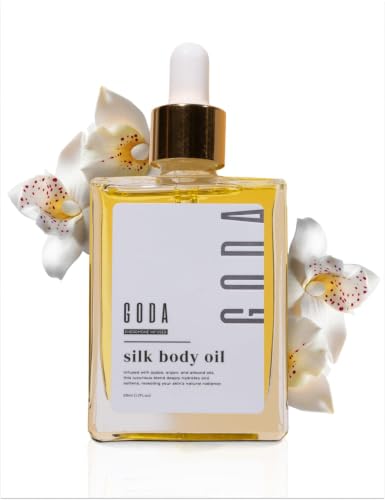
This is a scented leave-on body oil marketed for daily use after showering on dry, crepey, sagging, or dull-looking skin. GODA describes a blend featuring shea butter, jojoba, sweet almond, cocoa butter, argan oil, vitamin E, plus changing references to evening primrose, rosehip, geranium, patchouli, and fragrance notes. The brand does not publish a complete INCI ingredient declaration or concentrations on the reviewed product page. The defining issue is the gap between the marketing and the evidence made public. GODA claims visible firming, wrinkle reduction, and cellulite smoothing within weeks, and presents customer-reported percentages as proof. No controlled human study, standardized photographs, validated cellulite scale, protocol, or finished-product lab report was located. The product page also calls the formula suitable for sensitive skin, despite describing a lingering scented blend.
This product is most relevant to an adult who wants a scented body-oil ritual after bathing and is comfortable treating its effects as cosmetic moisturization rather than a tested cellulite treatment. It may suit someone with ordinary dry body skin who tolerates fragranced oils, has no known sensitivity to nut-derived ingredients or fragrance, and is willing to patch test first. The practical appeal is the brand-stated combination of familiar emollient oils and a 30-day satisfaction guarantee, not independently demonstrated firming or cellulite change.
It is not a cautious choice for people seeking evidence-based improvement in cellulite, skin laxity, deep wrinkles, stretch marks, or menopausal skin changes. Those outcomes are advertised, but no product-specific controlled human evidence was located. Avoid or obtain clinician guidance before use if you have fragrance allergy, allergic contact dermatitis, active eczema, broken or freshly shaved skin, or a known almond or botanical sensitivity. It is also poorly suited to buyers who need a complete ingredient label, independently verified quality testing, unscented care, or clear recycling instructions before use.
GODA identifies a number of oils and butters, but the public product information stops short of a complete ingredient declaration. That matters because this is a scented leave-on product and fragrance ingredients are a common source of cosmetic allergic contact dermatitis. The brand says the oil is gentle enough for sensitive skin, yet no finished-product patch-test or repeat-insult patch-test report was located. A small-area patch test and discontinuing use after irritation are prudent precautions. The brand uses terms such as organic, clean, and free from several conventional ingredient categories. No USDA organic certification, COSMOS certificate, cruelty-free register entry, vegan certificate, or finished-product sustainability certification was located for this product. No recall, FDA warning letter, or FDA safety alert specific to GODA Silk Body Oil was located in the checked public sources. The container materials, resin code, refill construction, and locally actionable recycling guidance were not disclosed, so end-of-life impact cannot be substantiated.
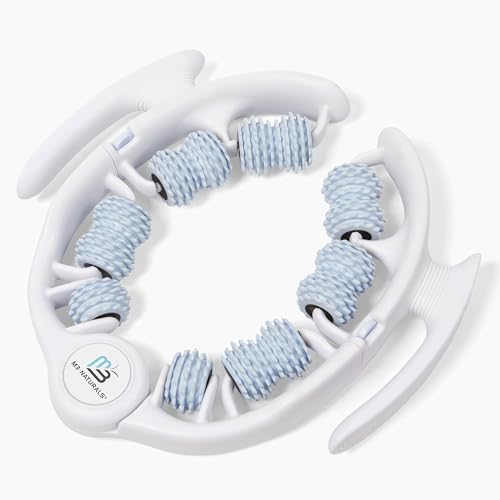
This product is a manual, handheld body-massage roller with a split, multi-roller frame. The marketplace listing gives dimensions of about 10.8 by 10.4 inches and describes detachable rollers intended for arms, legs, buttocks, abdomen, back, and neck. It is used by rolling it over the body with pressure set by the user, optionally alongside a body oil or cream. The advertised purposes extend beyond ordinary massage to smoother-looking skin, cellulite reduction, microcirculatory flow, and lymphatic drainage. Those are manufacturer-stated marketing claims, not outcomes established for this exact roller in a published controlled trial. Human research on other mechanical massage approaches is mixed and uses substantially different, often powered, equipment and treatment protocols. The brand has a public customer-support contact, but no product-specific laboratory report, clinical protocol, material specification, or lot-traceability record was located in this review.
This product suits an adult who wants a non-powered self-massage tool for short sessions on large, accessible areas such as thighs, calves, buttocks, or upper arms. It is most appropriate for someone comfortable adjusting pressure conservatively and treating the roller as a comfort or self-care accessory, rather than a proven cellulite treatment. The approximately 11-inch frame may be practical for broad-body rolling but is less suited to precise work on small areas. A buyer should also be willing to clean and inspect a reusable tool without relying on a published care or quality-testing record.
It is not suited to anyone seeking clinically demonstrated reduction of cellulite, skin tightening, fat loss, or treatment of swelling. Avoid use over broken, inflamed, sunburned, infected, recently shaved, or easily bruised skin. People with painful varicose veins, unexplained swelling, a clotting disorder, reduced sensation, active cancer treatment, or a diagnosed lymphatic disorder should ask a qualified clinician before deep or repeated rolling. It is also unsuitable for buyers who need verified material testing, formal sensitive-skin tolerability data, or clear lot-level product traceability.
This is a physical massage tool, not a leave-on oil or cream, so it does not present the fragrance, preservative, or phototoxic citrus-oil exposure that can accompany anti-cellulite topical products. The marketplace record identifies the roller material as silicone, but an independent product specification or material-safety report was not located. Use light pressure first and discontinue if rolling causes pain, persistent redness, bruising, or skin irritation. No named third-party certification, recycled-content claim, refill system, or packaging end-of-life instructions were located. No product-specific accredited laboratory reports were found for material identity, contaminants, durability, or stability. A public M3 customer-support channel and Florida mailing address were located. Searches of FDA recall and warning-letter resources did not identify a product-specific active recall or warning for this roller, but that does not verify manufacturing controls or substitute for lot information.
This is a 100 mL leave-on body massage oil intended for daily use after bathing, with massage focused on areas such as the abdomen, buttocks, thighs, and lower back. The current manufacturer page for one regional version describes a fast-absorbing oil for softening and smoothing skin, while the marketplace product is marketed more directly for cellulite, detox, and muscle relaxation. The same product code has materially different ingredient lists and claims across official regional pages and retailers. A current manufacturer formula lists rapeseed oil, fragrance, orange peel extract, sea buckthorn oil, sea fennel extract, and declared fragrance allergens. Other listings for the same product code list almond, sunflower, lemon, juniper, thyme, and rosemary oils. Check the bottle label before use. No controlled human study of this exact finished product was located for visible cellulite improvement, and no public independent laboratory report was found for finished-product testing.
This product suits an adult who wants a scented 100 mL body oil primarily for post-shower massage and temporary skin-softening, and who is comfortable with a strongly aromatic formula. It is most relevant for someone who treats the cellulite language as cosmetic positioning rather than a demonstrated treatment outcome. The stated $72 price is a premium cost for a small bottle, so the use case is occasional self-massage or a sensory body-care routine rather than heavy daily whole-body application.
It is not well suited to people seeking a proven method to reduce visible cellulite, body fat, swelling, or muscle pain. Those outcomes were not substantiated for this exact product. Avoid or seek clinician guidance if you have fragrance allergy, prior allergic contact dermatitis, citrus sensitivity, asthma triggered by fragrance, or compromised skin. People who are pregnant or breastfeeding should be especially cautious, since retailer instructions for this product code advise against use during pregnancy and lactation. Do not apply to freshly shaved, irritated, or broken skin.
The main health consideration is fragrance exposure. The published formula includes fragrance plus limonene, linalool, citral, geraniol, and citronellol, all relevant to people with fragrance sensitivity. Other official and retailer pages for the same product code list lemon and juniper oils. FDA identifies fragrances as a common cosmetic-allergen category, and IFRA restricts cold-pressed lemon oil in sun-exposed leave-on products because of phototoxicity. Public safety testing and precise essential-oil concentrations were not found. The manufacturer identifies a glass bottle and cardboard liner, which are potentially recyclable where local systems accept them. However, the plug and screw closure are plastic components with more limited or mixed disposal routes. No product-specific organic, vegan, cruelty-free, or sustainable-sourcing certification was presented on the verified product page, and no third-party certification record was found for this product.
This is a rechargeable, handheld rotating and vibrating body massager supplied with four interchangeable heads, a USB-C cable, and a lavender massage oil. The manufacturer specifies six settings from 1,600 to 2,500 RPM, a 10-minute automatic timer, 9 mm amplitude, and 3 to 5 hours of use per charge. It is intended for adult, in-home soft-tissue massage. The product is marketed for soreness, circulation, lymphatic drainage, skin firming, sculpting, and cellulite reduction. LifePro’s own manual states that its suggested or implied health benefits are not certified or endorsed by a regulator or medical institute. FDA information supports that massage or vibration may temporarily improve cellulite appearance, but no independent controlled human study of this exact product was located. The included oil is identified only as lavender massage oil, without a public full ingredient list or independent finished-product testing report.
This product suits an adult who wants a compact, cord-free home tool for brief, light-to-moderate soft-tissue massage after activity, and who will follow the manual closely. Its adjustable rotary action and included head shapes may be useful for someone who values changing the feel and contact area of a massage session rather than using a single fixed attachment. It is most appropriate when the goal is comfort, relaxation, or routine muscle massage, not treatment of swelling, lymphatic disease, fat reduction, or a lasting cellulite change.
It is not appropriate for anyone seeking a medically validated lymphatic-drainage treatment, a proven cellulite intervention, body-fat reduction, or treatment for scar tissue. Avoid self-treatment without clinician guidance during pregnancy, after recent surgery, or with an implanted cardiac device, diabetes with neuropathy, epilepsy, osteoporosis, fractures, spinal disorders, inflammatory injuries, or significant joint disease. Do not use it on swollen, bruised, inflamed, or broken skin. People with fragrance sensitivity, lavender allergy, eczema, or highly reactive skin should not assume the included oil is suitable because its full formula is not publicly disclosed.
The massager is a lithium-ion, USB-C rechargeable device rather than a disposable-battery product. Its manual identifies ABS plastic construction, says the product is made in China, and directs owners to dispose of the unit and accessories according to applicable state and federal rules. It does not provide component resin codes, a take-back program, repairability details beyond its stated warranty, recycled-content evidence, or substantiated lower-impact packaging information. The included lavender oil is a relevant exposure issue because the device is designed to be used directly on skin with oil or lotion. The public product materials located identify it only as lavender massage oil, not as a complete cosmetic ingredient label. No verified organic, cruelty-free, vegan, dermatologist-tested, or sustainability certification was located for this product. No product-specific FDA recall, warning letter, or independent laboratory report was located in the checks performed. The manual does provide meaningful use limits, including avoiding wounds and sensitive body areas, stopping for pain or bruising, and consulting a clinician for listed health conditions.
This is an 8-fluid-ounce leave-on body massage oil for thighs, hips, curves, and other body areas with visible uneven texture. Directions from the manufacturer say to massage a generous amount into skin in circular motions until absorbed. The formula uses sunflower, rice bran, and grapeseed oils, with lemon peel, grapefruit, and eucalyptus oils, hydrolyzed collagen, apple fruit cell culture, and phenoxyethanol. The maker describes it as fast-absorbing and says it supports smoother-looking, firmer-looking skin and less noticeable dimpling. Those are manufacturer claims, not outcomes supported by a published controlled trial of this finished product located in the reviewed public sources. The complete ingredient list is publicly available and separately corroborated by a retailer listing, including limonene, citral, and linalool, which helps buyers identify fragrance-related sensitivities.
This product suits an adult who wants an 8-fluid-ounce scented body oil for manual massage after bathing and who primarily values slip, moisture, and a citrus-eucalyptus sensory experience. It is most aligned with someone who can use fragranced leave-on body products without difficulty and understands that the firming and cellulite language is a cosmetic manufacturer claim, not independently demonstrated performance for this formula. The disclosed ingredient list also helps a buyer screen for known sensitivities before use.
It is not well suited to people with fragrance allergy, prior reactions to essential oils, eczema-prone or actively irritated skin, or sensitivity to limonene, citral, linalool, citrus, or eucalyptus oils. It also does not fit someone seeking clinically demonstrated cellulite reduction, a fragrance-free body oil, or documented dermatologist-supervised testing. Use around freshly shaved, broken, or inflamed skin deserves extra caution because the public directions do not give specific guidance for those situations or for daytime sun exposure.
The public formula disclosure is a meaningful transparency strength. It identifies the carrier oils, essential oils, preservative, water phase, collagen, apple cell culture, and three fragrance constituents commonly relevant to sensitivity screening. Because this is a leave-on oil containing lemon peel and grapefruit oils plus limonene, citral, and linalool, sensitivity and sun-related precautions matter. Public retailer directions advise external use only, avoiding eyes, and stopping for irritation, but they do not include patch-test, broken-skin, or sun-exposure guidance. No public finished-product report from an accredited outside laboratory was located for ingredient levels, contamination, stability, or preservative performance. No verified third-party cruelty-free, vegan, organic, or sustainability certification was located for this product. The public materials also do not provide container material, recycled-content, refill, or locally actionable recycling information, so its end-of-life impact cannot be established from available documentation.
This is a 100 mL leave-on body oil for twice-daily, whole-body massage. Its oil base includes sunflower, olive, macadamia, jojoba, coconut and açaí oils, plus squalane. Sol de Janeiro directs users to massage it into clean, dry skin in circular motions, particularly on the stomach, thighs, hips and arms. The complete ingredient list is published by the manufacturer and includes guaraná, muirapuama, jaboticaba and plankton extracts. The brand reports finished-product studies involving 34 participants for firmness at 12 weeks and 29 participants for stretch-mark appearance at 8 weeks, but full protocols, standardized photographs, numerical outcomes and independent publication were not located. No independent controlled human evidence was found for visible cellulite improvement with this exact oil. It is strongly fragranced with Cheirosa 62 and lists multiple fragrance allergens.
This product suits an adult who wants a scented 100 mL body oil for a twice-daily massage ritual and primarily values emollient skin feel, glow and the Cheirosa 62 fragrance. It is most practical for someone comfortable using fragranced leave-on products across large areas of intact body skin. The formula is also relevant for buyers who want the manufacturer to disclose the full ingredient list and specific fragrance-allergen names, and who can use the stated glass and Pact collection disposal routes where available.
It is not well suited to people with fragrance allergy, prior allergic contact dermatitis, very reactive skin, eczema-prone areas, or respiratory sensitivity to scent. FDA identifies several ingredients listed here, including limonene, linalool and citral, among common cosmetic fragrance allergens. It also does not fit someone seeking independently published evidence that a product will reduce visible cellulite, produce lasting body contour changes, or provide medically meaningful lymphatic drainage. Avoid applying to irritated, freshly shaved or broken skin until individual tolerance is known.
The published formula is transparent about its plant oils, extracts, fragrance and numerous fragrance allergens. That disclosure is useful because fragrance reactions can include contact dermatitis in susceptible people. The product is a leave-on oil with no water listed, although no public product-specific preservative challenge test, microbial test, patch-test report or independent laboratory certificate was located. Sol de Janeiro's directions do not replace a personal patch test for people with known fragrance sensitivity. Sol de Janeiro states that the carton is recyclable, FSC certified, made with 80% post-consumer recycled content and manufactured using renewable electricity. It also instructs users to rinse and recycle the glass bottle, while directing the silicone sleeve and pump to Pact Beauty Packaging Collection sites. These are useful end-of-life directions, but they are manufacturer statements. PETA's United States cruelty-free database lists Sol de Janeiro, supporting the brand's animal test-free certification claim. No product-specific FDA recall or warning letter was located in the checked sources.


