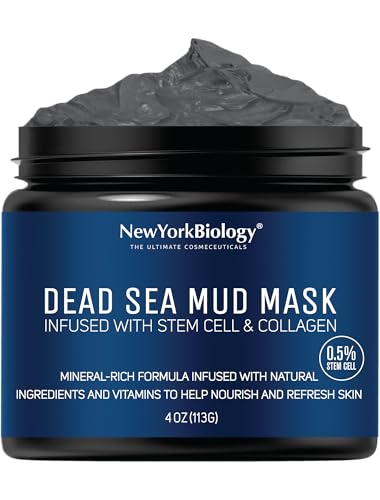
Best Overall
10% Coupon

MAREE Keratin Hair Treatment Mask
Deeply conditions for noticeable hair softness.
Promotes hair growth and repair effectively.
Keratin formula enhances hair strength and shine.
 Lauren Wilson
Deeply conditions for noticeable hair softness.
Promotes hair growth and repair effectively.
Keratin formula enhances hair strength and shine.

Deeply nourishes and repairs damaged hair.
Suitable for all hair types.
Infused with argan oil for added shine.

Effectively neutralizes brass and yellow tones.
Enhances shine for silver and gray hair.
Professional-grade formula for salon-like results.
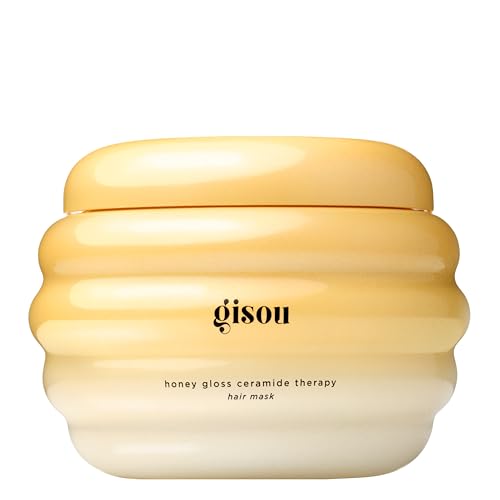
Infused with nourishing Mirsalehi honey.
Leaves hair soft and manageable.
Enhances natural shine and hydration.

Nourishes hair with Shea Butter and Keratin.
Free from parabens, phthalates, and sulfates.
Enhances shine and hydration for fine hair.
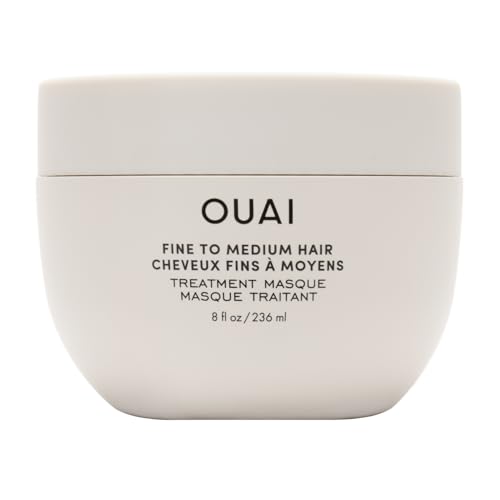
Nourishes with shea butter and keratin.
Free from parabens, phthalates, and sulfates.
Enhances shine and hydrates effectively.

Repairs hair from the inside out.
Effective even on color-treated hair.
Quick and easy application process.

Deeply hydrates and revitalizes dry hair.
Effectively controls frizz and seals cuticles.
Suitable for medium to coarse hair types.

Deeply nourishes and revitalizes damaged hair.
Leaves hair silky, smooth, and frizz-free.
Contains natural ingredients for healthier hair.

Nourishes with jojoba oil and natural extracts.
Effective repair for dry, color-treated hair.
Controls frizz, leaving hair smooth and manageable.
The formula matters more than the headline ingredient. Fatty alcohols, cationic conditioning agents, silicones, oils, butters, humectants, panthenol, and proteins can support easier combing and a smoother-feeling hair surface, but an ingredient’s presence does not prove that a particular product repairs hair. Look for a current, legible full ingredient list, net contents, directions, warnings, product identity, and reachable responsible person. A complete list also lets buyers screen for fragrance, named fragrance allergens, preservatives, dyes, proteins, botanical extracts, and other personal triggers.
Use instructions are part of product safety. Rinse-out masks in the supplied set commonly specify application to lengths and ends, contact times of about three to 20 minutes, and thorough rinsing. A leave-in treatment should clearly state that it is not rinsed and should provide a realistic dose and processing time. Claims such as “four times stronger,” “clinically proven,” “repair,” “bond building,” “growth,” or “split-end repair” need careful reading: a hair-tress test is not a human clinical study; a one-use result does not establish lasting benefit; and smoother appearance or lower combing force is not the same as permanent structural repair. Hair-growth or hair-loss-prevention language can also move beyond an ordinary cosmetic claim.
For water-containing masks, credible quality evidence includes preservative-efficacy testing under ISO 11930, microbiological limits under ISO 17516, and manufacturing controls consistent with ISO 22716. Stronger documentation would identify the finished product and lot, disclose methods and results, and come from an ISO/IEC 17025 laboratory accredited through an organization such as A2LA or ANAB. The supplied reviews repeatedly found that these documents were not publicly available, even where brands described internal testing.
Environmental claims need the same precision. “Natural,” “clean,” “organic,” “biodegradable,” “recyclable,” and “cruelty-free” are not interchangeable. Product-specific ingredient evidence should address biodegradability and aquatic effects using methods such as OECD 301 and OECD 201/202/203 where relevant. Packaging claims should identify recycled content, material, refillability, or disposal conditions rather than relying on a general brand statement. Certification claims should be checked in the applicable issuer register, including USDA Organic, EPA Safer Choice, Leaping Bunny, NSF, FSC, or other named certification databases when claimed.
Across the supplied products, recurring cautions are fragrance and reactive-scalp concerns. Many formulas contain parfum plus named allergens such as limonene, linalool, citronellol, hexyl cinnamal, benzyl alcohol, or other fragrance materials. Several also contain preservatives or ingredients associated with contact-sensitivity concerns, including methylisothiazolinone, methylchloroisothiazolinone, DMDM hydantoin, and formaldehyde-releasing or sensitizing systems. Buyers with fragrance allergy, eczema, scalp irritation, or known ingredient sensitivities should prefer a genuinely fragrance-free, fully disclosed formula and avoid inflamed or broken skin. Protein, wheat, soy, almond, macadamia, botanical, bee-derived, and plant-oil sensitivities also recur. No product should be relied on for hair loss, scalp disease, or permanent damage reversal.
The scores below compare the supplied products against the same health, ecology, and evidence criteria. A high score reflects stronger substantiation, disclosure, or control for that topic; it does not mean a product is risk-free or suitable for every scalp or hair type.
This measures whether the complete formula has credible safety support for routine rinse-off or leave-in exposure to hair, scalp, skin, and eyes. For a mask, clear directions and limited contact time matter. Among the supplied products, higher scores reached 77, while lower scores fell to 48 where fragrance, sensitizing ingredients, or other formula concerns weakened the overall safety picture.
This measures how clearly a product controls and discloses fragrance, essential oils, preservatives, dyes, and other common triggers. Masks contact hair and may touch the scalp, so a full list is especially useful for reactive users. Scores ranged from 45 to 74: products with fragrance allergens, isothiazolinones, or complex botanical blends scored lower, while a simpler disclosed oil format scored higher, though it was not risk-free.
This measures whether the package and listing provide a current full INCI list, identity, net contents, directions, warnings, and responsible-person contact. It matters because buyers need to screen a mask before applying it. Supplied scores ranged from 58 to 86. Higher-scoring products published detailed current formulas and directions; lower-scoring listings disclosed only selected ingredients or had formula-version uncertainty.
Water-containing masks need an effective preservative system, controlled manufacture, shelf-life protection, and lot traceability. A high score indicates stronger available evidence of those controls, not merely the presence of a preservative on the label. Scores were generally clustered between 70 and 75, because no supplied product provided a publicly inspectable lot-linked preservative challenge report, microbiological result, or finished-product certificate.
This measures whether the product’s directions, contact time, rinse or leave-in status, cautions, and intended hair type reduce avoidable buildup, eye exposure, dryness, or breakage. Scores ranged from 63 to 80. Higher-scoring products gave specific length-and-end application, timed use, and rinse directions; lower scores reflected conflicting contact-time guidance or less precise directions.
This measures whether hydration, shine, detangling, strengthening, repair, bond-building, and growth claims are bounded to realistic cosmetic effects. Scores ranged from 45 to 77. Higher-scoring products described conditioning or frizz outcomes more cautiously; lower-scoring products used repair, growth, or bond language that exceeded the available evidence or conflicted with the disclosed formula.
This measures whether an accredited independent laboratory tested the finished product or identifiable lot and disclosed methods, results, accreditation, and batch linkage. Because this topic carries extra weight, its absence affects overall standing substantially. Supplied scores were mostly 68 to 70: no product provided the complete public lot-linked safety, microbiology, preservative, and laboratory documentation needed for a high-confidence result.
This measures transparent product-specific human-use or controlled hair-tress testing against a meaningful comparator, including method, duration, result, and limitations. Scores ranged from 68 to 78. The strongest evidence included peer-reviewed testing on commercial treated hair tresses; weaker evidence consisted of brand-reported tests without public protocols, comparators, raw results, or human participants.
This measures whether vegan, cruelty-free, organic, sustainable, fragrance-free, or similar claims correspond to an independent standard and current issuer record. Scores ranged from 52 to 88. Higher-scoring products had product-level verification through recognized certification reporting; lower-scoring products relied on brand or marketplace attributes without a matching public registry entry.
This measures whether a disclosed rinse-off formula avoids or substantiates reductions in persistent, poorly biodegradable, or aquatic-toxicity concerns. It matters because masks are washed into wastewater. Scores ranged from 52 to 70. Higher-scoring products had either simpler formulas or some biodegradability evidence; lower-scoring products contained silicones, cyclic siloxanes, fragrance materials, or incomplete disclosure without product-specific environmental testing.
This measures packaging quantity and whether recycled-content, refill, recyclability, compostability, or plastic-reduction claims are specific and verifiable. Scores ranged from 68 to 76. Higher-scoring products had a stated PCR or recyclable package, though the reviews often noted missing resin, percentage, certification, or local-disposal details. Jar-heavy products without verified end-of-life information scored lower.
This is a 10-fluid-ounce, rinse-out deep-conditioning hair mask in a jar for dry, damaged, frizzy, color-treated, straight, wavy, or curly hair. The manufacturer presents it as a flexible conditioner, mask, or longer treatment, with 2 to 3 minutes, 10 minutes, or up to 30 minutes of contact time followed by rinsing. Its defining limitation is formula certainty. The manufacturer’s current product page lists a conditioning base with keratin, collagen, biotin, coconut oil, fragrance, parabens, and methylchloroisothiazolinone plus methylisothiazolinone. A separately accessible brand page for a similarly named mask instead lists argan and jojoba oils, phenoxyethanol, and fragrance allergens, without those isothiazolinone preservatives. That mismatch makes the package ingredient declaration especially important.
This product suits an adult who wants a jarred rinse-out conditioner for occasional softness, detangling, shine, and frizz control on dry or chemically treated lengths. It is most straightforward for someone who can check the ingredient declaration on the exact jar before use, does not have a fragrance or isothiazolinone preservative allergy, and prefers a treatment that can be used briefly after shampooing or left on longer before thorough rinsing. The 10-ounce size fits a regular home hair-care routine.
This product is not well suited to anyone with a known allergy to methylisothiazolinone, methylchloroisothiazolinone, fragrance, or listed fragrance allergens, especially because accessible formula information is inconsistent. It is also a poor fit for people seeking a fragrance-free mask, a product with a fully stable online formula disclosure, or independently documented clinical repair and breakage results. Avoid use on an irritated, broken, or actively inflamed scalp unless a clinician has advised otherwise, and stop use if irritation occurs.
The available information supports treating this as a conventional fragranced rinse-out conditioner, not a fragrance-free or independently safety-verified formula. The manufacturer discloses conditioning ingredients, proteins, oils, and preservatives on its product pages, but the two accessible lists do not agree. One lists methylchloroisothiazolinone and methylisothiazolinone. Cosmetic Ingredient Review assesses that preservative pair as usable in rinse-off cosmetics only when formulated to be nonsensitizing and within concentration limits. It remains a practical trigger to avoid for sensitized users. No independently verifiable cruelty-free certification, environmental certification, recycled-content claim, refill program, accredited finished-product test report, or lot-linked quality documentation was located. The jar is plastic packaging, with no specific disposal or recycled-material information found. The disclosed formulas also include conventional silicones, chelating agents, fragrance, and conditioning polymers, so there is not enough ingredient-level biodegradability or aquatic-toxicity evidence to support a lower-impact rinse-off chemistry claim. No product-specific FDA recall or warning letter was found in the reviewed resources.
This is a 500 mL, cream-format rinse-off hair mask marketed for dry, damaged, frizzy, color-treated, bleached, curly, or chemically processed hair. The manufacturer directs users to apply it after shampooing, leave it on for 5-10 minutes, up to 15 minutes for severely damaged hair, then rinse. It is positioned as a weekly treatment, generally 1-2 times per week. The manufacturer-published ingredient list identifies a conditioning base of cetearyl alcohol, stearamidopropyl dimethylamine, plant oils and butters, hydrolyzed wheat and soy proteins, cyclopentasiloxane, phenoxyethanol, and fragrance. However, that same current page promotes hydrolyzed collagen and keratin, while neither appears in its own full ingredient list. No product-specific accredited laboratory report, batch-linked certificate of analysis, or controlled human or hair-tress performance report was located.
This product suits an adult with dry or cosmetically stressed hair who wants a large rinse-off conditioning treatment and is comfortable with fragranced products. Its stated use is straightforward, after shampooing on damp hair for 5-10 minutes, and the 500 mL container can suit people who use a mask once or twice weekly. It is most relevant for someone seeking temporary softness, slip, and easier detangling from a conventional oil, fatty-alcohol, cationic-conditioning, and silicone-containing mask, rather than documented structural hair repair.
People with fragrance allergy, recurrent scalp dermatitis, or known sensitivities to wheat, soy, or botanical extracts should favor a clearly fragrance-free product with a simpler, consistently disclosed formula. It is also a poor fit for buyers who need independently verified finished-product safety testing, batch-specific quality documents, or demonstrated breakage and repair results. Those avoiding silicones, or requiring a confirmed vegan or certified cruelty-free product, should choose a product whose formula and certification status can be independently checked. Avoid eye contact and discontinue use if irritation occurs.
The current manufacturer ingredient list shows a conventional water-based conditioning mask with cetearyl alcohol, stearamidopropyl dimethylamine, coconut, argan and avocado oils, shea butter, hydrolyzed wheat and soy proteins, cyclopentasiloxane, phenoxyethanol, and fragrance. Fragrance and several plant extracts make the formula less suitable for users who need a low-allergen, fragrance-free scalp routine. No FDA recall, safety alert, or warning letter specifically naming this product was located in the checks performed. There is no located public evidence of ISO 11930 preservative-efficacy testing, ISO 17516 microbiological testing, or a lot-linked finished-product certificate of analysis. The brand also provides no substantiated biodegradability, aquatic-toxicity, recycled-content, refill, or recyclability evidence for this rinse-off product and its jar. Its organic, vegan, and cruelty-free language was not confirmed in the relevant independent certification registers, and the stated collagen claim conflicts with the published ingredient list.
This is a 16.9 fl oz, or 500 mL, purple cream hair mask intended as a rinse-off toner and conditioner for bleached, light-blonde, silver, gray, highlighted, or color-treated hair. The manufacturer directs users to apply it to clean, damp hair, leave it for 5 to 10 minutes, then rinse thoroughly. It also advises a strand test, avoiding scalp contact, and limiting contact time to reduce unwanted violet or gray pigment deposit. Formula disclosure is a relative strength. Karseell publishes a complete 22-ingredient list, and an independent beauty retailer lists the same formula. It is built around fatty alcohols, cationic conditioning agents, silicones, and violet colorant CI 60730. The published formula also contains fragrance, benzyl alcohol, methylisothiazolinone, methylparaben, and propylparaben. No finished-product laboratory report, lot-linked certificate of analysis, or controlled performance study was located.
This product suits an adult with level 8 or lighter bleached, highlighted, blonde, silver, or gray hair who wants a short-contact rinse-out step to reduce visible yellow or orange warmth between color services. The 500 mL tub is also practical for people who use toning masks repeatedly and can follow a timed application. It is most appropriate for users without known sensitivity to fragrance, methylisothiazolinone, benzyl alcohol, or the other disclosed ingredients.
This product is not well suited to people with prior methylisothiazolinone allergy, fragrance sensitivity, reactive scalp conditions, or a history of cosmetic contact dermatitis. It also is not intended to visibly tone natural dark hair, according to the manufacturer. Users seeking a fragrance-free formula, independently certified cruelty-free status, verified biodegradability, or lot-specific microbiological and preservative testing documentation will need a product with those records available. Avoid use near the eyes, and avoid prolonged contact on porous or very damaged hair because pigment may overdeposit.
The published ingredient list makes the main health tradeoffs assessable. This is a rinse-off product, and its directions call for thorough rinsing after 5 to 10 minutes. However, it contains fragrance, benzyl alcohol, and methylisothiazolinone. FDA identifies fragrances, preservatives including methylisothiazolinone, and dyes among common cosmetic allergen categories. Cosmetic Ingredient Review supports methylisothiazolinone in rinse-off products up to 100 ppm, but sensitized users are advised to avoid it. No Karseell-specific FDA recall, safety alert, or warning letter was located in the reviewed FDA resources. The formula includes cyclopentasiloxane, also called D5. European chemical authorities identify D5 as very persistent and very bioaccumulative, and restrict D4 and D5 in wash-off cosmetics at specified concentrations. The manufacturer claims cruelty-free status, but this claim is not backed here by a confirmed independent certification listing. No verified recycled-content, refill, recyclable-material, or reduced-plastic claim was found for the 500 mL jar.
This is a 7.8 fl oz, 230 mL cream hair mask intended for use after shampooing. The directions are to apply it over the lengths and ends of damp hair, leave it for five to seven minutes, then rinse thoroughly. Gisou also describes weekly overnight use as an optional intensive treatment. The verified formula includes fatty alcohols and cationic conditioning agents, shea butter, honey, propolis wax, ceramide NP, three hyaluronic-acid derivatives, panthenol, plant oils, fragrance, colorants, and sodium benzoate. Gisou and Sephora report results from an independent lab study, including smoother, stronger, shinier hair and reduced frizz. However, the public claim does not disclose the laboratory, protocol, comparator, sample, duration, statistics, or product batch. The Amazon record's unscented designation conflicts with the manufacturer ingredient list and retailer description, both of which identify fragrance.
This product suits adults seeking a conventional rinse-out conditioning mask for dry-feeling, rough, frizz-prone, curly, color-treated, or mechanically stressed mid-lengths and ends. Its 230 mL jar and five to seven minute use fit a regular wash-day routine, especially for someone comfortable with a rich cream formula and a honey-floral fragrance. It is also relevant for buyers who value a disclosed formula containing cationic conditioning agents, ceramide NP, panthenol, and multiple hyaluronic-acid derivatives, while understanding that the strongest performance numbers remain manufacturer-reported.
It is not a good fit for people avoiding fragrance, citrus-derived aromatic materials, or declared fragrance allergens. Those with prior scalp or skin reactions to parfum, limonene, linalool, coumarin, bergamot, or citrus peel oil should be especially cautious. It is also unsuitable for vegans because it contains honey and propolis wax, and may not suit people with bee-product sensitivities. Buyers who require fragrance-free labeling, a pump or tube that minimizes hand contact, independently published microbiology testing, or fully inspectable clinical performance reports should choose a product documented to those standards.
The formula is not fragrance-free. It contains parfum, citrus and bergamot-derived aromatic ingredients, and several declared fragrance allergens. That gives ingredient-aware users useful information, but it makes the mask less straightforward for reactive scalps and fragrance-sensitive households. The formula also contains honey and propolis wax, so it is not vegan. Ceramides have a Cosmetic Ingredient Review safety assessment supporting their use in cosmetics at assessed practices and concentrations, but that does not replace finished-product testing for this particular mask. Gisou says its paper-based packaging uses FSC-certified paper and that it works with recycled plastic, aluminum, and sugarcane-based materials. Those are brand-level statements, not product-specific proof of this jar's recycled content, recyclability, or local disposal outcome. No public, lot-linked microbiology, preservative-efficacy, or finished-product safety report was located. The cruelty-free statement in the marketplace record was not independently verified through a current third-party certification register.
This is a 3.4 oz travel-size, rinse-off conditioning mask for fine to medium hair. OUAI directs users to apply a quarter-size amount after cleansing, distribute it from ends toward roots, leave it on for five minutes, then rinse with cool water. The formula is a cream built around fatty alcohols, cationic conditioning agents, glycerin, shea butter, panthenol, amodimethicone and several hydrolyzed proteins, including keratin. The manufacturer publishes a full ingredient list and states that the formula is free of SLS, SLES, parabens, phthalates and gluten. Its hydration, frizz-control, shine and strengthening claims are manufacturer claims. Ingredient-level research supports the plausibility of conditioning and panthenol-related strength effects, but no public product-specific clinical, hair-tress, breakage or combing report was identified.
This mask fits an adult with fine to medium hair who wants a compact rinse-off treatment for occasional dryness, rough feel, frizz or difficult combing. It is most appropriate for someone comfortable with a scented product and a five-minute shower step, and who prefers a formula with a clearly published ingredient list. The 3.4 oz size is also practical for travel, sampling the formula or keeping a treatment in a gym bag. Its conditioning ingredients support cosmetic softness and manageability rather than a medical scalp use.
People with fragrance allergy, scent-triggered headaches, eczema around the hairline or a reactive scalp should choose a genuinely fragrance-free option. This formula contains parfum, aromatic plant extracts, benzyl alcohol, citronellol and linalool, and the package warning advises avoiding eye contact. It is also not the right product for someone seeking documented reversal of severe chemical damage, a measured breakage reduction, hair-loss treatment or scalp therapy. Households that need independently verified lot testing or a disclosed microbiological certificate should look for documentation that is not publicly available here.
The formula is rinse-off, and the manufacturer gives specific application and eye-exposure instructions. It also publishes a complete ingredient list, which allows users to identify fragrance, linalool, citronellol, benzyl alcohol, rosemary extract and other potential triggers before use. The product is scented, so its manufacturer-stated cruelty-free and free-from claims should not be mistaken for fragrance-free status. No independently verifiable finished-product safety, preservative-efficacy or batch certificate was located. OUAI states that the container is fully recyclable, but the available claim does not establish the material breakdown or whether curbside systems accept every component of the travel package. The disclosed rinse-off formula includes amodimethicone, polysilicone-15 and disodium EDTA, so there is not enough ingredient-level documentation to characterize it as a lower-impact wastewater formula. Searches of FDA recall and safety-alert resources did not identify a product-specific public recall or safety alert.
This is an 8 oz rinse-out conditioning mask for fine to medium hair. OUAI directs users to apply a quarter-size amount after cleansing, leave it on for five minutes, then rinse. Its intended role is short-contact conditioning for dryness, frizz, shine, and damage-related roughness rather than a leave-in repair treatment. The manufacturer publishes a full ingredient list. The formula combines fatty alcohols and cationic conditioning agents with amodimethicone, shea butter, panthenol, hydrolyzed keratin, and several other hydrolyzed proteins. Those are credible ingredient categories for temporary softness, slip, and easier combing. However, no product-specific independent clinical, hair-tress, preservative-challenge, or finished-batch test report was located. The formula is fragranced and declares citronellol, linalool, benzyl alcohol, botanical extracts, and several preservative ingredients, which matters for reactive scalps.
This product suits an adult with fine to medium hair who wants a periodically used, rinse-out mask for dry-feeling lengths, tangling, frizz, or roughness after coloring or heat styling. The five-minute contact time is practical for a shower routine, and the 8 oz jar is sized for repeated use rather than travel. It is most appropriate for someone comfortable with a fragranced, silicone-containing conditioner and seeking temporary improvements in slip, softness, shine, and combing rather than permanent restoration of damaged hair structure.
People with fragrance allergy, fragrance-triggered migraine, eczema around the hairline, or a reactive scalp should choose a clearly fragrance-free alternative. This formula contains parfum, citronellol, linalool, benzyl alcohol, botanical extracts, and multiple preservation agents. It also may not suit users avoiding silicones or protein-containing treatments, since it contains amodimethicone and several hydrolyzed proteins. Households that need independently documented batch testing, formal microbiological challenge testing, or published clinical performance data will not find those materials publicly available for this product.
The health-positive point is transparency. OUAI's official page gives a detailed ingredient list and specific rinse-out directions, allowing users to identify the conditioning base, preservative system, silicone, fragrance, and named fragrance allergens before use. Panthenol has a Cosmetic Ingredient Review safety assessment supporting its use in cosmetics, and ingredient-level research supports conditioning benefits from panthenol and protein-based conditioning systems. The main health limitation is fragrance exposure, not an identified recall or regulatory warning. The formula includes parfum, citronellol, linalool, benzyl alcohol, rosemary extract, ginger extract, and jasmine extract. No current FDA recall, safety alert, or warning letter specific to this product was located in the review. OUAI states it is cruelty-free and its jar is fully recyclable, but no current issuer-register confirmation or product-specific packaging-material and local recycling documentation was located. Public evidence also does not substantiate lower aquatic impact for the complete rinse-off formula.
This is a 15 mL leave-in cream treatment for dry, frizzy, heat-damaged, colored, bleached, or chemically treated hair. The directions are specific: shampoo without conditioner, towel-dry, distribute 1-3 pumps through the hair, wait four minutes, then do not rinse. K18 advises using it for 4-6 washes after a salon service, then as needed. The current manufacturer formula lists alcohol denat., conditioning agents, the proprietary sh-oligopeptide-78, hydrolyzed wheat ingredients, preservatives, fragrance, and declared fragrance allergens. A peer-reviewed fiber study tested the commercial product for four minutes on bleached hair and found a 19.5% increase in tensile strength versus untreated bleached fibers. That is useful independent evidence, but it was a small tress study, not a human clinical trial.
This product is most relevant to someone with visibly bleach-, color-, chemical-, or heat-damaged lengths who wants a compact leave-in treatment rather than a rinse-out conditioner. It suits users willing to follow the routine closely, especially skipping conditioner before application and limiting the dose to 1-3 pumps. The 15 mL size is practical for trying the method or for travel, but it is a small amount for very long, dense, or frequently washed hair. It is better matched to damaged lengths than to a scalp-focused routine.
People with fragrance allergy, fragrance-triggered migraine, active scalp dermatitis, unexplained itching, or a history of reactions to leave-in hair products should be cautious because the formula remains on the hair and includes parfum plus declared fragrance allergens. It is also not a good fit for anyone seeking a fragrance-free product, published lot-specific microbiology testing, or human clinical evidence for permanent structural restoration. Users who need intensive slip or moisture may need an additional compatible conditioner after the four-minute wait, as this product is not used like a conventional rinse-out mask.
The formula is more transparent than many small-format hair treatments because K18 publishes a full ingredient list and explicit use instructions. It contains standard preservation ingredients, phenoxyethanol and potassium sorbate, and no product-specific FDA recall, safety alert, or warning letter was located in the sources reviewed. However, a public preservative-efficacy test, microbiological-quality report, and lot-linked certificate of analysis were not found. For sensitive users, the most important disclosure is fragrance. The leave-in formula includes parfum, geraniol, linalool, hexyl cinnamal, and benzyl alcohol, so it is not fragrance-free. K18 describes the product as vegan and cruelty-free, but no current independent certification record specific to this product was located. No verified recycled-content, refill, recyclability, biodegradability, aquatic-toxicity, or EPA Safer Choice certification claim was found for this small pump package or its formula.
This is a 200 mL, 6.7 fl oz rinse-out conditioning mask for dry, medium-to-coarse hair. It is used after shampooing in place of conditioner, left on for 3 to 5 minutes, then rinsed, with weekly use directed. The disclosed formula is a rich cream built around fatty alcohols, conditioning quats, plant oils including avocado, shea, coconut, sunflower, safflower, and abyssinian oils, plus the brand's bis-aminopropyl diglycol dimaleate ingredient. Olaplex publishes a full ingredient list and reports instrumental hair-tress results, including hydration through five washes and reduced breakage, frizz, and increased shine. Those performance figures are manufacturer-stated, not accompanied by a public protocol, comparator, laboratory identity, or finished-product report. The catalog's unscented description conflicts with the official formula, which contains fragrance and named fragrance allergens.
This mask fits an adult with dry, frizz-prone, medium, thick, or coarse hair who wants a rich weekly rinse-out conditioner rather than a leave-in treatment. It is also a practical format for someone with color-treated or bleached lengths who prefers a brief 3 to 5 minute contact time. The oil-rich, cationic conditioning formula is most aligned with people seeking easier detangling, softness, surface smoothness, and temporary humidity-frizz control. Buyers should treat the quantified five-wash results as brand-reported testing, not independently published clinical evidence.
It is not a strong fit for people with fragrance allergy, fragrance-triggered scalp symptoms, or a need for a genuinely fragrance-free product, because the official formula includes parfum and named fragrance allergens. It may also be too rich for very fine hair or for users prone to limp roots and buildup, especially if applied close to the scalp. People seeking a product backed by public independent lab reports, batch-specific microbial results, or externally verified vegan and sustainability certifications should choose a product that makes those documents available.
The official ingredient disclosure is substantially better than the catalog description, but it reveals an important labeling issue. The mask contains fragrance, hexyl cinnamal, limonene, and citral, despite the catalog calling it unscented. It also uses phenoxyethanol and chlorphenesin in a water-containing formula. Phenoxyethanol and behentrimonium methosulfate have Cosmetic Ingredient Review safety conclusions for their assessed cosmetic uses, but no public safety substantiation for this complete finished mask was located. Olaplex states that the formula excludes sulfates, silicones, phthalates, phosphates, parabens, MIT, MIC, and protein, and calls it vegan. No issuer-register confirmation was found for a product-specific certification behind that vegan claim. The disclosed rinse-off formula includes conditioning quats, fragrance, dyes, and a styrene-butadiene copolymer. No product-specific biodegradability, aquatic-toxicity, recycled-content, refill, or disposal evidence was found. No FDA recall, safety alert, or warning letter specific to this product was located in the searches performed.
This is a 10 fl oz rinse-out hair mask for dry, damaged, curly, and color-treated hair. The manufacturer presents it as a deep conditioner that may be used after shampooing, daily as a conditioner or weekly as a treatment. The Amazon directions say to leave it on for a few minutes, but do not specify an exact contact time. Keratin, argan oil, jojoba oil, coconut oil, and collagen are named across current seller listings, but no complete ingredient declaration in descending order was available to inspect online. That means the full preservative, fragrance, surfactant, and allergen profile remains unknown. An external 2026 awards page lists this product as a silver winner in a repair and strengthening hair masque category, although this is not a disclosed clinical or laboratory performance test.
This product fits an adult seeking a rinse-out conditioning mask in a 10 fl oz size for dry-feeling, color-treated, curly, or mechanically stressed hair. It is most suited to someone who wants flexible use, either in place of a regular conditioner or as an occasional longer rinse-out treatment, and who is comfortable relying on seller-stated ingredient highlights rather than a fully disclosed online formula. It is also more appropriate for users whose main goal is temporary softness, manageability, and shine rather than treatment of hair loss or scalp disease.
It is not well suited to people with fragrance sensitivity, contact allergy, eczema-prone scalp skin, or a known reaction to botanical oils, proteins, or common cosmetic preservatives, because a complete online ingredient list was not available. People with protein-sensitive hair may also prefer a product that discloses the type and concentration of its protein ingredients. Anyone seeking medically meaningful hair growth, hair-loss prevention, permanent split-end repair, or treatment for scalp inflammation should choose a product with appropriately substantiated claims or seek clinical guidance.
The clearest health limitation is transparency. Retail cosmetics require an ingredient declaration, yet the online product information reviewed names only selected ingredients rather than a complete formula. The mask is described as unscented, but that alone does not establish the absence of fragrance-related materials or other potential scalp irritants. Directions identify it as a rinse-out product, which is generally a lower-exposure format than a leave-in product, but the exact treatment time is not specified. No matching FDA recall, safety alert, or cosmetics warning letter was identified in the sources reviewed for this product or brand. No independently accredited finished-product safety, preservative-efficacy, microbiological, or batch-specific testing was publicly available. The product has no substantiated recycled-content, refill, recyclability, biodegradability, aquatic-safety, or reduced-plastic claim in the reviewed materials. The product's external award listing is not a safety certification or a replacement for laboratory testing.
This is a 7.05 fluid ounce, thick cream hair mask in a screw-top jar. It is intended as a rinse-out conditioning treatment for dry, damaged, frizzy, chemically treated, or heat-styled hair. The manufacturer directs users to apply it through the hair, use medium heat under a cap for 20 minutes, cool for 10 minutes, then rinse thoroughly. It is positioned for use once or twice a month. A current manufacturer safety data sheet, revised January 1, 2025, supplies a full ingredient list. It identifies cationic conditioning agents, fatty alcohols, amodimethicone, hydrolyzed and oxidized keratin, jojoba oil, panthenol, fragrance, phenoxyethanol, and other ingredients. GK Hair states that its Juvexin V2 component is plant-based quinoa and pea protein, but the finished product’s performance claims and safety testing were not independently published for inspection.
This product suits an adult with dry, rough, frizzy, color-treated, or heat-styled hair who wants an occasional, intensive rinse-out mask rather than a daily conditioner. It is most practical for someone comfortable following a longer treatment routine, including even application, 20 minutes of moderate heat, cooling, and a thorough rinse. The 7.05 fluid ounce jar is a moderate single-product size for people who use a mask once or twice monthly. It is also suited to buyers who value access to a current manufacturer ingredient disclosure.
It is not well suited to people with fragrance allergy, fragrance-triggered migraine, eczema, or an easily irritated scalp because parfum is part of the disclosed formula. It is also a poor fit for households seeking a fragrance-free product, an independently certified vegan or cruelty-free product, or a finished-product certificate tied to a batch. People who avoid heat styling, cannot reliably rinse thoroughly, or need a simple short-contact shower conditioner should consider a product designed and tested for those conditions instead.
The current manufacturer safety data sheet is a useful transparency strength. It lists the formula and identifies phenoxyethanol and ethylhexylglycerin in a water-containing cream. The same sheet gives manufacturer-stated microbial specifications, pH of 3.5 to 4.5, and instructions to keep the container closed to avoid bacterial contamination. Those details are not substitutes for an independent preservative-challenge test, microbiological report, or lot-specific certificate of analysis. The formula is fragranced and contains silicone and cationic conditioning materials, while no product-specific biodegradability or aquatic-toxicity evidence was provided. No recycled-content or recycling claim was substantiated for the jar. GK Hair markets the product as vegan and animal cruelty-free, but no independent seal was confirmed. FDA issued a September 2, 2015 warning letter concerning other GK Hair smoothing products that released formaldehyde when heated. That letter named smoothing treatments, not this deep conditioner.