Best Overall
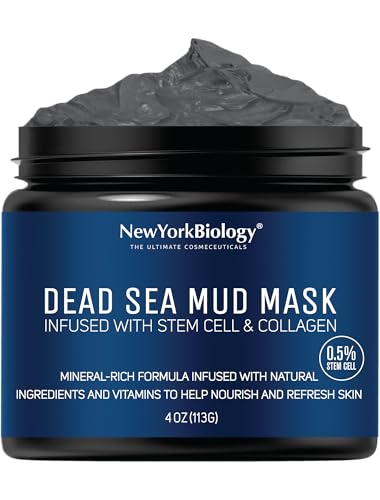
New York Biology Dead Sea Mud Mask
Combines stem cell and collagen benefits.
Targets acne and oily skin effectively.
Spa-quality experience at home.
 Lauren Wilson
Combines stem cell and collagen benefits.
Targets acne and oily skin effectively.
Spa-quality experience at home.
Effectively unclogs pores and reduces blemishes.
Contains salicylic acid for targeted acne treatment.
Lightweight gel formula, easy to apply.

Effectively reduces blackheads and unclogs pores.
Gentle on skin, suitable for daily use.
Improves skin texture and reduces fine lines.

Effectively targets and removes blackheads.
Convenient stick format for easy application.
Contains natural ingredients for gentle exfoliation.

Combines retinol and BHA for effective exfoliation.
Targets uneven texture and minimizes pores.
Developed by dermatologist for trusted results.

Effective overnight healing for blemishes.
Transparent design blends with skin tone.
Gentle on skin, easy to remove.
Gently exfoliates with dual-textured pads.
Contains lactic acid for smoother skin.
Convenient and easy-to-use application.

Combines glycolic acid with tea tree oil.
Includes vitamins E, B3, B5 for skin nourishment.
Offers exfoliation with added salicylic acid benefits.

Effectively reduces redness and blackheads.
Gentle formula for everyday use.
Contains salicylic acid for clearer skin.

Easy-to-use spray for hard-to-reach areas.
Contains 2% BHA for effective exfoliation.
Suitable for all skin types, including sensitive.
The most useful evidence begins with a clear, complete label. For an acne product, look for the active ingredient and concentration. The FDA over-the-counter acne range for salicylic acid is 0.5% to 2%; one supplied product discloses 2% salicylic acid and a pH range of 3.20 to 3.70, while another discloses 0.5%. By contrast, several acid products list lactic or glycolic acid without stating the percentage or final pH. Without those figures, it is difficult to judge strength, compare products, or estimate irritation risk. Retinol formulas should likewise disclose the amount, while buyers should remember that an ingredient being present does not prove that the finished product clears blackheads.
Directions matter as much as ingredients. Look for gradual introduction, patch testing, eye-avoidance, stop-use instructions, sun protection for alpha-hydroxy acids, and warnings about combining acne products, retinoids, scrubs, or other exfoliants. Conflicting directions are a meaningful warning sign: applying a product one to three times daily is a very different exposure from using it once or twice weekly. “Gentle,” “for all skin types,” “natural,” “dermatologist tested,” and “pore refining” are not substitutes for a concentration, a study, or clear limits on use. A pore cannot be permanently shrunk by a cosmetic product based on the supplied reviews, so claims should be read as temporary changes in appearance or surface buildup unless stronger evidence is provided.
For a powered device, look for adjustable, controlled settings; instructions to start low and keep the head moving; warnings for rosacea, eczema, broken or sunburned skin; cleanable contact parts; and charging and battery information. UL Product iQ or Intertek ETL directory records would be more meaningful than an uncheckable electrical badge. A stated suction level is not proof of safe performance: none of the supplied devices had independently verified suction-force testing, and home suction can cause bruising, broken capillaries, irritation, or skin tears.
For any water-based product or reusable head, microbial safety depends on preservation, packaging, and hygiene. Finished-product microbiology and preservative-challenge reports tied to the sold lot are stronger evidence than simply naming preservatives. For purity, look for recent, lot-linked independent testing for heavy metals and other relevant contaminants. Traceable labeling should identify ingredients or actives, net contents, the responsible company, lot or batch information, shelf-life or period-after-opening guidance, and a contact route. Environmental claims should specify packaging materials, recycled content, refill arrangements, and disposal instructions; “recyclable,” “biodegradable,” or “sustainable” alone does not establish what happens to the product after use.
Recurring safety concerns in the supplied products include irritation from leave-on acids, retinoids, fragrance, essential oils, and abrasive particles; added risk when products are layered; and suction injuries from home vacuums. Scrubbing can aggravate acne, while reusable heads require careful cleaning and should not be shared. Several products are unsuitable for eczema, rosacea, sunburned, broken, inflamed, or compromised skin. Persistent, painful, widespread, scarring, or cystic acne is not a good target for home extraction. One adhesive patch review also reported a serious voluntary adverse-event report involving dermatitis, blistering, and pigmentation changes; causation was not established, but adhesive-sensitive users should take it seriously.
These topics separate a product's intended mechanism from the evidence supporting it. The scores below reflect the supplied reviews and documented product information, not popularity, price, or customer ratings.
This measures irritation, allergy, barrier damage, photosensitivity, and whether directions explain patch testing, limits, warnings, and when to stop. High-scoring products supplied gradual-use or short-contact instructions, eye precautions, and stop-use advice. Lower-scoring products had fragrance, acids, abrasives, or retinoids without equally clear limits, or conflicting schedules. For blackhead care, safe spacing matters because stacking exfoliants can increase irritation.
This applies to suction, extraction, and powered devices: bruising, broken capillaries, skin tears, infection, battery safety, and cleaning. Higher-scoring tools offered adjustable settings, low-start guidance, moving-contact instructions, and removable heads. Lower-scoring tools lacked independently verified electrical listings, measured suction limits, or detailed cleaning protocols. A reusable tool still needs careful hygiene and is not automatically safer than a topical product.
This measures whether buyers can verify an active ingredient's concentration and, when relevant, final pH and stability. The supplied products ranged from clearly disclosed salicylic-acid strengths and pH data to acids or retinoids with incomplete formula control. High scores make expected benefit and irritation risk easier to judge; low scores leave the buyer relying on ingredient names and broad pore claims rather than a measurable formula.
Water-based gels, masks, pads, and jars need preservation, suitable packaging, and hygienic use; reusable heads need cleaning and drying. Higher-scoring products had practical lower-contact packaging or reusable-part cleaning directions, while most still lacked public finished-product microbiology or preservative-challenge reports tied to the sold lot. A named preservative system alone does not show that the finished product passed microbial testing.
This measures control of heavy metals, other impurities, and contact-material hazards. No supplied product had publicly accessible, lot-linked independent purity documentation strong enough to settle this question. High performance on this topic would mean a recent certificate from an ISO/IEC 17025-accredited laboratory and no unresolved safety action. For tools, the same principle applies to materials touching skin and to battery-related components.
This asks whether the exact finished product has credible human evidence for reducing comedones or improving their appearance. The supplied evidence was generally limited: some products had manufacturer-reported small studies or visible-blackhead claims, while others had no controlled study. A high score requires formula-specific controlled human outcomes, tolerability reporting, and disclosed methods—not ingredient folklore, reviews, or dramatic photographs.
This measures whether claims about blackheads, pores, acne, collagen, detox, or dermatologist testing match the evidence. Higher-scoring products described cosmetic effects more carefully or acknowledged a limited use case. Lower-scoring examples used broad claims despite missing studies, conflicting ingredient descriptions, or unsupported “all skin types” positioning. “Pore refining” should not be read as permanent pore reduction or disease treatment.
This measures whether safety, composition, performance, or certification claims are supported by an accessible independent body. The strongest supplied examples had product-specific active or pH documentation, but public lot-linked testing was uncommon. A high score would require a current report or certification identifying the exact formula, lot, method, date, laboratory, and pass criteria; a brand-created badge alone is weaker evidence.
This measures whether the buyer can identify ingredients or actives, net contents, responsible company, lot or batch details, shelf life, and a contact route. Higher-scoring products supplied Drug Facts or fuller ingredient and use information. Lower scores reflected missing or conflicting directions, incomplete formula disclosure, or uncertain product specifications. Clear traceability matters if a product changes, is recalled, or causes a reaction.
This measures single-use pads, patches, strips, tips, excess packaging, and the credibility of recycling, refill, recycled-content, biodegradable, or compostable claims. Reusable heads and rechargeable devices can reduce disposable items, but they create electronic or cleaning burdens. Products with specific material and disposal information score better than those making only general eco claims. Single-use pads and patches create recurring waste across every application.
This is a 4-ounce, non-powered wash-off mud mask for face and body. It is marketed for oil, visible pores, blackheads, cleansing, and a firmer-looking complexion. The practical mechanism is a rinse-off blend of sea silt and kaolin, rather than suction, extraction, or an acne drug. An independent ingredient database lists 26 ingredients, including sea silt, kaolin, glycerin, aloe, jojoba oil, saffron meristem cell extract, collagen, sodium hyaluronate, lavender oil, potassium sorbate, and sodium benzoate. The brand states that the formula helps absorb oil and improve the appearance of pores and firmness. No concentration, pH, finished-product stability data, or controlled human study of this exact formula for blackhead reduction was located. The product page also did not provide patch-test or stop-use guidance.
This product suits an adult who wants an occasional, non-powered rinse-off mask for a temporary cleaner, less oily skin feel, rather than a device or a medicated acne treatment. The 4-ounce jar is a manageable size for someone using a clay mask intermittently on the face or selected body areas. It is most appropriate for buyers who can tolerate fragranced skincare, will rinse it off promptly, and understand that the blackhead and firming claims are cosmetic appearance claims without located formula-specific clinical results.
It is not a strong fit for people with fragrance allergy, rosacea, eczema, a compromised skin barrier, or a history of reactions to essential oils, because the independently listed formula includes lavender oil and the product page lacks clear patch-test guidance. It is also unsuitable for buyers seeking a proven blackhead treatment, since no exact-formula clinical evidence was found and no acne active concentration is disclosed. People requiring vegan products should avoid relying on the brand claim without checking the current package, because the independently listed formula includes beeswax.
The main safety positive is structural. This is a wash-off mask, not a suction device, so it avoids vacuum-related bruising and broken-capillary risks. Its independently listed formula contains preservatives, potassium sorbate and sodium benzoate, but no lot-specific microbiology or preservative-challenge report was located. FDA guidance notes that water-containing cosmetics in jars can be contaminated through manufacture or finger contact, so use with clean, dry hands and stop use after irritation or a change in odor or appearance. The brand states that its packaging is fully recyclable, that ingredients are sustainably sourced, and that its products are cruelty-free and vegan. No package-specific material breakdown, recycled-content evidence, or third-party cruelty-free certification listing was located. More importantly, the independent ingredient list identifies beeswax, which conflicts with the vegan statement. No product-specific FDA recall, warning letter, or safety alert was located in the searched U.S. sources as of August 16, 2026.
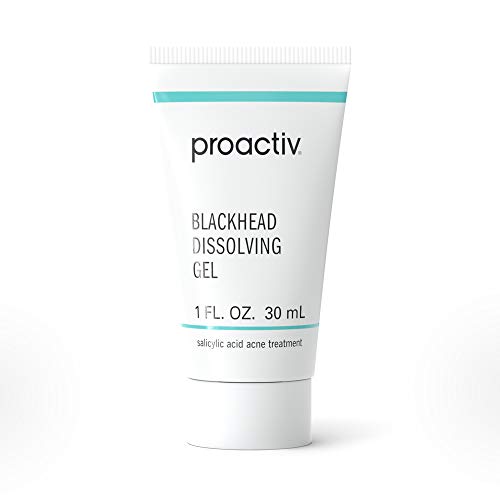
This is a 1 fl oz, 30 mL facial gel intended for blackheads and acne-prone areas. It is not an extraction tool. The manufacturer describes massaging it onto clean face and neck until it liquefies, leaving it for up to five minutes, then rinsing, once or twice weekly. The official U.S. over-the-counter drug label identifies 0.5% salicylic acid as the active acne-treatment ingredient and lists a water and silicone gel base with glycerin, panthenol, aloe, fragrance, preservatives, botanical extracts, and UV-filter ingredients. The defining strength is unusually clear active-ingredient disclosure in a current Drug Facts label. The defining caution is that the official label and the current brand page give materially different use directions. The official label calls for a new-user sensitivity test, then a thin layer followed by rinsing one to three times daily, while the brand page specifies a five-minute treatment one or two times weekly.
This product fits an adult or teen with occasional blackheads or mild comedonal acne who wants a small rinse-off salicylic-acid treatment rather than a suction device, peel, scrub, or pore strip. It is most practical for someone able to follow the official sensitivity test, introduce one acne active at a time, and monitor for dryness. The 30 mL size also suits a targeted facial routine rather than frequent large-area use. People who tolerate fragranced skin care may find the gel texture and rinse-off format easier to integrate than leave-on acne treatments.
It is not well matched to people with very reactive, fragrance-sensitive, peeling, sunburned, or broken skin, or anyone with a prior reaction to salicylates or topical acne products. Do not layer it casually with other acne medicines, exfoliating acids, retinoids, or abrasive scrubs, because the official label warns that combined topical acne treatment can increase dryness and irritation. People seeking treatment for widespread, painful, scarring, or persistent acne need assessment beyond a small blackhead-focused gel. Children should not have unsupervised access, because the label directs medical help or poison-control contact if swallowed.
The health-positive feature is the current U.S. Drug Facts label. It identifies the 0.5% salicylic-acid active, a full inactive-ingredient list, a responsible distributor, net contents, contact number, external-use warning, sensitivity test, and instructions for eye contact or accidental swallowing. Salicylic acid is an acne active supported by dermatology guidance for unclogging pores and exfoliation. The product also contains fragrance, so its formula is not a low-allergen option. FDA has warned that topical acne products containing salicylic acid or benzoyl peroxide can rarely cause serious hypersensitivity reactions. No public independent certification, lot-specific contaminant report, or finished-product microbiology and preservative-challenge report was located. FDA's 2025 benzene recall notice named separate Proactiv benzoyl-peroxide and exfoliator products, not this salicylic-acid gel. Environmentally, this is a small single-use plastic tube with no documented refill system, recycled-content percentage, or package-specific recycling guidance.
This is a leave-on, water-based facial exfoliant in a 4 fl oz, 118 ml bottle. It is applied with fingers or a cotton pad after cleansing and is not rinsed off. The label directs users to start every other day, increase only as tolerated to twice daily, and use sunscreen in daytime. The formula and concentration are unusually well disclosed in the manufacturer’s label and safety data sheet: 2% salicylic acid in a short, fragrance-free ingredient list. The same safety data sheet gives a pH range of 3.2 to 3.7. Independent dermatology guidance supports salicylic acid for unclogging pores and addressing blackheads, but no independently conducted, finished-product clinical trial report was located. The manufacturer’s claim of clinical proof was not accompanied by a public protocol, results, or adverse-event data.
This product suits an adult with mild, mainly comedonal congestion, such as visible blackheads, whiteheads, or rough clogged texture, who wants a leave-on salicylic-acid exfoliant rather than a physical scrub or extraction tool. It is most practical for someone able to introduce it slowly, use daily sunscreen, and adjust frequency if dryness develops. The 4 fl oz size is intended for regular face and neck use, not a one-time spot treatment. Its fragrance-free, short ingredient list may also suit people avoiding added fragrance.
It is not a low-risk starting point for someone with currently raw, peeling, sunburned, eczematous, or otherwise compromised facial skin. People with a known salicylate allergy should seek medical advice before use. Those with persistent stinging, marked redness, or flaking should stop rather than push toward twice-daily use. It is also not a substitute for clinical care for painful deep acne, nodules, cysts, scarring acne, or a widespread rash. Buyers seeking independently published proof for this precise formula should note that such a study was not located.
The main health-relevant feature is a disclosed 2% salicylic-acid leave-on formula, with manufacturer documentation listing a pH range of 3.2 to 3.7. The package directions provide several meaningful safeguards: begin every other day, use sunscreen in daytime, avoid the eyes, rinse off and stop if irritation occurs, and seek medical attention if swallowed. The safety data sheet also identifies eye irritation and possible skin irritation as relevant hazards. The formula is fragrance-free and contains no physical abrasive particles or powered extraction mechanism. The bottle format limits direct finger contact with the product. However, public, lot-linked microbiology, preservative-challenge, and contaminant test reports were not found. The manufacturer states that the bottle is made with 96% recycled plastic, excluding its cap and orifice reducer, but local recyclability still depends on municipal acceptance and the mixed components. Paula’s Choice states it participates in the Leaping Bunny program, although product-specific certification documentation was not publicly located.
This is a two-stick set of rinse-off physical facial exfoliators. Each stick is sold independently as 10 g, or 0.35 oz. Directions from the brand call for applying it after cleansing to wet skin, gently massaging problem areas, then rinsing. The brand suggests use three to four times weekly, adjusted for skin condition. The disclosed formula is an anhydrous-looking wax and emollient stick with silica, microcrystalline cellulose, charcoal powder, clays, sea salt, fragrance, and preservatives. It has no listed salicylic acid, benzoyl peroxide, adapalene, or other disclosed acne-drug active. The ingredient list and use directions are independently reproduced by a major US retailer, but no formula-specific controlled human study, lot-linked laboratory report, or independent certification was located in this review.
It suits an adult who wants a small, rinse-off, manually applied exfoliator for occasional use on limited oily areas such as the nose or T-zone, and who can tolerate fragranced products. It is most practical for someone who values a portable stick and can follow the stated wet-skin, gentle-massage directions rather than treating it as a daily cleanser. They should be seeking temporary surface smoothing and oil removal, not a clinically demonstrated blackhead treatment.
It is not well suited to people with fragrance allergy, rosacea, eczema, a damaged skin barrier, active inflammatory acne, or skin that stings after cleansing. Avoid it on broken, sunburned, freshly shaved, or recently exfoliated skin. People using prescription acne treatments, oral isotretinoin, retinoids, strong acids, or other exfoliants should use extra caution because physical scrubbing can add irritation. It is also not the appropriate choice for someone seeking an evidence-backed treatment for persistent blackheads or acne.
The public formula contains physical exfoliating materials including silica, microcrystalline cellulose, cellulose, charcoal powder, bentonite, and montmorillonite. It also contains fragrance, phenoxyethanol, ethylhexylglycerin, caprylyl glycol, and potassium sorbate. The stick packaging reduces the direct finger-dipping associated with jars, but the brand's public directions do not provide a patch-test instruction, a stop-use warning, or guidance for people using other irritating acne treatments. The manufacturer calls its cellulose beads biodegradable, but the published ingredient list also includes ethylene/propylene copolymer. No package-specific recycled-content claim, refill system, recycling instructions, compostability certification, lot-linked contaminant testing, preservative-challenge report, or independent product certificate was located. No product-specific FDA recall or warning letter was located in the searches conducted for this review.
This is a 1 fl oz, leave-on nighttime facial serum for visible pores, sebaceous filaments, uneven texture, and oiliness. The brand directs users to cleanse, apply a pea-size amount, moisturize, begin every other night if new to retinol, and use daily SPF 30 or higher. It is a topical serum, not a vacuum, extractor, or powered blackhead-removal tool. Remedy Science states that the formula contains 0.3% encapsulated retinol, 1% encapsulated salicylic acid, and 5% niacinamide. Its published ingredient list is consistent with an independently reproduced list and contains no added fragrance. The brand also displays results claiming 95% improved texture, 98% reduced pore size, and 100% smoother skin, but it does not publish a protocol, participant count, comparator, adverse-event data, or independent report for those figures.
This product fits an adult who wants one nighttime serum with manufacturer-disclosed retinol, salicylic acid, and niacinamide levels for oiliness, visible pores, texture, and sebaceous filaments. It is most practical for someone already able to use leave-on exfoliating or retinoid products cautiously, who will start every other night, use moisturizer, and apply daily sun protection. The 1 fl oz size is stated to last roughly two to three months, depending on frequency of use.
It is not well suited to children, people with a damaged or actively irritated skin barrier, or anyone who reacts easily to retinoids or salicylic acid. People with eczema or rosacea should note that the brand does not publish condition-specific testing, despite reporting that some study participants had no issues. Those using prescription tretinoin, strong exfoliants, or other retinoids should avoid stacking products in one routine. Pregnant or nursing people should seek individualized guidance from a qualified clinician before using a retinol product.
The most useful safety information is formula-specific but manufacturer-provided. Remedy Science lists 0.3% encapsulated retinol, 1% encapsulated salicylic acid, and 5% niacinamide, plus a full INCI list. The formula contains no listed fragrance. The brand advises a gradual introduction and daily SPF 30 or higher, which is relevant because topical acids and retinoids can irritate skin and increase the need for sun protection. It does not provide public finished-product pH, stability, challenge-test, contaminant, or lot-specific laboratory reports. The brand calls the product vegan and cruelty-free, but no accessible independent certification record or product-specific certificate was located. No package-specific recycling instructions, recycled-content percentage, refill option, or material specification was found. The small 1 fl oz format limits product volume, but the available information does not establish the packaging's disposal or recycled-material impact.
This is a box of 72 single-use, 12 mm hydrocolloid spot patches. The manufacturer directs users to apply one to clean, dry skin and remove it after 6 to 8 hours. It is intended mainly for fluid-filled whiteheads and for creating a physical barrier against picking, rather than for extracting established blackheads. The ingredient is listed as hydrocolloid by both Hero Cosmetics and an independent retailer, with no salicylic acid, benzoyl peroxide, retinoid, or other disclosed acne drug active. Hero Cosmetics states the patches are medical-grade, drug-free, dermatologist-tested, and suitable for sensitive skin, but accessible product-specific test reports and full clinical protocols were not located. An FDA adverse-event record describes one reported severe contact-dermatitis case after use of multiple patches, though the company said its investigation could not confirm the reported facts.
This product suits someone who has an occasional superficial whitehead or drained blemish and wants overnight, non-medicated coverage. The 72-patch box is practical for repeated spot use, especially for people trying to interrupt touching or picking. It is also relevant for a user who prefers to avoid leave-on exfoliating acids or acne-drug actives. Use should be limited to intact, clean, dry skin, with removal after the stated 6 to 8 hour window.
It is not a targeted option for people whose main concern is persistent blackheads, widespread comedonal acne, or deep painful nodules. Dermatology guidance identifies retinoids as pore-unclogging treatments for blackheads, while this patch contains no such active. People with known adhesive sensitivity, active facial eczema, broken or blistered skin, or a prior reaction to hydrocolloid dressings should avoid it or seek clinician guidance. Stop use promptly if itching, redness, rash, or blistering develops.
The product’s ingredient disclosure is unusually simple, hydrocolloid only, with no listed fragrance or conventional acne-drug active. An independent retailer also lists external-use and stop-use precautions for rash or irritation. Hero Cosmetics states that each sheet is gamma sterilized before sealing, but no lot-specific sterility, preservative, contaminant, or allergy-test documentation was publicly accessible during verification. An FDA adverse-event database contains a voluntary report of severe contact dermatitis, blistering, and post-inflammatory hyperpigmentation after multiple patches were used. The company later reported that it could not verify the alleged facts, so the record does not establish causation, but it is a meaningful safety signal for adhesive-sensitive users. The dry, single-use format avoids reusable skin-contact parts, but the 72 disposable patches, release liners, and outer packaging create ongoing material waste. No package-specific recycling, recycled-content, refill, or compostability evidence was located.
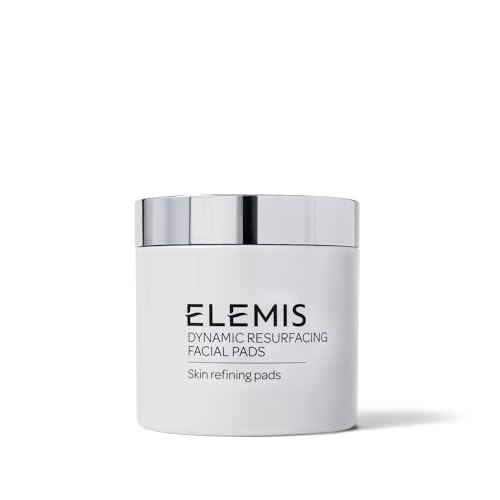
This is a jar of 60 pre-soaked, textured facial pads intended for leave-on exfoliation after cleansing. The brand directs users to sweep one pad over the face in circular motions every morning and evening, avoiding the eye area. It is not a suction tool or comedone extractor. The disclosed formula contains lactic acid, papain, protease, subtilisin, Lactococcus ferment lysate, and fragrance. Independent retail and manufacturer listings corroborate that ingredient list. The brand reports a 36-person, four-week clinical trial and a 120-person user trial for smoother, brighter-looking skin, but the accessible claims are appearance and user-agreement outcomes, not a published blackhead-count study. Lactic-acid percentage, final pH, and formula-specific stability data were not publicly available.
It suits an adult with normal, combination, or oily skin who wants a convenient leave-on exfoliating step aimed at dull-looking surface texture and uneven-looking tone. The 60-pad jar may suit someone who prefers pre-measured application rather than a liquid exfoliant. It is most appropriate for a buyer who already uses daily sunscreen and can introduce an AHA gradually, especially because the product's exact lactic-acid strength and pH are not publicly disclosed. Expectations should center on cosmetic smoothing, not proven blackhead treatment.
It is not well suited to people seeking evidence-based treatment for persistent blackheads, acne, or inflamed breakouts. Dermatology guidance identifies salicylic acid and topical retinoids as more directly relevant options for unclogging pores and preventing blackheads. People with eczema, rosacea, a damaged skin barrier, recent irritation, fragrance sensitivity, or a history of reactions to exfoliating acids should be particularly cautious. It also creates avoidable recurring waste for households trying to avoid disposable skincare pads.
Lactic acid is an alpha hydroxy acid, and FDA guidance notes that topical AHAs can increase sun sensitivity during use and for up to a week after stopping. The product directions available through retailers say to follow with SPF, which is useful, but the accessible product information does not provide the fuller FDA-recommended sun warning, patch-test advice, or detailed stop-use instructions. Fragrance is also present, alongside a conventional preservative system that includes phenoxyethanol, benzoic acid, dehydroacetic acid, sodium benzoate, and ethylhexylglycerin. No active U.S. recall, FDA cosmetic warning letter, or public regulator exposure warning specific to this product was located in the reviewed sources. However, no publicly accessible lot-linked contaminant testing, microbiology testing, preservative-challenge testing, or independent certification for this formula was found. The jar, inner lid, and outer carton are described as locally recyclable after rinsing, but each use still consumes a disposable pad. No product-specific recycled-content, refill, compostability, or biodegradability evidence was located.
This is a jar of 50 pre-soaked facial exfoliating pads, intended to be wiped over cleansed, dry facial skin while avoiding the eye area. The brand's product page describes a smooth side and a textured side, and says to patch test if skin is sensitive. It lists glycolic acid, salicylic acid, niacinamide, panthenol, sodium hyaluronate, fragrance, and tea tree oil. MAREE states that its current glycolic and salicylic pad formula contains a 20% glycolic acid solution. That is a relatively strong manufacturer-stated figure, but no final-product pH, salicylic-acid percentage, stability report, or independent test report was publicly located. The brand also makes blackhead, pore, acne, fine-line, and collagen-related claims, but no controlled human study of this finished product was found.
This product is most suited to an adult already accustomed to chemical exfoliation who wants a convenient wipe-on product for occasional surface smoothing or visibly congested, blackhead-prone areas. Salicylic acid is recognized by dermatologists as a pore-unclogging ingredient, but the product itself has not published clinical blackhead results. It is a better-defined fit for someone willing to patch test, use conservative frequency, add daily broad-spectrum sun protection, and stop if stinging or persistent irritation occurs.
It is not well suited to sensitive, rosacea-prone, eczema-prone, fragrance-allergic, or actively irritated skin. The combination of a manufacturer-stated 20% glycolic solution, salicylic acid, fragrance, and tea tree oil raises tolerability concerns, particularly without published pH or independent irritation data. It also is not a substitute for clinician-guided care for painful, cystic, scarring, widespread, or persistent acne. People who are pregnant, trying to conceive, or managing a skin condition should discuss acne treatment choices with a dermatologist.
The main safety issue is acid exposure. MAREE identifies glycolic acid and salicylic acid and recommends a patch test for sensitive skin. FDA guidance notes that topical glycolic acid can increase sun sensitivity and recommends a clear sunburn alert, sunscreen, protective clothing, and limited sun exposure during use and for one week afterward. The public directions located for this product should not be treated as a substitute for that complete precaution. No product-specific recall, public warning letter, independent laboratory certificate, preservative-challenge result, heavy-metal report, or controlled clinical study was located. The public formula includes fragrance and tea tree oil, which may be relevant for users with fragrance sensitivity. Each use consumes a disposable saturated pad. No verified recycled-content, refill, compostability, or package-specific disposal evidence was located.
This is a 6 fl oz, 177 mL, rinse-off gel facial cleanser for acne-prone and blackhead-prone skin. Manufacturer directions say to wet the face, massage in a small amount with gentle circular motions, then rinse well. It is not an extraction tool, peel, strip, or leave-on exfoliant. The disclosed formula includes cleansing surfactants, glycerin, panthenol, salicylic acid, and preservatives. Product-specific retailer data identifies the salicylic acid concentration as 0.5%, which is the low end of the FDA-permitted range for over-the-counter acne products. The manufacturer lists the cleanser as fragrance-free. No controlled human study of this exact finished cleanser was located, so support for blackhead use comes mainly from the known acne role of salicylic acid rather than product-specific clinical results.
This product suits an adult with mild clogged pores, occasional blackheads, or oilier combination skin who prefers a rinse-off cleanser rather than a leave-on acid. The 177 mL bottle is practical for regular face washing, and the disclosed 0.5% salicylic acid offers a lower-strength entry point within the permitted over-the-counter acne range. It is most relevant for someone building a simple routine and willing to introduce an acid cleanser gradually while monitoring dryness, tightness, or stinging.
It is not well suited to people with a damaged skin barrier, active eczema on the face, significant peeling, or a known sensitivity to salicylates, surfactants, or the listed preservatives. People already using prescription retinoids, benzoyl peroxide, strong leave-on acids, or frequent exfoliating scrubs may accumulate irritation. It is also not a substitute for dermatology care for painful cysts, scarring acne, or persistent blackheads that do not improve after consistent treatment. Avoid deliberate eye contact despite conflicting manufacturer instructions.
The formula is fragrance-free according to the manufacturer and uses a disclosed ingredient list that includes salicylic acid, glycerin, panthenol, phenoxyethanol, caprylyl glycol, and chlorphenesin. Product-specific retail information identifies 0.5% salicylic acid, a concentration allowed under the FDA over-the-counter acne monograph. Salicylic acid can help unclog pores, but it can also contribute to dryness and irritation, particularly when combined with other acne medicines. The product is a bottled rinse-off gel, so it avoids the inherent recurring waste of pads, pore strips, and disposable applicator tips. However, no package resin, recycled-content percentage, refill option, or package-specific recycling instruction was located. Paula's Choice is represented as Leaping Bunny certified, which addresses animal-testing policy, not formula performance, microbial quality, contaminant testing, or packaging impact. No relevant FDA recall or warning letter for this cleanser was identified in the searched resources.
This is a 4 fl oz, leave-on topical acne spray for the back, chest, and other acne-prone body areas. Its FDA-hosted Drug Facts label identifies 2% salicylic acid, an OTC acne active at the upper end of the FDA monograph range. The label directs users to spray from 4 to 6 inches away, start once daily, then increase only if needed and tolerated. The formula is fully listed on the drug label and is water based, with humectants and soothing ingredients including glycerin, panthenol, allantoin, and sodium hyaluronate. The manufacturer positions the spray as fragrance-free. Its blackhead and acne claims closely track permitted OTC acne indications, but no controlled human trial of this exact finished spray was located.
This product suits an adult or teenager with mild, surface-level body acne, clogged pores, whiteheads, or blackheads on limited areas such as the back or chest. It is particularly practical for someone who wants a measured leave-on salicylic acid treatment that can be sprayed from a distance rather than rubbed on with a pad. The 4 fl oz size and once-daily starting schedule also fit a cautious trial on a small affected area, provided the user can tolerate exfoliating acne actives.
It is not a good fit for broken, visibly irritated, very dry, or eczema-prone skin, because the label specifically prohibits use on broken skin and acknowledges dryness and irritation. People already using another topical acne medicine should be cautious, since combining products can increase irritation. It is also not intended for broad-area application, despite being a body spray. Deep, painful, scarring, or persistent acne needs clinical assessment rather than escalation of this over-the-counter spray.
The strongest health evidence is the FDA-hosted Drug Facts label. It identifies 2% salicylic acid as the acne active, gives a complete inactive-ingredient list, and provides use limits. Users are told to begin once daily, reduce use if dryness or peeling occurs, avoid broken skin and large areas, and seek medical advice if irritation worsens. Salicylic acid is supported in American Academy of Dermatology guidance as a pore-unclogging acne treatment, although no trial of this exact formula was found. The formula is manufacturer-stated fragrance-free and does not use a jar or reusable tool tip, which avoids finger-dipping contamination. However, public lot-specific purity, microbial, preservative-challenge, and stability testing was not located. The manufacturer describes its plastic bottles generally as #1, #2, or #5 and asks consumers to check local recycling access, but it does not provide material or recycled-content evidence specific to this spray bottle. No product-specific FDA recall or warning action was located in the checked sources.


