Best Overall
35% off

Hisense 75" U7 Mini-LED 4K Smart TV
Superb picture quality with Hi-QLED technology.
Smooth gaming experience with native 165Hz refresh rate.
Enhanced sound with Dolby Atmos and IMAX Enhanced.
 Daniel Kenitz
Superb picture quality with Hi-QLED technology.
Smooth gaming experience with native 165Hz refresh rate.
Enhanced sound with Dolby Atmos and IMAX Enhanced.

Ultra-smooth gaming with native 144Hz refresh rate.
Enhanced clarity through glare-free screen technology.
Immersive sound quality with Dolby Atmos support.

Stunning 100-inch display with sharp 4K resolution.
Smooth motion with native 144Hz refresh rate.
Immersive sound with Dolby Atmos technology.
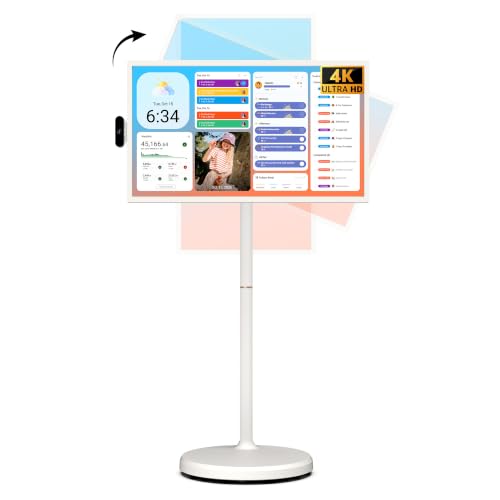
UHD 4K display offers stunning visuals.
Built-in battery for true portability.
Full swivel rotation enhances viewing flexibility.

Impressive 98-inch display with Quantum HDR.
Realistic sound with Object Tracking Sound Lite.
Convenient built-in Alexa for voice control.

Immersive 98-inch 4K UHD display
Enhanced gaming with Game Accelerator
Integrated Google TV and Alexa compatibility

Stunning 98-inch display for immersive viewing.
Advanced AI enhances picture quality naturally.
User-friendly Smart Tizen interface for streaming.

Stunning 4K clarity with AI Super Upscaling.
Smooth motion with up to 144Hz refresh rate.
Seamless voice control compatible with Alexa.
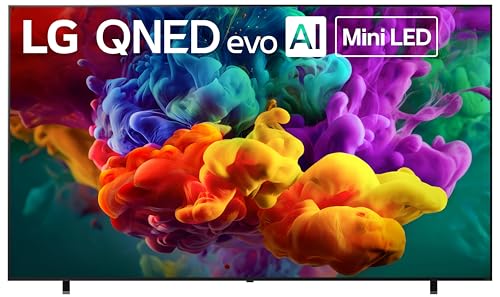
Stunning 4K visuals with AI Super Upscaling.
Smooth motion with up to 144Hz refresh rate.
Seamless voice control via Alexa compatibility.

Exceptional picture quality with Mini LED technology.
Smooth motion handling with 120Hz-144Hz refresh rate.
Immersive audio experience with Dolby Atmos Onkyo sound.
Start with the actual screen size and dimensions, not only the diagonal number. A 100-inch television can be almost 88 inches wide, while an 85-inch model can require a stand roughly 70 inches wide. Large sets in the supplied products weigh from about 86.6 to 136.7 pounds before or without mounting hardware, and some require three or more people to handle. A stable, wide support or a properly rated wall mount is essential. Check the exact model's VESA pattern, screw requirements, weight, stand footprint, and installation instructions. VESA compatibility alone does not prove that a wall or cabinet is strong enough.
Picture specifications need careful interpretation. Resolution is consistently 4K, but refresh-rate claims vary in meaning. A listed 120Hz or 144Hz figure may apply only to certain inputs, PCs, resolutions, or game modes; independent testing found one television advertised at 120Hz to be a native 60Hz model. Motion-rate labels are not the same as native panel refresh rate. Similarly, HDR, quantum-dot, Mini-LED, local dimming, contrast, and brightness claims should be checked against independent exact-model testing. Look for disclosed measurements of HDR brightness, contrast, reflections, color, motion, supported resolutions, VRR, and input lag from sources such as RTINGS or Consumer Reports.
Gaming buyers should verify HDMI capability rather than rely on a feature name. Check whether the exact model supports 4K at 120Hz or 144Hz, variable refresh rate, automatic low-latency mode, and the required HDMI bandwidth. A television can have low input lag at 4K 60Hz while still lacking VRR or high-refresh support. Wide seating also deserves attention: several supplied reviews found rapid off-angle color loss or other viewing compromises.
For health and environmental claims, look for records tied to the exact product rather than the brand family. Electrical safety is more substantiated when a UL Solutions Product iQ or Intertek ETL listing identifies the model or power supply under UL 62368-1. Wireless functions should be traceable through the FCC Equipment Authorization System. Energy use is best compared using the FTC EnergyGuide label, DOE CCMS data, or an exact ENERGY STAR listing; vague “energy-saving” language is not a measured annual figure. Recycling and materials claims are stronger when supported by an exact EPEAT entry, an environmental declaration, or a practical U.S. manufacturer takeback route.
Privacy and service life also matter because these are connected products. Review smart-TV tracking and advertising controls, update policies, firmware availability, parts access, repair documentation, and warranty length. A stated support period is more useful than a general promise of automatic updates.
Recurring safety caveats are significant. Every very large fixed-screen television needs careful tip-over prevention, stable furniture or professional wall mounting, and planning around children and pets. Several products lacked exact-model electrical, wireless, energy, or laboratory records, so missing verification should not be treated as proof of safety or performance. Large screens can also be poor choices for bright rooms, wide seating, flicker-sensitive viewers, or demanding gamers when independent measurements reveal reflections, flicker, slow transitions, weak HDR, or absent VRR.
The supplied scores compare how well each product's documentation and testing address these issues. A higher score means stronger evidence or safeguards within this reviewed set; it does not turn an unverified claim into a certification.
This measures model-specific electrical certification, power-supply safety, radio authorization, and recall status. Large smart TVs combine high-power electronics with Wi-Fi and Bluetooth, so exact identification matters. The strongest supplied score was 78, while several products scored around 70-73 because public UL, ETL, or FCC records were not located. A high score reflects more traceable compliance evidence, not merely a brand name or a listed voltage.
This measures stable supplied legs, anchoring instructions, weight information, and a documented compatible mount interface. A 98- or 100-inch television can weigh more than 100 pounds, making tip-over consequences serious. Scores ranged from 70 to 90. The strongest products supplied detailed anti-tip guidance or clear VESA and screw information; lower-scoring products still listed a mount pattern but left more uncertainty about anchoring, furniture, or installation details.
This covers flicker, reflections, brightness controls, and motion behavior. Very large screens make flaws more noticeable, especially in bright rooms or across wide seating. The highest supplied score was 80, supported by testing or useful controls; the lowest was 48, where independent testing found PWM flicker, dim HDR, poor reflections, and blurry motion. A high score means fewer documented comfort concerns, not guaranteed comfort for every viewer.
This measures tracking choices, advertising controls, privacy settings, security updates, and stated platform support. Smart TVs collect information through connected services, microphones, viewing features, or advertising systems. Scores ranged from 71 to 84. Higher-scoring products had clearer controls or a stated seven-year update policy; lower-scoring products lacked a model-specific support period. Buyers should review settings during setup and treat automatic updates as different from a guaranteed end date.
This measures independently tested brightness, contrast, color, reflections, motion, HDMI features, VRR, and input lag. Headline gaming or HDR specifications can describe capability without showing how the panel performs. Scores ranged from 42 to 83. The highest-scoring product had independent evidence of low input lag, HDMI 2.1 support, VRR, and strong HDR behavior; lower-scoring products lacked exact-model testing or had documented limits such as 60Hz operation, flicker, blur, or weak HDR.
This measures whether size, refresh rate, HDR, brightness, audio, gaming, AI, and environmental claims are specific and consistent with the exact product. The supplied scores ranged from 45 to 82. Higher-scoring products had clearer model-specific documentation; the lowest-scoring product used a 120Hz marketplace claim that independent testing contradicted. Buyers should distinguish native refresh rate from motion-rate branding and verify whether a feature applies to every input, resolution, and operating mode.
This measures whether the exact television—not just its brand family—can be linked to certifications, regulatory records, energy disclosures, recalls, and reproducible independent testing. Scores ranged from 68 to 84. Higher-scoring products had exact-model or clearly identified family testing and more traceable documentation; lower-scoring products had no laboratory review or few public registry records. Evidence for a related size is useful but should not be presented as a measurement of the larger panel.
This measures actual annual electricity use and standby behavior for the exact screen, rather than general power-saving language. Large screens can consume materially more electricity, so comparable annual figures matter. Scores ranged from 68 to 78. The strongest evidence included an exact EnergyGuide disclosure or better documentation, while many products lacked annual-use or network-standby figures. One supplied television had conflicting annual-use disclosures, showing why the label and model match should be checked.
This measures hazardous-material reduction, environmental declarations, EPEAT registration, and a practical U.S. recycling or takeback route. Large televisions become difficult e-waste items, so an identified collection route is useful. Scores ranged from 70 to 79. Higher-scoring products had a documented MRM or Samsung recycling route; lower-scoring products had only general recycling information or no product-specific materials and takeback evidence. A recycling route does not by itself prove low-impact materials.
This measures warranty coverage, firmware support, repair information, and access to parts or service documentation. Keeping a large television working longer can avoid premature e-waste and difficult replacement logistics. Scores ranged from 70 to 82. The strongest record included a self-repair guide, ongoing firmware support, or clearer service pathways; lower scores reflected one-year warranties and limited public parts or service information. A warranty is useful but is not the same as long-term repairability.
This product is a 75-inch, 4K Mini-LED LCD smart television using the Fire TV platform. It is intended for streamed entertainment, broadcast reception, console gaming, and wall or stand installation. Hisense's exact-product page confirms the size, Fire TV format, Mini-LED backlight, and advertised peak brightness of up to 3,000 nits, which is a manufacturer-stated figure rather than an independent measurement. The strongest independently checkable product-specific record is its EnergyGuide label. It reports estimated use of 368 kWh per year, based on five hours of daily use. Consumer Reports lists this exact 75-inch product in its television database, but its detailed test outcomes are member-only. A detailed RTINGS test exists for the Google TV sibling, not this Fire TV version, and RTINGS explicitly says those results are not valid for this product.
This product suits a household that specifically wants a very large 75-inch screen with Fire TV built in, uses the set mainly from a centered seating position, and can accommodate its electricity use. It also fits owners who are comfortable checking installation details directly on the rear label or with support before wall mounting. The manufacturer-stated Mini-LED backlight, high peak brightness claim, and gaming refresh claims make it relevant to bright-room viewing and console use, but those performance claims need exact-model independent confirmation.
It is not well suited to households with young children or unstable furniture if the set will be placed on its supplied stand without careful installation and anti-tip precautions. The official product page links a setup guide for a different size family, so buyers needing fully documented 75-inch wall-mount dimensions, screw depth, and stand geometry should not rely on that guide. It is also a poor fit for privacy-sensitive users unwilling to review Fire TV and Hisense data settings, or for buyers requiring independently measured motion and gaming results before use.
The product has an exact EnergyGuide label showing estimated annual electricity use of 368 kWh, calculated using five hours per day. That is a concrete consumption figure, not a generic energy-saving claim. Hisense also offers a U.S. consumer-electronics recycling route through MRM, including television drop-off information and state-specific collection guidance. Hisense publishes a vulnerability disclosure process and states that certain television models receive security updates for at least two years from launch, though it does not specifically name this product in that commitment. Its privacy materials say optional enhanced viewing services can use viewing data for personalized advertising and may connect advertising across devices sharing a household IP address. No product-specific CPSC recall was located. However, no exact-model EPEAT registration, UL or ETL public listing, or public exact-model FCC authorization record was found during this review.
This is a 100-inch 4K Mini-LED LCD television with Fire TV, a built-in 2.1 speaker system, four HDMI inputs, and a supplied tabletop stand. It is intended for large-room streaming, movie viewing, sports, and console or PC gaming. Manufacturer documentation identifies a native 144Hz panel, VRR from 48Hz to 144Hz, Dolby Vision IQ, HDR10+ Adaptive, and two HDMI 2.1 inputs. Independent testing was performed on the 65-inch member of this product family, not this 100-inch unit. The tester lists the 100-inch model as a variant and found strong brightness, contrast, reflection handling, low input lag, and broad gaming support. The same review also found very blurry fast motion, narrow off-angle viewing, visible screen-uniformity issues, and only modest built-in sound quality.
This product suits a buyer furnishing a large media room or bright living area who needs a genuinely 100-inch screen, has a wide enough wall or stand, and can safely manage a roughly 137-pound display before adding the stand. It fits movie and streaming users who value strong contrast and reflection control, plus gamers who prioritize low input lag, VRR, and high refresh-rate capability. It is most appropriate when seating is mainly centered in front of the screen rather than spread far to either side.
It is not well suited to households with children or pets if the television cannot be securely wall-mounted or placed on a stable, appropriately sized stand. The supplied 100-inch unit is heavy and needs careful installation using the documented 800 by 400 mm mounting interface and M8 hardware. It is also a poor fit for sports-first viewers, competitive gamers sensitive to blur, or wide seating layouts, because independent testing found slow motion response, narrow viewing angles, and visible uniformity limitations.
Installation is the primary physical-safety issue. The product is listed at 136.7 pounds without its stand and uses an 800 by 400 mm VESA interface with M8 mounting hardware. Use a mount rated for the display and secure it to suitable structural support. No product-specific CPSC recall was found in the current recall database check. Public exact-model electrical-safety and radio-authorization records were not located, so those compliance details remain unverified here. Hisense provides U.S. television recycling through MRM collection locations, which is a practical end-of-life route. It also offers an authorized parts storefront and states a 2-year limited manufacturer warranty. However, no exact-product EPEAT registration, environmental materials declaration, or independently verified annual energy-use result was found. A retailer flags a California Proposition 65 warning requirement, but the available listing does not identify the chemical or exposure basis, limiting its usefulness as a consumer safety disclosure.
This is a 100-inch 4K smart television for fixed living-room, media-room, and large-format gaming use. Toshiba identifies the U.S. product as a Mini LED, QLED Fire TV with full-array local dimming, Dolby Vision support, and a native 144Hz panel. It also states that VRR, ALLM, and AMD FreeSync Premium are available for compatible game systems and PCs. Those headline picture and gaming capabilities are manufacturer-stated. Public searches did not locate calibrated, exact-product testing for brightness, contrast, reflection handling, flicker, input lag, or VRR behavior. The manufacturer’s public support page exists, but its document area did not expose a usable detailed manual during this review. That leaves important installation, power, and service details insufficiently checkable before delivery.
It suits a buyer planning a permanent, large-screen setup in a room with enough wall space, seating distance, and furniture or wall structure to support a 100-inch television. It is particularly relevant for a household that wants Fire TV controls, uses compatible console or PC gaming hardware, and is comfortable confirming the actual HDMI behavior after installation. It also fits users who will actively review the Fire TV privacy settings during setup rather than leaving the platform defaults unchanged.
It is not suited to homes with young children or climbing risks unless the television can be securely wall mounted or anchored to appropriate furniture according to the final installation instructions. It is also a poor fit for buyers who need independently measured HDR output, reflection handling, flicker behavior, input lag, or power consumption before committing. Users who require a published, model-specific software-support deadline, repair documentation, parts availability, or verified energy certification should seek documentation first.
The main health issue is physical installation. The CPSC advises using furniture designed to hold a television and securing non-wall-mounted sets, while flat panels should be mounted or anchored to prevent tip-overs. The manufacturer’s publicly accessible support page did not provide a usable detailed installation manual for this exact product during review, so the final manual and mount hardware specifications should be checked before installation. The Fire TV platform has meaningful privacy controls, including opt-outs for several device and app data uses, though some collection remains necessary to provide features. Amazon publishes a general Fire TV security-update policy, but does not separately list this Toshiba product. Toshiba directs U.S. consumers to MRM for electronics recycling. No exact-product EPEAT registration, ENERGY STAR certification, EnergyGuide label, or public materials declaration was located, so environmental impact and electricity use remain largely unverified.
This is a 32-inch rolling smart touchscreen built around a rechargeable battery, adjustable stand, Wi-Fi and Bluetooth connectivity, and an Android app platform. It is intended to move between rooms for streaming, video calls, casual work, family scheduling, or display use rather than to act as a conventional fixed television. The manufacturer lists a 4K configuration with a VA LCD panel, 256GB storage, 300-nit claimed brightness, two 5W speakers, an 8MP camera, and a 14.6V 15,000mAh lithium-ion battery. Its stated maximum battery life is six hours when streaming over Wi-Fi at 50 percent brightness. A public FCC authorization covers related SW3299T and SW3299T-4K models, but the record does not specifically name this Pro version. The product documentation is inconsistent, identifying the same product as Android 14 with a 9,300mAh battery while the current manufacturer page says Android 16 and 15,000mAh.
This product suits an adult household or small office that needs one interactive screen to rotate among rooms, and accepts a manufacturer-led feature set rather than independently measured TV performance. Its practical use cases are a kitchen recipe screen, temporary presentation display, family calendar, casual streaming station, or a large touch display connected to a laptop. It is most appropriate where the supplied rolling stand can remain on a level indoor floor and where the buyer is comfortable confirming the installed software and battery details on arrival.
It is not well suited to buyers who need verified gaming responsiveness, strong bright-room performance, reliable HDR, or documented flicker behavior. It also needs caution in homes with climbing children, energetic pets, uneven flooring, or crowded passages, because the available documentation does not establish anchoring guidance, stand stability limits, or wall-mount hardware details. Buyers who require a publicly documented security-update commitment, replacement parts pathway, certified energy performance, or exact-model third-party electrical certification should choose a product with those records available before setup.
A public FCC equipment-authorization record exists for closely related SW3299T and SW3299T-4K smart-screen models, supporting that the wireless design family underwent U.S. radio authorization. However, the public record does not identify the Pro version by name. No exact-model UL or ETL listing was located. No product-specific CPSC recall or safety warning was located in the checked records. The screen is a lithium-ion battery product and its manufacturer says it uses 18650 cells. The available instructions advise storing it cool and dry, near 50 percent charge for extended storage, and avoiding frequent full discharge. The manufacturer makes a carbon-impact statement, but no supporting footprint method, reduction record, offset documentation, takeback program, EPEAT registration, or exact-model energy-use disclosure was located. The one-year warranty is documented, but public parts, repair-manual, and update-support commitments were not found.
This is a 98-inch, 4K QLED smart television for a fixed living-room or dedicated viewing-space installation. Samsung specifies a 97.5-inch diagonal screen, 115.1 pounds without its stand, and a 600 x 400 mm wall-mount interface. The supplied product sheet also lists adjustable stand positions and a SolarCell remote. Manufacturer documentation identifies this Q7F as a 60 Hz model with Quantum HDR and Samsung's Tizen platform. Independent laboratory testing of the Q7F family, which includes this 98-inch version and reports shared picture performance across sizes, found excellent SDR color accuracy out of the box and low 60 Hz game-mode input lag. It also found dim HDR, no local dimming, weak reflection handling, slow pixel transitions, and no VRR or 120 Hz support.
It suits a household that specifically needs a nearly eight-foot screen for ordinary 4K streaming, broadcast television, and casual 60 Hz console play in a dim or moderately lit room. The owner should have a cabinet or wall designed for a 115-pound display, enough clearance for its 85.9-inch width, and a plan for safe delivery and installation. It also fits viewers who value accurate SDR color more than high-impact HDR highlights, deep blacks, or advanced gaming features.
It is not suited to homes with young children, pets, unstable furniture, or renters who cannot securely wall-mount or stabilize a 98-inch, 115-pound screen. It is also a poor fit for bright rooms with windows or strong overhead lighting, viewers sensitive to PWM flicker, and home-theater users seeking deep blacks and vivid HDR. Modern-console and PC players needing 120 Hz, VRR, or sharp fast motion should avoid relying on this product for those uses.
For installation safety, Samsung documents a 600 x 400 mm mounting pattern and a 115.1-pound television weight without the stand. Those figures make professional installation or careful two-person handling important. The supplied feet can be arranged in wider positions, but the verified material did not provide exact anchoring hardware or wall-screw specifications. No recall specific to this product was located in the CPSC recall database search. For viewing comfort, independent testing identified PWM flicker that can run at 120 Hz in Filmmaker Mode and at low brightness settings. Samsung offers privacy choices and states that its 2025 TV platform can receive up to seven years of Tizen OS updates, though advertisements remain on the smart-TV home screen and privacy settings require active management. Samsung provides U.S. e-waste drop-off guidance, mail-back options in some circumstances, and TV trade-in haul-away recycling for eligible purchases. Exact-model energy and materials certifications were not found.
This is a 98-inch, 4K QLED television for a large living room or dedicated viewing space. It uses Google TV for streaming, has four HDMI inputs including one eARC connection, and TCL states that the 98-inch version has a 120Hz panel with variable refresh rate up to 144Hz. TCL also specifies a 40W speaker system with a built-in subwoofer. Its size is a defining practical factor. The television weighs 124.6 pounds with its stand, spans 85.8 inches wide, and its two feet are 68.5 inches apart. TCL documents a VESA 500 x 600 wall interface using four M8 x 16 mm screws. An independent laboratory reviewed this product family, but tested a 75-inch version and expressly says its results do not fully apply to the 98-inch 120Hz panel.
It suits a buyer with a genuinely large viewing area who wants a single 98-inch screen for everyday streaming, broadcast viewing, and console use. The room should have a cabinet at least wide enough for the 68.5-inch foot spacing, or a professionally planned wall installation. It is also better matched to a dim or moderately lit room than a sun-facing space. Buyers who value documented electricity use, replacement-board availability, and a clear recycling route may find the ownership information useful.
It is not for households that cannot secure a stable, suitably wide support surface or arrange professional wall installation. At 124.6 pounds with its stand, it needs careful handling, and TCL calls for three people to install the feet. It is also a poor fit for bright rooms with lamps or windows opposite the screen, for viewers sensitive to visible flicker or blur, and for users who need independently measured confirmation of the exact 98-inch panel's gaming and HDR behavior.
The setup documentation gives this very large television meaningful safety detail. It warns that an unstable television can cause serious injury, specifies stand hardware, recommends three people for stand installation, and calls for professional wall mounting. The documented wall interface is VESA 500 x 600 with four M8 x 16 mm screws, and TCL says the mount must support at least five times the television's net weight. The guide also includes an FCC Part 15 compliance declaration. The EnergyGuide label reports 600 kWh annual electricity use and $96 annual operating cost using the federal label assumptions. TCL states standby power is below 0.5W, though the product is not ENERGY STAR certified. TCL offers a United States recycler locator, and its authorized parts distributor lists several replaceable electronic and mechanical parts. No model-specific material declaration, EPEAT registration, or stated long-term software-support commitment was found.
This is a 98-inch LED LCD smart television with 3840 x 2160 resolution, Tizen software, three HDMI inputs, Wi-Fi 5, Bluetooth 5.3, and a supplied flat-feet stand. Samsung’s official specifications state that all three HDMI inputs accept 4K at up to 144 Hz, with VRR, ALLM, eARC, and FreeSync Premium support. Those are manufacturer specifications, not independent measurements. The defining practical issue is installation. Samsung documents a 600 x 400 mm VESA interface, a broad 1505.6 mm stand footprint, and installation instructions. Samsung also states support for up to seven years of Tizen OS upgrades for 2026 models. Exact-model independent measurements for brightness, reflections, flicker, contrast, input lag, and motion response were not located. The retailer record also conflicts with Samsung’s official specification on USB count, listing one port where Samsung lists two USB-A ports.
This product suits a buyer with a large dedicated viewing room, a suitable wall or wide, stable furniture, and a planned professional delivery or installation process. It is most relevant for someone who prioritizes a very large 4K image and wants manufacturer-stated high-refresh gaming support across all HDMI inputs. It also fits an owner who will use Samsung’s settings to manage privacy choices, keep firmware current, and accept that exact-model laboratory picture measurements are not yet available.
It is not suited to households that cannot safely manage a very large screen, especially homes with young children or pets and no reliable anchoring or wall-mount plan. It is also a poor fit for buyers who need independently measured assurance about glare control, HDR brightness, flicker, viewing angle, or competitive gaming latency before installation. Privacy-sensitive households should note the smart platform’s optional viewing recognition and AI data notices, or plan to keep those features disabled and use external HDMI sources.
Samsung documents flat feet, a 600 x 400 mm VESA pattern, auto power-off, auto power saving, and an ambient-light Eco Sensor. These are useful installation and energy-management provisions, but they do not substitute for a verified annual energy-use label. No exact-model EnergyGuide, ENERGY STAR, or EPEAT record was located in the reviewed public registries. Samsung’s AI Energy Mode claim is qualified by viewing conditions and operating modes. Samsung offers U.S. recycling information and a TV trade-in haul-away recycling program for eligible purchases. Exact-model service support and a genuine replacement part listing also provide some evidence of repair support. Samsung says its Tizen upgrade commitment extends up to seven years for 2026 products. Smart features require privacy attention, because Samsung states that optional viewing recognition may process viewing history, identifiers, and IP address. No exact-model CPSC recall or safety warning was located in the CPSC recall database during this review.
This is a 98-inch, direct-lit 4K LCD smart TV intended for very large living rooms, media spaces, and wall-mounted installations. It uses LG’s webOS 2026 platform, includes a standard remote and two widely spaced feet, and has three HDMI inputs, Wi-Fi, Bluetooth, Ethernet, and one USB port. LG lists a 1-year parts and labor warranty. LG states that the set supports up to 144Hz PC gaming, with that rate dependent on a compatible graphics card, and says Motion Booster 288 reaches up to 144Hz at optimized Full HD resolution. The same product documentation states automatic software updates for up to four years. Independent laboratory measurements for this exact 98-inch product, including HDR brightness, contrast, reflection handling, flicker, input lag, and color accuracy, were not located during verification.
This product suits a household building a very large shared viewing area where a 98-inch screen can be positioned safely and viewed from an appropriate distance. It is also relevant for PC users who can supply a compatible 144Hz graphics output and understand that LG’s higher refresh-rate language includes optimized Full HD operation. It fits owners who want integrated streaming, can connect the TV to the internet for updates, and can arrange a properly rated wall mount or safely use the supplied stand on a broad, stable surface.
It is not suited to homes with narrow furniture, lightweight media consoles, uncertain wall construction, or young children and pets who could reach an unsecured screen. Do not treat the supplied feet as a substitute for careful anti-tip planning. It is also a poor fit for buyers who need independently measured HDR brightness, black uniformity, reflection resistance, flicker performance, or low input lag before choosing a display. Privacy-sensitive households that do not want a networked smart-TV platform should plan to decline optional data agreements or use external sources instead.
The available documentation gives meaningful installation facts, but safe setup remains essential. The panel weighs 110.2 pounds without its stand and uses a 600 x 400 mm wall-mount interface. Use a mount rated above the panel weight, follow the supplied setup guidance, and secure the mount to appropriate structural supports. Product manual material states compliance with FCC Part 15 requirements and includes RF-exposure and indoor-use instructions for wireless operation, though an exact-model public FCC authorization record was not located in this review. LG has a U.S. recycling program for electronics, providing an end-of-life route rather than ordinary disposal. No exact-product EPEAT registration or ENERGY STAR listing was located. LG lists annual consumption of 766 kWh and standby consumption below 0.5 watts, so active use rather than standby is the main electricity consideration. LG also lists a 1-year parts and labor warranty and directs owners to a service-parts portal, but the availability history of exact replacement parts is not yet established.
This product is a 100-inch 4K LCD television with Mini LED backlighting, webOS smart features, built-in 2.2-channel audio, and four HDMI inputs. It is intended for a dedicated large living room, media room, or gaming setup rather than a typical bedroom installation. LG identifies the panel as Mini LED with Precision Dimming Pro and lists Dolby Vision, Dolby Atmos, FILMMAKER MODE, and variable refresh rate up to 144Hz for compatible PC hardware. The manufacturer provides an exact product support page with an owner's manual, downloadable software, repair access, and a one-year parts and labor warranty. LG also states that this model has UL flicker-free and discomfort-glare-free claims, plus eyesafe claims, but an exact public certification record was not located in the checked registries. No calibrated independent laboratory review for this exact 100-inch product was located.
This product suits a household building a large fixed entertainment setup with enough wall or furniture space, a safe installation plan, and regular use of movies, sports, console gaming, or a gaming PC. It is especially relevant where a 100-inch 4K screen is the central display and multiple HDMI sources need to remain connected. Buyers who will use the smart platform should be comfortable reviewing the privacy agreements, selecting optional data settings, and keeping software current.
It is not suited to households that cannot use furniture large and strong enough to support the television, or cannot anchor the set or arrange qualified wall mounting. Children, climbing risks, unstable flooring, narrow furniture, and exposed cables require particular caution because a television fall can cause severe injury. It is also a weak fit for buyers who require independently measured brightness, reflection, gaming latency, energy use, or repair-parts evidence before committing to a large installed display.
The exact owner's manual includes electrical, RF, ventilation, cable-routing, wall-mounting, and television stability instructions. It instructs owners to prevent overturning when using the stand and to use a solid wall and a mount that supports the applicable VESA interface. LG's 2023 recall concerned four different 86-inch models and their stands, not this product, but it reinforces why the anchoring guidance matters for a television of this scale. LG states that optional voice, automatic content recognition, and interest-based advertising features use separate agreements, and that eligible webOS televisions receive security updates for up to five years from platform release. LG also offers U.S. recycling and repair channels. However, no exact public EnergyGuide, ENERGY STAR, EPEAT, UL Product iQ, ETL, or independent display-lab record was located for this product. Active energy use, hazardous-material reductions, and exact certification scope therefore remain insufficiently documented.
This is an 85-inch, 4K QD-Mini LED LCD television with Amazon Fire TV built in. It is intended for large-room streaming, broadcast TV, movies, sports, and console or PC gaming. TCL’s official product information identifies a 3,840 by 2,160 panel, 144Hz native refresh capability, VRR from 48 to 144Hz at 4K, four HDMI inputs, and a 2.1-channel speaker system rated at 40W total. These are manufacturer-stated specifications, not independent lab measurements. The same specification sheet documents a 600 x 400 mm VESA pattern with four M8 mounting screws, adjustable backlight and picture controls, an ambient-light sensor, and network software updates. TCL has published a quick-start guide for this model, but its U.S. support page still lists the full user manual as coming soon. No exact-model calibrated display review, public EnergyGuide record, or public exact-model UL, ETL, or FCC record was located in the verification work.
This product suits a household that has a genuinely large viewing wall, carefully measured seating distance, and either a substantial TV console or a professionally installed wall mount. It is particularly suited to users who connect modern game consoles or a gaming PC and want manufacturer-stated 4K VRR up to 144Hz, plus multiple HDMI inputs. It also fits viewers who want Fire TV streaming in the television itself and are willing to review the platform privacy settings during setup. A buyer should arrange delivery, lifting, and anchoring before it arrives.
It is not suited to households with limited floor space, unstable furniture, young children, or pets when the TV will be placed on an unsecured stand. An 85-inch screen needs a deliberate installation plan, and wall mounting should use the documented 600 x 400 mm pattern, correct M8 hardware, and a mount rated for the television's actual weight. It is also a poor fit for buyers who require independently measured picture performance, public exact-model safety records, a published annual energy label, long warranty coverage, or comprehensive repair documentation before ownership.
The main practical health issue is installation. TCL publishes a specific 600 x 400 mm VESA pattern and M8 mounting hardware details, which gives an installer usable compatibility information. The display also has manufacturer-stated adjustable backlight, picture controls, motion settings, and an ambient-light sensor. However, no independent exact-model testing was located for flicker, reflections, brightness, motion artifacts, or gaming latency. Those comfort and performance outcomes should therefore not be assumed from the specification sheet. For privacy, Fire TV lets users opt out of device and app usage data collection for specified purposes, interest-based ads, and antenna viewing-data sharing. Amazon states that Fire TV software updates download automatically while connected to the internet, but the published support term does not specifically name this TCL television. TCL provides a U.S. recycler locator for its products and says its TV packaging uses How2Recycle labels. No exact-model EPEAT registration, materials declaration, or EnergyGuide label was located.



