Best Overall

RawChemistry Pheromone Cologne for Men 1 oz
Enhances attraction with pheromone infusion.
Long-lasting scent throughout the day.
Made with high-quality, natural ingredients.
 Lauren Wilson
Enhances attraction with pheromone infusion.
Long-lasting scent throughout the day.
Made with high-quality, natural ingredients.

Unique pheromone infusion enhances attraction.
Includes three distinct, versatile scents.
Ideal gift set for any occasion.
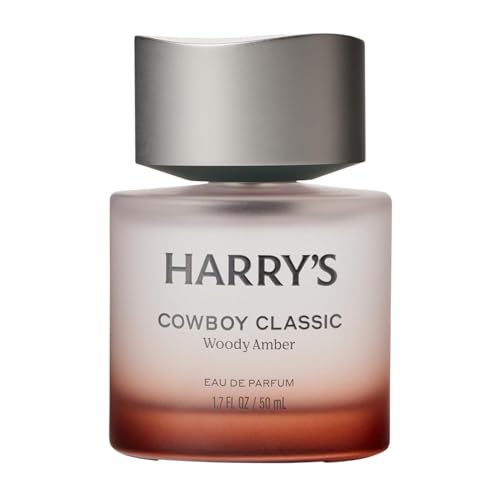
Distinctive woody amber scent with refreshing bergamot.
Long-lasting fragrance, ideal for daily use.
Compact size, perfect for travel convenience.

Long-lasting, noticeable scent attracts attention.
Unique pheromone formula enhances confidence.
Compact size ideal for travel or daily use.
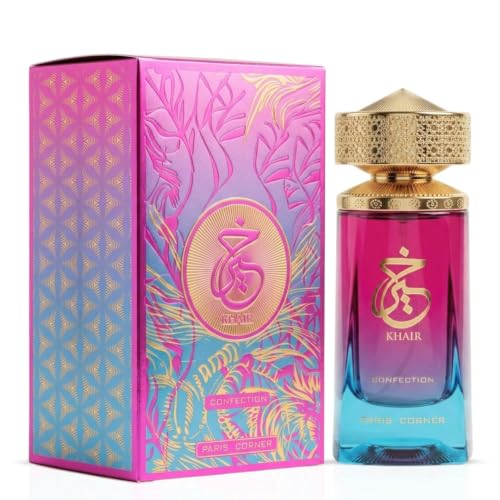
Rich, long-lasting fragrance profile.
Unique blend of exotic scents.
Elegant packaging design.

Fresh scent with notes of apple and cedarwood.
Long-lasting fragrance suitable for daily use.
Versatile, appealing to a wide range of preferences.

Refreshing blend of bergamot and jasmine.
Long-lasting scent with subtle musky notes.
Compact size perfect for travel or gifting.

Three distinct scents for versatile use.
Compact size ideal for travel.
Elegant packaging perfect for gifting.

Long-lasting fresh and woody fragrance blend.
Unique combination of marine and spicy notes.
Elegant and sophisticated scent for daily wear.

Long-lasting scent with warm, spicy notes.
Unique blend of coffee and whiskey aromas.
Versatile fragrance suitable for all occasions.
A useful starting point is the formula itself. Look for a complete ingredient declaration, named fragrance allergens, an identifiable responsible company, and a product or batch that can be traced if a safety issue arises. A general “fragrance” or “parfum” entry is permitted in some cosmetic labeling contexts, but it does not let a buyer screen every scent chemical before applying a leave-on product. Named allergens such as limonene, linalool, citral, coumarin, geraniol, citronellol, eugenol, or isoeugenol can help people avoid known triggers, although concentrations and the full fragrance mixture may still be undisclosed.
Alcohol-based sprays need clear flammability and use precautions. A safety data sheet, package warning, and directions should address heat, sparks, flames, eyes, broken skin, and accidental exposure. “Alcohol-free” should be checked against the ingredient panel: the supplied reviews include listings that conflict with retailer or formula disclosures. Oil-based or alcohol-free products may avoid the usual ethanol-spray fire concern, but that does not prove they are non-irritating, hypoallergenic, or low-risk.
For stronger substantiation, look for product-specific evidence rather than broad brand language. An IFRA Certificate of Conformity can provide industry compliance information, but it is not the same as independent certification or a complete finished-product safety assessment. More meaningful outside verification would be a current, scope-specific certification in directories such as EPA Safer Choice, EWG VERIFIED, MADE SAFE, Cradle to Cradle, or Leaping Bunny, or an accredited ISO/IEC 17025 laboratory report covering the finished product. A certificate of analysis, batch code, UPC, importer or U.S. responsible-person information, and checks of FDA and CPSC recall records strengthen traceability.
Environmental claims also need specificity. A lower-impact fragrance requires ingredient-level evidence about persistence, bioaccumulation, aquatic toxicity, or related concerns—not simply “natural,” “clean,” “vegan,” or “chemical-free” language. For packaging, look for a documented refill system, clearly identified materials, recycled content, realistic recycling instructions, and minimal secondary packaging. A glass bottle may be more recyclable than an all-plastic bottle where local programs accept it, but pumps, caps, mixed materials, and the absence of refill documentation still matter.
Across the supplied products, the recurring caveats are fragrance allergy and irritation, scent-triggered respiratory symptoms or migraine, and the need to avoid use on damaged skin or near the eyes. Alcohol sprays repeatedly require storage and use away from flames and heat. Several products lack full allergen disclosure, product-specific safety testing, or independent certification. One product’s safety documentation identified a reproductive-toxicity concern for a listed fragrance ingredient, and another was classified as a chronic aquatic toxicant; these findings make label checking and conservative use important. No product should be treated as hypoallergenic or proven to improve attraction without product-specific evidence.
These topics assess the formula, bottle, use instructions, evidence quality, and accountability behind a leave-on fragrance. Higher scores indicate stronger supplied evidence or better-controlled hazards; they do not mean a product is risk-free or suitable for every sensitive user.
This measures whether the disclosed leave-on spray formula has credible, characterized skin, respiratory, reproductive, and other risks at normal exposure. High-scoring examples pair more usable formula information with fewer unresolved concerns; low-scoring examples include documented sensitization, irritation, reproductive-toxicity concerns, or major formula uncertainty. A score is not a guarantee of safety for allergy-prone or respiratory-sensitive users.
This measures whether sensitizers and irritants are identified, limited for leave-on use, and accompanied by patch-test or stop-use guidance. A high score reflects clearer allergen information and practical precautions, while a low score reflects named sensitizers, missing guidance, or documented allergic-reaction hazards. Cologne is applied directly to skin, so prior fragrance reactions, eczema, and contact dermatitis are especially relevant.
This measures fire, eye, leakage, and application controls for sprays, especially alcohol-based formats. High scores are associated with clear heat, flame, eye-contact, and external-use precautions or a stated alcohol-free oil format. Low scores reflect missing warnings, contradictory alcohol information, or documented flammability without sufficiently accessible directions. Even an alcohol-free claim should be checked against the actual ingredient panel.
This measures evidence that restricted fragrance materials, problematic solvents, heavy metals, and batch contamination are controlled. High scores indicate stronger compliance evidence or no identified product-specific action; low scores reflect unresolved formula gaps or a listed substance of concern without concentration or batch testing. Broad “free-from” language is weaker than a product-specific certificate of analysis or qualified laboratory report.
This measures how completely buyers can identify the finished ingredients, fragrance allergens, concentration, and responsible company before purchase. High scores in the supplied set come from detailed ingredient panels naming individual allergens; low scores come from fragrance-only or partial disclosures. Even a strong label may leave the fragrance mixture and allergen concentrations proprietary, so transparency is about assessability, not proof of low risk.
This measures whether the product can be linked to a responsible company, authentic supply chain, production batch, and unresolved safety action. High scores reflect identifiable manufacturers, U.S. contacts, UPC or model information, direct brand pages, and safety documentation. Low scores reflect conflicting seller records or limited company accountability. A named brand alone is useful but does not replace batch-level or recall verification.
This measures whether claims such as “long lasting,” “clean,” “hypoallergenic,” “non-toxic,” “phthalate-free,” or a stated concentration are specific and supported. High scores go to ordinary, qualified claims that match the available evidence; low scores reflect unsupported duration, contradictory alcohol details, or broad safety language. A scent-note pyramid describes intended character, not verified wear time or safety.
This measures whether claims about attraction, confidence, hormones, social success, or sexual response have relevant human evidence for the finished product. High scores reflect no extraordinary promise or a more restrained claim; low scores reflect marketed pheromone effects without an identified active substance, dose, or finished-product human study. A pleasant scent and ordinary compliments do not establish a pheromone effect.
This measures meaningful outside review of the finished product or full formula. High scores indicate a current, scope-specific certification or publicly checkable accredited test; low scores reflect brand assertions, missing reports, or an IFRA certificate treated only as industry self-certification. The supplied products generally lack EPA Safer Choice, EWG VERIFIED, MADE SAFE, Cradle to Cradle, Leaping Bunny, or accredited finished-product verification.
This measures whether ingredients avoid persistence, bioaccumulation, aquatic toxicity, or related environmental concerns. High scores reflect fewer identified concerns or better available ingredient information; low scores reflect listed aquatic hazards or an undisclosed mixture that prevents meaningful screening. The supplied reviews identify aquatic concerns for particular ingredients in some fragrances, while “natural” or “clean” claims do not establish lower impact.
This measures whether the package can realistically be reused, refilled, recycled, or reduced. High-scoring products offer a documented refill route, durable materials, or clearer material advantages; low-scoring products lack refill, material, recycled-content, or recycling information. Glass can be a relative strength, but a mixed-material pump and cap may complicate recovery, and a large bottle is not automatically circular.
This is a 1-ounce, oil-based men’s fragrance sold as a spray for pulse points, including the wrists, jawline, and behind the ears. RawChemistry describes it as alcohol-free and made in the Pacific Northwest. Its stated scent profile includes bergamot, elemi, peppers, geranium, vetiver, lavender, patchouli, and ambroxan. The brand says wear time varies by skin type, with reapplication around six hours for drier skin. The Amazon product page independently displays only cyclopentasiloxane and fractionated coconut oil in its ingredient field, while the marketing also describes a pheromone-infused fragrance blend. That is not enough disclosure to identify the fragrance mixture or its potential allergens. The product is marketed with attraction and confidence claims, but no finished-product human study, pheromone identity, or dose was publicly located. The same listing carries an external-use-only direction.
This product suits an adult who wants a compact, alcohol-free daily fragrance with an earthy, peppery, lavender, vetiver, and patchouli-oriented scent description. It is most appropriate for someone who treats the pheromone language as marketing rather than a demonstrated mechanism, and who is comfortable patch testing an oil-based fragrance before regular use. The 1-ounce size and pulse-point directions fit occasional touch-ups, commuting, travel, or social use where a small bottle is more useful than a large dresser bottle.
It is not well suited to people with fragrance allergy, eczema, prior reactions to essential oils, or a need to avoid undisclosed fragrance constituents. The public listing does not identify fragrance allergens or the named pheromone material, so it cannot support ingredient-specific screening. People seeking independently certified cruelty-free, lower-impact, or fully formula-verified personal care products will need more documentation. It also does not suit buyers expecting evidence that a scent can reliably increase attraction, sexual response, or social success.
For ordinary fragrance use, the public page gives one basic precaution, external use only, and the alcohol-free oil format avoids the usual ethanol-based cologne fire concern. However, the product is still a leave-on fragrance. FDA notes that fragrance components can cause sensitivity in some users, and this product does not publicly identify a full fragrance formula or individual allergens. A small-area patch test and stopping use after irritation are prudent, especially for sensitive skin. The public ingredient field names cyclopentasiloxane and fractionated coconut oil. Cyclopentasiloxane is a silicone, despite the product’s silicone-free claim. European chemicals authorities identify D5 as very persistent and very bioaccumulative, with concern for broad environmental release. No refill system, packaging-material specification, recycling instruction, public IFRA certificate, accredited lab report, or independently checkable safety or sustainability certification was located. No product-specific FDA, CPSC, or FDA cosmetics warning action was located in the searched public records.
This is a three-bottle men’s fragrance set containing Raw, Midnight, and Vigor. The brand lists each spray at 30 ml, for 90 ml total, and presents the scents for everyday, work, and evening use. RawChemistry states that the set is made in the United States, uses an alcohol-free natural-oil formula, and provides about 1,200 sprays across the set. Those are manufacturer statements, not independently verified formula data. The product’s defining limitation is that RawChemistry does not publicly provide a finished ingredient list, named fragrance allergens, pheromone identity, concentration, or product-specific safety documentation on the reviewed product page. Its marketing also makes direct attraction, proximity, confidence, and desire claims. No finished-product human study was located, and broader human-pheromone evidence remains mixed and context-dependent.
This set fits an adult fragrance user who wants three small oil-based sprays rather than one single scent, and who is comfortable treating the pheromone language as marketing rather than established performance. It is most practical for someone who likes rotating among rugged, fresh, and evening-oriented scent profiles for work, social events, or gifting. The 30 ml bottles may also suit users who prefer smaller formats over a large single bottle. Patch testing is sensible before regular use, especially with any history of fragrance sensitivity.
This product is not suited to people with fragrance allergy, contact dermatitis, asthma triggered by scents, migraine sensitivity, or a need for fully disclosed ingredients. It is also a poor fit for buyers seeking a fragrance-free product, a verified hypoallergenic formula, independently tested allergen limits, or a documented lower-impact formula. Anyone expecting measurable improvements in attraction, sexual response, or social success should choose something else, because the product’s pheromone mechanism and claimed outcomes have not been demonstrated for this finished formula in human testing.
The manufacturer describes an alcohol-free, natural-oil formula and advises sensitive users to patch test. Avoiding ethanol reduces the typical flammability concern of conventional alcohol-heavy cologne sprays. It does not remove the possibility of skin irritation or fragrance allergy. FDA notes that fragrance components can cause reactions in susceptible people, and the lack of a public finished ingredient list makes it impossible to identify or screen specific sensitizers before purchase. No public product-specific independent safety testing, IFRA conformity certificate, EPA Safer Choice listing, cruelty-free certification, contaminant report, refill system, or packaging-material specification was located. The brand’s natural and sustainable-style language therefore cannot establish low aquatic toxicity, absence of restricted materials, or recyclable packaging. No active FDA or CPSC safety action relevant to this product was located in the reviewed searches, but that absence is not equivalent to independent formula verification.
This is a 1.7 fluid ounce eau de parfum in a spray bottle, intended for skin application as a personal fragrance. Harry’s describes Cowboy Classic as a woody amber composition with bergamot, pink pepper, cypriol, cedarwood, amber, tonka bean, musk, leather, and patchouli notes. The brand also says it uses base notes for greater staying power, but no public independent wear-time test was located. The finished ingredient declaration on Harry’s own product page is unusually short, Alcohol Denat., Water/Aqua/Eau, and Fragrance/Parfum. That confirms an alcohol-based fragrance base, but it does not identify the individual fragrance materials, allergen constituents, fragrance concentration, or their amounts. The product is presented in a frosted glass bottle with a plastic spray component and weighted cap, according to the manufacturer.
This product suits an adult fragrance user who wants a compact, alcohol-based eau de parfum with a woody, amber, leather, cedarwood, and musk-oriented scent direction. It is most appropriate for someone who is comfortable with conventional fragrance formulas and understands that the scent blend is protected under the general Fragrance/Parfum label. The 1.7 fluid ounce format is practical for a person who prefers a smaller bottle rather than a large fragrance purchase. It also suits users who value a glass presentation bottle and want a straightforward spray format.
This product is not well suited to people with fragrance allergy, fragrance-triggered asthma, eczema, recurrent contact dermatitis, or a known sensitivity to alcohol-based leave-on products. The public label does not name individual fragrance allergens, so a person avoiding specific materials cannot screen it reliably before use. It is also unsuitable for households seeking a low-odor or fragrance-free product, or for people who need independently verified ingredient safety, restricted-substance testing, vegan status, animal-testing status, refillability, or low aquatic-impact evidence. Keep it away from ignition sources and avoid spraying into eyes or on irritated skin.
The key health consideration is the formula’s alcohol and undisclosed fragrance blend. FDA notes that fragrances can cause allergic contact dermatitis in some users and that cosmetic labels may legally use a general fragrance declaration without naming the individual ingredients. Harry’s lists Alcohol Denat., water, and Fragrance/Parfum, but it does not publicly identify fragrance allergens or publish a product-specific safety assessment, IFRA certificate, or third-party laboratory report. No product-specific FDA recall, FDA warning letter, or CPSC recall was located in the checked public sources. That is not the same as independent clearance. EPA fragrance criteria exclude listed carcinogens, reproductive toxicants, persistent bioaccumulative toxic chemicals, and respiratory sensitizers from qualifying formulas, but no evidence was found that this finished product has undergone that review. The bottle is manufacturer-described as frosted glass, but no refill system, recycled-content claim, material-recycling instructions, or formula-level aquatic-impact evidence was located.
RawChemistry For Him is a 1 oz, 30 ml leave-on fragrance spray marketed for casual and night wear. The Amazon directions say to spray and walk through the mist, while the brand directs users to pulse points including the wrists, jawline, and behind the ears. The brand and Amazon describe an alcohol-free, oil-based fragrance with proprietary pheromone-infused scents and oils. RawChemistry identifies fragrance notes, but does not publish a complete finished-product ingredient list, individual fragrance allergens, pheromone identities, or concentrations. The brand states that its scents are made in Pacific Northwest microbatches and may last about 6 to 10 hours depending on skin type, but these are manufacturer statements rather than independent performance findings. Its attraction-focused marketing is the most consequential issue, because no finished-product human study was located and the claimed pheromone ingredients and dose are undisclosed.
This product suits an adult fragrance user who wants a compact 30 ml, alcohol-free oil-based scent format and accepts a proprietary fragrance formula. It is most relevant for someone using cologne as a personal scent accessory for casual outings or evening wear, who is comfortable applying a small amount to pulse points and reapplying based on personal scent preference. It may also fit users who prefer avoiding ethanol-based cologne, provided they do not have known fragrance or botanical-oil sensitivities.
This product is not well suited to people with fragrance allergy, asthma triggered by scents, eczema, prior contact dermatitis, or a known sensitivity to essential oils, because the complete formula and fragrance allergens are not disclosed. It is also a poor fit for buyers who require an independently verified safety review, named ingredients, an IFRA document, a batch-specific test report, refill packaging, or a clear evidence basis for attraction claims. Keep fragranced sprays away from children and avoid use around people who cannot tolerate scented products.
The brand states that this is an alcohol-free oil blend and that its products are vegan, natural, and made without silicones or parabens. Alcohol-free status can reduce the fire concern associated with conventional ethanol-heavy fragrance sprays. However, an oil-based fragrance is not automatically low-risk. Fragrance mixtures and botanical oils can still cause contact allergy or respiratory symptoms, especially when their allergen composition is undisclosed. RawChemistry provides a U.S. contact address and customer support, but no public finished-product ingredient declaration, fragrance-allergen list, safety assessment, IFRA conformity certificate, accredited laboratory report, or recognized independent safety or sustainability certification was located. The company makes sustainability and supplier claims, but does not document formula-level aquatic safety, bottle materials, recyclability, or a refill system. No RawChemistry-specific FDA, CPSC, or FTC safety action was located in the searches performed.
This is a 100 mL eau de parfum spray built around a sweet gourmand scent profile. Paris Corner describes pear and whipped cream at the opening, jasmine, ylang-ylang and cashmeran in the heart, and sandalwood, marshmallow and vanilla in the drydown. Those notes are manufacturer-stated, not an independent performance test. Independent retail records corroborate the 100 mL format and publish ingredient panels. They identify denatured alcohol, fragrance and several declared fragrance allergens. However, the published ingredient panels do not fully agree with each other, and the brand page reviewed did not provide a finished-product ingredient list, allergen concentrations, an IFRA certificate, or a product-specific safety assessment. This leaves exact formula and batch-level safety controls uncertain before purchase.
This product suits an adult fragrance user seeking a large, everyday eau de parfum spray with a distinctly sweet, creamy fruit and vanilla style. It is most appropriate for someone who already knows they tolerate conventional alcohol-based fine fragrance and can check the actual box on arrival against their personal allergy list. The 100 mL size is practical for regular home use rather than occasional sampling. Buyers should treat the stated scent notes as an aroma description, not as proof of performance duration or skin compatibility.
It is not well suited to people with fragrance allergy, recurrent contact dermatitis, asthma or scent-triggered respiratory symptoms, especially if they react to coumarin, citronellol, limonene, cinnamal, benzyl salicylate, linalool or related materials. It is also a poor fit for buyers who require a fully consistent pre-purchase ingredient declaration, verified allergen concentrations, a public safety certificate, refill packaging, or independent sustainability certification. Keep an alcohol-based fragrance away from flames, heat sources, eyes and children.
Retail ingredient panels identify denatured alcohol as the main solvent and disclose several fragrance allergens. FDA notes that fragrances can cause allergic contact dermatitis and may aggravate respiratory symptoms in sensitive people. The panel differences found across retailers are important, because they make it harder to determine the exact allergen profile without inspecting the package from the specific batch. No public finished-product safety assessment, IFRA certificate, or independent laboratory report was located. No product-specific U.S. recall, FDA warning letter, or CPSC recall was found in the sources reviewed. That is not a substitute for batch testing or a public compliance file. The fragrance formula is only partially disclosed, so its aquatic and persistence profile cannot be reliably assessed. No verified refill program, recycled-content claim, packaging-material specification, or independently checked sustainability certification was found.
Nautica Voyage is a 6.7-fluid-ounce eau de toilette supplied in a pump spray bottle for application to skin. It is intended to add a fresh aquatic, fruity, woody scent, with apple, water lotus, cedarwood and musk presented as the main scent profile. Independent retail information confirms this size and identifies it as an eau de toilette spray. Public retail ingredient panels identify an alcohol-based formula with water, fragrance, UV-filter ingredients and several named fragrance allergens, including limonene, linalool, geraniol, coumarin, citral and isoeugenol. Ingredient lists vary between retailers and bottle versions, so the label on the delivered bottle is the controlling source. The catalog's hypoallergenic statement is not supported by a disclosed human safety study and sits uneasily with the listed fragrance sensitizers.
This product suits adults seeking a large-format, alcohol-based eau de toilette for regular skin application who already tolerate conventional fragranced products. The aquatic apple, lotus, cedarwood and musk profile is designed for daytime or casual scent wear rather than therapeutic use. It is also more workable for users who value being able to review a retail ingredient panel, since several common fragrance allergens are individually named. Users should still check the bottle label because listed formulas vary across retail sources and production versions.
It is not well suited to people with fragrance allergy, prior reactions to limonene, linalool, benzyl salicylate or related scent ingredients, eczema-prone skin, or a clinician-directed fragrance-avoidance plan. The alcohol spray and explicit flammability warning also make it unsuitable for application near flames, heat sources, smoking materials or the eyes. Households seeking fragrance-free products, verified low-allergen testing, refills or documented lower-impact packaging should look for products with those specific disclosures.
The principal health issue is not that this is an unusual type of cologne, but that it is a leave-on fragranced alcohol spray with several disclosed sensitizers. FDA notes that fragrance ingredients can trigger sensitivity in some users, and the product's retail panels name several of the allergens FDA highlights. The flammability warning is appropriately disclosed by independent retailers, but public listings do not provide detailed patch-test or eye-exposure guidance. The hypoallergenic statement lacks a supporting human study. Environmental evidence is limited. Current retail ingredient panels list octocrylene and fragrance materials such as limonene, while the full fragrance mixture and its concentrations remain undisclosed. Octocrylene has documented aquatic environmental persistence concerns, so the formula cannot be characterized as low-impact for water or wildlife. No public finished-product sustainability certification, refill program, recycled-content specification or packaging recycling instructions were identified. No current product-specific safety recall or regulator warning was located in the records reviewed.
This is a leave-on, alcohol-based eau de toilette spray sold here as a 1 fl oz men's fragrance. It is intended for light application on pulse points, specifically the wrist, inner elbow, and neck. Armani describes the scent as aquatic and citrus-led, with bergamot, marine notes, cedarwood, rosemary, patchouli, and white musks. Those scent descriptions are manufacturer-stated rather than performance-tested findings. The manufacturer publishes an ingredient list containing alcohol, water, fragrance, BHT, and named fragrance allergens including linalool, geraniol, eugenol, limonene, citral, citronellol, benzyl salicylate, and butylphenyl methylpropional. The official directions also clearly identify fire, heat, and eye-exposure precautions. Formula details can vary across production versions, so the bottle label is the controlling check for this particular unit.
This product fits an adult fragrance user seeking a small, conventional eau de toilette for everyday pulse-point application, who wants a clearly described fresh aquatic and citrus scent profile rather than an unscented or minimalist formula. It is more suitable for someone who can check the bottle label, avoid fire and eye exposure during application, and has previously tolerated fragranced alcohol sprays. The small stated size is also practical for a person who prefers a limited amount before committing to a larger bottle.
It is not appropriate for people with known fragrance allergy, allergic contact dermatitis, or a prior reaction to linalool, limonene, eugenol, citral, or related perfume materials. People who are pregnant, trying to conceive, or who want to avoid ingredients linked by regulators to reproductive concerns should select a formula without butylphenyl methylpropional. It also does not suit households needing fragrance-free products, users seeking independently certified low-hazard fragrance, or anyone who cannot safely keep an alcohol spray away from flames, heat, and eyes.
The main health issue is not a missing certification. It is an ingredient listed by the manufacturer's United States product page, butylphenyl methylpropional, also known as Lilial. The European Commission's scientific committee concluded that it was not safe for cosmetic leave-on or rinse-off use at the proposed limits and that it can induce skin sensitization. Great Britain has prohibited its sale in cosmetics since December 2022 because of reproductive-system concerns. That does not establish a United States ban, but it is material safety information for this leave-on spray. The formula also discloses several common fragrance allergens, while the fragrance blend remains partly protected as parfum. BHT is listed and has limited biodegradability evidence, so the product lacks ingredient-level support for a lower-impact water and wildlife profile. No public EPA Safer Choice, EWG VERIFIED, MADE SAFE, Cradle to Cradle, or comparable finished-product certification was located. Armani describes a refill option for current Eau de Toilette formats, though compatibility with this exact bottle should be confirmed.
This is a three-bottle men's fragrance set with 50 mL, or 1.7 fl oz, spray bottles, for 150 mL total. It is intended for leave-on skin application as cologne. An independent retail record that reproduces the product specifications describes three masculine scent directions, marine, aromatic fougere, and warm spicy woody, and identifies the format as eau de parfum. The available retail information is incomplete for a product applied directly to skin. No public full ingredient list, fragrance-allergen declaration, safety data sheet, product-specific IFRA conformity certificate, batch test report, or independently verified wear test was located. The product listing also conflicts on concentration, calling it eau de parfum while another supplied specification calls the material feature eau de toilette. Its stated six-hour duration is a manufacturer claim, not an independently substantiated result.
This set suits an adult fragrance user who wants three compact 50 mL spray bottles rather than one single scent, and who is comfortable treating the scent notes and stated longevity as manufacturer information. It is most practical for someone who already tolerates conventional fragranced products, wants a rotation of fresh marine, aromatic, and warm spicy styles, and can inspect the delivered bottle for an ingredient panel, cautions, responsible-company details, and a batch code before regular use.
It is not well suited to people with fragrance allergy, asthma triggered by scent, eczema, recurrent contact dermatitis, or a history of reactions to perfumed leave-on products. Those users need an accessible ingredient declaration and allergen information that were not publicly available here. It is also unsuitable for households needing fully documented flammability directions, verified low-impact chemistry, certified cruelty-free status, or independently tested safety. Avoid spraying near flames, heat, eyes, broken skin, children, or pets.
Fragrance is a leave-on cosmetic exposure, and the FDA notes that fragrance formulas can contain many ingredients and may trigger sensitivities in some people. This product's publicly available information did not provide its finished ingredient list, named fragrance allergens, patch-test guidance, or a product-specific IFRA certificate. That does not establish that the formula is unsafe, but it prevents a meaningful ingredient-level assessment of sensitization, reproductive, respiratory, or aquatic-risk concerns. No EPA Safer Choice, EWG VERIFIED, MADE SAFE, Cradle to Cradle, Leaping Bunny, or public accredited laboratory verification was located for this product. The stated glass and recyclable packaging are potentially useful, but pumps, caps, and mixed materials can limit actual recycling. No product-specific recall or regulatory safety warning was found in the searched FDA and CPSC public sources. The bottle should still be treated as a flammable alcohol-based spray unless its delivered label provides different, complete safety information.
This is a 30 mL leave-on fine-fragrance spray marketed as Acqua di Giò Parfum. It is intended for pulse points such as the wrists, inner elbows and neck. The listed scent profile is woody aquatic, with bergamot, marine notes, rosemary, clary sage, geranium, patchouli and incense. Armani's product page for this exact size identifies an alcohol-based formula and names several fragrance allergens, including linalool, limonene, benzyl salicylate, geraniol, citronellol, eugenol and citral. That is meaningful label transparency, though the underlying fragrance mixture and concentrations remain undisclosed. The manufacturer also states that the bottle can be unscrewed and refilled from a separately sold 150 mL refill. Public product-specific third-party laboratory testing, an IFRA certificate, and an independent finished-product safety certification were not located.
This product suits an adult fragrance user who wants a compact 30 mL spray for pulse-point use and prefers a fresh woody, marine profile with aromatic rosemary and incense notes. It is also relevant for someone who plans to keep and reuse the original bottle, since the manufacturer states that this size is refillable with its 150 mL refill. It is better suited to people who can already tolerate conventional alcohol-based fine fragrance and who will read the disclosed allergen list before use.
It is not well suited to people with known fragrance allergy, allergic contact dermatitis, active eczema, scent-triggered migraine, asthma, allergic rhinitis, or prior reactions to ingredients such as limonene, linalool, citral, eugenol or benzyl salicylate. It is also unsuitable for use near flames, cigarettes, stoves, heaters, or immediately before other heat exposure because the spray is flammable until dry. Buyers seeking fragrance-free personal care, fully disclosed fragrance chemistry, or independently certified lower-impact ingredients should choose a product with that evidence.
The main health consideration is ordinary fine-fragrance exposure. Armani discloses alcohol, fragrance and a number of recognized fragrance allergens on its product page. FDA notes that fragrances can trigger allergic contact dermatitis in some people and may aggravate respiratory symptoms in fragrance-sensitive users. The manufacturer's own safety language says to keep the spray away from flame and heat until dry and to avoid spraying toward the eyes. The bottle is manufacturer-stated to be refillable with a 150 mL refill, which may reduce repeat purchase of complete bottles. However, the brand does not publicly identify the bottle materials or provide recycling instructions for this unit. No public product-level Safer Choice, EWG VERIFIED, MADE SAFE, Cradle to Cradle, Leaping Bunny, or comparable independent certification was located. No product-specific public recall, warning letter, or safety alert was identified in the reviewed U.S. regulator sources.
Halloween Man X is a 125 mL eau de toilette spray intended for application to skin, normally at pulse points such as the neck and wrists. Independent retailer pages identify an oriental fougère profile with lemon, cardamom, lavender, coffee, whiskey, leather, tonka bean, amber, and incense notes. Directions call for spraying from roughly 10 cm away and not rubbing the fragrance in. Its disclosed formula is alcohol-based, with fragrance, water, UV-filter ingredients, BHT, and nine named fragrance allergens. That conflicts with the catalog record's alcohol-free statement. Retailer pages also identify Perfumes y Diseño Comercial S.L. as the responsible manufacturer. The catalog's eight-hour duration statement was not accompanied by a public independent performance test, and no public finished-product safety assessment, batch laboratory report, or certification was located.
This product fits an adult fragrance user who specifically wants a large 125 mL spray with a warm coffee, whiskey, leather, spice, tonka, amber, and incense scent direction. It is more appropriate for someone who can review an ingredient label and already knows they tolerate conventional alcohol-based fragrance. The named manufacturer details and individually listed fragrance allergens give this buyer more practical screening information than a listing that identifies the formula only as fragrance.
It is not a suitable choice for people with a known allergy to fragrance ingredients such as limonene, linalool, citral, geraniol, eugenol, coumarin, or cinnamal. People with asthma or scent-triggered respiratory symptoms should be cautious with any leave-on spray fragrance, particularly in shared indoor spaces. It also does not suit anyone requiring an alcohol-free product, because external ingredient disclosures list Alcohol Denat. Keep it away from children, ignition sources, eyes, inflamed skin, and broken skin.
The key health point is straightforward, this is an alcohol-based, leave-on fragrance with multiple disclosed fragrance allergens. Independent product pages name linalool, limonene, coumarin, alpha-isomethyl ionone, citronellol, citral, geraniol, cinnamal, and eugenol. FDA notes that fragrance ingredients can provoke allergic contact dermatitis in some people and may affect sensitive respiratory users. The product directions also identify a highly flammable liquid and vapor hazard. No public product-specific IFRA conformity certificate, safety assessment, accredited laboratory report, or independent finished-product certification was located. Searches of the FDA and CPSC recall resources did not identify a product-specific safety alert during this review, but that does not substitute for batch-level testing. No refill system, packaging-material specification, recycled-content claim, or ingredient-level aquatic-impact assessment was found, so its environmental profile and end-of-life packaging performance remain unverified.


