Best Overall

TruSkin Naturals Vitamin C Face Serum
Combines multiple skincare ingredients in one serum.
Targets dark spots and discoloration effectively.
Enhances skin brightness and firmness.
 Lauren Wilson
Combines multiple skincare ingredients in one serum.
Targets dark spots and discoloration effectively.
Enhances skin brightness and firmness.

Targets various skin discolorations effectively.
Contains advanced formula with niacinamide.
Suitable for both face and body use.
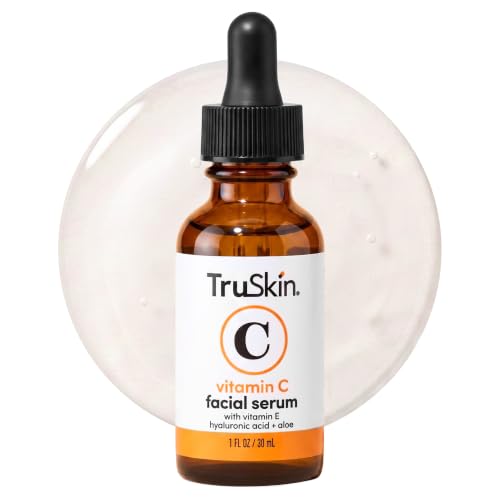
Effective blend of Vitamin C, Hyaluronic Acid, and Vitamin E.
Targets dark spots and uneven skin tone.
Reduces fine lines and wrinkles visibly.

Targets multiple types of dark spots effectively.
Contains natural ingredients for gentle skin care.
Suitable for both women and men.

Effective ingredients for dark spots and wrinkles.
Gentle formula for sensitive, acne-prone skin.
Convenient pad format for easy application.

Combines multiple natural ingredients for enhanced skincare benefits.
Effectively targets dark spots and fine lines.
Lightweight and quickly absorbs into the skin.

Effective on face, body, and hands.
Suitable for all skin types.
Free from parabens and fragrances.

Effectively targets and reduces dark spots.
Contains EGF for skin rejuvenation.
Lightweight and absorbs quickly into skin.

Calms skin with Centella Asiatica extract.
Provides SPF 25 for sun protection.
Effectively reduces redness with color correcting.

Promotes a clear, radiant complexion effectively.
Combines powerful ingredients for glass-like skin.
Enhances hydration with hyaluronic acid formula.
Look first for a complete, current ingredient list and clearly stated amounts for important actives. A disclosed percentage can make a formula easier to assess, but it does not prove that the amount remains accurate through shelf life. The strongest evidence is a product-specific human study with representative skin tones, objective pigment measurements such as colorimetry or mexametry, standardized photographs, disclosed results, and adverse-event reporting. A company claim that a product is “clinically tested,” “dermatologist tested,” or produces results in a set number of weeks is not equivalent to a public study report. Headline figures can also describe an ingredient study, an ex vivo or laboratory result, a consumer-perception survey, or a different formula rather than the product in the bottle.
Sun management is part of dark-spot care, not an optional add-on. Look for clear daily broad-spectrum sunscreen advice, especially with retinoids, acids, or other potentially irritating actives. A product labeled as sunscreen should have an appropriate U.S. Drug Facts label and, where relevant, broad-spectrum testing and SPF information. A cosmetic serum that says to use sunscreen afterward should not be treated as sun protection itself.
For health and quality, a complete label should identify directions, warnings, eye-area and damaged-skin limits, sensitive-skin or patch-test guidance, pregnancy-related cautions where relevant, lot information, expiration or period-after-opening information, and a responsible company contact. “Hydroquinone-free,” “mercury-free,” or “lab tested” claims are stronger when supported by a current, batch-specific report from an ISO/IEC 17025 laboratory. Relevant testing includes LC-MS/MS for hydroquinone and undeclared corticosteroids, ICP-MS for mercury, lead, arsenic, and cadmium, and microbiological testing such as USP <61>/<62> or ISO 11930. Brand-created badges, FDA registration or listing, and “dermatologist tested” language do not independently verify a sold batch.
Lower-waste claims also need specifics. Look for package weights, resin identification, recycled content, refill or reuse information, and package-specific U.S. recycling guidance supported by programs such as How2Recycle or the Association of Plastic Recyclers. “Natural,” “vegan,” “cruelty-free,” or “eco-friendly” statements do not by themselves establish lower aquatic toxicity, biodegradability, or reduced packaging waste.
Across the supplied products, recurring cautions include irritation from retinoids, acids, salicylates, fragrance, essential oils, alcohol, botanical extracts, or high active levels; possible worsening of discoloration after irritation; and missing patch-test, stop-use, eye-area, damaged-skin, or pregnancy guidance. Several products also lack complete formulas or batch testing. Retinoid-containing products warrant particular caution during pregnancy or breastfeeding, and changing, persistent, or diagnosed pigment conditions should not be managed by cosmetic marketing alone.
The topics below distinguish a product with usable safety and substantiation information from one that mainly offers attractive ingredient or outcome claims. Scores reflect the supplied reviews; they do not turn missing documentation into proof of safety or effectiveness.
This measures whether directions and warnings support safe use on the intended skin areas and populations. For dark-spot products, eye avoidance, damaged-skin limits, patch testing, frequency guidance, and pregnancy-related cautions matter because irritation can deepen discoloration. Supplied scores ranged from 58 to 84: higher-scoring products generally had clearer label safeguards, while lower scores lacked important use limits.
This measures credible evidence that a product is free from mercury, hydroquinone, undeclared corticosteroids, and unsafe heavy-metal contamination. A brightening claim is not contaminant clearance. The supplied scores were mostly 70, with higher scores where reviews described stronger manufacturer-reported screening, but no product had publicly available batch-linked independent testing sufficient to verify the sold container.
This measures formula transparency, likely irritants, active combinations, and meaningful patch-test and stop-use guidance. Fragrance, essential oils, alcohol, acids, retinoids, salicylates, and botanical extracts can matter particularly when irritation may trigger post-inflammatory darkening. Scores ranged from 54 to 77: higher-scoring products disclosed simpler or fragrance-free formulas and better precautions; lower-scoring ones combined irritants with incomplete guidance.
This measures whether the product responsibly addresses sun exposure, which can worsen spots and irritation. Clear daily broad-spectrum sunscreen advice is valuable, especially with retinoids and exfoliating acids; only a product with an appropriate sunscreen label should be treated as sun protection. Scores ranged from 62 to 91, with stronger results for explicit SPF pairing and labeled sunscreen directions.
Water-containing serums, creams, and saturated pads need preservation, packaging, dating, and microbial release controls. High-quality documentation would include preservative-challenge testing, microbiological results, expiration or period-after-opening information, and a certificate of analysis. Scores ranged from 69 to 76, but the reviews consistently found little or no public lot-specific release testing, so the score reflects available signals rather than confirmed batch quality.
This measures whether buyers can identify the responsible company, lot, date information, and relevant regulatory history. A high-scoring product should have clear company contact details and traceable packaging, with no unresolved recall, warning-letter, import-alert, or serious safety signal. Scores ranged from 69 to 82; stronger products supplied more label or company identity information, but FDA listing or registration would not mean FDA approval.
This measures whether disclosed actives, amounts, pH, delivery form, stability, and packaging make the dark-spot claim technically plausible. Ingredients such as niacinamide, tranexamic acid, vitamin C derivatives, arbutin, acids, and retinoids can support plausibility, but evidence from another formula does not validate this one. Scores ranged from 48 to 84; higher scores had clearer active disclosures and more technically coherent formulas.
This measures evidence from the finished product, not merely from its ingredients. The strongest support would be a controlled human study with representative skin tones, objective pigment measurements, standardized images, disclosed statistics, and adverse events. Scores ranged from 68 to 80. One supplied product had published product-specific evidence, but it was company-sponsored and had limitations; most others had no controlled finished-product study.
This measures whether marketing matches the evidence and cosmetic status. Appearance-focused language is more defensible than promises to cure melasma, erase spots, bleach skin, or deliver medical results. Scores ranged from 45 to 78. Higher-scoring listings generally qualified cosmetic benefits, while lower scores used strong timelines or disease-related claims without a matching product-specific study.
This measures whether a qualified laboratory or certifier verifies the actual product and batch for identity or potency, contaminants, and microbiological quality. A strong result requires an unredacted, current report linked to the sold lot and an ISO/IEC 17025-accredited laboratory whose scope covers the methods. Scores ranged from 68 to 70, but no supplied product had publicly checkable lot-specific independent reports covering the full set of needed tests.
This measures material use, realistic U.S. recyclability, refill or reuse options, and substantiated claims. Tubes, droppers, mixed-material bottles, jars of disposable pads, and glass containers can have different disposal implications, but container type alone is not enough. Scores ranged from 68 to 76; higher scores reflected some useful packaging details, while reviews generally found no complete bill of materials, recycled-content figure, or U.S. recycling instructions.
This measures whether disclosed ingredients and concentrations avoid unnecessary persistent, bioaccumulative, or aquatic-toxic chemicals. A meaningful assessment needs a full INCI list, concentration ranges, supplier safety information, and biodegradability or aquatic-toxicity data for the finished formula or its ingredients. Scores ranged from 57 to 71. The reviews generally found insufficient concentration and environmental test data, so an undisclosed formula cannot be assumed environmentally preferable.
This is a 2 fl oz water-based facial serum intended for evening use two to three times weekly on the face, neck, and backs of hands. The manufacturer directs users to apply three to five drops, avoid direct eye contact, patch test for 24 to 48 hours, then follow with moisturizer and sunscreen. Its disclosed formula combines sodium ascorbyl phosphate, retinol, niacinamide, salicylic acid, hyaluronic acid, squalane, rosehip oil, aloe, and several botanical extracts. This makes a brightening and texture-smoothing effect technically plausible, but the manufacturer does not disclose active concentrations, formula pH, or finished-product stability testing. No publicly checkable product-specific controlled clinical study, lot-specific certificate of analysis, or independent contaminant and microbiology report was located in the verification review.
This product suits an adult who already tolerates facial retinoids and wants one evening serum for early uneven tone, dullness, fine lines, and dehydration. It is best aligned with someone willing to start slowly, patch test, use it only two to three evenings weekly, and apply broad-spectrum sunscreen every day. The 2 fl oz size may suit a regular user who plans to use a few drops at a time on the face, neck, and hands. It is not a concentration-transparent treatment for someone tracking a specific retinol, niacinamide, or vitamin C dose.
It is not well suited to people with highly reactive skin, fragrance or essential-oil sensitivity, rosacea prone skin, active eczema, a compromised barrier, or irritation from retinoids or salicylic acid. Avoid direct eye-area application despite the broad face-use positioning. People who are pregnant, trying to conceive, or breastfeeding should seek individualized clinician guidance before using a retinol-containing cosmetic, because the product directions do not address these populations. It also does not meet the evidence needs of users seeking independently verified dark-spot results, contaminant screening, or batch-level quality documentation.
The disclosed ingredient list is a meaningful transparency strength. It identifies sodium ascorbyl phosphate, retinol, niacinamide, salicylic acid, humectants, emollients, preservative ingredients, grapefruit peel oil, and geranium extract. The brand provides evening-use directions, eye-contact avoidance, a 24 to 48-hour patch test, and advice to follow with sunscreen. However, the retinol and salicylic acid formula lacks specific pregnancy-related, damaged-skin, concurrent-active, and stop-use guidance. TruSkin's cruelty-free claim is supported by a Leaping Bunny certified-company listing. That certification concerns animal-testing practices, not clinical effectiveness, contaminant testing, or environmental safety. No lot-specific independent laboratory report was publicly available for prohibited lighteners, heavy metals, microbial release testing, or active potency. The brand does not publicly substantiate the bottle's material composition, recycled content, refill design, or U.S. recycling instructions, and ingredient concentrations were insufficient for a finished-formula aquatic-impact assessment.
This is a 1 fl oz leave-on serum positioned for dark spots, post-acne marks, and uneven-looking tone on the face and body. The product listing states 5% tranexamic acid, 3% niacinamide, and a 3.5% renewal peptide, plus ectoine, ergothioneine, and hyaluronic acid. Those concentrations are manufacturer-stated, not confirmed by an independent assay. The active concept is plausible. Controlled human studies have evaluated topical 5% tranexamic acid for melasma, and niacinamide also has human evidence for reducing visible hyperpigmentation. However, those studies do not test this finished product. I could not independently verify a complete ingredient list, pH, stability data, batch certificate, or public clinical study for this exact serum.
This product is most suited to an adult who wants a compact leave-on serum for scattered dark marks or uneven-looking tone on the face or body, and who is comfortable treating the stated active percentages as manufacturer claims rather than independently verified measurements. It fits a routine that already includes daily broad-spectrum sunscreen, gentle cleansing, and gradual introduction of new actives. A buyer should patch test first and avoid layering it immediately with multiple potentially irritating exfoliants.
It is not well suited to people with highly reactive skin, active eczema, open or sunburned skin, or a prior reaction to brightening serums, because the exact current full formula and product-specific tolerance data could not be confirmed. It is also a poor fit for anyone who needs verified absence of mercury, hydroquinone, corticosteroids, or heavy-metal contamination, since no lot-specific independent test report was found. Pregnant or breastfeeding users and people treating diagnosed melasma should seek individualized clinician guidance.
The main health positive is formula plausibility, not finished-product proof. The listing states 5% tranexamic acid and 3% niacinamide. Topical tranexamic acid and niacinamide have human research relevant to hyperpigmentation, but the research does not establish the performance or tolerance of this exact serum. A prior official label for a different EnaSkin dark-spot product identifies EnaSkin LLC and a customer-service email, but it also shows a different formula, so it cannot confirm this product's current composition. No current public batch certificate, independent contaminant screen, preservative challenge test, microbiological release test, or product-specific clinical report was located. That leaves important quality questions unresolved for a water-based leave-on product. No verified environmental certification, package resin identification, recycled-content figure, refill option, or U.S. recycling instructions was found. The ecological profile therefore cannot be meaningfully quantified from public documentation.
This is a 1 fl oz, water-based facial serum used as 3 to 5 drops on clean skin, once or twice daily. The manufacturer directs users to avoid direct eye contact, patch test for 24 to 48 hours, then follow with moisturizer and sunscreen. It is intended for the face, neck, and backs of hands. Its disclosed formula places sodium ascorbyl phosphate, a vitamin C derivative, near the beginning of the ingredient list, alongside aloe, witch hazel water, glycerin, vitamin E, sodium hyaluronate, botanical extracts, phenoxyethanol, and ethylhexylglycerin. The dark-spot mechanism is plausible from topical vitamin C research, but the product does not disclose the vitamin C percentage, pH, stability assay, or finished-product clinical results. The brand calls it clinically and dermatologist tested, yet no full, independently reviewable study report was located.
This product suits an adult who wants an inexpensive, lightweight vitamin C derivative serum for gradual cosmetic brightening and hydration, rather than treatment of a diagnosed pigment disorder. It is most appropriate for someone willing to patch test, introduce it carefully, and use broad-spectrum sunscreen every day. The 1 fl oz dropper format is practical for face, neck, and hands. Its disclosed water-based formula may also appeal to people avoiding parabens, sulfates, phthalates, PEGs, and synthetic fragrance.
This is not a strong fit for anyone seeking proven treatment for melasma, rapidly changing dark marks, post-inflammatory hyperpigmentation requiring medical care, or a product with clinically quantified spot-fading results. People with very reactive skin, known sensitivity to witch hazel, aloe, geranium, or preservative systems should be especially careful and patch test first. Avoid applying it into the eyes or onto compromised skin. Pregnancy-related pigment concerns or persistent, irregular, or changing lesions warrant individualized advice from a qualified clinician.
Safety-positive details include a complete disclosed ingredient list and specific instructions to patch test for 24 to 48 hours, avoid direct eye contact, and use sunscreen afterward. The formula does not list hydroquinone, mercury compounds, topical corticosteroids, retinoids, or exfoliating acids. Sodium ascorbyl phosphate is a stable vitamin C derivative with broader human topical evidence, but this product's concentration and stability through its shelf life are not disclosed. The brand states that it is Leaping Bunny certified, vegan friendly, clinically tested, and dermatologist tested. The cruelty-free certification claim is consistent with historical Leaping Bunny company listings, but no product-specific clinical protocol or independent batch report was publicly available. Packaging material, recycled content, refill design, and component-level U.S. recycling guidance were also not disclosed, so the product's waste and aquatic-impact profile cannot be fully assessed.
This is a 1.7-ounce leave-on cream for applying a pea-sized amount to visible dark spots on the face or body after cleansing. EnaSkin directs use twice daily, morning and evening, and advises first-time users to patch test. The manufacturer describes niacinamide, 3-O-ethyl ascorbic acid, alpha-arbutin, salicylic acid, and 4-butylresorcinol in its current ingredient list. The formula has a technically plausible pigment-focused ingredient mix, but the brand does not disclose concentrations, pH, stability data, or the sold product's active assay. Human studies support certain 4-butylresorcinol creams at stated concentrations, not this finished cream. I did not locate a product-specific controlled clinical study, batch certificate of analysis, or independently checkable contaminant and microbiology report for this unit.
This product is most suited to an adult who wants an inexpensive, leave-on cream for small areas of uneven tone on the face or body and is comfortable patch testing a multi-ingredient formula. It may fit someone who prefers a cream over a thin serum and accepts that the ingredient concentrations and finished-product test data are not disclosed. Use should be limited to intact skin, with careful observation for burning, itching, rash, or worsening discoloration.
It is not a good fit for people with fragrance allergy, highly reactive skin, active eczema, broken skin, or a history of post-inflammatory darkening after irritation. The manufacturer list contains fragrance, salicylic acid, botanical extracts, and colorants, despite the catalog's unscented description. Pregnant or breastfeeding users, people treating diagnosed melasma, and anyone using prescription retinoids, exfoliants, or other pigment treatments should seek individualized advice before adding a multi-active spot cream.
The main safety concern is transparency, not a confirmed recall or exposure alert. EnaSkin's current ingredient list includes parfum, salicylic acid, 4-butylresorcinol, alpha-arbutin, vitamin C derivative, botanical extracts, and colorants. This conflicts with the catalog's unscented specification. Patch testing is manufacturer-advised, but the available directions do not give detailed stop-use, eye-area, pregnancy, damaged-skin, or sunscreen guidance. No independent, lot-specific laboratory report was located for prohibited lighteners, heavy metals, microbes, or active levels. The manufacturer promotes naturally derived ingredients and says its products are BPA-free, paraben-free, and cruelty-free, but I did not locate an issuing-body certification or package-specific recycling documentation supporting those claims. The disclosed formula also includes polyethylene, synthetic polymers, silicones, and EDTA, while no finished-formula biodegradability or aquatic-toxicity assessment was found.
This is a jar of 100 pre-soaked leave-on toner pads for the face, neck, chest, hands, and other areas with uneven tone or rough texture. The manufacturer directs users to swipe one pad over cleansed skin, avoid the eye area, leave the liquid on, and use it morning and night. It also offers a 15-minute targeted mask use. The manufacturer publishes a full ingredient list, including niacinamide, alpha-arbutin, maltobionic acid, 3-O-ethyl ascorbic acid, centella, licorice extract, snail secretion filtrate, peptides, phenoxyethanol, menthyl lactate, and eucalyptus oil. Niacinamide and alpha-arbutin make a dark-spot mechanism plausible, but concentrations, pH, stability data, and finished-product clinical results were not publicly available. The brand claims dermatologist testing and Korean manufacture, but no underlying test report, manufacturing certificate, or batch-specific quality document was located.
This format suits an adult who wants a convenient leave-on toner step and prefers pads over measuring liquid products. It is most relevant for someone with mild dullness, uneven tone, or post-blemish marks who can introduce a multi-ingredient product gradually and already uses daily broad-spectrum sunscreen. The 100-pad jar can also suit a routine that uses occasional 15-minute spot or mask placement. It is better matched to users comfortable treating the brand's clinical and dermatology claims as manufacturer statements, not independently published evidence.
It is not well suited to people with known fragrance or essential-oil sensitivity, very reactive eczema-prone skin, or a history of stinging from cooling ingredients, because eucalyptus oil and menthyl lactate are listed. Avoid applying it to the eye area, broken skin, or active dermatitis. People who are pregnant, breastfeeding, managing melasma, or treating persistent or changing dark spots should seek individualized clinical guidance rather than rely on the product's broad tone-evening claims. It also does not meet the documentation needs of buyers requiring lot-specific contaminant, microbial, potency, or tolerance testing.
The brand provides a usable full ingredient list and basic eye-area avoidance instructions. It identifies Living Earth LLC as its operator and publishes support contact details. A search of FDA cosmetics enforcement and warning-letter resources did not identify a product-specific recall or warning action as of August 16, 2026. That is not the same as independent safety clearance. No public batch report was found for mercury, lead, arsenic, cadmium, hydroquinone, corticosteroids, microbiology, or preservative performance. The formula is water-based and contains conventional preservation ingredients, phenoxyethanol and ethylhexylglycerin, but public evidence of challenge testing and shelf-life controls was not found. The brand calls its packaging eco-conscious, yet provides no package material breakdown, recycled-content figure, resin codes, refill program, or U.S. recycling instructions. One hundred single-use pads also create recurring material waste. Environmental fate and aquatic-toxicity data for the finished formula were not publicly supplied.
This is a 1-ounce facial serum intended for the face and neck after cleansing. Eight Saints markets it for discoloration, acne scars, dullness, fine lines, and wrinkles. The manufacturer publishes a full ingredient list that identifies sodium ascorbyl phosphate, a vitamin C derivative, alongside MSM, hyaluronic acid, aloe, glycerin, vitamin E, jojoba oil, botanical extracts, and a preservative system. The formula is scented with a large blend of citrus and other essential oils, including bergamot, lemon, grapefruit, lime, lemongrass, citronella, cinnamon leaf, and ylang ylang. That matters because the catalog description calls the product fragrance-free, while the manufacturer calls it lemon-scented and lists fragrance oils. Human evidence supports some topical vitamin C approaches for uneven pigmentation, but this product does not disclose its vitamin C concentration, pH, stability data, or a finished-product dark-spot clinical report.
This serum suits an adult with non-reactive, fragrance-tolerant skin who wants a light daily hydrating serum and prefers a disclosed formula containing a vitamin C derivative, humectants, aloe, vitamin E, and jojoba oil. It is most relevant for someone treating mild uneven-looking tone or dullness as part of a broader routine that already includes daily broad-spectrum sunscreen. The 1-ounce size is a conventional facial-serum format for regular face and neck use. Expectations should remain modest because the active concentration and finished-product pigment data are not public.
It is not well suited to people with fragrance allergy, rosacea, eczema, highly reactive skin, a compromised skin barrier, or a history of post-inflammatory darkening after irritation. The many citrus and aromatic essential oils make those situations especially relevant. It is also not a good fit for anyone needing a fragrance-free product, a quantified vitamin C dose, verified batch contaminant testing, or controlled clinical proof of fading established dark spots. People who are pregnant, nursing, using prescription pigment treatments, or managing melasma should seek individualized clinician guidance because product-specific safety guidance is not provided.
The manufacturer discloses the formula and identifies conventional cosmetic preservatives, phenoxyethanol, ethylhexylglycerin, potassium sorbate, and sodium benzoate. The listed ingredients do not include hydroquinone or mercury, and no Eight Saints-specific FDA recall or warning action was located in the public sources reviewed. That is not the same as batch testing. No public lot-specific analysis for mercury, heavy metals, hydroquinone, corticosteroids, microbiology, or preservative challenge performance was found. The main health limitation is the extensive essential-oil fragrance blend. Citrus, lemongrass, citronella, cinnamon leaf, and other aromatic oils can be problematic for sensitized skin, and the product page lacks robust patch-test and stop-use instructions. Eight Saints describes company-level waste and renewable-energy initiatives, but no package-specific material breakdown, recycled-content figure, refill system, or United States recycling instructions were located for this serum. Environmental claims therefore remain manufacturer-stated rather than package verified.
This is a 30 mL leave-on cream serum for visible dark spots on the face, hands, arms, neck, chest, and forehead. MiamiMD directs users to apply a rice-grain amount to each spot after cleansing, morning and night, then massage it in. The manufacturer also specifically advises daily SPF 30 or higher sunscreen. An independent ingredient database lists a water-and-emollient cream base with glycerin, squalane, kojic acid, tetrahexyldecyl ascorbate, resveratrol, phenoxyethanol, shea butter, jojoba oil, apricot kernel oil, and sunflower oil. MiamiMD additionally names alpha-arbutin, resveratrol, and kojic acid as key brightening ingredients, but does not publicly provide their concentrations, formula pH, or a current full product label. No product-specific controlled clinical report, batch certificate, or public third-party laboratory report was located.
This format fits an adult with a small number of non-medical sun spots or post-blemish marks who wants a fragrance-free, moisturizing cream for several body areas and already uses daily broad-spectrum sunscreen. It is a 30 mL spot treatment, so it is more practical for targeted use than for covering large areas every day. The buyer should be comfortable treating results as uncertain because the active concentrations and finished-product clinical evidence are not public.
It is not a suitable substitute for assessment of a new, changing, bleeding, painful, or irregularly colored spot. People with melasma, persistent post-inflammatory hyperpigmentation, eczema, rosacea, broken skin, a history of contact allergy, or very reactive skin should seek individualized guidance first. Pregnancy and breastfeeding users should also consult a clinician because the public directions do not address those circumstances. It is also a poor fit for anyone requiring publicly checkable contaminant testing, batch microbiology data, or a verified clinical trial of the finished formula.
The independent ingredient listing supports the manufacturer’s fragrance-free positioning and shows a conventional preserved cream system containing phenoxyethanol. It also lists kojic acid and a vitamin C derivative, which can irritate some users, yet the public directions do not provide a patch-test procedure, eye-area warning, damaged-skin limit, or stop-use instructions. MiamiMD does advise SPF 30 or higher daily, which is particularly relevant when addressing sun-associated discoloration. MiamiMD says the product is cruelty-free, paraben-free, BHA-free, hypoallergenic, and laboratory tested. No public certificate from a recognized cruelty-free registry, lot-specific laboratory report, or testing protocol was located. FDA searches did not surface a MiamiMD-specific recall or warning letter in the reviewed sources, but that is not proof of batch quality. Packaging resin, recycled content, refill design, and formula-level biodegradability or aquatic-toxicity data were not disclosed.
This is a 30 ml leave-on facial ampoule for the look of dark spots and uneven tone. Directions published by an independent U.S. retailer are simple, apply an appropriate amount after toner over the face. The retailer’s ingredient list identifies humectants and emollients alongside niacinamide, tranexamic acid, alpha-arbutin, glutathione, several vitamin C derivatives, and sh-oligopeptide-1, also called EGF. The official U.S. brand page markets 1X, 3X, and 5X versions, and attributes fast dark-spot and melanin results to the range. Those figures are manufacturer claims, not publicly available study results. The published 1X formula contains bergamot, grapefruit, marjoram, chamomile, and juniper oils, plus limonene and linalool. That conflicts with the marketplace record’s unscented description and matters for fragrance-sensitive users.
This product suits an adult who wants a 30 ml daily facial brightening serum and can tolerate fragranced botanical formulas. Its most credible use is as one part of a conservative routine for uneven-looking tone or post-blemish marks, especially for someone interested in a formula that combines 5% niacinamide with tranexamic acid, alpha-arbutin, and vitamin C derivatives. A user should introduce it gradually, patch test first, and use daytime broad-spectrum sunscreen separately. The available evidence supports ingredient plausibility more clearly than the brand’s rapid-result claims.
It is not a good fit for people with known fragrance, essential-oil, citrus, or linalool sensitivity, or for anyone whose skin is currently irritated, peeling, eczema-prone, or recovering from a procedure without clinician guidance. The published safety information says to avoid sensitive skin and stop if irritation occurs. It is also unsuitable for buyers who need a fragrance-free formula, batch-specific contaminant testing, independently checkable clinical results, or clear pregnancy-related and eye-area guidance. People treating melasma or persistent pigment changes should not treat marketing claims as medical care.
The ingredient list is unusually transparent for a marketplace serum, but formula transparency does not substitute for finished-product testing. It does not list hydroquinone, mercury compounds, or topical corticosteroids. However, no public batch-specific independent laboratory report was found to confirm the absence of prohibited lighteners, heavy metals, or microbial contamination in the product actually sold. No product-specific recall or regulatory action was located in the FDA sources searched. Safety is the sharper concern. The 1X ingredient list includes several aromatic essential oils, limonene, and linalool, while published retailer directions say to avoid sensitive skin. No public package specification, resin identification, recycled-content figure, refill system, biodegradability assessment, or aquatic-toxicity assessment was found. The water-containing formula has preservation ingredients, but public preservative-challenge and microbiological release results were not available.
This is a 15 mL travel-size, green-tinted color-correcting face cream intended to visually neutralize facial redness, even the look of tone, and provide light, buildable coverage. It can be worn alone or under foundation. The formula includes encapsulated color pigments, Centella asiatica extract, glycerin, fragrance, and several declared fragrance allergens. The sunscreen portion is independently documented in the current U.S. Drug Facts label as Broad Spectrum SPF 25, with 6% octinoxate, 2% octisalate, 2.34% titanium dioxide, and 3.84% zinc oxide. The label gives clear eye, damaged-skin, rash, child, application, and reapplication instructions. Erborian also reports a 28-day clinical scoring study in 33 volunteers for reduced visible redness, but no full protocol, pigment measurements, adverse-event table, or independent dark-spot study was located. This product is therefore a redness-camouflaging tinted sunscreen, not a demonstrated dark-spot treatment.
This suits an adult with fair to light skin who wants a small, light-coverage makeup base to quickly mute diffuse facial redness, rather than treat pigment spots. It is most relevant for everyday indoor and incidental outdoor wear when the user will apply enough product, follow the SPF 25 reapplication directions, and use separate water-resistant sunscreen for swimming or sweating. The 15 mL tube is practical for testing the shade-adjusting finish or carrying in a small bag. It may also suit users who prefer a green color corrector under foundation.
This is not well suited to someone seeking documented fading of melasma, post-inflammatory hyperpigmentation, or discrete dark spots. It does not disclose a proven pigment-correcting active concentration or provide a finished-product dark-spot trial. People with fragrance allergy, rosacea that reacts to fragranced products, eczema-prone skin, or an active facial rash should be cautious because the formula contains fragrance and multiple listed fragrance allergens. Do not use it on damaged or broken skin, and keep it out of the eyes. Infants under six months need clinician guidance for sunscreen use.
The strongest safety documentation is the U.S. sunscreen label. It identifies the four UV filters and directs users to apply liberally 15 minutes before exposure, reapply at least every two hours, avoid use on damaged skin, keep the product out of eyes, and stop use if rash occurs. The label also identifies Laboratoires M&L as labeler and registrant. No FDA recall, warning letter, or import-alert result specific to this product was located in the sources reviewed. The ingredient list is transparent, but it includes fragrance and six named fragrance allergens, which matters for sensitive or allergy-prone users. The tube and carton show basic recycling-related symbols, but no package-specific U.S. recyclability, resin, recycled-content, refill, or component-weight evidence was found. Erborian itself flags methyl trimethicone as a substance of very high concern because of potential environmental effects, so the formula does not have a low-persistence environmental profile.
This is a 30 mL water-based facial serum for the appearance of dark spots, uneven tone, dullness, and post-breakout marks. The manufacturer directs users to apply a few drops to affected areas, increase use gradually, and use it morning and night before oils or moisturizer. Daytime use is paired with SPF 30 or higher. Its defining feature is a manufacturer-stated active blend of 10% niacinamide, 4% tranexamic acid, and 2% arbutin, supported by a disclosed full ingredient list. The formula is manufacturer-stated fragrance-free and includes humectants, hyaluronic-acid forms, ceramide NP, oils, botanical extracts, and betaine salicylate. Human research supports related niacinamide and tranexamic-acid formulas, but no independently published controlled trial of this finished product was located. No public lot-specific potency, contaminant, or microbiological report was found.
This serum fits an adult who wants a lightweight leave-on facial product for the appearance of post-breakout marks or uneven tone, and who can use daily SPF 30 or higher. It is most relevant for someone comfortable introducing one multi-active product slowly, rather than layering separate niacinamide, tranexamic acid, and arbutin products. The 30 mL format suits a face-focused routine and targeted use on visible marks. Buyers should value ingredient transparency while recognizing that the listed active percentages are manufacturer-stated rather than independently assayed.
It is not well suited to people with a known reaction to niacinamide, salicylates, arbutin, botanical extracts, macadamia, olive, jojoba, grape, or other listed ingredients. People with active eczema, raw or sunburned skin, significant barrier damage, or a history of strong facial dermatitis should avoid starting a concentrated multi-active serum without professional guidance. Those who are pregnant, breastfeeding, treating melasma medically, using prescription pigment treatments, or seeking a product with independently verified batch testing should discuss options with a clinician or choose a product with that documentation.
The safety-positive points are a public full ingredient list, no added fragrance listed, gradual-use directions, and an explicit instruction to pair daytime use with SPF 30 or higher. Niacinamide has a long cosmetic safety record, and human studies support topical niacinamide and tranexamic-acid combinations for pigmentation-related appearance concerns. That evidence supports plausibility, not a guarantee of tolerance or results from this exact serum. Important gaps remain. The manufacturer calls the formula clinically tested and low irritation, but a study protocol, participant details, and adverse-event results were not publicly available. No public batch-specific independent report was located for active content, hydroquinone, mercury, other heavy metals, or microbiological quality. No package material specification, recycled-content claim, refill system, or U.S. recycling instructions were found, and the full formula lacks disclosed biodegradability or aquatic-toxicity data.


