Best Overall
15% Coupon

SimplyVital Collagen Face Moisturizer Cream - 1.7oz
Made in the USA, ensuring quality.
Effective for both day and night use.
Targets neck and décolleté areas too.
 Lauren Wilson
Made in the USA, ensuring quality.
Effective for both day and night use.
Targets neck and décolleté areas too.

Targets multiple types of dark spots effectively.
Contains natural ingredients for gentle skin care.
Suitable for both women and men.
Gently exfoliates with dual-textured pads.
Contains lactic acid for smoother skin.
Convenient and easy-to-use application.
Effectively fades dark spots and hyperpigmentation.
Provides 24-hour hydration without greasiness.
Strengthens skin with 5X ceramide barrier repair.

Targets various skin discolorations effectively.
Contains advanced formula with niacinamide.
Suitable for both face and body use.

Combines powerful ingredients for effective dark spot reduction.
Formulated by a dermatologist for trusted results.
Suitable for all skin types and tones.

Combines multiple skincare ingredients in one serum.
Targets dark spots and discoloration effectively.
Enhances skin brightness and firmness.

Deeply hydrates and brightens the skin.
Suitable for all skin types.
Promotes radiant and firm skin appearance.

Effective ingredients for dark spots and wrinkles.
Gentle formula for sensitive, acne-prone skin.
Convenient pad format for easy application.

Contains high 10% niacinamide concentration.
Effective on fine lines and dark spots.
Natural and organic ingredients.
A more useful starting point is a complete, current ingredient declaration that matches the physical package and identifies the responsible maker, contact details, lot coding, and manufacturing or country-of-origin information when stated. Conflicting descriptions are a meaningful warning: supplied reviews found products described as unscented despite fragrance or essential oils appearing elsewhere, and products marketed with retinol whose associated label did not list retinol. A claimed active percentage should also be tied to the exact finished formula. Numbers such as 10% niacinamide, 5% tranexamic acid, 7% arbutin, or 0.1% retinol are manufacturer-stated unless a dated, lot- or formula-linked assay is available.
Human evidence must be matched carefully. A study of 5% niacinamide, 5% tranexamic acid, or another ingredient in a different formulation supports an ingredient rationale, not the results of the product in your hand. Stronger evidence would be a controlled human study of the finished product or a materially identical formula, using an appropriate duration, participants with relevant pigmentation, objective measures such as colorimetry or Mexameter readings, and reported adverse events and limitations. Claims such as “clinically proven,” “dermatologist tested,” or visible change in three to six weeks are incomplete without the protocol, participant details, measurements, and full results.
For a water-containing leave-on product, look for finished-formula microbiological-limit and preservative-challenge results, ideally tied to an identified batch or representative production formula. For this category, independent testing is especially important because FDA materials warn about illegal skin-lightening products containing mercury or nonprescription hydroquinone. A strong product-specific report should identify an ISO/IEC 17025-accredited laboratory, validated methods such as ICP-MS for metals or HPLC/UPLC for active potency, the lot, date, result, and pass criteria. No listed ingredient is not the same as an independent clean test.
Retinoids and exfoliating acids require practical directions: gradual introduction, patch testing, eye-area avoidance, clear stop-use advice, interaction guidance where relevant, sun protection, and pregnancy or clinician precautions. Irritation can worsen discoloration, particularly in people prone to post-inflammatory pigmentation. Fragrance, essential oils, botanical extracts, cooling agents, and undisclosed preservatives can also matter even when a product is called gentle, natural, hypoallergenic, or suitable for sensitive skin.
Environmental claims need similar proof. A recycling symbol alone does not establish that every component is accepted locally. Look for package materials, resin codes, recycled-content documentation, refill information, and qualified disposal guidance. Organic, cruelty-free, natural, or sustainability badges should be traceable to current public registers such as USDA Organic Integrity, NSF/ANSI 305 or QAI, Leaping Bunny, B Corp, or another named certifier’s applicable register. These certifications may apply to a company rather than the individual product.
Across the supplied products, recurring cautions include missing lot-specific testing for prohibited lighteners, heavy metals, potency, microbial limits, preservative performance, and stability; undisclosed active concentrations; incomplete or inconsistent ingredient information; and a lack of finished-product clinical studies. People who are pregnant, trying to conceive, or breastfeeding should take particular care with products that contain or may contain retinoids. Fragrance-sensitive, eczema-prone, rosacea-prone, or highly reactive users should screen carefully for fragrance, essential oils, botanical allergens, acids, and retinoids. Changing, painful, bleeding, suspicious, or medically significant pigmentation should be assessed by a clinician rather than treated as an ordinary cosmetic dark spot.
These topics assess more than whether a product contains a popular brightening ingredient. They consider irritation risk, formula identity, contamination safeguards, directions, finished-product evidence, and the credibility of environmental and certification claims. High scores reflect stronger documentation and safer, more accountable use; they do not guarantee that a product will fade an individual buyer’s spots.
This measures whether regular use is more likely to support even tone without avoidable skin injury. For leave-on brightening creams, high-scoring products combine sensible directions, lower expected irritation burden, and no serious harm signals in the reviewed information. Lower-scoring products tend to have conflicting formulas, missing safety evidence, or active combinations that could cause irritation and worsen discoloration.
This measures disclosure and control of fragrance, essential oils, botanical allergens, and other irritation triggers, plus evidence from finished-product patch or use testing. It matters because burning or dermatitis can deepen post-inflammatory pigmentation. Among these products, stronger scores are associated with a disclosed fragrance-free formula and clearer tolerance information; lower scores reflect fragrance conflicts, sensitizing botanicals, or no finished-product testing.
This measures whether potentially irritating actives are paired with gradual introduction, patch testing, eye-area precautions, stop-use advice, sunscreen guidance, and pregnancy or clinician warnings when relevant. High-scoring products give buyers a practical ramp-up plan. Lower-scoring products market retinol or acids without adequate titration or pregnancy guidance, or give directions that conflict about frequency.
This measures protection against mercury, nonprescription hydroquinone, undeclared corticosteroids, and harmful metal contamination. It matters especially for products making strong lightening or melasma claims. A high score requires current retail-lot independent testing or strong enforcement evidence; a low score reflects formula uncertainty or no product-specific report. A clean ingredient list alone is not equivalent to a tested lot.
Water-containing leave-on creams and serums need protection against contamination throughout their shelf life. High-scoring products would provide finished-formula microbiological-limit and preservative-challenge results tied to a batch or representative formula. The supplied products generally lacked those certificates, so scores are separated mainly by packaging, disclosure, and available safety information rather than proof of passing tests.
This measures whether named brightening actives have meaningful disclosed concentrations and remain at that strength through expiry or the stated period after opening. High scores combine a percentage, expiry or PAO information, appropriate packaging, and independent stability or assay evidence. Lower scores rely on ingredient-name marketing or manufacturer percentages without a lot-linked potency test or stability data.
This measures whether named brightening actives have meaningful disclosed concentrations and remain at that strength through expiry or the stated period after opening. High scores combine a percentage, expiry or PAO information, appropriate packaging, and independent stability or assay evidence. Lower scores rely on ingredient-name marketing or manufacturer percentages without a lot-linked potency test or stability data.
This measures evidence for the finished product—not merely an individual ingredient—in people with the claimed concern. High-quality evidence reports appropriate participants, duration, objective pigmentation measurements, realistic results, and adverse events. Lower-scoring products rely on studies of other formulas, consumer-perception surveys, or no study at all, even when their ingredients have relevant human research.
This measures whether claims such as fading spots, treating melasma, fast results, dermatologist testing, or clinical proof match the legal cosmetic category and available evidence. Higher scores use qualified appearance-focused language. Lower scores make treatment-like, guaranteed, or rapid-result promises without a finished-product study. Ingredient research cannot by itself substantiate a claim about the whole product.
This measures whether safety, identity, potency, microbiology, contaminant, certification, and performance claims are verified by qualified independent parties. A high score requires a report naming the laboratory or certifier, method, date, lot or formula, result, and pass criteria. Lower scores rely on brand statements such as tested, safe, clinically proven, or third-party tested without an accessible dossier.
This measures packaging quantity, component design, disposal guidance, recycled content, refill options, and substantiation for recyclability or sustainability claims. A high score requires material-specific information and realistic local-disposal guidance, not simply a “natural” or “eco” description. Among these products, the clearest example is packaging identified by resin type with a local-recycling qualification; most provide little comparable documentation.
This measures whether cruelty-free, organic, natural, sustainable, or similar claims are backed by a current independent register or scope certificate. High scores reflect a checkable certification, such as a company appearing in the Leaping Bunny or B Corp directories. Lower scores reflect badges or claims without a public certifier record, and a company certification should not be mistaken for product-level testing.
This is a 1.7-fluid-ounce leave-on face and neck moisturizer in a pump-topped jar. The manufacturer presents it as a day or night cream containing retinol, collagen and hyaluronic acid, and says it is made in the United States. Its directions advise applying a small amount to clean, dry skin, starting one to two times weekly for sensitive skin, patch testing first, avoiding the eye area, stopping for irritation, and using daytime SPF. Independent ingredient databases list water, emollient oils, aloe, retinol, hydrolyzed marine collagen, hyaluronic acid, phenoxyethanol, potassium sorbate, imidazolidinyl urea, avocado oil, chamomile extract and vitamin E. The retinol concentration, its stability through expiry, and finished-product clinical performance data were not disclosed. This is therefore a retinol moisturizer with plausible skin-smoothing and hydration roles, not a product with verified evidence that it fades dark spots.
This product fits an adult who wants a compact, moderately priced moisturizer with retinol in an emollient base for face, neck and décolletage use. It is most appropriate for someone starting cautiously with an over-the-counter retinol, willing to patch test, use it gradually, and apply broad-spectrum SPF during the day. The pump design may also appeal to people who prefer less direct contact with a jar cream. Expectations should center on moisturization and gradual texture support, not a proven dark-spot treatment.
It is not well suited to pregnancy, people trying to become pregnant, or anyone advised by a clinician to avoid retinoids. It is also a poor fit for people with active eczema, rosacea, markedly inflamed skin, a retinoid allergy, or a history of contact allergy who need finished-product patch-test evidence. Choose another product if you need a disclosed retinol percentage, verified lot-specific heavy-metal and microbiology testing, vegan ingredients, or evidence that the finished cream treats melasma or persistent dark spots.
The formula is presented as unscented, and independent ingredient listings do not show added fragrance. It includes retinol, so gradual introduction, careful monitoring for burning or peeling, and daily sun protection matter. The manufacturer gives useful practical warnings, including patch testing, avoiding the eyes and discontinuing use for irritation. It does not provide a pregnancy-specific retinoid warning, despite dermatology guidance advising against retinoids during pregnancy. No product-specific FDA recall, warning letter or safety alert was located in the reviewed searches. However, no current independent retail-lot testing was found for mercury, hydroquinone, corticosteroids, heavy metals or microbes. The water-containing formula uses conventional preservatives, but no preservative-challenge or microbiological certificate was published. Packaging is a small plastic pump jar with a protective inner cover, yet recycled content, material identification, disposal instructions, refill options and independently verifiable environmental certifications were not disclosed.
This is a 1.7-ounce leave-on cream marketed for dark spots, acne marks, freckles, and uneven tone on the face and body. The manufacturer directs users to apply a small amount after cleansing to blotchy areas and dark spots, avoid normal skin where possible, and patch test before first use. The manufacturer’s current ingredient list names niacinamide, 3-O-ethyl ascorbic acid, 4-butylresorcinol, alpha-arbutin, tranexamic acid, licorice extract, and vitamin E, alongside emollients and preservatives. Several of these active categories have human research in other formulas, but no controlled human study of this finished cream was identified. The catalog record calls it unscented and lists salicylic acid, while the manufacturer’s own formula lists parfum and does not list salicylic acid. Concentrations, stability data, and lot-specific independent testing were not found.
This product is most suited to an adult who wants a small, targeted cream for the cosmetic appearance of isolated dark marks on the face or body and is willing to patch test first. It may be relevant for someone comfortable with a multi-ingredient formula that includes niacinamide, alpha-arbutin, tranexamic acid, 4-butylresorcinol, botanical extracts, emollients, and conventional preservatives. Its $24.99 price and 1.7-ounce size fit a modest spot-treatment routine rather than broad daily body coverage. Results should be treated as uncertain because finished-product clinical evidence and active concentrations were not located.
This is not well suited to fragrance-allergic, eczema-prone, rosacea-prone, or very reactive skin, because the manufacturer lists parfum despite the catalog describing it as unscented. It is also a poor fit for buyers who require a fragrance-free product, verified paraben-free formula, a fully consistent ingredient declaration, or lot-specific third-party contaminant and microbiology testing. People treating melasma, rapidly changing pigmentation, suspicious new spots, or medically significant discoloration should seek professional assessment rather than rely on cosmetic spot-corrector claims. Pregnant or breastfeeding users should discuss complex active routines with a clinician.
The key health issue is disclosure consistency. EnaSkin’s current product page lists parfum, methylparaben, and propylparaben. That conflicts with the catalog’s unscented description and the brand website’s paraben-free statement. The product page does include a patch-test recommendation, but no finished-product repeat-insult patch test, preservative-challenge result, microbiological certificate, or lot-specific independent contaminant report was identified. The listed brightening ingredients have support in studies of other formulas, including trials involving topical tranexamic acid, alpha-arbutin, niacinamide, and 4-butylresorcinol. Their amounts in this cream are not disclosed, so those studies cannot establish this product’s expected result. FDA warns that unapproved over-the-counter skin-lightening products may contain mercury or hydroquinone. Neither is listed by EnaSkin, but independent lot testing was not located. No verifiable cruelty-free, organic, or environmental certification, recycled-content documentation, refill program, or disposal guidance was identified.
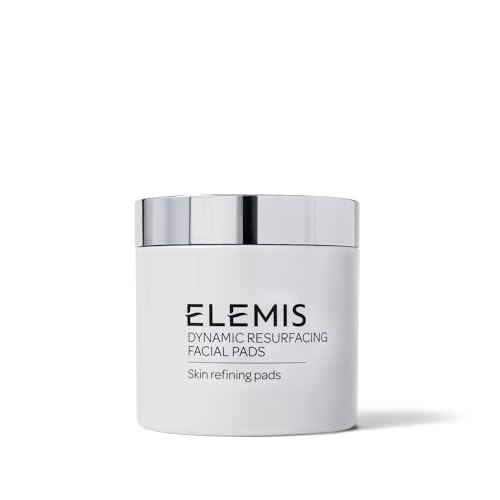
This is a 60-pad, leave-on exfoliating treatment in a jar. The directions say to use one textured pad after cleansing, morning and evening, across the face, neck and décolleté, then follow with sunscreen. It is intended to smooth rough texture and improve the appearance of uneven tone and dark spots. The current ingredient declaration is independently corroborated by major retailers and includes fragrance, 1% lactic acid, papain, protease and subtilisin. The 1% lactic-acid level is manufacturer-stated through retail product information, rather than supported by a public batch assay. ELEMIS also reports an independent 36-person, four-week clinical trial, but the full protocol, pigmentation measurements, participant skin types and adverse-event details were not publicly available for review.
This product suits an adult with normal, combination or oily skin who wants a convenient, leave-on exfoliating step for surface roughness, dullness and mild uneven-looking tone. The 60-pad jar is structured for regular use, and the stated 1% lactic acid is a relatively modest named acid level. It is most appropriate for someone already willing to use broad-spectrum sunscreen consistently, because the directions specifically call for SPF after application and tone concerns can worsen with ultraviolet exposure.
It is not a strong fit for people with fragrance allergy, active eczema, rosacea flares, broken skin, recent peels or a history of irritation-triggered dark marks. Those using prescription retinoids, benzoyl peroxide, other exfoliating acids or abrasive scrubs should be cautious because the public directions do not explain how to combine those treatments or how to reduce frequency. It is also not designed as a well-documented treatment for melasma or persistent, medically evaluated discoloration.
The formula is a fragranced, water-based leave-on product preserved with phenoxyethanol, benzoic acid, dehydroacetic acid and sodium benzoate. Lactic acid is a recognized cosmetic exfoliant, and the product identifies it at 1%, but public materials do not provide a finished-product irritation study, stability report, preservative-challenge result or lot-specific contaminant screen. No product-specific FDA recall, warning or mercury and hydroquinone alert was identified in the sources reviewed. ELEMIS is a B Corp certified company, verified in B Lab's public directory and listed as operating in the United States. That is a company-level social and environmental certification, not a test of this individual product. ELEMIS identifies the jar as PET 1 and the closure as PP 5, while also noting that disposal depends on local collection. The single-use pads and mixed ancillary components still create recurring waste, and no recycled-content figure was publicly provided.
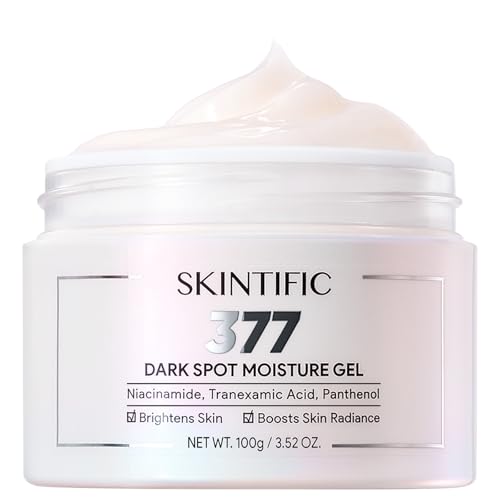
This is a 100 g leave-on gel moisturizer intended for facial use, particularly for uneven tone and dark-spot concerns. The official product page describes a formula with niacinamide, alpha-arbutin, tranexamic acid, undecylenoyl phenylalanine, centella extract, panthenol, glycerin, meadowfoam oil, and five ceramide types. It is positioned as a lightweight moisturizer rather than a prescription pigment treatment. The ingredient list is manufacturer supplied, not independently verified by a batch test. The listed brightening ingredients have relevant human evidence in other formulations, but their concentrations here are not disclosed and no controlled human trial of this finished product was located. The marketplace record calls the scent jasmine, while the official ingredient list reviewed does not show fragrance or jasmine, so buyers with fragrance sensitivity should confirm the current package label before use.
This product suits an adult seeking a large, lightweight moisturizer for an oily or combination facial routine who wants cosmetic support for post-acne marks or uneven-looking tone. It is most relevant for someone prepared to use it consistently and pair it with daily broad-spectrum sunscreen, since sun exposure can perpetuate visible discoloration. The ingredient profile may also appeal to users who want humectants, panthenol, centella, and ceramides alongside pigment-focused ingredients, while accepting that the active concentrations are undisclosed.
It is not well suited to someone who needs independently documented testing for contamination, microbial control, allergy risk, active potency, or clinical performance. People with a history of fragrance or jasmine allergy should verify the physical label because the marketplace scent field conflicts with the official formula reviewed. It is also not a substitute for clinician-directed care for melasma, rapidly changing spots, painful irritation, pregnancy-related pigment concerns, or persistent hyperpigmentation. Those with very reactive skin should patch test and stop use if burning, swelling, or rash occurs.
The official formula lists no hydroquinone, mercury compound, or corticosteroid, and the FDA skin-lightening alert material reviewed did not identify this product. That is useful label-level information, but it is not equivalent to a retail-lot laboratory result. FDA warns that some skin-lightening products can contain undeclared mercury or hydroquinone, so an independent current-lot report would be the stronger safeguard. The formula uses common moisturizing and barrier-support ingredients, including glycerin, panthenol, centella, and ceramides. However, no product-specific patch test, preservative efficacy test, microbial limit result, stability study, or independent efficacy study was found. The product appears to use a non-refillable jar-style package, and no verified recycled-content, disposal guidance, refill program, or environmental certification was identified. No checkable cruelty-free, organic, or sustainability certification was located in the reviewed official materials.
This is a 1-ounce leave-on serum for facial and body discoloration, including sun spots, post-acne marks, freckles, and melasma. The current retail description states 5% tranexamic acid, 3% niacinamide, and 3.5% hexyl dipeptide-3 norleucine acetate, with ectoine, ergothioneine, and hyaluronic acid. Those concentrations are manufacturer-stated, not independently assayed. The stated 5% tranexamic acid level matches the dose used in several 12-week human melasma studies of other formulations. That supports the ingredient rationale, not this finished serum's results. No finished-product clinical trial, stability assay, preservative challenge test, batch certificate, or independent contaminant screen was located. Older retailer material associated with the same product identifier also describes a substantially different active mix, which reduces confidence in formula and label consistency.
This product is most suited to an adult who wants a compact, targeted serum for stable-looking dark spots or uneven tone on the face, hands, chest, or body, and who accepts that the stated active levels are manufacturer claims. It is most relevant for someone prepared to use broad-spectrum sunscreen daily and to judge changes over roughly 8 to 12 weeks, rather than expecting fast correction. A cautious patch test is sensible because product-specific irritation testing was not found.
It is not well suited to people with active eczema, a damaged skin barrier, known sensitivity to niacinamide or brightening serums, or a history of post-inflammatory darkening after irritation. It is also a poor fit for anyone needing independently documented contaminant testing, full formula traceability, or clinically demonstrated results from the exact product. People with rapidly changing, irregular, bleeding, painful, or newly dark lesions should seek medical assessment rather than treating the area as an ordinary cosmetic spot.
Topical 5% tranexamic acid has human study support for melasma in other formulations, though redness and sensitivity have occurred in some research. This product's claimed 3% niacinamide may complement a brightening routine, but the exact finished formula has not been independently tested for tolerance, efficacy, or active-content stability. There is no identified retail-lot laboratory report confirming absence of mercury, hydroquinone, corticosteroids, or heavy-metal contamination. FDA warnings about unlawful skin-lightening products make that missing confirmation important for this category. The brand and retailer materials make cruelty-free, vegan, and free-from claims, but no current independent certification record was located for them. No recycled-content documentation, refill program, component material identification, local disposal instructions, or substantiated packaging environmental claim was found. The product's small single-use bottle limits material quantity, but it does not establish lower-waste packaging.
This is a 1 fl oz, leave-on nighttime facial serum for the appearance of dark spots, uneven tone, and discoloration. The manufacturer directs users to apply a pea-size amount after cleansing, follow with moisturizer, start every other night if new to retinol, and use SPF 30 or higher daily. Its disclosed formula combines 0.1% encapsulated retinol, 3% tranexamic acid, 5% niacinamide, 1% kojic acid, mandelic acid, and supporting antioxidants and barrier ingredients. The ingredient list is publicly available from the maker. The maker also reports sensitive-skin testing, a 70-person patch test, microbial testing, and screening for hydroquinone, steroids, and heavy metals. Those results are not accompanied by publicly available laboratory names, methods, lot numbers, or original reports, so they remain manufacturer-stated rather than independently auditable.
This product suits an adult seeking a compact, nighttime routine for mild dark marks, post-blemish discoloration, or uneven tone, particularly someone who wants several disclosed brightening actives in one 30 mL serum instead of layering separate products. It is most appropriate for a person able to introduce retinol slowly, use moisturizer, and consistently apply broad-spectrum SPF 30 or higher during the day. The $34.99 size is intended to last roughly two to three months according to the manufacturer, depending on frequency of use.
It is not a good fit for people who are pregnant, trying to conceive, or who have been advised to avoid retinoids. People with active eczema, rosacea flares, damaged skin barriers, known allergy to soy or any listed ingredient, or a history of strong reactions to retinoids or alpha hydroxy acids should be particularly cautious and discuss use with a clinician. It also does not suit buyers who require public batch-specific laboratory documentation for potency, metals, microbial safety, or preservative performance.
The product contains retinol, tranexamic acid, niacinamide, kojic dipalmitate, mandelic acid, and multiple botanical extracts. Retinol can improve uneven tone but commonly causes irritation during adjustment. Dermatology guidance supports slow introduction, nighttime use, moisturizer, sun protection, and avoiding retinoids during pregnancy. The maker's own pregnancy guidance says to avoid this dark-spot serum during pregnancy and seek clinician advice while nursing. The formula contains no added fragrance on its published ingredient list. The maker states that it is vegan, cruelty-free, made in Canada, third-party tested, and screened for hydroquinone, steroids, heavy metals, and microbes. No public original test reports or independently verifiable cruelty-free certification were located. No specific packaging resin, recycled-content, refill, component-weight, or disposal information was found, so the environmental impact of its single-use serum packaging cannot be meaningfully assessed.
This is a 2 fl oz water-based facial serum intended for uneven tone, dullness, fine lines, and hydration. The brand directs users to apply 3 to 5 drops to face, neck, or hands 2 to 3 evenings a week, avoid direct eye contact, moisturize afterward, and use sunscreen if applying in daytime. Its current ingredient declaration is independently corroborated by a major retailer and identifies sodium ascorbyl phosphate, retinol, niacinamide, sodium hyaluronate, squalane, salicylic acid, rosehip oil, aloe, and grapefruit peel oil. The brand does not disclose concentrations of its brightening actives, expiry or stability-assay data, or a finished-product clinical study for dark spots. Existing human research supports retinoids and some vitamin C and niacinamide formulations, but cannot establish performance of this undisclosed-dose combination.
This product fits an adult with mild uneven tone, post-blemish marks, or early photoaging who already tolerates retinol and wants a single evening serum rather than separate vitamin C, retinoid, niacinamide, and hydrating products. The 2 fl oz size and 2 to 3 times weekly schedule may suit a gradual routine. It is most appropriate for someone willing to patch test, introduce it slowly, use moisturizer, and maintain broad-spectrum sun protection. The ingredients are disclosed, but buyers should accept that exact active strengths are not public.
It is not a suitable first choice for people who react to fragrance, citrus oils, retinoids, or salicylic acid, or who have active eczema, rosacea, a compromised barrier, or irritation-prone hyperpigmentation. Irritation can itself worsen dark marks, particularly in deeper skin tones. Pregnant people, people trying to conceive, and those who are breastfeeding should discuss retinol-containing skin care with their clinician and generally avoid retinoids during pregnancy. It also does not suit buyers who require independently published potency, microbial, heavy-metal, or finished-product dark-spot testing before use.
The disclosed formula contains retinol, sodium ascorbyl phosphate, niacinamide, salicylic acid, humectants, and botanical materials. The retinol schedule is conservative for a cosmetic serum, and the manufacturer recommends a 24 to 48 hour patch test, nighttime use, and sunscreen. However, grapefruit peel oil is a fragrance-related botanical in a leave-on formula. No public finished-product sensitization report was found, and the published directions omit a pregnancy precaution despite the retinol content. The ingredient list does not name hydroquinone or mercury, and no relevant FDA recall, warning letter, or FDA tested-product entry was located in the searches performed. That is not equivalent to a lot-specific contaminant test. TruSkin's cruelty-free status is supported by Leaping Bunny materials. The brand states that products are made in the United States with global ingredients, but no package resin code, recycled-content figure, refill option, component weights, or disposal instructions were found. Environmental packaging claims therefore remain limited.
This is a 50 ml leave-on moisturizing cream intended for the face, neck, décolleté, chest and hands. The manufacturer directs users to apply a pearl-sized amount morning and night after cleansing, then use sunscreen in daytime. It is positioned as a daily hydrator and brightener for dullness, uneven tone, fine lines and dark spots. The manufacturer publishes a full ingredient list that includes niacinamide, ceramide NP, shea butter, several forms of hyaluronic acid, NAD+, ferulic acid and 3-O-ethyl ascorbic acid. Niacinamide has human evidence for improving hyperpigmented spots in other products at disclosed 4 to 5 percent concentrations, but this product discloses no concentrations and no finished-product clinical study. Its current brand formula also lists fragrance, which matters for sensitive users.
This product fits an adult who wants a single rich daily moisturizer for face, neck and upper chest, and who is comfortable treating dark-spot support as a gradual cosmetic goal rather than a proven treatment. It is most relevant for people who value a cream base with glycerin, shea butter, ceramide NP, niacinamide and hyaluronic acid forms, and who will reliably use sunscreen. The 50 ml jar may suit someone using it twice daily over a limited area for roughly two to three months, as the manufacturer suggests.
It is not well suited to people with fragrance allergy, rosacea, active facial dermatitis or a history of irritation from fragranced leave-on products. The ingredient list includes fragrance, and no finished-product repeat-insult patch test was published. It is also not a well-supported choice for someone seeking treatment of melasma, rapidly changing spots, persistent post-inflammatory hyperpigmentation or medically concerning pigmentation. Those concerns need individualized clinical assessment. Buyers requiring independently verified active concentrations, lot testing, expiry data or preservative testing will not find those records publicly available.
The formula is a water-containing cream with humectants, emollients, ceramide NP, niacinamide, several hyaluronic acid forms and a vitamin C derivative. The manufacturer says it is made in Korea, free of hydroquinone and retinoids, and directs daytime sunscreen use. No product-specific independent report was found for mercury, hydroquinone, heavy metals, microbiological limits, preservative efficacy, active identity or potency. No matching FDA safety action or warning was identified in the searches performed, but that is not equivalent to laboratory clearance. Fragrance appears on the manufacturer’s current ingredient list despite the product also being described as hypoallergenic and suitable for sensitive skin. No public patch-test report was found. The brand states that the cream is cruelty-free and vegan, but no third-party certification registry entry was identified. Packaging material, recycled content, recyclability instructions and refill documentation were also not published, so its environmental claims and disposal profile cannot be independently assessed.
This is a jar of 100 pre-soaked facial toner pads, stated to contain 150 mL of leave-on essence. The brand directs users to swipe one pad over clean facial skin after cleansing and avoid the eye area. It is marketed for dullness, visible dark spots, fine lines, hydration, and smoother-looking texture. The manufacturer publishes a comparatively complete ingredient list. Niacinamide appears near the top, followed by alpha-arbutin, a vitamin C derivative, licorice root extract, centella components, peptides, snail secretion filtrate, humectants, and preservatives. The list also includes eucalyptus oil and menthyl lactate. The brand states that the pads are made in Korea, dermatologist tested, hypoallergenic, and suitable for sensitive skin, but no public finished-product test report, concentration disclosure, or independent laboratory certificate was located.
This product suits an adult who wants a convenient, non-rinse daily pad format and is comfortable treating it as a cosmetic tone-evening step rather than a proven treatment for melasma or persistent discoloration. It may fit someone who tolerates niacinamide and botanical extracts, wants 100 applications in one jar, and will use a separate broad-spectrum sunscreen. The disclosed formula offers several humectant and soothing ingredients alongside brightening ingredients, but the expected result and active doses remain manufacturer-stated.
This is not well suited to people with fragrance, essential-oil, eucalyptus, snail, or unexplained cosmetic-reaction histories. Its eucalyptus oil and cooling menthyl lactate are relevant concerns for rosacea-prone, eczema-prone, or highly reactive skin, especially when discoloration worsens after irritation. People seeking treatment for melasma, rapidly changing spots, post-inflammatory hyperpigmentation, or a diagnosed skin condition should not rely on the product's cosmetic claims alone. It also lacks public documentation for pregnancy-specific use guidance, finished-product testing, and active concentrations.
The published formula does not list hydroquinone or mercury, and checks of FDA skin-lightening alerts did not identify this product. That is reassuring only at the label level. No independent retail-lot screening for mercury, hydroquinone, corticosteroids, or heavy metals was located. The water-based formula declares phenoxyethanol, ethylhexylglycerin, and hydroxyacetophenone, but no public preservative-challenge or microbiological certificate was found. The brand claims cruelty-free, paraben-free, sulfate-free, and other formulation attributes, plus dermatologist tested and hypoallergenic status. No independently verifiable certification record or underlying test documentation was located for those statements. The product uses 100 disposable pads in a jar. The reviewed public materials do not provide package resin codes, recycled-content figures, refill options, component weights, or local disposal instructions, so its packaging impact cannot be quantified.
This is a 1 oz water-based facial serum intended for uneven tone, visible dark spots, enlarged pores, redness, fine lines, and hydration. The brand directs users to smooth a few drops over the face and neck after cleansing, then follow with moisturizer. It says the serum can be used in either a morning or evening routine. The manufacturer discloses a short formula of water, 10% niacinamide, glycerin, phenoxyethanol, zinc PCA, hyaluronic acid, aloe leaf juice, xanthan gum, and a chelator. That disclosed formula contains no fragrance or parfum. The stated 10% niacinamide level is a meaningful disclosure, and published controlled studies of other formulas found improvements in hyperpigmented facial spots with 2% to 5% niacinamide. No independent human trial, batch assay, stability report, or finished-product safety report for this exact serum was located.
This product suits an adult seeking a compact, water-based niacinamide serum for cosmetic concerns such as uneven-looking tone, post-blemish marks, visible pores, or mild redness. It is most relevant for someone who wants a disclosed 10% niacinamide formula with glycerin, hyaluronic acid, zinc PCA, and aloe, and who is comfortable adding moisturizer and daily broad-spectrum sunscreen separately. It may also suit fragrance-avoidant users, since fragrance and parfum do not appear in the manufacturer’s ingredient list.
It is not a strong fit for people who need independently documented safety testing, metal screening, preservative-challenge results, or verified active-potency testing for every cosmetic they use. People with a history of reactions to niacinamide, phenoxyethanol, aloe, or leave-on facial products should patch test cautiously and stop use if irritation develops. It is also not designed to diagnose or treat melasma or other medical causes of discoloration. Those with changing, painful, itchy, bleeding, or rapidly darkening marks need clinical evaluation.
The formula is relatively simple for a leave-on serum. The manufacturer lists 10% niacinamide alongside humectants and skin-conditioning ingredients, and the list contains no fragrance or parfum. Niacinamide has controlled human evidence in other formulations at 2% to 5% for improving the appearance of facial hyperpigmentation, but this does not verify outcomes, tolerability, or potency for this particular 10% serum. No recall, FDA warning letter, or public enforcement action specifically identifying Eight Saints was located in the reviewed FDA sources. The brand publicly provides a US mailing address, phone number, and support email. It also markets cruelty-free status and environmental practices including renewable energy, recycling programs, responsible sourcing, and minimal-waste manufacturing. However, no product-specific independent laboratory records, packaging resin details, recycled-content documentation, disposal guidance, or independently accessible certification record was located during this review. These environmental and testing claims therefore remain manufacturer statements rather than product-level proof.


