Best Overall

WARMTUYO 4K Night Vision Binoculars
Crisp 4K resolution for clear night vision.
Convenient 10X digital zoom feature.
Includes a 32GB TF card for storage.
 Daniel Kenitz
Crisp 4K resolution for clear night vision.
Convenient 10X digital zoom feature.
Includes a 32GB TF card for storage.
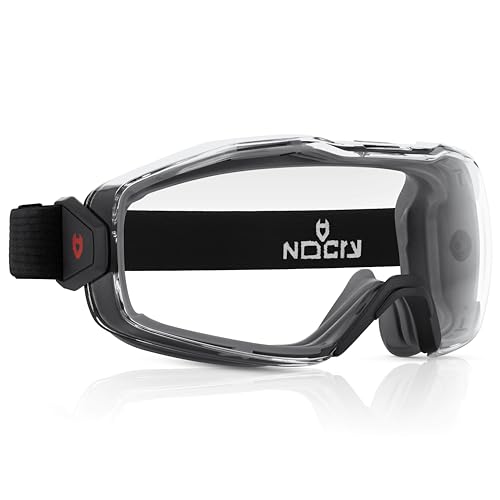
Fits comfortably over prescription glasses.
Offers strong impact resistance and protection.
Adjustable strap ensures a secure fit.

Effective anti-fog design ensures clear vision.
Durable, scratch-resistant coating enhances longevity.
Adjustable headband provides custom, secure fit.

Effectively blocks harmful blue light emissions.
Enhances sleep by boosting melatonin production.
Suitable for both gaming and computer use.

Manual dimming offers personalized light control.
Steampunk design adds unique style.
UV400 protection ensures eye safety.

Powerful zoom with 10X optical and 8X digital.
Long-lasting 5000mAh rechargeable battery.
Durable IPX waterproof design for outdoor use.

Provides clear vision with anti-fog lenses.
Offers UV protection for safe swimming.
Comfortable fit designed for ages 6-14.

High-definition 3'' screen for clear viewing.
Rechargeable battery for extended outdoor use.
Includes 32GB card for ample photo storage.
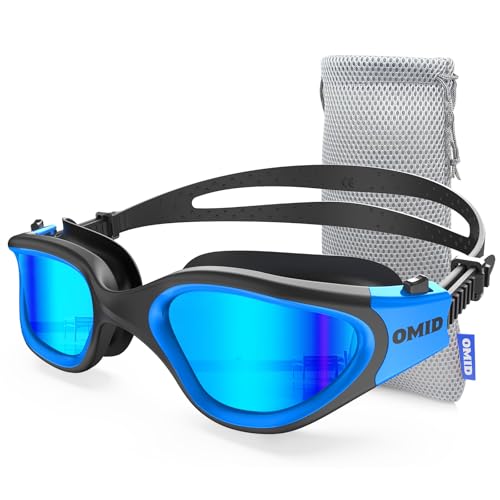
Polarized lenses reduce glare effectively.
Comfortable fit with adjustable straps.
Anti-fog coating ensures clear vision.

High-resolution 4K and 58MP full-color imaging.
Long-lasting 10000mAh rechargeable battery.
Extended 1968FT range for distant viewing.
For a digital night viewer, useful performance depends on more than a headline range or resolution number. Relevant details include the sensor and display resolution, lens aperture, optical magnification, digital zoom, field of view, focus method, frame rate, display latency, infrared wavelength and output, and the conditions under which a target can be recognized. A claim such as “4K,” “36MP,” “80X,” or “1,300 feet” may describe an interpolated file, digital enlargement, or a maximum detection distance rather than a useful recognition distance. The test should state ambient light, infrared setting and wavelength, target size and reflectance, distance, noise, frame rate, latency, and the recognition criterion. ISO 12233 is relevant to resolution testing, while ISO 15739 is relevant to electronic-image noise.
The strongest evidence would be an independent report from an ISO/IEC 17025-accredited laboratory naming the exact product model and revision. Buyers can check the laboratory through an A2LA, ANAB, or equivalent accreditation directory. For an infrared LED, look for an IEC 62471 or ANSI-IES RP-27 photobiological-safety report stating exposure limits and test conditions. If a product uses a laser instead, the relevant evidence includes FDA CDRH requirements under 21 CFR 1040.10 and 1040.11 and the manufacturer’s laser-product report. Generic certification logos or seller statements are not equivalent to traceable model-specific evidence.
Charging and battery claims deserve the same scrutiny. Look for UL Product iQ records, Intertek ETL or CSA listings where marks are claimed, or an IEC 62133-2 battery report from an accredited laboratory. The product should identify its battery, charger, protection circuitry, charging instructions, and limits. For outdoor use, a complete IEC 60529 IP rating and test report is more meaningful than a vague “waterproof” or “IPX” claim. A clear manual should also explain mounting, focus, field-of-view limitations, bright-light precautions, and what the product must not be used for.
The recurring safety caveat is that digital viewers should not be used for driving, cycling, hiking, climbing, boating, route-finding, weapon aiming, security decisions, or other high-consequence activity. Several reviews found no validated latency, field-of-view, mounting-stability, or recognition-distance testing. Infrared emitters repeatedly lacked documented eye-exposure limits, and rechargeable products repeatedly lacked independently verifiable battery certification. Passive tinted eyewear is not night vision; dark or orange lenses can reduce brightness and alter color perception, making them unsuitable for night driving. Clear work and riding goggles are not automatically laser, welding, chemical, ballistic, or industrial protection.
The scores below compare the supplied products on documented safety, environmental handling, and evidence quality. A higher score indicates stronger support in the reviewed material; it does not turn an unverified marketing claim into a tested result.
This measures whether viewer-facing optics and any 850 or 940 nm illuminator have credible photobiological or laser-safety evidence and clear use limits. It matters because most actual night viewers in this set use infrared emitters, while the reviews repeatedly found no exact-product IEC 62471 report or published output limits. Scores ranged from 68 to 88; the higher scores belonged mainly to passive eyewear with no emitter, not to proven dicyanin optics.
This measures field of view, latency, focus, mounting stability, warnings, and instructions that prevent unsafe navigation or other high-consequence use. It matters because a screen-based view can narrow awareness and delay what the wearer sees. Higher-scoring products provided clearer stationary-use features such as manual focus, straps, or tripod mounts; lower scores reflected promotion for navigation or hunting without validated latency, field-of-view, or mounting tests.
This measures the battery, charger, protection circuitry, instructions, and independent safety certification. It matters because digital night viewers commonly contain rechargeable lithium batteries, yet the reviews often found no UL, ETL, CSA, or IEC 62133-2 evidence. Passive goggles scored 78 to 100 because they have no charging system; powered viewers generally scored in the high 60s or low 70s where battery details were incomplete.
This measures whether the enclosure, controls, strap or mount, and claimed water or dust resistance have exact-model testing and clear limits. It matters because sudden fogging, water ingress, a failed mount, or impact can remove vision outdoors. The supplied products generally scored around 68 to 80. Higher scores reflected documented riding conformity or more specific construction; low scores reflected vague waterproof claims without IEC 60529, drop, or environmental reports.
This measures whether the buyer can identify the responsible company and model, obtain a manual and warranty, receive safety notices, and get remedy support. It matters because inexpensive electronics may have conflicting listings and limited service routes. Higher scores reflected named manufacturers, manuals, warranties, or support contacts. Lower scores reflected unclear company responsibility, conflicting documentation, or no clear recall-notice and remedy process.
This measures whether range, magnification, resolution, recording, waterproofing, and complete-darkness claims match the actual product and disclosed test conditions. It matters because “4K,” high-megapixel, digital-zoom, and maximum-range figures were repeatedly unsupported or internally inconsistent. Scores ranged from 35 to 78. Higher scores reflected clearer descriptions of what the product does; lower scores reflected inflated outputs, contradictory zoom or battery figures, or unsupported range claims.
This measures whether important claims are backed by traceable third-party reports naming the exact model and revision. It matters because generic logos and seller statements do not establish safety or performance. Most supplied products scored around 68 to 70, while the clear-lens riding goggle scored 89 because an exact version appeared in an EU conformity document citing EN 1938:2010 and Certottica examination evidence. This still was not a U.S. ANSI certification.
This measures independently tested detection and recognition in stated light and infrared conditions, including noise, focus, field of view, and delay. It matters because no supplied digital viewer had a complete accredited low-light report stating lux, target characteristics, IR setting, distance, recognition criterion, frame rate, and latency. Scores clustered around 68 to 72, so the modest differences do not establish a verified best range or image quality.
This measures whether optical magnification can be distinguished from digital zoom, sensor resolution from output-file resolution, and display, lens, field-of-view, and IR details are model-specific and consistent. It matters because several listings conflicted on zoom, battery capacity, lens diameter, or image resolution. Scores ranged from 49 to 78; higher scores reflected more concrete specifications, while lower scores reflected contradictions and missing sensor or display data.
This measures lawful radio operation and transparency about apps, accounts, recorded images, audio, location, storage, and cloud data. It matters because app-connected viewers can expose more information than local recording. Passive products scored up to 100 because they have no radio or recorded data. The connected viewer had FCC authorization for its matching radio family, but the review still noted separation and operating-procedure requirements that were not clearly presented in accessible product materials.
This measures whether the product can be repaired, whether batteries can be replaced or safely removed, and whether the manufacturer provides take-back or recycling guidance. Powered viewers generally scored in the mid-60s to low 70s because internal batteries, absent removal instructions, and no take-back programs create end-of-life uncertainty. Passive goggles scored higher by avoiding battery e-waste, although mixed plastic, foam, silicone, and elastomer parts still lacked repair or recycling routes.
This product is a compact handheld digital night viewer with a 3-inch screen, manual focus control, recording functions, a neck strap, tripod socket, USB charging cable, and a supplied 32GB memory card. It is meant for stationary outdoor observation and recording, including camping, wildlife viewing, security observation, and similar low-consequence uses. It is not documented as a head-mounted navigation device. The manufacturer’s own page for the JA53 describes an 850 nm infrared illuminator with nine brightness settings, a 3,500 mAh internal battery, and 10x digital zoom. Separate marketplace material for the same named model states 5,000 mAh and 16x digital zoom. That direct conflict makes the battery capacity and zoom specification uncertain. No exact-product accredited lab report was located for infrared eye safety, battery certification, low-light range, image noise, latency, weather sealing, or optical resolution.
This product suits an adult who wants a small, screen-based viewer for stationary backyard wildlife watching, campsite observation, checking a fixed area, or making casual local recordings. The supplied memory card, manual focus, adjustable infrared settings, neck strap, and tripod socket are practical for short observation sessions where the user can stop, focus, and assess the image before acting. It also fits someone who accepts manufacturer-stated runtime and imaging claims as provisional rather than independently verified performance figures.
It is not suited to driving, cycling, trail navigation, boating, climbing, search and rescue, security patrol where split-second decisions matter, or any weapon aiming use. The available material does not document display latency, useful recognition range, field performance, head stability, or safety warnings for those activities. It is also unsuitable for buyers who require a verified eye-safety assessment for the infrared illuminator, independently certified battery protection, a confirmed waterproof rating, or a device designed for repair and battery replacement.
The key health issue is the manufacturer-stated 850 nm infrared illuminator. Infrared light is central to the product’s night viewing function, but no exact-product IEC 62471 or comparable accredited photobiological-safety report was located. The available documentation gives adjustable infrared levels and operating directions, yet it does not provide exposure limits, irradiance data, beam characteristics, or clear misuse warnings. No exact-product UL, ETL, CSA, or IEC 62133-2 battery evidence was located either. The product has an internal rechargeable battery, but no battery-removal instructions, replacement battery offering, repair parts catalog, producer take-back program, or electronics recycling directions were found. End-of-life handling therefore needs extra care. U.S. EPA guidance says lithium-ion batteries should not go in household trash or curbside recycling. Publicly indexed searches did not identify a product-specific CPSC recall or unsafe-product report, but support traceability remains limited because the brand site provides email contacts and a warranty rather than a clearly identified responsible company address.
This product is a passive, clear-lens safety goggle for workshop, construction, landscaping, utility, and laboratory tasks. It is not a dicyanin, infrared, or night-vision viewing device. It has no electronics, illuminator, battery, radio, recording function, or charging system. NoCry identifies the lens as polycarbonate with a coating and the frame seal as thermoplastic rubber. The manufacturer states that it fits over most prescription glasses, uses indirect D3/D4 ventilation, provides UV380 protection, and is ANSI Z87+ rated. ANSI confirms that its Z87.1 standard covers occupational eye and face protection against hazards including impact, non-ionizing radiation, and liquid splash. However, no exact-product report from an accredited laboratory, third-party certificate listing, or independent optical test report was located for these goggles.
This product suits an adult who needs clear, passive eye protection for visible-light tasks such as yard work, woodworking, general construction, or dusty workshop jobs, especially if they wear ordinary prescription glasses and need an over-glasses format. It also suits buyers who want to avoid rechargeable electronics and who can inspect the product marking, fit, lens condition, and seal before each use. The indirect-vent design is most relevant where ventilation, dust protection, and splash resistance are needed together.
It is not for anyone seeking dicyanin optics, night vision, infrared viewing, darkness navigation, recording, or an infrared illuminator. It is also not a substitute for task-specific welding, laser, medical splash, respiratory, paintball, or ballistic protection where another stated standard is required. Users working with hazardous vapors or a need for a fully sealed chemical barrier should note the manufacturer’s warning that fumes may enter through the indirect vents. Do not rely on anti-fog claims alone when vision loss would create immediate danger.
The main health advantage is simple construction. These are clear, passive polycarbonate and thermoplastic-rubber safety goggles, not an infrared or night-vision device. That removes the photobiological exposure, battery, charging, electrical, wireless, and privacy issues associated with powered goggles. NoCry states that the product meets ANSI/ISEA Z87.1-2020 and carries D3/D4 splash and dust claims, but the verification search did not locate an independently traceable report for this exact model. NoCry provides care guidance, a limited lifetime warranty, and an email support route. The product has no rechargeable battery or electronics to manage as e-waste. However, no take-back program, lens replacement option, repair-parts catalog, material recycling instruction, or published environmental durability report was found. CPSC recall and warning resources were checked, and no relevant NoCry goggle recall or safety warning was located in the search.
This is a lightweight, clear-lens industrial safety goggle for lab tasks, DIY work, landscaping, and other debris or splash-prone jobs. It uses polycarbonate lenses, a flexible TPR frame, indirect vents, and an adjustable elastic headband. NoCry states that it meets ANSI/ISEA Z87.1-2020 and offers UV380 protection, anti-fog coating, scratch resistance, and panoramic vision. It is not a dicyanin or night-vision product. The manufacturer description identifies no image sensor, display, infrared illuminator, battery, wireless connection, or low-light imaging function. NoCry supplies a limited lifetime defect warranty for its non-electric products. However, the public material located does not include an exact-product accredited-laboratory test report, and its product page says the goggles fit over most prescription frames while the available product instructions say they are not over-glasses goggles.
This product suits an adult doing ordinary bench work, woodworking, yard work, light construction, or similar tasks who needs clear, non-electronic eye coverage and can check fit directly before relying on it. It is especially relevant where an adjustable elastic strap and indirect ventilation are useful. The buyer should be comfortable treating the claimed ANSI compliance, UV protection, anti-fog performance, splash resistance, and wide field of view as manufacturer-stated until a model-specific third-party report is provided. It is intended for observation and protective wear, not night viewing.
It is not for anyone seeking dicyanin lenses, infrared viewing, wildlife observation in darkness, driving at night, navigation, surveillance, or any other low-light optical function. There is no sensor, display, illuminator, or measured night-performance evidence. It is also unsuitable as laser protection, welding protection, sealed respiratory or chemical-vapor protection, sports eye protection, or a substitute for task-specific engineering controls. Prescription-glasses wearers should not assume compatibility because the manufacturer materials conflict on over-glasses fit. Replace the product after impact, cracking, or other damage.
The relevant health benefit is conventional physical eye protection, not a claimed biological or night-vision mechanism. NoCry identifies the lenses as polycarbonate and the frame as flexible TPR, and it states compliance with ANSI/ISEA Z87.1-2020. That is a recognized U.S. eye-protection performance standard, but the product claim could not be independently authenticated through a named testing laboratory or public exact-product report. NoCry also identifies UV380 protection, but no independent spectral-transmission evidence was located. It does not claim laser protection. This is a non-electric product, so it produces no rechargeable-battery or electronics waste during normal ownership. Its limited lifetime defect warranty may help keep a usable product in service, although the warranty excludes normal wear, environmental factors, accidental damage, and misuse. No repair parts, lens replacement instructions, materials recycling guidance, or manufacturer take-back program were located. A search of the U.S. CPSC recall resources found no NoCry-specific recall or safety warning, which is not evidence of independent safety testing.
This product is a passive, non-prescription pair of square, full-rim orange-lens glasses intended for evening screen use and light sensitivity. The selected Voyager version is listed with a 51 mm lens width, 19 mm bridge, 140 mm temples, TR90 frame, and polycarbonate lenses. It has no camera, night-vision sensor, infrared illuminator, battery, charging port, wireless connection, or recording function. The seller states that its amber lens filters up to 99.9% of disruptive blue light around 400 to 500 nm to support melatonin and circadian rhythm. That spectral claim was not accompanied by an exact-product transmission curve or an accredited laboratory report. Evidence for blue-blocking glasses as a sleep intervention is mixed, so this product should be understood as a light-filtering aid, not a proven treatment for insomnia, headaches, eye disease, or retinal protection.
This product suits an adult who wants simple, non-prescription orange-tinted eyewear for indoor evening computer, tablet, television, or phone use. It is most relevant for someone intentionally reducing short-wavelength visible light as part of a broader wind-down routine and who accepts noticeably warmer color rendering. The listed 140 mm frame width, 51 mm lenses, and 19 mm bridge provide useful starting fit information. It also fits users who prefer a fully passive product with no charging, app, account, wireless feature, or electronic waste battery.
It is not for driving at night, cycling in traffic, operating machinery, navigating dark spaces, security work, or any activity where accurate depth judgment and color recognition matter. Sleep ZM itself warns that orange lenses can affect depth and color perception. It is also not appropriate as treatment for insomnia, migraine, digital eye strain, retinal disease, macular degeneration, or light-sensitive medical conditions without clinician guidance. Buyers needing prescription correction, verified impact protection, documented UV test results, or a measured optical transmission profile should use eyewear with those exact records.
Health-wise, this is passive orange-lens eyewear rather than dicyanin goggles or a night-vision device. It has no infrared source, display, camera, battery, radio, or charger, so the infrared, battery-fire, electrical, and wireless-data hazards that apply to electronic goggles do not apply here. The listed frame is TR90 and the lenses are polycarbonate, but no exact-product accredited test report was located for lens transmission, UV400 protection, impact performance, coatings, or durability. Orange lenses can reduce blue and green light exposure, and small human studies suggest possible circadian effects in some settings. However, systematic-review evidence is mixed and does not validate the brand's broader health, headache, or eye-disease implications for this exact lens. A search of the public CPSC recall record did not identify a Sleep ZM recall. The brand provides a support email, phone number, U.S. mailing address, stated one-year warranty, and 30-day returns. No recycling, take-back, repair-parts, or lens-replacement policy was found.
This product is a pair of round, metal-frame sunglasses with 46 mm gray TAC lenses. The lens rings are marketed as a mechanical, nine-setting neutral-density adjustment, intended to let the wearer manually vary perceived brightness. Separate FEISEDY and retailer listings consistently describe polarized lenses, a 20 mm bridge, and 145 mm temples, but these are seller or manufacturer specifications rather than laboratory-verified measurements. It is not a dicyanin or night-vision device. It has no stated sensor, illuminator, display, battery, wireless radio, recording function, or charging hardware. The listings also use both “photochromic” and manual neutral-density descriptions, without explaining whether any automatic light-responsive lens function is actually present. No exact-product optical test report, impact test record, water-resistance test, safety manual, or accredited third-party certification report was located.
This product suits an adult who wants compact, conspicuously styled round sunglasses for daylight walking, casual outdoor events, fishing, or photography-inspired use. It may also suit someone who prefers to manually change lens darkness rather than carry more than one pair. The fit is regular and the listed 46 mm lenses are relatively small, so it is most appropriate for buyers who already know that narrower round frames work for their face. It is not evidence-based protective eyewear.
It is not for night driving, motorcycle riding after dusk, climbing, work around impact hazards, shooting sports, or any task where a sudden reduction in light transmission could impair safety. It is also unsuitable for people who need prescription correction, certified safety glasses, documented UV transmission, or a verified impact-resistant lens record. Buyers seeking genuine night vision, infrared viewing, dicyanin optics, recording, wireless connection, or weatherproof electronic goggles should not treat this mechanical sunglass product as meeting those functions.
The main health point is uncertainty, not a confirmed hazardous defect. U.S. FDA guidance says ordinary eyeglass and sunglass lenses generally must meet impact-resistance requirements, yet no test documentation for this particular product was located. Its UV400 and polarization claims may be useful if accurate, but neither spectral transmission nor impact performance was independently verified. Dark neutral-density settings can reduce visible light substantially, so they should not be selected for dusk, night, or safety-critical travel. There is no stated battery, electronics, radio, illuminator, or charger. That avoids lithium-battery fire risk and reduces electronic waste compared with electronic goggles. The title includes a Climate Pledge Friendly claim, but no product-specific qualifying certifier, certificate, material-recycled-content statement, take-back program, or repair-parts plan was located. Searches did not identify a product-specific CPSC recall or public safety action, but support and traceability documentation remain limited.
This is a handheld, digital night-vision camera shaped like binoculars, not an image-intensifier goggle. It uses a 30 mm objective, manual focus, a 3-inch display, removable microSD storage, microphone recording, and a tripod socket. It is intended for stationary observation, recording, camping, wildlife watching, and similar outdoor use. The manufacturer states that it has an 850 nm, seven-level infrared illuminator, 1x to 10x optical zoom, 1x to 8x digital zoom, a built-in 3.7 V 5000 mAh battery, and a 400 m maximum viewing claim under optimal conditions. Its manual independently available online lists 4K video at 10 frames per second and photo settings of 3 MP, 8 MP, and 16 MP. That conflicts with the current product-page claim of 48 MP photos. No exact-model accredited test reports were located for infrared eye safety, battery safety, weather resistance, image quality, range, or display delay.
This product suits an adult who wants a handheld, locally recording digital viewer for stationary campsite, porch, or wildlife observation and accepts manual focus, infrared illumination, and variable image quality. A tripod user is a particularly suitable fit because the documented mount can reduce shake during long-distance viewing. It also suits someone who prefers removable-card recording and USB file transfer instead of an app-connected camera. The buyer should treat the advertised maximum distance and media-resolution claims as manufacturer-stated, not independently measured performance.
It is not suited to anyone who needs hands-free mobility, dependable depth perception, fast-motion video, or safety-critical awareness at night. Do not use it for driving, cycling, trail navigation, operating machinery, firearm aiming, or any situation where display lag, narrow viewing, manual focusing, or battery depletion could cause injury. It is also a poor fit for buyers who require certified charging safety, documented infrared eye-safety limits, verified waterproofing, or independently tested recognition range. Households needing easy battery replacement or a stated electronics take-back path should look elsewhere.
The product uses an 850 nm infrared illuminator that is invisible to the human eye, according to the manufacturer, and the available manual lists its output as 3 W. No IEC 62471 or comparable accredited photobiological-safety report was located for this exact product. Avoid staring into the illuminator at close range and keep it away from children, because published safe-use boundaries are not provided. The manual also documents a rechargeable 3.7 V battery and Type-C charging, but no UL, ETL, CSA, or IEC 62133-2 listing or report was found for the product or battery. No relevant CPSC recall or safety warning was located in the checked federal recall records. The battery is built in, and the manual tells users not to disassemble the product. No manufacturer take-back program, battery-removal procedure, repair-parts catalog, or recycling instructions were located. At end of life, handle it as rechargeable-battery electronic waste through an appropriate battery and electronics collection program rather than household trash.
This is a passive, youth-size swimming goggle intended for children ages 6 to 14, with an adjustable strap, anti-fog-coated lenses, and a mirrored gold-lens color option. It is not an electronic night-vision product and the available materials do not identify any dicyanin ingredient, infrared emitter, battery, radio, camera, or display. A manufacturer-linked user manual provides concrete care and use limits. It says not to pull the eye cups away from the face, to rinse lenses with fresh water and air-dry them, and not to dive beyond 2 m. Material descriptions are less settled. The catalog calls the frame plastic and the lens polycarbonate, while independent retailer listings repeat a maker claim of silicone gaskets or frame plus polycarbonate lenses. No exact-product laboratory report was located for UV protection, anti-fog durability, impact resistance, or leak resistance.
This product suits a child roughly ages 6 to 14 who needs a simple, passive goggle for supervised pool lessons, lap swimming, or ordinary surface swimming. It is most appropriate when the caregiver can check seal fit before use, follow the care directions, and treat the anti-fog and UV claims as unverified manufacturer claims. The explicit instruction not to dive beyond 2 m is especially relevant for a child using goggles in a pool rather than for deep diving, navigation, or nighttime activities.
It is not for anyone seeking dicyanin goggles, night vision, infrared viewing, recording, wireless connectivity, or proven low-light optical performance. It is also not appropriate for deep diving beyond the manual's 2 m limit, unsupervised water activity, or use as protective eyewear outside swimming. Families needing independently tested UV transmission, impact performance, chemical disclosure, replacement parts, a clearly identified U.S. responsible company, or a documented warranty should use a product with that evidence supplied.
The main health positive is that this is a passive swimming product. Available information identifies no battery, charger, wireless radio, camera, display, laser, or infrared illuminator. That removes the battery-fire, data-privacy, and active optical-exposure concerns that apply to electronic goggles. The manufacturer-linked manual also warns against pulling the eye cups away from the face and limits diving to 2 m. Those instructions are useful, but they are manufacturer guidance rather than independently validated safety testing. Polycarbonate lenses and silicone sealing parts are claimed in external product descriptions, but the catalog instead lists a plastic frame, so the exact material construction remains unclear. No third-party test evidence was located for UV protection, anti-fog chemistry, impact resistance, or skin-contact safety. Searches did not surface a matching CPSC recall or public warning, though that is not proof of safety. There is no battery or electronic waste, but no replacement-parts, repair, take-back, or material-recycling program was found for this product.
This product is a handheld digital night-vision viewer and camera for stationary observation, camping, wildlife watching, and security checks. It uses a 3-inch screen, manual lens focus, local TF-card recording, a rechargeable lithium-ion battery, and an infrared illuminator. A retailer listing independently of the catalog describes an 850 nm illuminator with seven output levels, a supplied 32GB card, tripod compatibility, and manufacturer-stated run times of 3 to 6 hours with infrared active and up to 8 hours in daylight. The important limitation is evidence quality. No exact-model accredited laboratory report was located for infrared eye exposure, battery safety, low-light range, image resolution, display delay, waterproofing, or drop resistance. The published claims are also internally inconsistent, with 7x and 8x zoom descriptions, while the claimed 4K video and 40MP photos are not paired with sensor or display specifications. This is a screen-based digital viewer, not evidence of optical night-vision performance suitable for navigation or safety-critical use.
This product suits an adult who wants a compact, screen-based viewer for slow, stationary night observation, such as checking a backyard, watching wildlife from a fixed spot, or recording a campsite scene. It is most appropriate for someone comfortable using manual focus, carrying a backup light source, and treating the stated range and runtime as unverified manufacturer claims. Local card recording may also suit a user who does not want app setup or cloud sharing for basic photos and video.
It is not suited to driving, cycling, boating, hiking over uneven ground, weapon aiming, search and rescue, or any task where delayed screen imagery, limited field of view, or a loss of power could create danger. It is also a poor fit for users who need certified battery charging protection, documented infrared eye safety, verified rain or immersion resistance, or independently measured identification range. Households that need easy battery replacement, repair parts, or a formal take-back program should seek clearer support documentation.
The product uses an 850 nm infrared illuminator and a rechargeable lithium-ion battery, but no exact-model photobiological-safety report, battery certification, or accredited performance report was located. The available instructions describe USB-C charging and advise basic battery care, but they do not identify the battery cell, charger rating, protection circuitry, or a recognized safety listing. The public CPSC recall and product-incident search resources did not return a Wolfeevo-specific result during this review, which is not the same as independent safety clearance. The battery and electronics create an end-of-life responsibility. No battery-removal procedure, repair-parts catalog, manufacturer take-back program, or recycling instructions were located. EPA guidance says lithium-ion batteries and devices containing them should not go in household trash or curbside recycling because damage can create a fire risk. They should go to a suitable battery or electronics collection program instead.



