Best Overall
8% off
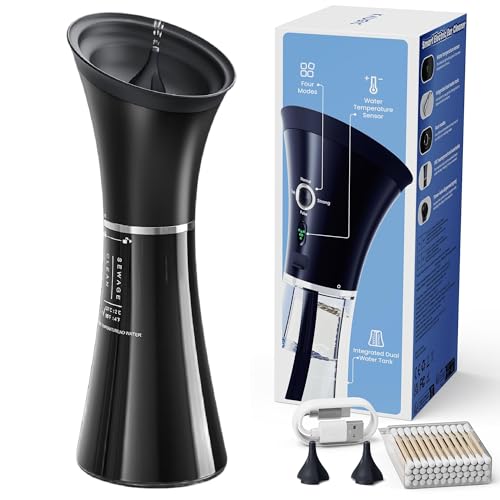
Kaugic Ear Wax Removal Kit
Safe water temperature sensor for comfortable use.
One-piece waste tank prevents messy spills.
USB-C charging for convenient recharging.
 Lauren Wilson
Safe water temperature sensor for comfortable use.
One-piece waste tank prevents messy spills.
USB-C charging for convenient recharging.

Camera provides clear visual guidance for safety.
Gentle irrigation system ensures effective ear cleaning.
Complete solution for convenient at-home ear care.

Gentle and safe for sensitive ears.
Rechargeable, eco-friendly design.
Easy to use with clear instructions.

Built-in water temperature sensor ensures safety.
Effective ear irrigation for thorough cleaning.
User-friendly design enhances ease of use.
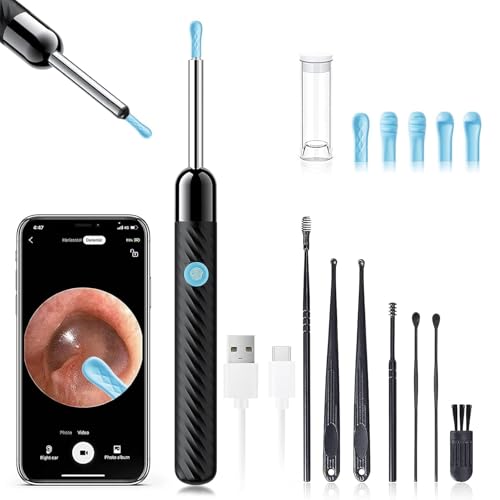
Integrated camera enhances visibility and precision.
Compatible with both iOS and Android devices.
Includes a comprehensive 8-piece ear care set.

Built-in camera for precise cleaning.
Includes 7 versatile ear spoons.
FSA-HSA-eligible for flexible payment options.

HD camera provides clear ear visibility.
Safe silicone tips ensure gentle cleaning.
Compatible with FSA and HSA plans.

Adjustable pressure modes for personalized cleaning.
Built-in light enhances visibility during use.
Includes multiple tips for extended usability.

High-definition camera ensures clear ear inspections.
Compatible with both iPhone and Android devices.
Equipped with useful ear wax removal tools.

High-definition 1080p camera ensures clear ear visuals.
Compatible with both iOS and Android devices.
Includes convenient ear wax removal tools.
Whether a product works depends first on choosing the right method for the situation. A softening product should disclose its ingredients, concentration, dose, duration, and warnings on a Drug Facts label or equivalent product labeling. Irrigation depends on controlled water delivery, appropriate temperature, a direction that does not drive water forcefully toward the eardrum, and clear limits on use. Camera tools may improve visibility, but seeing the canal does not prove that a manual scoop, tweezer, or pick can remove impacted wax safely or effectively.
Headline specifications need careful interpretation. “Four pressure modes” does not establish that pressure at the ear is safe unless delivered pressure, flow, and temperature performance are documented for the exact product, ideally in an ISO/IEC 17025-accredited laboratory report. A stated temperature range or sensor is still a manufacturer claim without accuracy or warning-performance testing. IPX5, IPX6, IPX7, 1080p, battery capacity, and “professional” or “painless” language likewise describe features or claims, not clinical effectiveness or injury prevention. Conflicting waterproof ratings, camera resolutions, dimensions, tip counts, or brand and manufacturer information weaken traceability.
For connected cameras, look for an FCC Equipment Authorization record for the exact wireless configuration. For electrical and battery claims, a UL Product iQ listing or relevant IEC 62133-2 and IEC 60529 reports can provide stronger independent support. FDA device listings, AccessGUDID records, and 510(k) decision summaries may clarify regulatory identity, but a listing or Class I exemption is not proof that a home-removal method clears wax safely. Human evidence should match the formulation, delivery method, and use conditions sold; evidence for irrigation or cerumenolytics generally should not be presented as proof for an unstudied consumer device.
Buyers should also check the warnings. Stronger products clearly address perforated or nonintact eardrums, ear tubes, infection, drainage, prior ear surgery, pain, bleeding, dizziness, and unsuccessful removal, and explain when to stop and seek care. Reusable tips, fluid paths, cameras, basins, and picks need specific cleaning, drying, replacement, or disposal instructions. Rechargeable operation can reduce disposable-battery use, but it does not by itself establish battery safety, repairability, recycling, or responsible electronics end of life.
Across the supplied products, do not use home irrigation or probing with a known or suspected eardrum perforation, ear tubes, active infection, drainage, bleeding, significant pain, dizziness, sudden or unusual hearing change, or relevant prior ear surgery. Several reviews also flag caution for children, diabetes, immune compromise, anticoagulant use, narrowed canals, and people unable to remain still or report discomfort. Stop if pain, dizziness, bleeding, or worsening symptoms occur; persistent blockage or failed removal needs clinical assessment rather than repeated attempts.
These topics distinguish a product's intended health value, point-of-use safeguards, evidence, and environmental burden. The scores compare the supplied products against the same criteria; a higher score means the review found stronger support or safer, clearer documentation, not that home removal is risk-free.
This measures whether the product is suited to symptomatic wax impaction without encouraging unnecessary cleaning. Higher-scoring products were framed more narrowly around appropriate, occasional use; the softening spray scored 58 while several better-qualified irrigation products scored 72–74. Lower scores reflected daily-care or routine-cleaning language, or manual probing that could encourage treatment of normal wax.
This measures safeguards against over-insertion, forceful irrigation, sharp edges, and detached tips. Higher scores, such as AnyScope’s 76 or several products at 74, reflected visual guidance, depth covers, flared tips, or clearer physical precautions. Lower scores reflected unverified tip retention, no depth stop, or manual tools entering the canal despite camera viewing.
This measures control of pressure, flow direction, and water temperature for irrigators. A high score requires more than selectable modes: it needs usable limits or independent testing. Scores ranged from 63 to 76 among irrigators, while non-irrigating cameras scored highly because they avoid water delivery altogether. Most reviews still found no accredited pressure, flow, or temperature report.
This measures whether directions exclude unsafe users and explain when to stop or obtain medical help. Higher scores, including 82 for the WaxBgone kit and 77 for one Lebbtl irrigator, reflected clearer warnings and referral instructions. Lower scores reflected missing or inconspicuous guidance about perforation, tubes, infection, surgery, pain, dizziness, bleeding, and failed removal.
This measures whether tips, basins, cameras, and fluid paths can be cleaned, replaced, or kept single-user. Higher scores, such as 75, were associated with disposable tips, detachable parts, or explicit cleaning and drying directions. Lower scores reflected reusable fluid paths without validated cleaning, unclear sharing instructions, or no evidence that retained moisture and contact parts can be safely managed.
This measures ingredient disclosure, concentration, irritation warnings, and traceability of ear-contact materials. The WaxBgone drops scored highest at 80 because their active ingredient, inactive ingredients, dose, and warnings were documented. Lower scores reflected broadly described silicone, plastic, or metal parts without biocompatibility reports, or sprays with disclosed ingredients but limited independent material verification.
This measures battery, charging, water exposure, overheating, and wireless safety for powered products. The nonpowered spray scored 100 because it has no battery or wireless operation; connected and rechargeable products generally scored 68–78. Higher scores were supported by specific radio authorization or clearer charging information, but most exact-model battery, ingress, and electrical tests were still absent.
This measures human evidence for the exact formulation, delivery method, or manual system sold. The CleanEars spray scored 82 because a small study evaluated that formulation, although it did not show superiority. Irrigators scored as high as 74 based mainly on category-level support. Camera-and-pick products scored lower when no product-specific human study showed safe, effective home clearance.
This measures whether the exact product and important claims appear in regulator records, accredited laboratory reports, or recognized certification directories. Teslong scored 75 because the exact product was listed as an over-the-counter direct otoscope, while other products mostly scored 68–72. A generic device classification, a different model’s authorization, or a seller statement is not exact-product verification.
This measures whether marketing matches the evidence and legal status. Higher scores, such as 72 for AnyScope, reflected more qualified claims and fewer unresolved conflicts. Lower scores, including 45 for ScopeAround’s Wi-Fi model and 50 for Teslong, reflected resolution or specification conflicts, broad safety language, or claims stronger than the available testing. “Painless,” “safe,” and “professional” are not evidence by themselves.
This measures disposable tips, replaceable parts, battery and electronics longevity, repairability, and disposal guidance. Scores were fairly close, from 68 to 72. Reusable tips and rechargeable batteries can reduce some consumables, while single-use heads create recurring waste. A genuinely stronger result also needs replacement, repair, battery-recycling, and electronics-disposal information, which was often missing.
This rechargeable home ear irrigator flushes the ear canal with warm water and collects the runoff in an integrated tank. The supplied documentation identifies four modes, reusable tips, a lithium-polymer battery, USB-C charging, and a recommended water range of 95°F to 102°F. It is intended for wax that is causing blockage or related symptoms, not routine cleaning of a normal self-clearing ear. The temperature lights, mode settings, waterproof rating, pressure range, and tank design are manufacturer-stated. The operating instructions do include useful exclusions for infection, a perforated eardrum, ear tubes, and pain or dizziness. However, no product-specific clinical study, accredited pressure test, ingress-protection test, electrical test, or confirmed certification record was located. Irrigation itself is a guideline-supported option for appropriate wax impaction, but it carries recognized risks including pain, infection, vertigo, and eardrum perforation.
This product is suited only to an informed adult with suspected symptomatic wax buildup, an intact eardrum, no ear infection or drainage, and no history of tubes or ear surgery. That person should be comfortable following the stated warm-water range, beginning at the soft setting, keeping the nozzle shallow, cleaning and air-drying the tank afterward, and stopping immediately for discomfort. It may be useful where a self-contained collection tank is preferred over a separate basin, provided the user accepts that its key safety and performance specifications are manufacturer-stated rather than independently documented.
It is not appropriate for anyone with ear pain of unknown cause, drainage, bleeding, active infection, a known or suspected eardrum perforation, ear tubes, prior ear surgery, significant canal abnormalities, or previous intolerance of irrigation. These situations need clinician assessment because irrigation can introduce water beyond the eardrum, worsen infection, cause vertigo, or injure vulnerable tissue. Children should not use it independently. It also does not suit people seeking a clinically validated pressure limit, independently confirmed waterproofing or charging safety, or a product-specific human effectiveness study.
The manufacturer states that this unit uses warm-water irrigation, a color temperature indicator, reusable tips, a rechargeable lithium-polymer battery, and a tank intended to collect used water. Its instructions say to empty the wastewater side, rinse the tank and ear cup, and allow parts to air-dry before storage. Those steps are useful hygiene measures, but there is no cleaning-validation evidence or replacement-part program showing how retained moisture, tip wear, or long-term shared-household use are controlled. No medication or wax-softening ingredients are supplied, so there is no drug formulation to verify. Material claims such as medical-grade, BPA-free plastic appear in KAUGIC marketing, but no traceable biocompatibility report for this unit was located. No exact-model recall was found in the reviewed sources. FDA adverse-event data do include a serious report involving a different KAUGIC irrigation product, alleging eardrum perforation and hearing loss, so careful user screening and conservative use remain important. No battery recycling or electronics disposal instructions were located.
This is a rechargeable home ear-irrigation product paired with a Wi-Fi camera. The brand says the irrigator has a 200 mL tank, four pressure modes, a 2,000 mAh battery, an ear basin, and 10 replacement nozzles. Its camera is described as 1080p and intended to show the ear canal on a phone through the Soulear app. Irrigation is a clinically accepted option for symptomatic cerumen impaction, but it is not recommended as routine cleaning for symptom-free ears. KAUGIC states pressure ranges and a temperature indicator, yet no product-specific accredited pressure, flow, temperature, electrical, or hygiene test report was located. The brand also markets broad FDA-cleared, FCC, CE, and UL claims, but independent confirmation for this exact product was not found. A separate FDA adverse-event report alleges eardrum perforation from another KAUGIC irrigator, not this camera kit.
This product is most relevant to an adult with recurring, symptomatic wax buildup who has an intact eardrum, no ear drainage or infection, no prior ear surgery or tubes, and can follow cautious irrigation instructions. The adjustable settings, camera, collection basin, and replacement nozzles may be useful to a single household user who wants to inspect the outer canal and irrigate only when wax is causing blockage or interfering with hearing. It is not a substitute for diagnosis when symptoms are unexplained.
It is not appropriate for anyone with a known or suspected eardrum perforation, ear tubes, previous ear or canal surgery, active ear infection, drainage, bleeding, significant pain, dizziness, canal abnormalities, or a history of problems with irrigation. People who are immunocompromised, have diabetes, take anticoagulants, or cannot reliably report symptoms should seek clinical advice first. It is also poorly suited to routine weekly or monthly cleaning of healthy, symptom-free ears, because normal wax has protective functions and usually clears naturally.
The manufacturer identifies the housing and contact parts as BPA-free, medical-grade ABS and says the system uses replaceable nozzles, a collection basin, and detachable water-contact parts. These are manufacturer statements, not material traceability, biocompatibility documentation, or independently validated cleaning evidence. No ingredients are involved unless a buyer independently adds an earwax-softening liquid, so any such liquid should have its own labeled directions and warnings. No product-specific recall or regulator warning was located in the reviewed public sources. However, FDA's adverse-event database contains a report alleging eardrum perforation from a different KAUGIC ear-irrigation product. The brand's claimed FCC, CE, UL, and FDA-cleared status was not independently confirmed for this exact product. Reusable hardware and replaceable nozzles may reduce some disposable waste, but no battery recycling, electronics recycling, repair, or replacement-parts program was identified.
This is a rechargeable, handheld water irrigator for flushing earwax. The product record describes an LED display, three water-delivery modes, a clean-water and wastewater tank, 12 nozzles, and an IP67 claim. An independent retail listing also identifies the Renergy unit as a three-mode, 12-nozzle, dual-tank irrigator. Instructions published for a substantially matching E80-C configuration describe low, pulse, and high modes, a 2000 mAh rechargeable battery, separate water chambers, and use of lukewarm water near body temperature. Those details are manufacturer-stated for the matching configuration, not independently certified for this Renergy product. Irrigation is an accepted clinical option for symptomatic wax impaction, but routine removal of normal, symptom-free wax is discouraged. A 2025 randomized study of consumer earwax devices found no meaningful overall reduction in wax burden after public self-use, including among irrigator users.
This product is most suited to an informed adult with a prior history of uncomplicated, symptomatic wax buildup, an intact eardrum, and no ear infection or surgery history, who wants a reusable home irrigator rather than a probing tool. The dual water chambers and selectable modes may make setup and cleanup more manageable than a basic bulb syringe. It is better viewed as a cautious, occasional tool for suspected excess wax, not a routine ear-hygiene device or a substitute for confirming the cause of hearing changes, pain, or blockage.
It is not suitable for anyone with ear tubes, a known or suspected eardrum perforation, ear drainage, active ear infection, recent or prior ear surgery, substantial ear pain, dizziness, bleeding, or sudden hearing change. People with diabetes, immune suppression, narrow or unusually shaped ear canals, anticoagulant use, or a history of complications from irrigation should seek clinician guidance first. It is also a poor fit for young children, people unable to keep still, households planning to share tips, or anyone expecting proof that a consumer irrigator will clear stubborn impaction.
The main health-positive design claim is separation of clean water from collected wastewater. Matching E80-C documentation also instructs users to empty and rinse tanks, clean tips, dry the unit, use lukewarm water, avoid deep insertion, and stop for pain or dizziness. These are sensible precautions, but they are manufacturer-stated instructions, not validated cleaning or safety evidence for this exact product. No medication or earwax-softening drops are included, so there is no active-drug ingredient to assess. Material composition and ear-contact biocompatibility evidence were not located. No exact-product recall, FDA warning letter, or reported regulatory action was identified in the searched sources. The rechargeable battery can reduce disposable-battery waste, but the package includes replaceable nozzle tips and no verified battery-recycling, electronics-recycling, repair, replacement-part, or expected-service-life guidance was found.
This is a rechargeable, water-powered ear irrigation product intended to rinse earwax from the outer ear canal. The E91 presentation describes a two-compartment clean and waste-water tank, USB-C charging, a claimed 2,000 mAh battery, four flow modes, and color-coded replacement nozzles. A seller description says its temperature indicator shows green at 91°F to 102°F, with blue for cooler water and red for warmer water. Those are seller or manufacturer statements, not independently verified performance measurements. Irrigation is an accepted clinical option for symptomatic cerumen impaction, but it is not a general need for routine ear cleaning. The available product materials position it for daily ear care and do not provide accessible laboratory results for delivered pressure, flow direction, temperature-alert accuracy, tip retention, waterproofing, or cleaning validation.
This product is most relevant to an adult with recurrent, symptomatic wax buildup who has an intact eardrum, no current ear pain or drainage, and prior clinician guidance that irrigation is appropriate. Its claimed temperature display and selectable flow modes may be useful for someone who wants a more controlled water-rinsing format than a simple bulb syringe. The dual-tank format also suits a single user who can clean and dry the unit carefully after each session. It is not intended as a routine daily ear-cleaning need for most people.
This product is not suitable for anyone with ear tubes, a known or suspected eardrum perforation, active ear infection, drainage, bleeding, significant pain, dizziness, or previous ear or canal surgery unless a clinician specifically approves irrigation. People with diabetes, immune suppression, anticoagulant use, ear-canal abnormalities, or a history of difficult wax removal need clinical advice before irrigating. It is also a poor fit for young children, people unable to report pain or vertigo, and households seeking a shared device without validated cleaning instructions.
The useful safety-oriented feature is the claimed water-temperature indicator. The seller says green represents 91°F to 102°F, a range near body temperature that clinical guidance identifies as important for avoiding caloric vertigo. However, no independent test report was located for the E91's temperature sensing, pump pressure, flow pattern, or waterproof rating. A reseller of an apparently matching E91 unit also claims FCC certification, but an exact-model authorization could not be confirmed in the FCC equipment-authorization record. The product is rechargeable and is described as including replaceable nozzles, which can reduce use of disposable batteries and permit single-user tip assignment. The available materials do not provide validated cleaning instructions, material biocompatibility documentation, replacement-part availability, battery-recycling guidance, or end-of-life electronics disposal instructions. No product-specific FDA recall or warning letter was identified in the searched sources, but absence of a public record is not independent safety testing.
This is a rechargeable, Wi-Fi connected ear camera with a manual scoop at its tip. The product is intended to show the ear canal on an iOS or Android phone while the user removes visible wax. Manufacturer-stated contents include the camera unit, five silicone scoop covers, seven conventional ear tools, a charging cable, and an instruction manual. The manual specifies a 1080P camera, six LEDs, a 240 mAh lithium-polymer battery, and approximately 90 minutes of stated operating time. Its central distinction is visual guidance rather than drops or water irrigation. The instructions say to fit the silicone cover tightly, move slowly, and avoid use while charging. The underlying X6 wireless visual-ear-pick hardware has an FCC equipment authorization for 2.4 GHz Wi-Fi. That confirms radio compliance for that hardware, not clinical effectiveness, tip safety, battery safety, or the product's manufacturer-stated waterproof and image-quality claims.
This product is most suited to an adult who has a small amount of clearly visible outer-ear wax, can operate a phone screen steadily, and wants visual feedback while using a soft-covered scoop. It may also suit a single user who can clean and dry the contact parts after each use. Its compact, rechargeable format fits occasional inspection and limited removal of visible wax. This use case assumes no ear pain, drainage, hearing emergency, dizziness, known eardrum problem, tubes, or history of ear surgery.
It is not suited to people with ear tubes, a known or suspected eardrum perforation, ear drainage or infection, bleeding, substantial pain, dizziness, prior ear surgery, or wax that cannot be removed easily. Those situations need clinical assessment rather than at-home probing. It is also a poor fit for young children, moving pets, anyone unable to control hand movements while watching a phone, and households planning to share the device without a reliable cleaning and personal-tip routine. Routine cleaning of otherwise healthy ears is not its safest use case.
The product contains no ear drops, so there are no active drug ingredients to assess. Its ear-contact safety rests mainly on manufacturer-stated silicone covers and cleaning instructions. The instructions advise gentle insertion, a tightly fitted cover, adult supervision for children, no use during charging, and cleaning the spoon and lens after use. Those are useful precautions, but they do not replace complete clinical warnings or validated cleaning instructions. An FCC authorization supports the wireless compliance of the underlying X6 hardware. No matching independent evidence was located for claimed water resistance, material biocompatibility, battery safety, or clinical removal performance. A rechargeable battery can reduce disposable-battery use, and washable contact parts can reduce single-use waste. However, no practical battery recycling, electronics disposal, repair, warranty, or replacement-part program was found. The available documentation also does not establish long-term durability or validated reuse between different users.
This is a home ear-cleaning set combining a camera-equipped viewer, manual water irrigation, and seven ear spoons. The product page presents it as a one-hand device for flushing wax and visually guided picking. No ear drops, active ingredients, pressure specification, material composition, or independently verified cleaning protocol was located for this product. Irrigation is a clinically recognized option for symptomatic cerumen impaction, but it is not a routine hygiene need for people without symptoms. The strongest product-specific safety signal is unfavorable. FDA’s adverse-event database contains a patient report involving a closely related KAUGIC manual irrigation model, describing unexpectedly strong flow, eardrum perforation, discomfort, and partial hearing loss. That report does not establish causation or the frequency of harm, but it makes pressure control and careful screening particularly important.
This product is most relevant to an adult with a known history of symptomatic wax buildup who has an intact eardrum, no current ear pain or drainage, and can follow cautious irrigation instructions. The camera may be useful for a person who wants to inspect the outer canal before deciding whether wax is visibly present. It is better suited to occasional, targeted use for suspected impaction than to habitual cleaning. Stop if pain, dizziness, bleeding, sudden hearing change, or resistance occurs.
It is not appropriate for people with ear tubes, a known or suspected eardrum perforation, prior ear or mastoid surgery, active ear infection, drainage, substantial pain, bleeding, canal abnormalities, diabetes, immune compromise, or anticoagulant use without clinician guidance. It is also unsuitable for young children or anyone unable to remain still during use. Do not use it for routine cleaning of symptom-free ears. Persistent fullness or hearing changes need assessment because wax is not the only possible cause.
The product is a manual irrigator with camera and reusable picks, but no verified materials disclosure, biocompatibility documentation, cleaning validation, replacement-parts plan, warranty evidence, or third-party performance report was located. FDA classifies ear irrigation kits as Class I irrigating syringes, and some qualifying convenience kits can be marketed under enforcement discretion without premarket notification. That classification is not independent evidence that this particular product has controlled pressure or safe use instructions. The FDA adverse-event database includes a serious-injury report for a closely related KAUGIC irrigation model alleging eardrum perforation after a strong water stream. FDA notes that such reports cannot establish incidence or causation on their own. If the camera contains a rechargeable battery, it should be handled as electronics at end of life. EPA advises taking lithium-ion batteries and battery-containing devices to specialized collection or electronics recycling, not household trash or curbside recycling.
This is a rechargeable, app-connected visual ear-cleaning tool with a camera, removable manual-cleaning attachments, tweezers, and disposable tacky or sponge heads. It streams video over Wi-Fi to the Bebird app, rather than delivering water or medicated drops. The product instructions list up to 80 minutes of use, 5 V and 0.5 A charging input, a 2.4 GHz connection, and a waterproof camera lens. Those are manufacturer-published specifications. Bebird states that this model has a depth-stop collar, silicone-covered tips, a gyroscope, 2K imaging, and a 36 C skin-contact temperature. A laboratory FCC Part 15 report identifies the EarSight Ultra test model and records a pass for wireless emissions testing. That verifies radio testing, not the safety or effectiveness of manual wax extraction in an ear canal.
This product fits an adult who has visible, limited wax near the outer ear canal, can follow the app and attachment instructions carefully, and wants visual inspection before deciding whether professional care is needed. It is better suited to occasional, cautious use than routine cleaning. A household sharing it should assign or discard the contact heads between users and keep the lens clean. Its value is visibility and controlled handling, not a clinically proven at-home treatment for a deep or hard wax blockage.
It is not appropriate for anyone with ear pain, bleeding, drainage, active infection, sudden hearing change, dizziness, a perforated eardrum, ear tubes, prior ear surgery, or uncertain ear anatomy. Those situations need clinical assessment rather than probing. It is also a poor fit for young children who cannot remain still, for users unable to see and control the live video clearly, and for households expecting a routine preventive ear-cleaning tool. Clinical guidance says most ears do not need regular wax removal.
The documentation identifies a rechargeable camera device with a 5 V charging input, Wi-Fi connection, waterproof camera-lens claim, silicone-covered tips, and disposable tacky or sponge heads. The exact EarSight Ultra appears in a laboratory FCC Part 15 report that passed wireless emissions testing. No independent biocompatibility report for the ear-contact materials, battery-safety report, ingress test report, or product-specific clinical study was located. FDA records reviewed did not identify a recall for this product. They do include a serious injury report for a different Bebird W3 model after a user reported a detached tip lodged in the ear, plus an older report involving FDA-logo labeling for another Bebird model. These records do not prove a defect in this product. The disposable heads may help limit cross-contact, but add waste. No US battery-recycling or electronics-disposal guidance from the manufacturer was located.
This is a rechargeable, hand-held ear irrigation product for adults. It uses a refillable 500 mL water bottle, an ear catch basin, and disposable soft tips to flush wax from the outer ear canal. The instructions describe four flow modes, with a manufacturer-stated pressure range of 7 to 24.5 PSI, and specify body-temperature water at 37 C plus or minus 2 C. The product includes useful stated safeguards, including single-use tips, a start-on-lower-mode instruction, a pause spray control, and warnings not to use it with infection, ear injury, eardrum perforation, or bloody drainage. Irrigation is an evidence-supported option for symptomatic wax impaction, but no product-specific human study, accredited pressure test, FDA listing confirmation, or electrical certification for this exact unit was located. It is not a routine ear-hygiene tool for symptom-free ears.
This product is most suited to an adult with a known pattern of symptomatic wax buildup who has an intact eardrum, no current ear pain or drainage, no history of ear surgery or tubes, and can carefully follow temperature and hygiene instructions. Its 500 mL bottle, catch basin, disposable tips, and selectable modes fit someone seeking a self-contained home irrigation setup rather than a cotton swab or probing tool. The lower initial mode is the sensible starting point, not the strong mode.
It is not suitable for anyone with a perforated eardrum, ear tubes, prior ear surgery, active infection, drainage, bleeding, ear injury, or significant pain. People with diabetes, immunocompromise, recurrent outer-ear infection, narrowed or unusual ear canals, or uncertain eardrum status should seek clinical assessment before irrigation. It is also a poor fit for routine cleaning of symptom-free ears, children without close adult supervision, or anyone who cannot stop and obtain care if pain, vertigo, hearing change, or unsuccessful removal occurs.
The W30 instructions contain several practical health protections. They call for body-temperature water, direct users to begin on the first mode, prohibit use with infection, eardrum perforation, bloody drainage, or ear injury, and say to stop if use becomes painful. These limits matter because professional guidance recognizes irrigation as an option for impacted wax while warning against it when the eardrum is not intact or infection and other risk factors are present. No drops or medicated ingredients are included, but the manufacturer does not identify the materials used in the ear-contact tip or fluid path, and no independent biocompatibility or performance testing was located. No product-specific FDA or CPSC recall was identified in the reviewed searches. The rechargeable battery and refillable bottle reduce some recurring waste, while each session uses a disposable tip. Instructions say to recycle the electrical product locally, but no battery recycling program, replacement-parts plan, warranty detail, or repair documentation was located.
This product is a phone-connected digital otoscope for looking into the outer ear canal and manually attempting to remove visible wax. An independently indexed listing describes a 3.9 mm, or 0.15-inch, camera lens with an LED light, iPhone and Android compatibility, photo and video capture, a speculum, an adjustable protective cover, and a silicone spoon. It is not an irrigation system, so it does not expose the ear to water pressure or water-temperature errors. The product's own marketplace language presents the cover and threaded attachments as injury protection, but that is a manufacturer-stated safeguard rather than independently tested performance. Its warning says it is not for children under 12 and is not designed to diagnose or treat medical conditions. Those limits are useful, but the available directions do not clearly cover perforated eardrums, ear tubes, drainage, infection, surgery, pain, bleeding, dizziness, or failed home removal.
This product suits an adult who wants a low-cost, phone-connected way to view visible material in the outer ear canal before deciding whether to contact a clinician. It is most appropriate for occasional visual checking, not routine scraping, and for someone able to follow careful handling instructions, secure the tip before use, and stop rather than probe when the view is unclear or removal is difficult. Its non-irrigation format may also suit users specifically trying to avoid water-based ear flushing.
It is not appropriate for children under 12, which the product itself excludes. It is also a poor fit for anyone with ear tubes, a perforated or uncertain eardrum, ear surgery history, ear drainage, suspected infection, severe pain, bleeding, dizziness, substantial hearing change, diabetes, immune suppression, anticoagulant use, or a narrowed ear canal. These situations can change the risk of home wax removal and require clinical assessment. It is also unsuitable for people seeking a diagnostic device or a proven treatment for hearing symptoms.
The main health advantage is structural rather than clinical proof. This is a visual, manual tool rather than an irrigator, so it does not create the pressure and temperature hazards associated with water flushing. Its seller-stated depth cover, speculum, and instruction to tighten the spoon and speculum may reduce avoidable attachment and scratching problems, but no independent testing of those safeguards was located. The more important limitation is that cerumen normally has protective and self-cleaning functions. AAO-HNSF guidance recommends treating wax when it causes symptoms or blocks needed examination, not routinely cleaning asymptomatic ears. The same guidance warns against inserting small objects into the canal. No drops or medication are included, so there is no drug ingredient exposure to assess. The reviewed materials did not provide verified material biocompatibility, cleaning validation, battery certification, recycling guidance, or product-specific recall and regulatory evidence.
This is a rechargeable, wired digital otoscope for looking into the outer ear canal with a phone app, rather than an ear-flushing kit or wax-softening medicine. Teslong’s current manual states that it has a 1280 x 720 CMOS camera, six adjustable LEDs, a fixed 0.8 to 1.2 inch focus range, three specula, and four ear picks. It specifies a 900 mAh lithium battery, 5 V 500 mA input, and about three hours of charging. The exact model is independently listed in the U.S. device identifier database as an over-the-counter, reusable Class I otoscope under the FDA otoscope classification. That confirms its regulated device category and commercial distribution, not clinical superiority or product-specific wax-removal results. The supplied manual instructs users to fit a speculum for ear examination, avoid deep insertion of picks, stop for discomfort, and contact a clinician for diagnosis or treatment.
This product suits an adult who wants a low-cost, reusable way to inspect the outer ear canal before deciding whether wax is actually visible, especially when arranging routine nonurgent care. It is more appropriate for careful, steady-handed adults who can follow the supplied cleaning steps, fit the speculum, use low light as needed, and stop immediately if probing is uncomfortable. Its phone-connected format may also suit a household that already has a compatible device and wants visual documentation to share with a clinician. It is not a substitute for professional examination or treatment.
It is not suited to children using it themselves, and Teslong’s manual expressly says children should not use the product. It is also unsuitable for anyone with ear pain, drainage, bleeding, dizziness, suspected infection, a known or possible eardrum perforation, ear tubes, prior ear surgery, canal abnormalities, diabetes, immunocompromise, or anticoagulant treatment unless a clinician directs care. Those conditions change the risk of injury or infection. People seeking a proven home treatment for hearing loss or persistent blocked-ear symptoms should seek clinical assessment rather than rely on camera viewing and manual picks.
The strongest verified health point is that the exact model is listed as an over-the-counter, reusable otoscope in the U.S. device identifier database. The product is a viewing tool with manual picks, not an irrigator, so it does not introduce water pressure or temperature risk. Its manual includes a speculum and tells users to avoid deep pick insertion, stop for discomfort, and seek a doctor. Those are useful but incomplete safeguards for home wax removal. Teslong states that the camera tip should be cleaned before and after use and that the specula and picks may be disinfected with 75% alcohol or steam. No validation of those cleaning steps, material composition, latex statement, biocompatibility testing, or exact-model electrical safety report was located. Reusable accessories and a rechargeable battery reduce some routine disposable waste, but no battery recycling, electronics disposal, repair, or replacement-parts guidance was located. No recall or adverse-event report specific to this otoscope was located in the searched FDA sources.


