Best Overall

Remedy Science Dark Spot Treatment
Combines powerful ingredients for effective dark spot reduction.
Formulated by a dermatologist for trusted results.
Suitable for all skin types and tones.
 Lauren Wilson
Combines powerful ingredients for effective dark spot reduction.
Formulated by a dermatologist for trusted results.
Suitable for all skin types and tones.

Targets various skin discolorations effectively.
Contains advanced formula with niacinamide.
Suitable for both face and body use.

Combines multiple skincare ingredients in one serum.
Targets dark spots and discoloration effectively.
Enhances skin brightness and firmness.

Targets multiple types of dark spots effectively.
Contains natural ingredients for gentle skin care.
Suitable for both women and men.

Combines Vitamin C, Hyaluronic Acid, and Vitamin E.
Targets dark spots and uneven skin tone effectively.
Suitable for all skin types, gentle formula.

Effective ingredients for dark spots and wrinkles.
Gentle formula for sensitive, acne-prone skin.
Convenient pad format for easy application.
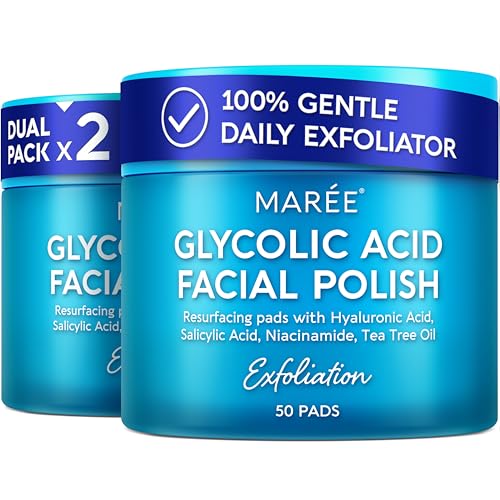
Combines glycolic and salicylic acids for effectiveness.
Includes tea tree oil for soothing properties.
Enriched with vitamins for skin nourishment.

High concentration of stabilized Vitamin C.
Includes next-gen antioxidants for enhanced protection.
Developed by dermatologist for trusted efficacy.

Effectively reduces blackheads and unclogs pores.
Gentle on skin, suitable for daily use.
Improves skin texture and reduces fine lines.

Effective on both face and body.
Lightweight formula absorbs quickly.
Suitable for all skin types.
The first question is whether the product is the one being described. Look for a complete ingredient list and clearly named active ingredients. A disclosed percentage is more useful than a headline such as “brightening complex,” but a percentage can still mislead: a stated percentage may apply to a blend rather than to the active compound itself, may conflict with another label for a similarly named product, or may describe an ingredient without proving that the finished product contains the stated amount. Ingredient research on niacinamide, tranexamic acid, retinoids, vitamin C derivatives, arbutin, acids, or peptides does not prove that the exact finished formula fades spots.
The strongest product-specific evidence is a controlled human study of the identical finished product and formula. Look for a realistic treatment period, defined pigmentation concerns, and objective measures such as MASI or mMASI scores, colorimetry, mexametry, or standardized blinded photographs. Consumer-perception surveys, laboratory or ex vivo skin findings, rapid-result claims, and studies of different formulas are weaker evidence. Even a product-specific study should be read for independence: industry-sponsored research or reports involving company employees may be useful but does not provide the same reassurance as independent replication.
Because illegal lighteners have been found in this category, a label that does not name mercury or hydroquinone is only a label screen. Stronger documentation is a lot-matched certificate from an ISO/IEC 17025-accredited laboratory, using validated methods and reporting detection limits, dates, and the matching lot. The same kind of traceable testing can verify active levels, contaminants, identity, and basic quality. “Dermatologist tested,” “clinically tested,” “natural,” “clean,” “hypoallergenic,” or “sensitive-skin” are not substitutes for a finished-product human safety report such as an HRIPT, or equivalent testing from a qualified accredited laboratory.
Directions matter. A product should explain gradual introduction when it contains retinol, acids, salicylic-acid derivatives, or other potentially irritating ingredients; include patch-test and stop-use advice; avoid implying that it is FDA approved; and distinguish cosmetic improvement from treatment of melasma or disease. Daily broad-spectrum SPF 30 or higher is a recurring foundation of dark-spot care. A serum or cream is not sunscreen, even when it layers under sunscreen. Buyers should also look for a responsible company, contact route, country of origin, lot code, expiry or period-after-opening marking, and recall accountability. For water-based leave-on products, preservation, stability, packaging compatibility, and shelf-life records matter.
Across the supplied products, recurring cautions include uncertain or incomplete formulas, undisclosed active concentrations, absent lot-matched contaminant testing, and no independently accessible controlled human study for most products. Fragrance, essential oils, botanical extracts, retinol, acids, and salicylic-acid derivatives repeatedly raise irritation or allergy concerns. Irritation can worsen post-inflammatory darkening. Products with retinol should not be used during pregnancy without qualified clinical advice; several products also warrant caution during breastfeeding. Do not use a cosmetic spot remover as a substitute for evaluation of a new, changing, irregular, painful, bleeding, blue-gray, or otherwise concerning mark, or for clinician-guided melasma care.
These topics assess more than whether a product is popular or contains a familiar brightening ingredient. They address formula safety, irritation, evidence, accountability, and environmental claims using the documentation available for the exact product reviewed.
This checks whether the formula is fully disclosed and credibly screened for mercury, hydroquinone, undeclared corticosteroids, and other contaminants. That matters because illegal lighteners can cause serious harm and may not appear on labels. The supplied products generally fall in the middle: label-based disclosures are more reassuring, while none had the strongest lot-matched accredited-laboratory confirmation.
This considers fragrance, retinoids, acids, essential oils, botanical extracts, barrier-friendly directions, patch testing, and stop-use advice. Irritation is especially important here because it can worsen post-inflammatory darkening. Higher-scoring products supplied clearer precautions or fragrance-free formulas; lower-scoring products had conflicting ingredient records, fragrance, or multiple potential irritants without finished-product safety reports.
A dark-spot product should explain that daily broad-spectrum SPF 30 or higher helps prevent pigmentation from worsening and that the product itself is not sunscreen. Stronger examples gave explicit sunscreen directions and gradual-use precautions; weaker examples merely mentioned layering under sunscreen or omitted meaningful sun guidance. The supplied assessments ranged from limited guidance to notably clear SPF instructions.
This measures whether a water-based leave-on product remains preserved, stable, and compatible with its package through expiry. Buyers should look for preservative-efficacy testing, stability and packaging-compatibility records, lot or expiry controls, and appropriate manufacturing practices. Most supplied products lacked public records, so even products in the higher-scoring group were not independently documented through shelf life.
This asks whether the exact formula, active identities, concentrations, and directions are clear enough to judge benefit and risk. Higher-scoring products published a full ingredient list and named amounts, such as stated niacinamide, tranexamic acid, or Melasyl levels. Lower-scoring products used vague blends, omitted concentrations, or had conflicting records for similarly named products.
This requires human evidence on the identical finished product, using meaningful treatment periods and objective pigmentation measures rather than ingredient studies or testimonials. Among the supplied products, the La Roche-Posay serum stood apart with published product-specific studies over eight to 12 weeks, although they were industry-sponsored. Most others had no independently accessible controlled human study.
This checks whether advertising stays within the evidence, distinguishes cosmetic brightening from treating melasma or disease, and avoids guaranteed removal or implied FDA approval. Higher-scoring listings used appearance-focused language and realistic timelines; lower-scoring ones claimed erasing, treating, or rapid improvement without a matching finished-product study. Conflicting labels also weaken claim credibility.
This measures whether an independent qualified laboratory verifies the current lot’s identity, active levels, contaminants, and basic quality. A high result requires a lot-matched certificate, methods, detection limits, dates, and laboratory authorization—not a brand statement. The supplied products clustered around moderate assessments because no public lot-matched accredited-laboratory report was located for any of them.
This asks whether buyers can identify the responsible company, contact it, identify the lot and origin, and receive recall information. Higher-scoring products supplied a named company, contact route, or public label record. Lower-scoring products had manufacturer conflicts, anonymous marketplace information, or no lot and expiry documentation. Traceability does not prove safety, but it makes problems easier to report and investigate.
This examines packaging waste, typical U.S. recyclability, recycled content, refill options, and evidence for biodegradability or sourcing claims. A glass package or airless pump does not prove lower impact, and “clean,” “green,” vegan, or cruelty-free language is not environmental verification. The supplied products were broadly similar; the clearest distinction was a manufacturer-stated 60% post-consumer recycled glass and removable-label claim for one line, without independent certification.
This is a 1 fl oz, fragrance-free leave-on facial serum for visible dark spots, uneven tone, and discoloration. The manufacturer directs users to apply a pea-size amount at night after cleansing, follow with moisturizer, and begin every other night if new to retinol. It is not sunscreen, and the directions specifically call for daily SPF 30 or higher. The published ingredient list identifies niacinamide, tranexamic acid, mandelic acid, retinol, kojic dipalmitate, glutathione, acetyl glucosamine, ceramide NP, and several plant extracts. The manufacturer states concentrations for 5% niacinamide, 3% tranexamic acid, 1% kojic acid, and 0.1% encapsulated retinol, but not for the other highlighted ingredients. It also reports sensitive-skin testing, HRIPT testing, contaminant screening, stability testing, and microbial testing, though public lot-specific reports and the underlying laboratory documents were not available for independent review.
This product suits an adult with mild post-acne marks, uneven tone, or scattered sun-related spots who wants one nighttime serum rather than separately layering niacinamide, tranexamic acid, retinol, and exfoliating products. It is most appropriate for someone able to introduce it slowly, use moisturizer, and consistently apply broad-spectrum SPF 30 or higher during the day. The 1 fl oz format and roughly $35 list price place it in the routine-serum range rather than prescription treatment.
It is not suited to people who are pregnant or trying to become pregnant, because it contains retinol and dermatology guidance advises avoiding retinoids during pregnancy. People with active eczema, rosacea flares, a damaged skin barrier, or a history of reactions to retinoids or alpha hydroxy acids may need a gentler routine or clinician guidance. It is also not a substitute for evaluation of changing, irregular, itchy, bleeding, or rapidly spreading pigmentation, or for clinician-directed treatment of melasma.
The published ingredient list does not include hydroquinone, mercury compounds, or corticosteroids. The manufacturer further reports that hydroquinone and harmful steroids were not detected and that heavy metals passed its safety limits. Those are useful manufacturer-stated quality signals, but no public, lot-specific third-party certificate was located to independently confirm the current product. The brand identifies Doctorly Skin Inc. as the responsible business and provides postal, email, and telephone contact routes for consumer problems. Fragrance is absent from the listed formula. Retinol and mandelic acid can still irritate skin, and irritation can itself worsen dark marks in susceptible users. Daily broad-spectrum SPF 30 or higher is therefore central to safer use. The product page claims vegan and cruelty-free status, but no issuing-body certification was provided for verification. No specific recycled-content, recyclability, biodegradability, or packaging-material evidence was found, so its environmental footprint cannot be meaningfully assessed from available documentation.
This is a 1 fl oz leave-on dropper serum positioned for face and body dark spots and uneven tone. The current marketplace listing states 5% tranexamic acid, 3% niacinamide, and a 3.5% peptide, with ectoine, ergothioneine, and hyaluronic acid. It is intended for use after cleansing, and the listing presents it as a twice-daily spot and tone-care product. The defining limitation is verification. A retail listing repeats the stated tranexamic acid and niacinamide doses, but a complete current ingredient list and lot-specific laboratory testing were not located. A 2023 EnaSkin label in DailyMed describes a materially different dark-spot serum formula, so it cannot verify this current formula. Human studies support topical tranexamic acid formulas generally, but no controlled study of this exact product was found.
Adults with limited, superficial-looking post-acne marks or uneven tone who want a 1 fl oz nonprescription leave-on serum with manufacturer-stated 5% tranexamic acid and 3% niacinamide. It fits someone prepared to introduce one product slowly, patch test first, monitor for stinging, and use a separate daily broad-spectrum SPF 30 or higher sunscreen. Expectations should remain modest because human evidence supports similar topical formulas, not this exact serum.
It is not suited to people seeking a clinically proven treatment for diagnosed melasma, rapidly changing pigmented spots, or discoloration needing medical assessment. Avoid self-treating suspicious, bleeding, painful, or irregular marks. People with highly reactive skin, active dermatitis, broken skin, or known ingredient allergies need a complete current ingredient list and may need clinician guidance. It also does not meet the needs of buyers who require lot-specific mercury and hydroquinone screening before use.
Mercury and hydroquinone are important concerns in the wider skin-lightening category. The product listing does not name either ingredient, and the FDA table of tested mercury or hydroquinone products does not name EnaSkin. That is not the same as a clean test result. No lot-matched independent laboratory report was found to verify the absence of mercury, hydroquinone, undeclared corticosteroids, or other contaminants. The listing makes vegan and cruelty-free claims, but no named certifier or issuing-body record was located. A separate DailyMed label identifies an EnaSkin responsible company and contact email for an older, differently formulated serum, which does not provide complete traceability for this current product. Packaging material, recycled content, recyclability instructions, stability testing, and preservative-challenge testing were not documented. The small bottle may limit material use, but its environmental impact cannot be quantified from available evidence.
This is a 2 fl oz water-based facial serum used as a leave-on treatment. TruSkin directs users to smooth 3 to 5 drops over clean face and under-eye skin while avoiding direct eye contact. It is marketed for uneven tone, dark spots, dullness, fine lines, and collagen loss. The ingredient list is corroborated by TruSkin and an independent retailer. It contains sodium ascorbyl phosphate, sodium hyaluronate, rosehip oil, retinol, squalane, niacinamide, salicylic acid, aloe, and grapefruit peel oil. Exact concentrations are not disclosed, so the finished dose and likely effect of its retinol, niacinamide, vitamin C derivative, and salicylic acid cannot be judged. No published controlled study or lot-specific independent laboratory report for this exact serum was located.
This serum suits an adult with mild uneven tone, dullness, or early texture concerns who wants a single leave-on product instead of separate hydrating, vitamin C, retinol, and niacinamide steps. It is most appropriate for someone whose skin already tolerates retinol and exfoliating acids, who can introduce it gradually, and who will use broad-spectrum sunscreen daily. The 2 fl oz size may also suit routine users who prefer a larger serum format. Its undisclosed active doses mean expectations should stay modest.
It is not well suited to people who are pregnant, trying to conceive, or advised by a clinician to avoid topical retinoids, because it contains retinol. Those with rosacea, eczema, a damaged skin barrier, fragrance sensitivity, or past reactions to retinoids, salicylic acid, or citrus oils should choose a simpler fragrance-free product. It is also a poor fit for anyone seeking treatment for melasma, rapidly changing pigmentation, or a suspicious spot, which warrant clinical assessment rather than a cosmetic serum.
The disclosed formula names retinol, salicylic acid, grapefruit peel oil, and preservative ingredients including phenoxyethanol, ethylhexylglycerin, and sodium benzoate. Retinol and salicylic acid can irritate skin, and the grapefruit oil adds fragrance-related sensitization potential. Dermatology guidance notes that irritation can darken existing pigmentation, particularly in deeper skin tones. Retinol should be introduced cautiously, used at night, and paired with daytime sun protection. No mercury or hydroquinone appears on the disclosed list, and no FDA warning, recall, or product-specific exposure alert was located in the searches performed. That is not equivalent to contaminant testing, since no current lot-specific independent lab report was found. TruSkin states that the formula is vegan, cruelty-free, and Leaping Bunny certified, but current public issuer-register confirmation was not located. The brand also makes no substantiated packaging recycled-content, recyclability, biodegradability, or compostability claim for this serum.
This is a 1.7-fluid-ounce leave-on dark-spot cream intended for targeted use after cleansing, twice daily. The manufacturer presents it for facial discoloration, age spots, freckles and body areas. Its current ingredient list names niacinamide, 3-O-ethyl ascorbic acid, alpha-arbutin, salicylic acid, 4-butylresorcinol, kelp extract and other emollients and preservatives. The most important limitation is formula clarity. A current manufacturer page publishes an ingredient list with fragrance and 4-butylresorcinol but no active concentrations. An older published product label instead states 3% niacinamide, 2% 3-O-ethyl ascorbic acid, 1% alpha-arbutin and 0.5% panthenol, with a materially different inactive-ingredient list. There is independent human evidence for some individual ingredients, including 4-butylresorcinol, but no identified controlled study of this exact current cream.
This product may suit an adult who wants a modest-size, leave-on cream for localized cosmetic discoloration on the face or body and is willing to use it cautiously. The useful fit is someone who can patch test first, introduce one new active product at a time, and use daily broad-spectrum SPF 30 or higher sun protection. Its disclosed ingredient list includes several plausible brightening ingredients, but the current dose information is not established, so expectations should remain conservative and results should be monitored for irritation.
It is not a good fit for children age 12 or younger, people with broken, actively inflamed, eczema-prone or highly fragrance-reactive skin, or anyone who has previously reacted to salicylic acid or fragranced leave-on products. Pregnant or breastfeeding users should follow the published label's advice to ask a health professional first. People with persistent, rapidly changing, blue-gray, painful or otherwise unexplained pigmentation should seek clinical assessment rather than self-treating. It also does not replace daily sunscreen or clinician-directed melasma care.
The current manufacturer list does not name mercury or hydroquinone, two substances FDA specifically warns consumers to avoid in over-the-counter skin-lightening products. That is not the same as independent confirmation of absence. No lot-matched ISO-accredited laboratory report for mercury, hydroquinone, active levels, microbial quality or shelf-life stability was found. FDA's public skin-lightening alert list checked for this review did not identify this product. The current formula lists parfum and polyethylene, alongside botanical extracts and other conventional cosmetic ingredients. The brand's naturally derived positioning is therefore not enough to establish a lower-impact formula. No verified recycled-content percentage, packaging recyclability instructions, refill program, biodegradability test, organic certification or other environmental certification was identified. The formula discrepancy between the current manufacturer page and the older published label also weakens traceability for a buyer trying to verify a specific unit's composition.
This is a 2 fl oz water-based facial serum intended for dark spots, uneven tone, dullness, fine lines, and hydration. The manufacturer directs users to apply 3 to 5 drops to clean skin on the face, neck, and hands once or twice daily, avoid the eyes, then follow with moisturizer and sunscreen. Its stated vitamin C is sodium ascorbyl phosphate, alongside aloe, witch hazel water, vitamin E, sodium hyaluronate, jojoba oil, MSM, botanical extracts, phenoxyethanol, and ethylhexylglycerin. That ingredient list is independently matched by Ulta. The formula does not disclose the concentrations of sodium ascorbyl phosphate, hyaluronic acid, or other highlighted ingredients. TruSkin calls the product dermatologist and clinically tested, but no public finished-product study, test report, or lot-specific independent laboratory report was located. Evidence for fading spots therefore rests on the ingredient category and the brand's cosmetic claims, not verified testing of this serum itself.
This serum suits an adult who wants a 2 fl oz, water-based vitamin C derivative serum for general cosmetic brightening, hydration, and uneven-looking tone, rather than a prescription treatment for melasma. It is most appropriate for someone comfortable using a gradual routine, applying a few drops once or twice daily, patch testing first, and using a separate broad-spectrum sunscreen every day. The disclosed ingredient list also helps buyers who need to screen for particular ingredients before trying a leave-on facial product.
It is not well suited to someone seeking a proven treatment for melasma, post-inflammatory hyperpigmentation, or a rapidly changing isolated dark spot. Those situations may need diagnosis and treatment from a dermatologist. It is also a poor fit for buyers who require disclosed active percentages, independently published clinical results on the exact product, or lot-specific contaminant and microbial testing. People with known sensitivity to witch hazel, geranium, botanical extracts, or preservative systems should not rely on the all-skin-types claim and should patch test cautiously.
The ingredient list does not name mercury or hydroquinone. That is reassuring at the label level because FDA warns that these substances can be harmful in skin-lightening products. It is not the same as a laboratory confirmation, and no public lot-specific testing for either substance was located. The product directions appropriately call for a 24 to 48 hour patch test, avoiding direct eye contact, and following with sunscreen. This matters because irritation can worsen dark marks. TruSkin and Ulta state that the product is manufactured and bottled in the United States with globally sourced components, and that the brand is Leaping Bunny-certified cruelty-free. A historical Leaping Bunny company listing was found, but a current issuer-register entry for this product was not located during this review. No public preservative-challenge, shelf-life, packaging-compatibility, recycled-content, recyclability, or biodegradability documentation was found. The water-based formula includes phenoxyethanol and ethylhexylglycerin, but their presence alone does not verify microbial protection through shelf life.
This is a jar of 100 pre-soaked, leave-on toner pads containing 150 mL, or 5.07 fl oz, of water-based essence. The manufacturer directs users to swipe one pad over clean skin twice daily, avoid the eye area, and leave the essence on. A pad may also be used as a 15-minute spot-treatment mask. The manufacturer publishes a full ingredient list. It includes niacinamide, alpha-arbutin, maltobionic acid, a vitamin C derivative, Centella asiatica components, licorice extract, peptides, hyaluronic acid, snail secretion filtrate, and preservatives. Concentrations, finished-product pH, and total dose delivered per pad are not disclosed. The dark-spot and 4 to 8 week result claims are manufacturer claims. Searches of ClinicalTrials.gov and PubMed did not identify a controlled clinical study of this exact finished product.
This product fits an adult who wants a convenient, non-rinse toner-pad step and can tolerate a leave-on formula containing niacinamide, alpha-arbutin, snail secretion filtrate, botanical extracts, and eucalyptus oil. The 100-pad format suits a person following the manufacturer’s morning and night routine, which it says lasts about 50 days. It is most appropriate for cosmetic hydration, smoother-feeling texture, and gradual brightening expectations, while using separate daily broad-spectrum sunscreen. Patch testing first is prudent, especially for reactive skin.
It is not well suited to people with fragrance or essential-oil allergy, known sensitivity to eucalyptus, rosacea that flares with cooling ingredients, active eczema, or a damaged skin barrier. Those with melasma, persistent post-inflammatory hyperpigmentation, rapidly changing dark marks, or suspected skin disease should not rely on a cosmetic toner-pad claim in place of dermatologist assessment. It is also a poor fit for anyone needing independently verified active concentrations, lot-specific contaminant testing, published patch testing, or documented preservative and stability testing.
The manufacturer lists the entire formula and states that it excludes hydroquinone. That is useful, since the FDA warns that over-the-counter skin-lightening products containing hydroquinone or mercury can be unlawful and harmful. However, an ingredient list cannot confirm that a particular lot is free of mercury, undeclared hydroquinone, or contamination. No lot-specific independent certificate of analysis, finished-product safety report, or public clinical study was located. The formula contains eucalyptus oil, which can trigger allergic contact dermatitis in susceptible people, alongside menthyl lactate in a leave-on product used up to twice daily. Stop use if stinging, rash, swelling, or worsening discoloration occurs. No meaningful packaging material, recycled-content, recyclability, refill, biodegradability, or third-party environmental certification information was published. The jar and 100 single-use pads therefore create an unquantified packaging and disposable-pad waste burden.
This is a two-jar pack of pre-soaked facial exfoliating pads, with 50 pads per jar according to the product record. The manufacturer directs users to wipe a pad over the face while avoiding the eye area. It is intended as a leave-on exfoliating toner rather than a dark-spot treatment with a defined treatment course. MAREE publishes a full ingredient list that includes glycolic acid, salicylic acid, niacinamide, panthenol, sodium hyaluronate, fragrance, and tea tree oil. The manufacturer states that the formula contains a 20% glycolic acid solution, but does not publish the salicylic acid percentage, finished pH, or independent verification of active levels. No controlled human study of this finished product for fading dark spots was located.
This product is most relevant to an adult already accustomed to facial chemical exfoliants who wants a pre-measured pad format for occasional texture, dullness, or congestion care. The published formula identifies multiple exfoliating and conditioning ingredients, and the two-jar format supplies 100 pads in total. It is better suited to someone prepared to introduce it slowly, use moisturizer, and apply separate broad-spectrum sunscreen consistently. The manufacturer does not provide enough product-specific evidence to frame it as a proven solution for established dark spots.
It is not well suited to people with very reactive skin, fragrance or tea tree allergy, eczema, rosacea, an impaired skin barrier, or a history of post-inflammatory darkening after irritation. It also warrants caution for anyone using prescription retinoids, exfoliating acids, benzoyl peroxide, or other potentially irritating acne treatments. The manufacturer claims 20% glycolic acid in a leave-on pad, while public directions lack a clear sun warning. Children should not use salicylic acid cosmetic products without clinician advice.
The published ingredient list does not name mercury or hydroquinone, which are ingredients FDA warns may occur in unsafe skin-lightening products. That is label-level reassurance only. No lot-matched independent laboratory report was located to verify mercury, hydroquinone, active concentrations, or other contaminants in the finished pads. No product-specific FDA warning letter or recall was located in the sources checked. The main safety issue is irritation and sun sensitivity. FDA notes that glycolic acid products can increase sun sensitivity, including after use stops, and recommends sunscreen, protective clothing, and reduced sun exposure. This matters especially because the manufacturer states a 20% glycolic acid solution and also includes salicylic acid, fragrance, and tea tree oil. The product uses disposable pre-soaked pads and jars. No verified recycled-content, recyclability, biodegradability, compostability, or organic certification evidence was located, so its environmental claims and end-of-life impact remain insufficiently documented.
This is a 1 fl oz leave-on facial serum positioned for dullness, uneven tone, environmental exposure, and the appearance of dark spots. The manufacturer directs users to apply one to two pumps after cleansing, then use moisturizer at night or sunscreen in the daytime. It is not sunscreen itself. Its published ingredient list identifies 3-O-ethyl ascorbic acid, glycerin, squalane, panthenol, hydrolyzed hyaluronic acid, ferulic acid, ectoin, and multiple botanical extracts. The 15% vitamin C complex is manufacturer-stated, but the concentration of the named vitamin C derivative and the other members of that complex are not separately disclosed. The product is manufacturer-stated fragrance-free and tested for sensitive skin. No independently published clinical trial or lot-specific third-party certificate was located for this exact serum.
This product suits an adult who wants a simple morning antioxidant and hydration serum for mild uneven tone or dullness, and who already uses a separate broad-spectrum sunscreen. The 1 fl oz pump serum may suit someone who prefers a fragrance-free, water-based formula with emollients and humectants rather than an acidic pure L-ascorbic acid serum. It is most appropriate for cosmetic brightening expectations, not for treating a diagnosed pigment disorder or expecting rapid removal of persistent spots.
It is not suited to someone seeking a proven treatment for melasma, deep or changing pigment spots, or post-inflammatory hyperpigmentation that needs medical assessment. Those users need a dermatologist-guided plan and consistent high-SPF broad-spectrum sun protection, often including visible-light protection. It is also a poor fit for buyers who require lot-specific contaminant testing, independently verified active levels, or published finished-product clinical results. Anyone with active eczema, a damaged barrier, known allergy to botanical extracts, or prior vitamin C stinging should patch test and stop use if irritation occurs.
The published formula is unusually transparent for a cosmetic serum. It lists 3-O-ethyl ascorbic acid and the supporting ingredients by name, and it does not list hydroquinone, mercury compounds, or corticosteroids. That is reassuring but not equivalent to laboratory confirmation. FDA notes that some illegal skin-lightening products can contain undeclared mercury or hydroquinone, and no lot-specific independent screen for this serum was publicly available. No product-specific FDA recall or warning letter was located in the checked sources. The manufacturer says the serum is fragrance-free, sensitive-skin tested, and should be followed with sunscreen during daytime use. That guidance aligns with dermatology advice that daily broad-spectrum SPF 30 or higher is foundational for limiting dark-spot worsening. Public materials did not provide a finished-product HRIPT report, stability report, preservative-efficacy result, manufacturing certification, recycled-content figure, or substantiated recyclability claim. Packaging environmental impact therefore cannot be meaningfully verified from the available evidence.
This is a 4 fl oz, water-based leave-on liquid exfoliant for the face and other breakout-prone areas. It is applied after cleansing, left on, then followed by treatment or moisturizer. The manufacturer advises starting gradually, using it up to twice daily only if tolerated, avoiding the eye area, and applying sunscreen in daytime. The active is unusually clear for this type of product. Paula's Choice lists 2% salicylic acid and a short ingredient list, while its safety data sheet independently confirms the 2.0% concentration and a pH range of 3.2 to 3.7. It is aimed primarily at clogged pores, blackheads, uneven texture, and blemishes, not as a dedicated dark-spot treatment. No published controlled trial of this exact finished liquid was located for fading dark spots.
This fits an adult seeking a leave-on exfoliant for blackheads, clogged pores, post-breakout texture, or mild unevenness, and who can introduce a 2% salicylic acid product slowly. The 4 fl oz format suits regular use across the face or small breakout-prone areas. It is especially relevant for someone who values disclosed ingredients and already uses a separate broad-spectrum sunscreen daily. It is not a focused pigment treatment, so expectations should center on exfoliation and congestion rather than rapid removal of established spots.
It is not suited to people with a salicylate allergy, active eczema or rosacea flares, compromised skin, or a history of reacting to leave-on acids. Avoid use on irritated, peeling, or freshly shaved skin, and keep it away from eyes. People who want to treat melasma, deep blue-gray discoloration, changing pigmented lesions, or persistent neck darkening should seek clinical assessment instead of relying on exfoliation. It also does not suit households seeking lot-level independent contaminant and microbiological test documentation.
The formula disclosure is a relative strength. The official ingredient list names salicylic acid, solvents, green-tea extract, pH adjuster, and chelator, and the safety data sheet confirms 2% salicylic acid. The listed formula does not name mercury, hydroquinone, or corticosteroids. That is reassuring, but it is not equivalent to an independent batch test for undeclared contaminants. The safety sheet reports no sensitization in a human insult patch test, while also warning that skin and eye irritation can occur. No matching FDA warning letter or recall for this product was located in the reviewed FDA resources. Paula's Choice publishes an impact report describing a North American TerraCycle return program and company-wide efforts to add recycled plastic. Those are useful brand-level steps, but the product-specific bottle material, recycled-content percentage, and local recyclability were not documented. No biodegradability evidence for the finished formula was found.
This is a 1.7 fl oz, 50 mL leave-on dark-spot serum marketed for face and body discoloration, including sun spots, acne marks, and melasma. The current marketplace description calls it fragrance-free, non-comedogenic, and suitable for all skin types, while claiming niacinamide, vitamin C, alpha arbutin, and licorice-root extract. Those are manufacturer claims, not independently verified finished-product findings. A government-hosted package label for a same-named 50 mL VBBV dark-spot lotion instead lists retinol, niacinamide, hyaluronic acid, ascorbic acid, tocopherol, aloe, licorice, and mulberry-root extract. It directs twice-daily use, recommends a sensitivity test, and says daytime use should be followed with sunscreen. The mismatch between the marketplace formula and this accessible product label prevents a confident determination of the exact formula in this unit. No lot-specific laboratory report or independently published study of the finished product was located.
This product is most relevant to an adult seeking a 50 mL leave-on cosmetic serum for the appearance of scattered sun-related spots or post-acne marks, who is willing to patch-test first and use separate daily broad-spectrum sun protection. It may suit someone who values an accessible package label with use and warning information. The buyer should confirm the ingredient panel on the delivered package before use because the marketplace description and accessible label describe different key ingredients.
It is not well suited to people who need a formula with fully confirmed actives and concentrations, people with a history of retinoid or leave-on product reactions, or anyone unable to patch-test. Pregnant or breastfeeding users should seek clinician guidance before using it because the accessible label lists retinol and specifically advises professional guidance. It is also not an appropriate substitute for evaluation of changing, painful, bleeding, or unusually dark spots, or for clinician-directed melasma care.
The most important health finding is formula uncertainty. The current marketplace page names alpha arbutin and describes a gentle daily formula, while the accessible 50 mL package label instead lists retinol, niacinamide, hyaluronic acid, vitamins C and E, and several botanical extracts. The latter label includes a sensitivity test, broken-skin avoidance, eye-contact warning, and sunscreen follow-up for daytime use. These are useful safeguards, but they do not replace confirmation from the package delivered to the buyer. No lot-matched independent laboratory report was located to verify ingredient identity, retinol level, microbial quality, stability, mercury, hydroquinone, or undisclosed corticosteroids. This matters for dark-spot products because FDA warns that some skin-lightening products have contained undisclosed mercury or hydroquinone. The marketplace also makes sustainable-materials and cruelty-free claims, but the reviewed materials do not identify a certifier, recycled content, packaging resin, recyclability instructions, or a biodegradability standard.


