Best Overall
24% off
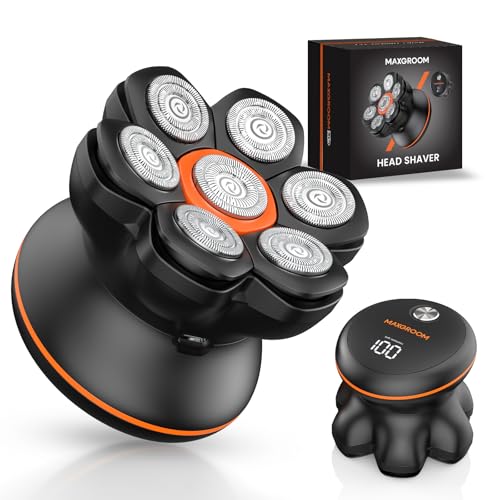
Maxgroom Head Shaver for Men
Magnetic detachable blades for easy cleaning.
Dual-speed power adjusts to shaving needs.
Long battery life enhances convenience and use.
 Lauren Wilson
Magnetic detachable blades for easy cleaning.
Dual-speed power adjusts to shaving needs.
Long battery life enhances convenience and use.

Versatile attachments for complete grooming solutions.
Waterproof design enables convenient wet/dry use.
Cordless feature offers easy portability and flexibility.

Flexible blades adapt to head contours.
Long battery life for extended use.
Waterproof design allows shower shaving.

360° flexing head for seamless contouring.
ComfortCut blades ensure a gentle shave.
Suitable for both men and women.
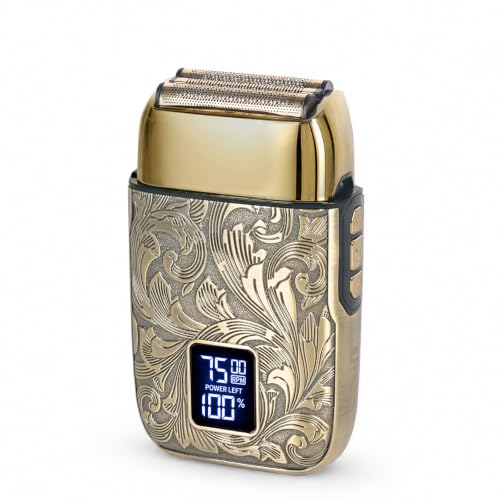
Adjustable 3-speed settings for personalized shaving.
LCD display for easy battery monitoring.
Versatile use for head, face, and beard.

Ergonomic design for comfortable, easy handling.
USB-C rechargeable for convenient, quick charging.
Waterproof for versatile wet or dry use.

Innovative Octo-Flex design for smooth shaving.
Comfortable grip for easy handling.
Compact size perfect for travel use.

Turbo speed feature ensures quick shaving.
Waterproof design allows easy cleaning.
Versatile 5-in-1 grooming attachments included.

Efficient micro-comb technology ensures a close shave.
Waterproof design allows for easy cleaning.
Fast charging feature provides convenience on-the-go.

Ergonomic design ensures comfortable handling.
Provides a smooth and close shave.
Long-lasting battery for extended use.
The most meaningful performance evidence is not the number of heads, the motor speed, or a claimed residual length. Look for an independent laboratory or consumer-panel report that identifies the exact product, sample size, hair-growth interval, test conditions, comfort findings, missed-hair rate, closeness, and time to shave. The supplied products generally lacked this evidence, so claims such as “closest,” “smooth,” “fast,” “360-degree coverage,” “zero irritation,” and “no cuts” should be treated as marketing unless supported by a disclosed test. A stated runtime is also not a substitute for testing: the supplied reviews include conflicting runtime and charging figures for several products.
Skin safety depends on real use, not wording such as “skin-friendly,” “hypoallergenic,” or “SkinSafe.” A stronger record would include independent human-use or dermatological testing for the exact model, with participant details and adverse events. Instructions should address longer hair, damaged cutters, pressure, cleaning, and use on irritated or broken skin. A product that can be rinsed is not automatically safe in a shower, and an IP number is not proof that every charging configuration is safe. Buyers should check the stated ingress rating, the complete-product configuration, and whether the instructions require unplugging before rinsing or prohibit charging near water.
Electrical claims deserve separate verification. A genuine independent listing should identify the exact model in an OSHA-recognized Nationally Recognized Testing Laboratory directory, such as UL Product iQ, Intertek’s ETL directory, or CSA’s product listing. Seller-issued badges, CE-style self-declarations, and vague references to “certified safety” do not establish the same thing. The supplied reviews found no exact-model NRTL listing for most products; one manual reported a UL mark on the product nameplate, but a supplied wall adapter was not included and the manual required a certified 5 V, at least 1 A power source.
Cleanability is practical safety. Prefer a head that opens or detaches without damaging the cutters, a reachable hair chamber, a brush or rinse procedure, and clear replacement instructions. Genuine replacement cutters, a stated interval, compatible parts, warranty terms, and repair information can keep a worn head from turning into a discarded appliance. Rechargeable batteries create an end-of-life obligation: the supplied reviews repeatedly found no removal procedure or brand take-back route. Follow the product’s instructions and use an appropriate battery or electronics collection channel; rechargeable lithium-ion devices should not go in household trash or curbside recycling.
Across the supplied products, the recurring safety caveat is that none had exact-product independent human-use evidence establishing low rates of cuts, pulling, razor bumps, or irritation. Multiple reviews also lacked exact-model NRTL electrical verification and independent ingress testing, even where shower or waterproof claims appeared. Buyers with active irritation, open or infected skin, folliculitis, eczema, psoriasis, recent treatment, or a history of shaving reactions should avoid assuming these products are irritation-free. Do not charge near water, use a damaged cutter, or rely on an absolute no-cuts claim; stop if there is heat, pain, pulling, or redness.
The scores below compare the supplied products on the defined health, evidence, and ecological topics. A higher score reflects stronger support or fewer identified gaps in that topic; it does not turn a manufacturer claim into independent proof.
This measures cuts, pinching, pulling, razor bumps, and irritation during realistic scalp use. It matters because a floating rotary head or foil can still pressure or abrade skin. The supplied scores range from 58 to 74: the higher-scoring products had clearer precautions or fewer concerns, but no supplied product had an independent exact-model human-use or dermatological study proving low irritation.
This covers overheating, fire, burns, shock, and unsafe charging for the complete shaver and supplied charging system. It matters because many models use rechargeable lithium batteries and are marketed for bathroom use. Scores range from 62 to 82. The stronger records include concrete charging precautions and, for the highest-scoring product, a manual referring to a UL mark; most reviews still found no exact-model NRTL listing.
This measures whether wet, rinse, shower, and waterproof claims are supported by an ingress rating, testing, and safe charging instructions. It matters because water exposure and charging are a hazardous combination. Scores range from 52 to 76. Higher-scoring products had clearer stated limits or instructions, while lower-scoring ones had conflicting ratings, no stated IP level, or no independent exact-model ingress report.
This measures whether hair, skin debris, and shaving products can be removed without trapping residue or damaging cutters. It matters because scalp debris can remain inside a multi-head assembly. Scores range from 69 to 85. The strongest products provided removable or openable heads, reachable chambers, rinse-and-brush steps, and feasible drying instructions; low-scoring products lacked a detailed cleaning routine or had a more tedious cutter design.
This measures whether a real independent certification body lists the exact product to a relevant safety standard. It matters when a rechargeable shaver is used around water. Scores range from 68 to 82. The highest-scoring product had a manual stating a UL listing mark, while the supplied reviews generally found no traceable UL, ETL, CSA, or other OSHA-recognized NRTL listing for the complete product and charger.
This measures independently demonstrated closeness, contour coverage, comfort, completeness, and time to shave under disclosed conditions. It matters because head count, RPM, and claimed millimeter lengths do not show how a shaver performs on a scalp. Scores range from 68 to 70, but the narrow range reflects an evidence gap: no supplied product had a disclosed independent exact-model shave trial.
This measures whether claims such as waterproof, irritation-free, closest, or no nicks match the available evidence and acknowledge limits. It matters because several listings made absolute comfort or safety promises. Scores range from 48 to 78. Higher-scoring products used clearer limitations or more precise instructions; lower-scoring products paired broad claims with conflicting specifications or no supporting test method.
This measures whether the brand, model, and charger have a traceable safety record and whether problems receive a specific remedy. It matters because a clean search is not the same as certification or proof of zero incidents. Scores range from 70 to 78. Higher-scoring products had clearer warranty or support information and no located unresolved action; the supplied reviews did not identify a product-specific CPSC recall for any listed model.
This measures whether worn cutters and other parts can be replaced instead of discarding the whole shaver, and whether support remains practical. It matters because head-shaver cutters are consumables. Scores range from 61 to 85. Higher-scoring products had genuine compatible replacement heads and stated replacement intervals; lower-scoring products had unknown availability, sold-out parts, no parts pathway, or no clear repair documentation.
This measures battery identification, safe removal or return, disposal instructions, and a practical U.S. recycling route. It matters because nearly all supplied products use rechargeable batteries, often without user-serviceable access. Scores range from 68 to 76. The stronger records include clearer battery or Call2Recycle guidance; most products lacked a take-back program or removal procedure, so end-of-life handling remains the buyer’s responsibility.
This is a cordless rotary head shaver with seven floating cutting modules, a magnetic cutting head, two speed settings, USB-C charging, and a pouch, brush, and protective cover. It is intended for closely shaving a bald scalp and can also be used on the face and body. The manufacturer identifies a lithium-ion battery, 5 W input, IPX6 water resistance, and a removable head that can be rinsed. The accessible cutting area and replacement head are supported by the manufacturer’s manual and parts store. However, no independent laboratory report was located for water ingress, electrical safety, scalp tolerance, runtime, or shave closeness for this product. Its published specifications are also inconsistent, with runtime described as 70, 90, or 100 minutes across manufacturer-linked materials. Claims of a 0.10 mm shave, no tugging, and reduced irritation are manufacturer claims rather than independently measured results.
This product suits an adult with an already closely maintained bald scalp who wants a compact cordless rotary shaver with an accessible, rinseable cutting area. It is most appropriate for someone comfortable following the manual’s precautions, including disconnecting charging equipment before washing, keeping connectors dry, and inspecting the cutting head for damage. The separately sold replacement head is useful for a buyer who wants a defined consumable path rather than treating the complete shaver as disposable. Battery runtime should be treated as uncertain rather than planned around precisely.
It is not well suited to people with highly reactive skin, active scalp irritation, open cuts, folliculitis, or a history of significant razor bumps, because no independent scalp-tolerance testing was found. It also does not fit households that require independently certified electrical products, particularly where a bathroom or shower is the expected use setting. Avoid relying on it for underwater use or charging near water. Buyers seeking documented battery recycling, user-replaceable batteries, or verified close-shave performance should choose a product with that evidence published.
The manufacturer identifies stainless-steel cutting components, a lithium-ion battery, USB-C charging, and an IPX6 wet-use claim. Its manual gives useful basic safety instructions, including separating the shaver from the power cord before washing, keeping the cable and charger dry, and not using damaged blades. The manual also describes opening the cutting head and rinsing the blade and hair compartment, which supports routine debris removal. Important evidence remains missing. No exact-product listing was located in the major U.S. independent electrical-certification registers searched, and no publicly available independent ingress or human scalp-use test was found. No U.S. recall, regulatory warning, or incident action specific to this product or brand was located in the searched sources. The manufacturer sells a replacement head, but provides no practical published path for removing, returning, or recycling the installed lithium-ion battery at end of life.
This is a cordless, five-head rotary grooming kit intended primarily for scalp shaving. It includes a precision clipper with 3 mm, 5 mm, and 7 mm guards, a nose and ear trimmer, exfoliation brush, scalp scrubber, cleaning brush, and USB charging cable. Freebird states that the original FlexSeries uses an 8,500 RPM motor and a 600 mAh lithium-ion battery, with up to 90 minutes of runtime. Freebird states an IPX6 water-resistance rating and gives sensible wet-use precautions, including disconnecting it from power before use and fully air-drying before charging. The water-resistance claim was not backed by a public independent ingress report for this product. No public NRTL listing for the complete shaver and supplied charging system was located. Freebird’s broad promises of no nicks, cuts, irritation, or bumps are not accompanied by a disclosed human-use study for this product.
This product fits an adult who keeps scalp hair very short, is comfortable using small circular passes, and wants one rechargeable tool with a clipper and basic grooming attachments. It is more suited to routine maintenance than to clearing long growth in one step, because Freebird itself instructs users to pre-trim longer hair first. The replaceable shaving head may also suit someone prepared to maintain the cutting system on a regular schedule and follow the dry-before-charging instructions after wet use.
It is not well suited to a person with highly reactive scalp or neck skin who needs independently tested evidence of low irritation, pulling, or razor-bump risk. It also does not fit households that require independently certified electrical safety for rechargeable bathroom appliances, since no public NRTL listing for the complete product and supplied charging system was located. Avoid using it while connected to power, immersing it, or exposing it to strong water jets. Users seeking a publicly documented battery-removal or take-back route also need more information.
Freebird provides some meaningful use limits. Its help guidance says to disconnect the shaver before shower use, avoid submersion and strong water jets, rinse the blade separately for deeper cleaning, and allow the product to dry completely before charging. Those instructions are useful, but the claimed IPX6 rating is manufacturer-stated and no independent ingress report for this product was found. The brand sells replacement shaving heads and gives a replacement interval, which can extend the usable life of the device. It does not publish a repair guide for the internal battery, a battery-removal procedure, or a product take-back program. Freebird identifies the current original model battery as 600 mAh lithium-ion, while the catalog record calls it lithium-polymer. Either way, U.S. EPA guidance says lithium-ion batteries and battery-containing devices should not go in household trash or curbside recycling. No CPSC recall or public regulatory safety action for this product was located in the checks performed through August 16, 2026.
This is a palm-held, seven-head rotary electric shaver intended for scalp, neck, and beard grooming. It uses a detachable magnetic cutting head, two speed settings, USB-C charging, and a rechargeable lithium-ion battery. MAXGROOM states a 5V/1A input, IPX6 water resistance, a cleaning brush, storage bag, and a one-year warranty. The product page gives practical maintenance guidance, including rinsing the removable head and replacing it every four months. However, key performance specifications are internally inconsistent. Promotional text claims up to 150 minutes from a 1400mAh battery and 7,500 to 8,800 RPM, while the specification table lists about 70 minutes, 900mAh, and 6,600 to 7,000 RPM. No independent electrical listing, ingress-test report, dermatological study, or controlled shave-performance report for this product was located.
This product suits an adult who already maintains a closely cropped or bald scalp and wants a compact cordless rotary shaver for frequent touch-ups. It is most appropriate for someone comfortable following a replacement schedule, removing the head to rinse away hair, and allowing the unit to dry before storage. The stated USB-C input may also suit users who prefer a common cable format. Its documented one-year warranty offers a defined route for support if the product develops a fault during that period.
It is not well suited to people with highly reactive, broken, infected, or recently treated scalp skin, because no exact-product dermatological or human adverse-event testing was found. It is also a poor fit for users who need independently certified electrical safety, independently verified shower performance, or proven close-shave results before use. Households with children should keep the cutter and charging cable secured. Anyone needing reliable runtime planning should be cautious because the manufacturer page gives conflicting battery and operating-time specifications.
The useful health features are practical rather than independently proven. MAXGROOM describes a removable magnetic head that can be rinsed, plus a replacement interval of about four months when pulling or discomfort develops. Keeping the cutter clear of hair and replacing worn heads may reduce avoidable pulling, but no independent scalp-safety, dermatological, or controlled shave study for this product was located. The manufacturer also states IPX6 water resistance, yet no independent test report or recognized electrical certification for the complete product was found. The product is described as using a rechargeable lithium-ion battery. Its available manual directs users to remove the battery and use local recycling collection, but does not provide a consumer-safe removal method or identify a brand take-back program. EPA guidance says lithium-ion batteries and battery-containing devices should not go in household trash or curbside recycling because damaged batteries can cause fires. The manufacturer lists replacement heads, which can extend cutter life, but there is no documented battery repair pathway.
This is a cordless rotary scalp shaver with a flexible four-head cutting assembly, a built-in lithium battery, USB-A charging cable, mirror, storage case, rinsing station, cleaning brush, and four extra replacement cutters. Philips specifies 90 minutes of operation after a one-hour charge, with a five-minute quick charge. A wall adapter is not included. Philips states that its 36 ComfortCut blades are Swedish steel and that the flexing head follows scalp contours to reduce pressure peaks. Its instruction document identifies the product as IPX7 and says it is for cordless use in a bath or shower, but no independent ingress report or independent human shave study for this exact product was located. The manual limits use to scalp hair under 2 mm and intact skin without severe irritation or skin disease.
This product suits an adult who keeps scalp hair very short, wants a cordless rotary shaver for routine home use, and is prepared to follow care instructions. It is particularly suited to someone who values the ability to rinse the shaver and use it with gel or foam in the shower, while keeping the USB supply equipment dry and separate. It also fits users willing to replace genuine cutting heads on Philips' stated six-month schedule rather than treating the cutter as permanent.
It is not appropriate for shaving over broken skin, scalp growths, active skin disease, or severe scalp irritation, because Philips specifically warns against that use. People who need independently validated low-irritation performance, an independently verified electrical listing for the complete product, or a supplied wall charger should look for documentation that this product does not publicly provide. It also does not suit users seeking a readily user-replaceable battery or those intending to shave hair longer than 2 mm.
The strongest safety information is operational rather than independently certified. Philips' manual calls for a certified 5 V, at least 1 A SELV supply, and specifies an IPX4 supply unit if charging in a moist bathroom. It says to keep the cable and power supply dry, operate the shaver cordless around water, stop use if it becomes hot, smelly, discolored, or slow to charge, and use only on intact scalp skin. No exact-product NRTL listing or public independent scalp-use study was located. For durability, Philips sells compatible genuine HS740 cutter heads and instructs replacement every six months. The manual identifies a built-in lithium-ion battery and directs separate collection rather than household disposal. It also says battery removal should be performed by a qualified professional, which limits repairability. U.S. users can use battery-recycling location services for rechargeable batteries, but a product-specific Philips U.S. take-back pathway was not located.
The Ufree 1668 is a cordless foil shaver for short facial hair and close head grooming. Ufree states that it has dual titanium-coated foils over etched steel cutters, three speed settings, a 7,500 RPM motor, zinc-alloy housing, and a 1,000 mAh lithium battery. The box is stated to include a USB cable, blade guard, cleaning brush and lubricating oil. Its claimed runtime of at least 90 minutes after about two hours of charging is manufacturer-stated, not independently verified. Ufree also describes the shave as irritation-free, but does not publish a model-specific human-use, dermatological, or performance-panel report. The official product page gives no IP rating or shower-use instructions. Its general Certified Safety & Quality statement does not name a testing body, applicable standard, or certificate number, and no exact-model NRTL listing was located in the public registries checked.
This product fits an adult who maintains very short stubble on the face or scalp, wants a cordless foil format, and is willing to use it as a dry grooming tool. It is also suited to someone who values the availability of a manufacturer-sold replacement head and can confirm version compatibility before ordering parts. The stated 90-minute runtime and USB charging may be practical for routine home use or travel, although those figures are manufacturer-stated rather than independently tested.
It is not for people who need documented protection for highly reactive skin, recurrent razor bumps, active scalp irritation, cuts, or a dermatologic condition. There is no model-specific human-use safety evidence to show low irritation or low nick rates. It is also unsuitable for shower shaving or rinsing under water because the manufacturer does not state an IP rating or wet-use procedure. Workplace users who require certified electrical equipment should seek a product with an exact-model NRTL listing and visible certification marking.
Ufree identifies a lithium battery, zinc-alloy housing, etched steel cutters and titanium-coated foils. It also sells a replacement head containing one foil assembly and two cutters, which can extend use beyond the first worn cutting system. However, the company provides no clear replacement interval, battery service instructions, battery chemistry detail beyond lithium, or documented take-back program. The company uses broad Certified Safety & Quality wording but does not identify an issuing certification body, standard, or certificate for this product. No exact-model NRTL listing was located in the public registries checked, and no product-specific independent skin or electrical-safety test report was found. Public recall and incident searches did not identify a specific U.S. safety action for this product. At end of life, the lithium-powered product should not enter household trash or curbside recycling. EPA advises using a separate battery or household hazardous-waste collection route.
This is a compact cordless rotary head shaver intended primarily for shaving a bald or closely cropped scalp. Hummingbird describes seven independently flexible stainless-steel cutting heads, a detachable magnetic head, USB-C charging, a travel lock, LED battery display, case, cleaning brush, and charging cable. The product weighs 7.3 ounces according to the marketplace record. The most defining practical feature is its manufacturer-stated QuickSwap magnetic cutter assembly. Hummingbird sells a compatible seven-blade replacement head separately and advises replacing it every 3 to 6 months, depending on use. The company also states that the head can be rinsed after use. There is no located independent human-use report for this exact product measuring closeness, irritation, shaving time, cuts, or pulling.
This product fits an adult who already keeps a bald or very short scalp and wants a compact cordless rotary shaver with a detachable cutter assembly. It is most suited to someone comfortable replacing the cutting head on a recurring schedule and drying the product before storage and charging. The included case, travel lock, USB-C cable, and manufacturer-stated wet or dry use make it relevant for routine home grooming and travel, provided the user does not treat water resistance as independently verified shower protection.
It is not well suited to people with highly reactive scalp skin, active folliculitis, open cuts, severe razor-bump history, or a need for documented low-irritation performance. Those users need exact-model human-use evidence or professional guidance, neither of which was located here. It is also a poor fit for households that require independently certified electrical safety or verified shower-use protection. Do not charge it when wet, and do not rely on the marketplace waterproof wording because the manufacturer's language is narrower.
The product uses a rechargeable internal battery and a USB-C charging cable, but no public exact-model NRTL listing, battery chemistry, charging-system certification, or ingress-test report was located in the checked sources. OSHA explains that a genuine NRTL mark indicates certification to applicable product-safety standards. Hummingbird's materials do not identify such a mark or standard for this product. The official site calls it water resistant, while the marketplace record says waterproof. That mismatch matters because no IP rating or independent wet-use test was found. The strongest waste-reduction feature is the separately available magnetic replacement head. Hummingbird identifies it as compatible with this product and gives a 3 to 6 month replacement interval. That can avoid discarding the whole shaver when cutters wear, although battery serviceability and a manufacturer take-back route are not disclosed. EPA guidance says lithium-ion batteries and devices containing them should not go in household trash or curbside recycling, but this product's battery chemistry is not stated. No CPSC recall or public safety action specific to this product was located in this review.
This is a compact cordless rotary head shaver intended primarily for maintaining a bald scalp, with claimed use on the face and body as well. Independent retail listings identify a 210 g unit with a six-part floating rotary head, USB-C charging, an 80-minute claimed runtime, and a travel lock. The head is intended for short hair, with one listing advising users to trim hair to 3 mm or less first. The manufacturer-stated configuration is a magnetic detachable six-blade head, an 8000 RPM motor, an 800 mAh battery, and IPX7 wet and dry use. Its official support instructions describe removing the head, brushing away loose hair, rinsing the washable blade assembly, drying it fully, and never charging while wet. No published independent human-use report for this exact product was located, and no exact-product NRTL electrical-safety listing was found in the public certification sources checked.
This product fits an adult who already keeps scalp hair very short or bald and wants a small cordless rotary tool for routine touch-ups, travel, or gym-bag use. Its 210 g listed weight, travel lock, claimed USB-C charging, detachable head, and stated rinse-cleaning method suit someone who values compact storage and straightforward maintenance. It is most appropriate for a user comfortable treating stated wet-use, runtime, and comfort claims as manufacturer information rather than independently validated performance results.
It is not well matched to someone with easily irritated, broken, infected, sunburned, or clinically sensitive scalp skin, because no exact-product human irritation or dermatological test was located. People seeking an independently certified electrical product for bathroom use should choose a product with a traceable NRTL listing covering the complete charger and shaver. It is also a poor fit for users who need verified closeness or rapid shaving results, or who require confirmed long-term access to replacement cutters and serviceable battery parts.
The safety documentation is useful but incomplete. MAXGROOM instructs users to remove the head, rinse the blade assembly, dry all parts before storage, keep the charging port dry, and stop use if the unit becomes unusually hot, smells of burning, or makes abnormal sounds. Those are sensible operating limits, but they do not substitute for independent electrical certification or a published scalp-use study. Public searches did not locate an exact-product UL, ETL, CSA, or comparable NRTL listing, nor a recall or regulator warning for this product. The product is described as using a rechargeable lithium-ion battery, but an exact-product battery-removal procedure or take-back program was not located. The manufacturer’s published guidance for another head-shaver manual says lithium-ion batteries should be removed for local recycling, although that instruction was not confirmed for this specific unit. U.S. EPA guidance says rechargeable lithium batteries and battery-containing devices should not go in household trash or curbside recycling.
This rechargeable, cordless grooming kit uses a seven-head rotary cutter for scalp shaving and includes a hair trimmer, nose trimmer, massage brush, cleaning brush, USB-C cable, and cleaning brush. It is intended for routine shaving of short scalp hair and other grooming tasks. The manufacturer describes stainless-steel blades, a magnetic removable head, an 800 mAh lithium battery, and about 90 minutes of use from a 1.5-hour charge. Wet use is manufacturer-stated as IPX7, and the instructions say to disconnect the cable before washing, rinse under running water, air-dry, and keep the shaver and cable dry while charging. I found no exact-model independent ingress test, electrical safety listing, or disclosed human shave trial. The product information also makes stronger comfort and close-shave claims than the available substantiation supports.
This product suits an adult who keeps scalp hair very short, wants a single cordless tool for routine touch-ups, and is willing to follow cleaning and drying steps after every use. Its removable head and included attachments are useful for someone who values basic grooming versatility more than independently demonstrated shave closeness. It is most appropriate for users comfortable supplying a dry USB charging source and replacing the cutter head on a regular maintenance schedule.
It is not a strong fit for people with broken, inflamed, highly irritation-prone, or infection-affected scalp skin, because no controlled human safety testing was found and the instructions advise against use on irritated skin. It also does not suit households that require independently certified electrical equipment for wet bathroom use, or users who want a documented, tool-free battery replacement or manufacturer battery-recycling route. Avoid charging it in bathrooms or near water.
The main health-positive design feature is cleanability. The cutter head is described as magnetic and removable, and the instructions direct users to rinse it only after separating it from the charging cable, then drain and air-dry it. The instructions also warn against wet-hand charging, damaged cutting parts, and use on irritated skin. Those are sensible limits, but they are manufacturer instructions, not independent human-use or electrical-safety validation. No product-specific NRTL certification, independent IPX7 report, recall, or regulatory action was located in the sources searched. The product is described as using a lithium battery, but the seller materials do not identify its detailed chemistry, explain battery removal, or provide a take-back route. At end of life, the complete device should go to an electronics recycler or household hazardous-waste collection program rather than household trash or curbside recycling.
This product is a compact, rechargeable two-blade foil shaver with a stated titanium blade material, LED battery display, USB-C charging port, magnetic protective cap, and travel lock. It weighs about 6.7 ounces and is marketed chiefly for beard and face grooming, not specifically as a scalp shaver. The available product documentation says a roughly 90-minute charge can provide up to 100 minutes of cordless use, but this runtime is manufacturer-stated rather than independently tested. The most consequential uncertainty is wet use. Marketing describes the product as IPX7 and suitable for rinsing and wet shaving, while a retailer specification for the same model labels wet and dry use as “No.” No independent ingress report, electrical-safety listing, or published human shave test identifying this product was found.
This product suits an adult who wants a small cordless foil shaver mainly for short facial stubble, occasional detail grooming, and packing light. Its stated 100-minute runtime, charge display, travel lock, and protective cap make its intended use straightforward for someone who can charge it while dry and is comfortable treating the waterproof claim cautiously. It is most appropriate for users who do not need documented scalp-shaving performance or long-term replacement-part support.
It is not well matched to people seeking a dedicated head shaver for a bald scalp, very sensitive or bump-prone skin, or a documented close shave across scalp contours. Those users need model-specific human testing and clearer guidance on irritation risk. It also is unsuitable for households that require verified electrical certification, dependable shower use, accessible replacement cutters, repair support, or clear battery-disposal instructions. Do not charge it near water, and do not rely on the conflicting wet-use claims.
The available documentation identifies a foil cutting system, two blades, a detachable shaving head, and claimed titanium blade material. It gives sensible basic directions to switch the product off before cleaning, rinse and air-dry the head, and keep the charging port dry before connecting power. However, those directions are manufacturer-provided, not a substitute for a published dermatological or scalp-use study. No independent test report was found that identifies this product and measures cuts, irritation, pulling, or shave quality. No public U.S. recall or safety action for the brand or product was found in the searches performed. That is not equivalent to third-party electrical certification. The battery chemistry, removability, recycling instructions, take-back option, replacement heads, and repair documentation were not located. EPA guidance says rechargeable batteries and battery-containing devices should not go into household trash or curbside recycling, and should instead go to appropriate battery or electronics collection programs.
This is a cordless head and body grooming kit with a four-foil rotary shaving head, a precision trimmer with 3, 5, and 7 mm guards, a nose and ear trimmer, cleaning brush, and USB charging cable. Freebird states that it has an 800 mAh lithium-ion battery, up to 90 minutes of runtime, removable blades, and an IPX7 wet and dry rating. The most useful independent evidence is a hands-on reviewer’s month of frequent scalp use. That reviewer found the flexible blade section comfortable and easy to clean, while noting that the rectangular body is less ergonomic than a palm-focused shape and that the shave does not equal a manual razor. There is no located NRTL listing, published dermatological study, independent ingress test report, or disclosed manufacturer substantiation file for the specific product.
This product suits an adult who keeps scalp hair very short and wants one cordless tool for frequent maintenance shaving, basic trimming, and occasional wet use. It is most appropriate for someone comfortable cleaning and drying the detachable blade head after use, replacing consumable blades regularly, and charging through USB. The available evidence is most relevant to daily or every-few-days scalp maintenance. Its larger hair chamber and removable cutting assembly also suit users who value straightforward rinsing and brushing rather than a sealed, disposable head.
It is not a strong fit for people with active scalp wounds, severe razor-bump history, contact dermatitis, or a need for clinically demonstrated sensitive-skin safety. Those users should not treat the irritation-free marketing as medical or dermatological evidence. It is also unsuitable for anyone who requires confirmed third-party electrical certification, independently documented waterproof testing, or a supplied wall adapter with verified safety credentials. Users with longer than roughly 3 mm growth should pre-trim first, since the manufacturer gives that limit for best use.
Freebird identifies an 800 mAh lithium-ion battery and markets the product as IPX7 rated for shower use. The company also gives a concrete cleaning route, detach the cutting head, rinse it, brush out remaining hair, and let it dry. A hands-on reviewer similarly found that the blades could be opened for cleaning and drying. These are useful hygiene features, but they are not substitutes for an independent ingress test or dermatological safety study. No matching CPSC recall was located in the searched U.S. recall resources. Freebird offers a three-year limited warranty for the device and sells dedicated replacement blade refills, which can extend use of the main unit. However, no public product-specific battery recycling, take-back, battery chemistry detail beyond lithium-ion, or safe battery removal guidance was located. The battery therefore remains a likely end-of-life disposal concern.


