Best Overall
10% Coupon

VitaUp Lycopene Supplement 30mg - 120 Count
High potency with 30mg lycopene per serving.
Supports prostate, heart, and immune health.
Made in the USA for quality assurance.
 Lauren Wilson
High potency with 30mg lycopene per serving.
Supports prostate, heart, and immune health.
Made in the USA for quality assurance.

High potency with 50mg lycopene per serving.
Non-GMO and gluten-free formulation.
Contains 120 softgels for extended use.

Supports heart and prostate health effectively.
Non-GMO and gluten-free formulation.
High potency with 15 mg of lycopene.

Contains natural ingredients for effective prostate support.
Includes magnesium and zinc for added benefits.
Supports urinary tract health in men.

High potency formula with diverse ingredients.
Includes lycopene for added health benefits.
Supports prostate health with natural extracts.

High potency ingredients for comprehensive eye health support.
Contains Omega 3 for added vision benefits.
Includes powerful antioxidants like Bilberry and Resveratrol.
Made from natural tomato fruit source.
Provides strong antioxidant support benefits.
Contains 120 easy-to-swallow veggie capsules.
Contains Lute-Gen® for enhanced eye health benefits.
Made with organic coconut oil for better absorption.
Vegan friendly and non-GMO verified.

Promotes prostate and heart health effectively.
Supports normal blood pressure levels.
Convenient two-pack for extended use.
High potency with 24mg astaxanthin per serving.
Includes lycopene for enhanced antioxidant support.
Supports skin, eye, and joint health effectively.
Start with the Supplement Facts panel. A meaningful label states the lycopene amount separately from tomato powder, tomato extract, beadlets, or a proprietary blend. Several supplied products advertise figures such as 500 mg, but those numbers refer to tomato powder or extract rather than measured lycopene. A product listing “50 mg of 5% lycopene” implies about 2.5 mg of lycopene if the standardization is accurate. Conflicting figures across a title, product page, and label are a material warning sign. The source, extract standardization, and cis/trans isomer information also improve identity clarity, although many products omit the isomer profile.
The labeled serving matters as much as the capsule amount. A product with 15 mg per softgel may provide 30 mg daily when the directions call for two softgels; another may provide 20 mg in two capsules. Compare the actual daily intake, not the per-container count or headline strength. Human evidence in the supplied reviews is limited and outcome-specific: some research suggests possible skin photoprotection at clearly measured intakes, while cardiovascular findings are inconsistent and randomized-trial reviews have not established a reliable overall PSA benefit. No product should be treated as prostate-cancer, cardiovascular, blood-pressure, or other disease treatment.
Quality evidence should be specific to the finished product. A facility’s GMP certification, such as an NSF/ANSI 455-2 listing, indicates manufacturing controls but does not independently verify the potency or contaminants in the bottle. Stronger evidence includes a current searchable USP, NSF, or ConsumerLab listing for the exact product. A lot-specific certificate should match the bottle’s lot number and report the lycopene assay, relevant contaminants, laboratory identity, method, date, and pass limits. A general “third-party tested” statement, a pass-only graphic, or a certificate that cannot be tied to the bottle is weaker evidence. Stability support should include lot number, expiration date, storage instructions, package protection from light, heat, and oxygen, and preferably finished-product data through expiration.
Prefer a short, fully quantified formula when possible. Oils can be a practical carrier for this fat-soluble carotenoid, but gelatin, tomato, soy, sulfites, coconut, added vitamins, botanicals, and interaction-relevant ingredients may affect suitability. Review every excipient and allergen statement rather than relying on “clean,” “natural,” “vegan,” or “non-GMO” wording. For sustainability, look for public USDA Organic or Non-GMO Project records, specific tomato sourcing, and documented packaging or waste-reduction claims; none of those broad environmental claims should be assumed from marketing language alone.
Recurring safety cautions in the supplied reviews include tomato allergy, pregnancy or breastfeeding, medical conditions, prescription medicines, and planned procedures. Multi-ingredient products can add interaction concerns, including green tea extract, piperine, ginkgo, and vitamin K. Vitamin K is especially important for people taking warfarin or similar anticoagulants. Lycopene supplements should not replace prostate evaluation, PSA follow-up, eye care, sunscreen, cardiovascular treatment, or medical assessment of urinary symptoms.
These topics separate a clearly documented lycopene supplement from one whose headline claims cannot be checked. Scores reflect the supplied product reviews; a high score means the relevant evidence or disclosure was stronger, while a low score reflects uncertainty, missing documentation, or added risk.
This asks whether human evidence plausibly supports the product’s specific lycopene form, daily amount, and intended use without overstating results. For lycopene, evidence is limited and outcome-specific: skin photoprotection is plausible in some studies, while prostate and cardiovascular findings are mixed. Higher-scoring products paired a stated actual dose with restrained expectations; low scores reflected unclear doses or broad prostate, heart, or disease-adjacent claims.
This measures whether the label addresses realistic risks from tomato or soy allergens and from added ingredients such as vitamin K, green tea extract, ginkgo, or piperine. Higher scores came from simpler products with clearer warnings and fewer interaction concerns. Lower scores reflected undisclosed botanical amounts or warnings that failed to identify important risks, including anticoagulant concerns and possible liver or medicine interactions.
This measures whether buyers can distinguish actual lycopene from tomato powder, extract, beadlets, or blend weight, and whether the source and form are identified. High-scoring examples stated amounts such as 20, 30, or 50 mg of lycopene per labeled daily use. Low-scoring products called 500 mg of tomato material “lycopene,” used 5% ingredients without clearly stating the implied active amount, or gave conflicting amounts.
This asks for credible finished-product testing for heavy metals, microbes, pesticides, residual solvents, and undeclared drugs where relevant. A GMP-certified facility is useful but is not the same as bottle-specific testing. Higher scores reflected stronger stated manufacturing controls or reported testing; lower scores reflected reliance on generic purity language or no current results showing the sold product meets defined limits.
Lycopene is sensitive to light, heat, and oxygen, so this measures packaging, storage instructions, dated shelf life, and stability support. Higher scores were associated with light-protective containers, expiration information, and practical storage directions. Lower scores reflected missing package or stability details. A storage instruction alone helps, but it does not prove potency remains available through expiration.
This measures whether added carotenoids, oils, vitamins, minerals, botanicals, and excipients are fully disclosed and justified, with limited avoidable allergen or interaction burden. High-scoring products used short formulas and named carriers and capsule materials. Low-scoring products hid ingredients in proprietary blends or added many actives, increasing uncertainty and the need to screen for interactions.
This measures whether prostate, heart, blood-pressure, eye, antioxidant, anti-aging, cancer, and disease-adjacent claims match the limited human evidence. Higher-scoring products used qualified language and acknowledged uncertainty. Lower scores reflected marketing that implied prevention, treatment, reliable PSA reduction, or broad cardiovascular benefit despite inconsistent or negative randomized evidence.
This measures current public verification of the exact finished product—not merely its facility or an ingredient—for identity, potency, contaminants, and manufacturing controls. A searchable USP, NSF, or ConsumerLab product record is the relevant distinction. Most supplied products lacked such a listing, so facility GMP claims did not qualify as finished-product certification. One product also had a public notice contradicting an NSF-certification impression.
This measures whether a recent certificate can be matched to the bottle and reports actual lycopene assay plus relevant contaminant results, laboratory, method, date, lot, and limits. The strongest supplied example published a named-lot HPLC report with carotenoid, heavy-metal, and microbial results, although the laboratory and some screens were not identified. Low scores reflected unreadable, generic, or unavailable reports.
This measures whether the responsible firm, U.S. contact information, complete label, and seller are identifiable, alongside searches for recalls, warning letters, and health-fraud actions. Higher scores reflected clear seller and distributor information and no relevant action found. A clean search is not proof of product quality, and one supplied manufacturer had a prior FDA warning letter involving other products.
This measures specific, independently checkable evidence for responsibly sourced tomato inputs and lower-waste packaging. High scores require more than “natural,” “clean,” “non-GMO,” or “eco-friendly” wording; they would be supported by records such as USDA Organic or Non-GMO Project verification and documented packaging claims. Across the supplied products, scores clustered around 68–70 because product-specific sourcing and packaging evidence was generally absent.
This is a 120-capsule, once-daily tomato-derived supplement marketed for antioxidant, skin, and prostate wellness support. VitaUp's product page lists 30 mg of tomato extract per capsule, standardized to 5% lycopene, plus organic tomato powder and a hypromellose capsule. On that specification, the actual lycopene content calculates to 1.5 mg per capsule, not 30 mg. The product page also describes the extract as 10% lycopene elsewhere, which conflicts with its ingredient panel. Human research on lycopene does not establish prostate benefit at this product's calculated 1.5 mg daily amount. Reviews of randomized trials found no overall meaningful reduction in PSA with lycopene or tomato extracts. VitaUp states that batches are third-party tested, but the public report is a pass or absent summary rather than a full potency and contaminant report.
This product fits an adult who specifically wants a simple, tomato-derived capsule for a routine dietary supplement, prefers to avoid soy oil, and is comfortable with manufacturer-stated non-GMO and gluten-free claims. The 120-count format is practical for someone planning a once-daily routine over roughly four months. It is most appropriate when viewed as a low-dose carotenoid supplement rather than as a treatment for urinary symptoms, elevated PSA, prostate disease, cardiovascular disease, or skin conditions.
It is not suited to anyone seeking a clearly verified lycopene dose in the 5 to 10 mg range commonly discussed for supplementation, because the listed 5% extract supplies only 1.5 mg per capsule. People with tomato allergy or sensitivity should avoid it unless a clinician advises otherwise. Men with urinary changes, an elevated PSA, prostate cancer, or a prostate diagnosis should seek medical assessment rather than use this product as disease management. It also does not suit buyers who require a named independent laboratory and lot-matched numerical results for potency and contaminants.
The main health limitation is dosage clarity. VitaUp lists 30 mg of 5% tomato extract, which calculates to 1.5 mg lycopene, while another section of the same product page says 10%. This unresolved inconsistency makes the marketed 30 mg figure easy to mistake for actual lycopene. Evidence from randomized-trial reviews does not show an overall PSA benefit from lycopene or tomato extracts, and the product should not be treated as prostate care. VitaUp presents a February 19, 2026 lot-specific testing image that marks heavy metals and microbiology as passing or absent. It does not identify the laboratory, numerical results, analytical limits, or the product's lycopene assay. No public USP, NSF, or ConsumerLab certification was located for this product. A California 60-day notice filed February 6, 2026 alleged lead exposure from a different VitaUp product, Irish Sea Moss Capsules, not this lycopene capsule. VitaUp offers no independently checkable sourcing or packaging sustainability evidence.
This is a 120-softgel lycopene supplement for adults. The independently corroborated label lists 50 mg of lycopene in each one-softgel daily serving, plus 1 g total fat and 10 calories. Its other ingredients are sunflower oil, gelatin, glycerin, and purified water. The manufacturer directs users to take one softgel daily with water and says to store it in a cool, dry place. The notable strength is dose clarity. The panel names 50 mg of lycopene itself, rather than a larger, ambiguous tomato-extract weight. However, it does not identify the lycopene source, cis and trans isomer profile, or a standardized extract. Human studies of lycopene span a wide range of doses and products, with inconsistent cardiovascular outcomes. It is therefore a straightforward antioxidant supplement, not evidence of disease prevention or treatment.
This product fits an adult who specifically wants a single-ingredient, once-daily lycopene supplement and prefers a clearly stated 50 mg active dose instead of an unspecified tomato-powder amount. The 120-serving bottle suits a person planning consistent use over roughly four months. It is most appropriate for general dietary supplementation, with expectations limited to antioxidant nutrient intake rather than treatment of prostate disease, cancer, cardiovascular disease, infertility, or another diagnosed condition. People taking medicines should first review the supplement with a clinician or pharmacist.
It is not suited to pregnant or breastfeeding people, children, or anyone with a known tomato or lycopene sensitivity without clinician guidance. People using warfarin, antiplatelet drugs, or other medicines, people preparing for surgery, and people managing a medical condition should not rely on the generic label warning alone. It also does not fit vegan or vegetarian buyers who avoid gelatin. Those requiring independently certified finished-product testing or a bottle-specific contaminant and potency report will find that evidence unavailable publicly for this product.
The formula is relatively simple. Independent label information confirms 50 mg lycopene in a sunflower-oil softgel, with gelatin, glycerin, and purified water as the remaining listed ingredients. Oil is a sensible carrier for this fat-soluble carotenoid, although the available product information does not establish finished-product absorption, stability through expiration, or the proportion of lycopene isomers. The manufacturer advises cool, dry storage. NSF's public register confirms that Nutricost Manufacturing holds NSF/ANSI 455-2 dietary-supplement GMP certification for facilities handling softgels. That is a manufacturing-system credential, not independent certification or testing of this specific product. Searches of FDA health-fraud, recall, and warning-letter resources did not identify a product-specific action. No public sustainability documentation was found for tomato or other lycopene sourcing, recycled content, packaging reduction, organic certification, or third-party environmental claims. The bottle's material specifications and end-of-life guidance were also not publicly documented.
This is a 180-softgel tomato-lycopene supplement. The label information independently reproduced by a retailer lists a two-softgel daily serving that supplies 30 mg lycopene from Lyc-O-Mato standardized tomato extract. It also lists small amounts of phytoene, phytofluene, phytosterols, beta-carotene-derived vitamin A, and vitamin E. The suggested routine is one softgel twice daily or two with a meal. Healthy Origins states that its tomato extract supports heart, skin, and prostate health. Human research makes a modest biological case for lycopene, but it does not establish prevention or treatment of prostate cancer or reliably lower PSA. The manufacturer uses olive oil in the softgel, a reasonable delivery choice for a fat-soluble carotenoid. ConsumerLab has included this exact product in an independent lycopene category review, but the publicly available material does not reveal its result or provide current product certification.
This product fits an adult who specifically wants a measured tomato-lycopene supplement rather than relying on variable dietary intake, and who is comfortable taking two softgels daily with food. It is most relevant for someone seeking general carotenoid intake while keeping expectations conservative. The 180-softgel bottle is sized for about 90 days at the labeled two-softgel routine. It also suits buyers who prefer a tomato-derived extract in an oil-based softgel and do not require vegetarian capsules or public lot-by-lot laboratory reports.
It is not suited to anyone trying to manage elevated PSA, benign prostate enlargement, cancer risk, cardiovascular disease, or a skin condition without clinical care. Human evidence is not strong enough to use this as treatment. People with tomato sensitivity, gelatin restrictions, or a need for a vegetarian product should choose a different format. Pregnant or breastfeeding people, people with medical conditions, and people taking prescription medicines should review the complete formula with a clinician, especially if they use anticoagulants or retinoid medicines.
The meaningful health detail is dose transparency. The label identifies 30 mg lycopene per daily serving, rather than presenting only a larger tomato-extract number. It uses Lyc-O-Mato, a standardized red-tomato extract, in an olive-oil softgel. This format is compatible with the fat-soluble nature of lycopene. The formula also includes gelatin, so it is not vegetarian. The manufacturer’s broad heart, skin, and prostate language should be read as a structure-function claim, not evidence of disease prevention or treatment. Publicly available category testing confirms that independent lycopene testing has existed and included this product, but no current finished-product certification or bottle-matched certificate of analysis was located. Searches performed for relevant FDA recalls, warning letters, and health-fraud listings did not identify a product-specific action. Environmental support is limited. The manufacturer describes tomato sourcing and a non-GMO product, but no independently checkable organic certification, tomato-farm sourcing standard, packaging-recycled-content claim, or lifecycle evidence was found.
This is a 90-capsule, vegan prostate and urinary-support supplement intended for adult men. The labeled routine is three capsules with food daily, providing 30 days per bottle. Its label lists vitamin C, magnesium, zinc, selenium, and copper at stated amounts, plus a 2,000 mg multi-part blend containing mushroom extracts, saw palmetto, stinging nettle, plant sterols, turmeric, green tea extract, and tomato-derived lycopene. The defining limitation is dose clarity. The label gives weights for the three sub-blends, but not the amounts of lycopene, saw palmetto, beta-sitosterol, nettle, green tea, turmeric, or mushroom extracts within them. Clean Label Project independently lists this exact 90-capsule product as holding its Purity Award. That supports contaminant-screening confidence, but it does not provide a public lot-specific potency report or establish the dose of the individual prostate-support ingredients.
This product fits an adult man who specifically wants a one-month, capsule-based supplement for general prostate or urinary wellness, prefers a vegan formula, and values an independently confirmed purity award. It is most practical for someone who can take three capsules with a meal every day and who is not relying on it to diagnose, treat, or monitor urinary symptoms. The individually stated zinc, selenium, copper, magnesium, and vitamin C amounts also make it easier to account for those nutrients alongside other supplements.
It is not suited to anyone seeking a clearly dosed lycopene supplement, because the label does not state how many milligrams of lycopene are provided. Men with new, worsening, painful, bloody, fever-associated, or persistent urinary symptoms should seek clinical evaluation rather than self-manage with a supplement. People with liver disease, people using atorvastatin, nadolol, warfarin, or other regularly monitored medicines, and anyone taking multiple botanicals should review the green tea extract and full formula with a clinician or pharmacist first.
The strongest independently confirmed quality point is the Clean Label Project Purity Award listing for this exact product, dated October 10, 2025. The label also identifies a U.S. distributor, states a daily serving, provides storage instructions, and specifies several vitamins and minerals. The product is marketed as vegan, non-GMO, gluten-free, and free of major allergens, but these are label or manufacturer statements rather than independently verified certifications in the reviewed records. The formula contains green tea extract, but its amount is concealed inside a blend. NIH sources note that concentrated green tea extract can cause gastrointestinal effects, may interact with some medicines, and has been linked to liver injury in some cases. No specific evidence of responsibly sourced tomato inputs, organic certification, recyclable packaging specifications, or other independently checkable environmental sourcing practices was found. The opaque bottle and instructions to keep it away from heat and light are useful for ingredient protection, but they do not substitute for public stability data.
This is a 90-capsule prostate and urinary-support formula taken as three capsules daily, providing 30 servings. An independently listed label reports vitamin D3, zinc, selenium, 1,000 mg saw palmetto fruit extract, 300 mg each of pygeum bark and pumpkin seed oil extracts, plus nettle, sunflower lecithin, cranberry, black pepper extract, and a 200 mg proprietary botanical blend. The label identifies 40 mg of lycopene beadlets standardized to 5%, which corresponds to 2 mg of actual lycopene, not 40 mg of lycopene. It also lists 18 ingredients, with six ingredients hidden within the proprietary blend. The product marketing claims support for prostate size and urinary flow, but high-quality evidence finds saw palmetto alone offers little or no benefit for BPH symptoms, and evidence is insufficient for lycopene in BPH.
This product is most suited to an adult who specifically wants a one-month, multi-ingredient wellness formula and understands that its prostate and urinary claims are not established treatment effects. The label gives useful detail on the principal extract species, plant parts, and ratios, and it includes modest amounts of vitamin D3, zinc, and selenium. It is more appropriate for someone reviewing all supplements and medicines with a clinician than for someone seeking a simple, evidence-based lycopene supplement or a defined treatment for urinary symptoms.
It is not suited to anyone with new, worsening, painful, or blood-tinged urinary symptoms, difficulty urinating, fever, or unexplained weight loss, because these require clinical assessment rather than self-treatment. People using prescription medicines, especially drugs affected by black pepper extract, should seek pharmacist or clinician advice before use. It is also unsuitable for people who need independently certified supplement quality, lot-specific contaminant results, a simple formula, or a clearly measured active lycopene dose. Avoid use during pregnancy, breastfeeding, and childhood.
The product contains a broad mixture of botanicals, nutrients, and lycopene beadlets. Saw palmetto is generally well tolerated in research, with mild digestive effects, dizziness, and headache reported, but its benefit for urinary symptoms related to prostate enlargement is uncertain. The formula adds black pepper extract and several botanicals without ingredient-specific interaction guidance. Its 200 mcg selenium serving is below the adult upper intake level, though total selenium from food and other supplements still matters. Quality verification is the main concern. No publicly searchable finished-product certification or recent lot-specific assay and contaminant report was found. NSF issued a public notice dated January 12, 2026 stating that Clean Nutraceuticals had distributed an unauthorized NSF GMP certificate and did not hold NSF GMP certification. No independently checkable organic sourcing, responsible tomato sourcing, recycled-content packaging, or other environmental documentation was located for this product.
This is a 60-capsule eye-health supplement sold for adults. The marketed formula combines bilberry, carotenoids, grape seed, resveratrol, flax-derived omega-3, astaxanthin, vitamins, minerals, ginkgo, N-acetyl-L-cysteine, CoQ10, quercetin, and black pepper extract. The accessible ingredient transcription identifies both plant sources and extract concentrations for many ingredients. Its headline 40 mg lycopene figure needs qualification. The accessible label transcription lists 40 mg of a 5% tomato-skin lycopene extract, which calculates to 2 mg actual lycopene, not 40 mg actual lycopene. It similarly lists low-concentration marigold lutein and zeaxanthin extracts. Human evidence supports some carotenoid combinations for selected visual measures, but it does not establish that this broad, low-active-carotenoid formula will protect vision or treat eye disease.
This product is most suitable for an informed adult who specifically wants a broad botanical and carotenoid capsule, understands that the listed 40 mg is tomato extract rather than 40 mg actual lycopene, and is prepared to review the full formula with a clinician or pharmacist. It may fit someone avoiding fish oil because its omega-3 entry is flax-derived. It is not a targeted way to obtain a studied high-dose lutein and zeaxanthin regimen, because the accessible label lists low-concentration extracts rather than clearly stated active carotenoid doses.
It is not suited to pregnancy or someone trying to become pregnant without clinician approval, because the listed retinyl-palmitate vitamin A amount is 10,000 IU, the adult upper limit from supplements and food combined. People using anticoagulant or antiplatelet drugs, preparing for surgery, taking multiple supplements, managing liver disease, or using retinoid medicines should seek professional advice because of ginkgo, resveratrol, vitamin E, black pepper extract, and vitamin A. It also is not appropriate as a substitute for ophthalmic evaluation or treatment of vision changes.
The most important health finding is dose interpretation. An independently accessible retailer transcription identifies 40 mg of 5% tomato-skin lycopene extract, equal to about 2 mg actual lycopene. This is materially different from reading the product title as 40 mg of lycopene itself. Research on carotenoid mixtures may support some visual-function measures, but it does not verify this exact formula or establish prevention or treatment of eye disease. The formula has a meaningful caution burden. It lists retinyl-palmitate vitamin A at 10,000 IU, plus ginkgo, resveratrol, vitamin E, and black pepper extract. FDA recall and health-fraud databases checked did not show a matching action, but that does not verify purity or potency. No publicly searchable finished-product USP, NSF, or equivalent certification, lot-specific laboratory report, stability record, organic certificate, or sourcing and packaging documentation was located. Claims such as natural or organic therefore do not provide independently checkable environmental assurance for this product.
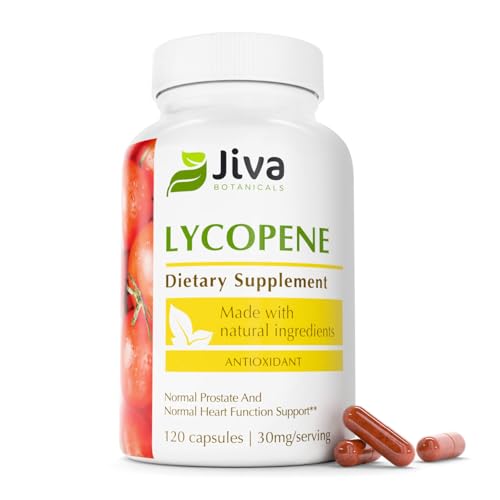
This is a 120-capsule, once-daily lycopene supplement marketed for normal prostate and heart function, antioxidant support, and skin protection. The product label states that each serving provides 30 mg of lycopene from tomato fruit. An independently indexed product record also lists one capsule daily, although it describes a 60-capsule presentation, so bottle count should be checked on receipt. The formula appears relatively simple. Indexed label information lists 30 mg lycopene, 420 mg organic tomato powder, and a vegetable capsule. The label also displays a third-party testing claim, but no finished-product certificate of analysis, laboratory name, test method, or lot-specific result was publicly available for review. Human research at 30 mg daily exists, but systematic reviews do not establish that lycopene prevents or treats prostate disease.
This product is most suited to an adult who specifically wants a simple, plant-based lycopene capsule with a clearly stated 30 mg daily amount, rather than a multi-ingredient prostate formula. It may fit someone seeking to increase lycopene intake for general antioxidant nutrition while understanding that the prostate, cardiovascular, and skin claims are supportive claims, not proven clinical outcomes. The 120-capsule bottle is intended to provide roughly four months of once-daily use, subject to confirmation of the bottle label received.
It is not appropriate as a substitute for evaluation of urinary symptoms, an elevated prostate-specific antigen result, prostate cancer care, blood-pressure treatment, or cardiovascular treatment. People with tomato allergy should avoid a tomato-derived formula. Pregnant or breastfeeding people, children, and people managing a medical condition or using prescription medicines should discuss concentrated supplements with a clinician first. It is also a poor fit for buyers who require a publicly searchable certification or a lot-specific laboratory report before using a supplement.
The health-positive feature is a comparatively simple disclosed formula. The product states 30 mg lycopene from tomato fruit, with organic tomato powder and a vegetable capsule. Lycopene has generally been well tolerated in clinical studies, though nausea, diarrhea, gas, and stomach irritation have been reported. It is not FDA-approved to treat cancer or any other medical condition. The packaging and listing make non-GMO, vegan, USA-made, GMP, and third-party-testing claims, but the review did not find an issuing-body certification record or a public lot-specific analysis to independently confirm them. No relevant FDA recall, health-fraud listing, or warning letter for Jiva Botanicals or Jiva LLC was located in searches completed through September 27, 2026. Organic tomato powder is listed, but no organic certificate, tomato sourcing details, recycled-content information, or packaging end-of-life plan was publicly substantiated.
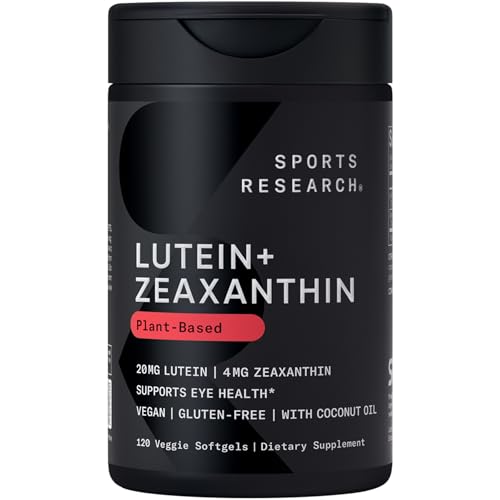
This is a 120-day, once-daily plant softgel supplement, providing 20 mg lutein and 4 mg zeaxanthin from marigold flower extract sold as Lute-Gen. It also contains organic coconut oil and sunflower oil, with a plant-based tapioca, glycerin, and water capsule. The label directs adults to take one softgel with food and identifies coconut as a tree-nut allergen. The important catalog mismatch is that this is not a lycopene supplement. No lycopene is listed on the Supplement Facts panel. For eye health, its lutein and zeaxanthin amounts exceed those used in the carotenoid portion of AREDS2, but it does not contain the zinc, copper, vitamin C, and vitamin E that define the evidence-based AREDS2 formula for people with intermediate AMD.
This product fits an adult who specifically wants a simple daily lutein and zeaxanthin supplement, prefers a plant-based softgel, and can safely consume coconut. Its 120 servings suit someone planning steady, longer-term use rather than a short trial. The daily 20 mg lutein and 4 mg zeaxanthin dose is concrete and easy to track. It is most appropriate for general nutritional eye support expectations, not for self-managing diagnosed eye disease or replacing an ophthalmologist's treatment plan.
It is not suited to anyone seeking lycopene for a tomato-carotenoid use case, because the label lists none. People with coconut or tree-nut allergy should avoid it. People with intermediate AMD, or advanced AMD in one eye, should discuss a complete AREDS2 formulation with their eye clinician rather than assuming this product supplies the studied combination. Pregnant or nursing people, children, people with medical conditions, and those using prescription medicines should follow the label's instruction to consult a qualified clinician first.
The label identifies marigold-derived lutein and zeaxanthin, organic coconut oil, sunflower oil, and a plant-based capsule. It also declares coconut as a tree-nut allergen, directs storage away from excessive heat, freezing, humidity, and light, and instructs users to stop if the safety seal is damaged. Those protections are useful for carotenoids, which can be sensitive to poor storage conditions. The Certified Vegan claim has partial external support because Vegan Action lists Sports Research Corporation as a company using its logo. The label also claims Non-GMO Project verification, but an exact current product entry was not confirmed in a public issuer register during this review. Organic status is stated for the coconut oil only, not for the full formula. No public lot-specific test report or independently searchable finished-product quality certification was found. No relevant FDA recall or warning letter was identified in the searches performed.
This two-bottle product provides 120 gelatin softgels in total. The manufacturer directs adults to take one softgel daily with water. Each softgel is manufacturer-labeled to provide 20 mg of lycopene, rather than an unspecified tomato-powder weight. The formula also contains soybean oil, corn oil, yellow beeswax, soy lecithin, gelatin, glycerin, and water. Its intended uses are antioxidant, prostate, and cardiovascular support. Independent evidence is more supportive for modest blood-pressure effects from tomato-derived lycopene in the 5 to 30 mg daily range than for a specific prostate outcome. The label identifies soy and sulfites, includes a general medication and medical-condition consultation warning, and instructs cool, dry storage. Publicly available evidence did not include a current, bottle-matched certificate of analysis or an exact-product independent certification.
This product suits an adult who specifically wants a simple, once-daily lycopene softgel with a plainly stated 20 mg dose, and who is comfortable using a gelatin and soy-containing supplement. It is most relevant for someone seeking nutritional antioxidant support or a supplement dose that overlaps with the range studied for cardiovascular risk factors. The two-bottle format provides 120 daily servings, which may suit a household planning longer-term use. It is not positioned as treatment for prostate disease, high blood pressure, or cardiovascular disease.
It is not suitable for people with soy allergy or sensitivity, because the formula contains soybean oil and soy lecithin, or for those avoiding gelatin. Pregnant or nursing people, people with medical conditions, and anyone taking medication should follow the label's instruction to consult a healthcare professional before use. People managing elevated blood pressure, prostate symptoms, cancer risk, or cardiovascular disease should not substitute this supplement for medical assessment or prescribed treatment. Buyers who require a publicly available, current lot-specific certificate of analysis should select a product that provides one.
The product's strengths are basic label transparency and traceability. The manufacturer identifies 20 mg lycopene per softgel, lists the carrier oils and softgel ingredients, calls out soy and sulfites, and gives storage and seal instructions. Swanson Health Products has a current NSF GMP facility listing that covers dietary-supplement manufacturing activities, including softgels. That verifies facility-level manufacturing controls, not the identity, potency, or contaminant results of this exact product. No current public, lot-matched certificate of analysis was found. Independent category testing has included Swanson lycopene in the past, but the available public material does not establish current certification or current lot results for this product. The manufacturer label states that it contains a bioengineered food ingredient. No organic, responsible-tomato-sourcing, recycled-content, or lower-waste packaging documentation was located, and the marketplace organic designation is not supported by the manufacturer label.
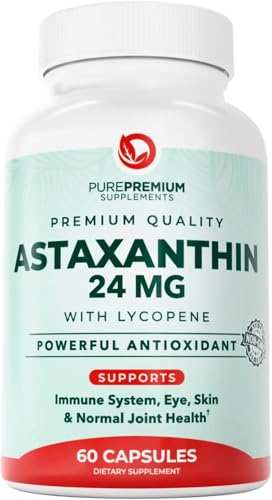
This is a 60-capsule antioxidant supplement intended for adults. The available retail label reproduction states one capsule daily with food, providing 24 mg astaxanthin and 50 mg lycopene, for a stated 60-day supply. It is marketed for skin, eye, and immune support. The stated active doses are concrete, but the available information does not identify lycopene isomer profile or provide a finished-product assay. Human evidence gives limited support for astaxanthin and some skin measures, although most studies reviewed used 3 to 6 mg daily and were small. The product's 24 mg astaxanthin dose is therefore higher than the range most directly represented in that skin evidence.
This product fits an adult who specifically wants a once-daily carotenoid supplement with clearly stated, relatively high astaxanthin and lycopene amounts, and who is seeking general antioxidant or skin-support use rather than treatment for a condition. It is most suitable for someone willing to verify the current bottle label before use, take it with a meal containing fat, and accept that product-specific potency and contaminant results are not publicly available. It is not a substitute for sun protection, eye care, or a diet containing fruits and vegetables.
It is not well suited to people seeking independently certified potency or a lot-specific contaminant report, because neither was publicly located. Avoid self-selecting it for prostate cancer, other cancer prevention, macular disease, immune disorders, or treatment of high blood pressure, because the available evidence does not establish this formula as treatment. Pregnant or breastfeeding people, children, people with carotenoid or tomato sensitivity, and anyone taking prescription medicines or managing chronic illness should first check with a clinician or pharmacist. People with new digestive or allergic symptoms should stop use and seek advice.
The health case is strongest for modest, limited skin-related benefits from astaxanthin. A systematic review found improvements in some skin measures in several trials, but the studies were generally small, often commercially funded, and mostly used lower doses than this product's stated 24 mg. Evidence for broad immune and eye-support claims is less direct. FDA records also show that lycopene-alone cancer claims, including prostate-cancer claims, were denied, while a much narrower qualified claim applies to tomatoes or tomato sauce with qualifying language. No active recall, warning letter, or health-fraud listing specific to this product or brand was located in the searched FDA records. That is not the same as independent quality confirmation. Public certification, lot-specific laboratory reports, stability evidence, organic sourcing documentation, and credible packaging sustainability information were not located. The stated non-GMO positioning was not accompanied by a publicly searchable third-party verification record.


