Best Overall
10% Coupon

Organic Lymphatic Drainage Drops - Immune Detox
Certified USDA Organic for assured quality.
Blend of natural herbs for holistic support.
Made in USA for trusted manufacturing.
 Lauren Wilson
Certified USDA Organic for assured quality.
Blend of natural herbs for holistic support.
Made in USA for trusted manufacturing.

Natural ingredients promote effective lymphatic support.
USDA Organic ensures high-quality, trusted formulation.
Vegan and non-GMO for conscious consumers.

Combines soothing ylang ylang and invigorating ginger.
Infused with collagen and stem cells for skin benefits.
Targets cellulite while easing sore muscles effectively.

Made with organic and vegan ingredients.
Supports detoxification with natural herbal blend.
Non-GMO formula ensures clean supplementation.

High potency formula for effective results.
Includes dandelion for natural detox support.
Supports lymphatic health and cellulite reduction.
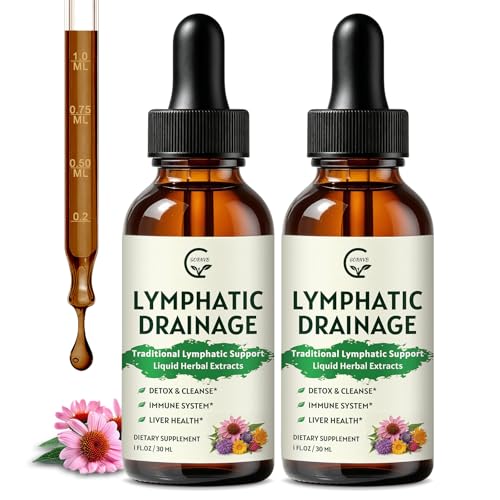
Supports natural detoxification and circulation.
Made with natural, herbal ingredients.
Easy to use with dropper application.

Natural ingredients support lymphatic health gently.
Includes soursop for immune system boost.
Easy-to-use liquid form for quick absorption.

Combines lymphatic support with essential electrolytes.
Targets bloating and puffiness effectively.
Convenient 2 Fl Oz size for easy use.

Supports lymph system with natural herbal blends.
Promotes liver health and fluid balance effectively.
Includes liposomal glutathione for enhanced absorption.

Comprehensive 21-in-1 herbal formula.
Supports immune health and fluid balance.
Includes dandelion and echinacea for wellness.
The most important question is whether the exact product and its actual use have been studied. A traditional-use ingredient, a study of a different herb, or research using a much higher dose does not establish that a finished multi-herb formula works. Look for accessible, peer-reviewed human research that matches the formula, route, daily dose, population, and claimed outcome. For devices, evidence should match the specific unit and its settings; category-level research on another vibration device only provides indirect context. Claims about “detox,” toxin removal, rapid absorption, body sculpting, or guaranteed drainage are especially easy to overread. A cited study may involve animals, cells, a different product, or a cosmetic outcome such as temporary cellulite appearance rather than fluid reduction or treatment of lymphatic disease.
For oral supplements, a buyer should be able to see every ingredient amount per daily serving, botanical Latin name, plant part, extract ratio or standardization, extraction solvent, directions, and warnings. Proprietary blends conceal exposure, even when a total blend weight is printed. A recent, lot-specific certificate of analysis from an ISO/IEC 17025-accredited laboratory is stronger evidence than a general “third-party tested” statement. It should address botanical identity and relevant contaminants, including heavy metals, microbes, pesticides, residual solvents, adulterants, and labeled strength. Independent finished-product verification is another useful distinction: check whether the exact product and current certificate appear in public registers such as USP Verified, NSF, UL Solutions, Informed Sport, or Informed Choice. A facility’s certification, a raw-material test, or a manufacturer-created certificate is not the same as certification of the finished bottle.
Also check accountability. The responsible firm should be identifiable, with a lot code, expiration date, tamper evidence, complaint contact, and credible dietary-supplement manufacturing controls. A “made in the USA,” GMP, organic, natural, or non-GMO claim is not, by itself, proof of product quality or responsible sourcing. For devices, look for clear output specifications, session limits, warnings, electrical-safety documentation, and a traceable manufacturer; adjustable levels or a warranty describe usability or coverage, not clinical effectiveness.
Across the supplied products, no category-wide evidence establishes a lymphatic-drainage benefit at the sold dose or device setting. Seek medical assessment for new, sudden, persistent, painful, one-sided, or unexplained swelling; swelling with redness, warmth, fever, shortness of breath, or chest symptoms; suspected infection or blood clot; and swelling related to cancer or recent surgery. Do not use these products as a substitute for care for lymphedema, heart, kidney, liver, or circulation problems. Extra caution recurs for pregnancy, nursing, children, prescription medicines, surgery, kidney or liver disease, allergies to echinacea or related plants, and implanted electronic devices or photosensitivity when using energy-based massagers. Some supplied formulas include goldenseal, methylene blue, sodium dichloroacetate, sea botanicals, or many incompletely dosed herbs, making pharmacist or clinician review particularly important.
These topics distinguish a convenient format or attractive claim from evidence that the product is accurately described, appropriately tested, and responsibly made. Scores reflect the supplied reviews; a higher score means the reviewed product came closer to the stated standard, not that it was proven to treat lymphatic disease.
This asks whether well-designed human research supports the exact formula and daily dose—or, for a device, the exact product and exposure—for lymphatic, fluid-balance, de-puffing, or related outcomes. Most supplied products lacked matching trials. The strongest scores were still only evidence of a better review position, not proof of effectiveness; lower scores reflected especially weak or mismatched support.
This measures recent, lot-specific independent confirmation that a supplement contains the stated botanicals and is screened for heavy metals, microbes, pesticides, residual solvents, adulterants, and strength. MaryRuth’s scored strongly because its exact product appeared on a current Clean Label Project certificate, although that was not a full public lot report. Products with only general testing claims scored lower.
A high score requires ingredient amounts per daily serving, botanical names, plant parts, extract details, solvents, and other ingredients. This matters because many lymphatic supplements use complex blends whose individual doses cannot be assessed. Products with a concrete 1 mL or 2 mL routine and named herbs scored better, while proprietary blends or conflicting ingredient lists reduced confidence.
This measures whether warnings address the actual formula, including allergies, herb-drug interactions, maximum use, pregnancy, nursing, children, surgery, and kidney or liver disease. Higher-scoring labels gave adult limits and consultation warnings. Lower-scoring products supplied broad or incomplete cautions despite ingredients such as echinacea, goldenseal, methylene blue, or sodium dichloroacetate that require more specific review.
This concerns an identifiable responsible firm, lot and expiration information, tamper evidence, complaint contact, and credible manufacturing controls, along with relevant compliance history. Higher scores reflected traceable companies, contacts, directions, or warranty information. A manufacturer’s GMP statement alone was not enough; the Clean Nutraceuticals products scored poorly here because NSF reported an unauthorized NSF GMP certificate.
This asks whether the exact finished product is currently certified or verified by a credible independent program and listed in that program’s public register. MaryRuth’s scored highest because the exact product appeared on Clean Label Project’s current certificate list. A facility certificate, general GMP claim, or manufacturer testing statement does not equal finished-product certification.
High-scoring products distinguish traditional use, general wellness, temporary cosmetic effects, and limited evidence from proven drainage, toxin removal, disease treatment, or weight-loss promises. Lower scores reflected claims such as flushing waste, removing toxins, boosting lymph flow, or cellulite removal that were not supported by product-matched evidence. This topic is particularly important because the category’s headline language can imply medical outcomes.
This measures whether cited research is accessible, peer-reviewed human work matching the formula, route, dose, population, and outcome. The supplied reviews repeatedly found no finished-product trial. Scores around the upper 60s or 70s indicate comparatively better evidence handling or category context, not direct proof; studies of another herb, device, or outcome remain indirect.
This measures independently documented cultivation and environmental claims, favoring valid organic certification and traceable sourcing over words such as “natural” or “clean.” Most supplied supplements had manufacturer-stated organic, vegan, or sustainable claims without a product-specific certifier or farm record. Higher scores therefore reflected comparatively stronger stated sourcing information, not confirmed lower pesticide or biodiversity impact.
This considers whether bottles, droppers, cartons, batteries, and refill or recycling claims reduce material waste and are clearly supported. The supplied products generally lacked resin codes, recycling directions, refill systems, or verified recycled content, so scores clustered closely. Devices with plastic housings and disposable batteries raise a different waste concern from small liquid bottles, but neither format had a documented end-of-life program.
This is a 2 fluid ounce liquid herbal supplement with 60 stated 1 mL servings. The manufacturer directs adults to take about 30 drops daily, preferably mixed into a drink, and markets it for lymphatic function, fluid balance, immune wellness, and natural cleansing. The manufacturer identifies an 1,200 mg combined extract blend of elderberry, burdock root, calendula flower, cleavers, dandelion root, echinacea root, rose hip, and blue vervain. Individual herb amounts, extract ratios, standardization, and extraction solvents are not disclosed. The company states that batches are tested by ISO 17025 laboratories for heavy metals and microbiology, but no public lot-specific report was found. Human research matching this finished blend and dose for lymphatic drainage or de-puffing was not located.
This product is most suited to an adult who specifically wants a small, alcohol-free liquid botanical blend and accepts that its intended lymphatic and fluid-balance effects are based on manufacturer positioning and traditional-use style ingredients rather than direct clinical evidence. The 2 fluid ounce bottle and stated 60 daily servings suit someone seeking a roughly two-month supply and who values a measured dropper format. It is better suited to general wellness use than to managing diagnosed swelling or lymphatic disease.
It is not appropriate for children, people who are pregnant or nursing, or anyone unwilling to use a multi-herb product with undisclosed individual doses. People using prescription medicines, especially immunosuppressants or medicines affected by liver enzymes, should seek clinician or pharmacist guidance because echinacea can interact with some medicines and can cause allergic reactions. People with persistent, one-sided, painful, sudden, or medically unexplained swelling should seek medical assessment rather than rely on a lymphatic supplement.
The manufacturer states that the bottle uses a dark amber glass container, a calibrated glass dropper, organic glycerin, purified water, and an outer tamper neckband. Glass can avoid direct product contact with some plastics and the stated dose markings may reduce overpouring. However, no recycling instructions, refill program, packaging-resin details, or independently verified lower-waste claim were found. The company markets the product as USDA Organic and says its ingredients are organic, but the public product page does not name the certifying agent or provide an operation certificate for this product. It also claims third-party microbiology and heavy-metal testing through ISO 17025 laboratories, without publishing a batch report. No product-specific FDA recall, warning letter, or safety alert was located in the searches reviewed. Echinacea remains relevant to safety because allergy reactions and medication interactions are possible.
MaryRuth’s Organic Lymphatic Support is a 1 fl oz alcohol-free liquid dietary supplement. The current manufacturer directions are for adults 18 and older, up to 1 mL one to three times daily. The bottle is described as providing about 30 one-milliliter servings. Its stated purpose is general lymphatic-system support, not treatment of swelling, lymphedema, infection, or another medical condition. The label supplies 1,180 mg of a total proprietary herbal extract per 1 mL, rather than amounts for individual herbs. Current brand materials list echinacea, European elderberry, blue vervain, yarrow, myrrh, and thyme. A retailer label includes plantain leaf as well, and the brand says older label inventory may still circulate. That makes the precise formula dependent on the bottle received. Clean Label Project publicly lists this exact product as certified, supporting independent contaminant screening, but not clinical effectiveness for lymphatic drainage.
This product suits an adult who specifically wants an alcohol-free, USDA Organic-labeled liquid herbal supplement, prefers a dropper format over capsules, and understands that the use is general wellness support rather than proven lymphatic treatment. It is most fitting for someone able to check the physical Supplement Facts panel before use, because older and newer formula descriptions differ. The small bottle is also practical for a short trial of the manufacturer’s one to three daily dose schedule.
It is not appropriate as self-treatment for new or persistent swelling, painful or enlarged lymph nodes, lymphedema, fever, shortness of breath, unexplained weight change, or suspected infection. Those symptoms need clinical assessment. Pregnant or breastfeeding people, children, people with ragweed-family allergies, autoimmune conditions, liver or kidney disease, or anyone taking prescription medicines should first consult a clinician. This is especially important for people using immunosuppressants, because echinacea may affect immune activity and drug handling.
The strongest independently confirmed quality point is the current Clean Label Project certification listing for this exact product. Clean Label Project says its certified products are sampled independently and tested by an ISO 17025-accredited laboratory for a contaminant panel that typically includes heavy metals, pesticides, glyphosate, phthalates, and bisphenols. That is meaningful contamination oversight, although it does not replace a lot-specific public test report or establish the individual herb doses. The bottle carries an organic claim and the manufacturer identifies it as USDA Organic, vegan, and alcohol-free. However, no public product-specific organic operation record or supply-chain documentation was located in this review, and no bottle-material, recycling, refill, or package-reduction documentation was found. FDA records show MaryRuth’s recalled two lots of a different infant probiotic in October 2021 because of potential bacterial contamination. That recall did not include this lymphatic product.
This is an 8-ounce topical body massage oil, not an oral lymphatic supplement. It is intended to be spread over areas such as the legs, stomach, and arms for massage, with the product positioned for relaxation, skin hydration, circulation, lymphatic rituals, and cellulite appearance. An independently published retailer ingredient panel lists sunflower, grapeseed, safflower, rosehip, and avocado oils, plus ginger, ylang ylang, lavender, cedarwood, patchouli, and other aromatic oils. It also lists hydrolyzed collagen and apple cell culture extract. The product page provides external-use, eye-contact, and irritation warnings. I did not locate a public lot-specific certificate of analysis, an exact-product independent certification, or human research testing this oil formula for lymphatic drainage or detoxification.
This product fits an adult who wants an 8-ounce scented body oil primarily for the slip and sensory experience of at-home or professional-style massage. It is most relevant when the desired outcome is softer-feeling skin, a fragranced self-care routine, or lubrication for massage tools, rather than treatment of swelling. Buyers should be comfortable checking the detailed ingredient list and should avoid it if they already know they react to fragranced cosmetics or essential oils.
It is not suited to anyone seeking treatment for new, one-sided, painful, persistent, or post-surgical swelling, suspected lymphedema, circulation problems, or a medical detoxification need. Those situations need clinical assessment and appropriate care, not a cosmetic massage oil. It is also a poor fit for people with fragrance allergy, eczema, very reactive skin, or known sensitivity to ylang ylang, lavender, ginger, or related essential oils. Do not use it on broken or irritated skin, near the eyes, or where a clinician has restricted topical products.
The disclosed formula is a topical cosmetic-style oil blend with plant oils, essential oils, hydrolyzed collagen, and apple cell culture extract. The product page describes it as vegan and free of several named additives, but those are manufacturer statements rather than third-party product certification. Searches of major verification programs did not identify an exact-product USP, NSF, UL, or Informed certification, and no lot-specific independent contaminant or identity report was located. Fragrance exposure is the main practical health consideration. The ingredient list contains ylang ylang, lavender, ginger, cedarwood, patchouli, nutmeg, and linalool. Essential oils and fragrance ingredients can cause allergic contact dermatitis, particularly in sensitized users. The published external-use warning is helpful, but patch testing and avoiding use after a prior fragrance reaction are prudent. No certified organic sourcing, refill system, packaging resin code, or substantiated recycling instruction was located, so the environmental profile cannot be verified beyond the ingredient claims.
This is a 2 fl oz liquid herbal supplement intended for twice-daily use. The product listing directs users to mix 1 mL, about 15 to 20 drops, with water twice daily. That makes the stated 59 one-milliliter servings roughly 30 days at the listed daily routine. The formula is manufacturer-stated as a 300 mg proprietary blend per 1 mL serving in vegetable glycerin and water. The blend names cleavers, red clover flower, stillingia root, prickly ash bark, and dandelion. Latin names are provided for cleavers, red clover, stillingia, and prickly ash, but not dandelion. The listing calls it a traditional product for lymphatic support. No finished-product human clinical evidence, ingredient-specific dose breakdown, or accessible product-linked research citations were located.
This product fits an adult who specifically wants a small, alcohol-free liquid herbal product for a short, roughly 30-day routine and is comfortable with a traditional-use lymphatic-support claim rather than a demonstrated treatment effect. It is most appropriate for someone without pregnancy, nursing, medication, kidney, liver, allergy, or fluid-swelling concerns, who can check the physical bottle for its lot code, expiration date, seal, and complete label before first use. The formula may suit a vegan dietary preference, based on the manufacturer statement.
It is not suited to anyone who wants a supplement with clinically demonstrated relief of edema, lymphedema, swelling, or detoxification effects. People under 14, pregnant people, and people who are nursing should not use it according to the listing. Those taking prescription medicines, especially anticoagulants, diuretics, blood-pressure medicines, or lithium, should seek clinician advice first. Avoid self-treating new, persistent, one-sided, painful, or sudden swelling, shortness of breath, or chest pain, since these symptoms need prompt medical assessment.
The manufacturer identifies SHELTREE LLC and lists an alcohol-free base of vegetable glycerin and water. The product page provides age and pregnancy or nursing cautions, but its safety information is broad rather than tailored to all relevant herb and medication risks. Red clover may be unsafe in pregnancy or while breastfeeding, and its human benefit evidence is inconclusive. Dandelion has limited safety information for nursing people. No public lot-specific independent testing report was located for this product. No current exact-product certification was located in major public supplement certification registers. Organic and non-GMO descriptions appeared on reseller material, but independent USDA organic certification for this exact product was not confirmed. Packaging is described only as a bottle, with no verified bottle material, recycled-content claim, refill system, resin code, or recycling instructions. No product-specific FDA recall, warning letter, or safety alert was located in the searches performed.
This is a 120-capsule botanical supplement, presented as a two-month supply at two capsules daily. The product imagery and an independent retailer listing identify dandelion, cleavers, burdock, echinacea purpurea, calendula, lemon, and an ingredient printed as “Romelain powder.” It is marketed for traditional lymphatic support, fluid balance, immune support, sleep, joint comfort, cellulite appearance, and detoxification. The clearest limitations are evidence and label detail. The available product material names herbs but does not show their amounts, plant parts, extract ratios, standardization, or test results. The seller says it is third-party tested, vegan, non-GMO, and free of artificial additives, but no lot-specific certificate of analysis or independent certification record was located. Human research matching this exact multi-herb formula and daily dose was not located.
This product is most specifically suited to an adult who wants a manufacturer-stated vegan capsule routine containing named traditional herbs and values a 60-day bottle format. That use case is limited to general wellness experimentation, not treatment of swelling or a lymphatic disorder. The buyer should be comfortable with substantial uncertainty, because the available materials do not disclose ingredient doses or provide a publicly verifiable lot test. A pharmacist or clinician should review use when the person takes medicines or has an ongoing health condition.
It is not suited to anyone trying to manage diagnosed lymphedema, persistent leg or abdominal swelling, sudden swelling, pain, shortness of breath, or swelling after cancer treatment or surgery. Those symptoms need clinical assessment, not a detox supplement. It is also unsuitable without clinician input for pregnancy, nursing, children, people with kidney or liver disease, people using diuretics, immunosuppressants, diabetes medicines, or drugs affected by liver metabolism. People with allergies to echinacea or related plant families should use particular caution.
The marketing identifies a multi-herb capsule formula and makes vegan and gluten-free claims. Echinacea can cause allergic reactions and may interact with some medicines. Dandelion may add to diuretic effects and has potential interactions with some medicines. The product materials located do not provide formula doses or adequate precautions for these risks, which makes individualized safety assessment difficult. The seller calls the product third-party tested and free of artificial additives, but no lot-specific independent laboratory report was found to confirm botanical identity or screen for heavy metals, microbes, pesticides, residual solvents, or adulterants. No public certification record was located for the finished product. The available images show a small bottle, but do not identify bottle resin, recycled content, refill options, recycling instructions, organic certification, or traceable herb sourcing. No product-specific U.S. recall or warning was located in the searched sources.
This is an oral liquid herbal supplement marketed in a dropper format, with a listed 2 fl oz size. Product marketing says adults take 2 mL once daily, either under the tongue or mixed into water, juice, or tea. It is promoted for fluid balance, lymphatic support, heavy legs, puffiness, immune support, liver health, and detox use. Manufacturer-stated materials name 13 botanicals, including cleavers, Echinacea purpurea root, dandelion, elderberry, burdock, horse chestnut, red clover, milk thistle, turmeric, astragalus, licorice, and butcher's broom. However, publicly accessible materials did not provide usable amounts for each herb, extract ratios, standardization, or a finished-product study. Human research on standardized horse chestnut extract for chronic venous insufficiency does not establish benefit from this undisclosed multi-herb liquid dose.
This product is most relevant to an adult who specifically wants a once-daily liquid herbal blend instead of pills and understands that its ingredient and free-from claims are manufacturer-stated. It may fit someone seeking a non-alcohol liquid wellness product for general routine use, provided they are not using it to assess or treat leg swelling, edema, circulation problems, or a suspected lymphatic condition. A pharmacist or clinician should review the formula first when regular medicines or chronic health conditions are involved.
It is not suited to children, pregnancy or breastfeeding, or people with unexplained, sudden, one-sided, painful, or worsening leg swelling. Those symptoms can need medical assessment rather than a supplement. It is also a poor fit for people who need verified ingredient doses, independent contaminant testing, or sports certification. People with ragweed-family allergies, kidney or liver disease, planned surgery, or prescription drug use should not rely on the limited public safety information for this multi-herb formula.
The key health issue is uncertainty, not a confirmed recall or exposure alert. No product-specific FDA warning letter, recall, or public safety alert was located in the searches performed. Still, the formulation includes horse chestnut, echinacea, and licorice among many other herbs, while public materials do not show the amount or extract specification for each. Raw horse chestnut is unsafe by mouth, and research safety information applies to standardized seed extracts with the toxic component removed, not to an unspecified liquid blend. No public lot-matched laboratory report was located to confirm species identity or screen this finished product for heavy metals, microbes, pesticides, residual solvents, and adulterants. No public independent finished-product certification or verified organic sourcing record was located. The dropper-bottle presentation may use glass, but material specifications, recycling guidance, refill options, and independently documented lower-impact sourcing were not available.
This is a 2-ounce oral liquid supplement. Directions from a retailer-supplied label are 1 mL twice daily, which makes the bottle about a 30-day supply. It is sold for lymphatic support, fluid balance, immune health, circulation, and detoxification. Earth Harmony states that it is vegan, alcohol-free, made in the United States, and produced in a cGMP-certified facility. The most consequential label fact is a 1 mL proprietary blend. Retailer label copies identify soursop, cat’s claw bark, astragalus, wormwood, sodium dichloroacetate, carbon nano-onion C60, and methylene blue, but disclose no individual amounts. The manufacturer’s cited lymphatic material discusses lymphatic physiology rather than human trials of this formula. No current public certificate for finished-product contaminant testing or independent product certification was located.
This product is most relevant to an adult who specifically wants a small liquid herbal-style supplement and is willing to review the current bottle label closely before use. The 2-ounce bottle and 1 mL twice-daily directions suit someone seeking a roughly month-long trial rather than a bulk powder or capsule routine. Because the active ingredients are not individually quantified, this use case is limited to a person who can discuss the formula with a pharmacist or clinician, especially if they have health conditions or use medicines.
It is not appropriate for pregnancy, breastfeeding, children, or anyone unable to obtain clinician or pharmacist review. People taking antidepressants, opioids, other serotonergic medicines, or multiple prescriptions should not rely on the general consult-your-physician language because methylene blue can present interaction concerns and its amount is undisclosed. It also does not suit people with unexplained swelling, painful lymph nodes, sudden weight change, shortness of breath, kidney or liver disease, nerve symptoms, or suspected infection. Those situations need medical evaluation rather than a detox product.
Earth Harmony publicly identifies its Houston business address and states that its supplements are made in U.S. cGMP, organic, and kosher-certified facilities. The company also says it third-party tests incoming raw materials for identity, microbes, and heavy metals. These are manufacturer statements, not a public, lot-specific report for this finished liquid. The product page carries vegan, alcohol-free, gluten-free, non-GMO, and no-additives claims. The formula deserves particular safety attention because retailer label copies list sodium dichloroacetate, C60, and methylene blue alongside botanicals, while amounts are not given. A controlled human study of sodium dichloroacetate was stopped early for peripheral nerve toxicity at the studied therapeutic dose. No public finished-product certification, organic certificate for this specific product, responsible-sourcing documentation, packaging material specification, refill option, or recycling instruction was located. The bottle size reduces shipment volume, but its waste profile cannot be assessed from the available product information.
This is a 2 fluid ounce, 60 mL oral liquid marketed for puffiness, bloating, fluid balance, hydration, and lymphatic support. Retailer records describe a formula with magnesium, potassium citrate, taurine, dandelion leaf, cleavers, hibiscus, tart cherry, ginger, rose hip, and lemon balm. Directions reported by an independent product review say it may be taken directly or mixed into water or tea. The defining limitation is evidence. No controlled human study of this finished liquid at its sold dose was identified. A small, unblinded dandelion-leaf study used 8 mL three times in one day, so it does not establish lymphatic or de-puffing benefits for this unidentified extract profile and dose. Publicly accessible records also did not establish a lot-specific independent contaminant report, finished-product certification, or confirmed responsible botanical sourcing.
This product most closely fits an adult who specifically wants a small, alcohol-free liquid supplement and prefers taking drops directly or in a drink instead of swallowing capsules. It may also suit someone who is comfortable treating the listed herbs and electrolytes as a wellness-format product rather than as a proven treatment for swelling, bloating, or lymphatic problems. The 2 ounce size is convenient for short-term trial use, but the incomplete public dose and testing information means users should be able to check the physical label before use.
It is not appropriate as self-treatment for persistent, sudden, one-sided, painful, or severe swelling, shortness of breath, or unexplained rapid weight change, which need medical assessment. Pregnant or nursing people, children, people with kidney or liver disease, and people using diuretics, diabetes medicines, anticoagulants, antiplatelet drugs, or other prescriptions should avoid casual use until a clinician or pharmacist reviews the full bottle label. People with ragweed, daisy, chrysanthemum, marigold, or related-plant allergies should also use extra caution because dandelion may trigger reactions.
No product-specific FDA recall, FDA health-fraud listing, or warning letter was identified in the public sources checked. That is not evidence of independent quality testing. No current listing was found for the finished product in major public supplement-certification registers, and no public lot-specific laboratory report was located to confirm botanical identity or screen for contaminants. The product is marketed as vegan, non-GMO, alcohol-free, sugar-free, gluten-free, water-based, and colorant-free. Those are manufacturer statements rather than independently certified environmental or purity claims. Product imagery shows a dropper-style bottle, but public material specifications, resin codes, refill options, recycling instructions, and verified organic or traceable herb-sourcing records were not established. Dandelion itself has limited human evidence, and NCCIH notes possible medicine interactions and limited pregnancy and breastfeeding safety information at supplemental amounts.
This is a 60-capsule oral herbal supplement marketed for lymphatic support, fluid balance, detox and cleanse, liver health, antioxidant defense, and immune support. The manufacturer lists echinacea, liposomal glutathione, butcher's broom, horse chestnut, bitter orange, Java tea, dandelion, celery, bromelain, rutin, and yeast beta-glucan among its ingredients. A complete independently accessible Supplement Facts panel with amounts, plant parts, extract details, and directions was not located. The brand identifies MINCH GLOBAL TRADE INC and provides a customer-support email. Its site states that products are made in GMP-certified facilities and have third-party test reports, but it does not provide a product-specific certificate, laboratory name, or lot report for this capsule product. No current finished-product certification was located in major public certification registers.
This product is most relevant to an adult who specifically wants a vegan capsule-format herbal supplement and understands that its lymphatic and detox positioning is manufacturer marketing, not a demonstrated treatment effect. The 60-capsule size may suit someone seeking a short trial of a broadly mixed formula rather than separately purchasing its listed herbs. It is better suited to buyers who can review the physical bottle before use for full directions, lot information, expiration date, and warnings, because those details were not independently accessible online.
It is not appropriate as a substitute for medical assessment of new, persistent, one-sided, painful, or rapidly worsening swelling, shortness of breath, or unexplained weight change. People who are pregnant, breastfeeding, giving supplements to children, allergic to ragweed-family plants, taking prescription medicines, using blood thinners, preparing for surgery, or managing kidney or liver disease should seek clinician or pharmacist advice first. Echinacea can cause allergic reactions and may interact with medicines, while this multi-ingredient product does not provide independently verified, formula-specific safety guidance.
The official site identifies MINCH GLOBAL TRADE INC and publishes a support email, which creates a basic route for product questions. It also claims GMP-certified manufacturing and third-party testing. Those are manufacturer statements only because no named certifier, finished-product certificate, lot number, or lot-specific laboratory report was publicly available for review. No relevant FDA warning letter, recall, or safety alert for the identified firm or brand was located in the checked public searches. Echinacea is not risk-free. NCCIH notes possible allergic reactions, potential interactions with medicines, limited breastfeeding safety information, and variable findings across products. The broader detox premise also lacks compelling human evidence. No USDA Organic record, independent responsible-sourcing documentation, packaging-material specification, refill system, resin code, or recycling instruction was located for this product. Claims such as natural, non-GMO, and cruelty-free therefore do not establish lower pesticide, biodiversity, or packaging impacts.
This is a 240-softgel herbal supplement sold as an 80-day supply when taken as three softgels daily. The listing describes a 21-herb, 6000 mg complex featuring echinacea, dandelion, burdock, elderberry, and kelp, intended for lymphatic function, fluid balance, circulation, immune support, and occasional bloating. Those composition and benefit statements are manufacturer-stated on the marketplace listing, not independently confirmed. The available product page does not show a Supplement Facts panel with individual herb amounts, botanical Latin names, plant parts, extract details, or a complete inactive-ingredient list. No public lot-specific certificate of analysis, finished-product certification, or product-matched clinical study was located in the verification work. Human evidence for botanicals in lymphedema is insufficient overall, and dandelion has no compelling evidence for a health condition according to NCCIH.
This product is most specifically suited to an adult who wants a long-duration, softgel herbal routine and is comfortable treating the listed lymphatic and immune benefits as manufacturer-stated rather than clinically established. The 240-count format may fit someone who prefers not to reorder monthly and who values the seller's vegan, gluten-free, and dairy-free claims. That person should still be able to review the physical bottle for a complete facts panel, lot code, expiration date, and warnings before use.
It is not suited to people seeking a product with publicly verifiable contaminant testing, exact botanical dosing, or a certification from programs such as USP or NSF. It is also not appropriate as a substitute for evaluation of persistent swelling, lymphedema, sudden edema, shortness of breath, or unexplained weight change. People who are pregnant, breastfeeding, giving supplements to children, allergic to ragweed-family plants, managing kidney or liver disease, preparing for surgery, or taking prescription medicines should seek clinician or pharmacist guidance first.
The main health issue is uncertainty, not a confirmed recall or contamination finding. Public checks did not locate a lot-specific independent certificate of analysis or an independent finished-product certification. The accessible listing names several herbs but does not disclose the amounts or preparation details needed to compare its daily exposure with research. NCCIH notes potential allergy and medication-interaction considerations for dandelion and echinacea, and limited safety information for higher-dose dandelion during pregnancy or breastfeeding. No public organic certification, responsible-sourcing certification, or traceable cultivation documentation was located for this product. It is sold in a bag, which may use less material than a rigid bottle, but the listing does not identify the material, provide a resin code, or give recycling instructions. Its environmental footprint and recyclability therefore cannot be confirmed from the available evidence.


