Best Overall
10% Coupon

Organic Lymphatic Drainage Drops - Immune Detox
Certified USDA Organic for assured quality.
Blend of natural herbs for holistic support.
Made in USA for trusted manufacturing.
 Lauren Wilson
Certified USDA Organic for assured quality.
Blend of natural herbs for holistic support.
Made in USA for trusted manufacturing.

Natural ingredients support lymphatic health gently.
Includes soursop for immune system boost.
Easy-to-use liquid form for quick absorption.

Natural ingredients promote effective lymphatic support.
USDA Organic ensures high-quality, trusted formulation.
Vegan and non-GMO for conscious consumers.
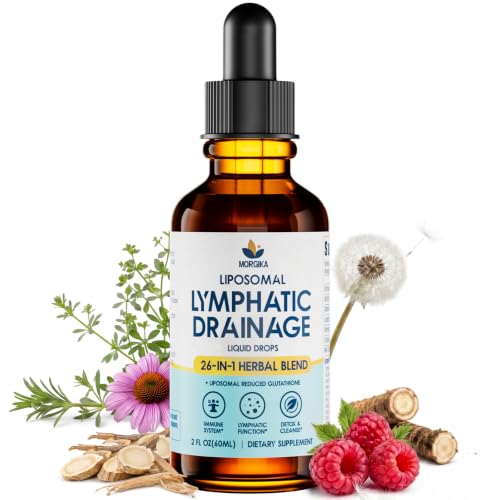
Supports lymphatic health with 26 natural ingredients.
Alcohol-free formula suitable for sensitive users.
Vegan-friendly, catering to diverse dietary needs.

Combines 11 powerful ingredients for detox support.
Pleasant raspberry flavor enhances user experience.
Vegan-friendly formula suitable for diverse diets.
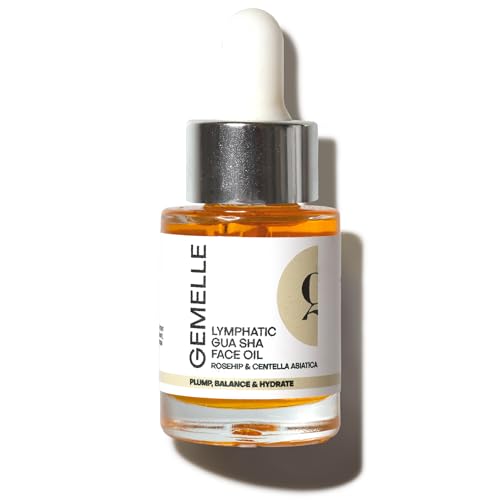
Award-winning formula for effective skin care.
Contains organic and natural ingredients.
Perfect travel size for on-the-go use.

Made with organic and vegan ingredients.
Supports detoxification with natural herbal blend.
Non-GMO formula ensures clean supplementation.

Combines lymphatic support with essential electrolytes.
Targets bloating and puffiness effectively.
Convenient 2 Fl Oz size for easy use.
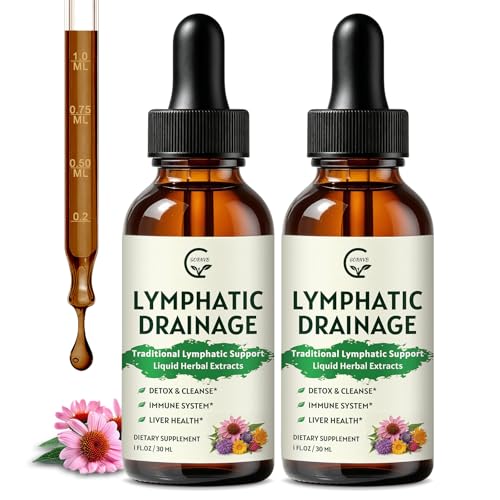
Supports natural detoxification and circulation.
Made with natural, herbal ingredients.
Easy to use with dropper application.

Comprehensive 10-in-1 herbal blend formula.
Includes well-known herbs for detox support.
Convenient liquid form for easy consumption.
The most important question is not how many ingredients appear on the front label, but what is actually in each daily serving. Look for every active botanical, plant part, extract ratio or standardization, amount per serving, labeled daily dose, and inactive ingredient. A “30-in-1” or “10-in-1” blend can sound substantial while hiding the amount of every ingredient. Even a large total such as 1,200 or 2,000 mg may be only a combined blend weight, not the dose of a particular herb. Conflicting ingredient counts, flavor descriptions, bottle sizes, or total blend amounts are reasons to pause rather than assume the larger number is better.
Quality claims also need verification. “Third-party tested,” “GMP certified,” “ISO tested,” and similar phrases are not the same as a current, product-specific certification. The strongest independent quality signal in this set was an exact-product Clean Label Project listing. For dietary supplements, recognized programs to check include the USP Verified directory, NSF/ANSI 173 listings, NSF Certified for Sport, ConsumerLab records, and Informed Sport or Informed Choice searches. A facility-level claim does not prove that the exact bottle is certified.
A stronger transparency signal is a recent, lot-matched certificate of analysis from a named competent laboratory. It should match the bottle’s lot and expiration information and show methods and numeric results for identity, potency, and relevant contaminants such as heavy metals, microbes, pesticides, mycotoxins, undeclared drugs, or substituted botanicals. Generic certificates, unnamed laboratories, or statements that batches are tested without an inspectable report provide less assurance. A U.S. address, phone number, lot code, expiration date, adverse-event contact, and identifiable manufacturer also make a product easier to trace.
Claims should stay within the evidence. “Supports wellness” is different from claiming to drain lymph nodes, flush trapped fluid, remove toxins, reduce inflammation, treat swelling, or replace medical care. A standard dietary-supplement disclaimer does not establish that a claim works. Organic language should likewise be tied to a current USDA or certifier record covering the actual product or ingredients, not just a badge or seller statement. For packaging, specific bottle and dropper materials, realistic U.S. recycling instructions, and minimized outer or shipping materials matter more than vague “eco-friendly” wording.
Recurring safety concerns are substantial. The supplied reviews repeatedly caution against self-treating new, one-sided, painful, persistent, or rapidly worsening swelling, shortness of breath, painful lymph nodes, sudden weight gain, suspected lymphedema, or unexplained bloating. Pregnancy, breastfeeding, childhood use, upcoming surgery, kidney or liver disease, allergies—especially to echinacea or other daisy-family plants—and regular medicines warrant professional review. Goldenseal, licorice, echinacea, cat’s claw, and other multi-herb ingredients may create interaction or allergy concerns. One formula included methylene blue and sodium dichloroacetate without disclosing their amounts; the review identified serious concerns involving serotonergic medicines, G6PD deficiency, kidney impairment, pregnancy, and nerve toxicity. These products should not substitute for clinical assessment.
The scores below reflect the supplied reviews and the frozen topic definitions. A high score means the relevant evidence or disclosure was stronger for that product; it does not establish that the product treats lymphatic disease or swelling.
This measures controlled human evidence for the finished liquid at its labeled serving, not evidence for an isolated herb or traditional use. It matters because no supplied oral product had controlled human evidence for lymphatic drainage, edema, bloating, or fluid balance at its sold dose. Scores ranged from 45 to 70; higher-scoring products still had largely unproven finished-product benefits.
This measures whether the complete formula has a reasonable safety basis and clearly addresses pregnancy, breastfeeding, children, allergies, surgery, kidney or liver disease, and medicines. That is especially important for complex blends containing echinacea, goldenseal, licorice, cat’s claw, or other botanicals. Scores ranged from 32 to 74; high scores had more usable cautions, while low scores left important risks unexplained.
This measures credible finished-product control of heavy metals, microbes, pesticides, mycotoxins, undeclared drugs, and incorrect or substituted botanicals. It matters because many sellers claimed testing without publishing a lot-matched report. Scores ranged from 68 to 86; the higher-scoring products had stronger documented or independently supported quality signals, while lower scores reflected claims that could not be inspected.
A high score requires active ingredients, plant parts, extract details, amounts, daily dose, and inactive ingredients to be visible. This is central for drops because liquid volume alone does not reveal botanical exposure. Scores ranged from 38 to 69. Proprietary blends, missing Supplement Facts panels, conflicting ingredient counts, and undisclosed extract amounts pulled scores down even when many herbs were named.
This measures whether a responsible U.S. business, contact information, lot and expiration details, adverse-event contact, and manufacturing controls can be identified, alongside a review of relevant enforcement history. Liquid supplements need this information if a safety concern arises. Scores ranged from 38 to 78; higher-scoring products provided clearer business or label information, while weaker products offered little useful manufacturer identity or verification.
This measures whether advertising distinguishes limited wellness language from claims to detox organs, drain lymph nodes, treat swelling, cure disease, or replace care. It matters because lymphatic and detox wording can imply medical effects that were not demonstrated. Scores ranged from 42 to 76; higher-scoring listings used more restrained framing, while lower scores relied on claims about fluid removal, detoxification, inflammation, or visible swelling relief.
This requires current, product-specific certification from an independent program that audits manufacturing and tests identity, labeled amount, and contaminants. “Third-party tested” or “GMP certified” is not enough. Scores were usually 68 to 70, but one exact product had a substantially stronger score of 88 because it appeared in Clean Label Project’s current certified-product register. Another brand had an NSF notice undermining an unauthorized certification claim.
This measures access to a recent certificate of analysis that matches the bottle’s lot and expiration date and reports numeric identity, potency, methods, and relevant contaminant results from a named competent laboratory. It matters because generic testing claims cannot confirm a particular bottle. Scores ranged from 68 to 70, reflecting the broad absence of publicly inspectable, lot-matched reports across the supplied products.
This measures independently supported organic production and traceability for botanical ingredients, including wild-harvested plants. It matters because “organic,” “natural,” and “non-GMO” statements do not by themselves show how the actual ingredients were sourced. Scores ranged from 68 to 80; the strongest supplied product had a certified quality and organic-label context, while most products lacked a public USDA, certifier, or FairWild record tied to the product.
This measures whether the bottle, dropper, cap, outer packaging, and shipping materials are minimized, reusable, or recyclable in realistic U.S. systems, with specific material information. A glass bottle alone does not answer what happens to the dropper or cap. Scores ranged from 68 to 72, showing modest separation because most reviews lacked resin codes, material specifications, or recycling instructions.
This is a 2 fl oz liquid herbal supplement for adults. The labeled daily serving is 1 mL, about 30 drops or half a dropper, and the bottle is labeled for 60 servings. It can be mixed into a beverage. The formula is a 1,200 mg combined extract blend of elderberry, burdock root, calendula flower, cleavers herb, dandelion root, echinacea root, rose hip, and blue vervain, in organic glycerin and purified water. The formula and serving size are confirmed on the product label, but the label does not disclose each herb's amount, extract ratio, or chemical standardization. The product identifies Americert International as its organic certifier, and Americert is a USDA-accredited organic certifier. The manufacturer states that batches are third-party tested for heavy metals and microbiology, but no current, lot-matched test report was publicly available to inspect.
This product is most suited to an adult who specifically wants a small, alcohol-free liquid botanical blend for a simple daily wellness routine, prefers measured dropper dosing, and understands that its lymphatic and fluid-balance positioning is not supported by controlled trials of the finished product. The 60-serving bottle fits someone using the labeled 1 mL daily amount. It may also suit a buyer who values an organic claim tied to a named USDA-accredited certifier, while accepting that the individual herbal doses remain undisclosed.
It is not suited to pregnant or breastfeeding people, children, or anyone with a known allergy to echinacea, ragweed-family plants, or any listed botanical. People taking prescription medicines, especially immunosuppressants or medicines affected by liver metabolism, should not treat the broad label warning as individualized interaction guidance. It is also unsuitable for people seeking treatment for leg swelling, persistent edema, lymphatic disease, infection, kidney or liver disease, or unexplained bloating. Those symptoms need medical assessment rather than a wellness supplement.
The product has a meaningful organic documentation point. Its bottle identifies Americert International as the certifier, and Americert is accredited by the USDA National Organic Program. That supports the organic certification framework, although no public ingredient-origin records, wild-harvest traceability, or chain-of-custody documentation were located for this particular formula. The manufacturer identifies an amber glass bottle and a calibrated glass dropper, which can reduce reliance on an all-plastic primary container and provides measured dosing. The mixed-material dropper still needs to be separated where local recycling accepts the components, and no package-specific recycling instructions were found. No FDA recall or warning letter specific to this product or its named distributor was located in the searched U.S. databases. The manufacturer claims third-party testing for heavy metals and microbiology, but public lot-specific results were not available.
This is a 2 fl oz liquid dietary supplement intended for adults. The available Supplement Facts information lists a 1 mL serving, about 60 servings per bottle, and directions to take 1 mL twice daily, making the bottle roughly a 30-day supply. It is sold for lymphatic support, fluid balance, immune support, and “detoxification.” The formula is not just the four headline herbs. An independently listed label identifies a 1 mL proprietary blend containing soursop, cat’s claw bark, astragalus, wormwood, sodium dichloroacetate, C60, and methylene blue. Individual ingredient amounts, extract ratios, and standardization are not disclosed. Earth Harmony states that the product is vegan, alcohol-free, made in the United States, and produced in a cGMP-certified facility. The company also states that incoming raw materials undergo third-party identity, microbial, and heavy-metal testing, but public, lot-matched finished-product results were not located.
This product is most relevant to an adult who specifically prefers a liquid, plant-forward supplement and is able to review a complex ingredient list with a clinician or pharmacist before using it. The approximately 30-day bottle format may suit someone who wants a defined short trial rather than a large supply. It is not a well-supported option for someone seeking a proven treatment for swelling, persistent bloating, painful lymph nodes, infection, or a diagnosed lymphatic disorder. Those symptoms need clinical assessment rather than self-directed detoxification.
It is not suited to pregnancy, breastfeeding, children, people with G6PD deficiency, or people taking antidepressants, opioids, anticoagulants, antiplatelet medicines, blood-pressure medicines, or diabetes medicines unless their treating clinician specifically reviews the formula. Cat’s claw may affect clotting and immune activity. Prescription methylene blue carries serious serotonergic-drug warnings, and the product does not disclose its amount. Avoid self-treating new or worsening edema, one-sided limb swelling, shortness of breath, fever, severe pain, or unexplained enlarged lymph nodes.
The key health issue is formula complexity rather than the presence of herbs alone. The listed proprietary blend includes methylene blue and sodium dichloroacetate in addition to soursop, cat’s claw, astragalus, wormwood, and C60, yet it gives no individual doses. Cat’s claw has limited high-quality human evidence and carries pregnancy, surgery, autoimmune-disease, and medication-interaction cautions. A controlled trial of sodium dichloroacetate at a substantially higher medical dose ended early because of peripheral nerve toxicity. This does not establish the risk at the undisclosed amount here, but it makes transparent dosing and clinician review important. Earth Harmony identifies a U.S. business address and states that its facilities are cGMP, organic, and kosher certified, with incoming raw-material testing for identity, microbes, and heavy metals. Those are manufacturer statements, not public proof of finished-bottle results. No product-specific USP, NSF, Informed Sport, or similar certification, public lot-specific certificate of analysis, verified product-level organic certificate, or detailed bottle and dropper recycling specification was located. Only the vegetable glycerin is identified as organic in the available ingredient list.
This is a 1 fl oz, 30 mL alcohol-free herbal liquid for adults. The manufacturer directs adults to take up to 1 mL, or about 30 drops, one to three times daily. That means the bottle contains about 30 single 1 mL servings, but only about 10 days at the highest labeled frequency. It can be taken directly or mixed into a drink. The formula provides 1,180 mg per 1 mL of a proprietary herbal extract blend, with echinacea, elderberry, blue vervain, yarrow, myrrh, and thyme named by the manufacturer. Individual botanical amounts are not disclosed. The exact product is independently listed as Clean Label Project Certified, which supports contaminant screening. No controlled human study was located for this finished blend, at its labeled dose, for lymphatic drainage, edema, or bloating.
This product fits an adult who specifically wants a small, alcohol-free, USDA Organic liquid herbal blend and values a product-level contaminant certification. Its dropper format may suit someone who prefers liquids to capsules and wants the option to take 1 mL directly or in water or juice. It is best understood as a general wellness herbal product, not as evidence-based treatment for fluid retention, swollen limbs, lymphedema, infection, or a diagnosed medical condition.
It is not appropriate for children, or for anyone seeking to self-treat persistent swelling, sudden one-sided swelling, shortness of breath, painful edema, or diagnosed lymphedema. Those symptoms need clinical assessment. People who are pregnant, breastfeeding, taking prescription medicines, preparing for surgery, managing kidney or liver disease, or who have ragweed or echinacea allergy should consult a clinician first. The proprietary blend also makes it unsuitable for buyers who need exact per-herb doses or standardized extract details.
The strongest quality signal is product-specific Clean Label Project certification. The program says certified products are sampled and tested annually by an independent ISO 17025 accredited laboratory. Its supplement testing framework covers contaminants including metals, pesticides, phthalates, bisphenols, and, where applicable, antibiotics. The certification does not publish this product's numeric results, test lot, botanical identity findings, or labeled-potency results. The package label identifies USDA Organic certification by Americert International, and the liquid uses organic glycerin and purified water. Organic certification supports controlled agricultural inputs, but ingredient origins and wild-harvest traceability are not disclosed. The amber bottle and dropper have no verified recycled-content, resin, refill, or local recycling instructions. FDA records show a 2021 recall of two lots of a different MaryRuth's infant probiotic for possible Pseudomonas contamination. That recall did not name this lymphatic product.
This is a 60 mL, raspberry-flavored liquid drop supplement presented as a 30-day supply for adults. The marketplace page identifies a 26-herb blend with liposomal reduced glutathione and names echinacea, burdock, dandelion, milk thistle, cleavers, grape seed, rutin, plantain, and bromelain. It calls the product vegan, gluten-free, soy-free, and alcohol-free. These are manufacturer statements on the marketplace listing. A crucial limitation is that the accessible listing did not provide a Supplement Facts panel, directions, botanical amounts, plant parts, extract ratios, standardizations, or inactive ingredients. The stated blend therefore cannot be matched to a daily dose. It says batches are quality-tested, but gives no public certificate of analysis, independent certification listing, or lot-matched report. The listing includes the standard FDA dietary-supplement disclaimer, although it also makes broad lymphatic, detox, liver, immune, antioxidant, and energy-support claims.
This format may suit an adult who specifically prefers flavored liquid drops and wants a manufacturer-stated 60 mL, 30-day wellness product rather than capsules. It is most appropriate only for a cautious, low-expectation use case, where lymphatic, detox, and liver language is treated as unproven wellness marketing. The user should inspect the bottle for complete directions, ingredients, lot details, and expiry information, and should be able to check the formula with a pharmacist if they use medicines.
It is not suited to anyone trying to self-treat leg or arm swelling, diagnosed lymphedema, sudden edema, persistent bloating, jaundice, liver disease, or an infection. Those situations need medical assessment, not an undefined herbal blend. It is also a poor fit for pregnancy, breastfeeding, children, people with ragweed or daisy-family allergies, people taking immunosuppressants or other medicines, and households needing clear dose and interaction information before use.
Human evidence does not establish this finished blend at an identifiable dose for lymphatic drainage, edema, bloating, or liver detoxification. Echinacea can cause allergic reactions, particularly for people sensitive to related plants, and may interact with some medicines. Milk thistle evidence for liver disease is inconclusive, and pregnancy and breastfeeding safety data are limited. The marketplace safety statement only warns that elderberries should be cooked, rather than providing a complete interaction and risk-warning set. No public product-specific USP, NSF, ConsumerLab, Informed Sport, or organic certification record was located in the checked registers. No lot-linked independent certificate of analysis was made available. The listing also provides no packaging material or recyclability instructions, organic certificate, botanical-origin record, or wild-harvest traceability information. Searches of FDA recall and warning-letter resources did not identify a product-specific action, but that does not establish testing, quality control, or certification.
This product is a two-bottle liquid herbal supplement, with 1 fluid ounce per bottle. The listing directs adults to take 2 mL once daily and describes raspberry flavor, vegan status, and an alcohol-free formula. It names 11 botanicals, including echinacea, horse chestnut, dandelion, elderberry, burdock, milk thistle, turmeric, astragalus, licorice root, red clover, and calendula. The formula and its claimed benefits are manufacturer-stated. No public Supplement Facts panel, individual ingredient amounts, plant parts, extract ratios, standardization data, inactive ingredients, or finished-product clinical study was located. Controlled human research supports certain standardized horse chestnut preparations for edema related to chronic venous insufficiency, but that evidence does not establish benefit for this undisclosed multi-herb liquid or its 2 mL serving.
This product fits an adult who specifically wants a small, once-daily, raspberry-flavored vegan and alcohol-free herbal liquid, and who treats its lymphatic and detox language as manufacturer marketing rather than established clinical benefit. It may be more practical for someone who dislikes capsules and is not pregnant, breastfeeding, managing a medical condition, or taking medicines with potential herbal interactions. They should be comfortable with an ingredient list that is named but not quantitatively disclosed.
It is not suited to people with new, one-sided, painful, red, or sudden swelling, shortness of breath, or unexplained persistent edema, because these symptoms need medical assessment rather than self-treatment. It is also a poor fit for pregnancy or breastfeeding, children, people with ragweed or related plant allergies, those with kidney or liver disease, and people using prescription medicines, especially where a clinician has not reviewed the combination. Buyers needing verified ingredient doses, allergen details, contaminant results, or lot-level traceability should choose a fully documented product.
The product page names 11 herbs and states that the liquid is vegan, alcohol-free, and raspberry flavored. These are manufacturer statements, not independently confirmed formulation or sourcing records. No valid product-specific listing was located in major independent dietary-supplement certification registers, and no public, lot-matched certificate of analysis was located for identity, potency, heavy metals, microbes, pesticides, or other contaminants. Echinacea can cause allergic reactions, including in people sensitive to ragweed-family plants, and it may have medication-interaction considerations. The listing's broad liver detox and fluid-balance language is not backed by a clinical study of this finished formula. No organic certification, ingredient origin record, FairWild documentation, package material specification, or recycling instruction was located. No product-specific FDA recall, warning letter, or import-alert result was found in the searched records, but absence of a result is not evidence of testing or regulatory clearance.
This is a leave-on facial oil intended to provide slip for hand or gua sha massage of the face and neck. The manufacturer directs users to warm 3-5 drops in the hands and massage morning and night, and identifies bakuchiol, centella asiatica, rosehip oil and squalane as featured ingredients. Those are manufacturer statements, not product-specific clinical findings. The manufacturer sells a 30 mL version, while the marketplace record describes a 0.5 fl oz bottle and also lists retinol among active ingredients. An independent retailer ingredient list instead identifies bakuchiol, plant oils and fragrance components including linalool and geraniol. This conflict makes the exact size and formula of the marketplace unit difficult to establish. Controlled human evidence exists for a 0.5% bakuchiol cream, but the concentration in this oil is not disclosed and no clinical trial of this finished product was located.
This product suits an adult who wants a small leave-on oil mainly for facial massage and already tolerates botanical oils and scented essential-oil components. The manufacturer-stated 3-5 drop routine may appeal to someone who uses a gua sha tool and prefers a product designed for massage slip rather than a water-based serum. It is also relevant to buyers who understand that bakuchiol has some evidence in other topical formulas, while accepting that this product does not disclose its bakuchiol concentration or publish a finished-product clinical study.
It is not suited to anyone seeking treatment for persistent facial swelling, suspected lymphedema, postoperative swelling, edema, acne, or a medical condition. Those concerns need clinical assessment, not a cosmetic oil marketed around lymphatic rituals. It is also a poor fit for people with known fragrance, linalool, geraniol, ylang ylang, or botanical-oil sensitivities, and for users with active dermatitis or broken skin. The conflicting size and retinol information also makes it unsuitable for buyers who need a fully verified ingredient list before use.
The available formula information points to a plant-oil base with bakuchiol, centella asiatica, rosehip, jojoba, sunflower, watermelon, baobab, sea buckthorn and squalane. The independent ingredient listing also names ylang ylang oil, linalool and geraniol. FDA identifies linalool and geraniol among fragrance allergens that can trigger contact reactions in susceptible people. Natural and botanical do not by themselves establish lower irritation risk. The manufacturer describes the ingredients as natural and organic, and the marketplace record describes the product as vegan, cruelty-free and paraben-free. No current product-specific USDA organic, COSMOS, Leaping Bunny, NSF, USP, or comparable independent certification was located. No public batch certificate with identity, potency, microbial, pesticide, or heavy-metal results was located. Packaging material and recyclability instructions were also not disclosed, so waste and end-of-life claims cannot be assessed beyond the small bottle format.
This is a 2 fl oz liquid herbal dietary supplement sold for traditional lymphatic support. The labeled serving is 1 mL, and the bottle lists 59 servings. The catalog directions call for 1 mL in water twice daily, which makes the intended daily exposure at least 600 mg of the listed proprietary herbal blend. A publicly available bottle image identifies a 300 mg proprietary blend of cleavers aerial parts, red clover flower, stillingia root, prickly ash bark, and dandelion per serving. That is manufacturer-stated composition, not independent verification. Individual herb amounts, extract ratios, standardization, inactive ingredients, and a finished-product study at this dose were not publicly established. Human evidence does not substantiate lymphatic-drainage or swelling benefits for this exact blend and dose.
This format genuinely fits an adult who prefers a small liquid supplement over capsules, wants to mix a 1 mL serving into water, and understands that the product is a traditional-use herbal blend rather than a proven treatment. It may also suit a buyer seeking a manufacturer-stated vegan formula with cleavers, red clover, stillingia, prickly ash, and dandelion in one bottle. The user should be comfortable with a proprietary blend, since the individual botanical exposures cannot be calculated.
It is not suited to anyone trying to treat persistent, sudden, one-sided, painful, or unexplained swelling, diagnosed lymphedema, or fluid retention. Those situations need clinical assessment. It is also unsuitable without clinician input for pregnancy or breastfeeding, children, people with ragweed-family plant allergies, kidney or liver disease, or those using anticoagulant, antiplatelet, antidiabetes, or diuretic medicines. Buyers who need exact herb doses, independently certified quality, or batch-specific contaminant testing should choose a product that publicly supplies those records.
The formula is a manufacturer-stated vegan liquid with five named botanicals. Its publicly available facts image provides a total proprietary-blend amount of 300 mg per 1 mL serving, but not the amount or extract specification for each herb. That matters for both safety assessment and meaningful comparison with human research. NIH notes that dandelion has no compelling evidence for a health condition, with limited safety data above food amounts and possible interactions with several medicine classes. Red clover contains phytoestrogens and is not advised during pregnancy or breastfeeding. No product-specific listing was found in the major independent supplement certification programs checked, and no public lot-specific finished-product certificate of analysis was located. Organic language appears in reseller marketing, but product-specific USDA organic certification or botanical sourcing records were not established. The packaging is a glass-style dropper bottle in product imagery, but its material specification, recyclability instructions, and shipment-material practices were not disclosed.
This is a 2 fl oz liquid dietary supplement marketed for occasional puffiness, bloating, fluid balance, hydration, and “lymphatic” support. The Amazon listing says it can be taken directly or mixed into water or tea. Its listed actives are magnesium, potassium citrate, taurine, dandelion leaf, cleavers, hibiscus, tart cherry, ginger, rose hip, and lemon balm extracts. The manufacturer states that all 10 actives and their amounts appear individually on the Supplement Facts panel, without a proprietary blend. However, the accessible listing text did not provide the actual per-serving amounts, extract ratios, standardizations, or directions needed to assess the sold dose. No controlled human trial of this finished formula was identified. A small study of dandelion leaf extract suggested short-term diuretic activity, while a 2026 study of dandelion root powder found no added diuretic effect versus water, neither study establishes this product’s lymphatic, de-puffing, or bloating claims.
This product is most relevant to an adult who specifically wants a small, alcohol-free liquid herbal and electrolyte supplement rather than capsules or powder, and who can verify the physical bottle’s Supplement Facts panel before use. It may fit someone seeking a manufacturer-described daily wellness ritual for occasional subjective puffiness after travel, prolonged sitting, or salty meals. That use should remain separate from treatment of persistent swelling, sudden edema, or diagnosed lymphatic disease, because evidence for this finished formula at its sold dose was not located.
It is not suited to children, pregnancy, breastfeeding, or anyone unable to confirm the bottle’s dose, warnings, lot number, and expiration date. People with kidney disease, heart failure, liver disease, adrenal insufficiency, or unexplained swelling should seek clinical advice instead of self-treating fluid changes. Potassium can be risky with ACE inhibitors, ARBs, or potassium-sparing diuretics, while magnesium can interfere with some antibiotics and oral bisphosphonates. Anyone using prescription medicines, preparing for surgery, or managing recurrent bloating should consult a pharmacist or clinician first.
The listing identifies dandelion leaf, cleavers, hibiscus, ginger, tart cherry, rose hip, lemon balm, magnesium, potassium citrate, and taurine. It also makes manufacturer-only claims of an alcohol-free, vegan, gluten-free, sugar-free, non-GMO formula, amber glass, a tamper-evident seal, batch review, third-party testing, and cGMP-compliant production. Those quality statements could not be independently confirmed with a product-specific certification listing or an inspectable, lot-matched finished-product test report. No organic certification, botanical origin record, FairWild documentation, or ingredient chain-of-custody information was located. Amber glass is a potentially useful light-protective material, but the listing does not identify the dropper materials, recycled content, resin codes, recycling instructions, or shipping materials. FDA warning-letter and health-fraud database searches did not identify a product-specific action under this brand name, which does not independently establish manufacturing quality.
This is a 30 mL, or 2 fl oz, liquid dietary supplement in a dropper bottle. It is marketed for lymphatic support, circulation, immune support, liver health, fluid balance, and “detox and cleanse” use. The visible dropper is graduated from 0.25 mL to 1 mL, but the accessible product page does not provide a Supplement Facts panel, labeled daily serving, or amounts for the botanical ingredients. Manufacturer imagery identifies 13 botanicals, including cleavers, echinacea root, elderberry, horse chestnut, red clover flower, turmeric, licorice, butcher's broom, astragalus, milk thistle, calendula, burdock, and dandelion. Those images are manufacturer-provided, not independent confirmation of identity or dose. Controlled human evidence exists for specific standardized horse chestnut seed extracts in chronic venous insufficiency, but it cannot be applied to this undisclosed multi-herb liquid dose.
This product is most suited to an adult who specifically wants a small liquid botanical supplement with a marked dropper and who understands that its wellness claims are manufacturer statements, not proof of treatment for swelling or lymphatic disease. The ingredient list may appeal to someone already familiar with herbs such as echinacea, dandelion, and horse chestnut. They should be able to review the physical bottle's complete directions, Supplement Facts, lot code, and warnings before using it.
It is not suited to people with new, one-sided, painful, red, or sudden leg swelling, shortness of breath, or chest pain, because those symptoms need prompt medical assessment rather than a supplement. It is also unsuitable without clinician guidance during pregnancy or breastfeeding, for children, and for people using anticoagulant, antiplatelet, diuretic, diabetes, immunosuppressant, or other prescription medicines. People with kidney or liver disease, hormone-sensitive conditions, or plant allergies should seek product-specific medical advice first.
The formula combines several botanicals that can carry meaningful safety considerations. NIH and NCCIH resources note uncertainty around pregnancy and breastfeeding for echinacea, dandelion, and milk thistle. Dandelion may theoretically interact with anticoagulant, antiplatelet, diabetes, and diuretic medicines. Red clover contains phytoestrogens and is not recommended during pregnancy or breastfeeding. The listing does not visibly supply tailored warnings for this combination. The manufacturer makes vegan and clean-formula claims and depicts an amber dropper bottle. However, no independently verified organic certification, responsible wild-harvest documentation, product-specific third-party certification, lot-specific test report, or packaging material specification was located. The ingredient image calls elderberry and milk thistle organic, but no certifier or certificate applying to this product was available for verification. Public FDA recall and warning-letter searches did not identify a product-specific action in the material reviewed.
This is a liquid botanical dietary supplement in a glass dropper bottle. The manufacturer’s current label image identifies a 1 fl oz bottle with 30 servings, and its directions state 1 mL daily, mixed with water, tea, or taken directly. That differs from the catalog record’s 2 fl oz description. The label image lists a 250 mg proprietary extract blend containing elderberry, dandelion root, rose hip, echinacea root, red clover flower, burdock root, calendula flower, cleavers aerial parts, blue vervain aerial parts, and prickly ash bark. Individual ingredient amounts and extract ratios are not disclosed. Cleantra markets the product for fluid balance, puffiness, bloating, swelling, and “drainage,” but no controlled human study of this finished 1 mL formula was identified. The brand lists a U.S. street address and dietary-supplement disclaimer, but public batch certificates, named independent certification, and finished-product contaminant testing were not located.
This product is most relevant to an adult who specifically wants a small, once-daily liquid herbal blend and understands that it is a wellness supplement, not a proven treatment for edema or lymphatic disease. The practical fit is someone comfortable measuring 1 mL and using a 30-serving bottle, who can review the full botanical list with a pharmacist or clinician before use. Its formula is not suitable for someone who needs ingredient-level doses, standardized extracts, or independently inspectable batch testing.
It is not appropriate for people with new, one-sided, painful, rapidly worsening, or unexplained swelling, shortness of breath, chest pain, or swelling after cancer treatment. Those symptoms need medical assessment rather than self-treatment with drainage drops. Avoid unsupervised use during pregnancy or breastfeeding, in children, before surgery, and for people with ragweed-family allergies, immune conditions, kidney or liver disease, or prescription medicines. Echinacea can cause allergic reactions and may interact with immunosuppressive medicines. Ginger also raises potential blood-thinner concerns.
The label identifies 10 botanicals in a 250 mg proprietary extract blend, plus vegetable glycerin, purified water, citric acid, and natural flavors. The named ingredients are useful for recognizing potential allergies and interactions, but the proprietary blend prevents calculation of each ingredient’s daily dose. NCCIH notes that echinacea can cause allergic reactions, may interact with medicines, and has limited breastfeeding safety information. The product’s public materials did not show the precaution language needed for higher-risk users. Cleantra displays GMP, ISO, vegan, non-GMO, and similar quality graphics, but no named certifier, product listing in an independent certification register, lot-specific certificate of analysis, or public contaminant results were found. No relevant Cleantra FDA recall or warning letter was located in the checked sources. The pictured container is glass with a dropper, which may be recyclable locally, but the brand does not provide material specifications, recycling instructions, organic certification, or responsible botanical sourcing documentation.


