Best Overall
15% Coupon

RootStim Biotin Rosemary Hair Growth Shampoo
Promotes hair growth with natural ingredients.
Sulfate-free formula for gentle cleansing.
Infused with nutrient-rich rosemary and biotin.
 Lauren Wilson
Promotes hair growth with natural ingredients.
Sulfate-free formula for gentle cleansing.
Infused with nutrient-rich rosemary and biotin.

Natural rosemary and biotin formula.
Promotes thicker, stronger hair growth.
Supports a healthy, nourished scalp.

Adds volume without weighing hair down
Contains strengthening keratin and biotin
Free from parabens, phthalates, and sulfates

Free from sulfates and parabens.
Enhances hair thickness and volume.
Suitable for both men and women.

Sulfate-free formula for gentle, effective cleansing.
Contains keratin for strengthening fine hair.
Free from parabens and phthalates.
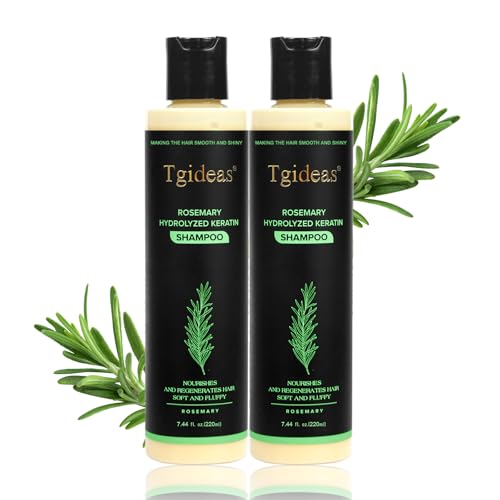
Promotes natural hair thickening effectively.
Contains hydrolyzed keratin for strengthening.
Suitable for both women and men.
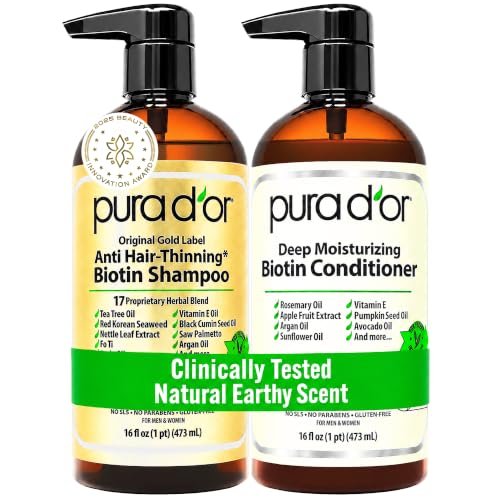
Clinically tested for effective anti-thinning results.
Contains natural DHT blockers for hair thickening.
Suitable for both men and women.

Clinically tested to enhance hair thickness.
Natural mint scent for refreshing experience.
Sulfate-free formula with beneficial ingredients.

Contains raw organic Batana oil.
Promotes hair growth for thinning hair.
Suitable for both men and women.

Strengthens hair with multi-protein formula.
Safe for color-treated and all hair types.
Sulfate-free, gentle, and nourishing cleanse.
The first question is whether the product makes a cosmetic claim or a treatment claim. “Fuller-looking,” “more volume,” “less breakage,” and “stronger-feeling” are appropriately limited cosmetic outcomes when the wording stays qualified. Claims to activate follicles, block DHT, prevent hair loss, restore growth, or produce regrowth require much stronger substantiation and may raise drug-claim concerns. A study of rosemary oil, caffeine, biotin, or another ingredient is not evidence for a particular rinse-off formula unless the sold product, concentration, directions, exposure time, and outcome were actually studied.
A credible performance record would be a peer-reviewed human study or registered clinical trial of the exact finished product. Useful methods include standardized hair counts, phototrichograms, hair-caliber measurements, hair-pull testing, or instrumental breakage testing. Buyer-perception surveys, short studies of a shampoo-and-conditioner routine, and tests on hair tresses can help describe hair feel or breakage, but they do not establish that shampoo alone regrows hair. Headline percentages can also combine several products, report self-assessments, use small panels, omit a control group, or measure breakage rather than new growth.
For health, look for a complete, current ingredient list on the package or manufacturer page. “Sulfate-free,” “paraben-free,” “natural,” and “clean” do not by themselves establish low irritation or low hazard. Fragrance may conceal individual components, while essential oils such as rosemary, tea tree, peppermint, eucalyptus, and citrus oils can matter to sensitive users. Stronger evidence would include finished-product human repeat-insult patch testing, such as HRIPT or RIPT, and documented preservative-efficacy testing under ISO 11930. Lot-specific microbial results and current manufacturing-quality information are also more meaningful than broad safety language.
For environmental claims, look for product-specific ready-biodegradability testing under OECD Test Guideline 301 and, where relevant, aquatic-toxicity testing under OECD Guidelines 201, 202, or 203. An EPA Safer Choice listing is a checkable product-level signal. Packaging claims should identify material, resin code, weight, recycled content, and a realistic U.S. recycling or refill route. A refill claim is more useful when the refill material and local disposal pathway are clear; a stated reduction in plastic is not proof that the pouch is recyclable.
Across the supplied products, recurring cautions include fragrance and named fragrance allergens, essential oils, menthol, and botanical ingredients that may trigger irritation or allergic contact dermatitis. Several products lack public patch testing, microbial or preservative-challenge results, and exact-product clinical evidence. None should be treated as a substitute for evaluation of sudden, patchy, painful, scarring, inflamed, or persistent hair loss. One supplied product also warns that its ingredients may harm pets, especially cats; households using such products should follow the stated storage and hand-washing precautions.
These topics distinguish a shampoo that is merely marketed for thinning hair from one whose formula, packaging, testing, and claims can be checked. The supplied products generally have stronger information about cosmetic use and ingredients than about regrowth, finished-product testing, or environmental fate.
This measures avoidable irritation and allergic-contact risk in a product used directly on the scalp. Fragrance-free or fully disclosed, low-sensitizer formulas with finished-product human compatibility testing score best. Among the supplied products, scores range from 52 to 70: higher-scoring options disclose more about potential triggers, while lower-scoring products commonly contain fragrance, isothiazolinone preservatives, or aromatic oils without public patch-test reports.
This asks whether buyers can see the complete current formula and assess its ingredients instead of relying on “free-from” language. Full INCI disclosure and identifiable fragrance allergens support a higher score. Supplied scores range from 48 to 78. The strongest examples publish detailed current lists; lower-scoring products omit the complete formula or make claims that conflict with the listed ingredients.
Rinse-off shampoo can still be contaminated or poorly preserved, so this topic concerns manufacturing controls, microbial testing, stability, and preservative challenge testing. A high score requires current quality documentation and lot-specific independent results, not simply a clean marketplace history. Scores cluster between 68 and 70 because no supplied product provided the full public batch-testing and preservation record needed for a clearly stronger result.
This measures whether normal use is unlikely to worsen dryness, itching, rash, shedding, or breakage. Independent finished-product use testing and transparent adverse-event monitoring would support a high score. Supplied scores range from 55 to 70. Products with disclosed cleansing systems and clearer cosmetic expectations score better, while fragranced or potentially sensitizing formulas without public tolerability testing score lower.
This measures whether the product separates temporary volume, cleansing, conditioning, and reduced breakage from hair-growth or disease-treatment promises. Scores range from 43 to 83. Higher-scoring products stay in the cosmetic lane and qualify their outcomes; lower-scoring products use follicle-activation, DHT-blocking, regrowth, or anti-hair-loss language without matching evidence for the exact rinse-off product.
This asks whether the exact sold shampoo, used as directed, has credible human evidence for a thinning-hair outcome. Controlled trials with objective hair counts, caliber, phototrichograms, pull tests, or instrumental breakage measures score best. Scores range from 68 to 70, but the reviews repeatedly found no exact-product controlled trial; some evidence covered multi-product routines or subjective outcomes rather than shampoo-only regrowth.
This measures whether safety, environmental, ethical, or performance claims are checked by an independent body or accredited laboratory. Product-specific registry entries and signed ISO/IEC 17025 laboratory reports are stronger than brand statements. Supplied scores range from 68 to 78. The higher-scoring products had checkable certification or verification signals, while many cruelty-free, dermatologist-tested, vegan, or environmental claims remained manufacturer-stated.
This measures whether the product has enough identity, responsible-company, labeling, lot, and date information to investigate a problem or act on a recall. It also considers relevant FDA enforcement or recall history. Scores range from 60 to 74. Most products had no matching recall or warning letter in the reviewed sources, but absence of an enforcement record is not proof of batch quality; incomplete lot and expiration information still limits traceability.
This concerns what happens after shampoo is rinsed into wastewater: how readily the formula breaks down and whether its ingredients pose aquatic toxicity concerns. Product-specific OECD biodegradability and aquatic-toxicity results, or an EPA Safer Choice listing, would support a high score. Supplied scores range from 68 to 70, largely because no product supplied robust finished-formula environmental testing.
This measures the material burden of bottles, pouches, and other packaging, plus whether reuse or recycling is realistic in the United States. Reduced packaging, verified recycled content, clear resin information, and accessible refill or recycling routes score best. Supplied scores range from 68 to 76. Refill availability helped distinguish the higher-scoring products, but manufacturer plastic-reduction claims were not independent proof of recyclability.
This is a 10 fluid ounce rinse-off shampoo intended for adults with thinning-looking or fine hair. The manufacturer directs users to massage it into wet hair and scalp, leave it on for 2 to 3 minutes, then rinse and use it as a regular shampoo. An independent retailer listing supplies a long ingredient list that includes sodium C14-16 olefin sulfonate, cocamidopropyl betaine, dimethiconol, piroctone olamine, caffeine, biotin, niacinamide, panthenol, rosemary oil, tea tree oil, saw palmetto extract, fragrance, phenoxyethanol, and color. RootStim describes the product as sulfate-free and says it is a cosmetic rather than a drug. Its product name and marketing nevertheless use hair-growth language and suggest visible changes over weeks, while no controlled human study of this exact finished shampoo was found.
This product is most suited to an adult who wants a fragranced, botanical-leaning daily shampoo for the cosmetic goals of cleansing, conditioning, and making fine hair feel fuller. It is most practical for someone willing to patch test first, use a 2 to 3 minute rinse-off routine, and judge results as hair feel or appearance rather than proven regrowth. The independently available ingredient list is useful for a buyer who actively checks ingredients before use and does not have known fragrance or essential-oil sensitivity.
It is not a good fit for people with fragrance allergy, recurrent scalp eczema, rosacea affecting the scalp, prior reactions to tea tree or rosemary oils, or sensitivity to cocamidopropyl betaine. It is also unsuitable as a substitute for medical evaluation of sudden, patchy, painful, inflamed, or rapidly progressing hair loss. Households with cats should take the manufacturer's pet warning seriously, keep the product away from pets, and wash hands after use. Buyers seeking clinically demonstrated hair regrowth should not treat this shampoo's cosmetic claims as treatment evidence.
The available full ingredient list identifies fragrance, essential oils, preservatives, cleansing surfactants, silicone conditioning material, and several botanical extracts. That visibility helps ingredient-aware users, but the manufacturer does not publish a full INCI list on its product page, fragrance components remain undisclosed, and no public human repeat-insult patch testing was located. Fragrance and botanical oils can be relevant sensitizers for susceptible users. RootStim also tells users to patch test and warns that its active ingredients may be harmful to pets, especially cats. No EPA Safer Choice listing, public biodegradability or aquatic-toxicity testing, recycled-content specification, refill system, or accessible recycling documentation was found for this shampoo. On January 15, 2026, the CPSC announced a recall of a separate RootStim 5% minoxidil beard serum because its packaging was not child-resistant. That recall did not identify this shampoo, but it is relevant company-level safety history.
This is a two-bottle, rinse-off shampoo and conditioner set with 20 fluid ounces total, sold for fine or thinning-looking hair. The shampoo is massaged into wet scalp for about 1 to 2 minutes and rinsed. The conditioner is applied through mid-lengths and ends for 1 to 2 minutes, then rinsed. RootStim positions it as cosmetic scalp care, not a drug treatment. Manufacturer disclosures identify rosemary oil, biotin, saw palmetto, caffeine, tea tree oil, aloe, ginger, argan oil, and conditioning proteins among the featured ingredients. A publicly available shampoo panel also lists fragrance and sodium C14-16 olefin sulfonate, while the conditioner lists fragrance plus tea tree, geranium, and rosemary oils. RootStim states that full panels are printed on the bottles. No controlled human trial, concentration disclosure, patch-test report, or independent finished-product safety report was located for this exact set.
This set suits an adult with fine, dry, tangly, color-treated, or breakage-prone hair who wants a conventional rinse-off shampoo followed by a conditioner, rather than a leave-on treatment. It is most aligned with someone seeking cleansing, detangling, smoother-feeling lengths, and a temporary fuller-looking styling effect. The two 10-fluid-ounce bottles are a practical starter-size routine for a buyer willing to patch test first and who does not treat cosmetic shampoo as a proven solution for medical hair loss.
It is not well suited to people with fragrance allergy, scalp eczema, active dermatitis, asthma triggered by fragranced products, or a known sensitivity to tea tree, rosemary, geranium, or other essential oils. Avoid relying on it for sudden, patchy, inflammatory, postpartum, or progressive hair loss, since those patterns can need clinical assessment and this exact set lacks controlled human evidence for regrowth. Households with pets should also note RootStim's own caution that its shampoo actives may be harmful to pets, especially cats.
The most relevant health issue is fragrance exposure. The published panels identify fragrance and multiple essential oils, including tea tree and rosemary in the shampoo and conditioner, plus geranium oil in the conditioner. FDA notes that fragrance ingredients can trigger allergic contact dermatitis in susceptible people. RootStim recommends patch testing, but no independent human repeat-insult patch-test report for this finished set was found. RootStim says the products are sulfate-, paraben-, and phthalate-free, but those claims do not substitute for finished-product safety or preservative testing. No public ISO 11930 challenge-test report, lot-specific microbial certificate, EPA Safer Choice listing, biodegradability testing, recycled-content disclosure, refill system, or U.S. recycling instructions were found. Separately, the CPSC recalled a RootStim minoxidil beard serum on January 15, 2026 for non-child-resistant packaging. That recall did not identify this shampoo and conditioner set.
This is a 10 fl oz liquid rinse-off shampoo for fine, flat hair. Directions call for working a quarter-size amount into wet roots and scalp, then rinsing. OUAI markets it for cosmetic volume, bounce, cleansing, and strengthening, not for treating hair-loss disease or regrowing hair. The current manufacturer ingredient list is publicly available and includes sodium C14-16 olefin sulfonate, cocamidopropyl betaine, hydrolyzed keratin, biotin, chia seed oil, fragrance, and named fragrance allergens. The brand also offers a 32 oz refill. No public independent controlled trial was found for this exact shampoo showing improved thinning-hair outcomes, hair count, or regrowth.
This product suits an adult with fine hair who wants a conventional, fragranced shampoo aimed at a cleaner feel and cosmetic lift after washing. The 10 oz size is suitable for someone testing whether the cleansing level and Mercer Street scent work for their routine. It is most aligned with people seeking volume and body rather than a medical response to progressive thinning. The available refill may also suit repeat users who have confirmed personal scalp compatibility.
It is not well suited to people with known fragrance allergy, allergic contact dermatitis, persistent scalp itching, eczema, or a prior reaction to cocamidopropyl betaine. Those users should favor a fragrance-free formula with a simpler disclosed allergen profile and preferably finished-product compatibility testing. It is also not the appropriate primary product for sudden shedding, patchy loss, scarring, or clinically significant thinning, since this rinse-off cosmetic has no located product-specific human evidence for regrowth or disease treatment.
The formula is transparent enough for ingredient screening. It contains fragrance plus benzyl salicylate, limonene, and hexyl cinnamal, so scent-sensitive users have identifiable reasons for caution. Cocamidopropyl betaine is also included. Published contact-dermatitis literature identifies shampoos among products that can trigger reactions in sensitized people. No public independent repeat-insult patch test, preservative-challenge test, or lot-specific microbial report was located for this finished formula. OUAI states that the bottle is fully recyclable and sells a 32 oz refill. Those are potentially useful waste-reduction measures, but the public product page does not specify bottle resin, recycled content, refill material, package weights, or verified US recycling access. No EPA Safer Choice certification, readily-biodegradable test report, aquatic-toxicity report, or public independent environmental certification was located for this shampoo. Searches of FDA recall and warning-letter resources did not identify a product-specific action.
This is a rinse-off shampoo and conditioner pair for fine or thinning-looking hair. The cataloged U.S. set contains 32 fluid ounces total, intended for ordinary wash-day use, and is marketed for cleansing, conditioning, reduced breakage, volume, and a fuller-looking result rather than as a drug treatment. An independently published ingredient list identifies sulfate-free cleansing agents in the shampoo, plus hydrolyzed keratin and silk. It also identifies fragrance and the preservatives methylchloroisothiazolinone and methylisothiazolinone in both products. Those details matter because the set is not fragrance-free or designed around low-sensitizer preservation. No product-specific controlled human trial, public patch-test report, batch microbial report, or publicly checkable third-party certification was located in this review. The thinning-hair benefit is therefore best understood as a cosmetic appearance and hair-feel claim, not evidence of regrowth.
This set suits an adult with fine hair who wants a conventional shampoo and conditioner routine aimed at temporary volume, smoother feel, and less breakage during grooming. It is most relevant for someone who understands that a rinse-off cosmetic can improve the look and manageability of hair without establishing treatment of hair loss. It may also suit buyers who specifically prefer sulfate-free cleansing and who have no known sensitivity to fragrance, methylisothiazolinone, or methylchloroisothiazolinone.
It is not a good fit for people with diagnosed fragrance allergy, isothiazolinone allergy, recurrent scalp dermatitis, unexplained itching, or prior reactions to shampoos or conditioners. Both products list fragrance, methylchloroisothiazolinone, and methylisothiazolinone, which are relevant contact-allergy concerns. People with sudden, patchy, postpartum, medication-related, or progressive hair loss should not treat its cosmetic thickening claim as a substitute for clinical assessment. It also does not meet the needs of shoppers seeking fragrance-free care, public clinical evidence, or independently certified environmental credentials.
The most important health point is preservative and fragrance exposure. Independent ingredient listings show fragrance plus methylchloroisothiazolinone and methylisothiazolinone in the shampoo and conditioner. FDA identifies fragrances and these preservatives as common cosmetic allergens. European scientific reviewers have concluded that methylisothiazolinone can induce contact allergy, even though limited use in rinse-off products may be permitted. No finished-product patch-test or adverse-event summary was found. For ecology, no readily biodegradable or aquatic-toxicity test report was located for the finished formula. The conditioner ingredient list includes cyclopentasiloxane, also called D5. European chemical authorities identify cyclic siloxanes as environmental persistence concerns. No refill system, recycled-content percentage, packaging resin specification, or public certification from EPA Safer Choice, Leaping Bunny, USDA Organic, COSMOS, or NSF was located. No relevant FDA recall or warning letter was located in the reviewed public sources.
This is a rinse-out shampoo and conditioner pair for fine hair, with 10 fluid ounces of each product. The directions are conventional, lather a quarter-size amount of shampoo into wet hair and rinse, then apply conditioner mainly through the mid-lengths and ends before rinsing. The manufacturer publishes complete ingredient lists for both formulas. The shampoo uses sodium C14-16 olefin sulfonate, cocamidopropyl betaine, sodium methyl cocoyl taurate, panthenol, hydrolyzed keratin, biotin, and chia seed oil. Both products are fragranced with Mercer Street fragrance and list benzyl salicylate, limonene, and hexyl cinnamal. OUAI presents the pair as a cosmetic routine for cleansing, hydration, strength, body, and volume, not as a hair-regrowth treatment. No public controlled human trial for this exact pair and thinning-hair outcomes was identified.
This pair is most suited to an adult with fine hair who wants a standard fragranced wash routine focused on cosmetic volume, cleansing, and lightweight conditioning rather than a medical hair-loss intervention. The two 10 fluid ounce bottles suit someone who expects to use shampoo and conditioner together and can tolerate scented products. It is also appropriate for buyers who value seeing the complete ingredient lists before purchase, particularly if they need to avoid a known ingredient that is clearly named on the manufacturer page.
It is not a good fit for people with known fragrance allergy, fragrance-triggered headaches or respiratory symptoms, scalp psoriasis or eczema, active rash, or a history of reactions to hair products. The formulas contain fragrance plus benzyl salicylate, limonene, and hexyl cinnamal, and the shampoo uses a strong cleansing surfactant that may feel stripping on a dry scalp. People seeking evidence-based treatment for progressive thinning, sudden shedding, patchy loss, or scalp pain should not treat this cosmetic pair as a regrowth product and should seek clinical evaluation.
The main health advantage is ingredient visibility. OUAI lists the current ingredients for both products, including the fragrance allergens benzyl salicylate, limonene, and hexyl cinnamal. That makes avoidance more practical than with an undisclosed fragrance blend alone. It does not make the pair fragrance-free or low-sensitizer. Added fragrance and the shampoo's sodium C14-16 olefin sulfonate are relevant for sensitive or dry scalps. Public finished-product patch testing, microbial challenge testing, and independent adverse-event reporting were not located. The manufacturer states that the bottles are recyclable and sells a Fine Hair Shampoo refill. However, publicly accessible documentation did not establish the exact bottle resin, current recycled-plastic percentage, package weight, United States collection access, ready biodegradability, or aquatic-toxicity results for these sold formulas. Searches of FDA recall and cosmetics warning-letter resources did not identify a product-specific recall or warning letter relevant to this pair.
This is a rinse-off shampoo marketed for thinning-looking hair, with rosemary, biotin and keratin positioned as the main ingredients. The catalog presentation describes a two-bottle pack totaling 14.8 fluid ounces. The brand's own product page describes a different 220 g bottle presentation, so the exact size and formula match for this marketplace unit are not independently resolved. The manufacturer says to massage the lather into the scalp and leave it on for two minutes, then rinse. It also claims sulfate-free, paraben-free and cruelty-free status, plus reduced breakage and fuller-looking hair. However, no complete current ingredient declaration for this exact marketplace product, finished-product patch test, preservative challenge test, independent certification, or controlled human study of the sold shampoo was located. The product is better characterized as a cosmetic cleansing and appearance product than as established treatment for hair loss.
This product suits an adult seeking a conventional rinse-off shampoo for temporary cleansing, styling support and a fuller-looking result, rather than a medically established hair-loss treatment. It may fit someone who is comfortable relying on manufacturer-stated rosemary, biotin and keratin claims, can tolerate scented botanical products, and prefers a defined wash routine with a short two-minute contact period. It is most relevant where visible flatness or breakage is the concern and expectations are limited to cosmetic appearance and routine cleansing.
It is not well suited to anyone with a known fragrance, essential-oil or rosemary sensitivity, because the brand identifies rosemary leaf oil and an herbal scent while a full ingredient declaration for this exact unit was not found. It is also unsuitable as a substitute for evaluation of sudden shedding, patchy loss, scalp pain, persistent dandruff, rash, postpartum loss, or suspected androgenetic alopecia. People requiring fragrance-free care, verified cruelty-free status, full allergen disclosure, lot-level quality evidence, or a clinically tested hair-regrowth product need documentation this product does not publicly provide.
The main health limitation is transparency. The manufacturer names rosemary, biotin, keratin and other featured ingredients, but a complete current ingredient declaration for the exact marketplace shampoo was not located. That prevents a dependable review of surfactants, preservatives, fragrance components and potential sensitizers. Rosemary oil and fragrance can be relevant for people prone to scalp irritation or allergic contact reactions. No independent finished-product patch testing, preservative challenge testing or adverse-event summary was found. The brand makes sulfate-free, paraben-free, cruelty-free and GMO-free claims, but no matching public certification or independent test report was located. No ready-biodegradability, aquatic-toxicity, recycled-content, refill or U.S. recycling-pathway documentation was found either. Packaging material, resin code and bottle weight were not publicly substantiated. No specific Tgideas product recall or warning letter was identified in the FDA cosmetics resources reviewed, but the listing's hair-growth and anti-dandruff treatment language goes beyond ordinary cosmetic appearance claims.
This is a two-bottle rinse-off hair-care set, with 16 fluid ounces each of shampoo and conditioner. The manufacturer directs users to massage each product into the scalp or hair, leave it on for two minutes, then rinse. It is positioned for hair that looks thinner because of breakage, plus dryness, frizz, tangling, and reduced volume. The manufacturer publishes full ingredient lists. The shampoo uses aloe juice, mild surfactants, conditioning polymers, biotin, oils, botanical extracts, and several essential oils. A public, sponsor-funded eight-week study by Media Lab Science enrolled 36 adults and analyzed 33 completers. It found favorable self-reports for softness, smoothness, shine, manageability, and breakage resistance. It was not controlled, blinded, or based on objective hair counts or hair-caliber measurements.
This set suits an adult whose main concern is breakage, frizz, dryness, tangles, or hair that temporarily appears less full after styling. It is most relevant for someone who wants a shampoo and conditioner pair with a published ingredient list and is comfortable with an earthy herbal scent. The available eight-week study supports user-perceived conditioning and manageability outcomes, so expectations should center on cosmetic hair feel and appearance, not treatment of a hair-loss condition.
It is not well suited to people with eczema, an inflamed scalp, fragrance allergy, essential-oil sensitivity, or a prior reaction to tea tree, citrus, rosemary, or other botanicals. The manufacturer itself says not to use it on broken or irritated skin and to stop if sensitivity occurs. People with sudden, patchy, postpartum, medication-related, or progressive thinning should not treat this rinse-off cosmetic as evidence-based regrowth care, because its study did not measure regrowth objectively.
The principal health consideration is scent exposure. The shampoo includes several essential oils and the conditioner includes rosemary oil, while the manufacturer advises discontinuing use if skin sensitivity occurs. Its full ingredient disclosure is a useful transparency measure, but there is no public repeat-insult patch-test report. The eight-week human study did monitor for adverse events, but it excluded people with cosmetic allergies and was not designed as a sensitive-skin compatibility study. No matching FDA recall or warning letter for this product or its listed responsible company was located in the reviewed FDA sources. That is not proof of batch quality. No lot-specific microbiology report or preservative-challenge result was publicly available. The product is sold in two single-use bottles, with no public recycled-content, refill, resin-identification, ready-biodegradability, or aquatic-toxicity documentation located. The brand states that it supports tree planting, but that does not establish the wash-down footprint or packaging recyclability of this product.
This is a 10.14-fluid-ounce rinse-off shampoo for adults concerned about visible thinning, shedding, and breakage. BondiBoost directs users to apply one to three pumps to wet hair, massage the scalp, and rinse, with a second wash optional. It is sold as a sulfate-free, aloe-based peppermint shampoo and lists gentle surfactants including sodium methyl cocoyl taurate, cocamidopropyl betaine, and decyl glucoside. The manufacturer provides a full current ingredient list and identifies rosemary extract, Redensyl, and Procapil components in the formula. Its headline shedding results are manufacturer-reported, not independently published product trials. The cited consumer study involved 30 people using a broader routine with shampoo, conditioner, and a leave-on tonic, while the instrumental combing claims also used multiple HG products. That does not establish that this shampoo alone regrows hair or treats hair-loss disease.
This product is most suited to an adult who wants a regularly used, sulfate-free shampoo with a disclosed ingredient list and a peppermint sensory profile, especially if their goal is cosmetic cleansing, a fuller-looking style, and less breakage-related fallout. It can also suit shoppers who are comfortable evaluating a manufacturer-reported, multi-product consumer study as limited supporting context rather than proof of hair regrowth. The 10.14-fluid-ounce bottle is a standard personal-care size for people who already wash regularly and tolerate mint-containing scalp products.
It is not well suited to people with fragrance, menthol, mint, cocamidopropyl betaine, wheat-protein, or sulfite sensitivities, or to anyone with active scalp eczema, dermatitis, unexplained itching, or a prior reaction to essential-oil hair products. Those seeking treatment for sudden, patchy, postpartum, medication-related, or progressive hair loss should not treat this cosmetic shampoo as a substitute for clinical assessment. It is also a poor fit for buyers who require independently published shampoo-only trials, publicly available batch testing, or verified third-party safety and environmental certification.
The disclosed formula avoids sulfates, parabens, and silicones by the brand's description, and the ingredient list does not show those materials. It does contain peppermint-derived oil and menthol. FDA identifies menthol and peppermint oil among potential cosmetic fragrance allergens, so the cooling sensation is not a universal scalp-comfort benefit. No public independent human patch-test report, preservative-challenge report, or lot-specific microbial certificate was located. No relevant FDA recall, cosmetic warning letter, or safety alert was located in the searched U.S. sources. The manufacturer claims vegan and cruelty-free status, but no current product-specific third-party certification record was located in the checked public registries. No verified information was found on bottle resin, post-consumer recycled content, refill availability, ready biodegradability, or aquatic-toxicity testing. The rinse-off formula's environmental performance therefore remains undocumented rather than established.
This is a two-piece rinse-off hair care set with one shampoo and one conditioner, each in an 8-ounce pump bottle. The manufacturer presents it for people concerned about thinning hair, and identifies batana oil as the active ingredient. Its product page also states that the formula contains biotin, castor oil and coconut oil, while the package image names rice water and rosemary among the featured ingredients. The most important limitation is formula visibility. A complete current ingredient declaration for either bottle was not available on the manufacturer product page reviewed, and no finished-product patch testing, preservative challenge testing, batch microbial testing, or human thinning-hair trial was located. The brand has an independently listed cruelty-free status with PETA, but that does not verify this product's safety, environmental profile, or hair-growth performance.
This set fits an adult who wants a matched shampoo and conditioner routine in modest 8-ounce bottles, prefers pump packaging, and is primarily looking for ordinary cleansing, conditioning, and a fuller-looking cosmetic finish. It is more appropriate for a buyer who understands that the botanical ingredients are manufacturer-stated and who does not need a fully documented fragrance or allergen screen. The PETA cruelty-free listing may also matter to shoppers whose main independently verified preference is no animal testing.
It is not well suited to people with fragrance, essential-oil, botanical-extract, preservative, or contact-allergy concerns because a complete current ingredient declaration was not publicly available to review. People with sudden, patchy, scarring, postpartum, medication-related, or progressive thinning should seek clinical assessment rather than rely on a cosmetic wash routine. It also does not meet the needs of buyers requiring verified regrowth evidence, disclosed active concentrations, independently tested scalp tolerability, lot-specific quality records, or a documented low-impact packaging and wash-down profile.
The clearest independent verification is ethical rather than clinical. PETA lists Paisle Botanics as cruelty-free and says the company represents that ingredients, finished products, suppliers, and third parties do not test on animals. The manufacturer describes this set as featuring batana oil, biotin, castor oil, coconut oil, rice water and rosemary, but does not publish the full current ingredient declarations or concentrations for the two formulas. That prevents a dependable assessment of fragrance allergens, sensitizers, preservatives, and compatibility with a reactive scalp. No public preservative challenge testing, microbial batch testing, repeat-insult patch testing, product-specific adverse-event summary, or exact-product human hair trial was located. No matching FDA warning letter or recall was located in the searches reviewed, but absence of a finding is not independent quality verification. Environmental claims are also unsupported by public biodegradability, aquatic-toxicity, bottle-resin, recycled-content, refill, or recycling-pathway records. The hair-loss and regrowth language is stronger than ordinary cosmetic appearance claims.
This is a rinse-off, gel-cream shampoo for wet scalp and hair. The 250 ml, 8.4 fl oz bottle is intended for wash days, with directions to massage into the scalp and lengths, foam, and rinse thoroughly. Nécessaire sells this size for $32 and also lists 100 ml and 500 ml formats. The manufacturer publishes a complete ingredient list. It uses several sulfate-free surfactants, rosemary leaf oil, extract and water, hydrolyzed plant proteins, ceramides, and the acetyl tetrapeptide-3 plus clover extract combination commonly sold as Capixyl. The brand states a pH range of 5.3 to 6.3 and calls the formula dermatologist-tested, hypoallergenic, color-safe, vegan, and strengthening. Those finished-product testing claims were not accompanied by a public protocol or report. No public controlled human trial of this exact rinse-off shampoo was located.
This product suits an adult who wants a scented, sulfate-free daily or regular wash shampoo and values ingredient disclosure more than a drug-style hair-loss claim. It is most relevant for someone concerned about hair feeling weak or prone to cosmetic breakage, since the formula combines cleansing surfactants with hydrolyzed proteins and conditioning lipids. The 250 ml size is a mid-size premium bottle, while the 500 ml format may suit repeat users seeking less packaging per use. It is not established as a treatment for diagnosed hair loss.
It is not a good fit for people with fragrance allergy, allergic contact dermatitis, rosacea affecting the scalp, or a known sensitivity to essential oils, limonene, linalool, citrus oil, or rosemary. The formula is scented despite its hypoallergenic claim. People with sudden, patchy, postpartum, scarring, or medically significant shedding should not rely on a rinse-off cosmetic shampoo as their primary response. It is also unsuitable for buyers who require publicly available finished-product patch testing, lot-specific microbiological testing, or independently published clinical evidence for regrowth.
The formula is unusually transparent for a shampoo in that Nécessaire publishes its full ingredient list and names several fragrance allergens. That transparency does not make it fragrance-free. Rosemary oil, citrus oil, fragrance, limonene, linalool, camphor, and other scent constituents make sensitivity possible, particularly on an irritated scalp. The manufacturer advises stopping use if irritation occurs. It also states that the product is dermatologist-tested and hypoallergenic, but public testing methods and adverse-event summaries were not located. Nécessaire, Inc. is independently listed as a Certified B Corporation. The brand states that its cartons and inserts use FSC-certified paper with post-consumer content, and that it provides How2Recycle guidance. It also reports plastic and carbon offset programs. These are brand-level practices, not proof that this shampoo's rinse-off chemistry is readily biodegradable or low in aquatic toxicity. No public product-specific biodegradation, aquatic-toxicity, preservative-challenge, or batch microbial test result was located. No relevant FDA recall or cosmetics warning letter was located in the reviewed public sources.


