Best Overall
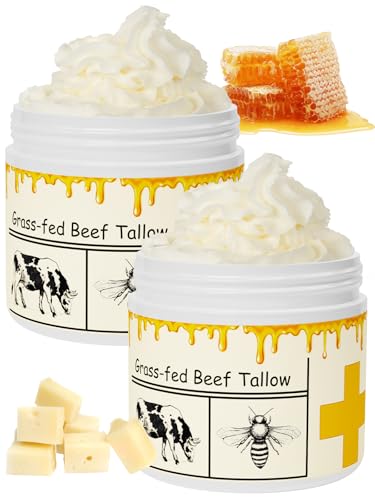
Mkzea Whipped Beef Tallow and Honey Cream
Grass-fed tallow ensures high-quality nourishment.
Raw honey adds natural moisturizing benefits.
Whipped texture allows easy skin application.
 Lauren Wilson
Grass-fed tallow ensures high-quality nourishment.
Raw honey adds natural moisturizing benefits.
Whipped texture allows easy skin application.

Combines nourishing beef tallow and raw honey.
Made from natural, grass-fed ingredients.
Dual pack offers great value and convenience.

Combines copper peptides with nourishing beef tallow.
Includes soothing manuka honey and vitamin E.
Ideal for mature, dry, and sensitive skin.

Natural ingredients nourish and hydrate skin.
Effective wrinkle defense for youthful appearance.
Suitable for both face and body care.
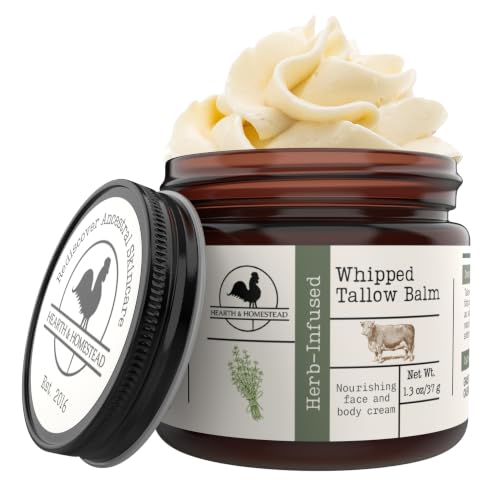
Organic ingredients soothe sensitive skin effectively.
Herb-infused formula enhances skin nourishment.
Perfect for eczema and rosacea relief.

Made with nourishing grass-fed beef tallow.
Includes aloe vera for soothing hydration.
Non-greasy formula with a refreshing citrus scent.

Made with only five natural ingredients.
Contains nourishing grass-fed beef tallow.
Infused with soothing frankincense and honey.

Whipped texture absorbs quickly into the skin.
Made from 100% grass-fed beef tallow.
Ideal for sensitive skin, unscented formula.

Made with high-quality grass-fed beef tallow.
Contains no additives for sensitive skin.
Blended with soothing honey for extra moisture.

Made in USA with premium ingredients.
Includes nourishing raw Manuka honey.
Perfect for sensitive skin, unscented formula.
Start with the ingredient declaration. A complete, standardized list makes it possible to screen for beef-derived ingredients, honey and other bee products, beeswax, nut oils, olive or jojoba oil, botanicals, essential oils, fragrance materials, preservatives, and dyes. “Unscented” or “natural” does not mean allergy-free: several supplied products described as unscented still contained botanicals, while scented products included lavender, vanilla, citrus, frankincense, tea tree, eucalyptus, bergamot, or geranium oils. A short list is useful only when it is current and consistent across the label and seller information.
Packaging and freshness matter because many tallows are scooped from wide-mouth jars. Repeated finger contact can introduce microorganisms, while heat, air, light, and time can affect fats and change their odor or create degradation products. Look for a lot code, usable dating, storage instructions, package-compatibility information, and evidence that the stated shelf life was tested in the actual container. A manufacturer’s “use within 12 months” or “24 months” instruction is not the same as a published stability study, oxidation testing, or microbiological testing.
The strongest evidence is batch-specific and independent. A meaningful certificate of analysis should identify the finished lot, date, laboratory, methods, specifications, and pass/fail results. An ISO/IEC 17025 laboratory accreditation should cover the relevant testing. For a balm, useful records may include finished-product identity, contaminant and metals testing, microbiological results, preservative or challenge testing where relevant, and oxidation measures such as peroxide or anisidine values. None of the supplied products had public, current batch-linked independent testing strong enough to establish all of these points.
Treat performance claims carefully. A moisturizer claim about reducing the feel of dryness is different from claims to treat eczema, acne, psoriasis, rosacea, infection, wounds, inflammation, scarring, or damaged tissue. Claims about cell renewal, repair, collagen, wrinkle reversal, or healing also need evidence on the finished formula at the sold concentration and use pattern. Human studies of another ingredient, another product, or a consumer-perception survey do not establish clinical performance for the balm you are buying.
Animal and environmental claims need verification too. “Grass-fed,” “grass-finished,” “regenerative,” “humane,” “organic,” “cruelty-free,” and “Made in USA” should be traceable to an applicable registry or independent standard. Relevant checks include the USDA Organic Integrity Database, Certified Humane, Animal Welfare Approved, Leaping Bunny, and the FTC Made in USA standard. A grass-fed phrase alone does not prove welfare or lower environmental impact. For packaging, look for material specifications, local recycling instructions, and credible lifecycle evidence rather than vague green language.
Across the supplied products, recurring cautions are important: ingredient lists were sometimes incomplete or inconsistent; essential oils and botanicals create meaningful sensitization concerns; honey, beeswax, nuts, jojoba, olive oil, tallow, and vitamin E may matter to people with allergies; and open jars lack publicly documented in-use stability or hygiene testing. Products marketed for eczema, acne, rosacea, psoriasis, wounds, infection, or inflammation should not be treated as medical care. Patch testing on intact skin is prudent, and products should not be used on broken, infected, or severely inflamed skin without appropriate clinical guidance. One product also raised a specific U.S. color-compliance concern because it disclosed methylene blue, identified in the supplied review as a delisted external-cosmetic color additive.
These topics assess the risks and evidence that matter for a hand-applied animal-fat balm. Scores reflect the supplied product reviews, not a guarantee of safety or performance; notably, the supplied products generally lacked public, batch-specific independent testing.
This measures whether the formula limits avoidable irritants and allergens and gives enough information for safe use. For tallows, that means checking fragrance, essential oils, botanicals, nut oils, honey, beeswax, and oxidized fats. Higher-scoring examples had short or corroborated formulas and fewer fragrance exposures; lower scores reflected incomplete lists, conflicting disclosures, or sensitizing essential oils.
This measures protection against microbial contamination and oxidation. A water-free balm may be less supportive of microbial growth than a water-containing cream, but scooping from a jar still introduces contamination and fats can oxidize. Higher scores in this group were around 72, while the reviews repeatedly noted that no product had public batch-linked microbial, challenge, or oxidation results.
This measures evidence that raw materials and the finished balm are free from unsafe contamination and that any color additive is permitted for the exact cosmetic use. Most supplied products scored 68–70 because no color concern was disclosed, but evidence was still limited. The lowest score, 30, belonged to a balm containing methylene blue, identified in its review as a significant U.S. external-cosmetic color-compliance concern.
This measures whether the container and instructions protect a hand-applied fat balm from heat, air, light, and repeated finger contact, with usable dating and supporting stability evidence. Higher scores, up to 74, reflected specific storage or post-opening guidance. Lower-scoring products lacked lot codes, dating, package testing, or shelf-life records; wide-mouth jars remained a recurring hygiene limitation.
This measures whether buyers can identify the complete formula, responsible business, net contents, lot information, and sourcing trail. Higher scores, up to 76, went to products with concise formulas corroborated by another listing or a named maker. Lower scores reflected missing standardized ingredient declarations, conflicting formulas, unclear origin, or inadequate lot documentation.
This measures whether an accredited independent laboratory tested the finished product or a clearly linked current lot for identity, contaminants, microbiology, oxidation, and stated actives. Despite many supplied scores clustering at 70, the reviews consistently found no public, current batch-linked certificate with laboratory identity, methods, date, lot number, and specifications. A nominally moderate score should not be read as proof of testing.
This measures whether marketing stays within ordinary cosmetic moisturization and appearance claims rather than implying treatment of disease or injury. Higher scores, reaching 75 for the empty-jar product, reflected restrained storage or cosmetic wording. Lower scores around 43–52 reflected claims involving eczema, acne, psoriasis, inflammation, healing, infection, cell repair, or wrinkle treatment without matching finished-product evidence.
This measures human evidence on the finished formula at its sold concentration and use pattern. The supplied scores were mostly 68–70, but the reviews found no controlled human study of the finished balms. Ingredient research, studies of other products, consumer surveys, and general emollient logic do not establish the advertised performance of a particular tallow balm.
This measures whether claims such as organic, cruelty-free, natural, non-toxic, and Made in USA can be verified through the issuer or an applicable registry. Scores ranged from 60 to 75. Higher-scoring products had more concrete origin or professional-directory information, but the reviews generally found no product-specific registry confirmation. “Natural” has no formal FDA or USDA definition by itself.
This measures whether the seller has a checkable U.S. safety history and provides usable contact and complaint information. Most products scored 70–75 because no product-specific FDA recall or warning letter was identified in the reviewed searches. That absence is not proof of safety. Higher practical transparency also depended on a named business, address, phone, email, or corrective-action route.
This measures whether claims such as grass-fed, grass-finished, pasture-raised, regenerative, or humane are supported by traceable supply records or independent standards. Most products scored 68–72, reflecting specific but largely manufacturer-stated sourcing. A high score therefore indicates better disclosure, not verified welfare. Buyers should look for records or registries such as Certified Humane, Animal Welfare Approved, or USDA programs where applicable.
This measures credible information about animal-fat sourcing, rendering, transport, packaging, reuse, recycling, and lifecycle impact. Scores ranged from 68 to 72, with modest credit for glass or reusable packaging and limited credit for stated sourcing. No supplied product had a public third-party lifecycle assessment, allocation-aware footprint, complete packaging specification, or robust local disposal guidance.
This is a whipped, honey-scented tallow balm sold as a two-pack for use on dry areas including the face, lips, hands, elbows, and body. The marketplace listing reports 10.6 ounces total and describes it as travel size. It is intended to function as an occlusive emollient that reduces the feel of dryness by leaving a lipid layer on skin. The seller states that it contains grass-fed beef tallow and pure or raw honey. However, the publicly accessible product information did not provide a complete cosmetic ingredient declaration, ingredient percentages, or a batch-linked certificate of analysis. No independent human study of this finished balm was located. Published reviews of tallow skincare identify substantial gaps in controlled human evidence for tallow products.
This product is most relevant to an adult who wants a rich, oil-based balm for occasional dryness on hands, elbows, lips, or other small body areas and is comfortable with an animal-derived ingredient. The two-pack may suit someone who wants one container at home and one for travel. It is better aligned with buyers seeking a simple-feeling occlusive moisturizer than with buyers seeking documented clinical performance, fragrance-free verification, or detailed ingredient transparency.
It is not a strong fit for people with known sensitivity to beef-derived materials, honey or bee products, or for anyone who needs a fully disclosed ingredient list before use. Those with acne-prone facial skin, active dermatitis, broken skin, wounds, infection concerns, or a history of cosmetic reactions should not rely on the product's broad soothing and repair language. Infants and households needing clearly documented preservation, dating, and batch controls should choose products with that evidence available.
The seller identifies beef tallow and honey as the defining ingredients and calls the tallow grass-fed, but no independent welfare, grass-fed, organic, or origin certification was located in a recognized public register. The accessible listing also did not provide a full ingredient declaration, a patch-test instruction, or batch-linked laboratory results. Honey and animal-derived ingredients can matter for buyers with relevant sensitivities, so a cautious patch test is prudent when the complete formula is unavailable. No public product-specific evidence was located for microbial challenge testing, oxidation testing, metals testing, shelf life, or packaging compatibility. That matters because a hand-applied balm can be exposed to repeated finger contact. No packaging material, recycled-content claim, local disposal instruction, lifecycle assessment, or other environmental documentation was publicly provided. The grass-fed wording alone does not establish animal-welfare or environmental performance.
This is a two-jar, hand-applied tallow balm marketed for the face and body. The catalog describes 5 ounces total, while an independent resale listing describes the related jar as 2.5 ounces. It is intended as an occlusive moisturizer for dry areas including hands, face, neck, and body. The seller states that the balm uses grass-fed beef tallow and raw honey, and markets it as unscented. However, the composition is not reliably established. A purchaser report reproduced by Woot says a received tin listed tallow, olive oil, and beeswax, without honey. No complete current ingredient declaration, batch record, or finished-product test report was located. The product also makes claims about soothing redness and inflammation, which go beyond ordinary appearance and moisturization language.
This product suits an adult buyer looking for a small, rich balm for occasional dry patches on hands, elbows, legs, or body, and who understands that it is an oil-based product rather than a water-based cream. It may also fit someone who prefers a simple-looking tallow format and wants two small containers for different locations. Use should start with a patch test because the complete current formula and allergen profile are not independently documented.
It is not a good fit for people with known allergy or sensitivity to beef-derived ingredients, honey, olive oil, beeswax, or unknown cosmetic components. Avoid using it on broken, infected, or actively inflamed skin, or as treatment for eczema, acne, rosacea, or wounds. People who need a fully disclosed ingredient list, documented shelf life, third-party microbiological and contaminant testing, or certified animal-welfare and organic sourcing should choose a product with those records available.
The listing presents this as an unscented tallow and honey moisturizer, but independent resale and purchaser evidence raises a material formulation question. One report says the received container named tallow, olive oil, and beeswax and did not list honey. That inconsistency matters for allergy avoidance, patch testing, and evaluating whether the product matches its marketing. No independent laboratory results were located for this finished balm, including microbial quality, metals, lipid oxidation, or lot-linked identity testing. A jar package reduces exposure compared with open storage, but repeated finger application can introduce microbes, so clean hands and cool storage are sensible. No registry-verifiable organic, cruelty-free, grass-fed, animal-welfare, Made in USA, or recycling claim was located. Searches found no identified FDA recall or warning letter for this brand or product, but that is not evidence of batch testing or full safety documentation.
This is a 2-ounce whipped, waterless balm for the face, neck, and body. The maker directs users to warm a pea-sized amount between clean fingertips and massage it into skin. Its disclosed formula is beef tallow, raw Manuka honey, jojoba oil, vitamin E, GHK-Cu copper peptide, and methylene blue. That composition and the fragrance-free, essential-oil-free positioning are manufacturer-stated, rather than independently verified. The product is positioned for dry, mature, and sensitive skin, with moisturization and visible-firmness claims. HealthyDerm also reports a 14-day, 125-person consumer-perception study, but no protocol, full results, active concentrations, or independent publication was located. Small human research exists for a different topical GHK-Cu regimen after laser resurfacing, but it does not validate this finished balm or its advertised use.
It is most suited to an adult with persistently dry skin who prefers a rich, waterless balm and can tolerate the listed animal-derived and bee-derived ingredients. The 2-ounce jar and pea-sized use directions fit someone seeking a small face-and-body moisturizer for evening use or for dry patches. They should be comfortable treating the GHK-Cu and methylene-blue benefits as manufacturer claims, not as independently demonstrated performance for this specific product.
It is not suitable for people with a known allergy or past reaction to honey, jojoba, sunflower-derived tocopherol, beef-derived ingredients, or blue dyes. Those seeking a product with documented sensitive-skin patch testing, a pump package, verified batch contaminant testing, or a published shelf life should select a product with that documentation. It is also a poor fit for anyone wanting an evidence-backed treatment for wounds, eczema, acne, infection, or other medical skin conditions.
The formula is manufacturer-described as fragrance-free, essential-oil-free, and waterless, and it lists six ingredients. Those choices may simplify personal ingredient screening, but they do not remove allergy risk from Manuka honey, jojoba, vitamin E, or tallow. The jar format also means repeated finger contact, while no public microbial, stability, oxidation, or finished-batch testing record was found. The central safety issue is methylene blue. FDA's color-additive database identifies methylene blue as Ext. D&C Blue No. 1 and lists it as delisted, with no permitted external-cosmetic use. The maker's claims of Mongolian grass-fed, free-roaming cattle were not matched to an independent animal-welfare, organic, or agricultural certification. No public life-cycle assessment, packaging recycling instructions, or independently verified sourcing chain was located. No HealthyDerm-specific FDA recall or warning letter was found in the searches performed.
This is a 1.76-ounce, 50 g facial moisturizer sold as a tallow-based balm for twice-daily use on the face and neck. The brand says one jar provides about 60 applications, or roughly one month of morning and evening use. It is intended to moisturize dry-looking skin and reduce the appearance of fine lines. Forge's current product page discloses a water-based formula containing tallow, glycerin, beeswax, tocopherol, phenoxyethanol, tremella extract, aloe, tangerine peel extract, sodium hyaluronate, and beta-carotene. That is a useful manufacturer disclosure, but it is not independent verification of sourcing, concentrations, or performance. The brand calls the system clinically tested and proven, yet no finished-product human study, protocol, or results were located. Available literature finds important evidence gaps for tallow as a cosmetic ingredient in humans.
This product is most suited to an adult with uncomplicated dry or normal skin who wants a rich facial moisturizer in a small jar and accepts a tallow-containing, water-based formula. It may fit someone who prefers applying a pea-sized amount morning and night and values an openly listed ingredient panel with glycerin, beeswax, aloe, tremella extract, vitamin E, and sodium hyaluronate. Expectations should stay cosmetic, focused on moisturized and smoother-looking skin rather than verified wrinkle treatment or collagen change.
It is not a strong fit for people with citrus-fragrance sensitivity, a history of cosmetic contact allergy, or very reactive facial skin, because the disclosed formula includes tangerine peel extract and does not provide a patch-test warning. Those seeking fragrance-free care should also avoid treating the absence of synthetic fragrance as proof of low allergy risk. It is also unsuitable for vegans and for buyers who require independently documented grass-fed sourcing, animal-welfare standards, current laboratory results, or validated anti-wrinkle clinical data.
The disclosed formula is not a pure tallow balm. It is a preserved, water-based moisturizer with tallow, glycerin, beeswax, tocopherol, phenoxyethanol, glyceryl caprylate, botanical extracts, and sodium hyaluronate. The preservative system makes microbial control more plausible than in an unpreserved fat-only balm, but Forge does not publish challenge testing, finished-product microbiology, oxidation results, or a batch-linked certificate. Tangerine peel extract is relevant for users prone to fragrance or botanical reactions. Forge markets the tallow as grass-fed and ethically sourced from humanely raised cattle, and displays cruelty-free language. No certifier, registry listing, animal-welfare standard, farm traceability, or chain-of-custody documentation was found to independently support those statements. No meaningful lifecycle assessment, packaging-material specification, recycling guidance, or environmental allocation method was located. No product-specific U.S. recall or FDA warning letter was identified in the reviewed searches.
This is a 1.3-ounce whipped, leave-on tallow balm for face and body use. The independently listed directions are to apply a pea-sized amount to skin, and the retailer listing identifies it as external-use-only with a patch-test caution. Its composition is unusually short and is corroborated outside the marketplace listing: grass-fed and finished beef tallow plus organic extra-virgin olive oil infused with calendula and rose. The independent retailer also lists it as essential-oil-free, while the manufacturer describes it as unscented with a natural buttery aroma. It comes in a glass jar, but the product is hand-applied from an open container. The manufacturer warns that heat can flatten the whipped texture. No batch-specific microbiology, oxidation, contaminant, stability, or finished-product human performance results were located.
This product suits an adult who wants a compact, oil-based balm for small dry areas such as hands, elbows, cuticles, or rough facial patches, and who prefers to avoid added fragrance and essential oils. Its pea-sized-use guidance and 1.3-ounce jar make it more practical for targeted application or travel than for frequent full-body use. It may also fit buyers who value a very short disclosed ingredient list and accept a natural tallow aroma and a richer balm texture.
It is not a good fit for people with known sensitivity to olive-derived products, calendula, rose, or animal-derived ingredients, or anyone unable to patch test first. People with active eczema flares, broken or infected skin, persistent acne, rosacea symptoms, or psoriasis should not treat it as a proven therapy, because public evidence for this finished formula was not found. It is also less suitable for households wanting pump packaging, documented lot-level testing, clear expiry information, or a vegan product.
The key health positive is a concise disclosed formula. An independent retailer lists grass-fed and finished beef tallow and organic olive oil infused with calendula and rose, and confirms no essential oils. The same listing advises patch testing and external use only. That is helpful, but botanical infusions can still trigger reactions. Public searches did not locate finished-batch third-party testing or clinical studies of this formula. Broader research reviews conclude that controlled human evidence for topical tallow remains limited. The manufacturer states that the tallow is from grass-fed, grass-finished U.S. cattle from regenerative farms, that the balm is handcrafted in Virginia, and that the brand is Leaping Bunny certified. Public registry verification for the animal-source claims and certification was not located in this review. Glass packaging is a practical material choice, but no lifecycle assessment, recycled-content statement, recycling instructions, or verified welfare certification was found. No relevant FDA recall or warning-letter result was located in the searches performed.
This is a 2-ounce jarred face and body cream intended for dry skin. It is applied in a small amount to clean, slightly damp skin, with the manufacturer recommending twice-daily use. The catalog identifies a citrus scent. Manufacturer-published formula details identify aloe vera gel, grapeseed oil, grass-fed beef tallow, raw honey, vegan hyaluronate, colloidal oatmeal, vitamin E, preservatives, and an essential-oil blend containing frankincense plus several citrus oils. The maker also gives cool, dry storage guidance and recommends using clean hands or a spatula, with use within 12 months after opening. Those are manufacturer statements, not independently verified test results. No public finished-product clinical study, batch certificate of analysis, or independent microbiological and oxidation test report was located.
This product is most suited to an adult with uncomplicated dry skin who wants a rich, scented, animal-fat-based moisturizer in a small 2-ounce jar and is comfortable using it as a cosmetic emollient. It may fit someone who values a disclosed online formula containing tallow, aloe, hyaluronate, honey, and colloidal oatmeal, and who will use clean hands or a spatula. A cautious patch test is important because the formula contains several essential oils and botanical extracts.
It is not a suitable first choice for babies, children, people with fragrance or essential-oil allergy, active eczema, rosacea, psoriasis, broken skin, or a history of allergic contact dermatitis. The manufacturer’s treatment-oriented marketing does not replace medical care for those conditions. It also does not suit people seeking a fragrance-free moisturizer, a vegan formula, a pump-packaged product, independently batch-tested cosmetics, or verified animal-welfare, organic, and environmental credentials.
The published formula contains animal-derived beef tallow and raw honey, so it is not vegan. The maker calls the tallow grass-fed and the sourcing ethical, but public certification, chain-of-custody records, cattle-material compliance results, and finished-batch contaminant testing were not located. U.S. rules allow cosmetic tallow only when it avoids prohibited cattle materials or meets the applicable impurity limit, yet the maker does not publish evidence for its ingredient supply. For skin safety, the most important issue is the essential-oil blend. It includes frankincense and several citrus oils, while another brand page describes the cream as fragrance-free. Published medical literature documents allergic contact dermatitis from frankincense oil. The maker does provide clean-hands, cool-storage, and 12-month post-opening guidance, but no public preservation challenge test, oxidation study, or independent finished-product certificate was found. No product-specific FDA recall or warning letter was located in the reviewed public sources.
This is a dense, hand-applied 60 ml, 2 oz face and body balm intended mainly to soften and reduce the feel of dry skin. The manufacturer describes the Original F-Balm as a five-ingredient blend of Canadian grass-fed tallow, organic cold-pressed olive oil, beeswax, raw honey, and frankincense essential oil. That is a manufacturer-stated formula, not an independently tested composition. ([thetallowedtruth.com](https://thetallowedtruth.com/pages/f-balm-offer-page-b-cart?utm_source=openai)) The manufacturer also states a one-year shelf life, though the same product page separately says six to 12 months. It recommends room-temperature storage after opening and a cool, dry place for unopened product. The official FAQ says the company does not permit resale on Amazon or other online storefronts, which makes the listed marketplace unit harder to trace back to an authorized sales channel. ([thetallowedtruth.com](https://thetallowedtruth.com/pages/faq?utm_source=openai))
This product fits an adult who wants a rich, water-free balm for small areas of uncomplicated dryness on the face, hands, or body, and who prefers a short manufacturer-disclosed ingredient list. It may be most practical for evening use or cold-weather dry patches because the formula is a dense tallow and wax balm rather than a lightweight lotion. The buyer should be comfortable with a frankincense scent, use clean hands, store it away from heat, and patch test before broader application. ([thetallowedtruth.com](https://thetallowedtruth.com/pages/faq?utm_source=openai))
It is not a cautious choice for people with known fragrance or essential-oil allergy, prior reactions to frankincense, bee-derived ingredients, olive oil, or beef-derived materials. People with eczema, rosacea, acne, broken skin, infection, or persistent inflammation should not treat the product's marketing as medical care. Frankincense allergy has been reported in the medical literature, and the manufacturer's disease-oriented claims are not the same as clinical proof for this finished balm. Households that need assured authorized supply, batch testing, or pump-style hygiene should choose another format. ([pubmed.ncbi.nlm.nih.gov](https://pubmed.ncbi.nlm.nih.gov/33963563/?utm_source=openai))
The maker states that the balm uses Canadian grass-fed, grass-finished tallow, organic cold-pressed olive oil, Canadian beeswax, Ontario raw honey, and frankincense essential oil. It also states that production occurs in Ontario. These are manufacturer sourcing statements. No independently verifiable animal-welfare certification, organic certification for the finished product, life-cycle assessment, recyclable-packaging specification, or current third-party batch certificate was located. ([thetallowedtruth.com](https://thetallowedtruth.com/pages/faq?utm_source=openai)) For health, the open jar matters. FDA notes that repeatedly dipping fingers into cosmetic containers can introduce microorganisms, and advises clean hands and clean containers. The maker provides storage guidance and says the product is triple-purified, but it does not publish microbiological, oxidation, or contaminant results for a finished batch. No product-specific FDA recall or warning letter was located in the searched U.S. databases. Frankincense remains the main identifiable sensitizer in this formula. ([pubmed.ncbi.nlm.nih.gov](https://pubmed.ncbi.nlm.nih.gov/33963563/?utm_source=openai))
This is a 4 fluid ounce whipped, unscented face and body moisturizer in a wide-mouth jar. The maker directs it toward dry and sensitive skin, with a rich fat-based texture intended to be rubbed onto skin in a small amount. Amallow lists only grass-fed, grass-finished beef tallow and USDA organic sweet almond oil for this version. That formula and the absence of added essential oils are manufacturer-stated, not independently batch verified. The company also says its creams underwent human repeat-insult patch testing, but it does not publish the test report, laboratory, protocol, or result details. Its site identifies the almond oil and advises people with nut allergies to consult a clinician or patch test first.
This suits an adult who wants a very short, fragrance-free, anhydrous moisturizer for limited face or body use and who can safely use sweet almond oil. It may fit someone who prefers a rich whipped balm texture over a conventional water-based lotion, especially for dry areas such as hands, legs, elbows, or overnight facial use. Use a small amount first, patch test before broader use, and keep the jar away from heat. The $39.99 catalog price is for 4 fluid ounces.
This is not appropriate for people with a known almond or tree-nut allergy, or for anyone unable to patch test a new leave-on product. It is also a poor fit for buyers who need fragrance-free to mean odor-free, because the manufacturer says the unscented version retains tallow's natural smell. People seeking treatment for acne, eczema, rash, infection, wounds, or significant irritation should not rely on this moisturizer as treatment. Those conditions warrant evidence-based medical or drug-regulated options and clinician guidance when needed.
The main tolerability positive is the unscented formula's stated lack of added essential oils. However, it contains sweet almond oil, and the maker's own nut-allergy warning is important. The company says its creams completed human repeat-insult patch testing, but no report, testing laboratory, participant details, or finished-batch results were published for independent assessment. No public finished-product contaminant, microbiological, oxidation, or stability testing was located. Amallow states that its tallow comes from U.S. pastured, grass-fed, grass-finished cows and that the cream is made in small batches in Cincinnati. These are manufacturer claims, without a supplied chain of custody, animal-welfare certification, or independently verifiable grass-fed standard. The product is shown in a jar, but the seller does not provide lifecycle evidence, recycling instructions, or substantiated packaging-impact information. Searches of FDA recall and warning-letter resources did not identify a public action for this product or maker, which is reassuring but not proof of testing or absence of adverse events.
This is a 4-ounce whipped, leave-on balm in a jar for dry areas of the face, lips, hands, and body. The manufacturer directs users to warm a pea-sized amount between clean fingers before applying it. Its current product page identifies grass-fed and finished suet tallow, Manuka honey rated MGO 83+, jojoba oil, olive oil, and vitamin E oil. Those composition and use details are manufacturer-stated, not independently tested. The unscented version is marketed without synthetic fragrance, fillers, or seed oils. The brand also says it is handcrafted in Ohio and made in small batches. No accredited laboratory certificate, finished-product stability study, microbiological result, oxidation result, or batch-specific contaminant report was located in the verification search. The product's eczema, acne, rosacea, healing, and skin-repair language is a major defining concern because these can be drug-type claims rather than ordinary cosmetic moisturization claims.
This product fits an adult who wants a rich, water-free balm for small, persistently dry areas such as hands, elbows, lips, knees, or heels, and who prefers an unscented, animal-fat-based formula over a conventional lotion. It is also suited to someone comfortable using a jar with clean, dry hands and patch testing first. The 4-ounce size is substantial for targeted daily use, but the formula should be treated as a moisturizer, not as treatment for a skin disease.
It is not a good fit for people seeking an evidence-backed treatment for eczema, rosacea, acne, psoriasis, wounds, diaper rash, burns, or treatment-related skin damage. Those conditions can need medical assessment and products with established drug or dermatology evidence. Avoid it if you have reacted to beef-derived ingredients, honey or bee products, olive oil, jojoba, or vitamin E. Households needing a pump or tube to reduce shared-finger contact may also prefer another format. Do not use on infected, open, or heavily inflamed skin without clinician guidance.
The verified manufacturer page describes a five-ingredient, unscented balm based on beef tallow, Manuka honey, jojoba oil, olive oil, and vitamin E. Avoiding added synthetic fragrance may reduce one common source of cosmetic sensitivity, but unscented does not guarantee that every user will tolerate the formula. Honey and plant-derived oils remain potential allergens, so a small patch test is prudent. No public independent testing certificate was found for the finished balm, including microbial screening, heavy metals or other contaminants, rancidity markers, and stability in its jar. The brand describes grass-fed sourcing, small-batch production, recyclable packaging, Ohio handcrafting, and organic ingredients, but no third-party welfare, organic, lifecycle, or packaging certification was located. Searches did not identify an FDA recall or warning letter for the brand or its operating company, although absence of a public action is not proof of tested safety.
This is a 2-ounce, whipped anhydrous balm for the face or body. The maker directs users to warm a small amount between clean fingers and massage it into dry skin, morning or night. It is intended mainly as an occlusive moisturizer for dry, chapped, or sensitive-feeling areas. HappyFat's own product page identifies five ingredients: grass-fed and finished beef tallow, cold-pressed jojoba oil, pot marigold flower, vitamin E, and Manuka honey. The maker also states that it contains no added fragrance, is handmade in Los Angeles, and is grass-fed and sustainably sourced. Those are manufacturer statements, not independently verified product testing. A separate marketplace listing identifies HappyFat LLC and a San Diego business address, but the public materials reviewed did not provide batch-specific laboratory results, stability data, or clinical testing of this finished balm.
This product fits an adult who wants a small, rich, unscented-style balm for visibly dry-feeling hands, cheeks, elbows, feet, or body areas and who is comfortable using a finger-scooped oil-based product. It may suit someone who prefers a short, manufacturer-disclosed ingredient list and wants tallow, jojoba oil, honey, calendula, and vitamin E in one product. Because the jar is only 2 ounces, it is more practical for targeted daily use than for frequent full-body application.
It is not a good fit for anyone with known reactions to beef-derived ingredients, bee products or honey, calendula and related botanical allergens, jojoba, or vitamin E. People with active eczema, acne flares, infected skin, open wounds, or persistent scarring should not treat this as a substitute for clinician-directed care. It is also a poor fit for buyers who need fragrance-allergen documentation, a pump or tube that limits finger contact, a printed and substantiated expiry period, or independently tested contaminant and microbiological results.
The most useful health detail is the maker's specific five-ingredient disclosure and its statement that no fragrance is added. That may reduce fragrance exposure, but it does not make the balm hypoallergenic. Honey, calendula, jojoba, and vitamin E remain relevant sensitivity considerations. The public product information supports ordinary moisturizing use, but no human trial of this finished formula, batch-linked laboratory certificate, microbial test, oxidation test, or stability study was found. Public marketplace language naming eczema and scarring is not supported by such evidence. The maker claims grass-fed and finished tallow, sustainable sourcing, small-batch production, and U.S. manufacture. No independent welfare certification, supply-chain documentation, lifecycle assessment, packaging specification, or verified organic certification for the finished product was located. No product-specific FDA recall, warning letter, or public regulatory action was found in the searches reviewed. The seller is publicly identified as HappyFat LLC with a U.S. business address, which gives customers a route for product questions or complaints.


