Best Overall
10% Coupon

Self Tanner Mousse with Organic Ingredients
Made with natural and organic ingredients.
Provides a streak-free and dark tan.
No unpleasant smell during application.
 Lauren Wilson
Made with natural and organic ingredients.
Provides a streak-free and dark tan.
No unpleasant smell during application.

Made with natural and organic ingredients.
Includes Kabuki brush and mitt for application.
Non-toxic formula for a safer tan.

Fast-acting formula delivers tan in just one hour.
Includes moisturizing ingredients like hyaluronic acid.
Provides a natural, streak-free dark glow.

Natural ingredients for a safer tan experience.
Quick-drying formula prevents streaks and stains.
Includes bronzer for instant color enhancement.

Contains natural and organic ingredients.
Suitable for both men and women.
Provides gradual, natural-looking tan.
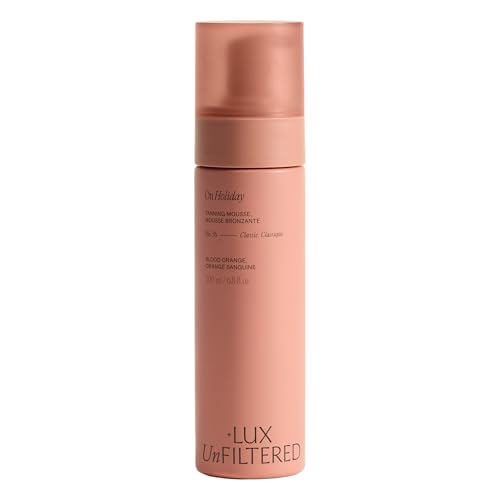
Provides a natural-looking, streak-free tan.
Made with hydrating, skin-friendly ingredients.
Vegan and cruelty-free formulation.

Natural ingredients for a healthy tan.
Includes a mitt for easy application.
Provides an instant, streak-free bronzing.

Develops quickly in just 1-3 hours.
Provides a natural, streak-free finish.
Vegan and cruelty-free formulation.

Quick results in just two hours.
Natural-looking, streak-free tan.
Easy application with even coverage.

Provides a deep, natural-looking tan.
Easy, streak-free application process.
Long-lasting color with even fade.
A practical mousse should provide a complete ingredient declaration, clear directions, and a realistic development schedule. Across the supplied products, stated development times range from about one hour to eight hours, with some colors continuing to develop for up to 24 hours. These are instructions or manufacturer claims, not independent proof that the result will be even, transfer-resistant, orange-free, or long-lasting. A guide color can make placement easier, but it can also transfer before rinsing. A clear formula avoids visible guide color but gives less immediate feedback during application. Mitts, brushes, exfoliation, and lighter application on joints and dry areas can support more controlled use, but included tools do not prove a streak-free result.
A buyer should distinguish disclosed facts from substantiated performance. The label should identify DHA and other tanning actives, the responsible company, complete ingredients, net contents, and usable batch or lot information. For finished-product quality, the strongest evidence would be a recent, lot-linked report from an ISO/IEC 17025-accredited laboratory covering active identity and amount, microbiological quality, and relevant contaminants. None of the supplied products had a public report of that kind. For wear claims, look for a controlled or blinded human-use study on the exact formula that reports participant details, timing, development, evenness, color change, transfer, and fade. The supplied reviews found no such product-specific study.
“Clean,” “natural,” “organic,” “non-toxic,” “streak-free,” “fast,” “long-lasting,” and “no-transfer” are not test results by themselves. A natural or organic ingredient does not automatically mean low irritation, and a high review count or strong retail rating does not establish formula safety or wear performance. Likewise, a product described as vegan or cruelty-free is better supported when the brand appears in a current independent register such as Leaping Bunny, Cruelty Free International, or PETA Beauty Without Bunnies; brand-only claims remain less independently verifiable. Packaging claims should identify the actual bottle, pump, cap, or overpack, with recycled content and U.S. recycling instructions for the components sold—not just broad company sustainability language.
The recurring safety caveats are important. Many supplied formulas contain fragrance, essential oils, limonene, linalool, farnesol, citral, coumarin, benzyl fragrance allergens, sulfites, propylene glycol, alcohol, botanical extracts, or colorants. People with fragrance allergy, sulfite sensitivity, eczema, active dermatitis, broken or irritated skin, or previous cosmetic reactions should check the actual label and patch test; several products specifically advise avoiding sensitive or damaged skin. DHA products are for external use only: keep them away from the eyes, lips, nose, mucous membranes, ingestion, and inhalation. Aerosol application adds particular inhalation and ignition concerns. No tanning mousse supplies sunscreen, so the cosmetic tan must not replace separate broad-spectrum sunscreen. One supplied product is a UV-tanning accelerator rather than a sunless mousse; it is not an alternative for buyers seeking to avoid intentional UV exposure.
These topics separate a convenient cosmetic tan from a product with clearer ingredient, exposure, evidence, and environmental documentation. Scores are comparative signals from the supplied reviews, not proof that any product is risk-free or independently certified.
This measures whether the disclosed formula avoids common irritation and allergy triggers and gives useful patch-test guidance. It matters because many mousses contain fragrance, essential oils, fragrance allergens, sulfites, solvents, preservatives, or botanicals. Among the supplied products, scores range from 45 to 73: higher-scoring formulas disclose fewer or less concerning triggers, while lower scores reflect fragranced or allergen-heavy formulas and conflicting sensitive-skin or fragrance-free claims.
This measures whether directions keep DHA mousse away from eyes, lips, the nose, mucous membranes, broken skin, ingestion, and inhalation. It matters because a hand-applied foam still needs careful placement, and aerosol products add inhalation concerns. Scores range from 45 to 94. The higher-scoring products give explicit external-use, eye-contact, damaged-skin, patch-test, and rinse guidance; lower scores leave important DHA boundaries unstated.
This measures whether the product identifies its DHA-based mechanism and uses it as an externally applied cosmetic rather than implying an unapproved exposure route. It matters because DHA is the relevant sunless-tanning active in the supplied formulas. Scores range from 70 to 81. Higher scores reflect clear DHA and, where relevant, erythrulose disclosure plus directions consistent with external application; lower scores reflect less complete public compliance evidence or weaker labeling.
This measures whether the product clearly says that a cosmetic tan is not sunscreen and does not protect against sunburn. It matters because color can easily be mistaken for protection outdoors. Scores range from 42 to 96. Higher-scoring products publish the no-sunscreen warning and direct users to maintain sunscreen use; lower-scoring listings omit the required warning or involve a product whose UV-tanning positioning creates greater confusion.
This measures whether claims such as clean, natural, non-toxic, streak-free, fast-developing, long-lasting, or no-transfer are specific and supported rather than presented as buzzwords. It matters because nearly every supplied product makes performance or ingredient-positioning claims without a public substantiation dossier. Scores range from 45 to 70. Higher scores show more qualified, concrete claims; lower scores reflect broad marketing language that exceeds the evidence found.
This measures independent testing of the exact finished retail formula, ideally through a recent, lot-linked ISO/IEC 17025 laboratory report covering DHA identity and amount, microbiological quality, and contaminants. It matters because a published ingredient list does not verify the batch in the bottle. Every supplied product scored 70, but the reviews consistently found no public lot-linked report, so the similar scores should not be read as public proof of testing.
This measures controlled human-use evidence for evenness, orange cast, streaking, transfer, development time, fade, and durability. It matters because these are the main practical failure points of a self-tanning mousse. Scores range from 68 to 75, yet no supplied product had a public controlled, product-specific wear study. Higher comparative scores therefore reflect relatively better available evidence or instructions, not independently proven streak-free or long-lasting performance.
This measures whether buyers can identify the responsible company, complete ingredients, net contents, batch or lot, and usable-life information. It matters for screening fragrance allergens and tracing a safety issue. Scores range from 64 to 83. Higher-scoring products publish fuller, more consistent ingredient and product information; lower scores include conflicting ingredient lists or incomplete public traceability, even when a detailed formula is available.
This measures evidence of controlled cosmetic manufacturing, complaint handling, lot traceability, and the absence of unresolved relevant FDA actions. It matters because a clean ingredient list does not establish manufacturing quality. Scores range from 70 to 73, a narrow spread. The reviews generally found no relevant unresolved FDA recall, warning-letter, or import-alert action, but they did not find public GMP documentation or batch-level quality records for the finished mousses.
This measures independent verification rather than a self-issued bunny logo or unsupported vegan statement. It matters because animal-welfare and vegan claims are common selling points in this category. Scores range from 68 to 91. Higher-scoring products have brand-level listings in Leaping Bunny, Cruelty Free International, or PETA; lower-scoring products rely mainly on manufacturer claims, and a brand-level listing does not automatically verify every specific formula.
This measures the actual bottle, pump, cap, overpack, recycled content, refill or reuse options, and U.S.-specific recycling instructions. It matters because a pump bottle, tube, or aerosol package has different end-of-life requirements, and broad “recyclable” language may not cover every component. Scores range from 60 to 76. Higher scores reflect at least some concrete disposal guidance, such as removing a pump; most products still lacked component-level materials and recycled-content evidence.
This is a 7.5-fluid-ounce, pump-dispensed body tanning mousse in the medium shade. It is applied to exfoliated skin with a mitt, allowed to dry, and develops into a cosmetic tan over about 6 to 8 hours. The company directs users to wash bare hands immediately after application and states that the clear, dye-free mousse does not need rinsing. The manufacturer publishes a full ingredient list with dihydroxyacetone, or DHA, as the tanning active. That disclosure is a concrete strength, although the DHA percentage and a lot-specific certificate of analysis are not public. The formula also contains vanilla and orange-flower essential oils, plus farnesol and linalool. Those ingredients matter for people with fragrance allergy, despite the product's broad clean and sensitive-skin positioning.
This product suits an adult body-self-tanner user who wants a clear mousse with a disclosed DHA formula, has time to prep and apply carefully with a mitt, and understands that the color develops over several hours. It is most practical for someone who already uses separate broad-spectrum sunscreen, since the manufacturer clearly states that this product has no SPF. The 7.5-fluid-ounce size also fits a regular at-home body-tanning routine rather than one-time travel use.
It is not well suited to people with known fragrance, linalool, farnesol, essential-oil, or botanical-extract allergies. People with active eczema, damaged skin, or a history of cosmetic contact dermatitis should be especially cautious and seek individualized advice if needed. It also is not the right format for anyone unable to apply a clear formula evenly or follow careful hand washing and drying steps. Do not use it as a substitute for sunscreen or apply it near eyes, lips, nose, or other mucous membranes.
DHA is a permitted color additive for external cosmetic application, and the company identifies it in the formula. FDA guidance says DHA should not contact the eye area, lips, nose, or other mucous membranes, and should not be inhaled or ingested. The company provides a patch-test recommendation and says the product has no SPF, but its public directions should be more explicit about those exposure boundaries. The formula avoids synthetic dye according to the manufacturer, but it is not fragrance-free in the ordinary sensitive-skin sense. Vanilla and orange-flower essential oils, farnesol, and linalool are disclosed, and farnesol and linalool are recognized cosmetic fragrance allergens. Beauty by Earth’s cruelty-free certification is independently verifiable through Leaping Bunny. Public packaging material, recycled-content, component-level recycling instructions, refill options, independent formula testing, and lot-specific quality records were not identified.
This is a 7.5-fluid-ounce, medium-toned self-tanning mousse kit for body application. It uses dihydroxyacetone, or DHA, to darken the outer skin surface without UV exposure. The brand’s directions call for exfoliation, a thin coat applied with a mitt or brush, and a 6-8 hour development period. The kit is intended to make application easier, rather than to provide sun protection. The manufacturer publishes a complete ingredient list for the mousse, including DHA, glycerin, sodium hyaluronate, panthenol, botanical extracts, vanilla and orange-flower essential oils, farnesol, linalool, and radish-root ferment filtrate. The brand also reports a 45-person, 30-day customer survey, but no independent protocol, participant details, or lot-specific finished-product test report was located.
This product fits an adult who wants a medium, buildable cosmetic tan at home, prefers a mousse format, and is comfortable using an applicator mitt or brush for careful body application. It is most appropriate for a fragrance-tolerant user who values a fully published ingredient list and wants color development stated by the manufacturer as 6-8 hours. The kit format may be useful for someone starting a body-tanner routine and willing to exfoliate and apply a thin, even coat rather than expecting an instant result.
This is not a good match for people with fragrance allergy, allergic contact dermatitis, eczema that reacts to scented products, or known sensitivity to linalool, farnesol, essential oils, chamomile, or botanical extracts. It also does not suit anyone who requires fragrance-free personal care or independently documented low-irritation testing. People who need SPF protection, a product for lips or eye-area use, or a tanning product backed by public lot-specific laboratory testing should select a product designed and labeled for those needs.
DHA is clearly named in the formula, which is important because FDA permits it for externally applied cosmetics that impart color. It should not be treated as sunscreen. FDA states that DHA use is restricted to external application, and the product should be kept away from eyes, lips, mucous membranes, and inhalation exposure. The disclosed formula also contains scented essential oils, farnesol, and linalool. Those ingredients matter for people with fragrance allergy or reactive skin, despite the brand’s sensitive-skin positioning. The cruelty-free claim held up through the Leaping Bunny program’s US and Canada partner listing. The vegan claim is manufacturer-stated, although the disclosed ingredient list contains no obvious animal-derived ingredient. For packaging, the brand specifically identifies its Self Tanner Mousse bottle as #1 PET and provides recycling directions. That is more useful than a generic recyclable claim, but no refill option, post-consumer recycled-content figure, or component-level recycling documentation for the pump and kit accessories was located.
This is a 5.07 fl oz rinse-off self-tanning mousse for body use. The directions say to apply it to dry, exfoliated skin with a mitt, use less on dry joints and hands, then rinse after at least one hour. Coco & Eve states that color continues developing for 24 hours and may last five to seven days with regular moisturizing. The manufacturer and a major US retailer publish a matching ingredient list that identifies dihydroxyacetone and erythrulose as tanning agents, plus glycerin, saccharide isomerate, sodium hyaluronate and coconut fruit juice. The same formula also contains parfum or fragrance and sodium metabisulfite. Publicly available materials did not provide a lot-linked independent laboratory report or controlled human wear study for this exact retail formula.
This product suits an experienced self-tanner who wants a deep cosmetic color on a short rinse-off schedule and is comfortable applying mousse carefully with a mitt. It is most relevant for a body-tanning routine where the user can exfoliate beforehand, keep the formula away from the face openings and joints, rinse after at least one hour, and allow the color to finish developing over the next day. It also suits buyers who value a publicly disclosed ingredient list and independently listed cruelty-free brand status.
It is not well suited to people with fragrance allergy, sulfite sensitivity, prior cosmetic contact dermatitis, or highly reactive eczema-prone skin, because the disclosed formula includes parfum or fragrance and sodium metabisulfite. It is also unsuitable for use on damaged or inflamed skin, around eyes, lips or mucous membranes. People who require a fragrance-free tanner, documented batch-level contaminant testing, or independently controlled evidence of streak-free, low-transfer wear should select a product with those records available.
The tanning mechanism is clearly disclosed as DHA with erythrulose. FDA permits DHA for external body application, but not for the eye area, lips, mucous membranes, inhalation or ingestion. Published retailer precautions tell users to avoid eye contact, stop use if redness or itching occurs, and avoid damaged or inflamed skin. The retailer also carries the required warning that the product has no sunscreen and does not protect against sunburn. The formula is not fragrance-free. It lists parfum or fragrance, fragrance notes and sodium metabisulfite, ingredients worth flagging for people with prior reactions. Coco & Eve is listed by PETA as cruelty-free, while vegan status is a brand claim. The brand says its packaging is recyclable and its paper and card are FSC sourced, but it does not provide a product-specific package bill of materials, recycled-content figure, or US component-by-component recycling instructions for this mousse.
Coco & Eve Sunny Honey Bali Bronzing Foam in Medium is a 6.7 fl oz pump mousse intended to create a temporary sunless body tan. The manufacturer directs users to exfoliate beforehand, apply it to clean dry skin, let it develop for at least two hours, then rinse the guide color. It positions Medium for fair to light skin tones. The manufacturer’s current ingredient disclosure lists dihydroxyacetone, or DHA, second, with erythrulose also included. These are color-producing self-tanning ingredients, while the formula also contains fragrance, propylene glycol, sodium metabisulfite, preservatives, plant extracts, and added colorants. PETA independently lists Coco & Eve as both vegan and cruelty-free. No public lot-linked laboratory certificate or controlled product-specific wear report was located.
This product suits an adult who wants a rinse-off, body-applied self-tanning mousse rather than UV tanning, especially someone with fair to light skin seeking the brand’s lighter Medium result. It is most practical for users willing to exfoliate in advance, apply carefully to dry skin, allow several hours for color development, and repeat the routine as needed. It also fits buyers who place value on a vegan and cruelty-free claim that is independently listed by PETA.
It is not well suited to people with known fragrance, propylene glycol, sulfite, or cosmetic-preservative sensitivities, or those with active dermatitis, because the formula contains several potential irritants and no product-specific sensitive-skin testing was located. Anyone who needs fully documented laboratory quality testing, batch-level traceability, or independently published low-transfer and even-wear results should choose a product that publishes those records. It is also unsuitable as sun protection and should not be treated as a substitute for sunscreen.
DHA is the established cosmetic self-tanning mechanism in this product. FDA allows DHA for external skin application, but not for exposure to the eye area, lips, mucous membranes, ingestion, or inhalation. The formula is a hand-applied mousse rather than an aerosol, which reduces the inhalation concern associated with mist application. Still, its accessible directions do not clearly communicate all of those exposure limits. Fragrance, propylene glycol, and sodium metabisulfite matter for people prone to contact reactions. Coco & Eve’s vegan and cruelty-free status is supported by PETA’s Beauty Without Bunnies listing. No relevant FDA recall, warning-letter, or import-alert record was located in the searches performed. The pump bottle is identifiable from official product imagery, but no US-specific information was found on bottle and pump materials, recycled content, refill availability, or component-specific recycling instructions. That leaves the product’s end-of-life impact largely undocumented.
This is a 7.5-fluid-ounce light self-tanning body lotion for fair to medium complexions. It is applied in a thin layer, preferably with a mitt, then allowed to develop before bathing, swimming, or exercise. The manufacturer says full color develops in 6 to 8 hours and advises exfoliating first, moisturizing dry joints, and washing hands after application. The manufacturer publishes a full ingredient list that identifies dihydroxyacetone, or DHA, as the tanning active, with aloe, shea butter, coconut oil, glycerin, plant extracts, and vanilla fruit extract. DHA is the FDA-permitted sunless-tanning color additive for external application. The formula is a lotion rather than a spray, which avoids the inhalation concern associated with airborne DHA. No lot-linked independent formula analysis or controlled, independently published wear test for this exact product was located.
This product suits an adult who wants a gradual, light cosmetic tan in a non-aerosol body-lotion format and is willing to do the preparation work. It is most practical for fair to medium skin tones, first-time self-tanner users who prefer a blendable cream, and users who can wait 6 to 8 hours for color development. A careful user who can patch test, exfoliate before use, moisturize dry areas, and apply with a mitt is the best fit for this 7.5-fluid-ounce tube.
It is not a good fit for anyone seeking sun protection, because a DHA tan does not replace sunscreen. People with a history of reactions to fragranced botanicals, vanilla, witch hazel, coconut-derived ingredients, or self-tanners should patch test first and may need a simpler formula. Avoid using it on irritated or broken skin, near the eyes, lips, nose, or other mucous membranes. It is also unsuitable for buyers who require independently published lot testing or controlled evidence that color will be even, transfer-resistant, and long-lasting.
DHA is disclosed in the manufacturer ingredient list and is the FDA-permitted color additive for externally applied sunless-tanning products. FDA advises keeping DHA away from the eyes, lips, and other mucous membranes, and not inhaling or ingesting it. This cream format does not create the airborne exposure of a spray, but patch testing remains prudent because the formula includes vanilla, witch hazel, and several botanical extracts. The brand says its self-tanner products are dermatologically tested, but it does not publish the exact report for this product. Beauty by Earth appears in recent Leaping Bunny recommitment materials, which supports the cruelty-free claim. The brand also states that it uses post-consumer recycled plastic and funds plastic recovery through rePurpose Global. Those are brand-level claims, not product-specific packaging specifications. No component-level recycled-content certificate, recycling directions for the tube and cap, refill option, or public lot-linked quality report was located.
This is a 200 mL, 6.8 fl oz pump mousse intended to create a cosmetic body tan without UV exposure. The manufacturer directs users to exfoliate, dispense two to three pumps onto a tanning mitt, apply to clean skin in sections, keep skin dry for up to eight hours, then rinse when the desired color is reached. The manufacturer publishes a full ingredient list, with dihydroxyacetone listed near the top and erythrulose also included. Dihydroxyacetone is FDA-permitted for coloring externally applied cosmetics, but the finished product's active concentration and lot-specific compliance testing are not public. The formula has fragrance, limonene, linalool, citral, sodium metabisulfite, and several colorants. The brand claims fast drying, streak-free, non-transferring color, and up to one week of wear, but no independent controlled wear report for this formula was located.
This product suits an experienced at-home self-tanner who wants a deeper, rinse-off body mousse and is comfortable planning around an up-to-eight-hour development period. It is especially practical for someone already using a tanning mitt and willing to exfoliate beforehand, work one limb at a time, and moisturize dry areas to improve blending. The full ingredient list also helps shoppers who want to screen the formula before using a fragranced self-tanner. It is a premium-priced 200 mL option at the listed $48 price.
It is not a strong fit for people with fragrance allergy, sulfite sensitivity, prior reactions to scented self-tanners, or very reactive skin, because the formula contains fragrance and multiple declared fragrance allergens. It also does not suit anyone seeking a product with publicly available third-party formula testing or controlled proof of transfer resistance and even fading. People who could mistake cosmetic color for UV protection should use a separate properly labeled sunscreen. Avoid applying near eyes, lips, nose, or other mucous membranes.
The key health fact is that the mousse uses dihydroxyacetone, a color additive FDA permits in externally applied cosmetics. FDA cautions that DHA should not be inhaled, ingested, or applied to the eye area, lips, or mucous membranes. The pump-and-mitt format reduces the inhalation concern associated with all-over spray misting, but the brand's online directions should more clearly state these boundaries and the product is not sunscreen. The ingredient list includes hydrating ingredients such as glycerin, sodium hyaluronate, and allantoin, alongside fragrance, limonene, linalool, citral, and sodium metabisulfite. Those fragrance-related ingredients matter for sensitive users. No product-specific FDA recall or warning action was found in the review, but public evidence of batch-linked independent quality testing was also not found. The brand provides no public recycled-content, component-resin, refill, or US recycling guidance for this pump package. Vegan and cruelty-free claims remain manufacturer-stated rather than independently verified here.
This is a 6.7 ounce medium-shade self-tanning mousse for body use, sold with an applicator mitt. Directions from an independent US retailer call for application to dry, exfoliated skin with a mitt, then rinsing after at least six hours or leaving it overnight. Color continues developing for up to 24 hours. Its disclosed tanning system is dihydroxyacetone and erythrulose. Dihydroxyacetone is an FDA-permitted color additive for external application, and this leave-on foam format is consistent with that use. The retailer also publishes the required warning that it has no sunscreen and does not protect against sunburn. The published formula includes fragrance, sodium metabisulfite, propylene glycol, dyes, and numerous botanical extracts. No public, lot-linked third-party formula certificate or controlled human wear-test report was supplied in the reviewed materials.
This product fits an adult body-self-tanner user who wants a medium cosmetic tan without UV exposure and is comfortable with a fragranced mousse applied by mitt. It is particularly suited to someone willing to exfoliate, apply carefully to dry skin, rinse after at least six hours, and allow a full day for color development. It also suits buyers who value a publicly available ingredient list, explicit no-sunscreen warning, and animal test-free status listed by PETA. A patch test remains sensible before full-body use.
It is not a good fit for people with fragrance allergy, sulfite sensitivity, prior reactions to self-tanners, active dermatitis, broken skin, or highly reactive skin. The product directions themselves say not to use it on irritated or sensitive skin. It is also unsuitable for anyone seeking sun protection, since it contains no sunscreen and the cosmetic tan does not protect against UV damage. Choose a different format for use near eyes, lips, mucous membranes, or where inhalation is likely. Buyers requiring independently verified batch testing or fragrance-free formulas will need more documentation than is public here.
The main health positive is format and labeling. This is a hand-applied body mousse, not a spray booth product, and its directions tell users to keep it away from eyes and damaged skin, use it externally, and recognize that it provides no UV protection. FDA guidance permits dihydroxyacetone for external body application, but not on lips, mucous membranes, or the eye area. The product's warning closely reflects the FDA-required no-sunscreen statement. The formula is not minimalist for sensitive skin. It contains fragrance, sodium metabisulfite, propylene glycol, colorants, and multiple botanical extracts. These ingredients make personal allergy screening and a patch test important. PETA's directory lists Coco & Eve as animal test-free, while the formula contains no obvious animal-derived ingredient. The brand describes broad sustainability aims and microbead-free exfoliants, but no product-specific evidence was found for recycled content, refillability, pump recyclability, or US disposal instructions for this package.
This is a rinse-off body self-tanning mousse sold in a 6.7 fl oz, 200 mL bottle. It uses dihydroxyacetone, or DHA, plus temporary bronzing colorants to create a sunless tan. Apply with a mitt to exfoliated skin, then rinse after one, two, or three hours for a lighter, medium, or deeper result. The color continues developing after rinsing. The manufacturer states that the formula is quick-drying, non-sticky, streak-free, and lasts about a week, but no independent controlled wear study for this exact retail formula was located. A U.S. retailer independently displays a complete ingredient list and detailed precautions, including a 24-hour patch test, avoiding eyes and lips, avoiding broken or irritated skin, and the required statement that it provides no sunscreen protection.
This product suits an adult body self-tanner user who wants a short, scheduled development window rather than an overnight application. It is most practical for someone comfortable preparing skin, applying mousse evenly with a separate mitt, and rinsing on time to target a light, medium, or deeper cosmetic color. It also suits buyers who value a publicly available full ingredient list and clear patch-test and sun-safety directions. It is intended for external body use, not as sun protection.
It is not well suited to people with known fragrance allergy, sulfite sensitivity, previous reactions to self-tanners, eczema flares, or currently broken, irritated, or freshly shaved skin. The product contains fragrance and multiple listed fragrance allergens, so a patch test matters even for occasional users. It is also unsuitable for anyone seeking SPF protection, an unscented formula, independently verified low-transfer wear, or a product with a publicly available lot-specific laboratory certificate. Keep it away from eyes, lips, and other mucous membranes.
DHA is disclosed near the beginning of the ingredient list. FDA permits DHA for external application to create skin color, but not for use around the eyes, on lips or mucous membranes, or through inhalation or ingestion. The retailer’s precautions align well with those limits and also include the required warning that this product does not contain sunscreen or protect against sunburn. Sensitive users should note the fragrance, linalool, alpha-isomethyl ionone, and sodium metabisulfite. The product is described by the manufacturer as vegan, yet its cruelty-free and vegan claims were not independently confirmed through a current major certification register. For packaging, the manufacturer instructs users to remove the pump before recycling. It does not provide material composition, recycled-content percentage, refill availability, or U.S.-specific recycling acceptance for every component.
This is a 4 fl oz rinse-off body self-tanning mousse. The matching United States manufacturer page describes application to clean, exfoliated skin with a mitt, followed by a two-hour wait before rinsing the color guide. It says the cosmetic color continues developing for up to 24 hours and that the bottle provides five or more applications. The manufacturer publicly discloses a DHA and erythrulose tanning system, plus aloe, panthenol, fragrance, alcohol, phenoxyethanol, witch hazel, black-walnut extract, sulfite, colorants, and listed fragrance allergens. DHA is an FDA-permitted color additive for external application, but the published product page does not show the FDA-required no-sunscreen warning or directions specifically keeping it away from eyes, lips, and mucous membranes. Claims of fast drying, streak-free results, seven-day wear, dermatologist testing, vegan status, and cruelty-free status are manufacturer statements, without public independent test reports located for this formula.
This product suits an experienced self-tanner with medium to deep skin who wants a compact body mousse and can follow a timed application routine. The matching manufacturer page calls for clean, exfoliated skin, moisturizing dry joints first, applying with a mitt, waiting two hours, then rinsing. It may also suit someone who values a fully published ingredient list and prefers a color-guide format. The stated five or more applications make the small bottle more practical for occasional use, travel, or testing a routine before committing to a larger size.
It is not well suited to people with fragrance allergy, sulfite sensitivity, eczema-prone skin, a history of cosmetic contact dermatitis, or known sensitivity to fragranced leave-on body products. The formula includes fragrance and several declared fragrance allergens, plus alcohol, witch hazel, and sodium metabisulfite. It is also unsuitable for anyone who needs independently documented wear, transfer, microbiological, contaminant, or batch-specific testing. Avoid using it around the eyes, lips, nose, and other mucous membranes, and do not treat the resulting cosmetic tan as UV protection.
The ingredient disclosure identifies DHA as the primary sunless tanning active, with erythrulose also present. FDA permits DHA for external skin application, but says it should not be inhaled, ingested, or applied to lips, mucous membranes, or the eye area. The formula is not minimalist for reactive skin. It contains fragrance, benzyl benzoate, benzyl salicylate, coumarin, alcohol, witch hazel, and sodium metabisulfite. A patch test is prudent for people with prior reactions to self-tanners or fragranced cosmetics. The manufacturer states that the product is vegan, cruelty-free, Australian made, and made with Ecocert naturally derived DHA. No current listing in a major independent cruelty-free certification register was located, and no public documentation verified vegan status for the finished product. No refill option, recycled-content percentage, component-specific recycling instructions, or package material specification was located. A California Proposition 65 settlement involving the brand concerned a different shimmer bronzer cream and diethanolamine, not this mousse.
This is a 6.7-ounce self-tanning mousse intended to create a deep cosmetic tan without ultraviolet exposure. It is applied over exfoliated skin, preferably with a tanning mitt, then left to develop before rinsing. The disclosed formula uses dihydroxyacetone, caramel, erythrulose, a violet guide tint, and several humectants and solvents. An independent retailer's ingredient list and directions identify DHA as the primary tanning active, with a stated 3 to 6 hour development period after rinsing. The same retailer provides patch-test, eye, lip, broken-skin, staining, storage, and no-sunscreen warnings. St.Tropez describes its Tri-Tan system, including DHA, melanin, and microalgae-derived Epsiline, but no publicly available lot-specific lab report or full controlled wear-study protocol was located for this retail formula.
This product suits an experienced self-tanner who wants a very dark cosmetic result in a mousse format and is comfortable using a mitt, allowing development time, and carefully blending hands, feet, ankles, and wrists. It is most appropriate for someone without a known fragrance or self-tanner allergy who will patch test first. The 6.7-ounce size is practical for repeated full-body applications, although actual coverage depends heavily on body area and application amount.
It is not well suited to people with fragrance allergy, fragrance-triggered dermatitis, eczema-prone skin, a sulfite sensitivity, or a prior reaction to DHA self-tanners. Avoid use on broken, irritated, or actively inflamed skin, and keep it away from eyes, lips, and other mucous membranes. It is also unsuitable for anyone seeking sun protection, because the product does not contain sunscreen. Buyers needing independently verified wear performance, batch testing, or certified cruelty-free status should not treat the available claims as proof.
The most useful safety feature is the available warning set. The independent retailer instructs users to patch test 24 hours before use, avoid sensitive, broken, and irritated skin, keep the mousse out of eyes and off lips, and understand that it can stain. Its explicit no-sunscreen warning is especially important, because a cosmetic DHA tan does not provide UV protection. The ingredient list also calls for caution among sensitive users. It includes parfum, phenoxyethanol, sodium metabisulfite, tocopherol, and multiple declared fragrance allergens. Published reviews of self-tanners identify fragrance and compounds such as limonene and coumarin as common contact-allergen concerns. The manufacturer states vegan and animal-testing opposition, but independent certification was not verified. No product-specific recycled-content, refill, or U.S. recycling guidance was confirmed, and no public lot-linked finished-product testing report was found.


