Best Overall
5% Coupon

Eight Saints Wonder-Fill Plumping Eye Cream
Natural ingredients for gentle skin care.
Effectively reduces under-eye bags and wrinkles.
Lightweight formula absorbs quickly.
 Lauren Wilson
Natural ingredients for gentle skin care.
Effectively reduces under-eye bags and wrinkles.
Lightweight formula absorbs quickly.

Reduces puffiness and dark circles effectively.
Made from natural and organic ingredients.
Lightweight formula absorbs quickly without greasiness.

Dermatologist-tested for safe, trusted use.
Contains retinol to reduce puffiness.
Vegan and cruelty-free formula.
Natural ingredients for gentle skin care.
Convenient roller ball for easy application.
Targets puffiness and dark circles effectively.

Vegan and cruelty-free ingredients
Reduces dark circles and puffiness
Convenient 24-pair packaging

Natural, organic ingredients for gentle skin care.
Unscented formula suitable for sensitive skin.
Effectively reduces puffiness and dark circles.

Contains marine collagen and pearl extract.
Helps reduce dark circles and puffiness.
Includes 30 pairs for extended use.

Effectively reduces under-eye puffiness and wrinkles.
Suitable for all skin tones and types.
Comfortable for use with or without makeup.
Contains 24K gold for added luxury.
Combines snail mucin for effective hydration.
Reduces puffiness and dark circles efficiently.

Reduces puffiness and dark circles effectively.
Made with natural rosehip and hibiscus.
Suitable for sensitive skin types.
The first question is whether the product’s claimed mechanism matches the result you want. A film-forming product should describe a temporary tightening or smoothing effect and explain how long it remains. A patch or moisturizer may plausibly improve surface hydration, but a short application does not prove treatment of bags or dark circles. Optical pigments can brighten shadows without changing pigmentation. Ingredient studies are also not the same as finished-product studies: evidence for hyaluronic acid, niacinamide, peptides, caffeine, or retinoids in another formula cannot prove that a particular eye product works.
Look for a complete ingredient declaration in product packaging or brand documentation. It should identify the ingredients that matter near the eye, including fragrances, essential oils, preservatives, acids, retinoids, colorants, bee-derived or marine materials, and possible allergens. Concentrations or defensible dose information are especially useful for stronger actives. A headline such as “2% peptide complex” may not identify the peptides or their individual amounts, while an ingredient listed near the end does not by itself establish a safe or effective eye-area dose.
The strongest efficacy evidence is a human study of the exact finished product, with a realistic period of use, an appropriate control, objective under-eye outcomes, standardized photographs or instruments, and disclosed limitations. Useful instrumental methods can include colorimetry, Corneometer, Cutometer, Mexameter, or PRIMOS measurements. A small consumer questionnaire, a before-and-after image, or a study of a different product is weaker evidence. Claims should distinguish hydration, optical brightening, film tightening, and modest appearance changes from treatment claims.
For safety and manufacturing, look for product-specific or lot-specific microbiological results, preservative-efficacy testing such as ISO 11930, documented cosmetic GMP controls under ISO 22716, and clear responsible-company contact information. Independent claims should be traceable to an ISO/IEC 17025-accredited laboratory, a named certification body, Leaping Bunny’s certified-company list, or the USDA Organic Integrity Database where relevant. A logo, “clinically tested” phrase, or “dermatologist tested” statement without a report, protocol, participants, results, or certifier is not equivalent to independent proof.
Packaging also matters. Reusable creams, tubes, rollers, and sticks generally avoid the repeated disposal of single-use patches, but the actual burden depends on material, component count, recycled content, refill options, and clear local recycling instructions. A large patch count is not automatically lower waste, especially when every pair and packet is discarded.
Across the supplied products, the recurring safety concerns are eye exposure, use on infected or inflamed skin, and irritation or allergy around the eyelids. Fragrance, essential oils, botanical mixtures, preservatives, acids, cooling agents, retinoids, bee-derived ingredients, marine materials, and alcohol appear repeatedly as reasons for caution. Patch-test where appropriate, keep applicators clean, avoid sharing, follow below-eye directions, and stop if there is stinging, rash, swelling, watering, or persistent irritation. Products containing retinoids or exfoliating acids deserve particular caution because several supplied formulas did not disclose their concentrations or provide strong eye-area safeguards. Sudden, painful, one-sided, or persistent swelling, vision symptoms, or an eye infection should not be managed as a cosmetic concern alone.
The scores below compare the supplied products against the category’s health, evidence, and packaging criteria. They indicate how well the available documentation addressed each issue; they do not prove that any product is risk-free or that a cosmetic effect will occur for every buyer.
This measures whether ingredients, warnings, directions, and compatibility information reduce stinging, eyelid dermatitis, allergy, and eye exposure. It matters because patches, creams, rollers, and films sit close to the eyelids. Higher-scoring examples generally disclosed formulas and gave careful placement directions; lower scores reflected fragrance, essential oils, acids, retinoids, or limited eye-area testing.
Water-based creams, serums, patches, and applicators need preservation and hygienic handling. This topic looks for product- or lot-specific microbiology, preservative-efficacy results, and manufacturing controls such as ISO 11930 or ISO 22716 documentation. Scores were generally moderate to good, but the supplied reviews repeatedly found no public challenge tests, batch results, or GMP certificates.
This measures whether a product can be applied around, but not in, the eye with limited migration, injury, contamination, or unsafe reuse. Tubes, pumps, rollers, sticks, spatulas, and clear wear-time directions can help. Higher scores were associated with orbital-bone or below-eye instructions and less finger dipping; lower scores reflected ambiguous warnings or applicators that touch the skin without cleaning guidance.
A responsible company, contact details, and a traceable U.S. record help buyers respond to safety problems. This topic considers recalls, safety alerts, warning letters, adverse-event patterns, and corrective action. Most supplied products had no product-specific FDA recall or warning letter in the reviewed searches, but that absence is not independent proof of safety and does not replace product testing.
Retinoids, exfoliating acids, strong fragrance mixtures, cooling agents, and some botanical blends can be more irritating near the eyes. A high score requires eye-area-appropriate directions, warnings, and preferably concentration information. The stronger scores belonged to products without these actives or with gradual-use guidance; lower scores reflected undisclosed retinol or acid strength and limited periocular precautions.
A complete INCI list lets buyers screen for fragrance, preservatives, acids, retinoids, colorants, and animal- or marine-derived materials. Higher scores went to products with full current ingredient declarations and, in some cases, named active amounts. Lower scores reflected conflicting formula disclosures, unidentified peptides, or missing concentrations that made both benefit and irritation risk difficult to judge.
This measures whether advertising separates temporary hydration, optical brightening, film tightening, and modest appearance changes from treatment of structural bags, pigmentation, or disease. Higher scores went to products that described a temporary or cosmetic effect. Lower scores reflected promises to remove bags, dark circles, or wrinkles without finished-product evidence supporting those broader outcomes.
The strongest evidence is a controlled human study of the finished product with realistic use, objective under-eye outcomes, appropriate comparison, and disclosed limitations. Scores were mostly moderate because the supplied evidence was commonly a small manufacturer study, consumer questionnaire, or study of another product. A headline ingredient study or general “clinically proven” phrase does not establish exact-product results.
This looks for named independent laboratories, accredited certification bodies, and public registries supporting safety, identity, contamination control, efficacy, or certification claims. Higher scores reflected traceable evidence such as a Leaping Bunny listing or stronger public documentation. Lower scores reflected uncheckable badges, manufacturer-only testing claims, missing reports, or certification language that could not be matched to a current registry.
This measures material and disposal burden, including jars, tubes, sticks, rollers, and single-use patches. Reusable formats avoid discarding a patch at every treatment, while high scores also require substantiated recycled content, refill options, or component-level recycling instructions. The supplied products generally lacked those details; disposable patch systems therefore carried a recurring waste burden even when individually packaged for hygiene.
This is a 0.5-ounce under-eye moisturizing cream in a squeeze tube with a cooling metal applicator. The brand directs users to glide it beneath each eye, while specifically avoiding both the eye and eyelid. It is marketed for hydration, temporary plumping, fine lines, puffiness, and dark circles. The manufacturer publishes a long, complete ingredient list that includes glycerin, niacinamide, hyaluronic acid, aloe, emollient oils, botanical extracts, preservatives, and beeswax. It also makes broad collagen, dark-circle, sagging-skin, and clinically proven claims, but no finished-product clinical report, active concentrations, named peptide ingredient, or independent test report was located. The formula includes lavender, geranium leaf oil, frankincense, arnica, and other botanicals, which matters for allergy-prone eyelid skin.
This product suits an adult who wants a small, leave-on under-eye moisturizer with a no-touch metal applicator and is mainly seeking a hydrated, temporarily fuller-looking under-eye finish. It is most appropriate for someone without known sensitivity to fragrance, essential oils, botanicals, or the listed nut-derived oils, and who is comfortable treating the stronger appearance claims as unverified. The 0.5-ounce size also suits a user who applies a small amount only beneath the eyes, morning or evening, rather than using it as a face cream.
It is not well suited to people with eyelid eczema, allergic contact dermatitis, fragrance allergy, active eye irritation, or a history of reactions to essential oils and botanical extracts. The formula contains lavender, geranium leaf oil, frankincense, arnica, and many plant extracts in an area where cosmetic allergens commonly cause dermatitis. It is also not a fit for someone seeking evidence-based correction of structural under-eye bags, persistent pigmentation, or hollowness. Those concerns can have medical, anatomical, vascular, or genetic causes that a cosmetic moisturizer cannot establish or treat.
The strongest safety-positive details are practical rather than clinical. The product is in a squeeze tube, includes a no-touch metal applicator, and gives a specific instruction to keep it off the eye and eyelid. Its preservative system includes phenoxyethanol, sodium benzoate, potassium sorbate, and ethylhexylglycerin, but no product-specific preservative-challenge test, microbiological certificate, or GMP documentation was publicly located. The ingredient list creates a meaningful sensitivity consideration. It contains fragrant botanical materials and essential oils, including lavender, geranium leaf oil, and frankincense, despite its use beneath the eyes. The brand claims cruelty-free status, and an independent directory identifies Eight Saints as Leaping Bunny certified. Beeswax is listed, so this particular product is not vegan. The brand also states minimal-waste manufacturing, recycling programs, and renewable energy, but product-level packaging materials and recycling instructions were not substantiated. No FDA recall or warning letter for the named brand was located in the reviewed searches.
This is a 0.5-ounce leave-on cream intended for the skin under and around the eyes, used morning or night by lightly dabbing it in and avoiding direct eye contact. The manufacturer lists a water-based formula with humectants and emollients including aloe, plant-based hyaluronic acid, glycerin, squalane, sunflower oil and cocoa butter. It also lists glycolic acid, lactic acid, vitamin C, peptides, green tea, phenoxyethanol and benzyl alcohol. The manufacturer gives a complete ingredient list and specific eye-contact instructions, which makes basic screening and use more practical. However, it does not disclose active concentrations, pH, preservative challenge testing, patch testing, or a finished-product clinical report. Its strong claims to reduce bags, dark circles and crow's-feet are therefore manufacturer claims, not independently demonstrated outcomes for this exact cream. The formula also contains several aromatic plant ingredients and essential oils, despite the marketplace record describing the product as unscented.
This product suits an adult seeking a small, leave-on moisturizing eye cream for dry-looking or temporarily crepey under-eye skin, and who is comfortable checking a long ingredient list before use. It is most relevant to someone who wants humectants, oils and peptides in one product and accepts that the expected benefit is primarily cosmetic hydration and smoothing. A cautious user without fragrance or botanical sensitivities can introduce it gradually, keep it outside the eye, and stop if it stings or causes rash.
It is not well suited to people with eyelid eczema, current eye infection, inflamed periocular skin, fragrance or essential-oil allergy, or a history of reactions to exfoliating acids. Those using prescription retinoids, exfoliating treatments, or multiple acid products around the face may also want to avoid stacking irritation risks. It is also a poor fit for anyone seeking independently documented improvement in structural eye bags, persistent pigmentary dark circles, or clinically measured wrinkle reduction, because no finished-product study was located.
The disclosed formula is transparent enough to identify both useful moisturizers and potential irritants. Hyaluronic acid, glycerin, squalane and plant oils can support surface hydration, while glycolic and lactic acids may sting sensitive skin. Essential oils and aromatic botanicals including helichrysum, geranium, lemongrass and lavender matter for users prone to allergic eyelid dermatitis. The directions appropriately say to avoid contact with the eyes and flush with water if this happens. No product-specific patch-test, ophthalmologist-test, preservative-efficacy or microbiological report was found. The brand markets cruelty-free status and broader environmental practices, but this review could not verify a certification for this product in an issuing-body register. Some ingredients are marked organic by the manufacturer, but that is not the same as a verified organic finished-product certification. No product-specific recycled-content claim, refill system, package-material specification or component-level disposal instructions was located. Searches of FDA recall and warning-letter resources did not identify a product-specific U.S. recall or warning action.
This product is a 24-pair pack of purple, water-based gel patches designed to sit beneath the eyes for 20 to 30 minutes, then be discarded while the remaining essence is patted in. The manufacturer positions them for temporary hydration, a refreshed appearance, puffiness, dark-circle appearance and fine lines. The official product page provides a full ingredient list. It includes glycerin, allantoin, retinyl palmitate, sodium hyaluronate and ceramide NP, with no fragrance listed. It does not disclose retinyl palmitate concentration or publish a product-specific clinical report. A search of PubMed and ClinicalTrials.gov did not identify a finished-product human study for these purple patches. The brand states that its range is vegan and Leaping Bunny certified, but no test report or certificate specific to this product was publicly available for review.
This product suits an adult who wants a short, occasional under-eye self-care step and values a disclosed, fragrance-free ingredient list. The 24-pair format is practical for people who expect to use disposable patches regularly over several weeks. It is most aligned with users seeking a cooling, hydrated, temporarily refreshed look before an event, after travel, or after a poor night of sleep. Because the retinoid amount is undisclosed, cautious users should introduce it slowly and stop if stinging or redness occurs.
It is not well suited to people with active eyelid eczema, inflamed skin around the eyes, an eye infection, known retinoid sensitivity, or a history of cosmetic contact dermatitis. It is also a poor fit for anyone needing evidence-based treatment of persistent under-eye bags, pigmentation, or medically significant swelling, since no finished-product clinical evidence was located. People who are pregnant, trying to conceive, breastfeeding, or following clinician-directed retinoid avoidance should ask their clinician before using a product containing retinyl palmitate near the eyes.
The published formula contains humectants and skin-conditioning ingredients such as glycerin, sodium hyaluronate, allantoin and ceramide NP. It also contains retinyl palmitate, a vitamin A derivative. Retinoids can irritate sensitive skin, and the product page does not disclose its amount or give retinoid-specific precautions. Keep the patches out of the eyes, apply only to intact skin, and discontinue use if irritation occurs. FDA guidance advises avoiding eye cosmetics when the surrounding skin is inflamed or an eye infection is present. The brand states that its products are vegan and Leaping Bunny certified. Those claims concern animal-testing policy, not clinical performance, ingredient potency or contamination testing. No product-specific microbiological report, independent efficacy study, recall, or FDA warning letter for this product was found in the reviewed public sources. The patches are intended for one use and disposal. This supports avoiding reuse of a used patch, but the 24-pair format has an inherently higher waste burden than a reusable eye-area product.
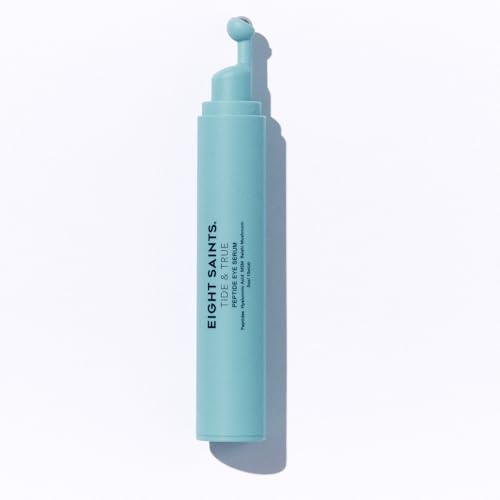
This is a 0.5 fl oz leave-on gel eye serum in a pump-fed metal roller format. The manufacturer directs users to press the pump and roll it beneath the eyes, before an eye cream if wanted. It is intended for fine lines, puffiness, dark circles and hydration. Eight Saints publishes a full ingredient list, including humectants, hyaluronic acid, several peptides, lactic acid, reishi extract, phenoxyethanol, propolis, royal jelly, ho wood oil and frankincense oil. The formula is therefore more transparent than many cosmetic eye treatments, but it does not disclose concentrations or publish a product-specific clinical report. The company calls it dermatologist approved and clinically proven, yet no publicly available finished-product trial or test report was located.
This product suits an adult who wants a small, leave-on under-eye hydrator with a roller applicator and can tolerate fragranced botanical skin care. It is most relevant for temporary dryness-related creasing or a refreshed feel after morning application, rather than established pigmentary dark circles or structural eye bags. The published ingredient list also makes it workable for someone who already knows which cosmetic ingredients they avoid. A patch test away from the eye area is prudent before regular use.
It is not a cautious choice for people with eyelid eczema, fragrance allergy, botanical or essential-oil sensitivity, bee-product allergy, active eye infection, inflamed skin around the eyes, or prior reactions to leave-on eye products. The formula contains propolis and royal jelly as well as ho wood and frankincense oils, and its directions do not provide robust eye-exposure or irritation instructions. It also does not fit buyers seeking a fragrance-free formula, disclosed active concentrations, or publicly available proof of results for this exact product.
The main health consideration is sensitization risk. Cosmetics, fragrances and botanicals are established causes of contact dermatitis, and the eyelids are especially vulnerable. This formula combines fragrance oils with many plant extracts plus propolis and royal jelly, so a full ingredients list is useful but does not make it low-allergen. It contains no retinoid, but it does include lactic acid without a disclosed concentration or eye-area-specific caution. The water-based formula uses phenoxyethanol and is housed in a pump roller, both plausible design choices for limiting contamination. However, no product-specific preservative challenge test, microbiological release testing, GMP documentation, or roller-cleaning guidance was publicly available. Publicly accessible FDA recall and warning-letter materials did not identify this product or brand in the searches performed. Eight Saints makes broad manufacturing and sustainability statements, but no component material, recycled-content, refill, or disposal instructions were published for this unit.
This product is a 24-pair set of gold-colored, single-use hydrogel under-eye patches. The manufacturer directs users to apply them to clean, makeup-free skin beneath the eyes for 15 to 20 minutes, discard the patches, and pat in remaining essence. It is marketed for hydration and for improving the appearance of puffiness, dark circles, and fine lines. The current manufacturer disclosure lists a water-based formula with glycerin, allantoin, hydrolyzed vegetable protein, sodium hyaluronate, preservatives, and mineral colorants. It does not list fragrance, retinoids, exfoliating acids, or essential oils. However, its ingredient list differs materially from a current independent retailer listing for the gold masks, so the package ingredient panel is important for people avoiding specific ingredients. No public controlled human study, ocular compatibility report, preservative-challenge report, or lot-specific microbiology result was located for this exact product.
This format fits an adult seeking a brief cosmetic hydration ritual for dry-looking or tired-looking under-eyes, rather than treatment of a medical eye problem. The 24-pair pack suits occasional or repeated use, and the 15 to 20 minute application is practical before makeup or after travel. It is most relevant for someone who values a formula currently disclosed without fragrance, essential oils, retinoids, or exfoliating acids, while still checking the actual package because retailer and manufacturer ingredient records differ.
This product is not well suited to people with eyelid eczema, active eye infection, inflamed eyelid skin, persistent eye-area dermatitis, or a history of stinging from leave-on eye cosmetics. A retail listing flags it as an eye irritant, and no public finished-product eye-area tolerance study was found. It also does not meet the needs of someone seeking independently demonstrated improvement in structural under-eye bags, persistent pigmentation, or wrinkles. People with known sensitivity to propylene glycol, preservatives, colorants, or algae-derived ingredients should verify the unit label first.
The current manufacturer formula is water-based and contains glycerin, allantoin, hydrolyzed vegetable protein, sodium hyaluronate, and a conventional preservative system that includes phenoxyethanol, sodium benzoate, and potassium sorbate. It does not list fragrance, essential oils, retinoids, or exfoliating acids. Those are useful exclusions close to the eyes, but they do not establish tolerance for every user. FDA advises stopping eye-area cosmetics if irritation occurs and avoiding them during eye infection or inflamed eyelid skin. The brand states that its products are vegan and Leaping Bunny certified, but a current certification-register record was not independently located during this review. Searches did not identify a matching public FDA recall or warning letter. The patches are disposed of after every use. No verified refill system, material specification, recycled-content claim, or component-level recycling guidance was located, so the single-use format has an ongoing waste burden.
This is a 0.5 ounce leave-on under-eye cream for twice-daily use. The manufacturer directs users to apply a pea-sized amount below and around the eyes, including the upper cheekbones. Its disclosed water-based cream formula includes aloe, glycerin, sunflower oil, squalane, plant-derived hyaluronic acid material, glycolic acid, lactic acid, vitamin C derivatives and several peptides. The most consequential verified detail is that the published ingredient list contains macadamia oil, witch hazel, glycolic and lactic acids, benzyl alcohol, and essential oils or aromatic botanicals including geranium, lavender, lemongrass and helichrysum. That is a complex formula for an eye-area product. The brand calls it unscented and promotes caffeine, but caffeine does not appear in its current published full ingredient declaration. No finished-product human outcome study, preservative challenge test, or lot-specific microbiological record was publicly located.
This product is most suited to an adult who wants a small, leave-on moisturizing eye cream for routine use below the orbital area and can tolerate fragranced botanical extracts and alpha hydroxy acids. It is a practical format for someone whose main goal is temporary hydration and a smoother-feeling under-eye surface, rather than a medically meaningful treatment for persistent bags or pigmentation. They should be comfortable checking the disclosed ingredient list carefully, especially if they have known sensitivities.
This product is not well suited to people with eyelid eczema, rosacea, fragrance or essential-oil allergy, a history of cosmetic contact dermatitis, or active irritation around the eyes. It also warrants caution for anyone allergic to macadamia, because the manufacturer identifies macadamia oil and states that the manufacturing facility also handles nut-containing products. People seeking a proven treatment for structural eye bags, marked dark circles, or eye disease should not rely on cosmetic claims from this cream.
The formula is not simple or especially low-sensitization for the eye area. Its published ingredients include glycolic acid, lactic acid, witch hazel, benzyl alcohol, macadamia oil, and several essential oils or aromatic plant materials. The product is called unscented, but the ingredient declaration includes geranium, lavender, lemongrass and helichrysum materials. The brand also identifies macadamia oil and says its facility manufactures products containing nuts and gluten. The water-containing formula does use a conventional preservation system with phenoxyethanol, ethylhexylglycerin, potassium sorbate and benzyl alcohol. However, no public challenge-test result, batch microbiology record or manufacturing audit was located. The cream contains beeswax, so it is not vegan. Packaging is a small multi-use cream container, but no component-specific recycling instructions, recycled-content claim, refill system, or package-material documentation was found.
This is a box of 30 pairs of crescent-shaped under-eye gel patches. The manufacturer directs users to open an individual pack, place a patch under each eye, leave them on for 15 minutes, then remove them. It is intended for short-term hydration and a refreshed-looking under-eye area, with claims around puffiness, dark circles, fine lines, brightness, and firmness. The manufacturer identifies hyaluronic acid, marine collagen, vitamin C in the 3-O ethyl ascorbic acid form, red algae, pearl extract, chrysanthemum extract, and camellia extract. An independently transcribed ingredient label also lists glycerin, sodium hyaluronate, several glycols, and preservation-supporting ingredients, but no ingredient concentrations or finished-product clinical results were located. The catalog description calls this product vegan, while the manufacturer's own page calls the collagen marine, a direct conflict that matters for vegan buyers.
This product suits someone seeking a brief, cosmetic hydration ritual for a tired-looking under-eye area, especially for occasional use before an event or after poor sleep. The 30-pair quantity supports repeated use, and the individually packed format can be convenient for travel or sharing within a household without reusing a previously opened patch. It is most appropriate for buyers who view the results as temporary moisturization and a refreshed appearance, rather than expecting correction of structural bags, persistent pigmentation, or medically significant swelling.
This product is not suited to strict vegans because the maker describes the formula as containing marine collagen despite the catalog vegan claim. People with known sensitivity to marine-derived materials, vitamin C products, glycols, botanical extracts, or the adhesive gel format should be cautious, particularly around the eyelids. It is also not a strong fit for anyone needing evidence-based treatment of persistent dark circles, eczema, eyelid dermatitis, allergy-related swelling, or sudden one-sided puffiness. Those conditions warrant a clinician's assessment rather than cosmetic patches.
The available ingredient transcription is relatively useful for a cosmetic patch. It lists water, glycerin, red algae, marine collagen, sodium hyaluronate, pearl extract, glycols, plant extracts, trehalose, 1,2-hexanediol, hydroxyacetophenone, PEG-40 hydrogenated castor oil, potassium chloride, and 3-O ethyl ascorbic acid. Fragrance and essential oils do not appear on that transcription, and no retinoid or exfoliating acid is listed. However, the product provides no public active concentrations, patch testing data, microbiological challenge testing, or finished-product human outcomes report. No product-specific FDA recall or warning letter was located in the reviewed U.S. sources. The main transparency concern is the contradiction between a vegan catalog claim and the manufacturer's marine-collagen description. Ecologically, the individually wrapped, single-use 30-pair design reduces reuse hygiene concerns but creates repeated packaging and patch disposal. No substantiated recycled-content, refill, or component-specific recycling information was located.
This is a 0.5 fl oz, 15 mL daytime under-eye film treatment in a squeeze tube. It is applied in a pea-size amount per eye as the last skincare or makeup step, then left undisturbed for about 15 minutes. The intended effect is temporary compression, smoothing and blurring of the look of under-eye bags, puffiness and fine lines. It must be removed at the end of the day. The official ingredient list supports a film-forming, silicone and silica-based formula, rather than a conventional long-term treatment cream. It contains no listed fragrance, retinoid or exfoliating acid. The brand states that it is dermatologist and ophthalmologist tested, suitable for sensitive skin, and that 94% of 96 study participants reported all-day wear. Those are manufacturer-reported results, and a full public study report with objective under-eye measurements was not identified.
This product suits an adult who wants a short-term cosmetic change in the look of under-eye puffiness for daytime makeup wear, photographs, meetings or events. It is especially relevant for someone comfortable following a precise application routine, including applying a very small amount to fully dry skin, keeping facial movement low while it dries and cleansing it off at night. The 15 mL tube is intended for repeated use, not single-use applications. It is not positioned as a treatment for the underlying causes of bags or dark circles.
It is not well suited to people with active eyelid eczema, an eye infection, inflamed periocular skin, known sensitivity to alcohol-containing cosmetics or a history of reactions to film-forming makeup products. Those with very dry or easily irritated under-eye skin may find the tightening finish uncomfortable. It also does not fit users seeking a permanent reduction in fat-pad-related bags, pigmentation treatment, overnight hydration or a product with independently published clinical outcome data. Contact lens wearers should avoid getting it in the eyes or on lenses and apply it after inserting lenses.
The disclosed formula is fragrance-free and does not list retinoids or exfoliating acids. Its effect appears to come chiefly from a removable adhesive film, dimethicone-based texture modifiers and silica, not from a high-strength drug-like active. The manufacturer directs users not to apply it to the eyelids, to avoid facial movement while it dries, and to remove it before sleep. This matters because eye-area cosmetics can irritate compromised skin or create problems if they enter the eye. The brand states that the formula is vegan and has dermatologist and ophthalmologist safety testing, but public documentation naming the test laboratory, protocol or certification body was not located. No product-specific FDA recall or warning letter was identified in the reviewed FDA databases. The product is supplied in a small multi-use tube, which avoids the waste of disposable eye patches. However, the brand does not provide component material, recycled-content or component-specific recycling information, so its end-of-life impact cannot be verified.
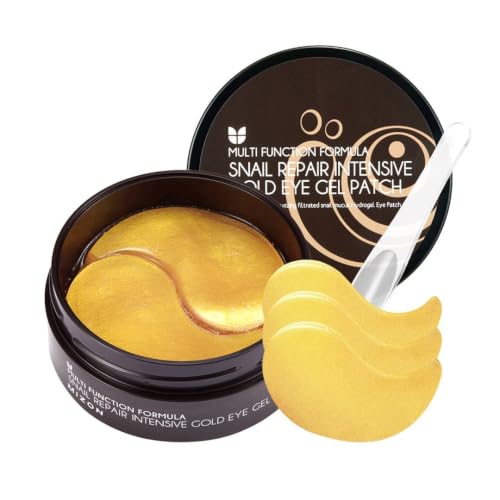
This is a jar of 60 hydrogel under-eye patches, intended as 30 paired applications. The U.S. product label directs users to lift patches with the included spoon, place them along the eye line after cleansing and toner, leave them for 20 to 40 minutes, then massage in remaining essence. A publicly available U.S. label identifies niacinamide at 2.1% and adenosine at 0.04%. It also lists snail secretion filtrate, humectants, peptides, gold and preservatives. MIZON's official page describes a different current ingredient list and reports a 34-person repeat-insult patch test plus a 10-person, four-week appearance study, but it does not publish the underlying reports. These are cosmetic patches for temporary hydration and smoother-looking under-eyes, not a proven treatment for structural eye bags or persistent dark-circle causes.
This product suits an adult who wants a cooling, short-contact under-eye mask for occasional dryness or a temporarily smoother, more hydrated appearance before makeup or an event. It is most relevant for someone comfortable using a jar product carefully with clean hands and the included spoon. The 60-patch format provides 30 paired uses. Buyers who value disclosed niacinamide and adenosine doses may find the U.S. label more informative than many cosmetic eye patches, while recognizing that finished-product results are not independently established.
It is not suited to anyone with an active eye infection, inflamed eyelid skin, broken skin, unexplained swelling, or a history of reactions to snail-derived ingredients, fragrance, preservatives, or cosmetic pigments. Stop use if stinging, redness, itching, swelling, or eye exposure occurs. People seeking treatment for persistent bags, pronounced pigmentation, eczema, allergy-related swelling, or vision symptoms need clinical evaluation rather than cosmetic patches. It is also a poor fit for buyers who require fragrance certainty, fully reconciled ingredient records, independently published efficacy data, or low-waste reusable packaging.
The product is specifically intended for the eye area and its U.S. label includes external-use warnings, instructions to discontinue for significant reactions, and a spoon for lifting the patches. FDA eye-cosmetic guidance also supports clean hands, clean applicators, no sharing, and avoiding use when the eye area is infected or inflamed. The label lists a conventional water-based preserved formula, but no public product-specific preservative challenge test, microbiological release testing, or GMP audit was located. MIZON's official page calls the current formula fragrance-free, while the publicly available U.S. label records a different ingredient set that includes fragrance. That inconsistency is important for allergy-prone users. No product-specific FDA recall, safety alert, or warning letter was found in the public sources checked. Ecologically, each use consumes two disposable hydrogel patches, and the jar system has no verified refill, recycled-content, or component-specific recycling claim.
This is a leave-on, Rosehip and Hibiscus eye cream sold as a 1.7-ounce bottle, with the catalog unit containing two bottles. The manufacturer directs users to apply small dots twice daily, below the lower lash line and beneath the eyebrow, then pat rather than rub. It is intended to moisturize the under-eye area and improve the appearance of puffiness, dark circles, fine lines, and crow’s feet. The manufacturer publishes a full ingredient list, led by water, coconut oil, rosehip seed oil, emollients, glycerin, aloe, botanical extracts, niacinamide, beta carotene, phenoxyethanol, and alcohol. No active concentrations are disclosed. The listed formula does not include added fragrance or retinol, but it includes rosemary extract, alcohol, and provitamin A ingredients that can be relevant to highly reactive skin. No finished-product human trial, batch microbiology report, or independent efficacy testing was located.
This product is most suited to an adult seeking a generously sized, basic moisturizing eye-area cream for morning and night use, especially someone who prefers an ingredient list without added fragrance or retinol. Its glycerin, aloe, panthenol, and oil-rich base make the clearest case for dryness and a temporarily smoother-looking under-eye area. It may also suit shoppers who want to inspect a fully named ingredient list before use. Expectations for dark circles, bags, and wrinkles should remain modest because the product’s active doses and finished-product clinical results are not public.
People with eyelid eczema, a history of cosmetic eye reactions, active eye infection, inflamed periocular skin, or allergy to rosemary, coconut, neem, or other listed botanicals should use particular caution or select a clinician-guided alternative. The conflicting eye-area warning makes this a poor fit for anyone needing exceptionally clear periocular instructions. It is also not well suited to buyers seeking demonstrated treatment of pronounced under-eye bags, inherited dark circles, pigmentation, or deep wrinkles. Those concerns can have structural, vascular, allergic, or medical causes that a moisturizing cosmetic may not address.
The formula is transparent enough to identify potential exposure issues. It contains no listed parfum or fragrance and does not list retinol, but it does contain rosemary leaf extract, alcohol, phenoxyethanol, and beta carotene. The manufacturer advises application below the lower lash line, yet a retailer warning for this product advises avoiding direct use on delicate skin around the eyes. Stop use if irritation occurs, and do not use on infected or inflamed eye-area skin. The manufacturer states that the cream is made in the United States and contains 95.7 percent natural or naturally derived ingredients, plus 77 percent organic content excluding salt and water. Those composition percentages are manufacturer statements, not independently verified certification evidence. Public searches did not identify a finished-product clinical study, public microbial test report, or FDA warning letter or recall specific to this product. Packaging sustainability information is limited, with no disclosed material specification, recycled-content claim, refill system, or recycling directions.


