Best Overall

Sports Research Vitamin K2 MK-7 with MCT Oil
Contains coconut MCT oil for better absorption.
Vegan certified and non-GMO verified.
Long-lasting 4-month supply per bottle.
 Lauren Wilson
Contains coconut MCT oil for better absorption.
Vegan certified and non-GMO verified.
Long-lasting 4-month supply per bottle.

Combines Vitamin D3 and K2 for better absorption.
Made with plant-based, vegan ingredients.
Free from soy and gluten, ensuring purity.

High potency with 200mcg per serving.
Enhanced absorption with coconut oil.
Supports bone, joint, and immune health.

Combines essential nutrients for comprehensive health support.
High potency formula enhances absorption and effectiveness.
Suitable for both men and women’s daily use.

Free from soy, gluten, and dairy.
Contains high-quality MK-7 form of K2.
Supports strong bones and heart health.
High potency with 15mg Vitamin K2 MK4.
Supports both bone and heart health.
Vegan and hypoallergenic friendly option.
Plant-based D3 sourced from lichen.
Supports immune, bone, and heart health.
Non-GMO and gluten-free formula.

Promotes faster absorption with MCT oil.
Contains no fillers, ensuring purity.
Organic and non-GMO formulation.

High absorption with coconut oil softgels.
Supports immune, joint, and heart health.
Non-GMO for peace of mind.
Supports bone strength and heart health.
Contains omega-rich flaxseed oil.
Includes probiotics and trace minerals.
The first buying decision is whether a standalone K2 product or a D3-plus-K2 combination fits the intended plan. Standalone products avoid adding vitamin D to an existing supplement routine. Combination products require attention to the entire daily vitamin D intake. Several supplied products provide 5,000 IU daily, above the 4,000 IU adult tolerable upper intake level cited in the reviews; others provide 10,000 IU. Those amounts may be appropriate only when a clinician has selected and is monitoring the regimen. A product’s serving size can also mislead: “per serving” may mean one or two capsules, and a long-count bottle does not make a high dose safer.
Read the Supplement Facts panel rather than relying on the headline “K2” figure. Look for the exact form—MK-4, MK-7, K1, or a blend—the amount of each form, serving size, vitamin D form and amount when present, and inactive ingredients such as carrier oils, capsule materials, allergens, and other active ingredients. “600 mcg K2,” for example, can represent a split between MK-4 and MK-7 rather than 600 mcg of one form. “High absorption,” “liposomal,” “organic,” “natural,” and oil-carrier language do not by themselves prove better absorption or better clinical results.
Quality evidence should apply to the finished product, not merely to the factory or raw ingredients. The strongest supplied distinction was a matching entry for the exact product in a credible finished-product program, such as NSF Certified Dietary Supplements under NSF/ANSI 173, USP Verified, or a current ConsumerLab or Labdoor result. A facility’s GMP certification is useful for manufacturing accountability but does not certify the bottle’s contents. A generic “third-party tested” statement is weaker when it names no laboratory, methods, acceptance limits, tested lot, or results.
For additional transparency, look for a current lot-number lookup or certificate of analysis from an identified qualified laboratory. It should verify the K form and dose and, where relevant, vitamin D, along with contaminant results. The absence of a public lot report was common in the supplied products, even where brands claimed testing. A company address, contact route, lot code, expiry date, adverse-event route, and searchable recall history help identify who is responsible, but they are not substitutes for finished-product testing.
Safety warnings matter as much as dose disclosure. Vitamin K can seriously interact with warfarin and related vitamin-K-sensitive anticoagulants; intake should not be started, stopped, or changed without the prescribing clinician’s direction. People who are pregnant, nursing, preparing for surgery, managing kidney disease, high calcium, kidney stones, sarcoidosis, malabsorption, or complex medication regimens should seek individualized advice. Avoid ingredients that conflict with allergies or dietary needs, including coconut, gelatin, or other disclosed components. Finally, no supplied product had independently checkable, product-specific evidence for recycled content, refillability, packaging recovery, or lower-impact sourcing; “non-GMO,” vegan, organic, or plant-based claims alone do not establish a smaller environmental footprint.
These topics distinguish a clearly labeled, clinically cautious product from one that mainly relies on broad marketing language. Scores reflect the supplied reviews; they are not a substitute for checking the current label and lot.
This measures whether bone, calcium-use, or cardiovascular language stays within human evidence for the listed K form, dose, and companion ingredients. A high-scoring product uses restrained function language and does not promise osteoporosis or heart-disease prevention. Among the supplied products, higher scores were associated with clearer, narrower claims; lower scores often accompanied artery, absorption, immune, or disease-outcome promises.
Vitamin K can alter warfarin and related anticoagulant treatment, so the label should specifically tell users not to change intake without clinician guidance. A high score means a prominent warning names anticoagulants or blood thinners and extends caution to medically supervised users. Lower-scoring products used generic medication language or omitted a specific warfarin warning, even when they supplied substantial vitamin K.
This applies to products containing D3 as well as K2. Buyers need a sensible serving and a reminder to count vitamin D from supplements, fortified products, and medical sources. High scores belonged mainly to K2-only products or products without added D3. Low scores reflected routine daily amounts above the 4,000 IU adult upper intake level, including products labeled at 5,000 or 10,000 IU.
A useful label identifies K1, MK-4, MK-7, or a blend; each amount per daily serving; vitamin D form and amount when included; carrier oils; allergens; and other actives. High-scoring products disclosed forms and doses precisely. Lower scores reflected ambiguous “K2” wording, unclear blend composition, or conflicts between a headline total and the individual amounts shown in the Supplement Facts panel.
This measures evidence that the finished product is screened for toxic elements, microbes, undeclared drugs, and other adulterants. Independent finished-product certification or published testing supports a high score; a factory GMP claim or “clean” marketing alone does not. Most supplied products lacked public lot results, while the stronger examples had product-level quality evidence or more accountable testing documentation.
This asks whether the exact supplement—not just its manufacturer or ingredients—appears in a credible public registry or independent retail test. A high score requires a matching USP, NSF/ANSI 173, ConsumerLab, or Labdoor result. The supplied set separated products with NSF or historical ConsumerLab evidence from products supported only by general third-party-testing claims.
A high score means a buyer can connect a current lot to a qualified laboratory report verifying K identity, dose, and relevant contaminants, including D3 when present. Generic testing language scores lower because it does not identify the lot, laboratory, methods, limits, or results. Public lot-specific certificates were not found for the supplied products, so this remained a common limitation.
This measures whether marketing distinguishes normal nutrient function from disease prevention or treatment and includes the required supplement disclaimer where applicable. Higher-scoring products stayed closer to structure-function language. Lower scores reflected claims that K2 clears arteries, prevents heart disease, reverses bone disease, guarantees absorption, or corrects broad symptoms without product-specific human evidence.
A traceable company should provide a responsible business name, address, lot and expiry coding, contact route, and adverse-event information, while its recall and enforcement history should be checkable. High scores reflected identifiable companies and contact routes. Lower scores reflected limited traceability or claims that could not be connected to a current product lot; facility certification alone was not enough.
This measures independently checkable evidence about ingredient sourcing and packaging, including reduced material, recycled content, recyclability, refillability, and product-specific weights or targets. High scores were associated with more concrete sourcing or certification signals, but no supplied product offered a complete environmental record. Vegan, organic, non-GMO, glass, amber plastic, or flexible-pouch claims alone did not prove lower impact.
This is a 120-count, once-daily vegan softgel providing 100 mcg of vitamin K2 as menaquinone-7, or MK-7, per serving. Independent retailer label information identifies chickpea-derived MK-7, coconut MCT oil, and a tapioca-based Plantgel capsule. It contains coconut, which is a tree-nut allergen. There is no vitamin D in this product, so it does not add to total vitamin D intake. It is intended for adult bone-health support, not treatment of osteoporosis or cardiovascular disease. The branded MenaQ7 ingredient has a documented non-GMO and vegan profile, but no current public USP, NSF, ConsumerLab, or Labdoor result was located for this exact finished 120-count product. No public lot-number certificate of analysis was located, so the labeled dose and contaminant control cannot be independently checked by a buyer for a current bottle.
This product suits an adult who specifically wants a simple, vitamin D-free MK-7 supplement and prefers a vegan softgel over gelatin capsules. One softgel supplies 100 mcg, and the 120-count bottle is designed for roughly four months of daily use. It can be a practical format for someone whose clinician has already considered their diet, medications, and reasons for using supplemental vitamin K. The disclosed coconut MCT carrier may also suit people who prefer taking a fat-soluble vitamin in an oil-based softgel.
It is not appropriate for anyone taking warfarin, Coumadin, or another vitamin-K-sensitive anticoagulant unless their prescribing clinician directs a consistent vitamin K plan. People who are pregnant, nursing, managing a medical condition, or taking prescription medicines should use the label's clinician-consultation warning seriously. Those with a coconut allergy should avoid it because coconut is declared as a tree-nut allergen. It is also a poor fit for buyers who require publicly available batch testing for potency, metals, microbiology, and adulterants.
Vitamin K is needed for normal blood clotting and bone-related proteins. The product's stated bone-health purpose is appropriately narrower than a disease-treatment claim, although evidence remains mixed on whether vitamin K supplements prevent osteoporosis or fractures. Its more specific safety strength is the warning for people using warfarin or Coumadin. Keeping vitamin K intake consistent is clinically important for those medicines. The exact formula is disclosed as MK-7 from chickpea with coconut MCT oil and a tapioca-based veggie softgel. The MenaQ7 ingredient supplier publicly documents non-GMO and vegan characteristics for that ingredient, but that is not the same as independent verification of the finished bottle. No public lot-specific testing or finished-product certification was located. The product uses a plastic supplement bottle, and no product-specific packaging material, recycled-content, refill, or ingredient-sourcing impact documentation was located. No relevant FDA recall or warning-letter record was identified in the searches performed.
This is a 60 count, once-daily vegan softgel supplement labeled to provide 125 mcg, or 5,000 IU, of vitamin D3 from lichen and 100 mcg of vitamin K2 as MK-7 from chickpea. The label lists coconut MCT oil, a tapioca-based Plantgel capsule, glycerin, water, turmeric color, and olive oil. It is intended for adult bone and immune nutrient support. The formula and dose are well disclosed on the label, and Vegan Action lists this exact D3 plus K2 product as Certified Vegan. However, ConsumerLab independently tested Sports Research D3 plus K2 and reported 193 mcg, or 7,720 IU, of vitamin D instead of the labeled 125 mcg. It reported that the listed vitamin K amount was provided, and said the vitamin D result was confirmed by a second independent laboratory.
This product is most relevant to an adult who has been advised by a clinician to use a relatively high vitamin D dose, wants both D3 and MK-7 in one once-daily vegan softgel, and needs to avoid gelatin and soy. The fully disclosed lichen-derived D3, chickpea-derived MK-7, and Certified Vegan status make its dietary fit clear. Because independent testing found excess vitamin D, this use case should include clinician-guided dose selection and consideration of all vitamin D sources.
It is not appropriate for people self-treating an untested vitamin D level, people already taking high-dose D supplements, or anyone seeking a routine low-dose maintenance supplement. It also requires medical guidance for people taking warfarin or other vitamin-K-sensitive anticoagulants, during pregnancy or nursing, or with a diagnosed condition affecting calcium or vitamin D handling. Households with children should keep it secured, since one softgel contains a high adult dose and the tested amount was higher still.
The product has meaningful dietary transparency. Its D3 is labeled as lichen-derived, its K2 is labeled as chickpea-derived MK-7, and its tapioca-based softgel avoids gelatin. Vegan Action lists this exact product as Certified Vegan. The label also identifies coconut as an allergen source and gives a direct warning for people using Coumadin or warfarin. Its bone and immune claims are framed as nutrient support, not as treatment or prevention claims. The key safety finding is independent, not manufacturer-stated. ConsumerLab reported that a tested sample contained 193 mcg, or 7,720 IU, of vitamin D, above both its 5,000 IU label claim and the adult upper intake level. No public current lot certificate was located to show whether later lots corrected that issue. The bottle and softgels use plastic-based packaging materials. Vegan sourcing can reduce reliance on animal-derived lanolin and gelatin, but it does not by itself establish lower overall environmental impact.
This is a 240-softgel, once-daily vitamin K2 supplement. Its Supplement Facts panel states 200 mcg of vitamin K2 as menaquinone-7, or MK-7, per softgel. It contains no vitamin D. The label lists coconut oil, natural carob, and a gelatin, glycerin, and purified-water softgel, and flags coconut as a possible tree-nut allergen. MK-7 is a form of vitamin K2 with a longer half-life than K1 and MK-4. Vitamin K has established roles in blood clotting and normal bone metabolism, but evidence that MK-7 supplementation prevents osteoporosis, fractures, arterial disease, joint problems, or immune illness remains mixed. No current exact-product listing was located in the USP, NSF, ConsumerLab, or Labdoor verification sources reviewed. The brand's third-party-testing language was not accompanied by a public, lot-specific certificate of analysis.
This product fits an adult who has discussed vitamin K intake with a clinician and specifically wants a stand-alone MK-7 supplement rather than a vitamin D plus K combination. Its one-softgel daily serving and 240-count bottle suit someone seeking a long supply with clearly listed basic ingredients. It is most relevant where a clinician has identified a dietary, absorption, or medication-related reason to monitor vitamin K intake. The label's coconut and gelatin disclosure also helps buyers screen for those ingredients before use.
It is not appropriate for anyone taking warfarin, phenprocoumon, acenocoumarol, or another vitamin-K-sensitive anticoagulant unless the prescribing clinician directs and monitors intake. Sudden changes in vitamin K can alter anticoagulant effect. It is also unsuitable for people with coconut allergy, those avoiding gelatin, and buyers who require a vegan product. People seeking treatment for osteoporosis, fracture prevention, cardiovascular disease, joint disease, or immune conditions should not treat this supplement as a substitute for medical evaluation or established care.
The useful health details are the exact labeled form and dose, 200 mcg of MK-7 per daily softgel, and the absence of vitamin D. MK-7 is a legitimate vitamin K2 form, but product-specific potency and purity remain unconfirmed because no public independent certification, retail test result, or current lot certificate was located. The label identifies coconut oil and gelatin and flags coconut, but its visible panel lacks a prominent anticoagulant warning despite vitamin K's clinically important interaction with warfarin and related medicines. No product-specific sustainability report, recyclable-material specification, refill option, organic certification, or independently verified lower-impact sourcing evidence was located. The bottle uses a conventional softgel format and includes animal-derived gelatin. Non-GMO language is not, by itself, environmental evidence. No relevant FDA recall, warning letter, enforcement report, or tainted-supplement alert was located in the reviewed U.S. databases.
This is a 120-capsule, once-daily blend intended for adults who want vitamin D3 and K2 together, plus magnesium, zinc, vitamin B6, and quercetin. The manufacturer states that each capsule provides 5,000 IU of vitamin D3 and 120 mcg of K2 as MK-7, with 25 mg magnesium. Independent retailer data also lists 11 mg zinc, 3.4 mg B6, and 50 mg quercetin. Sandhu's says every batch is third-party tested for potency and purity. That claim is not matched by a public certificate of analysis, a lot-number lookup, or a finished-product listing in the USP, NSF Certified Dietary Supplements, ConsumerLab, or Labdoor registries. The manufacturing facility itself is currently listed by NSF under the GMP standard, which supports process controls but does not certify this specific finished product.
This product fits an adult who has been advised by a clinician to use a higher-dose daily vitamin D regimen, wants K2 specifically identified as MK-7, and prefers a single capsule rather than several separate supplements. It is most practical for someone who has reviewed their existing vitamin D, zinc, magnesium, and B6 intake, and who values a 120-day manufacturer-stated supply. It is also relevant for buyers who want a product made at a publicly listed NSF GMP-certified facility but understand that facility certification is not finished-product certification.
It is not well suited to people self-treating without checking blood vitamin D status or total vitamin D intake, because its daily 5,000 IU dose is above the adult tolerable upper intake level. People using warfarin, Coumadin, or another vitamin-K-sensitive anticoagulant should not start or alter K2 intake without their prescribing clinician. Pregnant or nursing people, those with kidney disease, hypercalcemia, sarcoidosis, or medically managed conditions should seek individualized advice. It also does not suit buyers who require a public lot-specific certificate of analysis or finished-product USP or NSF certification.
The core disclosed formula is vitamin D3, 120 mcg K2 as MK-7, magnesium, zinc, vitamin B6, and quercetin. Vitamin D has an established role in calcium absorption and bone health, but the page makes stronger vascular-calcium claims than the human evidence for this exact combination can establish. Vitamin K can seriously interact with warfarin, yet a specific anticoagulant warning was not prominent on the reviewed product page. The product carries 5,000 IU vitamin D per daily capsule, above the 4,000 IU adult tolerable upper intake level. Sandhu Products' Livermore, California facility is listed by NSF as compliant with the NSF/ANSI 455-2 GMP standard. The brand states that ingredients are globally sourced and every batch is third-party tested, but it does not publish product-specific test reports or packaging-material details. No lower-impact sourcing, recycled-content, refill, or recyclability documentation was found. A 2021 California Proposition 65 notice alleged lead exposure from two different Sandhu supplements, not this product, and the public case page shows no complaint, settlement, or judgment.
This is a single-nutrient vitamin K2 supplement in a 60-count vegetarian capsule bottle. The manufacturer directs adults to take one capsule daily with food, or as directed by a healthcare professional. Each capsule is stated to provide 50 mcg of vitamin K2 as menaquinone-7, also called MK-7, which is 42% of the Daily Value. The manufacturer’s product prospectus names cellulose, a hypromellose vegetarian capsule, L-leucine, and silicon dioxide as the other ingredients. It also carries the standard FDA supplement disclaimer and limits its positioning to bone and vascular function. The stated composition is clear, but no current public USP, NSF, ConsumerLab, or Labdoor finished-product certification or retail test result was located for this exact product. Public lot-specific certificates of analysis were also not available.
This product fits an adult who specifically wants a modest, standalone MK-7 supplement rather than a vitamin D and K combination. It is most relevant for someone whose clinician has identified a reason to consider supplemental vitamin K and who wants a simple once-daily vegetarian capsule with the inactive ingredients disclosed. It may also suit people trying to avoid adding vitamin D because they already receive it from another supplement or prescription. The 60-capsule bottle supplies about two months at the stated use.
It is not appropriate for people taking warfarin or similar vitamin-K-antagonist anticoagulants unless the prescribing clinician manages a consistent total vitamin K intake. It is also not a substitute for treatment of osteoporosis, fractures, cardiovascular disease, malabsorption, or a documented nutrient deficiency. People using bile-acid sequestrants, orlistat, long antibiotic courses, or those with celiac disease, inflammatory bowel disease, short bowel syndrome, or prior bariatric surgery should seek individualized clinical advice because vitamin K status or absorption can be affected.
Vitamin K is needed for normal blood clotting and bone-related proteins. Human evidence supports normal nutrient function, but evidence that MK-7 supplements at this product’s stated 50 mcg dose prevent fractures or cardiovascular disease is not established. The manufacturer’s label appropriately includes the FDA supplement disclaimer, but its available product information does not display a specific anticoagulant precaution. This matters because sudden vitamin K intake changes can dangerously alter warfarin’s effect. SFI Health states that it uses third-party testing and tests products to Proposition 65 limits, but it does not publish a product-specific, lot-linked report for this capsule. Its corporate sustainability reporting describes reduced secondary packaging, greater use of recyclable materials, and an aim to maximize recycled PET bottles. Those are company-level initiatives, not independently verified evidence about the exact bottle or MK-7 sourcing used here.
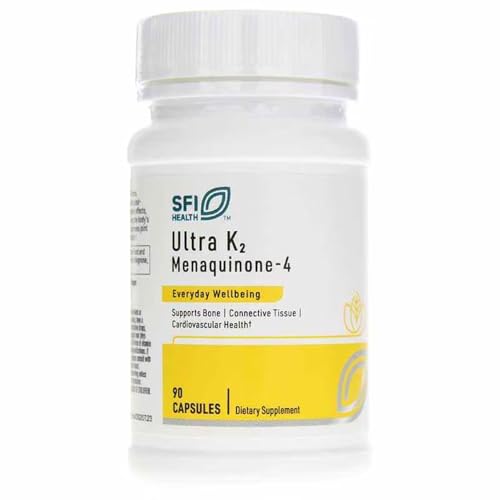
This is a 90-capsule vegan vitamin K2 supplement. Each capsule is listed by SFI Health as 15,000 mcg, or 15 mg, of menaquinone-4, also called MK-4 or menatetrenone. The manufacturer suggests one capsule one to three times daily with food, so actual daily use can range from 15 mg to 45 mg. It contains no vitamin D, calcium, or carrier oil. The exact MK-4 dose and excipients are disclosed on the manufacturer product page, including microcrystalline cellulose, a hydroxypropyl methylcellulose capsule, water, and silicon dioxide. The product carries a specific warning about blood-thinning medicines. No current public USP, NSF, ConsumerLab, or Labdoor finished-product verification, nor a public lot-specific certificate of analysis, was identified in this review.
This product fits an adult who has clinician-guided reason to use a high-dose MK-4 supplement, wants vitamin K2 without vitamin D or calcium, and prefers capsules over liquids or powders. One capsule provides 15 mg, and the manufacturer allows up to three daily, which is a notably high-dose format rather than a general multivitamin-style amount. It may also suit people avoiding animal-derived capsules and the common allergens specifically excluded by the manufacturer. The buyer should be able to confirm their total supplement plan with a clinician.
It is not for anyone using warfarin or another vitamin-K-sensitive anticoagulant without prescriber direction. Sudden changes in vitamin K intake can alter anticoagulant effect and raise clotting or bleeding risk. It is also unsuitable for infants and children, and requires medical advice during pregnancy, nursing, or when managing a medical condition or prescription medicines. People seeking independently verified potency, heavy-metal screening, or a publicly available lot certificate should choose a product with those records. It is not a substitute for prescribed osteoporosis or cardiovascular treatment.
MK-4 is a recognized form of vitamin K2. Vitamin K has established roles in blood clotting and bone-related protein activation, but the evidence that supplements prevent osteoporosis fractures or cardiovascular disease is inconsistent. Studies of MK-4 have often used 45 mg daily, and systematic reviews report uncertainty around fracture reduction despite possible improvements in bone markers or bone density. This product's blood-thinner warning is important because vitamin K can seriously interact with warfarin and related anticoagulants. The manufacturer states that the capsule is vegan and free of several common allergens, with no synthetic colors, flavors, or preservatives. Those are formulation claims, not independent purity testing. No public finished-product certification, lot-specific analysis, product-specific packaging-material details, or independently checkable lower-impact sourcing documentation was identified. Environmental claims therefore cannot be confirmed beyond the small capsule format and the manufacturer-stated ingredient list.
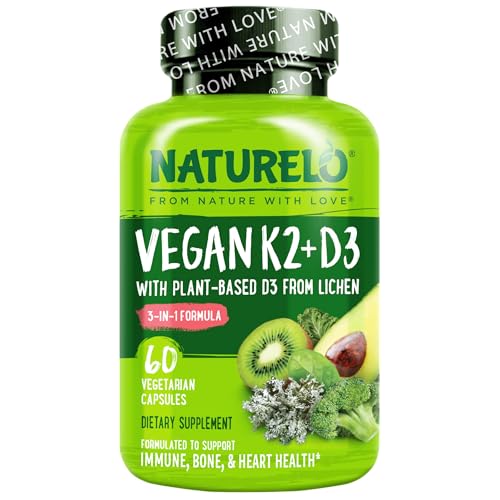
This is a 60-capsule, once-daily vegan vitamin D3 and K2 supplement. The manufacturer states that each capsule supplies 125 mcg, or 5,000 IU, vitamin D3 from lichen, 120 mcg vitamin K2 as MK-7, and a 30 mg organic fruit and vegetable blend. It is intended to be taken with a meal, which is practical for these fat-soluble nutrients. ([naturelo.com](https://naturelo.com/products/vitamin-k2-d3?pr_rd_page=1&utm_source=openai)) Its most important quality distinction is independently confirmed. NSF currently lists the exact Vegan K2 + D3 capsule under NSF/ANSI 173 certification, a finished-product program that includes label review, contaminant testing, and manufacturing review. The product has no public, buyer-accessible lot certificate of analysis, however. Its 5,000 IU daily vitamin D dose is above the NIH adult tolerable upper intake level of 4,000 IU, so total intake and clinical context matter. ([info.nsf.org](https://info.nsf.org/Certified/Dietary/Listings.asp?Company=C0565348&Standard=173))
This product suits an adult who has discussed vitamin D supplementation with a clinician, wants a vegan D3 source, and specifically wants MK-7 rather than an unspecified vitamin K ingredient. The one-capsule serving and 60-day bottle are convenient for a stable daily routine. It is most appropriate when the buyer has checked vitamin D supplied by multivitamins, fortified foods, and other supplements, because this product alone supplies 5,000 IU daily. NSF certification provides independently confirmed finished-product quality oversight. ([info.nsf.org](https://info.nsf.org/Certified/Dietary/Listings.asp?Company=C0565348&Standard=173))
It is not appropriate for people using warfarin or another vitamin-K-sensitive anticoagulant unless their prescribing clinician directs a consistent intake plan. Sudden changes in vitamin K can change anticoagulant effect. It is also not a routine unsupervised choice for adults already taking vitamin D, people with elevated calcium, kidney disease, a history of kidney stones, or those using prescription vitamin D. Pregnant or nursing people and households needing a child-specific dose should seek clinician guidance rather than use this adult 5,000 IU capsule. ([ods.od.nih.gov](https://ods.od.nih.gov/factsheets/Vitamink-healthProfessional/?utm_source=openai))
NSF currently lists this exact Vegan K2 + D3 capsule as certified to NSF/ANSI 173. That is meaningful finished-product oversight because NSF describes the program as reviewing label claims, testing product contents and contaminants, and assessing manufacturing controls. The responsible company and U.S. address are publicly listed in that registry. I did not locate a public lot-specific certificate of analysis, so certification does not let a buyer inspect test results for their individual bottle. ([info.nsf.org](https://info.nsf.org/Certified/Dietary/Listings.asp?Company=C0565348&Standard=173)) The manufacturer states that the D3 is lichen-derived, the K2 is vegan, and the capsule avoids common animal ingredients and allergens. It also calls the lichen sourcing sustainable, but no independent product-specific sourcing documentation or packaging-material detail was located. The formulation uses 5,000 IU vitamin D daily, which is above the NIH adult upper intake level, while the K2 warning is not specific enough for people taking warfarin. I did not identify a product-specific FDA recall, exposure alert, or warning letter in the searched U.S. sources. ([naturelo.com](https://naturelo.com/products/vitamin-k2-d3?pr_rd_page=1))
This product is a two-bottle liquid vitamin D3 and K2 supplement, sold as unflavored 1-fluid-ounce bottles. Nusava directs adults to take 1 mL, or about 20 drops, daily with a meal, directly from the dropper or mixed into a drink. The manufacturer states that each full dropper supplies 5,000 IU of vitamin D3, 120 mcg of vitamin K2 as an MK-4 and MK-7 blend, and 250 mg of plant-derived omega-3 from organic chia oil. It also states that organic MCT and olive oils are used as carriers. The company claims batch testing for active-ingredient identity, potency, heavy metals, and microbiological safety, but it does not provide a public lot-specific certificate or a named laboratory. No matching USP, NSF, ConsumerLab, or Labdoor finished-product verification was identified.
This product fits an adult who has discussed vitamin D needs with a clinician, wants a liquid rather than capsules, and specifically wants vitamin D3 combined with vitamin K2 and plant-based omega-3 in an oil carrier. It is most practical for someone able to measure and consistently use a 1 mL daily dropper, including people who prefer to add supplements to coffee, water, or another drink. The high vitamin D dose makes more sense when it is part of an individualized plan that accounts for diet, other supplements, blood testing, and medical care.
It is not appropriate for children, or for adults who need a lower routine vitamin D intake, without individualized clinical guidance. People taking warfarin or another vitamin-K-sensitive anticoagulant should not self-start it or change their intake without their prescribing clinician, because consistent vitamin K intake matters for anticoagulation management. It is also a poor fit for anyone already using vitamin D supplements, prescription vitamin D, or calcium products without first totaling vitamin D exposure. People who require public lot-specific testing evidence should choose a product that provides it.
Vitamin D supports calcium absorption and bone health, while vitamin K has established roles in blood clotting and normal bone metabolism. Evidence is less certain that supplemental vitamin D or K2 prevents cardiovascular disease or directs calcium away from arteries. The manufacturer provides a broad medication-interaction caution, but users of warfarin or similar anticoagulants need specific clinical guidance because vitamin K can affect treatment. The 5,000 IU daily vitamin D3 amount is above the adult 4,000 IU tolerable upper intake level from all sources, except when a clinician directs otherwise. Nusava states that the formula uses organic MCT oil, organic chia oil, olive oil, and plant-based omega-3, and that it is vegan and non-GMO. These are manufacturer statements, not independently confirmed product certifications found in public registries. No product-specific packaging-material specification, recyclability documentation, refill option, or independently checkable sourcing assessment was located, so its environmental footprint cannot be meaningfully verified.
This is a single-nutrient vitamin K2 supplement in softgel form. Each daily softgel is labeled to provide 200 mcg of menaquinone-7, or MK-7, and the 300-softgel pouch is intended to last about 300 days. It uses coconut oil as the carrier, and the softgel itself contains gelatin, glycerin, and purified water. The independent retailer label also identifies coconut as a tree-nut allergen and directs adults to take one softgel daily. The manufacturer states that the product is made in a cGMP-compliant facility and third-party lab tested. However, no public USP, NSF, ConsumerLab certification, Labdoor report, or current lot-specific certificate of analysis was located for this exact product. Human research at similar MK-7 doses supports effects on vitamin-K-related biomarkers, while bone and cardiovascular outcome evidence remains mixed rather than definitive.
This product fits an adult who specifically wants a plainly labeled, single-ingredient MK-7 supplement rather than a D3 plus K2 combination. Its one-softgel daily format and 300-day labeled supply suit someone seeking a long routine with minimal active ingredients. It may also suit people who need to avoid soy, dairy, and gluten according to the label. The user should be able to tolerate gelatin and coconut, and should not need public lot-by-lot laboratory documentation.
It is not suitable for people using warfarin or another vitamin-K-sensitive anticoagulant unless their prescribing clinician directs and monitors a consistent vitamin K intake. People who are pregnant, breastfeeding, managing a medical condition, or taking medications should follow the label's clinician-consultation warning. Avoid it with a coconut allergy or when gelatin is unsuitable. It also does not fit buyers who require USP or NSF product certification, published independent contaminant testing, a vegan softgel, or a lot-specific certificate of analysis before use.
MK-7 is a recognized supplemental form of vitamin K. At 200 mcg daily, the labeled dose is close to doses used in some human trials evaluating vitamin-K-related biomarkers and bone measures. That does not establish that this product prevents osteoporosis, fractures, artery calcification, or heart disease. Vitamin K can seriously affect warfarin management, so dose changes should not be self-directed for people using vitamin-K-sensitive anticoagulants. The manufacturer states that it uses non-GMO ingredients, direct sourcing, cGMP manufacturing, and third-party testing. Those statements were not matched to a public finished-product certification, public laboratory report, or current lot certificate. The product comes in a flexible pouch containing gelatin softgels. No independently checkable product-specific packaging-material, recyclability, lower-impact sourcing, or sustainability documentation was located. No product-specific FDA recall, warning letter, or tainted-supplement alert was identified in the searches reviewed.
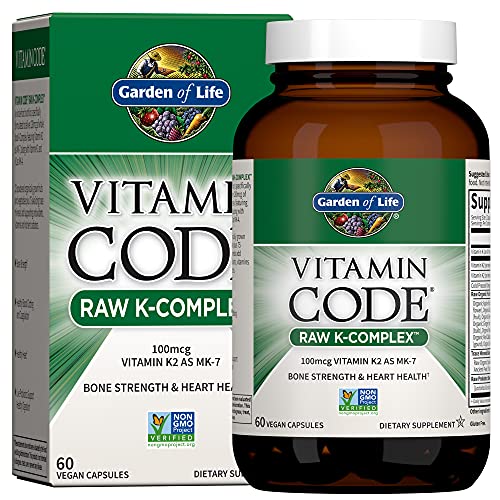
This is a 60-capsule vegan vitamin K supplement for adults. The labeled serving is one capsule daily with food. It provides 120 mcg vitamin K1, 100 mcg vitamin K2 as MK-7, and 10 mcg vitamin K2 as MK-4, for 230 mcg total vitamin K. It also contains 300 mg cold-pressed flaxseed oil, small fruit, vegetable, mineral, and probiotic blends, vegetable cellulose, and organic brown rice. It contains no vitamin D. A 2022 ConsumerLab report says this exact product was Approved through its voluntary Quality Certification Program, a meaningful independent finished-product check, though it is not current lot-specific proof. The brand makes structure and function claims for bones, blood clotting, heart health, and digestion. Vitamin K's role in normal clotting and bone metabolism is established, while evidence that supplemental K2 prevents cardiovascular disease remains unclear.
This product suits an adult who specifically wants a once-daily vitamin K blend with disclosed K1, MK-7, and MK-4 amounts, and who does not want added vitamin D. It may be practical for a vegan or dairy-free user who prefers a capsule containing an oil carrier rather than a dry tablet. It is most appropriate when vitamin K supplementation has been discussed with a clinician or is being used to address a documented dietary gap, rather than as a cardiovascular treatment.
It is not appropriate for anyone taking warfarin or another vitamin-K-sensitive anticoagulant unless the prescribing clinician directs and monitors a consistent total vitamin K intake. People who are pregnant, nursing, preparing for surgery, managing a bleeding or clotting disorder, or taking regular medicines should seek individual clinical advice first. It is also a poor fit for buyers who require current lot-specific laboratory results, confirmed current kosher status, or evidence that the product prevents heart disease or treats osteoporosis.
Vitamin K is needed for normal blood clotting and participates in bone metabolism. The label identifies all three vitamin K forms and warns users taking medicines, particularly blood thinners, to consult a practitioner. This matters because abrupt changes in vitamin K intake can alter warfarin's anticoagulant effect. The product makes no vitamin D claim or contribution. Its bone and normal clotting positioning fits established nutrient roles, but its heart-health framing should not be read as evidence of cardiovascular disease prevention. The product had a positive independent quality signal in ConsumerLab's 2022 voluntary certification program, but no public current-lot certificate of analysis was located. Garden of Life holds current B Corp certification, and the company says it uses post-consumer recycled plastic across products and that most packaging is recyclable. Those are company-level environmental signals, not product-specific packaging proof. The formula's Non-GMO Project claim is also stated by the manufacturer, but the product-specific finder result was not publicly retrievable.


