Best Overall
25% off
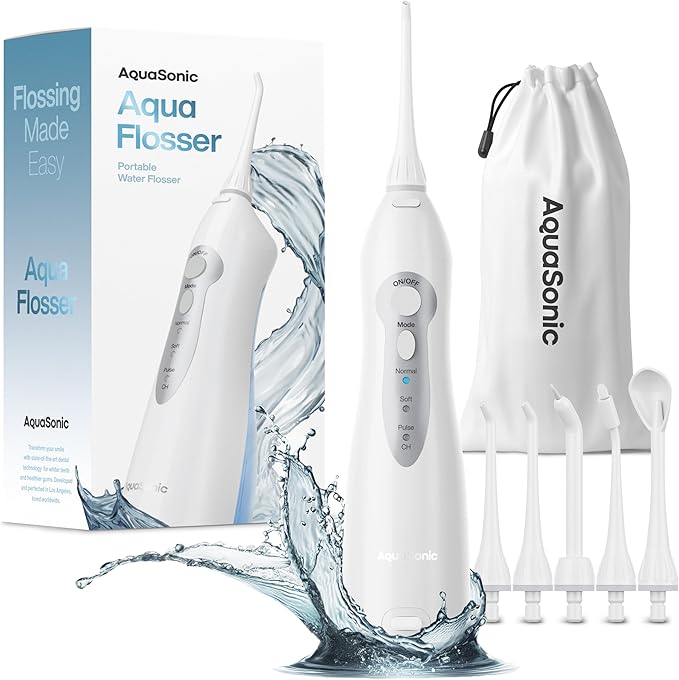
Aquasonic Aqua Flosser Cordless Rechargeable Water Flosser
Cordless design makes it highly portable.
Five interchangeable jet tips for versatile cleaning.
Waterproof build suitable for use in the shower.
 Lauren Wilson
Cordless design makes it highly portable.
Five interchangeable jet tips for versatile cleaning.
Waterproof build suitable for use in the shower.
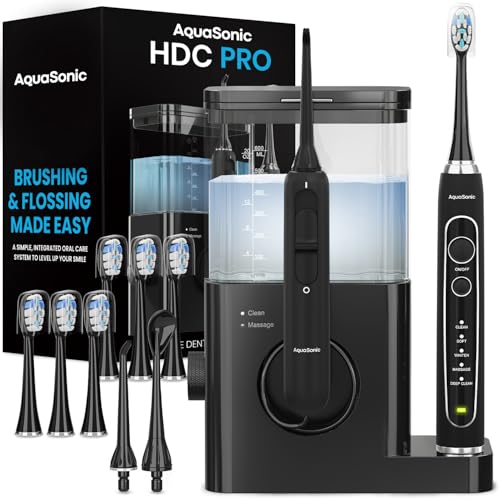
Combines brushing and flossing in one unit.
Power toothbrush ensures a thorough clean.
Water flosser improves gum health effectively.

ADA acceptance ensures trusted dental care.
Efficiently cleans with strong water pressure.
Compact design ideal for small spaces.
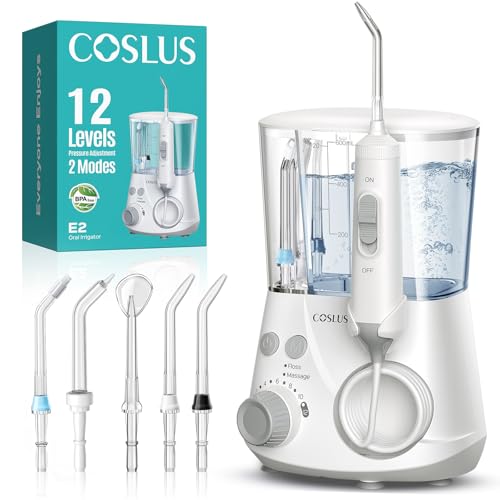
Customizable with 12 pressure settings.
Includes 5 jet tips for multiple users.
Ideal for braces and sensitive gums.

Convenient for travel with included bag and accessories.
Rechargeable and waterproof for versatile use.
Accepted by ADA for reliable dental care.

Ten adjustable pressure settings for customized cleaning.
Seven unique tips for varied dental needs.
ADA acceptance ensures trusted dental care.
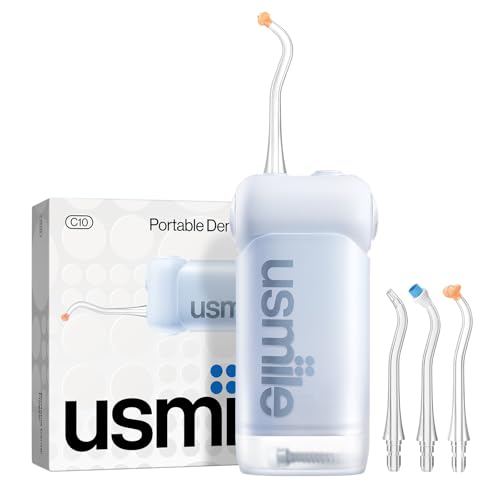
Long-lasting battery for extended use.
Travel-friendly design with compact size.
Multiple modes for personalized cleaning.

Customizable pressure with 12 settings.
Convenient patented storage for accessories.
Large 600ML tank ideal for family use.

IPX7 waterproof design ensures safe use in shower.
Comes with 4 replacement tips for versatile cleaning.
Rechargeable and travel-friendly for convenience on-the-go.
Convenient for travel with its cordless design.
Effective for braces with specialized flossing tips.
ADA accepted, ensuring reliable dental care.
The most important distinction is evidence tied to the exact product. A credible gum-health claim should identify the model, nozzle, pressure setting, home-use instructions, and study protocol in a human trial or systematic review. An American Dental Association Seal of Acceptance is more meaningful when the directory entry clearly covers the product or product family being sold. A listing for a related toothbrush, a different irrigator model, or a generic brand claim does not automatically validate the flosser in the box. FDA establishment or device listing can improve traceability, but it is not FDA approval.
Cleaning performance depends on more than a headline pressure number. Look for model-specific information about pressure range, pulse rate, reservoir capacity, included tips, and run time, ideally supported by an independent test that identifies the product and method. A large tank may reduce refilling, while orthodontic or periodontal tips may improve convenience, but included attachments are not proof that the stream performs better. Broad claims such as plaque, bacteria, cavity, whitening, or “dentist recommended” should be treated cautiously unless the evidence and regulatory status match the exact product.
Control matters because gums and dental work differ. A useful flosser should offer a genuinely low setting, a controllable stream, and instructions to begin gently. Pressure settings alone do not establish safe output: published numbers may be manufacturer-stated, inconsistent across pages, or unrelated to a tested protocol. A waterproof label also does not establish safe immersion or charging. For a wet-use rechargeable or corded appliance, look for an exact-product or charger listing in UL Solutions Product iQ, Intertek ETL, or CSA Group records, and check the manual for charging, filling, drying, and water-contact limits. An IP rating, such as IPX4 or IPX7, should be supported by an applicable test record and understood as water-ingress information—not a blanket permission to use the appliance in every shower or sink situation.
Water-path hygiene is part of performance. A removable reservoir, instructions to empty, rinse, descale, and dry the unit, dishwasher guidance where applicable, and practical tip-replacement intervals make routine maintenance more realistic. Material claims should identify water-contact and mouth-contact materials; a broad BPA-free statement is not a complete chemical or exposure declaration. Lower lifetime waste depends on replacement tips, reservoirs, seals, chargers, batteries, repair support, warranties, and clear recycling instructions—not merely on whether the product is rechargeable.
Across the supplied products, recurring cautions are clear: people with persistent or severe bleeding, active periodontal disease, painful gums, recent oral surgery, open mouth wounds, complex implants, deep periodontal pockets, or uncertain dental-work instructions should seek individualized dental guidance before using a pressurized irrigator. Keep corded bases and chargers dry, follow the manual’s charging limits, and do not assume “waterproof” permits immersion. Shared users should use separate tips and maintain the water path. No category-wide contraindication beyond these repeated or serious precautions was identified in the supplied data.
These topics distinguish a flosser that is merely convenient from one with better-supported health, safety, maintenance, and accountability information. Scores reflect the supplied product reviews and the evidence available for each exact product or clearly identified product family; a high score means stronger support, not a guarantee of clinical benefit or risk-free use.
This measures credible human evidence that the exact flosser, used alongside brushing at normal home settings, improves gingival bleeding or gingivitis. It matters because category-level water-flosser research cannot prove a particular nozzle or pressure system works. The supplied scores range from 58 to 90: the highest scores belong to products with ADA support or a named human trial; lower scores lack exact-product clinical evidence.
This measures tested removal of interproximal debris or plaque using the exact stream, tips, and run time. It matters because pressure, pulse rate, reservoir size, and attachments affect how practical a routine is, but marketing figures do not establish real-world results. Supplied scores range from 70 to 88. Higher-scoring products have ADA or other relevant support, while lower-scoring products rely mainly on manufacturer features.
This measures whether users can select a genuinely low, usable setting and control the stream around sensitive gums, braces, implants, crowns, or periodontal pockets. It matters because excessive force can cause pain or make careful use difficult. Scores range from 70 to 85. Higher scores are associated with documented low-start instructions, pause controls, or several pressure settings; lower scores reflect less verified control.
This measures how practically the reservoir, tubing, handle, and tips can be emptied, cleaned, dried, descaled, and kept from sharing contamination. It matters because standing water and damp components complicate routine hygiene. Scores range from 71 to 83. Higher-scoring products provide removable or dishwasher-cleanable reservoirs and clear drying or vinegar-flushing instructions; lower scores have less complete maintenance guidance.
This measures independently verified protection against shock, overheating, charging faults, and battery failure, plus clear wet-use limits. It matters because these products combine water with electricity. Scores range from 54 to 75. Higher scores have better documented safety or charging information, while low scores reflect missing UL, ETL, or CSA confirmation, unclear ingress testing, or a relevant charging malfunction report.
This measures whether the maker identifies water-contact and mouth-contact materials and supports claims such as BPA-free without implying unsupported health protection. It matters because water and oral-contact parts are used repeatedly. Scores are tightly grouped from 68 to 70: the supplied products generally disclose only broad materials or plastics, and none provides a complete, easily checkable material declaration.
This measures whether claims about plaque, gingivitis, whitening, cavities, implants, braces, or periodontal care match evidence and regulatory status for the exact product. It matters because a broad marketplace claim can overstate what a study or certification covers. Scores range from 35 to 83. Higher scores use narrower, supported language; lower scores include unsupported cavity or gum-health claims or claims tied to another model.
This measures whether important safety and effectiveness claims are backed by searchable independent programs rather than seller-issued badges. It matters because “ADA accepted,” “FDA,” “lab tested,” or “IP-rated” wording can refer to another product or can be misunderstood. Scores range from 52 to 92. The strongest products have clearly identified ADA support; the weakest have model-mismatch or self-certification concerns.
This measures whether pressure, pulse rate, reservoir capacity, charging, battery, waterproofing, tips, and replacement intervals are consistent and tied to the exact model or test conditions. It matters because conflicting capacity, charging, pressure, or nozzle claims make a buyer’s expectations unreliable. Scores range from 52 to 85. Higher scores have detailed manuals and consistent model-specific information; lower scores show conflicts or missing test records.
This measures whether the responsible manufacturer, model, U.S. contact, warranty, device listing where applicable, and recall path can be identified. It matters because traceability helps users respond to defects or safety notices. Scores range from 69 to 85. Higher-scoring products have identifiable manufacturers, U.S. support, warranties, or device records; lower scores have less complete accountability or inconsistent public documentation.
This measures whether a flosser can remain useful through replacement tips, reservoirs, seals, chargers, batteries, repair support, warranty service, and recycling instructions. It matters because rechargeable electronics and plastic water-path parts create waste when a small failure ends the product’s life. Scores range from 64 to 82. Higher scores have broader replacement-part or warranty support; lower scores lack repair, battery, or take-back pathways.
This is a compact cordless water flosser with a rechargeable lithium-ion battery, three modes, five supplied tips, and a travel bag. It is used by filling the onboard reservoir, selecting a tip and mode, then directing the stream along the gumline and between teeth for about one to two minutes. AquaSonic identifies a Soft setting for sensitive gums, plus periodontal, orthodontic, standard, and tongue-scraper tips. The manufacturer states that the white product has a removable water reservoir, is waterproof with the charge port covered, and can be used in the shower. It also instructs users to empty remaining water and rinse the tip after every use. Research supports water flossing as a brushing adjunct in general, but no human clinical trial or independent laboratory test was located for this exact product.
This product suits an adult who wants a portable, rechargeable interdental-cleaning tool for routine home use or travel, especially someone who finds string floss difficult to handle around braces, fixed dental work, or crowded teeth. The Soft mode may be useful for a person who wants to begin gently and increase intensity only if comfortable. It also fits a buyer willing to follow routine maintenance, including emptying the reservoir after each session, rinsing the tip, periodic descaling, and replacing tips every three to six months.
It is not the right choice for someone who needs independently verified performance, an ADA-accepted powered interdental cleaner, or a documented electrical wet-use certification. People with active gum infection, unexplained bleeding, severe periodontal disease, recent oral surgery, painful implants, or persistent dental pain should seek individualized instruction from a dentist or periodontist before directing a pressurized stream into affected areas. It is also unsuitable for households that need published material disclosures or user-replaceable battery and repair parts.
The health case is partly category-based rather than product-specific. Human research on water flossers generally suggests possible gingivitis benefit when used alongside brushing, although systematic reviews describe the evidence as limited or low certainty and plaque results as inconsistent. AquaSonic's own directions offer a low-intensity Soft mode and advise emptying leftover water, rinsing the tip, cleaning the reservoir, and replacing tips periodically. Those are useful hygiene practices, but they are manufacturer instructions rather than independent cleanability testing. The manufacturer sells replacement tips and gives a one-year manufacturing-defect warranty, which can help keep the product in use. It does not provide a published water-contact material declaration, battery-removal procedure, repair guide, take-back program, or independent electrical listing located for this product. No product-specific FDA or CPSC recall, warning, or enforcement action was located in the reviewed U.S. recall searches.
The AquaSonic Home Dental Center Pro is a countertop oral-care set with a separate rechargeable sonic toothbrush and a corded water flosser. The box is stated to include six ProFlex brush heads, two jet tips, a tongue scraper, power adapter, manual, and warranty card. A third-party retail record identifies a 600 mL reservoir, while AquaSonic's own current product page confirms adjustable flossing pressure but does not publish a pressure range or flow rate. The available instruction copy directs users to fill and securely seat the tank, attach a tip, select a brushing mode, and use a two-minute timer. It also directs users to rinse tips, empty the tank after use, and store the unit dry. AquaSonic sells compatible replacement brush heads and water-flosser tips. The toothbrush in the bundle may share a product family with ADA-accepted AquaSonic toothbrushes, but I could not confirm an ADA Seal, clinical study, electrical-safety listing, or waterproof test certificate for this complete product or its water flosser.
This product suits an adult or couple who want a fixed countertop routine that combines powered brushing with water flossing, have room near a sink and outlet, and are willing to follow drying and tip-cleaning steps after use. It is also practical for someone who values replaceable brush heads and flosser tips rather than treating the set as disposable. Sensitive users should begin at the lowest available water-pressure setting and adjust only if comfortable. Its 600 mL stated tank capacity is most useful for home use rather than travel.
It is not well suited to buyers who need independently documented electrical certification, a verified ingress-protection rating, or published pressure and flow data before using an appliance near a sink. It is also a poor fit for households that will share tips without keeping them separate, or for users unlikely to empty and dry the reservoir after each session. Anyone with active gum pain, unexplained bleeding, recent oral surgery, implants requiring individualized care, or periodontal treatment should seek guidance from their dental clinician before choosing a pressure setting or relying on water flossing.
Water flossers are recognized by the ADA as one type of interdental cleaner, and broader clinical evidence suggests oral irrigation can improve gingival-health measures when added to brushing. That category evidence should not be read as proof of this product's specific gum-health, plaque, whitening, or dentist-level claims. I could not verify a clinical trial or ADA Seal for the complete set or its water flosser. The supplied toothbrush family has ADA-accepted models, which is narrower than acceptance of this combined product. For hygiene, the available instructions advise rinsing tips, emptying residual water, removing and rinsing the tank, and storing the unit dry. AquaSonic offers replacement heads, tips, and a charger, plus a one-year warranty. However, the company does not provide a material declaration for water-contact parts, a battery-recycling plan, packaging details, charging-energy data, or recycled-content verification. No U.S. product recall or regulator warning specific to this product was located in the checked CPSC and FDA sources.
This is a cordless, rechargeable water flosser with a detachable 300 mL reservoir. It is used by filling the tank, choosing Clean, Soft, or Massage mode, then tracing the stream along the gumline and between teeth. COSLUS includes two standard jet tips plus orthodontic, periodontal, and tongue-cleaning attachments. The official manual states a 30 to 120 PSI pressure range, 1,400 mAh battery, IPX7 rating, 5 W input, and a supplied USB cable without an adapter. It also displays an ETL mark. Separately, the ADA registry accepts a Coslus Oral Irrigator for plaque removal and helping prevent or reduce gingivitis, but its public page does not identify this C20 model and currently links to a different Coslus product. That makes the C20-specific ADA connection less transparent than it should be.
This product fits an adult or teen who wants a cordless oral irrigator for daily between-teeth cleaning, particularly around braces, crowns, or implants, and who values a larger handheld tank. The Soft mode may be useful for someone learning water flossing or easing into a lower-intensity routine. It also suits a single user who will remove and dry the nozzle, drain the reservoir after use, clean the unit regularly, and replace tips on schedule. The included specialized tips make the format practical for several routine cleaning tasks.
It is not a good fit for buyers who need a publicly traceable, model-specific electrical certificate, independently published ingress test report, or fully documented materials in the water path. It is also unsuitable for households likely to share one attached nozzle, since each person should use a separate tip and keep it dry. People with persistent gum bleeding, significant gum pain, loose teeth, recent dental surgery, or uncertainty about using a periodontal attachment should seek individualized advice from a dental professional rather than rely on this product as a substitute for care.
The manual carries detailed safety directions. It says to use water below 40 C, keep the charging cable away from water, avoid a damaged cable or appliance, stop use if pain occurs, avoid sharing nozzles, drain remaining water after use, and dry the unit before storage. Its maintenance section directs users to wash and dry the reservoir and replace the nozzle periodically. The manual also displays an ETL mark and an IPX7 claim, although an independently searchable certificate for this exact product was not found. The oral-health evidence is stronger at the Coslus product-family level than at the model-documentation level. The ADA has an active acceptance page for a Coslus Oral Irrigator covering plaque removal and helping prevent or reduce gingivitis when used as directed. COSLUS identifies the C20 as included, but the public ADA page does not name it and links to E40. Environmentally, the rechargeable 1,400 mAh battery and available replacement tips may reduce disposable-tip use, but COSLUS does not disclose recycled content, packaging composition, or a dedicated end-of-life recycling route.
This is a corded countertop oral irrigator for home use. It has a removable 600 ml reservoir, a handheld hose and handle, 12 pressure settings, Floss and Massage modes, and five included nozzle types. The manufacturer manual specifies a 10 to 160 PSI range, 1,400 pulses per minute, 24 W input, and an IPX4 water-resistance rating. It is intended as an adjunct to toothbrushing, directing water along the gumline and between teeth. Its defining strength is usable adjustment. The manual tells new or sensitive users to begin at the lowest pressure, and gives specific periodontal-tip directions. Its other notable design feature is a removable reservoir and covered nozzle-storage box with drainage guidance. However, the ADA's accepted COSLUS oral-irrigator record depicts other models, including E40 and C50, not this E2 product. No exact-product clinical trial or independently searchable electrical safety listing was located.
This product suits an at-home user who wants a corded countertop irrigator with a large, removable reservoir and deliberately adjustable pressure. It is especially practical for a household where users have different comfort thresholds, or for a person cleaning around braces who can use the included orthodontic nozzle. People with sensitive gums can begin at the manual's low setting and increase cautiously. It also suits someone willing to follow the maintenance routine, including emptying the tank, cleaning the storage box, and replacing tips about every three months.
It is not suited to a buyer who needs independently verified, exact-model clinical performance or a searchable US electrical-safety certification for an appliance used near a sink. It is also a poor fit for people seeking a travel device, since it is corded and designed for countertop use. Anyone with active periodontal disease, recent oral surgery, unexplained bleeding, severe gum pain, or an oral infection should not treat its periodontal nozzle as medical treatment. The manual specifically advises people with periodontal disease or oral surgery in the previous two months to consult a doctor first.
The manual supplies more usable safety information than many marketplace listings. It identifies a low-pressure starting approach, limits water temperature to below 40 C, says not to use undiluted mouthwash, and directs users to empty residual water and air-dry the tank. The product is marked IPX4 in its manual, which is limited splash resistance, not permission to immerse it or use it in a shower. Its cord and outlet precautions matter in a bathroom setting. No active US recall or regulator warning specific to this product was located in the FDA and CPSC recall resources searched. That is not independent proof of safety. The manual displays FCC and RoHS symbols, but no exact-model UL, ETL, or CSA listing was found. The product can reduce disposable-tip waste relative to single-use picks because replaceable tips are used for roughly three months, but the available documentation does not provide a parts catalog, repair instructions, material declaration, battery-removal plan, or end-of-life recycling program.
This is a rechargeable, handheld water flosser for directing a pulsed water stream along the gumline and between teeth after brushing. It has a 7-ounce reservoir that Waterpik states provides up to 45 seconds of use, three pressure settings, a rotating handle, and four included tips, including orthodontic and Plaque Seeker tips. The reservoir is removable, and the unit is intended for sink or shower use. The most important independently confirmed point is its ADA acceptance within Waterpik’s cordless water-flosser range. The ADA states that this range is safe and has shown efficacy for plaque removal along the gumline and between teeth, and for helping prevent or reduce gingivitis when used as directed. Waterpik supplies unusually detailed cleaning, charging, and use instructions, but its stronger numerical plaque and comparison claims are manufacturer claims rather than publicly available testing of this exact unit.
This product suits an adult who wants a compact, rechargeable water flosser for a small bathroom, travel, or supervised shower use, and who is prepared to follow the cleaning routine. It is particularly relevant for people who find string floss difficult to manage around braces, implants, crowns, bridges, or limited hand dexterity. The included orthodontic and Plaque Seeker tips add use-specific options. A buyer should be comfortable using a separate 5 V, 1 A USB wall adapter if one is not included with their package.
It is not suited to anyone seeking a fully repairable appliance or a replaceable battery, because the battery is sealed and end-of-life removal requires disassembly. It is also a poor fit for households where children or people unable to follow electrical and oral-use directions would use it unsupervised. People with pacemakers or similar implanted devices should note the manual’s magnetic-field warning and consult their clinician. Anyone with an open mouth wound, or who has been told to take antibiotic premedication before dental procedures, should seek dental guidance before use.
The independently verified health highlight is ADA acceptance for Waterpik cordless water flossers. The ADA says the accepted products have demonstrated safe, directed-use efficacy for plaque removal along the gumline and between teeth, and for helping prevent or reduce gingivitis. The exact product manual supports safer use with three settings, a start-low instruction, an empty-after-use instruction, and warnings to keep the charger dry and never direct water into the nose or ear. For hygiene, the reservoir detaches for weekly washing and is top-rack dishwasher safe. The manual also calls for periodic vinegar cleaning of internal water passages and tip replacement every three to six months. The ecological limitation is the nonreplaceable lithium-ion battery and limited repair commitment. Waterpik sells replacement tips, reservoir, and charging cable, which can extend service life, but does not guarantee parts, repair service, or repair information. No specific public declaration of water-contact plastic composition was located.
This is a corded countertop oral irrigator for home use. It uses a pulsing water stream through interchangeable tips, with a 22-ounce reservoir rated for more than 90 seconds of use. The manufacturer specifies 10 pressure settings, two modes, a rotating handle tip, a one-minute timer, and seven included tips for general cleaning, orthodontic work, periodontal pockets, crowns, bridges, and implants. The most important independently confirmed point is that the ADA Seal directory lists Waterpik Countertop Family Water Flosser as safe and effective, when used as directed, for plaque along the gumline and between teeth and for helping prevent or reduce gingivitis. The unit also has model-specific instructions to begin at setting 1, adjust gradually, empty the reservoir after use, and use the lowest setting with the soft periodontal-pocket tip.
This product suits an adult household that wants a stationary daily adjunct to toothbrushing and has counter space near a properly located outlet. It is particularly practical for people who need pressure adjustment, have braces, crowns, bridges, implants, or have been instructed by a dental professional to clean around periodontal pockets. The large reservoir and included tip set also suit a household of several users who can keep tips separate, clean the reservoir routinely, and follow the tip replacement schedule.
It is not suited to travel, shower use, or a bathroom setup where the cord, plug, or base could fall into water. Children and people with reduced physical, sensory, or cognitive capacity need supervision under the manual. People with an open oral wound should not use it. Anyone advised to take antibiotics before dental procedures should ask their dentist first. Those unable to maintain drying, descaling, separate-tip storage, and regular replacement should avoid a shared reservoir-and-hose system.
The ADA acceptance held up in the ADA's own directory. It applies to Waterpik's countertop family and recognizes safety and efficacy for plaque removal at the gumline and between teeth, plus helping prevent or reduce gingivitis when used as directed. That is meaningful independent verification, but it does not independently validate every numerical marketing claim. Broader systematic reviews find oral-irrigator evidence for short-term gingivitis improvement is low or very low certainty, with less consistent evidence for visible plaque reduction. The manufacturer states that the water pathway is BPA-free and that its oral-care products do not require California Proposition 65 labeling. It does not provide a detailed material declaration for this unit. The removable dishwasher-safe reservoir, recommended vinegar flushing, replaceable tips, handle-hose assembly, and replacement reservoir can reduce premature disposal. However, the cord is not replaceable, the electrical components are not user-serviceable, and Waterpik does not guarantee continuing parts or repair support. No recall specific to this product was identified in the checked FDA and CPSC recall sources.
This is a compact, rechargeable oral irrigator that uses pulsed water to dislodge debris around teeth and along the gumline. It has a 180 ml removable reservoir, four modes, a rotating tip, and three supplied nozzle types, including orthodontic and guidance styles. The maker states that the reservoir provides about 48 seconds of water and that the battery can run for up to 95 days under its defined use conditions. Its product page gives mode-specific pressure estimates of about 40, 70, 85, and 90 psi, with stated tolerances. That provides a meaningful low setting for gradual familiarization. The FDA device identifier database independently identifies this product as a commercially distributed oral lavage system from Guangzhou Stars Pulse Co., Ltd. It is listed as exempt from premarket submission, which is not the same as FDA approval or independent clinical validation.
This product suits an adult who wants a small rechargeable irrigator for travel, a shared bathroom with limited counter space, or occasional cleaning around braces where a compact reservoir is acceptable. It is also a reasonable format for someone who values a stated low-pressure starting mode and a guided nozzle. The removable tank and stated monthly flushing routine make it more suitable for a user willing to empty, wash, and dry water-contact parts consistently. Its $59.99 catalog price places it in the mid-priced portable category.
It is not suited to someone who needs independently verified gum-health outcomes from the exact product, an ADA Seal for this irrigator, or a searchable U.S. electrical-safety certification for wet-area charging. People with active oral pain, persistent bleeding, severe periodontitis, recent oral surgery, or uncertain implant and periodontal-pocket care should seek individualized dental guidance rather than rely on general braces and implant marketing. It is also a poor fit for users who cannot maintain a removable reservoir and internal water path, or who need a replaceable battery for long-term ownership.
The accountable manufacturer and product are identifiable in the FDA device identifier database as an oral lavage system in commercial distribution. That listing is useful for traceability, but the device category is exempt from premarket submission and the record does not establish clinical effectiveness. No exact-product ADA Seal, clinical trial, independent cleaning test, or searchable UL, ETL, or CSA electrical listing was located. No product-specific FDA or CPSC recall was identified in the checked recall sources. The maker states that the product is BPA-free, but does not identify the specific polymers in the reservoir, tubing, tips, or seals. Hygiene provisions are comparatively practical, with a removable dishwasher-safe reservoir and a vinegar flushing instruction. Waste support is mixed. Replacement nozzles, cable, and intake tube are sold and a one-year warranty is stated, but the lithium-ion battery is built in and no product-specific battery-removal or end-of-life recycling guidance was found.
This is a corded countertop water flosser with a detachable 600 mL reservoir, a hose handle, five supplied tips, 12 pressure settings, and Floss and Massage modes. It is used by filling the tank, placing the tip in the mouth over a sink, then tracing the gumline and spaces between teeth. The product page and supplied manual state a 10 to 160 psi range and 1,400 pulses per minute. Its useful concrete strengths are adjustability and a large reservoir. The manual directs first-time and sensitive users to begin at settings 1 or 2, and instructs users to empty the tank and rinse tips after use. However, no human trial was located for this exact product. The ADA-listed COSLUS irrigator is the distinct E40 model, not this countertop unit.
This product suits an adult household that wants a stationary, plug-in irrigator with a large tank and wants to tailor stream intensity rather than use a single fixed setting. It is especially practical for people who find string floss awkward around braces, retainers, crowns, or closely spaced dental work, provided they begin gently and follow their dental clinician's instructions. Separate supplied tips and the storage compartment can support shared ownership only when each person keeps and cleans their own tip.
It is not suited to buyers who need independently documented performance for this exact product, or a clearly verified wet-use electrical certification. People with acute gum pain, recent oral surgery, uncontrolled periodontal disease, recurring bleeding, or uncertain implant and crown care should first ask their dentist or periodontist how to irrigate safely. It is also a poor fit for people seeking transparent water-contact material information, a travel device, or a unit that can safely be treated as submersible.
Human evidence for oral irrigators as a category is mixed. Cochrane found very low-certainty evidence of short-term gingivitis improvement when irrigation is added to brushing, with no demonstrated plaque advantage over brushing alone. That category evidence is not a clinical study of this product. The ADA acceptance found for COSLUS applies to the separate E40 irrigator, so it should not be read as validation of this unit. For hygiene, the supplied instructions call for emptying the detachable tank and rinsing tips after each use. The brand sells replacement heads for this model, which is a useful waste-reduction support point. No water-contact material declaration was located. The product's IPX7 claim is also not reconciled with the manual's instruction not to immerse the main unit, so dry countertop use and careful cleaning are more defensible than treating it as a fully submersible appliance.
This is a cordless, rechargeable oral irrigator with a manufacturer-stated 300 ml removable reservoir, five pressure settings, seven attachments, USB charging, and a travel bag. It is intended to supplement brushing by rinsing food debris and plaque from between teeth and along the gumline. The included heads are marketed for ordinary cleaning, braces, gumline use, tongue cleaning, and a brush-and-floss routine. The manufacturer states a 140 PSI maximum, IPX7 water resistance, and up to 40 days of battery life. However, an available product manual describes settings topping out at 110 PSI, so the delivered maximum pressure is not consistently documented. No product-specific human clinical trial, ADA Seal listing, accredited electrical listing, or independent IP test report was located. General evidence supports interdental cleaning, but it does not establish the advertised health results for this particular unit.
This product suits an adult who wants a portable, rechargeable adjunct to twice-daily brushing and can follow cleaning steps after every use. Its large manufacturer-stated reservoir, multiple settings, and varied tips may be useful for someone who wants one compact device for ordinary interdental rinsing, braces, or tongue cleaning. A user with healthy gums who starts on the lowest setting and treats the device as an add-on to brushing, rather than a substitute for dental care, is the most appropriate fit.
It is not well suited to someone who needs independently demonstrated treatment benefits for gingivitis, periodontal disease, implants, crowns, or complex orthodontic work. People with painful, bleeding, recently treated, or severely inflamed gums should seek individualized advice from a dental professional before using a high-pressure stream. It is also a poor fit for households requiring verified electrical wet-use certification, known mouth-contact materials, repairable batteries, or a documented replacement-parts program. Do not assume it can remove tartar or replace professional scaling.
General research supports cleaning between teeth alongside brushing, and water flossers can be a reasonable method for removing trapped debris. For this product, though, the gum-health and plaque claims remain manufacturer statements because no exact-product clinical trial or ADA Seal listing was found. The available care directions are useful, instructing users to empty and air-dry the reservoir, rinse detachable tips, and replace tips periodically. That routine matters because standing water and reused tips can undermine hygiene. The maker does not identify the plastics that contact water or the mouth, and it does not provide a BPA-free declaration, battery-removal method, charger safety certification, or end-of-life recycling instructions. Replacement attachments appear to be offered, which can extend use of the main unit, but no parts catalog for reservoirs, seals, charging components, or batteries was located. No product-specific U.S. recall or exposure warning was identified in checked FDA and CPSC recall resources.
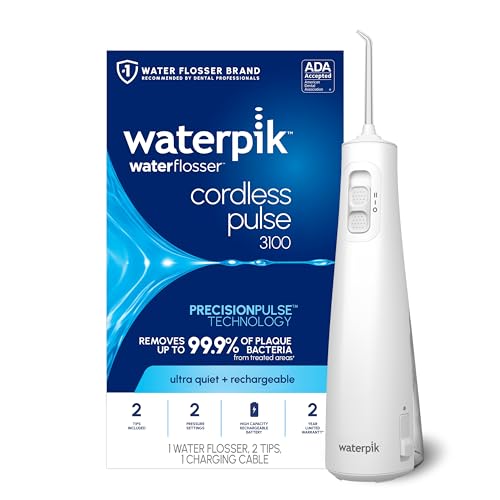
This rechargeable handheld water flosser uses a pulsed water stream as an adjunct to brushing. It has a 6-ounce removable reservoir, about 45 seconds of water capacity, two pressure settings, two tips, and a lithium-ion battery. Waterpik states that a full charge can last up to nine weeks with typical use. The supplied cable is USB-C, while the wall adapter is not included. Its defining evidence is the American Dental Association acceptance for Waterpik Cordless Water Flossers. The ADA states that this product group is safe and effective for removing plaque along the gumline and between teeth and for helping prevent or reduce gingivitis when used as directed. The exact white version is also identified in the FDA device identifier database as a commercially distributed, non-sterile, over-the-counter oral irrigation device.
This product suits an adult who wants a compact, rechargeable adjunct to brushing in a small bathroom or while traveling, and who values an ADA-accepted cordless water flosser. Its 45-second reservoir and two settings fit a straightforward daily routine rather than a highly customized one. It is also practical for someone willing to remove, wash, air-dry, and periodically descale the reservoir and replace tips on schedule. A user who prefers to begin gently can start on the low setting and increase only if comfortable.
It is not well suited to people who need many pressure increments, a user-replaceable battery, or assured repair support. Anyone with an open oral wound should not use it. People told to take antibiotic premedication before dental procedures should consult their dentist before use. The instructions also flag possible magnetic interference with pacemakers and similar implanted devices, so those users should seek medical advice. Children and people unable to follow charging and cleaning instructions need close adult supervision.
The central health highlight is independent ADA acceptance for Waterpik Cordless Water Flossers, covering safe directed use, plaque removal around and between teeth, and gingivitis prevention or reduction. Waterpik also states that the product's water pathway is BPA-free and that its oral-care water flossers did not require California Proposition 65 labeling after company-commissioned testing. Those material statements are manufacturer-provided, not a full public polymer disclosure. Cleaning is practical because the reservoir is removable and dishwasher safe, while the manual recommends weekly reservoir cleaning and vinegar-water flushing for the internal path. The battery is lithium-ion and marked recyclable, but it is not replaceable. End-of-life battery removal requires destructive disassembly, which limits repairability. No recall specific to this product was located. However, an FDA report documented a WF-20 charging-cord melting complaint, so use a dry, safety-certified compatible adapter and stop charging if the cord, port, or unit appears damaged.


