Best Overall

Nutricost Vanilla Whey Protein Isolate Powder, 5 pounds
High-quality protein with 25g per serving
Smooth vanilla flavor mixes easily
Low in carbs and fat
 Lauren Wilson
High-quality protein with 25g per serving
Smooth vanilla flavor mixes easily
Low in carbs and fat

Made from grass-fed, rBGH-free cows.
Non-GMO and gluten-free formula.
Unflavored, ideal for versatile use.

Single ingredient for pure protein intake.
Free from GMOs, gluten, and soy.
Sourced from 100% grass-fed cows.

High-quality whey isolate for better muscle recovery.
Rich Dutch chocolate flavor, no chalky taste.
25g protein per serving, supports lean muscle.

High protein content enhances muscle recovery.
Unflavored formula mixes easily with anything.
Non-GMO and soy-free for clean nutrition.

Delicious chocolate peanut butter flavor.
Gluten-free and non-GMO ingredients.
Excellent mixability and smooth texture.

Made from grass-fed whey for purity.
Natural vanilla flavor enhances taste.
High protein content supports muscle recovery.

Made from grass-fed cow's milk.
Free from lactose and sugar.
Non-GMO and natural ingredients.
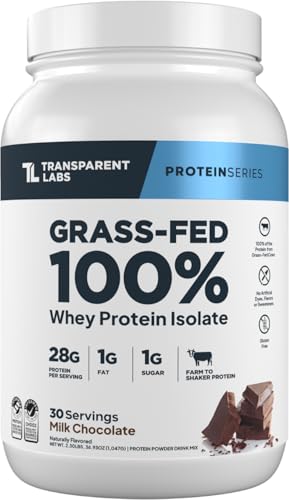
Naturally flavored for a clean taste experience.
High protein content: 28g per serving.
Free from gluten and artificial additives.
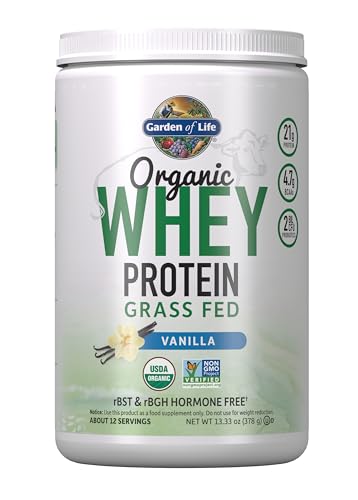
Contains probiotics for digestive health support.
Made from grass-fed, hormone-free dairy.
Gluten-free and non-GMO for dietary needs.
Start with the serving’s actual protein source and amount. A useful label identifies whey isolate, whey concentrate, hydrolyzed whey, or a clearly described milk-protein blend, and states how many grams are supplied per serving. The products reviewed ranged from 20 to 30 grams in stated or verified servings. A higher number is not automatically better: check the scoop weight, because a large serving can make a modest protein amount look impressive. Also look for a disclosed amino-acid profile, including leucine, rather than relying only on claims about BCAAs or “complete” protein.
The rest of the Nutrition Facts or Supplement Facts panel matters. Compare calories, added sugar, total carbohydrate, fat, sodium, and the full ingredient list with your intended use. A flavored powder may include sweeteners, gums, oils, flavoring systems, or enzyme blends. “No added sugar” does not mean no sugar, and “one ingredient” or “minimal” claims should match the ingredient panel. Gummies and combination products deserve particular caution when the stated protein or creatine amount is not clearly tied to a serving size.
Milk allergen disclosure is essential. Whey is milk-derived, even when it is an isolate, and an isolate designation does not by itself prove lactose-free status. Buyers who are lactose-sensitive should look for a quantified lactose result or a substantiated low-lactose or lactose-free claim. Buyers with milk allergy should avoid whey products. Other declared allergens in the supplied products included soy, peanut, coconut or tree nuts, egg, and wheat.
Independent verification is more meaningful when it covers the exact finished product in a public registry. Relevant programs in the supplied reviews include NSF Certified for Sport, NSF Functional Foods or Contents Certified, Informed Sport, Informed Choice, and BSCG. Sport certification addresses banned-substance risk; it is not the same as proof that every buyer’s tub has a public heavy-metal or microbiological report. For contaminant control, the strongest evidence would be a current, lot-specific certificate of analysis from an ISO/IEC 17025-accredited laboratory, showing methods, limits, results, lot number, and expiry date for lead, cadmium, arsenic, mercury, Salmonella, and relevant hygiene measures.
Treat grass-fed, hormone-free, regenerative, “clean,” fast-absorbing, and third-party-tested language according to the evidence attached to it. Product-specific farm certification, chain-of-custody records, and life-cycle or carbon-footprint assessments are stronger than general brand statements. Packaging claims likewise need material, recycled-content, reuse, or realistic U.S. recycling information to be useful.
Several safety caveats recur in the supplied products. None is appropriate for people with milk allergy, and many lack a measured lactose result. Tested athletes should verify current exact-product sport certification rather than rely on “banned-substance tested” wording. Multiple products carry a California Proposition 65 warning concerning possible lead exposure, while public lot-specific results were often unavailable; this warning should not be dismissed. Flavored products may also add sodium, sweeteners, saturated fat, or allergenic ingredients. People with medically supervised diets, pregnancy-related concerns, kidney disease, or particular concern about lead exposure should seek individualized clinical guidance.
These topics reflect the practical questions a buyer should ask about a whey product: does it provide the stated protein, is the formula and allergen burden clear, is the finished product controlled, and are environmental claims documented rather than implied?
This measures whether the serving provides a transparent, meaningful amount of intact complete whey or milk protein and essential amino acids. For whey, the key details are the protein grams, scoop weight, protein form, and ideally leucine or amino-acid disclosure. Higher-scoring products supplied clearly documented amounts such as 25–30 grams; lower scores reflected weaker verification or uncertainty about composition.
Whey is milk-derived, so a clear Contains: Milk statement is essential for allergic buyers. Lactose-sensitive buyers need more than an isolate label: they need a quantified lactose result or substantiated low-lactose or lactose-free claim. Higher scores went to products with explicit allergen labeling and clearer tolerance information; lower scores reflected missing statements, concentrate formulas, or unverified lactose claims.
This measures avoidable sugar, sodium, calories, undisclosed blends, sweeteners, oils, gums, and other additives relative to the product’s purpose. A plain whey powder can be compared directly with a flavored or multi-source shake. Higher scores among these products reflected short, quantified formulas with no added sugar; lower scores reflected larger nutrition loads, artificial sweeteners, flavor systems, oils, or undisclosed enzyme amounts.
This concerns evidence that the finished powder is screened for lead, cadmium, arsenic, mercury, Salmonella, and other microbiological hazards. A brand’s general testing statement is weaker than current lot-specific results from an ISO/IEC 17025-accredited laboratory or a certification program that covers these controls. Higher-scoring products had stronger independent product-level evidence; several lower-scoring products had lead warnings without public numerical lot results.
This measures protection against undeclared substances that could cause an adverse drug test. The meaningful distinction is current certification of the exact product in a public program such as NSF Certified for Sport, Informed Sport, Informed Choice, or BSCG—not simply a label saying tested. The strongest supplied scores belonged to products with exact registry entries and, in some cases, listed batches.
This asks whether an independent organization verifies the specific finished product’s identity, label accuracy, manufacturing controls, and relevant contaminants. Public registry coverage separates a certified product from a brand assertion. The strongest supplied scores belonged to products listed by NSF Certified for Sport, NSF Functional Foods or Contents Certified, or comparable programs; products with only facility GMP claims scored lower.
A buyer-accessible batch report should connect the lot number and expiry date to the finished product, named laboratory, accreditation, methods, results, and pass limits. Generic supplier certificates or statements that a brand tests products do not provide the same assurance. Scores were higher where a named tested lot or product-specific report existed, though even the better-supported products often lacked a report for every flavor or purchased tub.
This measures whether claims about muscle, recovery, absorption, grass-fed sourcing, hormones, or digestion match the disclosed formula and available human evidence. Protein supplementation can support training-related gains when it helps meet overall protein needs, but that does not prove a unique benefit from a flavor, processing method, enzyme blend, or grass-fed claim. Higher scores reflected specific, qualified claims; lower scores reflected mismatches or unsupported marketing language.
This covers identifiable manufacturing responsibility, quality systems, contact information, and the maker’s response to recalls, enforcement, or adulteration concerns. Facility GMP certification supports process oversight but does not equal finished-product certification. Higher-scoring products had stronger accountability or cleaner reviewed records; lower scores reflected limited traceability, unresolved uncertainty, or company-level signals that did not necessarily establish a problem with the whey itself.
Whey’s environmental profile is tied to dairy production, animal sourcing, farm practices, and greenhouse-gas emissions. A high score requires product-specific evidence such as a verified farm or chain-of-custody record, life-cycle assessment, or assured carbon footprint. In the supplied set, most grass-fed, pasture, hormone-free, or regenerative claims were manufacturer statements, so ecology scores generally remained moderate rather than high.
This measures packaging required per serving and whether reuse, recycled content, material type, and realistic recyclability are documented. A large tub or pouch may appear efficient, but that cannot be treated as a verified packaging benefit without package weight and material information. The supplied products generally lacked resin, recycled-content, refill, or market-specific recycling documentation, which kept their scores clustered in the moderate range.
This is a vanilla whey protein isolate powder in a 5 pound container with 62 stated servings. The current label information captured by an independent retailer lists a 37 g scoop with 30 g protein, 140 calories, 2 g carbohydrate, 1 g added sugar, and 320 mg sodium. Directions are to mix one scoop with 6 to 10 ounces of water, milk, or another beverage. The listed formula is whey protein isolate instantized with sunflower lecithin, natural flavors, salt, and sucralose. Milk is explicitly declared. Nutricost Manufacturing holds a current NSF/ANSI 455-2 GMP facility listing for powder operations, which supports manufacturing-system oversight but does not certify this finished product's label accuracy, contaminants, or sports-drug status. The manufacturer's current product page also carries a California lead exposure warning for this vanilla 5 pound product.
It suits an adult who wants a large-format whey isolate powder to help close a dietary protein gap, especially when resistance training is already part of the routine. One scoop supplies a manufacturer-stated 30 g protein with little fat or carbohydrate, and the milk allergen is plainly declared. It may also suit people who prefer an instantized powder that can be mixed in water or milk. The 5 pound format makes most sense for regular users who can use 62 servings before the best-by date.
It is not appropriate for anyone with a milk allergy, since the ingredient list and Contains statement identify milk. Lactose-sensitive buyers should not treat whey isolate as a verified lactose-free guarantee because no lot-specific lactose result was found. Tested athletes and others subject to drug screening should use a product carrying a current exact-product sport certification instead. People who avoid sucralose, need to limit sodium, are pregnant, or are concerned by a lead exposure warning should discuss the warning with a qualified clinician or select a product with current lot-specific contaminant reporting.
The finished-product label identifies whey protein isolate as the principal ingredient and clearly declares milk, which is important because whey is a milk protein. A current independent NSF listing confirms that Nutricost Manufacturing has GMP-certified facilities with powder formulation, mixing, packaging, and quality operations. That is evidence of facility-level manufacturing controls, not an independent certification of this specific tub. The main safety concern is the manufacturer's California warning that consumption can expose users to lead. No public lot report was found to show the measured lead result, other toxic elements, microbiological results, or pass limits for the batch a buyer receives. No exact-product sports testing certification was found. The available materials also do not document dairy origin, animal-production practices, product-specific climate impacts, recycled content, or realistic recycling instructions for the container.
This is an unflavored 5 pound tub of instantized grass-fed whey protein isolate for mixing into water, milk, shakes, or food. The current label record in the NIH Dietary Supplement Label Database lists 65 servings, a 35 gram scoop, and 30 grams of protein per serving. It also lists 130 calories, 1 gram carbohydrate, 1 gram total sugar, and no added sugar. The formula is short, whey protein isolate with sunflower lecithin, and it clearly declares milk. Nutricost states that the product is grass-fed, rBGH-free, non-GMO, gluten-free, third-party tested, and made in a GMP-compliant, FDA-registered facility. Those statements were not matched to a public finished-product certification or lot report. Most importantly, the manufacturer page carries a California warning for lead exposure.
This product suits an adult who wants a large unflavored whey isolate powder to raise daily protein intake without sweeteners, flavors, or added sugar. A 30 gram protein serving can be practical after resistance training or when food intake is short, provided the person tolerates dairy and does not need sport-certification documentation. It is also suited to users who prefer to control taste themselves by blending the powder with other foods or drinks. The large tub format is most practical for regular household use rather than occasional use.
It is not for anyone with a milk allergy, because the label declares milk. Lactose-sensitive users should also be cautious because whey isolate does not establish lactose-free status and no lot-specific lactose result was found. Competitive athletes or others subject to drug testing should use a product certified in a recognized sport testing program, since no such certification was confirmed here. Pregnant people, those trying to limit lead exposure, and households seeking transparent contaminant testing should take the manufacturer’s California lead warning seriously and seek clinician-specific advice where appropriate.
The health profile is straightforward on paper. The NIH label record documents a 30 gram whey-protein serving with no added sugar, while the ingredient panel contains only whey protein isolate and sunflower lecithin. Whey protein has human evidence for supporting resistance-training-related muscle and recovery outcomes when it helps meet overall protein needs. That evidence supports the ingredient category, not independent confirmation of this finished tub. Nutricost states that the product is third-party tested and produced in a GMP-compliant, FDA-registered facility, but no public lot report or product-specific independent certification was confirmed. The manufacturer also posts a California warning for potential lead exposure. Grass-fed and rBGH-free claims lack publicly located sourcing certification, and no product-specific life-cycle assessment, recycled-content statement, resin identification, refill option, or market-specific recycling instructions were located.
This is a 2-pound unflavored whey protein concentrate powder, sold as about 30 servings of two scoops, or 30 g each. It is intended to add dietary protein in shakes, smoothies, recipes, or around resistance training. The manufacturer states that each unflavored serving provides 25 g protein, 120 calories, 2 g sugar, and 5.9 g branched-chain amino acids. Two independent registries substantiate important parts of this unit. NSF currently lists Naked Whey as a certified functional food at a 30 g serving, and Informed Choice lists Naked Whey as a North American certified product. Its public batch database includes an unflavored lot tested in September 2025 with a June 2027 expiration. The formula is plainly dairy-based, so it is not suitable for milk allergy and is not presented as lactose-free.
This product suits an adult who wants an unflavored, dairy-based powder to increase protein intake without added sweeteners or flavor systems. A 25 g protein serving can fit a shake, smoothie, oatmeal, or baking routine, particularly when total dietary protein is otherwise difficult to meet. It is also relevant for tested athletes who need a current certification program and are prepared to verify that the lot on their container corresponds to the publicly listed Informed Choice batch record.
It is not for anyone with a milk allergy, because whey is a milk protein. People with lactose intolerance or dairy-related digestive symptoms should not treat the absence of added ingredients as proof of low lactose or easy tolerance, since no lactose-free claim or lot-specific lactose result was located. It also does not suit vegans, people avoiding animal-derived foods, or buyers who require public, lot-specific numerical results for lead, other metals, and microbiological testing before regular use.
The most meaningful safety evidence is product-specific certification. NSF currently lists Naked Whey under its Functional Foods program, which includes label and contaminant review. Informed Choice also lists Naked Whey, with a public unflavored batch entry tested in September 2025 and expiring in June 2027. These certifications support product identity and reduce banned-substance uncertainty, although they do not replace a full public certificate of analysis for the buyer's own lot. The manufacturer describes grass-fed, pasture-raised dairy and regenerative farm practices, but those environmental and sourcing statements were not independently verified with a product-specific lifecycle assessment, organic record, or grass-fed registry entry. No packaging circularity documentation was found. A California 60-day notice filed in September 2025 alleges lead in the chocolate version of this whey product. That allegation is not a test result for this unflavored product, but it reinforces the value of accessible lot-specific contaminant data.
This is a flavored whey protein isolate powder sold in a 5.42 pound bag with 60 stated servings. It is intended to be mixed into a beverage or food to add protein around training or as a convenient contribution to daily protein intake. The catalog specifies 25 g of U.S. grass-fed protein per scoop, while the NIH label record for an earlier Dutch Chocolate version lists a 40.5 g serving with 25 g protein, 1 g added L-leucine, 3 g MCTs, 20 mcg vitamin D, 150 calories, 4 g fat, and 220 mg sodium. The strongest product-specific evidence is its current Informed Sport registry entry. The registry lists multiple Dutch Chocolate batches, with batch test dates and expiry dates through 2028. The formula is also independently listed as IGEN certified for non-detectable tested GMO proteins and genes. These certifications do not substitute for a publicly available heavy-metal or microbiological report.
This product fits an adult who uses protein powder regularly, wants a large flavored bag, and needs a clearly quantified 25 g whey serving to help close a dietary protein gap. It is particularly relevant to tested athletes because the exact Dutch Chocolate product appears in the Informed Sport batch database, rather than relying only on a package claim. It also suits buyers comfortable with a chocolate formula containing MCTs, added leucine, gums, and non-sugar sweeteners rather than an unflavored single-ingredient powder.
It is not for people with a milk allergy, because the formula contains whey isolate and sodium caseinate, or for people with a coconut allergy due to the MCT ingredient. Lactose-sensitive buyers should not treat whey isolate as proof of lactose freedom without a current lot-specific lactose result. People avoiding sucralose, acesulfame potassium, gums, or added MCT fat should use a simpler formula. Anyone taking medicines affected by calcium, iron, potassium, vitamin D, or high-protein intake should ask a pharmacist about dose timing.
The health highlight is the Informed Sport certification. Its public registry identifies Dutch Chocolate batches individually, and the program states that each batch is screened before sale with LGC's ISO/IEC 17025-accredited banned-substance methods. That meaningfully addresses inadvertent doping risk. The IGEN registry also independently lists this exact flavor as passing its non-GMO protein and gene panel. Human research supports whey or total protein supplementation as an aid to resistance-training outcomes when it helps meet overall protein needs. The limits are important. No public lot report was found that gives measured results and limits for heavy metals or microbiological contaminants, so those controls cannot be independently checked by a purchaser. The product is dairy-based and sold in a flexible bag, but no independently verified farm-practice documentation, product carbon footprint, recycled-content statement, or end-of-life recycling guidance was located. Searches did not identify a product-specific FDA recall or warning letter, which is not equivalent to proof that no quality event has occurred.
This is a 2 pound resealable pouch of unflavored instant whey protein concentrate. The maker directs users to mix three scoops, about 32 g, into a drink or food. The package Nutrition Facts panel states 28 servings, 130 calories, 26 g protein, 5.8 g naturally occurring branched-chain amino acids, 0 g added sugar, and 160 mg sodium per serving. The manufacturer’s package panel identifies just whey protein concentrate and sunflower lecithin, with a clear Contains: Milk statement. Its published amino-acid panel lists all essential amino acids, including 2.717 g leucine per serving. This supports its use as a practical protein supplement alongside adequate food intake and resistance training. However, the retail title calls it whey isolate while the official product page and package call it whey concentrate, a material labeling inconsistency.
This product suits adults who want a plain dairy protein powder for recipes or shakes and who can tolerate milk. Its manufacturer-stated 26 g protein serving and disclosed amino-acid profile make it practical for people trying to raise daily protein intake around resistance training, busy meals, or recovery snacks. It is especially relevant for users who prefer to control sweetness and flavor themselves, and who do not need a lactose-free product or sport-certification documentation. The 2 pound pouch contains 28 stated servings.
It is not suitable for anyone with a milk allergy, because the package explicitly states that it contains milk. People with lactose intolerance or those following a medically directed low-lactose diet should choose a product with a verified lactose amount or lactose-free claim. Tested athletes and other users subject to drug screening should seek an exact-product certification in a recognized sport-supplement registry. It also may not suit buyers who specifically want whey isolate, because the current retail title conflicts with the manufacturer’s concentrate labeling.
The formula is comparatively simple on the manufacturer’s published panel, with whey protein concentrate and sunflower lecithin only. It lists 26 g protein, 0 g added sugar, and milk as an allergen. Human evidence supports whey protein as a useful adjunct to resistance training, but it does not establish that this individual product absorbs faster than other whey powders. The maker’s own label describes it as concentrate, not isolate. Micro Ingredients says it third-party tests products for heavy metals and microorganisms, but this review did not locate a lot-specific finished-product report, named accredited laboratory, or public independent certification for this product. No product-specific FDA recall or warning action was identified in this review. The pouch is marketed as recyclable, but no resin type, recycled-content percentage, dairy-origin documentation, or product-specific climate assessment was provided.
This is a flavored whey protein concentrate powder in a 5 pound container. The current label record lists a 36 g scoop, 63 servings, and 25 g protein per serving. Directions are to mix one scoop with 6 to 10 ounces of water, milk, or another beverage. It is intended to help raise dietary protein intake, including around resistance training, rather than function as a complete meal. The independently archived label identifies whey protein concentrate as the main ingredient, followed by peanut flour, cocoa, flavors, salt, and sucralose. It also lists 140 calories, 3.5 g fat, 3 g carbohydrate, 250 mg sodium, and no added sugar per serving. The manufacturer states that this flavor is gluten-free and non-GMO, but it does not publish an amino-acid panel or a public lot report. Most importantly, the manufacturer posts a California warning that consumption can expose users to lead.
This product suits adults who can consume dairy and peanuts, want a flavored whey concentrate powder, and need a convenient 25 g protein serving to supplement food intake. It is most relevant for people doing resistance training or those who struggle to meet protein needs through meals alone. The 5 pound container and roughly 63 servings are practical for regular home use. It is also suitable for people who accept sucralose and artificial flavoring and who can accommodate 250 mg sodium and 140 calories in their daily intake.
It is not appropriate for anyone with a milk or peanut allergy. People with lactose intolerance should be cautious because this is whey concentrate and no lactose amount, low-lactose claim, or lactose-free test result is supplied. Competitive athletes and others subject to drug testing should use a product with current certification for the exact product in a recognized sport testing registry. Pregnant people, people trying to minimize lead exposure, and households serving children may prefer a product with accessible current lot-specific toxic-element results, given the posted lead warning.
The strongest independently confirmed quality signal is manufacturing rather than finished-product certification. Nutricost Manufacturing is currently listed by NSF for NSF/ANSI 455-2 GMP operations that include powder mixing, packaging, quality-unit activities, and warehousing. The archived product label also gives a concrete ingredient and nutrition disclosure, including milk and peanut allergens, 25 g protein, no added sugar, and sucralose. There is a material safety limitation. The manufacturer specifically warns that this product can expose users to lead, yet no public current batch report was located to show the concentration, test method, laboratory, or pass limit. The product page states third-party testing, but that statement is not a substitute for a traceable finished-product report. No product-specific dairy-origin documentation, life-cycle assessment, recycled-content claim, refill option, or verified recyclability information was found. The large rigid tub may be durable, but its material and local recycling pathway are not documented.
This is a vanilla whey powder sold in a 20-serving tub for mixing into water or another drink, primarily after training or when extra dietary protein is needed. A scoop provides 24 g protein, 120 calories, 6 g carbohydrate, 4 g fiber, 0 g sugar, and 120 mg sodium on a current retailer label. The protein blend is disclosed as 85% whey protein isolate and 15% milk protein. Its defining independent feature is current NSF Certified for Sport registration in the United States. NSF lists the vanilla powder as a 32 g scoop with 24 g protein and identifies listed production lots. The formula includes tapioca-derived fiber, acacia gum, sunflower lecithin, stevia, vanilla flavoring, and a Bifidobacterium lactis probiotic. Online label records differ on whether erythritol is included, so the physical tub remains the controlling ingredient reference.
This product fits an adult strength trainee or sport participant who wants a measured 24 g serving of complete dairy protein in a flavored powder and values independently verified banned-substance controls. It is particularly relevant for people subject to athletic drug-testing rules, because the exact vanilla powder is listed by NSF Certified for Sport in the United States. It also suits users who accept milk ingredients, stevia, added fiber, and a multi-ingredient shake rather than needing an unflavored single-ingredient protein.
It is not appropriate for anyone with a milk allergy, since the label clearly states that it contains milk. People who must strictly avoid lactose should choose a product with a substantiated lactose measurement or lactose-free claim, because none is available here. It also does not suit vegans or people who react poorly to added fermentable fibers, sugar alcohols, gums, stevia, or probiotic blends. Buyers seeking fully transparent lot-specific heavy-metal numbers or low-waste refill packaging will not find that documentation for this product.
The most meaningful health safeguard is independently confirmed NSF Certified for Sport status for the exact vanilla powder sold in the United States. NSF says this program includes formulation and label review, screening for athletic banned substances, contaminant evaluation, and facility oversight. That is stronger evidence than a brand-only testing claim. The label also plainly identifies milk as an allergen. Whey protein has human trial evidence for modest additional lean-mass and strength benefits when it helps meet protein needs during resistance training. The dairy source is traceable to Truly Grass Fed, whose supplier materials state that Garden of Life uses its whey and describe cows fed at least 95% grass, without growth hormones or antibiotics. That is useful sourcing detail, but it is not a product-specific independently verified climate footprint. A historical FDA recall under the Garden of Life name involved liquid infant formula in 2017, not this whey powder. No FDA recall or warning specific to this whey product was identified. The plastic tub's recycled content and local recyclability are not documented.
This is a 30-serving Dutch chocolate whey protein isolate powder intended to be mixed with 8 to 10 ounces of a beverage. The independently listed nutrition panel provides 22 g protein, 100 calories, 3 g carbohydrate, 0 g fat, 1 g total sugar, and no added sugar per 28.9 g scoop. Its ingredient list begins with 25 g whey protein isolate and includes cocoa, natural flavors, xanthan gum, sunflower lecithin, salt, stevia, and dextrin-containing sweetener ingredients. An independently tested lot, dated March 6, 2026, measured 22.5 g protein. That same test reported lead, arsenic, cadmium, and mercury below its limits of quantitation. Legion states that its whey comes from Truly Grass Fed certified Irish dairy supply, but the available public test is one lot rather than a buyer-accessible report for the pouch in hand. Evidence supports whey protein as a useful tool for meeting protein needs alongside resistance training, not as a stand-alone muscle-building treatment.
This product fits an adult who can consume milk, wants a chocolate whey isolate shake, and needs a modest 22 g protein serving to help close a dietary protein gap around resistance training or busy meals. It is also suited to someone limiting added sugar and fat who prefers a sweetened flavored powder instead of an unflavored isolate. The available independent 2026 lot result provides some direct reassurance on labeled protein and four toxic elements, although it does not substitute for testing of the purchaser's own pouch.
It is not for anyone with a milk allergy, since whey is a milk protein and the label identifies milk. People with severe lactose intolerance should not treat the lactose-related marketing as a guarantee because a current lot-specific lactose measurement was not publicly available. Tested athletes who require documented banned-substance protection should use a product with the exact flavor and product listed in a current recognized sport-certification registry. It is also not a substitute for medical nutrition care in kidney disease, pregnancy, or a medically prescribed diet.
The key health evidence is specific but limited. A March 2026 independent test of one Legion Whey+ lot measured 22.5 g protein and reported lead, arsenic, cadmium, and mercury below quantitation limits. The product's 22 g whey-isolate serving aligns with research showing that supplemental protein can add small benefits to lean mass and strength when paired with resistance training. It still contains milk, and public evidence did not verify a current lot's lactose level or microbiological results. Legion states that the isolate is sourced through Truly Grass Fed in Ireland. That program documents a predominantly forage diet, independent farm auditing, no rBST, and antibiotic testing of milk before use. Those sourcing controls are more concrete than an unsupported grass-fed statement, but they are not a product-specific life-cycle assessment. The product is sold in a flexible pouch, and no recycled-content, resin, reuse, or practical recyclability documentation was found. A 2020 California lead settlement involved other Legion products, not this whey powder.
This is a flavored whey protein isolate powder in a 30-serving tub. One 34.9 g scoop is mixed into a cold drink or food, typically to help meet daily protein intake around resistance training. The Milk Chocolate label lists 130 calories, 28 g protein, 1 g carbohydrate, 1 g total sugar, 0 g added sugar, 1 g fat, and 210 mg sodium per serving. The formula is short, with grass-fed whey protein isolate, cocoa, natural flavors, salt, stevia extract, and sunflower lecithin. An externally issued June 2026 report for a Milk Chocolate lot measured 28.39 g protein per serving by nitrogen analysis. The exact Milk Chocolate product is also listed by NSF as Certified for Sport, an independent sport-supplement certification. Grass-fed sourcing and no-growth-hormone statements are manufacturer claims, not certifications located in an independent sourcing registry.
This product suits an adult who wants a convenient, flavored whey isolate serving after training or when food alone does not cover protein needs. It is particularly relevant for tested athletes because the exact Milk Chocolate formula appears in NSF's Certified for Sport registry. It also fits someone who wants a simple label with no added sugar, modest calories, and externally measured protein content. The 30-serving tub is appropriate for regular use, provided dairy is tolerated and the buyer accepts stevia and natural flavors.
Choose something else if you have a milk allergy, since the label explicitly declares milk. People with clinically important lactose intolerance should not treat whey isolate as equivalent to independently verified lactose-free, because no current Milk Chocolate lactose assay was located. It also does not fit vegan households or buyers avoiding dairy for ethical or environmental reasons. Athletes or clinicians who need lot-specific heavy-metal and microbiology results for the exact tub in hand may need direct documentation before use, despite the sport certification.
The main health controls are unusually concrete for a protein powder. NSF's public registry confirms Certified for Sport listing for the Milk Chocolate formula, and the label also displays Informed Protein and Informed Choice marks. A published external laboratory report for a Milk Chocolate lot found 28.39 g protein per serving, consistent with the 28 g label claim. The product declares milk clearly. The formula contains cocoa, natural flavors, stevia, salt, and sunflower lecithin, with 0 g added sugar. No relevant product-specific FDA recall or warning letter was located in the searched FDA sources. The brand states that its whey comes from cows with pasture access and without growth hormones, but those sourcing statements were not backed by an independent grass-fed registry entry, organic certification, or product-specific environmental assessment found in this review. The rigid tub format has no verified recycled-content, refill, or market-specific recyclability documentation located, so its packaging footprint remains unclear.
This is a vanilla whey protein powder in a 13.33-ounce tub with 12 two-scoop servings. The current product label supplied by an independent retailer lists 21 g of protein, 4.7 g of BCAAs, 120 calories, 2 g sugar, 0 g added sugar, and 2 billion CFU of Bifidobacterium lactis at expiration. It is intended to be mixed into a drink for general protein intake or around training. The formula uses organic whey protein concentrate rather than isolate, with organic tapioca fiber, flavor, gum acacia, erythritol, sea salt, stevia, and probiotic culture. Milk is plainly declared. NSF's current Certified for Sport registry lists Garden of Life Grass Fed Whey-Vanilla, providing independent banned-substance certification for the named vanilla whey product. Public lot-specific heavy-metal and microbiological reports for a buyer's individual tub were not available.
This product suits an adult who tolerates dairy, wants a compact 12-serving vanilla whey powder, and prefers a formula with 21 g protein rather than a meal replacement. It is particularly relevant for recreational or competitive trainees who value the added assurance of a current NSF Certified for Sport listing for Garden of Life Grass Fed Whey-Vanilla. It also fits buyers seeking an organic-labeled whey concentrate with no added sugar and a declared probiotic culture. Use it as a convenient contribution to total dietary protein, not as a substitute for meals or training.
It is not appropriate for anyone with a milk allergy. People with lactose intolerance should be cautious because the product uses whey concentrate, is not labeled lactose-free, and does not disclose lactose grams. It may also be unsuitable for people who know they react to erythritol, added fermentable fibers, stevia, or protein powders containing probiotics. Those needing every lot's measured heavy-metal, microbiological, and protein results before use should choose a product that provides a current lot-specific report. It is also not intended for weight reduction.
The health evidence is strongest for the whey protein itself. Human systematic reviews find that protein supplementation, including milk proteins, can support modest gains in strength and lean mass when paired with sustained resistance training and adequate overall protein intake. The stated 21 g serving is within the commonly studied practical range, although results depend on total diet and training. Milk and shared-facility allergens are clearly disclosed. The current NSF Certified for Sport listing is a meaningful independent control for banned substances. The product's label identifies organic whey concentrate and makes grass-fed sourcing claims, with USDA Organic certification stated through QCS. The brand describes pasture-raised cows supplemented with small amounts of organic grains and hay, so buyers should not interpret the product as necessarily coming from an all-grass-only diet. No product-specific verified carbon footprint or life-cycle assessment was found. Packaging documentation also did not establish recycled content or practical recycling instructions for this tub.


