Best Overall

Nutricost Vanilla Whey Protein Isolate Powder 2LBS
High protein content per serving
Smooth, pleasant vanilla flavor
Mixes easily without clumping
 Lauren Wilson
High protein content per serving
Smooth, pleasant vanilla flavor
Mixes easily without clumping
Only three natural, high-quality ingredients.
Free from GMOs, soy, and gluten.
Sourced from grass-fed whey for purity.

Great vanilla flavor, not overpowering.
Mixes easily with water or milk.
High protein content per serving.

Made from grass-fed, rBGH-free cows.
Non-GMO and gluten-free formula.
Unflavored, ideal for versatile use.

Contains only two simple ingredients.
Offers 30g of grass-fed protein.
Free from GMOs, soy, and gluten.

Made from grass-fed whey for purity.
Natural vanilla flavor enhances taste.
High protein content supports muscle recovery.

High-quality whey isolate for better muscle recovery.
Rich Dutch chocolate flavor, no chalky taste.
25g protein per serving, supports lean muscle.

Tasty vanilla flavor with smooth consistency.
Keto-friendly and gluten-free formula.
Balanced whey and casein protein blend.
Sourced from grass-fed cows for better quality.
Free from lactose, gluten, and sugar.
Low in carbs and calories, ideal for diets.
Contains prebiotics, enzymes, and probiotics.
Naturally sweetened with only 100 calories.
Provides 20g of grass-fed protein per serving.
Start with protein identity. A clear label should say whether the product contains whey concentrate, whey isolate, hydrolysate, or a blend, rather than hiding the source in a proprietary mixture. An amino-acid profile or independent protein-identity analysis adds confidence. Headline protein can mislead when collagen or added free amino acids contribute to the total, or when the serving size changes between listings and packages. One reviewed product also called itself isolate in the marketplace title while describing itself as concentrate elsewhere, showing why the package label matters.
The strongest product-level signal is recognized independent verification. Public NSF Certified Dietary Supplements, NSF Certified for Sport, or USP Verified listings can support identity, label accuracy, contaminant controls, and manufacturing oversight. Sport-focused buyers should check the exact flavor and, where available, the batch in NSF Certified for Sport or Informed Sport records; a general “third-party tested” statement is not equivalent. A facility’s GMP certification is useful manufacturing information, but it does not certify every finished product.
Contaminant transparency is a separate question. The most useful certificate of analysis is recent, independent, and matched to the lot in the buyer’s container. It should identify the laboratory and methods and report measured results and limits for lead, cadmium, arsenic, mercury, microbiological contamination, and relevant residues. A product-level purity award or a single tested lot may provide meaningful evidence, but neither proves that every tub has the same results. Public claims without a lot number, laboratory details, methods, limits, and measurements leave important uncertainty.
Read the full formula and allergen statement. Whey is milk-derived, including isolate and hydrolysate, and neither form should be assumed safe for someone with a milk allergy. Concentrate may be less suitable for people who need low lactose; even isolate products in this set did not consistently provide independently verified lactose amounts. Look for individually named sweeteners, flavors, gums, fibers, enzymes, probiotics, collagen, and added amino acids. “Natural,” “clean,” “grass-fed,” “lactose-free,” “gluten-free,” and digestive or immune claims should be treated as claims to verify, not automatic benefits.
The supplied reviews identified recurring cautions: milk allergy is a category-wide concern, and several products also contain soy, peanut, coconut, or wheat. Lactose tolerance cannot be assumed. Sucralose, acesulfame potassium, sugar alcohols, gums, fibers, flavors, and probiotics may matter for individual tolerance. Tested athletes need exact-product sport certification rather than a general testing statement. Buyers seeking unusually stringent contaminant control should require lot-specific reports. Proposition 65 warnings, including lead or reproductive-harm warnings on some products, deserve attention even where the supplied evidence does not establish the measured amount or affected lot. No category-wide contraindication beyond these recurring allergen, tolerance, certification, and contamination concerns was identified in the supplied data.
For whey powder, health and sustainability claims are strongest when the exact product, formula, package, and testing evidence can be matched. The reviewed scores distinguish public, product-specific verification from manufacturer statements and distinguish a useful protein serving from proof of broader health benefits.
This measures whether a buyer can see recent independent results matched to the finished product’s lot for lead, cadmium, arsenic, mercury, microbes, and relevant residues. High-scoring examples included a public tested lot, though not always one traceable to the buyer’s tub. Low scores reflected only “third-party tested” language without a laboratory, methods, limits, lot number, or measured results.
This asks whether the serving provides a meaningful amount of complete whey protein for training or recovery without inflating the headline with collagen or free amino acids. Higher-scoring products supplied roughly 24–30 grams of identified whey in a serving. Lower scores generally reflected less independent support for the label amount or a blend where the whey-only contribution was unclear.
Whey is milk protein, so clear “Contains: Milk” labeling is essential, while lactose-free suitability is a separate issue. Higher-scoring products clearly disclosed milk and gave more useful dietary information. Lower-scoring or ambiguous products left lactose amounts unverified or encouraged buyers to infer that isolate is automatically lactose-free. Milk allergy and lactose intolerance should not be treated as the same condition.
This measures whether the product names sweeteners, flavors, gums, fibers, enzymes, probiotics, collagen, and other additions instead of hiding them in a proprietary blend. High-scoring formulas listed a short ingredient panel with named components and no opaque protein blend. Lower-scoring formulas had incomplete accessible details, added collagen or amino acids, or included ingredients that could affect tolerance or protein interpretation.
This measures protection against prohibited substances in sport through a recognized program such as NSF Certified for Sport or Informed Sport. High scores came from exact-product listings and, in some cases, searchable batches. Lower scores reflected a general manufacturer testing claim, a product-family listing that did not identify the flavor or lot, or no public sport-certification record. Athletes should verify the container and batch where possible.
This measures whether the exact product is publicly listed by a credible independent program for identity, label accuracy, contaminants, and manufacturing controls. High-scoring products had matching NSF or comparable public listings. Lower scores reflected facility-level GMP information, product-family certification, or manufacturer claims that could not be matched to the exact flavor, package, or product record.
This measures whether the product identifies concentrate, isolate, hydrolysate, or a blend and supports the protein claim with an amino-acid profile or identity analysis. High scores combined clear whey forms with stronger independent evidence. Low scores included opaque or conflicting descriptions, such as a marketplace title saying isolate while the product page said concentrate, or a total protein number that included collagen.
This measures whether muscle, recovery, digestive, immunity, grass-fed, clean, and similar claims are proportionate to the formula and available human evidence. Higher scores came from specific protein claims and restrained labeling. Lower scores reflected broad benefits that a scoop alone could not establish, unsupported sourcing or processing language, or claims that exceeded available testing and certification evidence.
This measures the named brand and manufacturer’s relevant recall, warning-letter, enforcement, and traceability record. A higher score indicates no identified relevant action and clearer responsible-party information, while a lower score reflects a warning, a company-level concern, or a more limited record. The absence of a located recall is not proof of product safety or lot-level quality.
This measures whether the marketplace listing, package label, serving size, formula version, lot code, and responsible company can be matched without ambiguity. High-scoring products had consistent package and public-register details. Lower scores reflected conflicting serving counts, package sizes, flavor descriptions, or formula identities. This matters because certification or testing evidence is only useful when it applies to the product actually purchased.
This measures product-specific evidence about dairy sourcing, manufacturing, transport, life-cycle impact, and packaging recovery. Scores were relatively close because most products had no independently reviewed life-cycle assessment, environmental product declaration, farm certification, or recycling plan. A higher score indicates somewhat stronger sourcing or accountability information, but none of the supplied products established a complete, independently reviewed environmental case.
This is a vanilla-flavored whey protein isolate powder in a 2-pound tub with 25 labeled servings. The label information available through independent retail listings identifies 30 g of protein per scoop. It is intended to be mixed with water, milk, or another beverage as a food supplement, including after exercise. The disclosed formula is short, whey protein isolate instantized with sunflower lecithin, flavoring, salt, and sucralose. That supports a clear isolate-based protein claim, although no public amino-acid analysis or finished-product protein assay was found. Thirty grams is within the 20 to 40 g high-quality protein range supported by exercise-nutrition evidence for a feeding. Public certification registers did not verify this exact product, and no current lot-specific laboratory report was publicly available.
This product suits healthy adults who want a simple vanilla whey isolate powder for convenient post-workout or between-meal protein, and who are comfortable using a sucralose-sweetened product. A 30 g labeled serving is a practical amount for many active adults after resistance exercise, provided it complements rather than replaces an adequate overall diet. The 2-pound, 25-serving format also fits someone who prefers a smaller tub before committing to a larger container. Buyers should retain the package and lot details in case they need to request product documentation.
It is not appropriate for people with a milk allergy, since whey is milk-derived. People with lactose intolerance or highly sensitive digestion should not assume isolate means lactose-free, because a product-specific lactose result was not located. Tested athletes and others subject to anti-doping rules should choose a product with a publicly verifiable sport-certification record. Pregnant people, people trying to conceive, and households seeking especially conservative heavy-metal exposure control should consider the California lead warning and the absence of a public lot-specific contaminant report with a clinician or dietitian.
The health case is strongest for the basic nutrition role, not for unusually broad performance promises. Whey isolate is clearly named, the formula does not list free amino acids that could inflate the headline protein number, and the 30 g labeled serving aligns with evidence-based per-feeding protein ranges for exercising adults. The main evidence gap is verification. Neither a recognized finished-product certification nor a public lot-specific report for metals, microbiology, or protein identity was located. A California Proposition 65 lead warning is associated with Nutricost vanilla whey isolate listings. That warning is a meaningful exposure signal, but it does not by itself disclose the dose in a given tub. Milk remains the key allergen. Environmental accountability is also limited, with no product-specific life-cycle assessment, independently verified dairy-sourcing certification, or packaging recoverability documentation located. The plastic tub offers physical protection, but the available evidence does not establish a reduced environmental footprint.
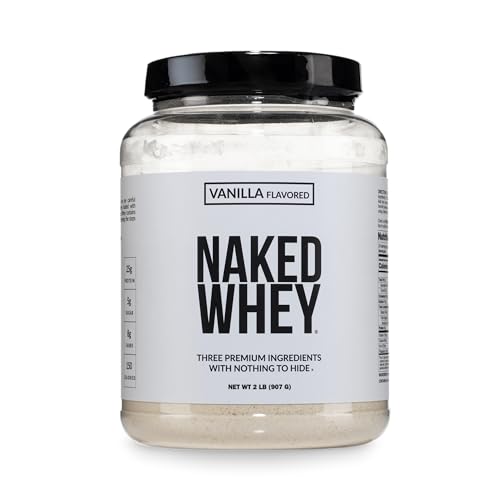
This is a vanilla flavored whey protein concentrate powder in a 2 pound canister with 24 servings. The listed serving is 37 g, or two scoops, intended for shakes, smoothies, baking, or use around training. The manufacturer states that each serving provides 25 g protein and 5.9 g branched-chain amino acids. Its defining quality-control fact is independently confirmed. NSF's current public Functional Foods listing identifies Vanilla Naked Whey as a 37 g, two-scoop powder product. The formula is also unusually short on the manufacturer label, grass-fed whey protein concentrate, organic coconut sugar, and natural vanilla. The manufacturer identifies it as whey concentrate rather than isolate, so it should not be treated as lactose-free.
This product fits an adult who wants a simple vanilla whey concentrate for shakes or recipes and can consume milk. A 25 g labeled protein serving is a practical supplement to meals around resistance training or other exercise, particularly for someone who has trouble reaching daily protein targets with food alone. It also suits ingredient-focused users who prefer coconut sugar over non-nutritive sweeteners and do not require a lactose-free powder. The 2 pound canister supplies 24 listed servings.
It is not appropriate for anyone with a milk allergy. People with lactose intolerance, irritable bowel symptoms triggered by dairy, or a clinical need to avoid lactose should select a product with a clearly stated lactose specification instead of assuming whey concentrate will be tolerated. Tested athletes subject to anti-doping rules should not treat the NSF Functional Foods listing as a Certified for Sport credential. Buyers who need lot-specific heavy-metal and microbiological results before use will also need a product that publishes those reports.
The strongest health-control finding is the current NSF public listing for Vanilla Naked Whey, which confirms that this named powder is certified under NSF Certification Guideline 229 for Functional Foods. That is meaningful independent confirmation of the product identity and its certification claim. It does not provide a public, lot-by-lot certificate of analysis with numerical lead, cadmium, arsenic, mercury, or microbiological results. The formula is manufacturer-stated as whey protein concentrate, organic coconut sugar, and natural vanilla. It contains milk and is not represented as lactose-free. The brand's grass-fed, non-GMO dairy-farm, rBGH or rBST, cold-processing, and environmental statements were not backed here by a product-specific life-cycle assessment or a farm-welfare certification directory listing. FDA recall and warning-letter searches did not identify an action for this vanilla whey product. California notices located in the review concerned other Naked Whey products, including brown rice and plant-protein products, not this vanilla whey powder.
This is a vanilla-flavored whey protein concentrate powder in a 2-pound container. The current product label reproduced by an independent retailer lists 25 servings, with a 36 g scoop providing 25 g protein, 130 calories, 3 g carbohydrate, 2 g fat, 3 g total sugar, and 300 mg sodium. It is intended to be mixed into a drink as a protein supplement. The protein source is specifically identified as instantized whey protein concentrate with sunflower lecithin. The short ingredient list also names natural flavors, salt, and sucralose, rather than using a proprietary blend. Nutricost states that products are independently tested by an accredited laboratory, while NSF independently lists Nutricost Manufacturing as certified to a GMP facility standard. Neither source provides a public, lot-matched finished-product contaminant report for this vanilla powder.
This product suits an adult who wants a conventional whey concentrate shake after resistance training or to help fill a protein gap in meals. Its 25 g labeled serving is a practical amount for many active adults, especially when total daily protein intake is planned across meals. It also fits buyers who prefer a short, fully named ingredient list and are comfortable with milk-derived protein, sucralose, and a flavored powder. The 2-pound container is suited to someone who wants to try a moderate supply before committing to a larger container.
It is not appropriate for anyone with a milk allergy. People with lactose intolerance, dairy-triggered digestive symptoms, or a clinician-directed dairy restriction should seek a product specifically labeled for their needs, because this is whey concentrate and is not labeled lactose-free. Tested athletes, people subject to anti-doping rules, and buyers who require public batch-level contaminant documentation should choose a product with an exact-product sport certification and accessible lot reports. It also does not suit people avoiding sucralose or those concerned by the product's California lead exposure warning.
The health picture is mixed. The label clearly identifies milk as an allergen and names the complete flavored formula. Its 25 g whey serving is consistent with an evidence-based single serving for many exercising adults. NSF independently confirms that Nutricost Manufacturing holds a GMP facility certification for powder operations, which supports manufacturing-process controls but does not certify this finished powder's contents or contaminant levels. A material safety limitation is the manufacturer's California warning for the vanilla 2-pound and 5-pound whey concentrate products, stating potential lead exposure. The brand also states that products are tested by an independent accredited laboratory, but public lot-specific reports with measured metals and microbiological results were not located. No product-specific life-cycle assessment, dairy-welfare certification, sourcing standard, or packaging recovery program was found. The container is a rigid plastic tub, but its material specification and recycled-content claims are not disclosed.
This is an unflavored, five-pound whey protein isolate powder for mixing into water, milk, smoothies, or recipes. The current product label transcribed by an independent product database lists a 35 g scoop with 30 g protein, 130 calories, 1 g carbohydrate, 1 g sugar, and 65 servings. It lists grass-fed whey protein isolate with sunflower lecithin as the only ingredients, and identifies milk as an allergen. Nutricost states that the powder is cold processed, rBGH-free, gluten-free, made in a GMP-compliant facility, and tested by an independent accredited laboratory. Those are manufacturer claims, not public finished-product test results. Most importantly, the manufacturer product page for this exact unflavored five-pound option carries a California Proposition 65 warning for lead exposure. No current lot-matched contaminant report or amino-acid profile was publicly provided.
This product suits adults who want a large-format, unsweetened protein powder for smoothies, oatmeal, baking, or simple water-based shakes. Its label-stated 30 g protein serving is practical for people trying to add a meaningful amount of complete dairy protein around resistance training or across the day. It also fits users who prefer to avoid flavored powders, sugar substitutes, thickening gums, and elaborate blends. Buyers should be comfortable treating the protein amount and quality-testing statements as label and manufacturer information rather than public batch verification.
It is not suitable for anyone with a milk allergy. People with lactose intolerance should be cautious because whey isolate can be lower in lactose than concentrate, but this product does not claim to be lactose-free or disclose a lactose amount. Pregnant people, people trying to conceive, children, and frequent users who want documented low heavy-metal exposure should choose a product with a recent lot-specific contaminant report, given the posted lead warning. Tested athletes should also use a sport-certified product instead.
The central health issue is the explicit California Proposition 65 warning on the manufacturer page, which says the product can expose consumers to lead. That warning does not disclose a measured concentration, exposure calculation, tested lot, or the other contaminant results needed to assess routine use. Nutricost says it uses an independent accredited laboratory and a GMP-compliant facility, but it does not publish a lot-matched certificate showing those results for this powder. The unflavored formula is simple, with whey protein isolate and sunflower lecithin listed on the label, but it contains milk. The grass-fed, non-GMO, rBGH-free, and cold-processed statements are manufacturer claims without a publicly identified farm-welfare certification, organic certification, or amino-acid report. No product-specific life-cycle assessment, packaging-material disclosure, or independently reviewed environmental reporting was found, so the environmental effect of dairy sourcing and the plastic tub cannot be quantified.
This unflavored whey isolate powder is a 2-pound container with 28 servings. The label specifies a 32 g serving, 120 calories, 30 g protein, zero carbohydrate and two ingredients, whey protein isolate and sunflower lecithin. It is intended to be mixed into shakes, smoothies, or food to help increase dietary protein intake around training or across the day. The manufacturer publishes an amino acid panel that lists 4.576 g leucine and about 8.4 g total BCAAs per serving. That composition fits a useful protein dose for most active adults, although the amino acid results are manufacturer-published rather than a lot-specific independent report. The manufacturer also states New Zealand pasture-raised sourcing and 0.1 g lactose per serving. The product is plainly a milk product, despite an Amazon lactose-free claim.
This fits an active adult who wants an unflavored, low-carbohydrate way to add about 30 g of dairy protein to a smoothie, oatmeal, or post-training drink. It is especially suited to people who prefer a short ingredient list and want to avoid sweeteners, flavors, gums, or a blended protein formula. Its 28-serving container is practical for regular home use. Buyers should treat the published amino acid and lactose figures as manufacturer-stated information rather than independently lot-verified results.
This product is not suitable for anyone with a milk allergy, since the label declares milk and whey isolate is dairy-derived. It is also not the clearest choice for people with severe lactose intolerance, because the marketplace lactose-free wording conflicts with the manufacturer's stated 0.1 g lactose per serving. Tested athletes subject to anti-doping rules should use a product with exact-product sports certification. People seeking independently accessible batch results for lead, cadmium, arsenic, mercury, or microbes should choose a product that publishes those lot-specific reports.
The health-positive feature is a plainly disclosed two-ingredient formula, with whey isolate and sunflower lecithin, plus a package amino acid panel rather than an opaque blend. The label declares milk. The stated 30 g protein and 4.576 g leucine content are consistent with a meaningful serving for exercise recovery, but the public evidence does not include a recent lot-specific laboratory report for contaminants or microbiology. NSF public listings show certifications for certain Naked products, including a separate Naked Whey product under its functional-food program, but not this exact isolate in the dietary-supplement or sports-testing registers reviewed. California Proposition 65 notices have involved other Naked products, including plant protein products. One 2024 brown-rice-protein notice was withdrawn in January 2026. No exact-product recall was identified. New Zealand pasture-raised sourcing is manufacturer-stated, with no public product-specific environmental assessment or packaging-recovery program found.
This is a vanilla whey protein powder in a 20-serving container. One 33 g scoop supplies 110 calories, 24 g protein, 6 g carbohydrate, 0 g added sugar, and 0.5 g fat. It is intended for mixing into a drink around training or as a convenient protein serving. The most defining fact is independently confirmed, the exact vanilla product and multiple listed lots are currently in NSF Certified for Sport's public register for U.S. sale. NSF's label identifies the protein blend as 85% whey protein isolate and 15% milk protein. The formula also lists tapioca fiber, vanilla flavor, acacia gum, sunflower lecithin, stevia, sea salt, and 2 billion CFU of Bifidobacterium lactis BL818. Garden of Life's grass-fed, Irish-farm, cold-processing, probiotic, and carbon-footprint statements remain manufacturer-stated rather than supported by a public product-specific audit.
This product fits adults who use whey after resistance training or to help meet daily protein targets, especially those who need a portable serving around 24 g rather than a high-calorie shake. It is particularly relevant to tested-sport participants because the exact vanilla product and listed lots can be checked in NSF Certified for Sport's public register. It also suits people who want a sweetened vanilla powder with a fully named ingredient list, zero added sugar, and no gluten or GMO claims in the NSF listing.
It is not appropriate for anyone with a milk allergy, since the product explicitly contains milk. People with lactose intolerance or dairy-triggered digestive symptoms should be cautious because it does not make a lactose-free claim, even though whey isolate is the main protein. It is also a poor fit for vegans and people avoiding animal-derived foods. Buyers requiring public, batch-specific heavy-metal and microbiological reports with numerical results, laboratory methods, and detection limits will not find that level of transparency here. The sweetened, flavored formula may also not suit people seeking an unflavored single-ingredient powder.
The central safety strength is the current NSF Certified for Sport listing for this exact vanilla powder and named lots. NSF describes this program as checking label contents, prohibited substances, unsafe contaminant levels, and manufacturing controls. The label identifies milk plainly, and the formula uses whey isolate as the main protein, with milk protein also present. The product is not lactose-free. A completed 2017 FDA recall involved a different Garden of Life infant liquid supplement and a labeling-related choking concern, not this whey powder. Garden of Life states that the dairy comes from Irish pasture-based family farms, with no added hormones or antibiotics, and that those farms produce half the average global carbon footprint. Those environmental and farm-practice claims are not matched by a public product-specific life-cycle assessment or independently accessible sourcing audit. The product is sold in a rigid powder canister, but no verified packaging-material or end-of-life recovery information was found.
This is a large Dutch chocolate whey protein isolate powder intended to help adults add protein around training or between meals. The product record describes a 5.42 pound bag with 60 servings and 25 g protein per scoop. Independently listed product information confirms 25 g protein and 6.7 g total BCAAs per serving, while an older label record uses a 41 g scoop and lists added leucine, vitamin D, and medium-chain triglycerides. ([certifications.nutrasource.ca](https://certifications.nutrasource.ca/certified-products/product?id=SPRT0044)) The exact Dutch Chocolate product is listed by Informed Sport for banned-substance assurance and by Nutrasource as IGEN certified for its GMO testing panel. Those are meaningful, product-specific checks, but neither substitutes for a buyer-accessible, lot-matched report covering heavy metals and microbiology. The available retailer label also carries a California lead exposure warning. ([sport.wetestyoutrust.com](https://sport.wetestyoutrust.com/supplement-search/sports-research/whey-protein-isolate?utm_source=openai))
This product suits a healthy adult who wants a large-format chocolate whey isolate powder for convenient protein intake after resistance training or when meals fall short. Its stated 25 g protein serving is a practical portion within evidence-based post-exercise dosing guidance, and Informed Sport certification is relevant for tested athletes concerned about banned substances. It also fits buyers who specifically value product-specific GMO testing. Check the physical bag before use because available label records show different serving counts and formula details. ([sport.wetestyoutrust.com](https://sport.wetestyoutrust.com/supplement-search/sports-research/whey-protein-isolate?utm_source=openai))
This is not appropriate for anyone with a milk allergy, and the available label also identifies coconut. People with lactose intolerance should not treat the isolate format or a marketplace lactose-free statement as proof of zero lactose without confirming the current bag. Those avoiding sucralose, acesulfame potassium, gums, or added medium-chain triglycerides should choose a formula aligned with those needs. People concerned about lead exposure, including during pregnancy, should take the displayed California warning seriously and seek lot-specific contaminant results. ([ws.iherb.com](https://ws.iherb.com/pr/sports-research-whey-protein-dutch-chocolate-5-42-lb-2-46-kg/101854?utm_source=openai))
The clearest independently confirmed strengths are certification-specific. Informed Sport lists this whey isolate as certified for sport, which is relevant to inadvertent banned-substance exposure. Nutrasource also lists the Dutch Chocolate product as IGEN certified, reporting no detectable GMO proteins or genes included in that testing panel. Neither certification establishes public, lot-matched heavy-metal or microbiological results. ([sport.wetestyoutrust.com](https://sport.wetestyoutrust.com/supplement-search/sports-research/whey-protein-isolate?utm_source=openai)) A retailer's label for this product carries a California Proposition 65 warning for lead exposure. That warning is important safety information, but it does not provide a measured result, a lot number, or a comparison with a health-based threshold. The product is sold in a large flexible bag, and no product-specific life-cycle assessment, dairy-welfare certification, recycling instructions, or independently reviewed packaging-impact report was found. The grass-fed sourcing claim therefore remains manufacturer-stated rather than independently substantiated here. ([ws.iherb.com](https://ws.iherb.com/pr/sports-research-whey-protein-dutch-chocolate-5-42-lb-2-46-kg/101854?utm_source=openai))
This is a 27-serving Gourmet Vanilla protein powder designed to be mixed with about 8 ounces of cold water. A published product label identifies a 31 g scoop, 120 calories, and 24 g protein. Its named protein blend is milk protein isolate, which contains casein and whey, plus whey protein concentrate and leucine peptides. A publicly posted Certificate of Assurance for a specific Gourmet Vanilla lot reports 24.09 g protein per serving by an AOAC method, along with heavy-metal and microbiological results. The certificate is product-specific, but its listed lot expired on October 4, 2026, so it cannot confirm the status of a newly purchased tub. The manufacturer states that ingredients and finished products receive third-party testing, but this product is not publicly listed in NSF Certified for Sport or USP Verified product registers.
This product suits an adult who wants a measured, dairy-based protein serving for shakes, smoothies, or protein baking and who can consume milk and soy. Its 24 g protein serving fits people trying to distribute protein across meals around resistance training, provided it complements rather than replaces an overall adequate diet. It is also relevant for buyers who value a publicly posted, flavor-specific test certificate and a fully named ingredient list, while recognizing that the certificate does not establish the status of the tub they receive.
It is not appropriate for anyone with a milk or soy allergy. People with significant lactose intolerance should be cautious because the manufacturer describes the formula as naturally low in lactose but does not provide a measured lactose amount. Competitive athletes subject to anti-doping rules should use a product with current, independently searchable banned-substance certification. Buyers avoiding artificial sweeteners, artificial flavors, or guar gum should select a formula without sucralose, acesulfame potassium, flavor blends, or added gum. It is also not designed as a weight-reduction product.
The strongest health transparency is a public, product-specific Certificate of Assurance for Gourmet Vanilla. It reports AOAC protein testing, ICP-MS heavy-metal results for arsenic, cadmium, mercury, and lead, plus microbial screens for total count, yeast and mold, E. coli, Salmonella, and Staphylococcus aureus. The posted lot is expired, however, and the certificate does not name the testing laboratory or allow a buyer to match their own tub's lot. The label clearly identifies milk and soy, but the product remains unsuitable for those allergens and includes sucralose and acesulfame potassium. A 2017 California settlement involved separately named PEScience vegan products, not this dairy Gourmet Vanilla product. No product-specific life-cycle assessment, dairy-sourcing certification, packaging-recovery program, or other independently reviewed environmental evidence was found.
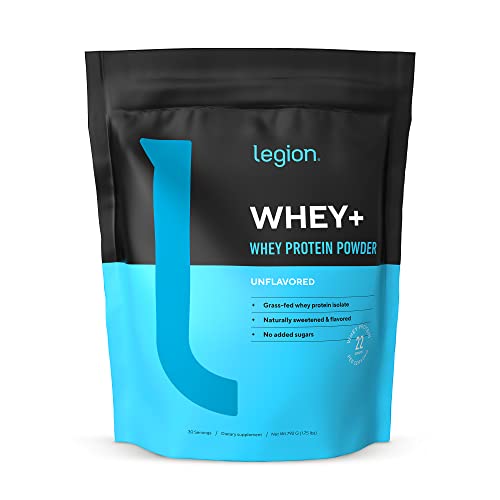
This is a 30-serving unflavored whey protein isolate powder, sold in a 1.75-pound bag. The available product record lists whey protein isolate as the sole ingredient, making it suitable for mixing into shakes, oats, or recipes without added sweeteners or flavoring. The stated serving provides about 22 to 23 g protein, depending on the label version. Independent Labdoor testing of a recent Whey+ lot found 22.5 g protein against a 22 g claim, with free amino acids below 0.01%. That result supports intact protein rather than amino-acid inflation. The same tested lot passed Labdoor's reported heavy-metal and microbiology checks. It is evidence for the Whey+ line, but the public report does not establish that the bag sold through this listing is the identical flavor, formula revision, or lot.
This product fits an adult who wants a plain whey isolate to raise daily protein intake with minimal formulation complexity. It is especially practical for people who prefer to add their own cocoa, fruit, coffee, or cooking ingredients rather than use a pre-sweetened powder. Its approximately 22 g protein serving is a useful building block around resistance training or between meals, although total daily intake matters more than timing alone. The public lot report is also useful for a buyer who values seeing protein, heavy-metal, and microbiology results rather than relying only on the label.
It is not for anyone with a milk allergy, because whey isolate is a milk-derived protein even when lactose is reduced or absent. People with severe lactose intolerance should not treat the claim as a personal tolerance guarantee and should confirm the current package details with a clinician if needed. Drug-tested athletes should use a product with a current, exact batch record in an established sport-certification program. It is also not an appropriate substitute for a varied diet, or for children, pregnancy, nursing, or medically restricted diets without individualized professional guidance.
The strongest health evidence is a Labdoor certificate released March 6, 2026 for a Whey+ lot. It found protein slightly above the 22 g claim, free amino acids below 0.01%, and reported lead, arsenic, cadmium, and mercury below quantitation limits. It also reported low microbial counts and no detected Salmonella or Shigella in that lot. This is meaningful independent evidence, but it is not a substitute for confirming the lot printed on the purchased bag. The manufacturer links its whey source to Truly Grass Fed dairy. The ingredient program states its Irish supply is 95% grass-fed, averages 250 days on pasture, and is independently audited through Ireland's Sustainable Dairy Assurance program. That supports animal-source traceability, not a complete product environmental footprint. No product-specific life-cycle assessment, packaging-material disclosure, or end-of-life packaging program was located. Searches did not identify a current FDA recall or warning letter specific to this whey product or Legion Athletics, but FDA recall notices are not a complete lifetime enforcement record.
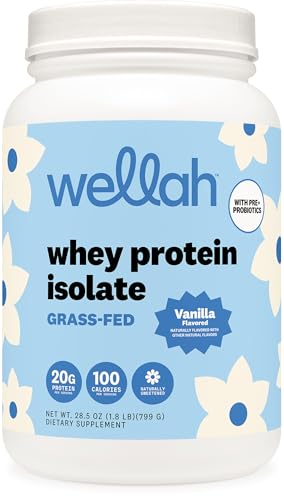
This vanilla powder is a 30-serving whey protein product intended for mixing into shakes, smoothies, or recipes. A retailer page matching this product states 20 g of protein and 100 calories per serving, and markets grass-fed whey isolate with prebiotics and probiotics. Those are manufacturer-supplied product claims, not independently verified finished-product results. Public product information is not fully consistent. Wellah’s current 30-serving grass-fed whey page describes 20 g protein with natural flavors, Himalayan salt, and stevia, while also displaying a California lead warning. No current lot-matched contaminant report, amino-acid analysis, or public sports-testing certification was located. NSF also publicly states that Wellah had no NSF-certified product and was not authorized to make NSF certification claims in advertising.
This product is most suited to an adult who wants a vanilla whey isolate powder in a 30-serving format and treats it as a convenient way to add a manufacturer-stated 20 g protein serving to an otherwise adequate diet. That quantity fits the lower end of evidence-based per-serving guidance for many healthy, exercising adults. It is better suited to buyers who can tolerate dairy and who do not need documented batch testing, sports certification, or a fully published amino-acid profile.
It is not suited to people with a milk allergy, dairy avoidance, or strict lactose sensitivity, because whey comes from milk and the available public descriptions do not provide a verified lactose amount. Competitive athletes and other drug-tested users should avoid relying on it for banned-substance assurance because no exact-product sports certification was located. It is also a poor fit for people who require lot-level heavy-metal and microbiological reports, especially given the lead warning displayed on Wellah’s own product page.
The main health issue is evidence transparency. A California lead warning appears on Wellah’s public grass-fed whey page, but there is no linked, current lot-specific report showing the amount of lead, testing method, laboratory, or results for other contaminants. The product’s 20 g protein claim is compatible with established exercise-nutrition serving guidance, but its actual protein integrity has not been independently documented with a public amino-acid analysis. Certification claims require particular caution. NSF published a notice stating that Wellah did not have an NSF-certified product and was not authorized to make NSF certification claims in whey advertising. Public formula descriptions also vary, making it difficult to match a purchased tub to a disclosed formula. No product-specific environmental life-cycle assessment, independently verified grass-fed certification, or packaging recovery information was found.


