Best Overall
10% off

BlessReach Foldable Knee Scooter Walker
Easy folding for convenient storage and transport.
Sturdy design for reliable support and stability.
Comfortable padding for enhanced user comfort.
 Brianna York
Easy folding for convenient storage and transport.
Sturdy design for reliable support and stability.
Comfortable padding for enhanced user comfort.

Smooth ride on all surfaces.
Comfortable and adjustable knee platform.
Easy to maneuver and store.
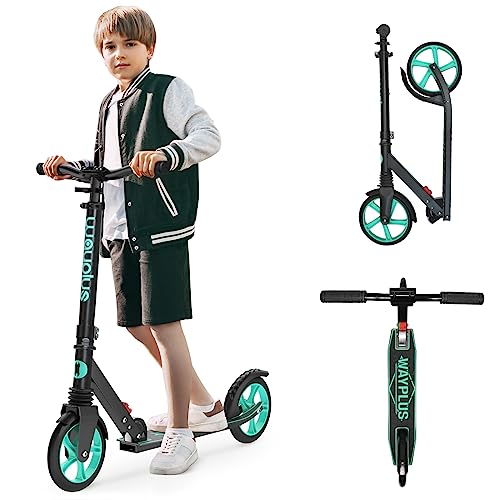
Easy folding for convenient portability.
Adjustable height suits all ages.
Smooth ride with ABEC9 bearings.
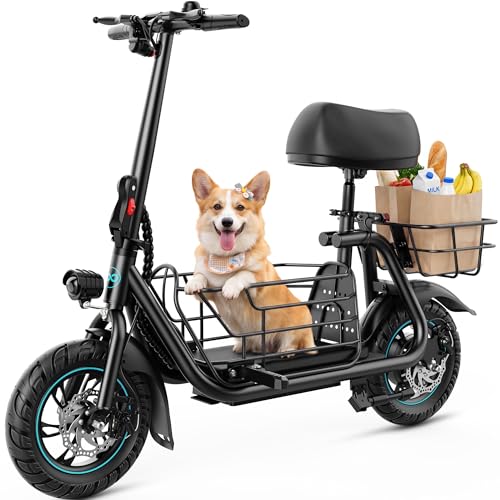
Powerful 550W motor for smooth rides.
Convenient foldable design for easy storage.
Spacious basket perfect for pets and cargo.

Powerful 450W motor for smooth rides.
Long 20 miles range on a single charge.
Convenient folding design for easy storage.

High-speed capability with 20 mph performance.
Long range of 30 miles per charge.
Durable 10-inch all-terrain tires.

Long range for extended commuting needs.
Powerful motor for quick acceleration.
High speed capability for efficient travel.

Adjustable speeds for safe and fun rides.
Magnetic charging is convenient and user-friendly.
Colorful lights make it visually appealing.

Powerful 500W motor for smooth rides.
LED lights enhance visibility and safety.
Bluetooth connectivity for music on the go.
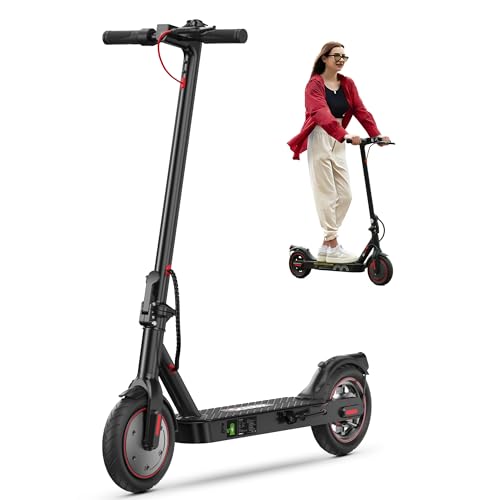
Long 12-mile range for extended commutes.
Double braking systems enhance safety.
Cruise control for smooth, consistent rides.
For electric models, start with the battery and charger rather than the advertised motor power. A credible electrical-fire claim should identify the exact scooter model and charging system in an accredited laboratory record. Check UL Solutions Product iQ for an ANSI/CAN/UL 2272 listing, the OSHA Nationally Recognized Testing Laboratory directory and its approved standard scope, or Intertek’s ETL directory. A seller logo, generic certificate, or statement that a product is “UL certified” is not equivalent to a model-level record. Also check the CPSC recalls database.
Performance numbers need similar caution. “Up to” range is normally a best-case figure affected by rider weight, speed, terrain, temperature, wind, tire pressure, and route. The supplied reviews show published range and motor figures changing between listings and manuals, while independent testing sometimes produced substantially less range than the headline claim. Look for disclosed test conditions or an independent road test that identifies the rider mass, speed mode, terrain, temperature, and tire condition. A stated payload is not proof that the frame, folding latch, or brakes have been independently load-tested.
Braking and control matter more than top speed. Look for clearly identified brake hardware, stable steering, suitable tire size and type, and a manual that explains brake adjustment, tire pressure, speed modes, rider limits, and pre-ride checks. Independent stopping or handling results are stronger evidence than a product photograph. Lighting should include functional front and rear equipment, not merely decorative LEDs; local equipment rules may also apply to the intended riding area.
Water-resistance labels are easy to overread. An IP rating is useful only when its test scope identifies the product, and even a splash rating does not automatically permit rain riding, puddles, wet charging, or storage while damp. Follow the manual’s limits. For every electric scooter, use the supplied compatible charger, charge while awake and present, keep the unit away from exits and combustible materials, and stop using it after impact, swelling, overheating, unusual odor, smoke, leaks, or damaged wiring.
Across the supplied products, recurring limitations include no independent stopping, handling, folding-lock, load, or battery-performance testing; conflicting specifications; and unverified certification claims. Electric models commonly lack clearly documented battery replacement, take-back, or recycling routes. Manual kick scooters avoid charging-fire hazards but often have only a rear foot brake and no active nighttime lighting. Several products are explicitly unsuitable for rain, wet or slippery surfaces, steep hills, rough ground, potholes, curbs, or night riding. Knee walkers require adequate balance and hand-brake control and should be used according to clinical guidance. Lithium-ion batteries must not go in household trash or curbside recycling.
The scores below compare the supplied products against the defined health, ecology, and evidence topics. A high score reflects stronger documentation or safer design evidence for that topic; it does not mean every product is independently certified or suitable for every route, rider, or medical need.
This measures whether the exact electric scooter and charging system have accredited protection against thermal runaway and electrical fire. It matters because certification claims are common and charging is a significant hazard. The manual kick scooters and knee walkers score 96–100 because they have no traction battery or charger. Electric products score about 68–74 where UL 2272 claims could not be matched to an exact public certification record.
This covers braking hardware, steering stability, tires, geometry, speed, and rider load. It matters because a scooter’s usable safety depends on controlled stopping, not just motor output. The i8M and Hiboy S2 Pro score 82 with independent stopping evidence, while the Oslich scores 58 and the seated C1 scores 54 because testing is absent or brake descriptions conflict. Manual brakes still require practice and inspection.
This measures load capacity, resistance to failures in the frame and folding system, inspection guidance, and unresolved failure patterns. It matters because a folding stem, handlebar, axle, or deck can fail under everyday loads. The hoverboard scores 75 with concrete rider and terrain limits; the knee walker WB-2202 scores 54 because catalog and manual capacities conflict. Most products lack independent fatigue or load testing.
This measures whether water-resistance claims are specific, supported, and paired with safe limits for wet riding, storage, and charging. It matters because an IP label does not automatically make an electric scooter rain-safe. The supplied scores range from 68 to 75. Products score higher when manuals give cautious limits and lower when IP claims lack test scope or conflict with instructions to avoid rain and puddles.
This measures functional front and rear lighting, reflectors, audible warning, and display visibility. It matters because adult scooters often share roads or paths with other users. Electric models with stated headlights, taillights, and brake lights score around 72–75. Manual kick scooters generally score 63–68 because active lighting is absent or undocumented. Decorative LEDs alone are not a substitute for road presence.
This measures charger compatibility, overcharge and misuse protections, storage instructions, and warnings about damaged batteries. It matters because the charger and user routine are part of the electrical system. Battery-free products score 96–100 because charging hazards do not apply. Electric products score about 68–76; higher scores reflect identified chargers and practical warnings, while lower scores reflect missing charger, storage, or damage guidance.
This measures an identifiable responsible party, model and serial traceability, reachable support, spare parts, and a practical recall path. It matters because safety fixes and replacement components must remain obtainable after purchase. Hiboy and Razor score 78 with U.S. support, registration or parts channels. Several lesser-documented electric products score about 69–70 because recall registration, parts, or responsible-party information is limited.
This measures whether safety, performance, and certification claims identify the exact model and trace to an independent source. It matters because a generic certificate or related product cannot establish coverage for the scooter in front of you. Scores are mostly 68–70 where exact certification records were missing. The i8M scores 78 and Razor 74 because model-specific road, manual, or support evidence is stronger, though neither establishes complete independent certification.
This measures whether range, speed, payload, hill performance, and charging claims include test conditions or independent results. It matters because best-case range can overstate a practical round trip. The i8M scores 86 with independent mixed-city testing, while the Hiboy scores 80 and the IK3 scores 77 with more interpretable conditions. Products around 52–63 have conflicting or unsupported motor, speed, and range figures.
This measures whether safety marks, range, speed, motor power, water resistance, payload, and warranty terms are specific and internally consistent. It matters because conflicting listings make it difficult to identify the delivered configuration. Razor scores 78 with consistent manual-scooter information; the IK3 scores 70 with disclosed range conditions. WERHY scores 48, while several electric models score 52–55 because specifications vary materially across sources.
This measures whether wear parts and batteries can be serviced or replaced and whether the brand provides a realistic recycling or take-back route. It matters because repair can extend scooter life and lithium-ion batteries must stay out of trash and curbside recycling. i8, i8M, and Hiboy score 76–78 with listed replacement parts. Most products score 68–71 because battery take-back and replacement procedures are unclear.
This measures specific, verifiable information about durable construction, recycled content, packaging reduction, and end-of-life handling. It matters because a scooter’s environmental impact includes replacement parts and disposal, not only electricity use. Most supplied products score around 68–70 without recycled-content or packaging disclosures. Razor scores 52 because no such disclosure was located; no product supplied strong evidence for a broad sustainability claim.
This product is a four-wheeled, manually propelled knee walker for adults who need to keep one lower leg non-weight-bearing after a foot, ankle, calf, or knee injury or related surgery. The user rests the injured-leg knee on its pad and propels the product with the uninjured leg. It folds for transport and includes a front bag, according to the product instructions. The available instruction manual states a 300-pound maximum user weight, 11-inch front wheels, 9-inch rear wheels, disc brakes with a locking hand brake, and six adjustment positions for the knee pad and handlebars. These are manufacturer-stated specifications, not independent product testing. The catalog specification lists a 350-pound capacity, which conflicts with the manual's 300-pound limit. No battery, motor, or charger is involved.
This product suits an adult with a clinician-directed, temporary non-weight-bearing need below the knee, who can balance on one leg, steer with both hands, and use it mainly on smooth indoor floors or level paved routes. It is most appropriate for someone within the manufacturer-stated 5-foot-6 to 6-foot-6 height range and below the more conservative 300-pound limit stated in the instruction manual. It may be useful where folding the product for car transport matters, provided the user checks brake function and fasteners routinely.
This product is not appropriate for people with poor balance, significant dizziness, limited hand control, unsafe one-leg standing ability, or an injury that makes kneeling on the affected side unsuitable. It should not be used on stairs, steep grades, icy or slick routes, or as a fast outdoor vehicle. A prospective study of knee scooter users found falls were common, with obstacles, sharp turns, speed, and downhill movement identified as causes. Users near or above 300 pounds should not rely on the conflicting 350-pound catalog figure.
This is a manual mobility aid, so it has no battery, motor, charging system, or associated lithium-ion fire and end-of-life battery burden. The available instructions identify metal construction, solid non-inflatable wheels, disc brakes, and routine inspection of brakes, wheels, fasteners, and the steering column. Those instructions are useful, but they are manufacturer materials rather than independent certification or instrumented safety testing. No matching CPSC recall was located in the searches performed. That is not proof of product safety. Published research on knee scooters found falls in 37 percent and injuries in 15 percent of participants in one prospective cohort, so careful fitting, slow travel, and avoidance of slopes and sharp turns matter. No specific recycled-content, reduced-packaging, replacement-parts, take-back, or recycling program was located. The product's stated metal construction may support durability, but its environmental claims remain undocumented.
This is a non-electric, leg-propelled knee walker for adults who must keep one foot, ankle, calf, or lower leg off the ground during recovery. The user rests the injured leg on a padded platform and pushes with the uninjured foot. The available exact-model manual documents steering, dual handbrakes with a parking lock, foldable construction, and a stated 300-pound user limit. The same manual gives adjustable handlebar and knee-pad height ranges, plus instructions to inspect fasteners, brakes, tire condition, and quick-release parts. There is no battery, motor, or charger, so electric-scooter battery fire and charging hazards do not apply. However, no independent instrumented braking, load, durability, or terrain testing was located for this product. Product descriptions also conflict on frame material and wheel specifications, reducing confidence in the published specifications.
This product suits an adult who has clinician-directed non-weight-bearing restrictions for one lower leg and has enough balance, grip strength, and confidence to steer and brake a four-wheel knee walker. It is most appropriate for controlled indoor use and smoother outdoor paths, especially for a user who can inspect and tighten hardware during setup and routine use. The documented adjustable knee pad and handlebar heights may help adults whose fit falls within the stated ranges. It is also relevant for households that prefer a mechanical aid without battery charging or electrical storage.
It is not suitable for someone who cannot reliably balance on one leg, squeeze handbrakes, steer around obstacles, or respond quickly to a loss of control. This includes people with substantial balance impairment, severe hand weakness, poor vision in low light, or a recent history of falls unless a clinician has specifically assessed the setup. It should not be treated as a rain-ready, road-going, or nighttime visibility device. Users above the stated 300-pound limit, those needing a powered mobility aid, and people planning frequent steep, slippery, loose-gravel, or crowded-route use need another arrangement.
The principal health advantage is that this is a mechanical knee walker, not an electric scooter. It has no stated battery, motor, or charger, eliminating lithium-ion charging and thermal-runaway concerns. The available model-specific instructions also identify practical safeguards, including parking the wheels with the handbrakes, checking brake cables and fasteners, avoiding sudden high-speed turns, and keeping the product away from rain. Those safeguards matter because knee-scooter research shows falls are a real category-level risk, particularly around obstacles, turns, speed, and downhill travel. No product-specific recall was located in the CPSC recall database, but the public support information is limited and no parts catalog, repair procedure, recycling program, or packaging sustainability disclosure was found. The product has no traction battery to recycle, but replaceable wear-part access remains unclear.
This is a non-electric, two-wheel kick scooter for riders age 6 and older. The current official successor store identifies it as the WAYPLUS KS1 and describes a foldable 9-pound scooter with 8-inch polyurethane wheels, ABEC-9 bearings, front suspension, four handlebar positions, and a stated 240-pound rider limit. It is propelled and stopped mechanically, not by a motor or battery. The defining practical feature is portability, with push-button folding and a carry strap stated by the manufacturer. Its safety equipment is comparatively basic, consisting of a rear foot brake, non-slip deck, and claimed double-lock handlebar system. No independent laboratory certification, model-specific durability test, measured braking test, or published wet-weather rating was located for this exact product.
This product suits a rider who specifically wants a lightweight, non-electric scooter for short daytime trips on dry, relatively smooth pavement. Its stated 240-pound limit and four handlebar settings make it relevant to older children, teens, and some adults who fit comfortably within the manufacturer’s height range. It also fits households that need a scooter to fold for a car trunk, transit connection, school storage, or occasional recreational use. Riders should be willing to perform a pre-ride check of the folding latch, handlebars, wheels, and rear brake.
It is not suited to riders who need an independently tested commuter scooter, documented braking performance, or verified structural testing at adult loads. It is also a poor match for regular wet-weather riding, night travel, steep descents, fast traffic environments, rough trails, or heavily cracked pavement. Buyers who need built-in lighting, reflectors, a hand brake, pneumatic tires, readily cataloged replacement parts, or a clearly documented repair path should choose a product with those items explicitly provided. Children should not use it without appropriately fitted protective equipment and supervision appropriate to their skill level.
The main safety distinction is that this is a human-powered kick scooter. It has no specified battery, motor, charging port, or charger, so the lithium-ion thermal-runaway and charger-mismatch hazards that apply to electric scooters do not apply here. A search of CPSC recall material did not identify a recall for this exact WAYPLUS KS1 product. The remaining risks are mechanical. The manufacturer states that the product has a rear foot brake, non-slip deck, front suspension, and a double-lock handlebar, but independent validation of the brake, latch, and 240-pound load claim was not located. Check the folding joint, handlebar lock, axle hardware, wheel wear, and brake operation before riding. No battery disposal issue applies, but no verified recycled-content, packaging-reduction, parts-catalog, or take-back program was located. Keeping wear parts serviceable is therefore the clearest route to extending its useful life.
This is a foldable, seated electric scooter intended for adult neighborhood trips, errands, and light cargo. Gyroor states that it has a 36V 7.8Ah lithium-ion battery, a 550W motor with 800W peak output, 12-inch pneumatic tires, a claimed 18.6 mph top speed, and up to 20 miles of range. The stated rider limit is 265 pounds. It has a removable middle basket and a rear basket, plus a 48.5-pound listed product weight. The manufacturer describes dual disc brakes, a headlight, rear light, brake light, and a folding stem lock. These are useful stated provisions, but no independent stopping-distance, handling, load-cycle, or range test for this exact product was located. A third-party-hosted manual claims UL 2272 certification, yet no exact-model listing was located in the accessible UL or Intertek certification records, so that fire-safety claim remains unverified.
This product suits an adult who wants a seated, low-speed scooter for short, mostly dry, paved neighborhood or campus trips, especially where carrying light groceries, a bag, or other small cargo matters. It is most appropriate for riders within the stated 265-pound limit who can store a 48.5-pound scooter indoors, inspect tire pressure and brakes, and follow routine battery-care instructions. Its listed replacement parts also make it more practical for an owner prepared to arrange basic maintenance rather than treat it as disposable.
It is not suited to riders who need independently verified battery certification, measured emergency stopping performance, or a documented rain rating. Avoid relying on it for regular wet-weather transportation, long hill-heavy commutes, or trips that require a proven 20-mile real-world range. It is also a poor fit for households unable to charge and store a lithium-ion scooter in a dry, attended area, or for anyone who cannot safely handle a 48.5-pound product and periodically inspect pneumatic tires, brake response, and the folding stem.
The main unresolved health issue is evidence quality. A third-party-hosted manual calls this product UL 2272 certified, but an exact-model certification listing was not located in the accessible UL or Intertek registers. Gyroor’s own current product page describes the electrical and riding specifications but does not prominently make that certification claim. Use only the supplied compatible charger, keep the product dry while charging, and stop use after impact, unusual heat, odor, swelling, damaged wiring, or degraded braking. No recall for this exact product was identified in the CPSC material reviewed. Gyroor did recall C3 e-bike battery packs on December 15, 2022 after reported ignition and burn hazards, which was a different product and battery pack. The company has a U.S. contact channel and lists C1S-specific service parts, including a replacement battery, charger, displays, seat, and baskets. No battery take-back, recycling program, recycled-content disclosure, or packaging-impact information was found.
This product is a seated, foldable electric scooter with a rear basket for local errands and short commutes. Its documented configuration is a 450W motor, 36V 7.5Ah lithium battery, 12-inch pneumatic tires, dual disc brakes, and a 265-pound rider limit. The accessible product manual identifies an iron frame and a supplied XHK-800-4215 charger. Gyroor states a 15.5 mph maximum speed and up to 20 miles of range. The manual usefully qualifies range as a guide value for a roughly 75 kg rider, a full battery, smooth level roads, and favorable temperatures. The brand also claims ANSI/CAN/UL 2272 certification, but an exact-product listing or certificate number from UL, ETL, or another accredited testing register was not available in the verification sources reviewed.
This product suits an adult who wants a lower-speed, seated option for short, mostly dry trips on smooth pavement, such as neighborhood errands, a campus-sized commute, or carrying a small bag in the rear basket. It is most appropriate for riders within the stated 265-pound limit who can inspect tire pressure, fasteners, brakes, and the folding lock before riding. The 9, 12, and 15.5 mph stated modes can also suit riders who prefer to begin cautiously rather than use a faster stand-up scooter.
It is not suited to riders who need independently verified electrical certification before bringing a lithium-ion vehicle into a home, apartment, or shared indoor storage area. It is also a poor fit for routine rain riding, flooded streets, steep hills, rough trails, or riders above the stated 265-pound limit. Buyers who cannot safely lift and manage a roughly 43-pound folded vehicle, or who need documented local repair and battery-recycling arrangements, should look for a product with clearer service documentation and verified support pathways.
The most important safety issue is evidence quality. Gyroor markets the C1 as UL 2272 certified, but no exact C1 record or certificate number was available from the independent certification sources reviewed. UL explains that a claim of testing to a standard is not the same as certification, and an authentic UL certification can be checked through its product database. Use only the supplied charger, charge indoors in dry conditions, and do not charge a damaged product. The C1 manual gives useful maintenance directions, including brake adjustment, dry indoor storage, monthly charging during long storage, and keeping battery cells out of household waste. It also says not to open or remove the battery, which limits owner repair. Gyroor maintains a recall page and reachable U.S. phone and email contacts. Its published CPSC recall concerned C3 e-bike battery packs, not this C1 scooter, but it involved ignition reports and is relevant background for cautious battery handling.
This is a folding, single-rider commuter scooter with a 46.3-pound stated vehicle weight, 10-inch tubeless tires, front drum braking plus rear electronic braking, and a 358 Wh battery. The exact-product manual sets a 55.1 to 242.5-pound rider range, a 20 mph maximum speed, and use on paved cement or asphalt surfaces rather than stunts or rough off-road terrain. Its most important limitation is evidence quality. The manual documents the specific battery, charger, battery-management protections, lighting, and serial-number system, but I could not verify an exact-product ANSI/CAN/UL 2272 listing in the queried certification directories. NAVEE also gives inconsistent capacity information, listing 358 Wh alongside 12.75 Ah on its retail page, while the manual lists 7.65 Ah, which matches 358 Wh at 46.8 V.
This product fits an adult commuter who rides mainly on smooth paved streets, remains within the documented 55.1 to 242.5-pound rider range, and can manage a 46.3-pound folded scooter. Its stated 20 mph cap, tubeless tires, suspension, turn signals, and drum plus electronic braking suit short urban trips where riders can charge indoors in a dry, ventilated space. It also suits someone comfortable following a manual, inspecting the folding hardware, and using official service if battery work is needed.
It is not for off-road riding, jumps, stunt use, or riders expecting the advertised maximum range at sustained high speed, steep hills, cold weather, or heavier loads. It is also a poor fit for homes that need independently verified battery-system certification before charging a scooter indoors, because that proof could not be confirmed for this exact product. Riders unable to safely handle a 46.3-pound scooter, people outside the documented rider range, and anyone without a dry charging area should choose a different format.
The manual gives useful charging safeguards. It names the supplied charger, limits normal charging to 32 to 104 F, advises against charging with a wet port or cable, calls for separation from combustible materials, and says to stop using a damaged product. It also documents battery-management protections and a temperature warning. Those are manufacturer-provided safeguards, not a substitute for independently verified ANSI/CAN/UL 2272 certification, which I could not confirm for this product. Repair support is a meaningful lifecycle strength. NAVEE publishes battery-replacement and controls-repair resources, offers official service, and includes instructions to route the battery to professional recycling. The battery is not treated as a casual user-service part, which is appropriate for fire safety. No brand take-back program or packaging-material disclosure was located. Lithium-ion batteries should never go in household trash or curbside recycling, and local hazardous-waste or specialist battery channels may be needed.
The MEGAWHEELS M1 is a foldable electric kick scooter for commuting and casual riding. It has a rear hub motor rated at 350W, with 550W peak output, a 36.5V 10Ah battery rated at 365Wh, 8.5-inch solid tires, and a stated 265-pound rider limit. It weighs 39.24 pounds and uses a supplied 42V, 1.5A charger. Its manufacturer states a 20 mph maximum speed and up to 28 miles of range, but that range is a best-case figure based on a 165-pound rider, economy mode, flat road, and unspecified weather. The stated equipment includes front drum braking, rear electronic ABS, front and rear suspension, a headlight, taillight, brake light, and an IPX5 water-resistance rating. The company says the product is UL certified, but the public materials reviewed do not provide a certificate number or an exact-model listing that independently confirms the claim.
This product fits an adult or teen rider who needs a relatively compact, foldable scooter for short urban trips on smooth, dry pavement, weighs no more than the stated 265-pound limit, and can manage a 39-pound carry weight when folding or storing it. It is most suitable for a rider who treats the 28-mile figure as a favorable-condition maximum, uses the supplied charger, charges while present, and is comfortable following a manufacturer-led repair process if a component needs service.
It is not suited to riders who regularly travel on broken pavement, gravel, deep potholes, curbs, or wet roads. Small solid tires can transmit impacts and are vulnerable to abrupt loss of control at obstacles. It is also a poor fit for anyone who requires independently documented certification, measured braking performance, or a verified real-world range before use. Households unable to charge the product under observation, away from exits and sleeping areas, should avoid storing or charging lithium-ion micromobility products indoors.
The key health issue is battery fire safety. The manufacturer states that the product is UL certified, and UL 2272 is within UL's OSHA-recognized testing scope for personal e-mobility electrical systems. However, no public exact-product certificate, laboratory report, or certificate number was available to verify that the scooter and supplied charger are covered. CPSC says certification to the relevant UL standard significantly reduces micromobility fire risk, and advises using only the provided or manufacturer-approved charger, staying present while charging, and never charging while asleep. The manufacturer offers replacement parts and describes repair support during its 12-month warranty, which can extend service life. Battery replacement requires returning the scooter because the company says it cannot ship replacement batteries. No product-specific battery take-back, recycling program, recycled-content claim, packaging reduction disclosure, or accessible materials report was found. Lithium-ion batteries should not go in household trash or curbside recycling.
This is a small, rigid electric scooter for children, with a 150W motor, 6-inch wheels, an 18V, 2.6Ah battery, and a stated 10 mph maximum speed. The available iScooter manual specifies a 154-pound maximum load, a 2 to 3 hour charge time, and a 6 to 9 km stated range. It identifies flat urban roads as the intended terrain. The range claim is comparatively checkable because iScooter discloses its test conditions, full charge, 50 kg rider load, 25 C temperature, flat road, no wind, and 9 km/h constant speed. The manual also describes three slowing methods, throttle-release energy recovery, a thumb-operated electronic brake, and a rear foot brake. However, no independent stopping-distance or handling test for this exact product was located. The catalog calls this an adjustable-height IK3Pro variant, while the available manufacturer manual is labelled iK3, which limits exact-variant traceability.
This product fits a child in the stated age range who will ride under active adult supervision on dry, smooth, flat pavement such as a driveway, quiet paved path, or closed recreational area. It is most appropriate where short sessions are expected and a household can enforce helmet and protective-gear use, pre-ride fastener checks, and indoor charging. The disclosed low-speed operating modes in the catalog may also help an adult introduce throttle control gradually, although those mode details were not independently verified.
It is not for adult transportation, road commuting, passengers, stunt riding, steep hills, rough sidewalks, potholes, steps, gravel, ice, or wet-weather travel. It is also unsuitable for households that need independently verified battery-system certification before allowing indoor charging, or that cannot supervise charging and inspect the stem lock and fasteners before rides. Children who routinely ride after dark should use a product with documented safety lighting, rather than relying on ambient decorative lights.
The important health issue is evidence quality. The manual gives meaningful hazard instructions, including helmet use, adult supervision, dry charging-port rules, original-charger-only use, temperature limits, and warnings against battery disassembly or puncture. It also describes automatic charge cutoff. Those are manufacturer instructions, not independent proof that the battery, charger, and complete scooter system have passed accredited electrical-fire testing. Searches of major certification directories did not establish exact-product coverage. The manual advises against rain, pressure washing, and deep-water exposure despite its stated IP54 rating. Families should treat this as dry-weather equipment. No product-specific CPSC recall was identified in the review search. iScooter provides support and a limited warranty, but no exact-product U.S. battery take-back program, battery replacement procedure, parts catalog, recycled-content disclosure, or packaging-reduction evidence was located. End-of-life lithium batteries should be kept out of trash and curbside recycling and handled through an appropriate battery or household hazardous-waste program.
This is a two-wheel, self-balancing hoverboard for one rider, with 6.5-inch wheels, Bluetooth audio, decorative LED lighting, and a lithium-ion battery. The manufacturer documentation sets a 44 to 176 pound rider range, a 7.75 mph maximum speed, and a typical 3.75 to 7.75 mile range. It also limits intended terrain to pavement or packed dirt, shallow slopes, and very small obstacles. The manual says the product passed ANSI/CAN/UL 2272 and that its battery meets UN/DOT 38.3 transport testing. However, this review could not independently confirm an exact-product listing in a public UL, Intertek, or TÜV registry. The manual supplies meaningful limits and charging warnings, but the official product page conflicts with it by advertising an 8-mile range. That makes the more conservative manual range the more useful planning figure.
It suits a supervised recreational rider who is at least 6 years old, over 4 feet tall, and within the stated 44 to 176 pound range. Its documented use case is short rides on dry, smooth pavement or firm packed dirt, not transport on public roads. It is most appropriate where a caregiver can supervise new users, ensure a helmet and protective gear are used, inspect the unit before rides, and charge it awake and attended in a clear area away from combustible materials.
It is not for riders above 176 pounds, riders under 4 feet tall, or anyone with balance or motor-skill limitations. It is also unsuitable for wet-weather commuting, street riding, steep hills, rough trails, curb hopping, or carrying a passenger. Households unable to provide attended charging, dry indoor storage, smoke alarms, or close adult supervision for younger riders should avoid this type of product. Buyers who require publicly verifiable, exact-model certification and independently measured performance should seek documentation before relying on the stated safety and range claims.
The most important health issue is lithium-ion battery risk. The manufacturer manual claims ANSI/CAN/UL 2272 testing and gives useful precautions, including avoiding wet charging connections, keeping the charge-port cap closed, avoiding battery disassembly, and stopping use after abnormal alarms. Still, an independently verifiable exact-product certification record was not found. CPSC advises using only the supplied charger, remaining present while charging, avoiding overnight charging, and keeping hoverboards away from flammable materials. The manual specifically prohibits rain, puddles, and wet or slippery surfaces. Its LED lamp is documented, but there is no clear evidence of a functional rear brake light, reflectors, or independently tested nighttime visibility. The battery is not user-serviceable, and no product-specific take-back or parts catalog was found. The manual directs owners to local battery-disposal rules. Lithium-ion batteries must not go into household trash or curbside recycling.
This is a foldable, single-rider commuter scooter with 8.5-inch pneumatic tires, a 36 V, 5.2 Ah battery, front-wheel drive, and a claimed 350 W peak motor. It is intended for short paved trips. The manufacturer states a 27.7-pound weight, 264-pound rider limit, 4 to 5 hour charge time, rear disc brake plus electronic brake, and front and rear LED lighting. A published independent i8M road test found predictable, well-modulated combined braking and roughly 10 to 15 km of mixed-use range with an 85 kg rider, rather than the brand's best-case 15-mile claim. The same test characterized the motor as weak on hills and the ride as suited to short city travel. No exact-product ANSI/CAN/UL 2272 electrical-system listing was located in the checked UL or ETL certification registers.
It fits a rider aged 14 or older who needs a compact scooter for short, mostly flat paved trips and can charge at the destination. It is most appropriate for riders within the stated 264-pound maximum who will check tire pressure, inspect fasteners and braking before rides, and use a helmet. The fold size and stated 27.7-pound weight suit people who need to store it in a trunk, office, or apartment, provided building rules permit uncertified micromobility devices.
It is not for riders who need dependable long-distance range, steep-hill performance, or travel on rough pavement, since independent testing found limited range and weak climbing. It also does not suit riders who require independently verified battery fire certification for a workplace, school, apartment, or local rule. Avoid it for regular rain riding, for riders above the stated load limit, or for anyone unwilling to maintain pneumatic tires, check the folding latch and bolts, and inspect the brakes before use.
The strongest safety evidence is for ride hardware rather than the electrical system. The manual identifies a rear disc brake, brake light, headlight, taillight, bell, folding latch, six stem bolts with spares, and a 42 V, 1 A charger. It also says charging stops automatically when full, while still advising against leaving the product overcharging. An independent road test found the braking controllable, but not especially generous in reserve. The exact product did not have a located UL or ETL electrical-system listing, so the battery and charger should be treated conservatively. Use only the supplied compatible charger, keep the port covered, do not charge a damaged product, and keep it away from water and combustible materials. iScooter lists i8M-specific parts, which can support repair. It does not present a verified battery take-back program or detailed lower-impact materials or packaging disclosure. Lithium-ion devices should go to an appropriate e-waste or battery collection route, never household trash or curbside recycling.



