Best Overall

Callaway Supersoft Golf Balls 2025 White
Exceptional soft feel enhances playability.
Improved distance with low drag aerodynamics.
Consistent performance with reliable ball flight.
 Brianna York
Exceptional soft feel enhances playability.
Improved distance with low drag aerodynamics.
Consistent performance with reliable ball flight.

Consistent and reliable performance on the course.
Enhanced durability for long-lasting use.
Attractive design with patriotic USA theme.

Tailored exercises enhance golf-specific strength and flexibility.
Comprehensive plan suitable for all skill levels.
Clear instructions make workouts easy to follow.
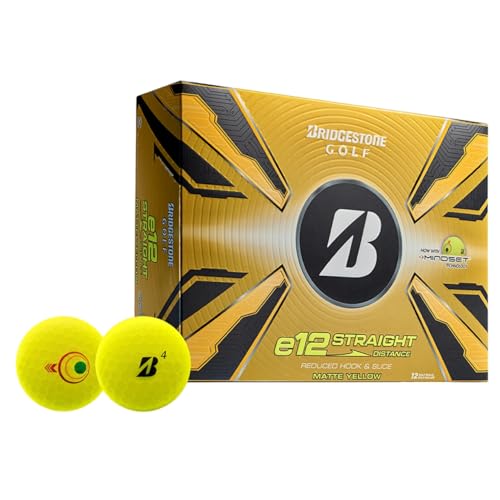
Improved accuracy with straighter flight technology.
Bright matte yellow for high visibility.
Soft feel enhances overall playability and control.
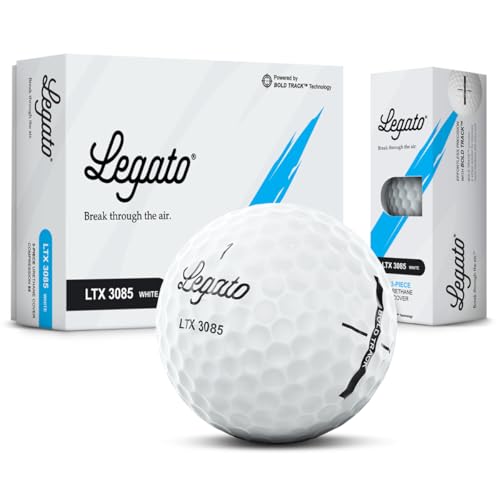
Consistent flight path enhances shot accuracy.
Durable design withstands frequent play.
Soft feel improves putting control.

Soft feel enhances control and precision.
Impressive distance with low compression design.
Reliable durability for extended playability.

Consistent and long-distance performance.
Soft feel improves control and accuracy.
Durable design withstands frequent use.

Eye-catching yellow-orange color enhances visibility.
Optimized for long-distance and accuracy.
Durable urethane cover for improved performance.

Enhanced distance with low-drag aerodynamics.
Soft feel for improved playability.
Durable construction for consistent performance.
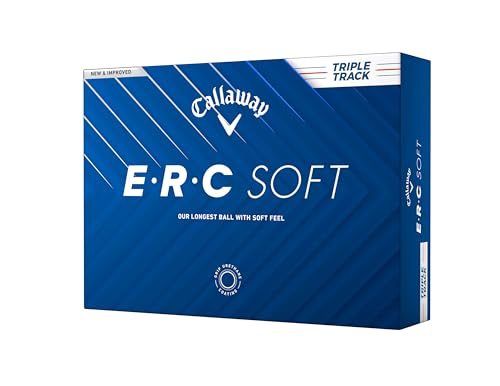
Improved distance with low driver spin.
Enhanced greenside control and feel.
Durable cover for long-lasting performance.
A buyer should first decide whether rules conformity matters. The strongest evidence is an exact match on the current USGA/R&A List of Conforming Golf Balls, including the ball’s marking, color, construction, dimple information, and seam or pole markings where relevant. A generic model name or a similar-looking color is not enough. This matters especially for multipacks: every color and marking should be checked before use in an event applying the conforming-ball local rule.
Performance claims are more useful when they come from current, model-specific independent testing. Look for disclosed robot or laboratory results that report ball speed, launch, carry, dispersion, driver spin, iron spin, and wedge spin at stated swing speeds. A claim such as “longer,” “straighter,” “softer,” or “more control” is incomplete without test conditions and a comparison method. A single on-course review can show how a ball behaved for one player, but it is not equivalent to repeatable multi-speed testing.
Compression is a useful description of feel and launch tendencies, not a complete fitting recommendation. Two balls with similar compression can produce different spin and flight because their covers, cores, layers, and dimples differ. Likewise, low driver spin may reduce curvature or add total distance for some golfers while reducing stopping power into greens. Soft feel does not automatically mean high wedge spin, and a distance rating does not establish performance for every swing speed.
Buyers who care about consistency should look for multi-ball measurements of weight, diameter, roundness, balance, compression, and flight symmetry. One average compression number can hide a wide spread; the supplied testing included an example with a 22-point compression range, and another sample in which six percent failed a roundness standard. These are materially different from a manufacturer simply stating a compression target.
Material and sustainability claims also need specificity. A seller should identify the cover, core, coatings, and inks and provide supporting technical information such as a safety data sheet where appropriate. A catalog material field can conflict with the manufacturer’s specification, as occurred repeatedly in the supplied products. “Eco” language should be supported by recycled-content documentation, packaging information, life-cycle evidence, or a real recovery or take-back route. Conventional synthetic golf balls should not be assumed biodegradable or recyclable through ordinary curbside systems.
Across the supplied reviews, the recurring safety caveats are incomplete chemical disclosure, conflicting cover-material descriptions, limited evidence about batch consistency, and the absence of product-specific recovery pathways. Golf balls are hard objects and several reviews identify choking or ingestion risks for young children and pets; they should not be treated as toys. No category-wide medical contraindication was found, but buyers needing high greenside spin, exact ball-to-ball matching, or competition eligibility should verify those requirements rather than infer them from feel, compression, color, or distance language.
The topics below separate basic product descriptions from evidence that can affect handling, waste, rules eligibility, and fitting. Scores are based only on the supplied reviews; a higher score indicates stronger documentation and verification for that topic, not that the product is risk-free or best for every golfer.
This measures disclosure of the cover, core, coatings, and inks, plus substantiation for chemical-safety claims and specific warnings. It matters because golf balls are handled repeatedly and may be mouthed by children or pets. Among the supplied products, stronger scores reach 85 for the digital fitness product but do not apply to a ball; ball scores range from 52 to 75. The higher ball scores still generally lack full formulations or SDS documentation.
This measures resistance to cuts, scuffs, cracking, delamination, and paint loss during normal play. A damaged cover can alter flight and leave loose material, while a resilient cover may keep a ball playable longer. Supplied ball scores range from 72 to 80. The higher-scoring examples have field evidence of limited scuffing or a bright cover after play, but controlled repeated-impact testing was generally unavailable.
This measures whether a ball can be tied to an identifiable manufacturer and model and whether unresolved recalls or marketplace safety actions exist. Traceability matters when listings contain conflicting material information or when conformity depends on exact markings. Supplied ball scores range from 75 to 84. Higher scores reflect named manufacturers, model information, warranty or product records, and no located active action; they do not replace a complete lot-level system.
This measures whether the exact marking, color, construction, and dimple information appear on the current USGA/R&A list. It matters for events using the conforming-ball local rule. Ball scores range from 68 to 98. High-scoring products have exact white or colored markings independently matched to the list; the Wilson Profile Distance score of 68 reflects that its exact marking was not confirmed. Multipack colors still require individual checking.
This measures current, model-specific third-party testing rather than brand assertions. For golf balls, useful testing reports launch, speed, carry, spin, and dispersion under repeatable conditions. Supplied ball scores range from 70 to 89. The strongest evidence includes robot testing across driver, iron, and wedge shots; field reviews provide useful context but do not establish repeatable results for every retail ball.
This measures whether claims are specific, qualified, and supported at stated test conditions. It matters because “longer,” “straighter,” “soft,” and “more control” can describe different trade-offs for different swings. Supplied ball scores range from 69 to 79. Higher scores accompany clearer construction and testing context, while lower scores reflect broad claims without swing speed, comparison ball, launch conditions, or raw results.
This measures variation in weight, diameter, roundness, balance, compression, symmetry, and flight across retail balls. It matters when a golfer wants repeatable feel or launch rather than merely an average specification. Scores range from 49 to 78 among the balls with reported assessments. The 49 score reflects documented compression spread and roundness failures; higher scores indicate better available evidence or fewer reported concerns, not proof that every ball is uniform.
This measures whether documented driver, iron, and wedge results match the stated player use and swing conditions. It matters because low driver spin, high launch, soft feel, and wedge stopping power are separate traits. Supplied ball scores range from 72 to 87. Higher-scoring products have independent results across relevant clubs or speeds; lower scores rely more heavily on manufacturer positioning or limited field observations.
This measures whether a product is plainly identified as new, used, recycled, refinished, or practice grade, including source and condition. It matters because refinishing or prior use can affect cover integrity, conformity, and flight. Supplied ball scores range from 82 to 92. Higher-scoring products are clearly sold as new dozen or multipack products; the scores do not mean recycled balls are inherently unsafe, only that condition is less ambiguous.
This measures documented reductions in virgin material, packaging, and lost-ball waste, including recycled content or take-back routes. It matters because conventional balls are durable synthetic articles that can persist when lost, especially near water or natural areas. Supplied ball scores range from 68 to 74. Higher scores reflect some packaging or corporate waste information, but no ball had a verified product-specific recovery pathway or recycled-content certification.
This product is a dozen new white Callaway Supersoft golf balls, released for 2025 and intended for standard on-course play. It is a two-piece, single-cover ball with 332 dimples according to the USGA conforming-ball list. The listed white SuperSoft marking is independently confirmed as rules-conforming when the marking on the physical ball matches the entry. Callaway states that the ball uses a HyperElastic SoftFast core and Hybrid Cover to increase speed while retaining a soft feel, durability and short-game control. Independent 2025 testing supports its basic performance identity as a very soft, low-compression distance ball. It also found notably low spin, which can help produce a flatter driver-spin profile but can reduce stopping power on greens. The product is sold as new, not used, recycled or refinished.
This product suits adult recreational golfers who want a new, rules-conforming white ball with a distinctly soft impact feel and a simple two-piece construction. It is especially aligned with players whose priority is low-spin driver and iron performance, high iron flight, and predictable use of the same ball through a round. It also fits players entering competitions or club events that invoke the conforming-ball local rule, provided the physical ball's white marking matches the USGA-listed marking.
It is not well suited to golfers who rely on high approach-shot or greenside spin to stop the ball quickly. Independent testing characterizes Supersoft as exceptionally low spin, so players who need more stopping power should treat its short-game control claim cautiously. It is also not appropriate for households with young children or pets who could mouth or swallow a ball, since this is an adult sporting good and a golf ball is a choking and impact hazard. Buyers needing full chemical disclosure or verified recycled content will find the documentation incomplete.
The verified construction is a two-piece, single-cover golf ball. Independent retail information identifies the cover as ionomer, while Callaway describes it only as a Hybrid Cover. The product documentation does not provide a full material breakdown for the core, cover blend, paint, clear coat or printed inks, and no product-specific safety data sheet was located. The catalog field calling the cover polyurethane is therefore not a reliable complete chemical disclosure. No CPSC recall specifically identifying this Supersoft model was located in the recall verification work, and Callaway identifies itself as the responsible manufacturer. That is traceability, not a chemical-safety certification. No product-specific recycled-content certification, take-back program, biodegradable claim, or documented recovery pathway was found. The ball should be treated as a conventional durable polymer sporting good, with lost balls and end-of-life disposal remaining the principal environmental concerns.
This is a dozen new TaylorMade SpeedSoft Ink USA golf balls, a two-layer, low-compression ball intended for ordinary course play. The USA version uses a red, white, and blue high-visibility ink pattern. TaylorMade identifies the cover as ionomer, with a 322-dimple extended-flight pattern and a sub-50 compression design. That conflicts with the marketplace catalog material field, which says polyurethane. Independent evidence is available for the SpeedSoft model family. MyGolfSpy purchased retail balls and used Golf Labs and ADC robots across driver, iron, and wedge conditions. Its 2026 testing placed SpeedSoft among the softest balls, with low driver spin, relatively slow driver ball speed at middle and higher test speeds, and strong ball speed in the slow-speed iron condition. The USGA list includes conforming two-piece SpeedSoft balls, but the public entry does not fully document this USA Ink artwork.
This product fits golfers who specifically want a very soft, low-compression feel and a conspicuous USA-themed visual pattern, while using a new two-piece ionomer ball. It is particularly relevant for players whose own launch conditions benefit from low driver spin, and for slower swingers who value the favorable slow-speed iron ball-speed result from the robot test. It also suits casual rounds where a dozen new, clearly identified balls is preferable to used or refinished stock. The graphic pattern may help some players visually track or identify their ball.
It is not a strong fit for golfers who need consistently high driver ball speed at medium or fast swing conditions, because the independent test placed SpeedSoft near the slow end of that part of the field. Players who rely on maximum greenside spin, particularly from wet turf or wet ball conditions, should be cautious with this ionomer-covered construction. It is also unsuitable for buyers requiring complete chemical disclosure, such as specific cover, core, pigment, and ink constituents, because those details were not published. Players entering events should verify the exact ball marking against the current conforming-ball list.
The main material disclosure issue is inconsistency. TaylorMade and other established retail listings identify an ionomer cover and two-layer construction, while the marketplace catalog identifies polyurethane. Neither source provides a full formulation for the core, cover additives, paint, or USA Ink pigments. No product-specific chemical-safety certification, SDS, or Proposition 65 warning documentation was located in the reviewed public materials. The product is sold as new, not recycled or refinished, and TaylorMade provides an identifiable model and manufacturer. No product-specific recall or marketplace safety alert was located in the reviewed public sources. Ecological disclosure is limited. There is no documented recycled content, recovery or take-back route, life-cycle assessment, or substantiated biodegradability claim for the ball or its packaging. The absence of broad green claims avoids an unsubstantiated eco promise, but it does not establish a lower environmental footprint.
This product is a Kindle Print Replica ebook, not a physical golf ball. It presents a 12-week workout plan intended for golfers, and is read on a compatible Kindle device or app rather than played on the course. An independent bookseller record identifies the related print edition as an independently published 2022 book by Brandon Gaydorus and Lauren McMillin. The publisher-associated listing describes a golf-focused program aimed at power, distance, clubhead speed, mobility, confidence, longevity, and enjoyment. Those outcome statements are publisher claims, not model-specific ball-performance data or clinical results for this exact program. The critical quality finding is the catalog mismatch, this product has no ball cover, core, dimple pattern, weight, construction, or conforming-ball marking to assess.
This product suits an adult golfer who specifically wants a self-directed, time-bounded exercise framework and already has appropriate space, equipment, and confidence to perform the movements safely. It is most relevant to readers seeking golf-oriented strength and mobility guidance in ebook form, rather than a physical practice aid or a new golf ball. The fixed 12-week format may also suit someone who prefers a defined training block over open-ended fitness advice.
It is not for shoppers seeking golf balls for play, tournament eligibility, launch performance, spin, durability, or material-safety information. It is also not a substitute for individualized coaching, physical therapy, or medical assessment. People with current pain, recent surgery, cardiovascular symptoms, significant balance limitations, or other conditions that could make exercise unsafe should use individualized guidance from an appropriately qualified health professional before following a generic workout program.
This is a digital exercise publication rather than a physical golf ball. As a result, ordinary ball-specific exposure questions about synthetic covers, rubber cores, paint, inks, coatings, and lost-ball waste do not apply to the product itself. No item-specific material disclosure, safety data sheet, Proposition 65 warning record, or golf-ball safety certification was located because no ball is supplied. The ebook format also means there is no ball packaging, ball recovery pathway, or recycled-ball provenance to verify. That does not establish a low overall environmental footprint, since reading depends on an existing electronic device and associated electricity use. No product-specific recycled-content claim, take-back program, life-cycle assessment, or environmental certification was located. Exercise-related health claims should be treated as instructional goals, not as verified outcomes for every reader.
This product is a dozen new matte-yellow golf balls for normal on-course play. It is the e12 Straight model, a three-piece ball with an ionomer cover and 326 dimples, according to retail specification reporting. Bridgestone states that its Contact Force Dimple design is intended to reduce side spin, limit hooks and slices, and improve forgiveness. Those flight claims have meaningful independent support, though the available test was controlled human launch-monitor testing rather than robot testing. GolfLink measured 74 RPM of driver sidespin, 2,277 RPM of backspin, 218.3 yards of carry, and 242.5 yards total distance. Its 50-yard shots averaged 6,175 RPM and 2.5 yards of rollout. The exact yellow e12 Straight marking and 326-dimple, three-piece construction were documented on the USGA conforming-ball list reviewed for July through August 2026.
This product suits golfers who regularly lose tee shots to a slice or hook and want a new, rules-listed ball designed around lower side spin rather than maximum approach-shot stopping power. The matte-yellow finish can also suit players who prefer a high-visibility ball. The measured test profile supports golfers who value a relatively low-spin driver flight and controlled partial wedges, and who are willing to plan for extra release with full iron shots on firmer greens.
It is not a strong fit for players who depend on high-spinning, steeply landing iron shots to hold firm or elevated greens. The available independent testing showed substantial 7-iron rollout, so players who prioritize drop-and-stop approach control should look for a ball with published higher iron and wedge spin. It is also not ideal for buyers who require complete chemical disclosure, verified recycled content, a take-back route, or published batch-by-batch quality measurements before using a golf ball.
The available specification evidence identifies a three-piece construction and ionomer cover, while the official rules list documents the yellow ball's construction class and dimple count. That is useful product identification, but it is not a full chemical disclosure. Public materials reviewed did not provide a product-specific formula for the core, mantle, inks, matte finish, coatings, or additives. No product-specific Proposition 65 warning was identified in the verification work, and no golf-ball safety recall or marketplace safety alert was located. Ecology documentation is limited. No verified recycled-content percentage, ball-recovery program, take-back system, life-cycle assessment, or product-specific packaging recyclability statement was found for this product. Golf balls are durable mixed-material articles, but they are also easily lost and are not normally accepted in household recycling. The practical waste-reduction measure is to keep playable balls in use and retrieve lost balls where course rules allow, rather than treating this product as biodegradable or readily recyclable.
This product is a new dozen of white, three-piece golf balls for adult play. Legato identifies a urethane cover, mantle layer and 85-compression core. The exact white LTX 3085 marking and its Bold Track line appeared on the USGA conforming-ball list published for May 6 through June 2, 2026, which supports use where that list is required, provided the ball and marking match. Independent evidence is mixed. A 2026 MyGolfSpy Ball Lab assessment of 36 balls found an average measured compression of 89.7, rather than the stated 85, and sound diameter consistency. It also flagged five balls as bad and found five above the USGA weight limit. A separate on-course review found good spin and control, durable cover performance, and a potentially low fairway-wood launch for that tester.
This product suits an adult recreational golfer who wants a new, white urethane-covered ball with a visible alignment line and expects a firmer response than its soft-feel marketing suggests. It is particularly relevant for players who value reported greenside control and durable cover behavior during ordinary rounds. Players entering an event that applies the conforming-ball list can use it only after matching their ball's white color and Bold Track marking to the applicable current list. Its batch variation means players should inspect balls before important play.
It is not well suited to players who need highly uniform ball-to-ball weight and compression for tournament preparation, fitting work, or repeatable launch-monitor comparisons. Independent testing found five overweight balls and a meaningful compression spread in a 36-ball sample. It is also not the clearest choice for golfers who require independently published robot data for driver distance, dispersion, and wedge-spin selection. Keep golf balls away from young children and anyone likely to mouth them, since this adult sports product is a hard, small object and not a toy.
The disclosed construction is a three-layer design with a urethane cover over a mantle and core. That is useful basic material information, but it is not a full chemical disclosure. Legato does not publish an ingredient-level material sheet, safety data sheet, or identified testing for cover coatings, inks, clear coat, or core constituents. Verification did not locate a product-specific Proposition 65 exposure warning or a CPSC recall. The product has an identifiable model and a manufacturer warranty pathway, although publicly described retail traceability does not include lot-level information. The urethane cover is petroleum-derived material and the product is not presented as biodegradable. No credible recycled-content percentage, packaging-material specification, recovery program, or take-back pathway was located. The manufacturer also does not make an environmental claim that could be verified. The practical ecology limitation is therefore lost-ball and end-of-life waste, with no documented recovery route attached to this product.
This product is a new 12-ball white golf-ball pack for regular play. Titleist identifies the construction as a TruTouch core, a soft 3.0 TruFlex cover, and a 376 tetrahedral dimple pattern. It is presented as its soft-feel option, with manufacturer-stated long distance, low penetrating flight, and greenside control. The exact TruFeel family and markings are listed on the current USGA and R&A conforming-ball register, supporting use where that list is required. Independent 2026 robot testing of retail-purchased TruFeel balls measured roughly 70 compression and found high iron flight. At mid driver speed, it produced strong total distance, although its carry ranking was materially lower once roll was separated from total distance.
This product suits golfers who want a new, rules-conforming ball with a notably soft feel and evidence of high iron flight. It is particularly relevant for players with slower to moderate swing speeds who value total driver distance and roll, or who prefer a softer response without moving to a premium urethane-covered ball. It also fits casual rounds, league play, and events requiring a ball on the USGA conforming list, provided the printed ball marking matches the listed entry.
It is not a strong fit for players who need maximum greenside stopping power, especially on firm, fast greens. The independent test found TruFeel among the lower-spinning balls on short shots, which can limit check on pitches and chips. It is also unsuitable for buyers who require full chemical transparency, documented recycled content, or a verified recovery route for lost or worn balls. Competition players should not assume all TruFeel markings are interchangeable and should check the exact printed marking against the current list.
There were no product-specific CPSC recall results or Proposition 65 exposure warnings located in the reviewed public sources. The ball is not a food, skin-care, or medical product, but it is still a polymer article with undisclosed core, cover, paint, and ink chemistry. Titleist identifies a proprietary TruTouch core and TruFlex cover, while independent reporting identifies the model as ionomer. The catalog's polyurethane material description is therefore not sufficiently clear for chemical-sensitive buyers. Titleist reports company-level manufacturing initiatives that include closed-loop water recycling, source reduction, recycling programs, and a golf-ball packaging provider certified by FSC and SFI. These are useful corporate practices, but they do not establish recycled content, recyclability, or take-back for this particular dozen. No model-specific life-cycle assessment, recycled-material certification, or lost-ball recovery pathway was located.
This is a dozen-pack of new, white 2023 Callaway Supersoft golf balls. It is a two-piece ball with a rubber core and an ionomer-based hybrid cover, intended for ordinary play rather than as a recycled, refinished, or practice product. Independent inspection identifies a 332-dimple ionomer cover, while Callaway states that its HyperElastic SoftFast Core and softer cover system target higher ball speed, soft feel, and added greenside spin. The strongest independent evidence is mixed. MyGolfSpy measured a very soft 47 average compression and its broader robot test found it was the longest soft ball in its low-swing-speed grouping. However, the same Ball Lab sample showed unusually wide compression variation, with a 22-point span, nine balls flagged for compression deviation, and 6 percent failing that program's roundness standard. The exact white marking and 2-piece, 332-dimple construction appear on the USGA conforming-ball list.
This product fits adult recreational golfers who want a new, rules-conforming white ball with a distinctly soft impact feel, and especially slower-swing-speed players who prefer that sensation. Independent robot testing gives some support for this use case, finding it was the longest soft ball in the low-speed grouping. It also suits players who value an ionomer-covered two-piece construction and need a ball whose exact white marking can be matched to the USGA list for events that require a conforming ball.
It is not well suited to players who need tightly controlled ball-to-ball compression, roundness, and flight consistency for tournament preparation or repeatable launch-monitor fitting. Independent testing found a wide compression range and some roundness failures within the sample. It is also a poor fit for buyers who require complete disclosure of polymer additives, coatings, and inks, or who are specifically seeking recycled content, a lost-ball recovery program, or documented end-of-life recycling for the ball itself. This adult golf product should be kept from young children and pets during play and storage.
The available product information identifies a rubber core and ionomer-based cover, but it does not give a full ingredient-level disclosure for the core formulation, impact modifier, paint, or printed markings. No product-specific Proposition 65 warning was identified in the checks performed, and no CPSC recall or marketplace safety action was located for this product. That is reassuring but does not substitute for a material safety data sheet or complete chemical disclosure. For ecology, no product-specific recycled-content certification, life-cycle assessment, ball take-back program, or recovery route was identified. Callaway reports corporate waste-reduction and recycling activity, including water recycling at its Massachusetts ball facility, but independent reporting identifies this Supersoft generation as made in Taiwan. Those company-level initiatives therefore do not establish recycled content or end-of-life recovery for these particular balls. The product makes no biodegradability or environmental marketing claim that could be substantiated.
This product is a dozen new, standard-size golf balls in Vice's yellow-orange Shade finish. It is a firm, four-layer model intended for play with clubs, with the manufacturer positioning its 100-compression construction for faster swing speeds. Vice identifies a cast-urethane cover, a magnesium-ionomer outer mantle, a Surlyn inner mantle, and a lightweight speed core. The yellow-orange Pro Plus marking is listed in the USGA/R&A conforming-ball records as a four-piece, three-cover ball with 336 dimples, subject to the exact markings matching the listed entry. Independent MyGolfSpy robot-test reporting on the Pro Plus supports strong driver-distance performance and a higher iron flight, but it does not independently confirm every current manufacturer claim for this specific colorway and retail batch.
This product fits a golfer who already knows they prefer a firm, high-compression urethane ball and has the club speed to compress it consistently. It is particularly relevant for players who want a listed competition-eligible ball with a bright yellow-orange visual treatment rather than a white ball. The four-layer construction and independent test profile make sense for golfers seeking driver speed, elevated iron flight, and controlled short-game spin, while accepting that performance results vary with swing delivery and conditions.
It is less suitable for golfers who want independently documented batch-level quality control, including measured roundness, balance, and compression variation from multiple retail balls. Players with slower swing speeds or those who prefer a notably soft impact sensation should not assume the stated 100-compression design will provide their best distance. It is also not a strong fit for buyers prioritizing lower-plastic materials, verified recycled content, or an established recovery route for lost and worn-out balls. Children should use golf balls only with normal adult supervision around swinging clubs.
Vice identifies the product's cover as cast urethane and its internal layers as magnesium ionomer, Surlyn, and a lightweight core. That is useful material disclosure for a golf ball, although it is not a full chemical inventory. No product-specific safety data sheet, ink formulation, coating disclosure, or third-party chemical-safety certification was located. Searches of the reviewed CPSC recall resources and California Proposition 65 materials did not identify a product-specific active recall or warning. That absence is not equivalent to a chemical-safety certification. The ball is a durable synthetic polymer product, not a biodegradable one. No verified recycled-content percentage, lifecycle assessment, packaging-recyclability specification, or Vice take-back and recovery program was found for this product. The manufacturer does not make a biodegradability claim on the reviewed product page. Keeping a ball in play until normal damage or loss is the clearest practical way to reduce replacement demand, but lost balls remain an end-of-life concern.
This product is a dozen new white, two-piece golf balls intended for full-round play. TaylorMade identifies a 77-compression construction, ionomer cover, REACT Speed Core, 342-dimple pattern, and prominent Plus alignment marking. The brand characterizes it as a mid-launch ball with maximum driver distance and mid to high wedge spin. Those performance classifications are manufacturer-stated rather than published under stated robot-test conditions. Its rules status is independently confirmed. The USGA and R&A list effective August 5, 2026 includes the white TaylorMade Distance + marking as a 342-dimple, two-piece, single-cover ball with low driver and medium short-iron spin ratings. One independent 2025 reviewer recorded low driver spin and long carry for that tester, while also reporting lower wedge spin than a high-control short-game ball.
This product fits adult recreational golfers who want a new, rules-conforming white ball for ordinary rounds and events that use the USGA conforming-ball requirement. Its independently reported low driver spin and strong carry make it especially relevant to players who prioritize a penetrating full-shot flight and who can accept more release on approach shots. It also suits golfers who prefer a conspicuous printed guide for setting putter alignment. The documented two-piece, 77-compression design provides a concrete starting point for a ball-fitting trial.
It is not a strong evidence-based choice for golfers who need verified, repeatable robot data across several swing speeds before selecting a ball. Players whose scoring depends on high-spin pitches, quick stopping power, or detailed wedge-spin fitting should note the independent report of roughly 4,400 rpm with a wedge. It is also unsuitable for buyers who require complete chemical disclosure, because the retailer material field and TaylorMade's stated cover material conflict. Keep golf balls away from young children and pets due to the choking and impact hazard.
TaylorMade identifies the cover as ionomer, while the retailer material field says polyurethane. That is a meaningful disclosure conflict, not evidence that either material is inherently unsafe. No product-specific SDS, full core formulation, coating specification, ink chemistry, or substantiated chemical-safety certification was located. Searches of the CPSC recall database and available California Proposition 65 materials did not identify a product-specific active recall or warning. The product is traceable to TaylorMade and has a named model and one-year stated warranty. No recycled-content figure, life-cycle assessment, take-back program, lost-ball recovery program, packaging recyclability specification, or biodegradability claim was found for this product. Golf balls are durable synthetic composite articles that are not normally accepted in curbside recycling, so lost balls and worn balls remain an end-of-life concern. The available evidence supports ordinary use as sports equipment, but not a low-impact or circular-material claim.
This product is a dozen new white Callaway ERC Soft golf balls with the blue and red Triple Track alignment pattern. It is a three-piece, 332-dimple ball intended for normal play, from driver shots through putting. The manufacturer describes a Hyper Elastic SoftFast core, high-speed mantle, hybrid cover, and GRIP urethane coating. It is marketed for soft feel, high launch, low spin, and added greenside control. Independent 2025 testing supports its broad low-spin, high-launch identity and reports strong carry and competitive distance, especially at slower swing speeds. The same testing found lower iron and wedge spin than many control-focused balls. The USGA conforming-ball list identifies a white three-piece ERC Soft with 332 dimples and alignment lines in various colors, matching this product format.
This product suits golfers who prefer a soft-feeling ball but want a higher launch and lower-spin flight from the tee and with irons. It is particularly relevant for slower to moderate swing speeds seeking carry, or for players who value a clearly visible putting alignment aid. It also fits golfers who play events requiring a ball on the USGA conforming list, provided the ball markings match the listed version. Players should expect a low-spin performance profile rather than maximum check around the green.
It is not a strong fit for golfers whose priority is high wedge and iron spin to stop approach shots quickly on firm or elevated greens. Players who need independently published batch measurements for roundness, balance, compression, or weight consistency will find that evidence unavailable for this model. It is also unsuitable for households seeking a fully disclosed chemical formulation, recycled content, or a documented end-of-life recovery route. Young children should not have access to golf balls because they present a choking and impact hazard.
Callaway identifies the product as a multi-layer ball with a hybrid cover, a high-speed mantle, a soft core, and a GRIP urethane coating system that uses high-elongation paint. That is meaningful construction information, but it is not a full material or chemical disclosure. Public product information does not identify the specific polymers, pigments, inks, additives, or coating constituents. No product-specific safety certification or safety data sheet was located. A search of the CPSC recall database did not identify a recall for this product, and no product-specific Proposition 65 warning was confirmed in the reviewed sources. The manufacturer identity and model-specific packaging information provide some traceability, though no lot-level public trace system was found. No credible recycled-content claim, take-back program, biodegradability claim, life-cycle assessment, or end-of-life recovery pathway was located. Lost and discarded golf balls therefore remain a conventional plastic-material waste concern.



